


Table of contents
Most runners never question what’s inside their shoes. You buy a premium running shoe, lace it up, and hit the road. But the piece that sits between your foot and the midsole — the insole — is rarely built for performance. It’s light, flat, and designed to fit everyone, which means it fits no one perfectly.
What is the Problem with Stock Insoles?
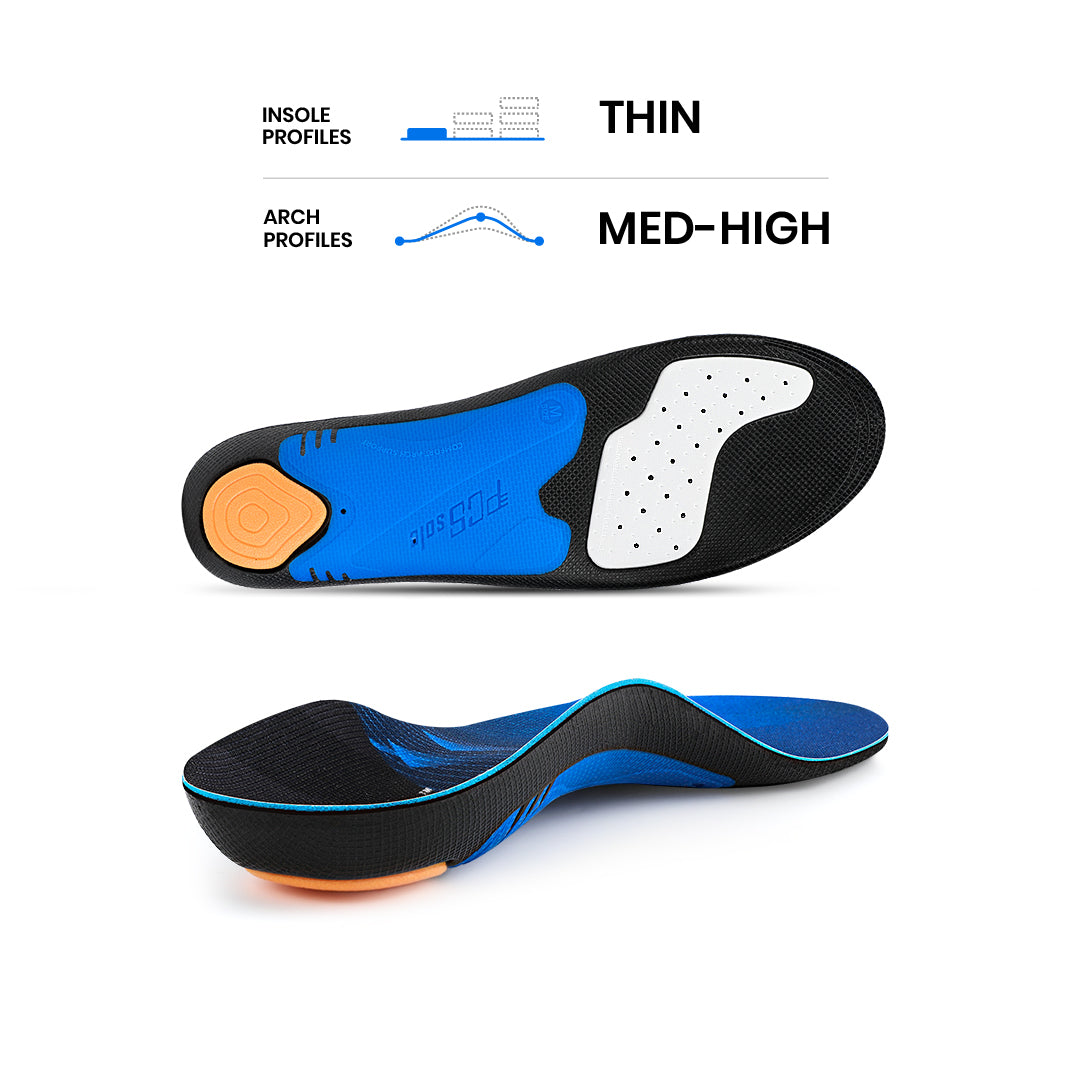
The removable liner in your running shoes' single biggest flaw is the complete lack of structural support. Stock insoles are flat pieces of material that offer no contouring to the foot's natural shape.
The removable liner in your running shoes' core failing is that they are designed for cost efficiency for the manufacturer, not biomechanical effectiveness for the wearer.
Most stock insoles:
- Flatten within weeks of use
- Offers no real arch support or stability
- Retain moisture and odor
- Provides little to no energy return
While they serve the basic purpose of covering internal stitching, they are almost universally problematic for foot health and long-term comfort.

What are the Differences Between Run Insoles and Stock Insoles?
Aspect |
Running Insoles |
Stock Insoles |
|---|---|---|
Support |
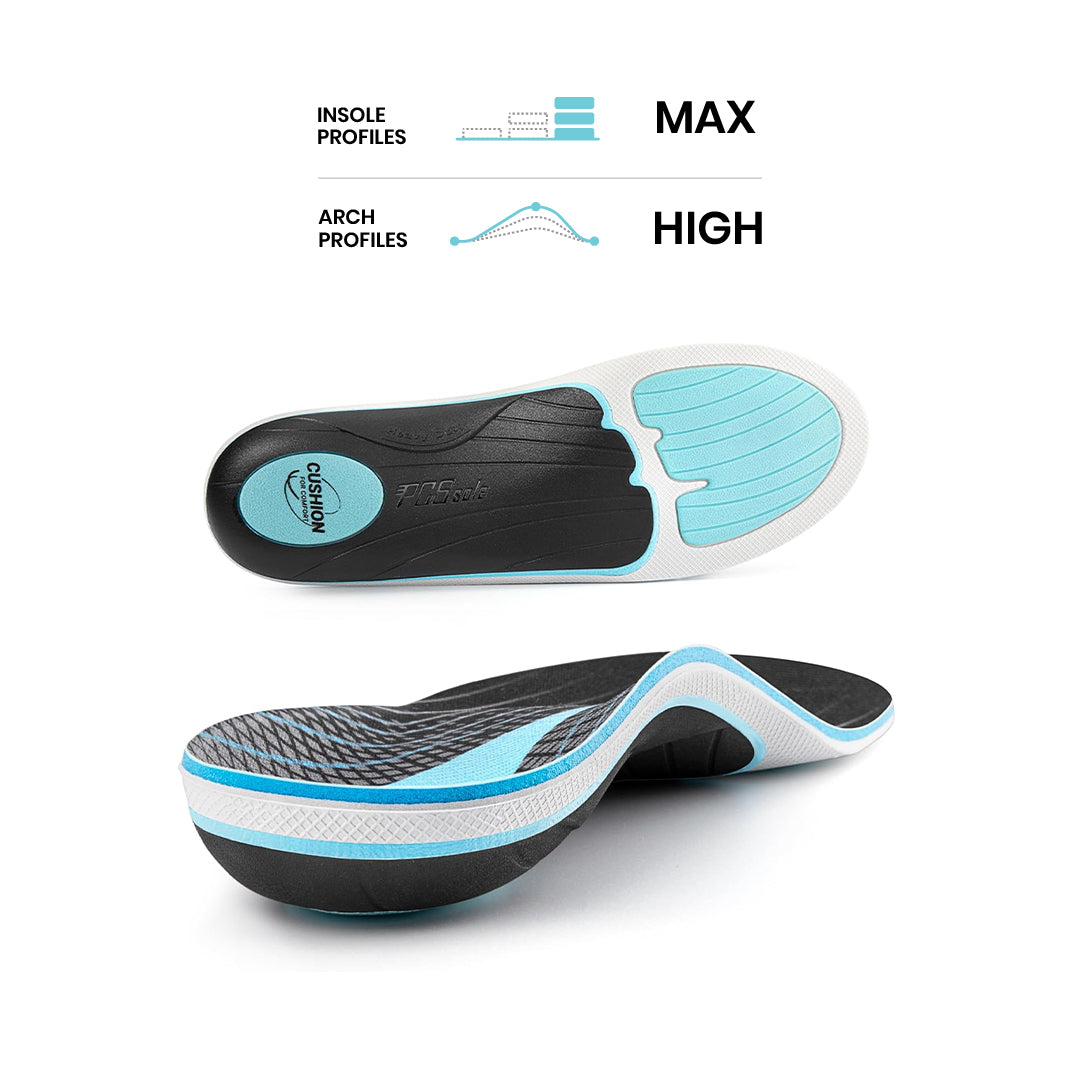
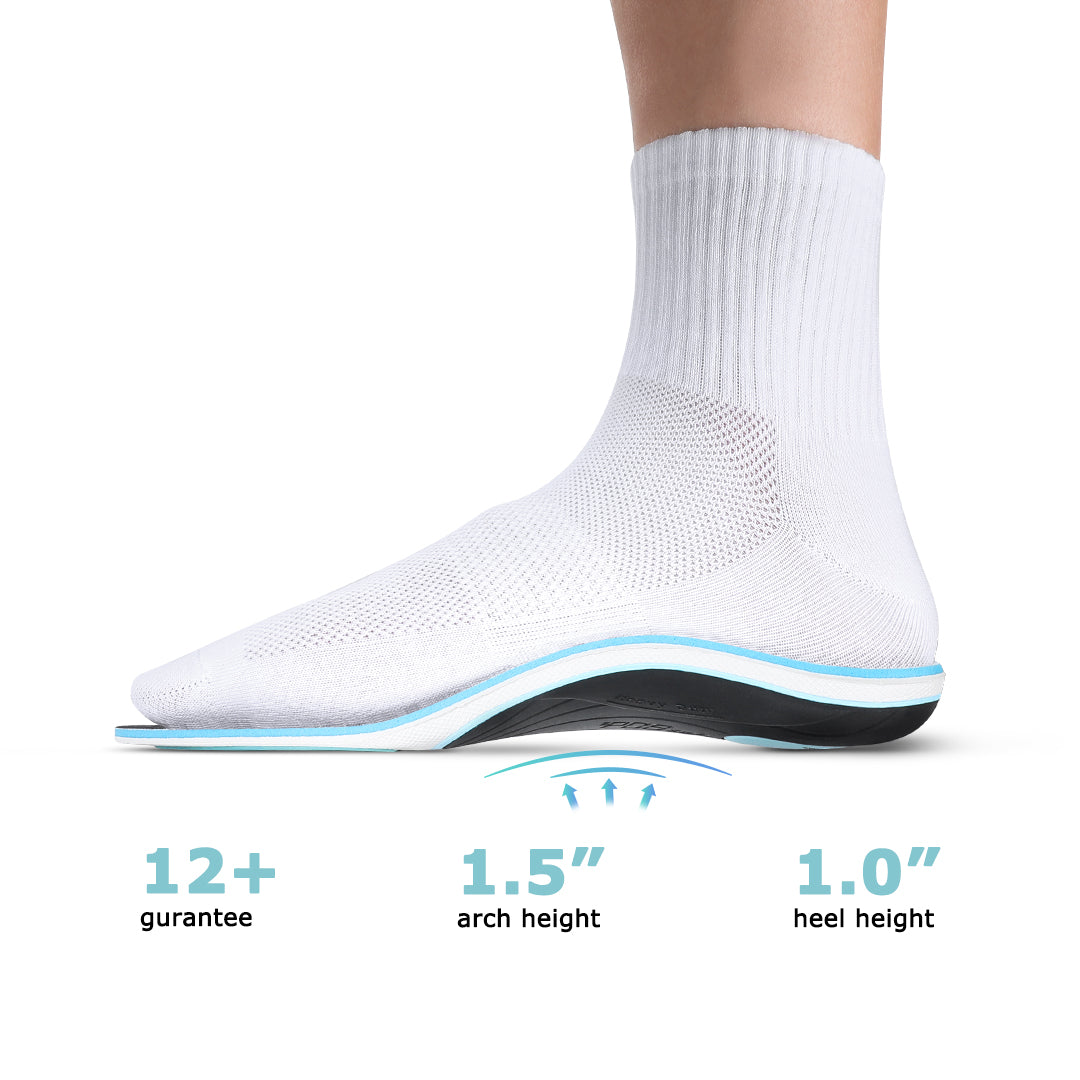
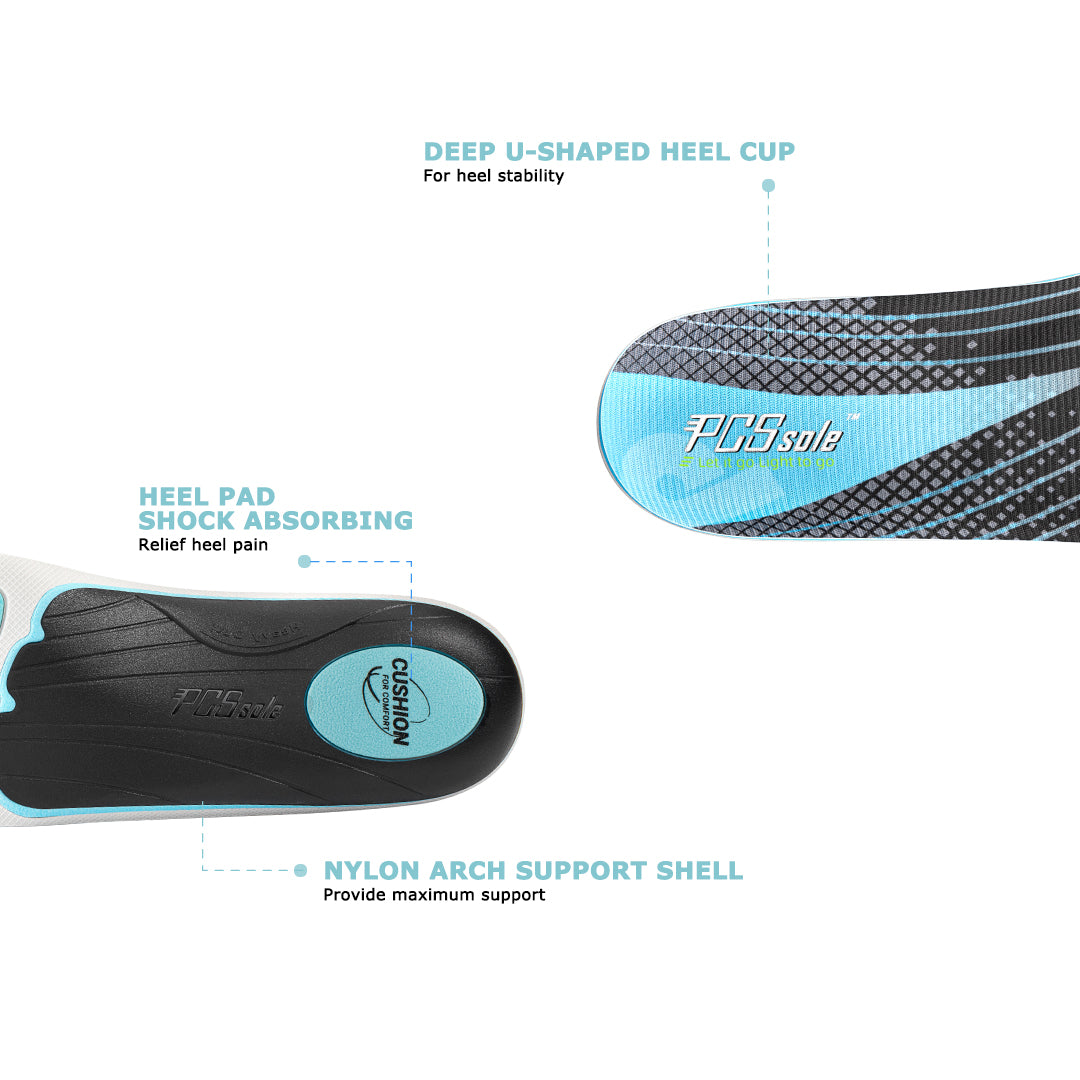
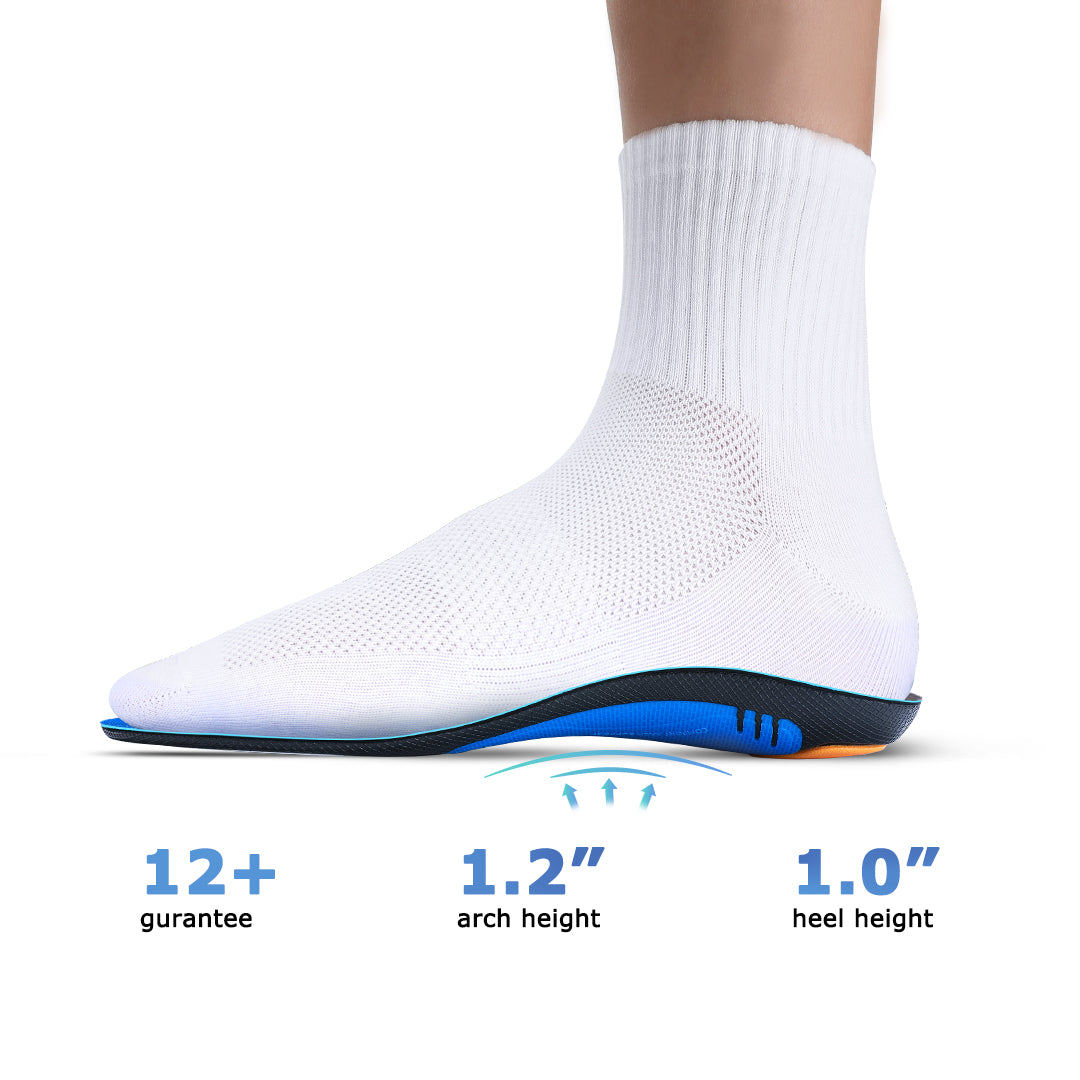
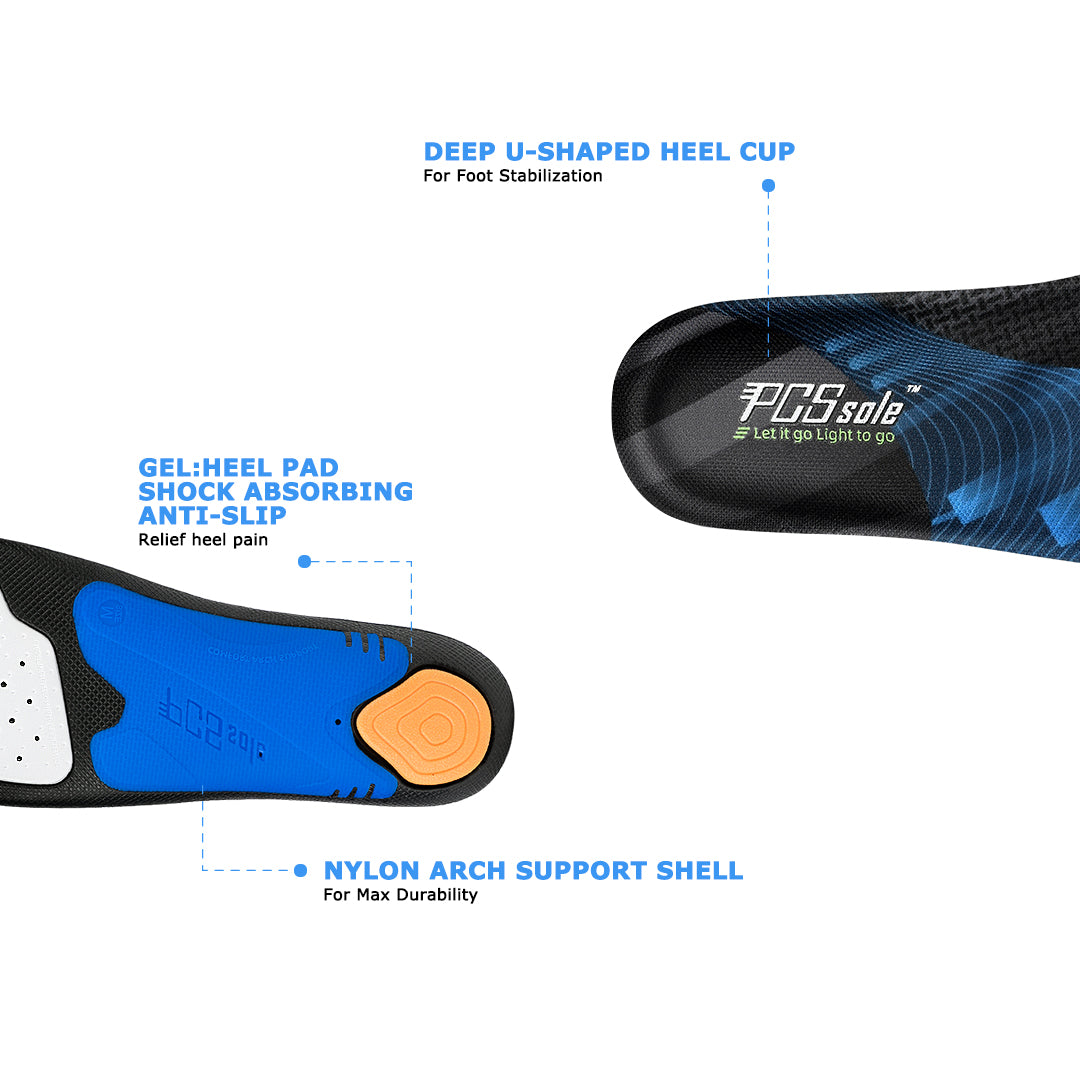
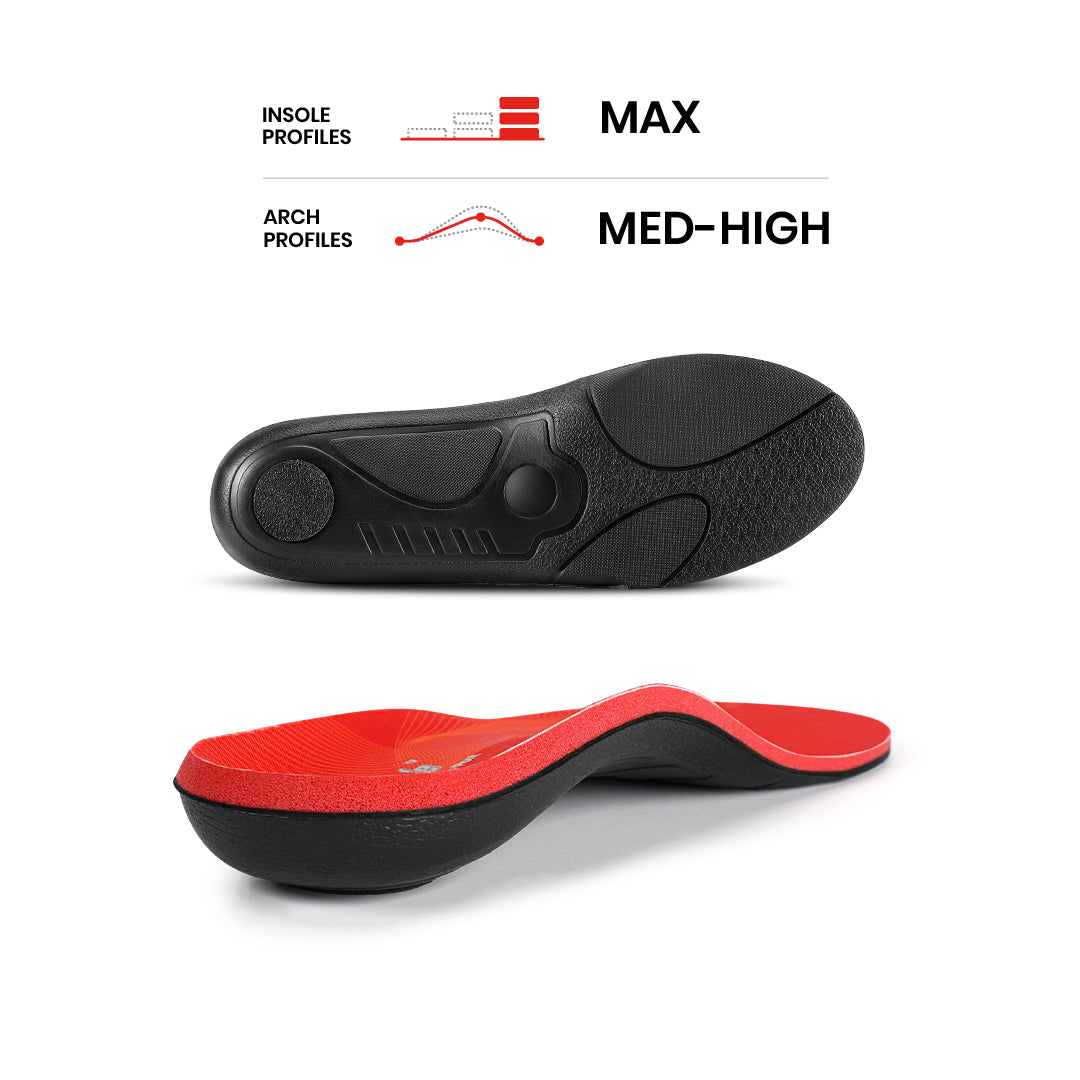
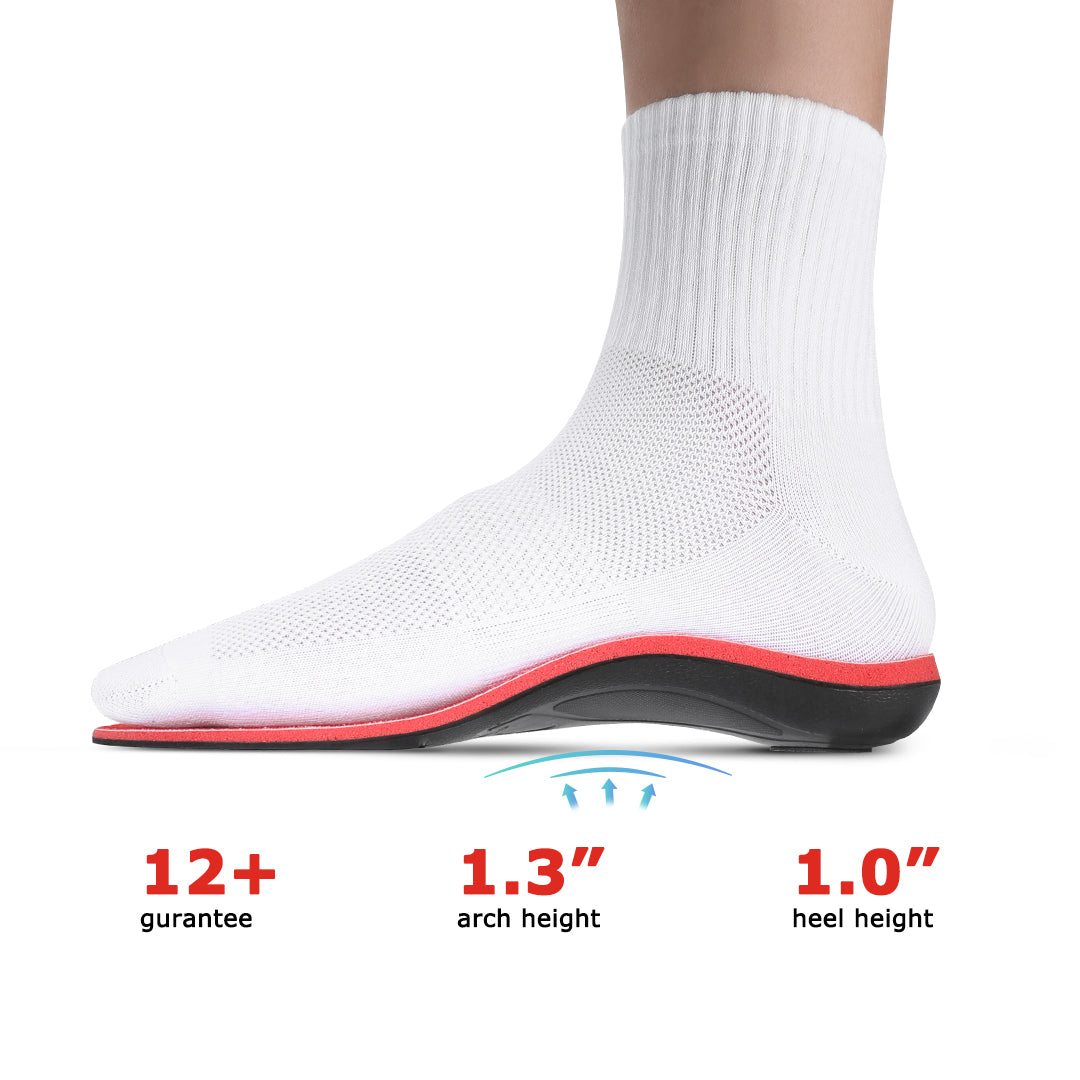
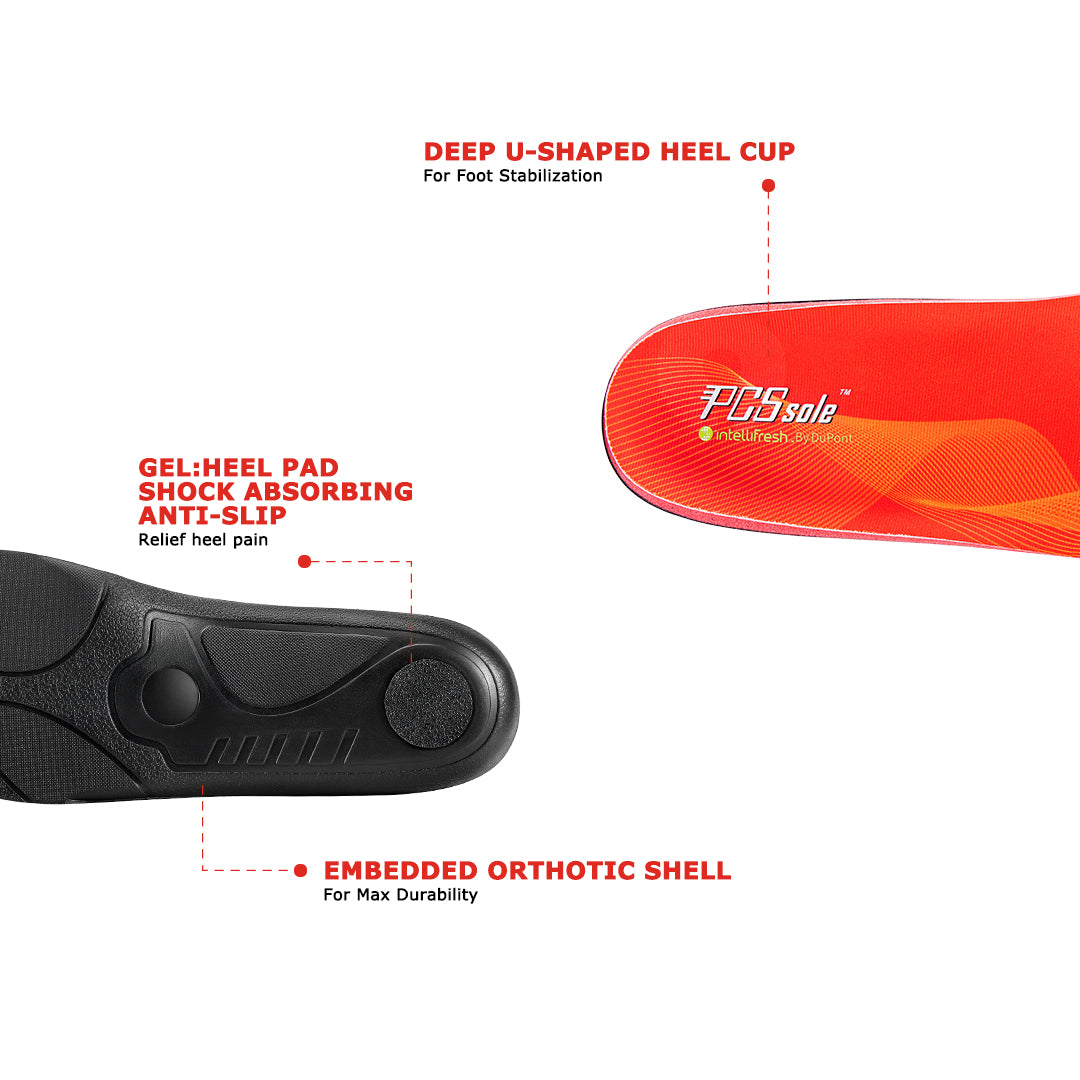
Provide customized arch support with semi-rigid structure, deep U-shaped heel cup for stability and alignment, reducing overpronation and injury risk. | Flat design with minimal or no arch support, leading to poor foot alignment and increased strain. |
Durability |
Built with durable EVA foam base and multi-layer cushioning; modular design allows for long-term use without flattening quickly. | Made from basic, flimsy materials that flatten within weeks and require frequent replacement. |
Materials |
High-elastic, dual-density foam for cushioning; breathable, non-slip fabric with antimicrobial properties to control odor and moisture. | Basic EVA foam that retains moisture and odor, lacking advanced cushioning layers. |
Shock Absorption |
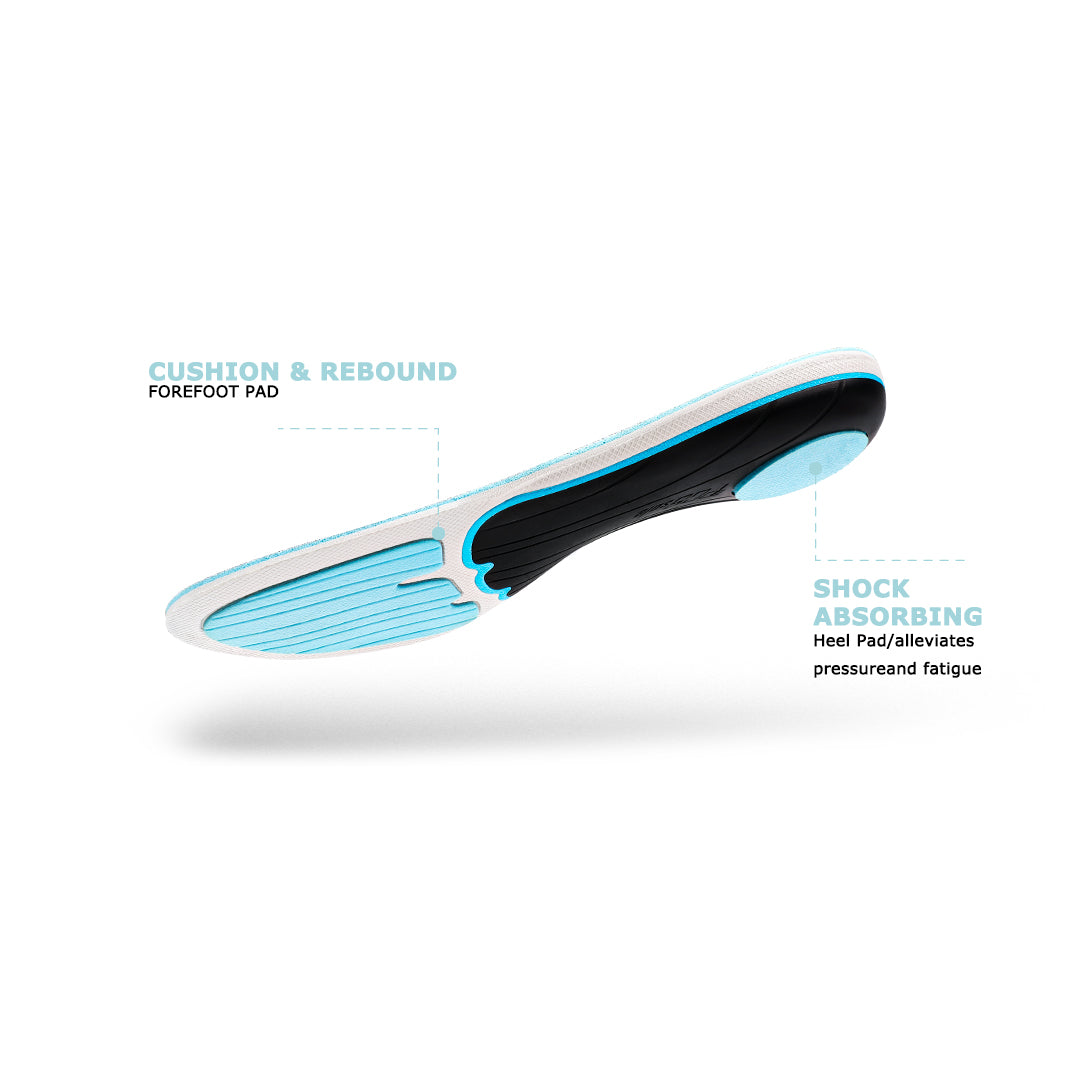
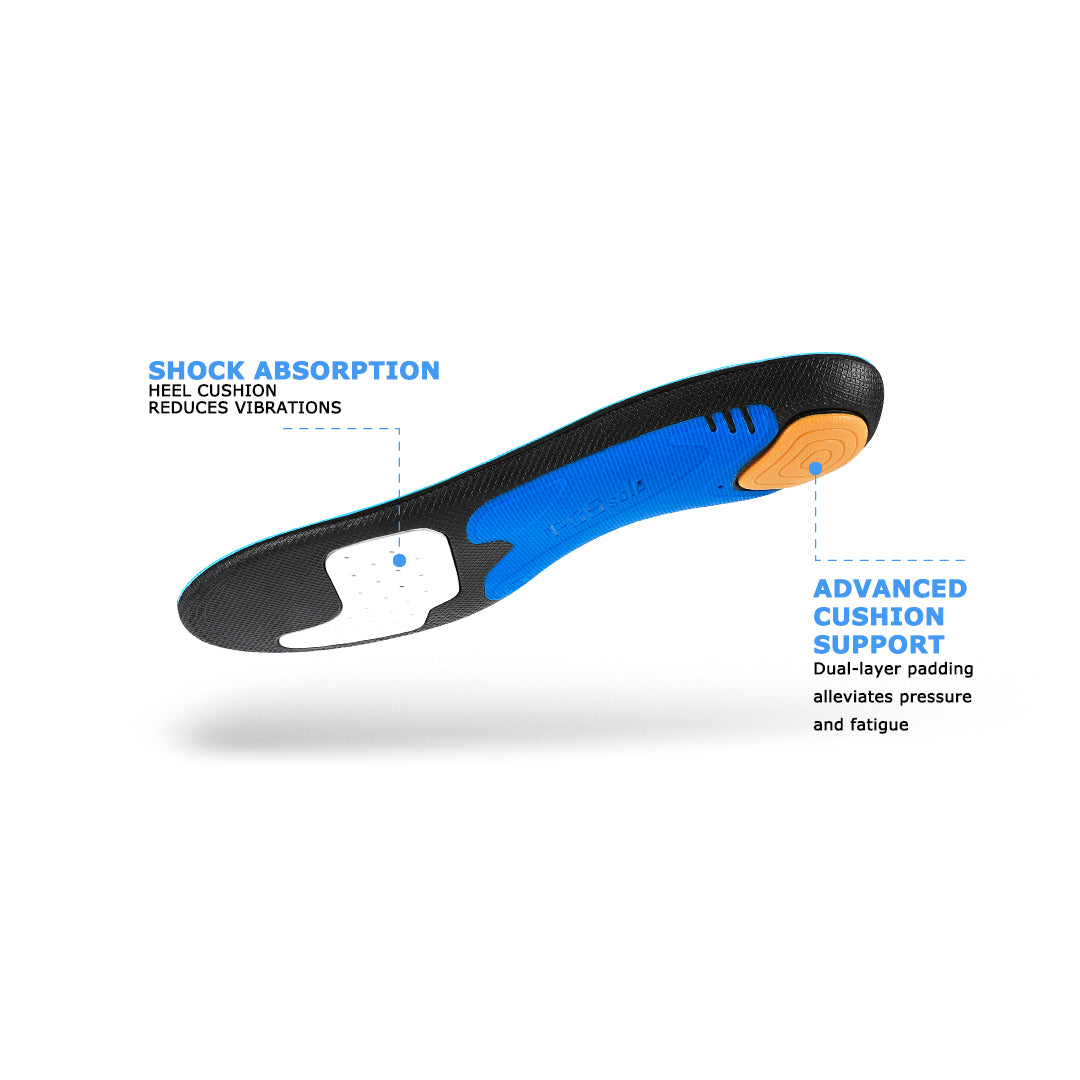
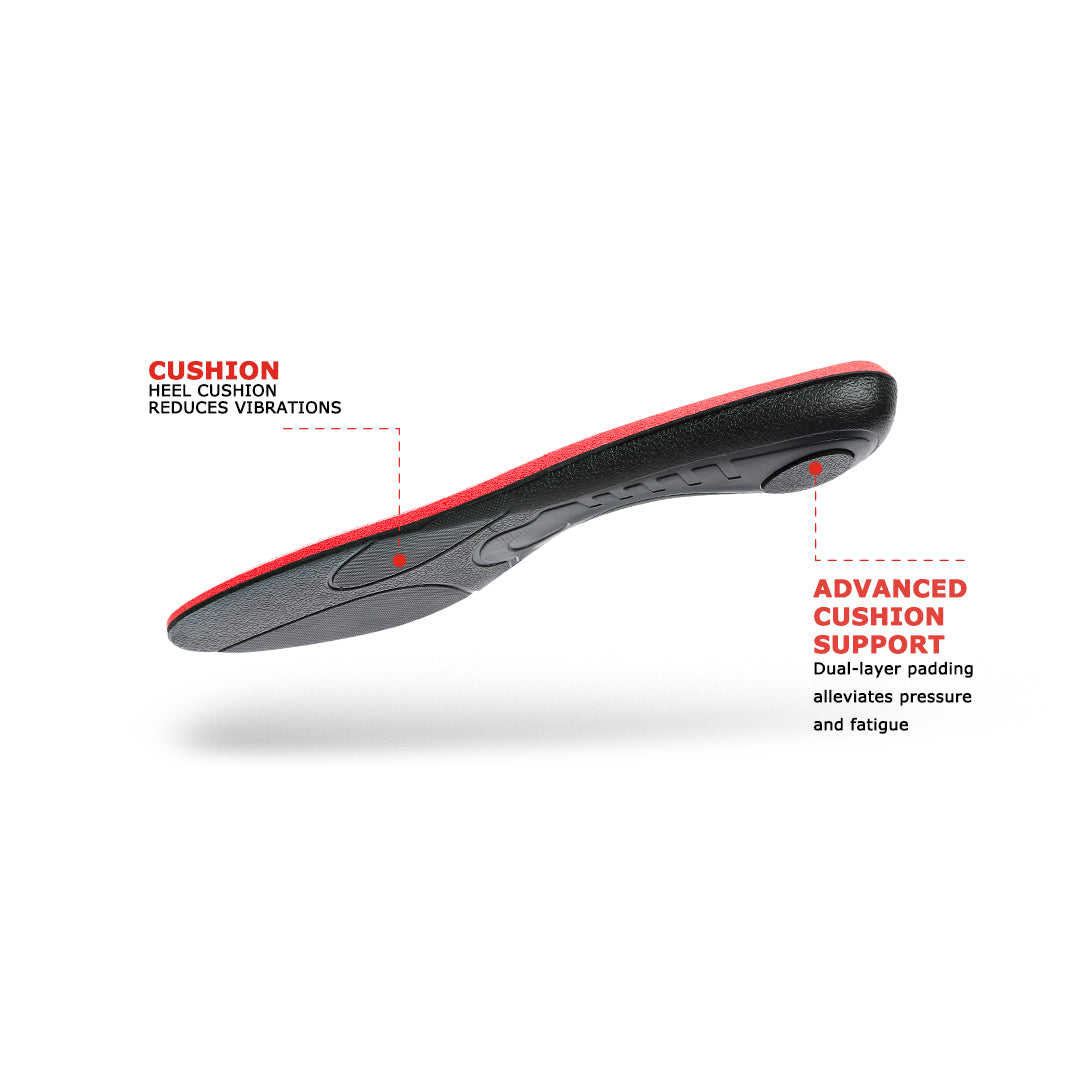
Engineered dual-density foam absorbs impact, protects against strain, and reduces fatigue during high-impact activities like running. | Minimal shock absorption, offering little protection from impact and leading to quicker fatigue. |
Comfort |
All-day comfort with forefoot padding to relieve metatarsal pressure; flexible yet supportive for extended wear without bulk. | Basic comfort that diminishes over time, often feeling inadequate for prolonged use. |
Performance Benefits |
Enhance running efficiency, energy return, and stability; trim-to-fit design for custom fit, ideal for sports and training. | Limited to cost-saving; no significant boost in efficiency or injury prevention. |
In short, while stock insoles are just protective linings, running insoles are a functional piece of athletic equipment designed to handle repetitive, high-stress forces while correcting your alignment.

Should I Replace the Stock Insole with a Running Insole?
Yes, absolutely. If you are regularly running, walking long distances, or spending significant time on your feet, replacing the stock insole with a specialized running insole is one of the most cost-effective and beneficial upgrades you can make to your footwear.
Running shoes are designed to handle external performance — traction, stability, cushioning. The insole manages the internal side: how your foot interacts with the shoe. When that foundation is weak, energy and comfort are lost with every stride.
Replacing your stock insole with a precision-fit one instantly improves:
- Foot alignment
- Shock absorption
- Running efficiency
- Long-term comfort
- It’s the simplest upgrade you can make to your gear — and one of the most effective.
Upgrade your run
Best Running Shoes 2026: PCSsole Run Insole Upgrade Your Run

ASICS Metaspeed Sky Tokyo
✅Pros
- Light as a feather
- Explosive energy return
- Marathon-ready cushioning
- Fantastic ASICSGRIP outsole
- Generous toebox height
- FF Leap is a true next-level foam
- Secure lockdown
- Excellent breathability
❎Cons
- Higher price tag
- Narrow toebox
- Unstable for heel strikers
Who should buy
We pushed the limits of the Metaspeed Sky Tokyo and found it’s ideal for:
Runners looking for a damn good supershoe. This one is lightweight, fast, and built with a super-grippy outsole.
Forefoot strikers with low to medium cadence (140-175) aiming to maximize energy return from powerful strides, as the flat plate excels here.
Midfoot or forefoot strikers want a marathon shoe that lets them lock into a pace and hold it until the finish line.
Fans of the Metaspeed Sky series. Well, this is without question the best version yet.
Who should NOT buy
We think the Metaspeed Sky Tokyo sacrifices too much heel stability, and in our view, it’s a poor choice for this type of runner. In our testing, the narrow heel platform combined with the soft foam created an unstable ride. For a better option with the same bouncy feel and a more stable platform, we recommend the Adidas Adizero Adios Pro 4 or the Nike Alphafly 3.
We also believe that the narrow toebox can be too restrictive, even for a racing shoe. If that sounds like a concern, we consider that the Saucony Endorphin Pro 4 is a smarter choice—it offers more room up front, better heel support, and... comes at a lower price too.

Under Armour Charged Surge 4
✅Pros
- Good traction
- Very affordable price
- Stable and secure ride
- Ideal for heel strikers
- Comfortable heel and tongue
- Suitable for daily wear
- Pressure-free lacing system
- Durable outsole
❎Cons
- Very low energy return
- Weak shock absorption
- Not for serious running
- Firm feel underfoot
Who should buy
The Under Armour Surge 4 can be a solid choice for:
Casual runners on a budget seeking a stable daily trainer for easy runs or jogs.
Runners who prefer firm cushioning, focus on shorter distances, and want maximum savings.
Heel strikers are looking for a cheap shoe with a thick outsole for extra durability.
Who should NOT buy
We believe the Surge 4 is not the best choice if you want decent performance in energy return or shock absorption. After lab testing, we found both categories fell really short, ranking among the weakest we’ve measured. For a budget-friendly alternative with better bounce, we suggest the Nike Downshifter 12.

Adidas Runfalcon 5 Wide
✅Pros
- Exceptionally affordable
- Comfortable for walking
- Ideal for heel strikers
- Performs well in cold climates
- Cushy upper material
- Ultraboost-inspired heel design
- Ortholite insole
- Improved heel design
❎Cons
- Shockingly poor durability
- Insufficient forefoot cushioning
- Firm midsole
- Awful traction
Who should buy
After testing the Adidas Runfalcon 5 in our lab, we’re convinced it’s a solid choice for:
Heel strikers searching for a budget-friendly trainer with moderate stack height and a straightforward, no-frills design.
Beginners on a budget need a versatile shoe that transitions effortlessly from walking to running.
Weekend warriors in colder climates want a cost-effective option that handles everyday wear and casual jogs.
Who should NOT buy
We determined that the Runfalcon 5 struggles significantly with durability—the toebox, heel, and outsole all exhibited excessive wear. For runners concerned about this, we recommend considering the Brooks Revel 7—a similarly priced option with far superior longevity.

Nike Pegasus 41
✅Pros
- Enhanced for heel strikers
- New ReactX foam!
- Improved breathability
- Plush upper
- Good durability
- Several stability enhancements
- Newly designed rocker and bevel
- Solid performance
- Superior lockdown
- Sustainable features
❎Cons
- Price increased by $10
- Worse than the v40 in cold temperatures
- Poor grip
Who should buy
We've thoroughly tested the Pegasus 41 to its limits and are convinced it's a fantastic choice for:
Beginners to running seeking a reliable and versatile daily trainer for short, medium, and even long runs.
Loyal Pegasus aficionados who upgrade annually will find this version to be an exceptional update.
Runners who found the previous React midsole lacking in energy return will appreciate the enhanced performance of the new ReactX foam.
Heel strikers in search of an affordable, durable, and reliable daily training shoe.
Who should NOT buy
We've put the Pegasus 41 through rigorous tests and, based on our findings, we think it's not the best option for certain runners.
Specifically, the shoe's cushioning and high heel-to-toe drop make it less suitable for forefoot strikers who may find the design uncomfortable for their running style. For those runners, we recommend considering alternatives like the Saucony Ride 17 or the Hoka Clifton 9, which provide more cushioning in the forefoot.

Saucony Endorphin Speed 5
✅Pros
- Supershoe-like energy return
- Fantastic upper with top-notch ventilation
- Softer PWRRUN PB foam
- Endorphin Speed DNA still present
- Great lockdown
- Versatile for multiple paces
- Smooth SPEEDROLL rocker
- Roomier and taller toebox
- Can be used for racing too
- OG special colorway looks fantastic!
❎Cons
- Small price hike
- Less agile than predecessors
- Durability downgrade
Who should buy
We believe that the Saucony Endorphin Speed 5 is a perfect match for:
Runners who love the Endorphin Speed series and upgrade yearly, as it keeps the same bouncy, fun spirit alive.
Anyone looking for a versatile shoe with excellent energy return but without the stiffness of a carbon-plated supertrainer.
Those who want a single shoe for everything (including racing) without compromising flexibility or performance.
Heel strikers who felt previous versions lacked support.
Who should NOT buy
We think the Endorphin Speed 5 isn’t the best choice if maximum shock absorption is your priority. While it remains lightweight and fun, in our experience, it can’t match the ultra-cushioned feel of maximalist shoes like the Saucony Endorphin Trainer or the Mizuno Neo Zen. From our perspective, those tackling longer efforts may want something more plush and protective underfoot.

Nike Vomero Plus
✅Pros
- Full ZoomX midsole provides energetic bounce
- Outstanding shock absorption in both heel and forefoot
- True high-stack design
- Premium comfort from walking to long runs
- Strong durability
- Great pick for easy days
- Midsole resists cold very well
- Comfortable heel counter
- Solid Bondi alternative inside Nike
❎Cons
- Heavier than it should
- Snug fit and narrow toebox
- Non-gusseted tongue
- Traction still needs improvement
Who should buy
We tested the Vomero Plus in the lab and found that:
It’s a strong option for runners who miss the first two generations of the Nike Invincible, which we loved for its fun ride. While different in areas like flexibility, it delivers similar vibes at times thanks to its full ZoomX midsole.
Runners looking for a daily trainer with energetic bounce and outstanding shock absorption will enjoy it.
It performs wonderfully as an easy-day or recovery shoe for everyone.
Heel strikers will appreciate its solid stability, plush comfort, and high drop.
Who should NOT buy
We believe that the Vomero Plus is not the best option for runners worried about weight. It feels heavy when compared with other high-stack trainers like the ASICS Superblast 2 or even the Hoka Clifton 10. From our perspective, if you dislike a sluggish feel, we suggest considering those lighter alternatives.

Brooks Adrenaline GTS 24
✅Pros
- Stack height upgrade!
- Reliable support
- Breathable mesh with oversized vents
- Price remains unchanged
- Available in 4 width options
- Good durability
- Plush tongue for top comfort
- Ideal for heel strikers
- Foam upgrade to DNA Loft v3
❎Cons
- Firmer-than-expected midsole
- High drop may feel too steep
- Toebox height is a bit low
- Non-gusseted tongue
Who should buy
After fully testing the Brooks Adrenaline GTS 24, we recommend it for:
Runners who found previous Adrenaline models a bit lacking in cushioning—this version packs significantly more foam underfoot.
Heel strikers need reliable support in every stride and are looking for a durable, long-lasting running shoe.
Those with mild stability needs who want a shoe that keeps the foot centered without feeling overly bulky.
Who should NOT buy
We believe the Adrenaline GTS 24 isn't the best choice for runners seeking a plush, cushioned ride in a stability shoe. While the updated foam is an improvement in many ways, it feels noticeably firm underfoot. If you're after a softer experience, we recommend the New Balance Fresh Foam Vongo v6 or the ASICS GT 2000 13, both of which provide a more forgiving feel.


Share:
Which Are the Best Firefighter Boots and Insole Replacement?