



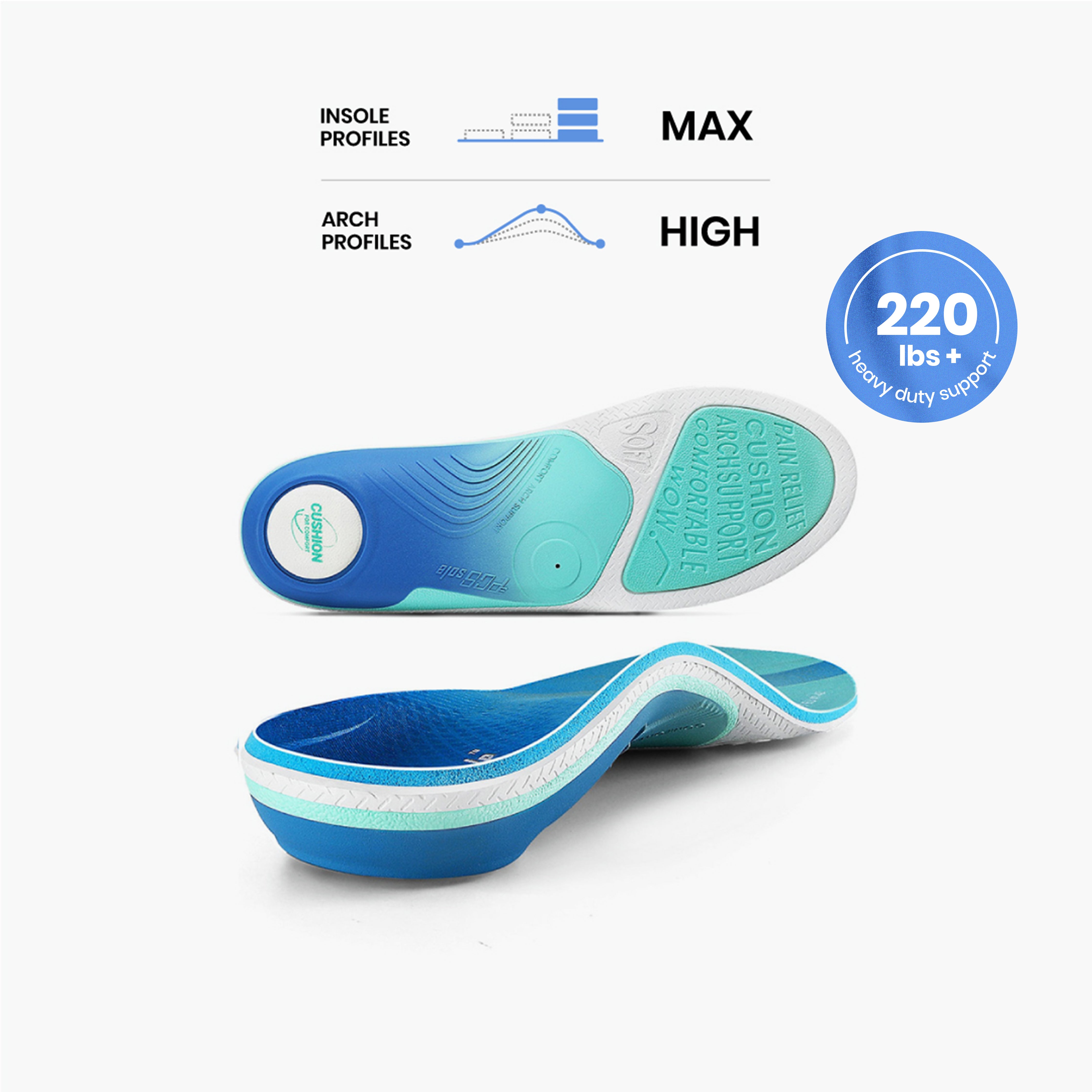
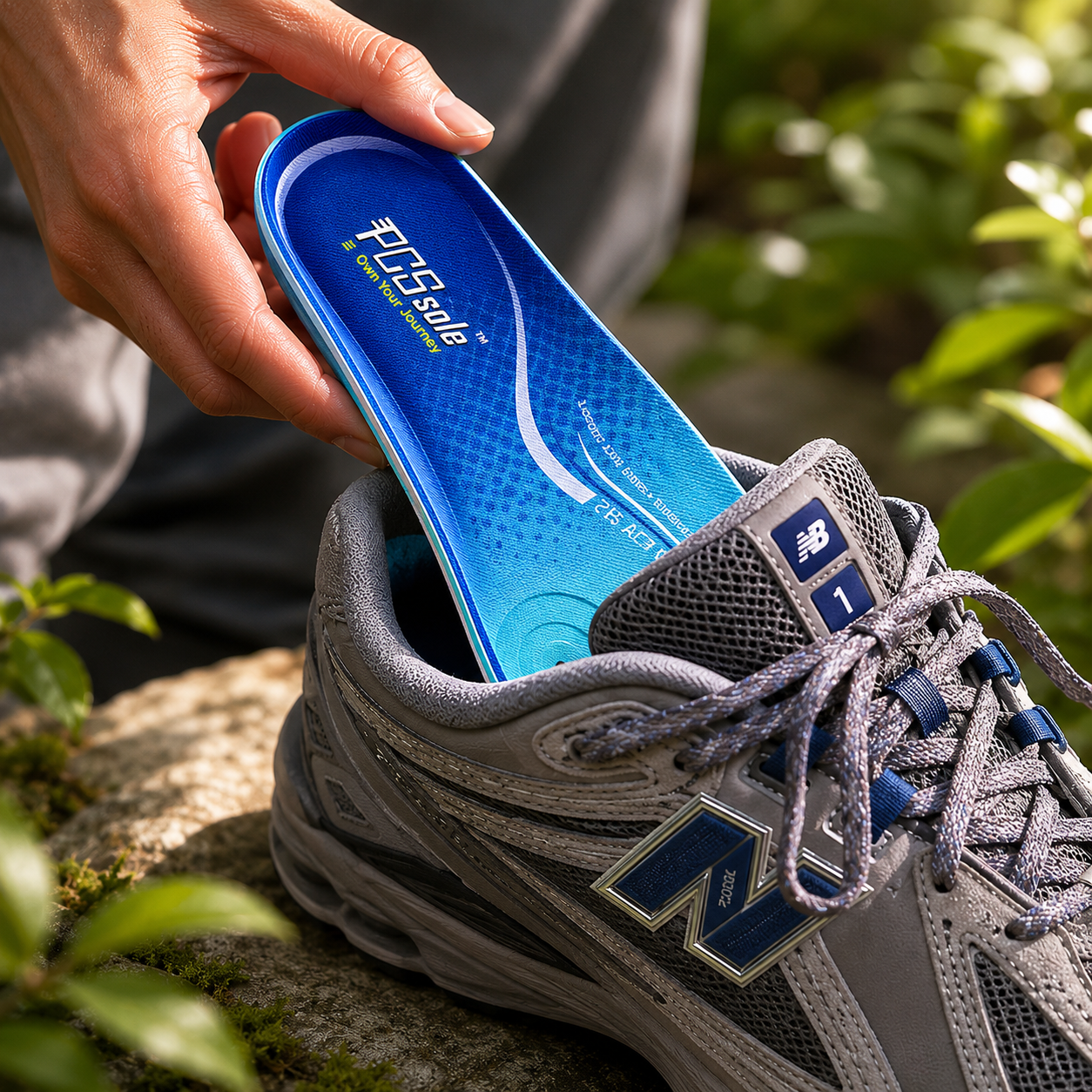
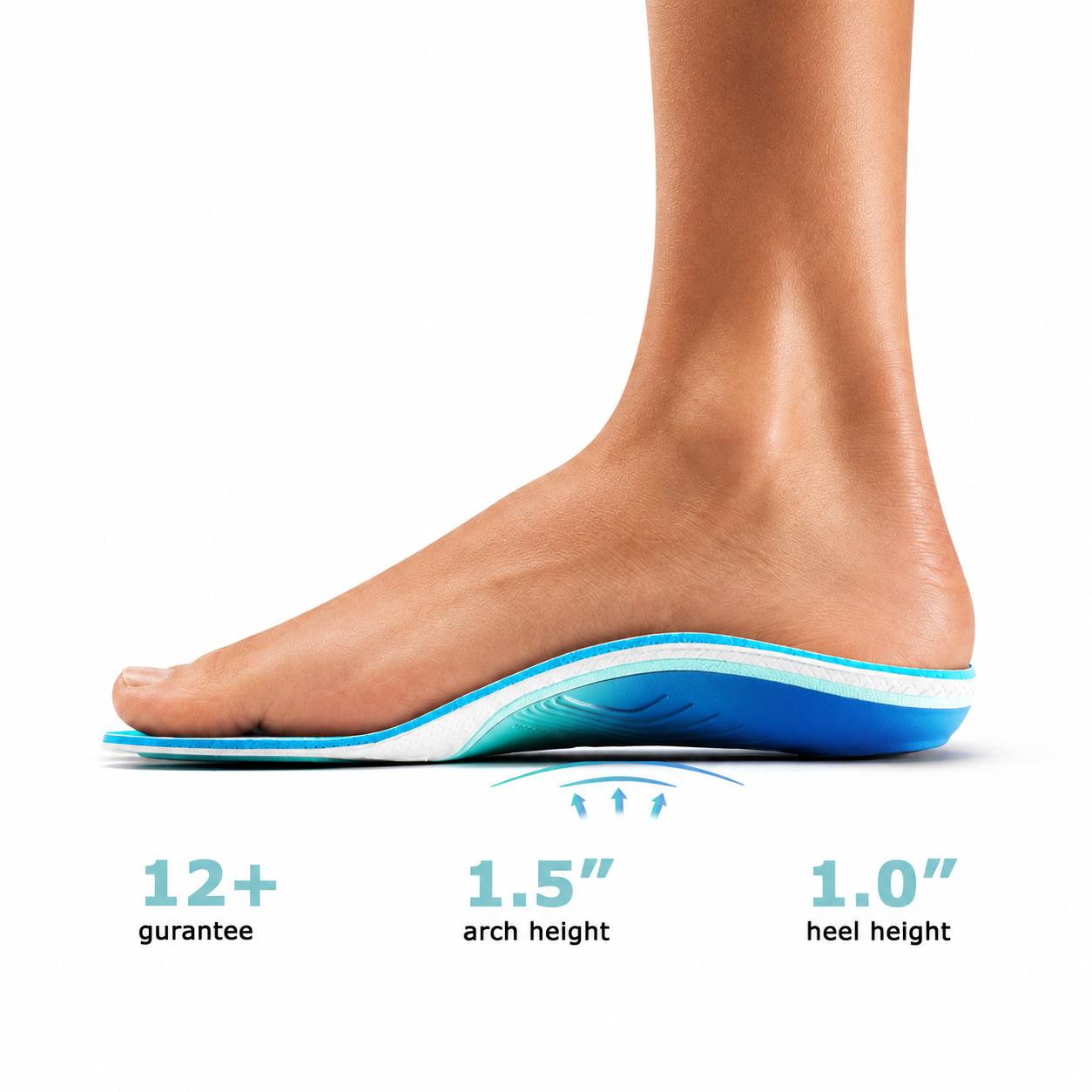
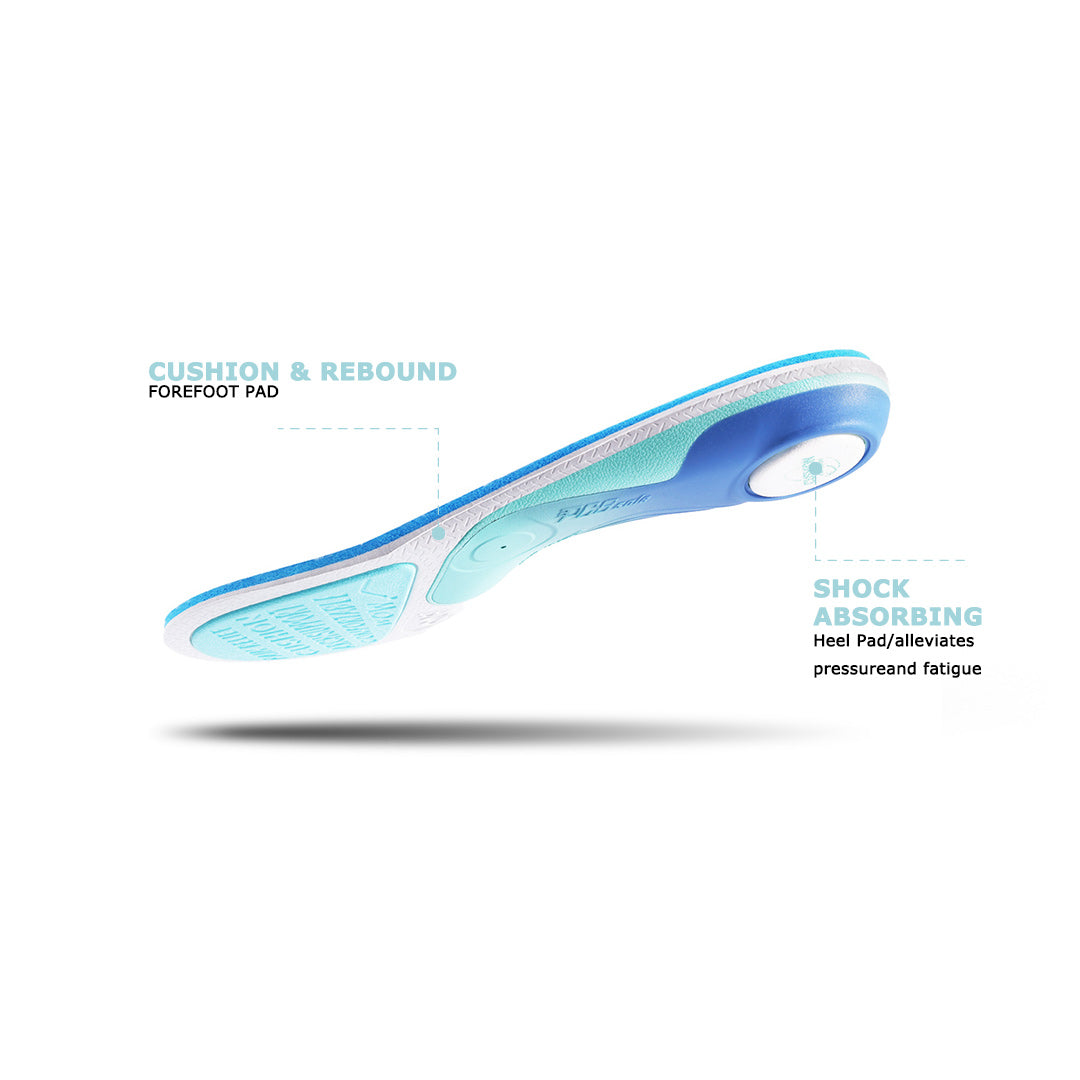

Why Choose PCSsole inserts for Flat Feet and Overpronation?
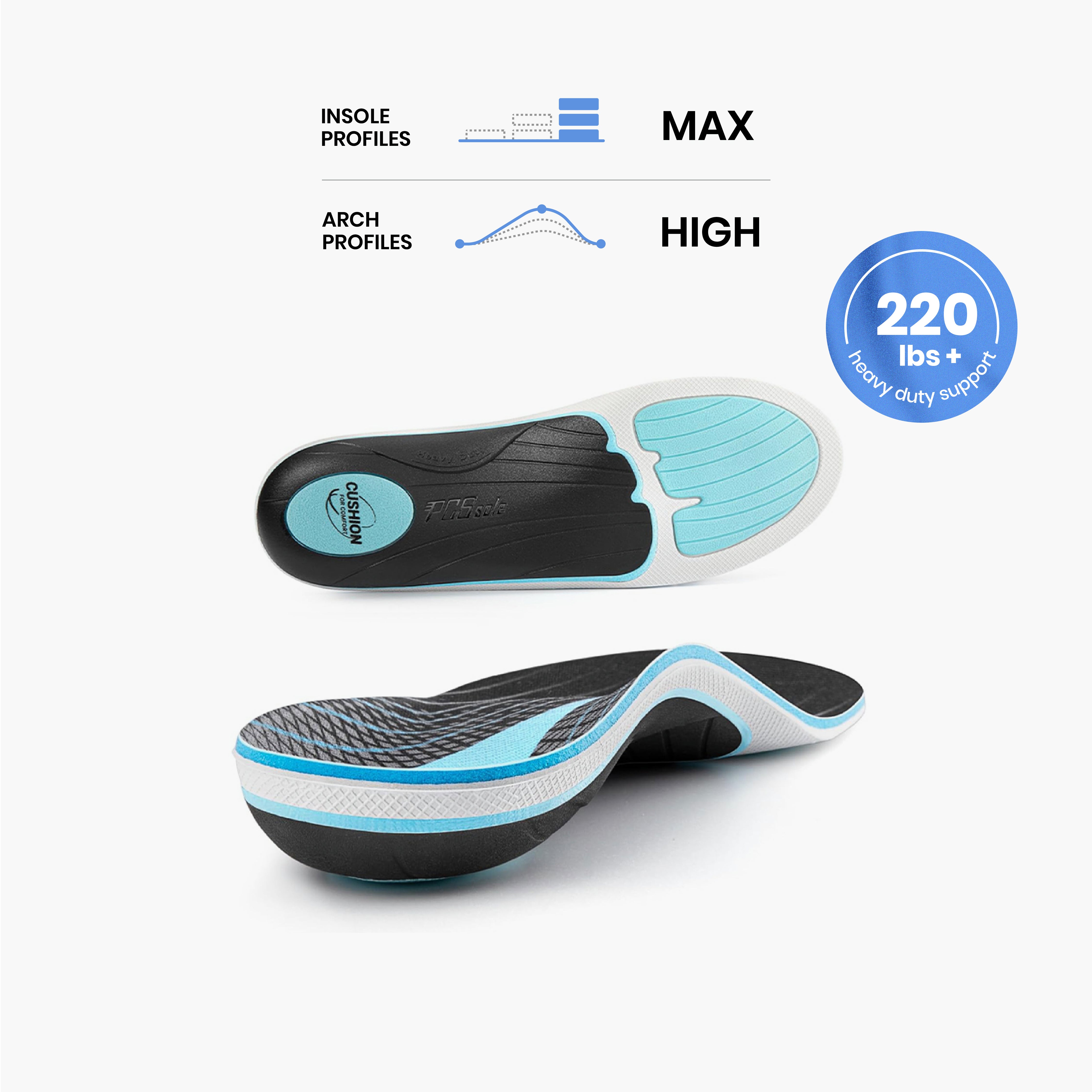
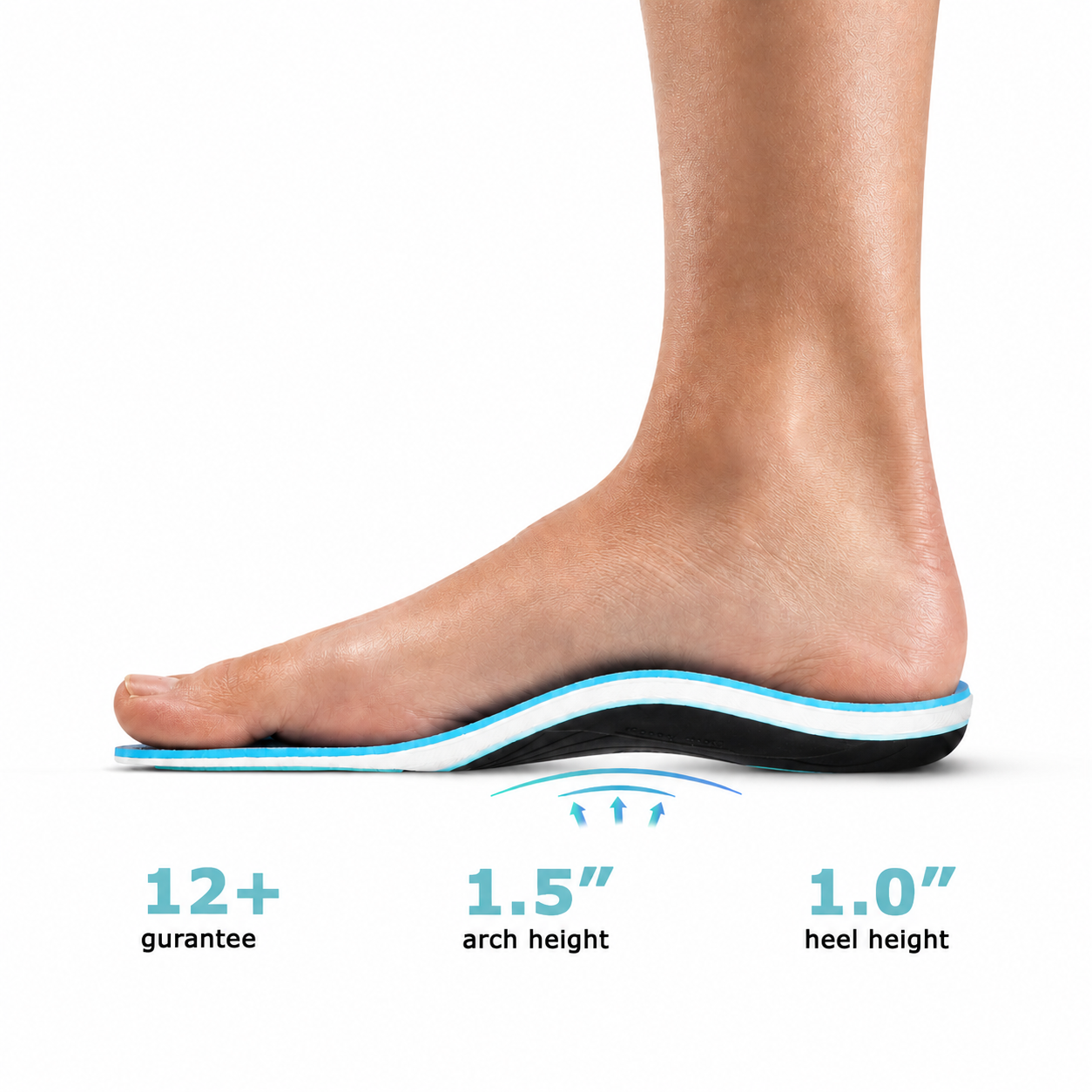
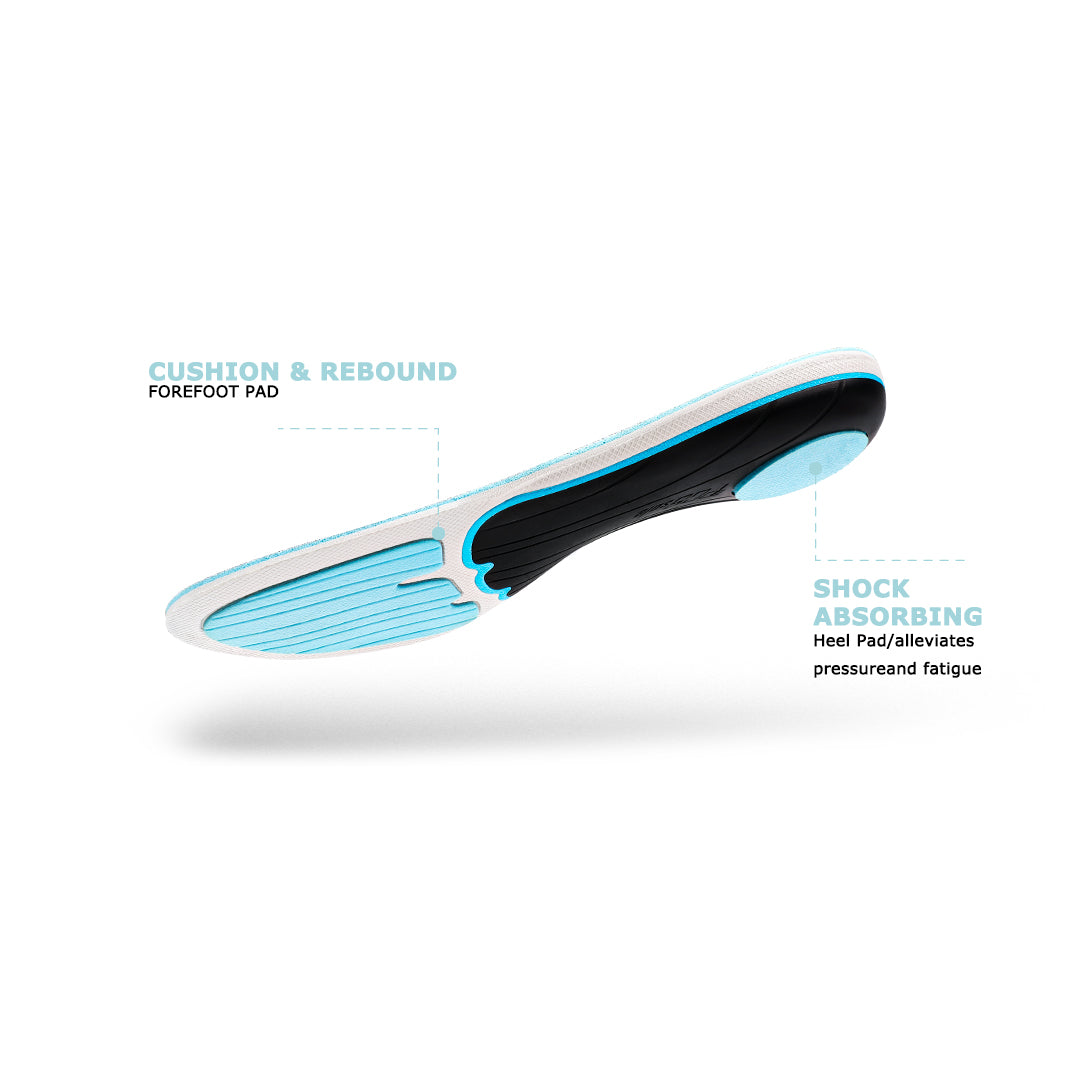
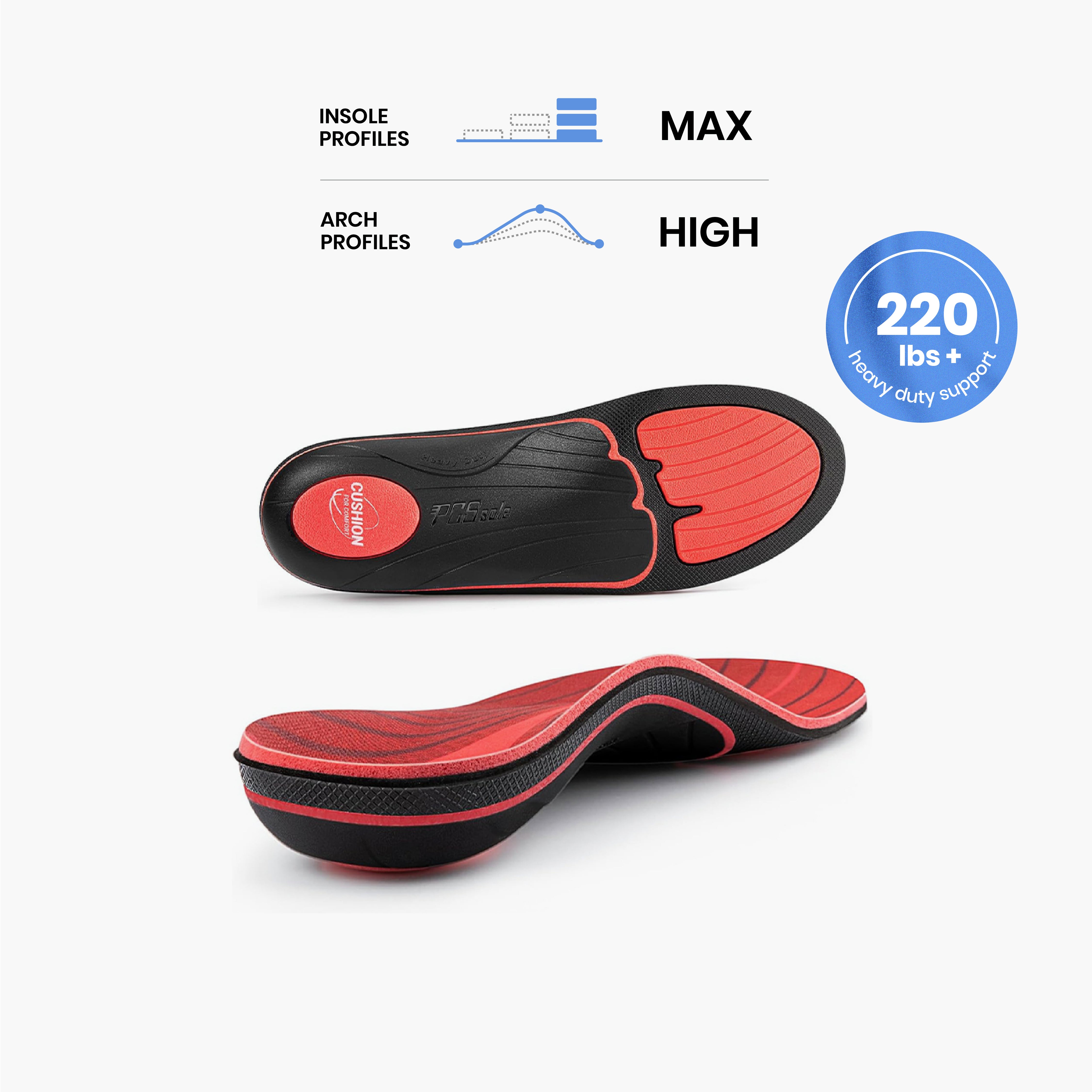
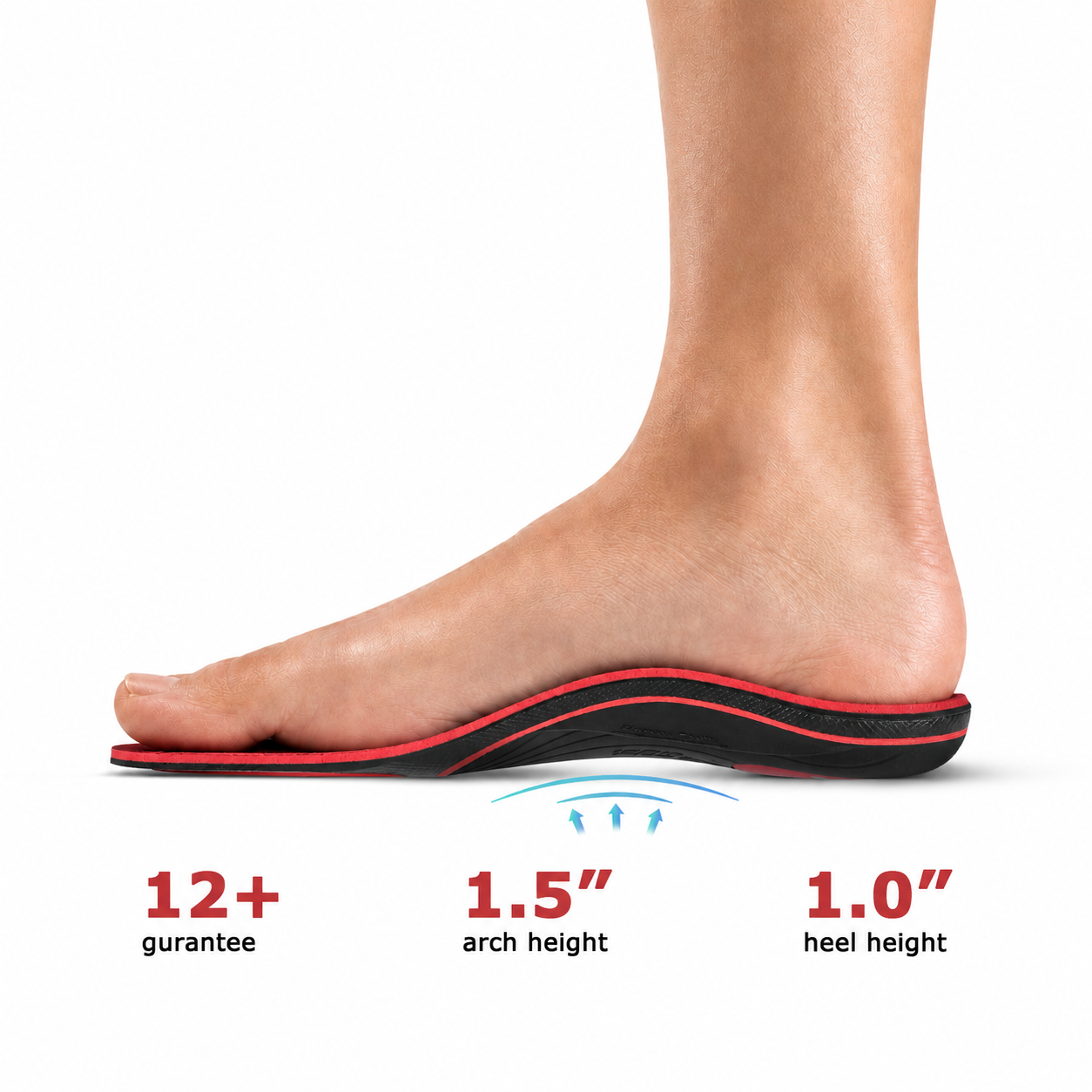
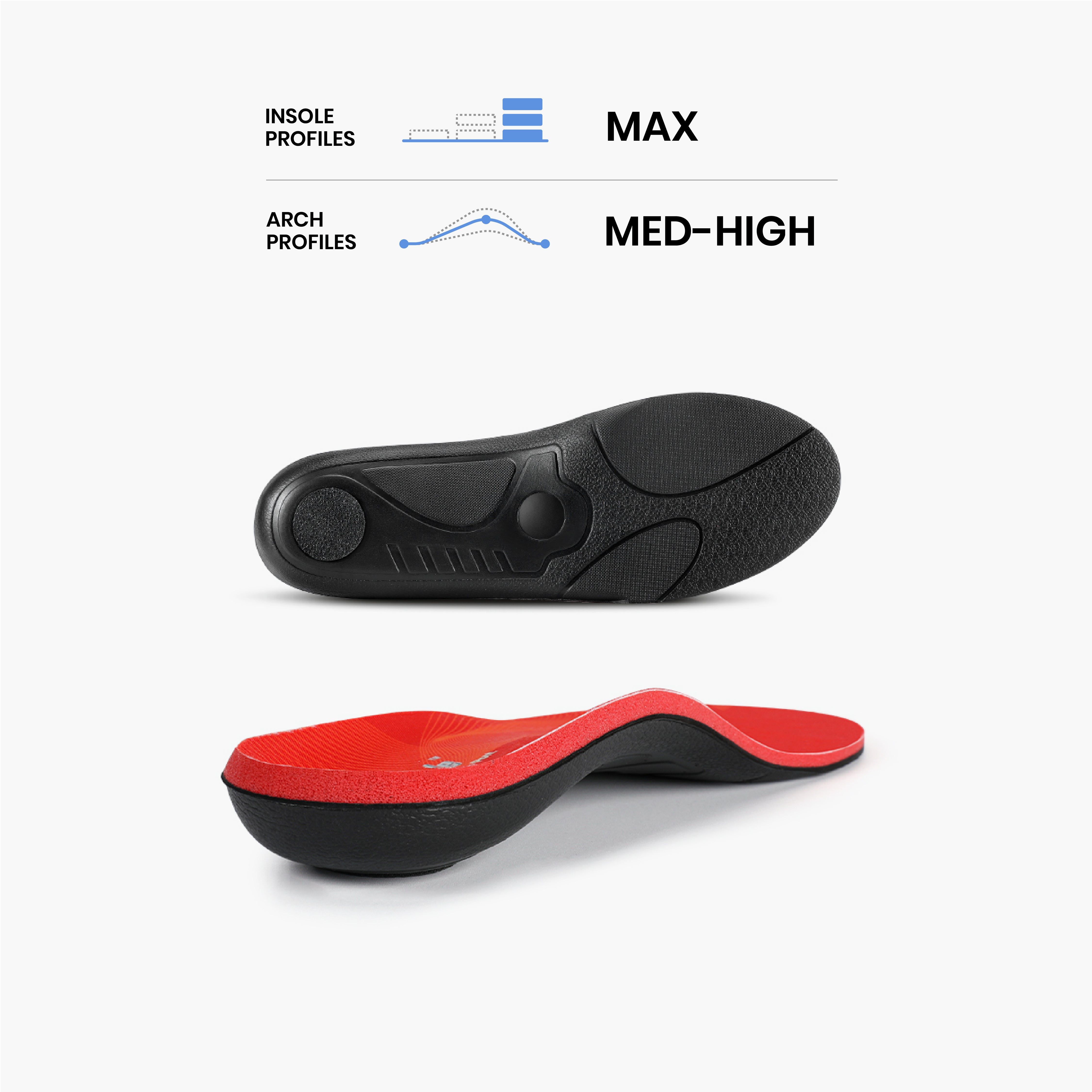
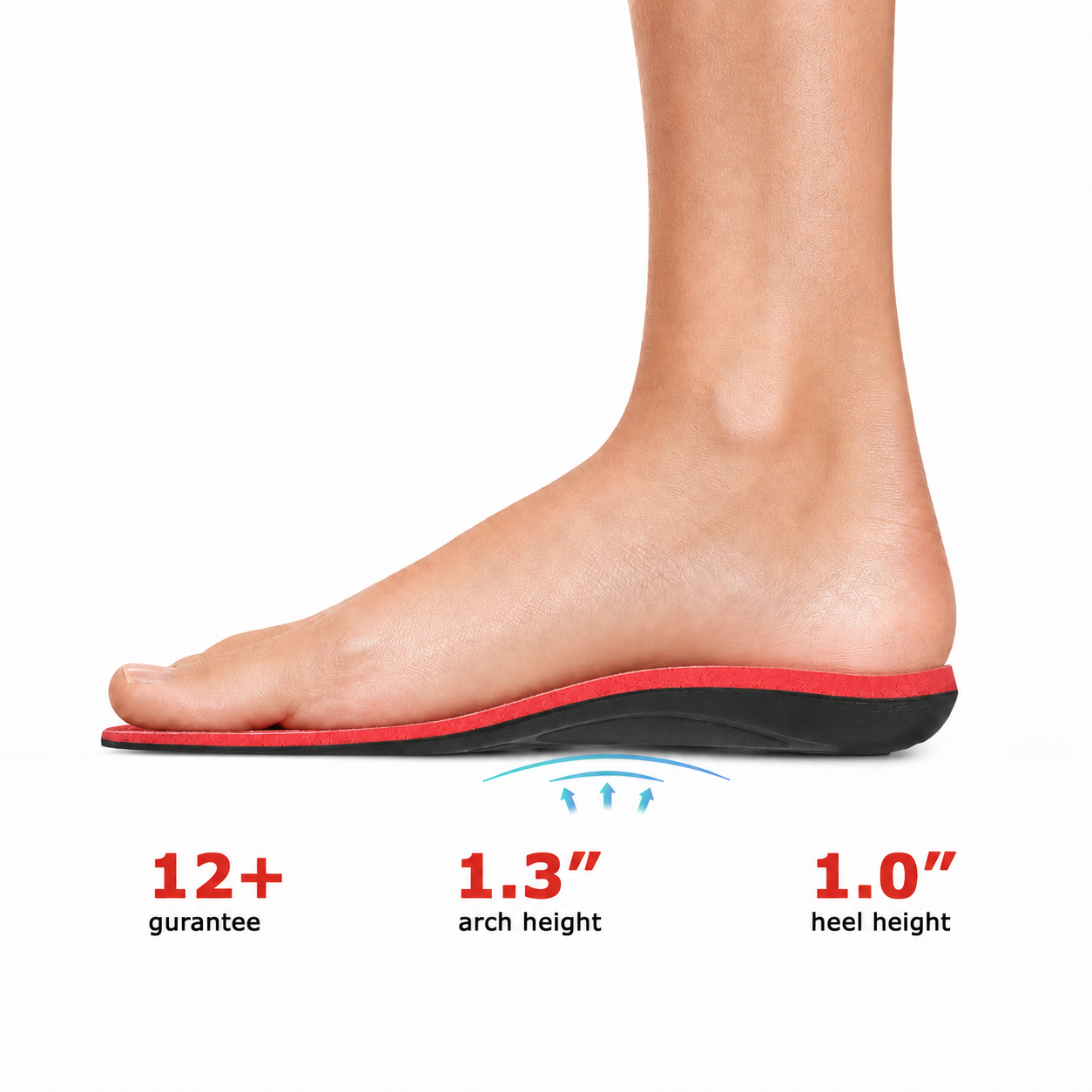
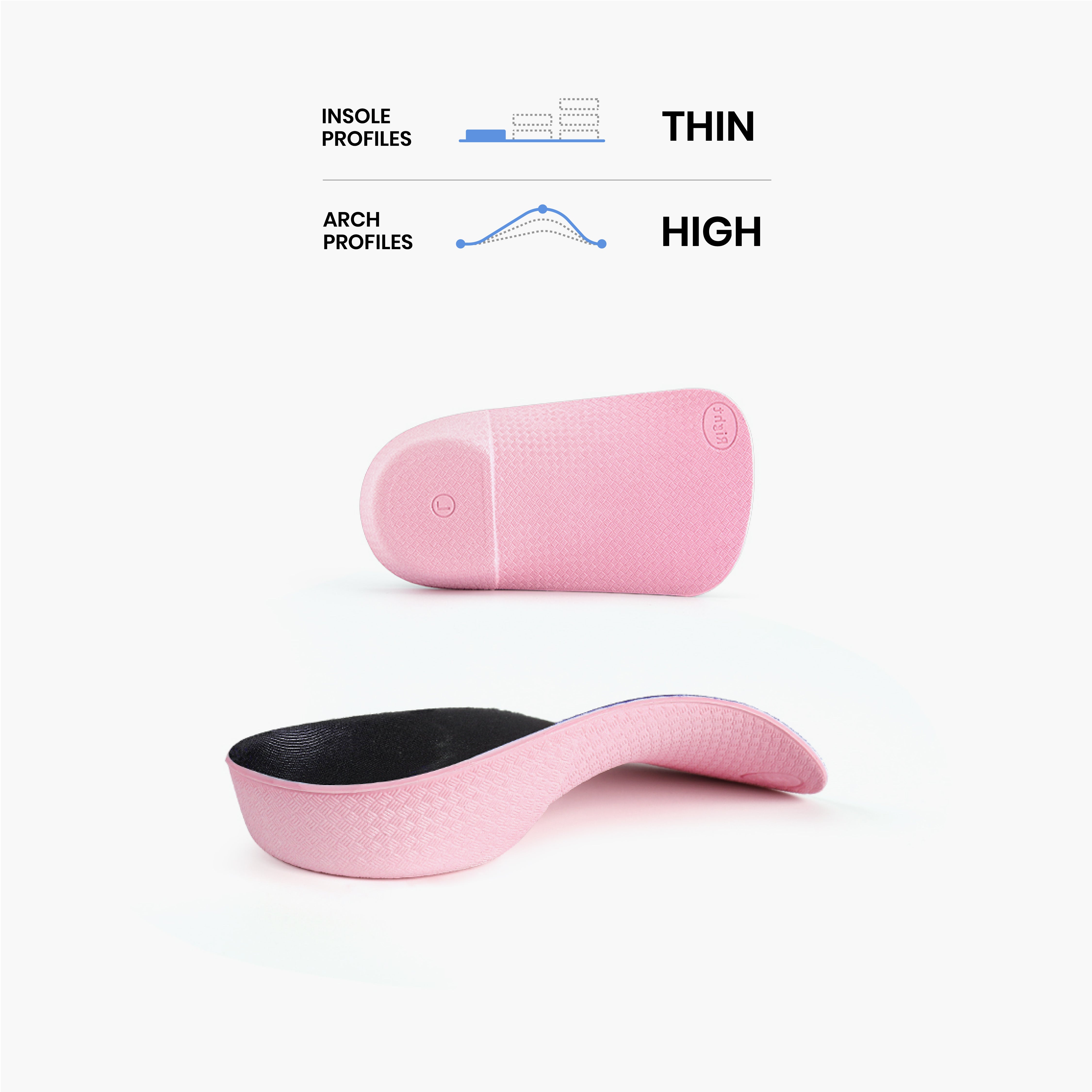
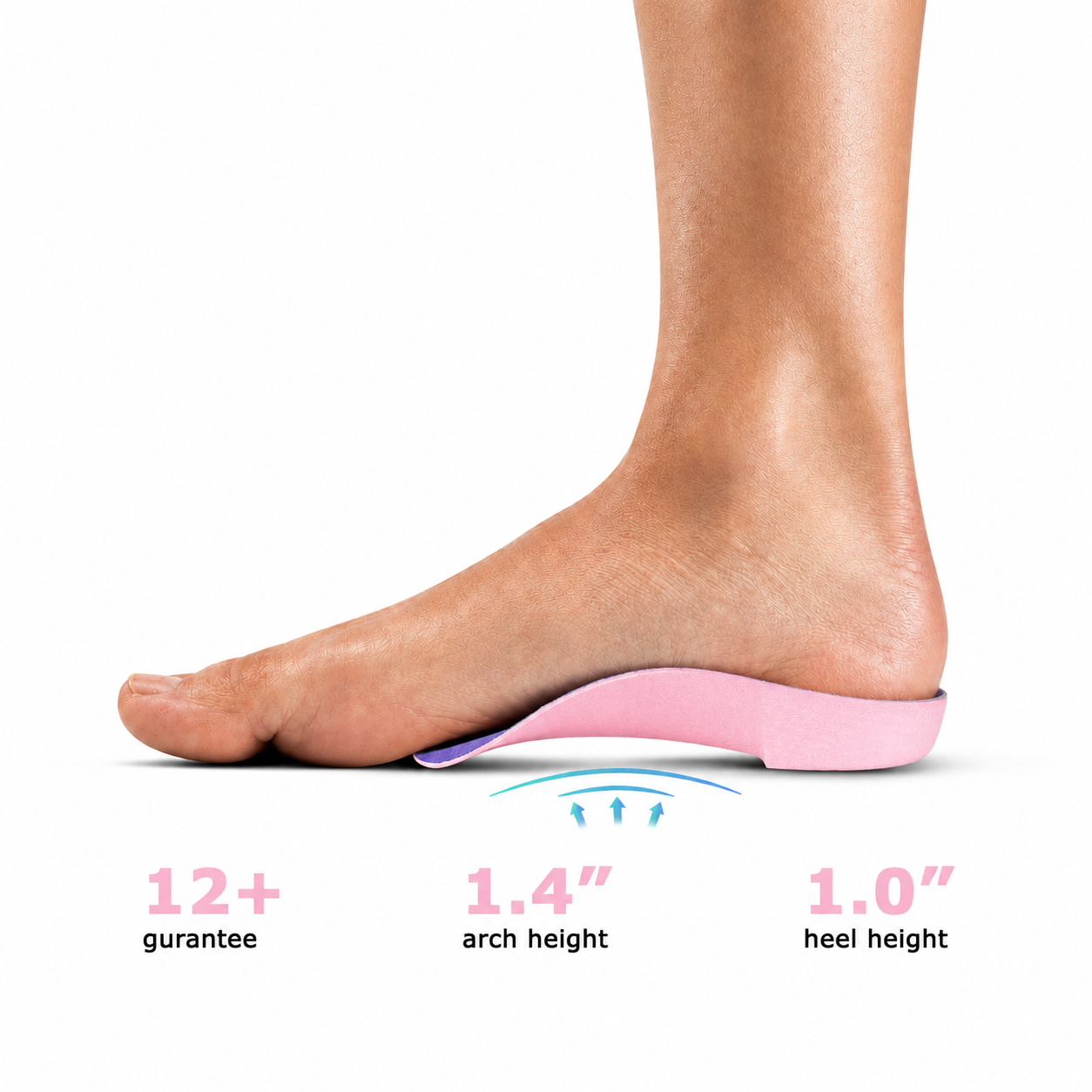
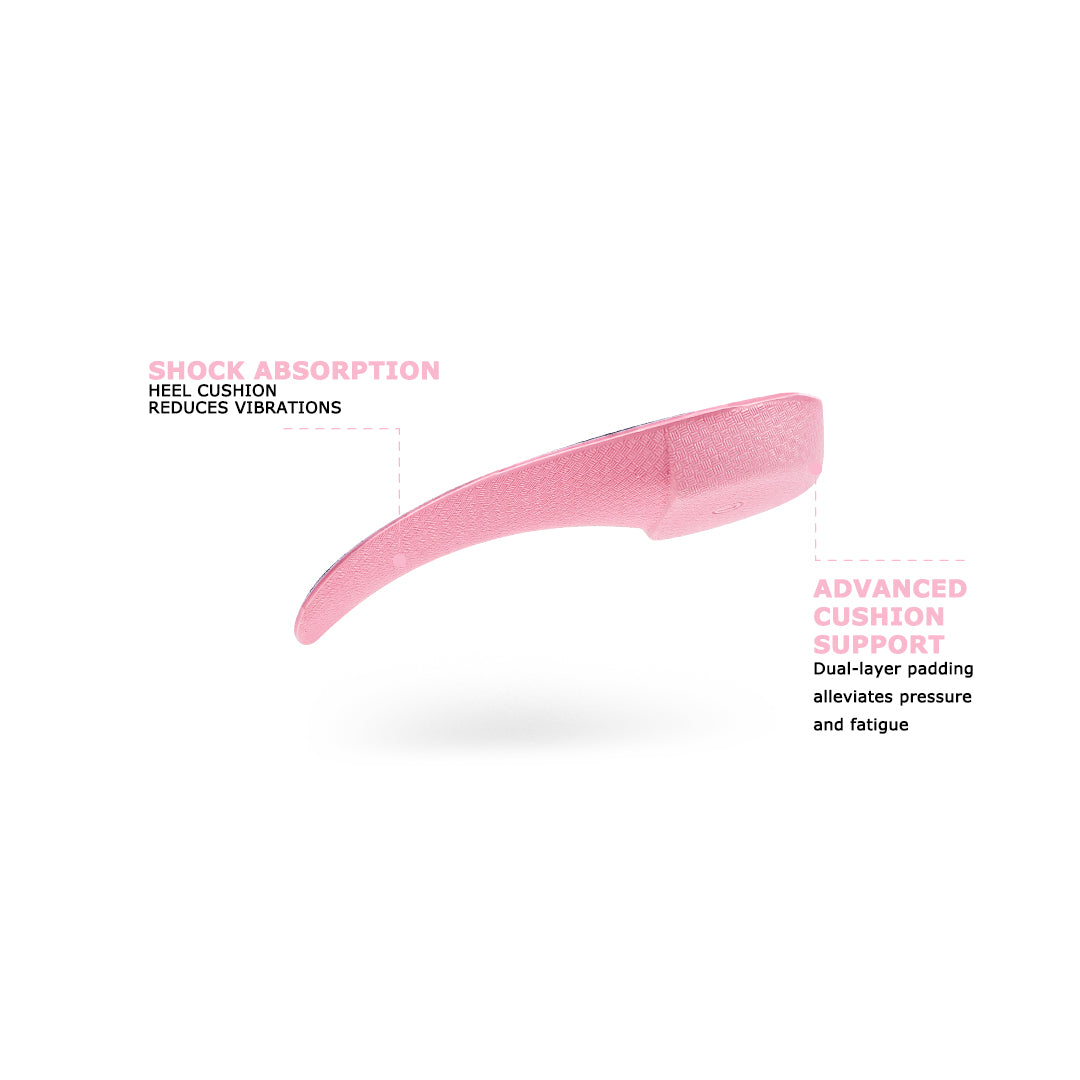
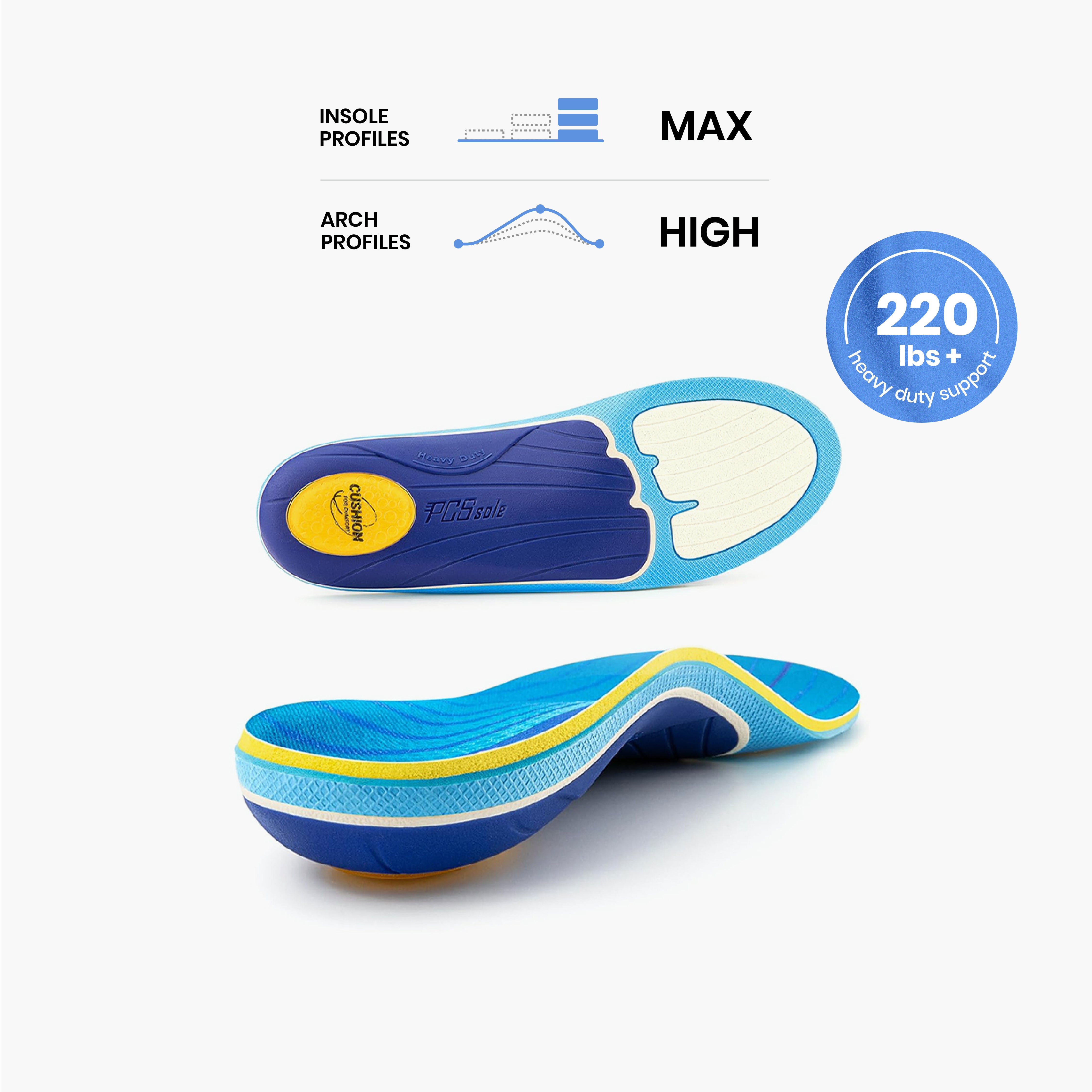
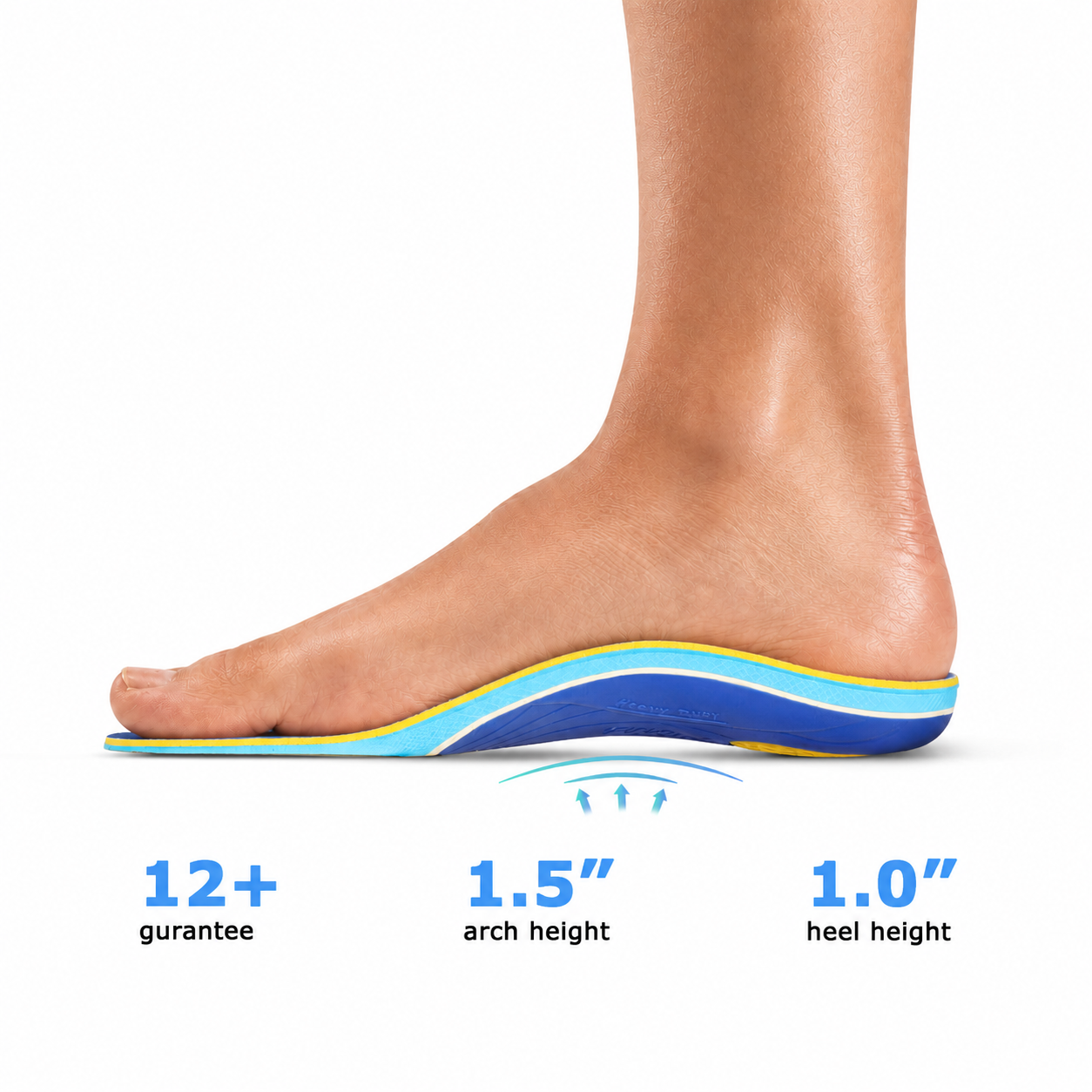
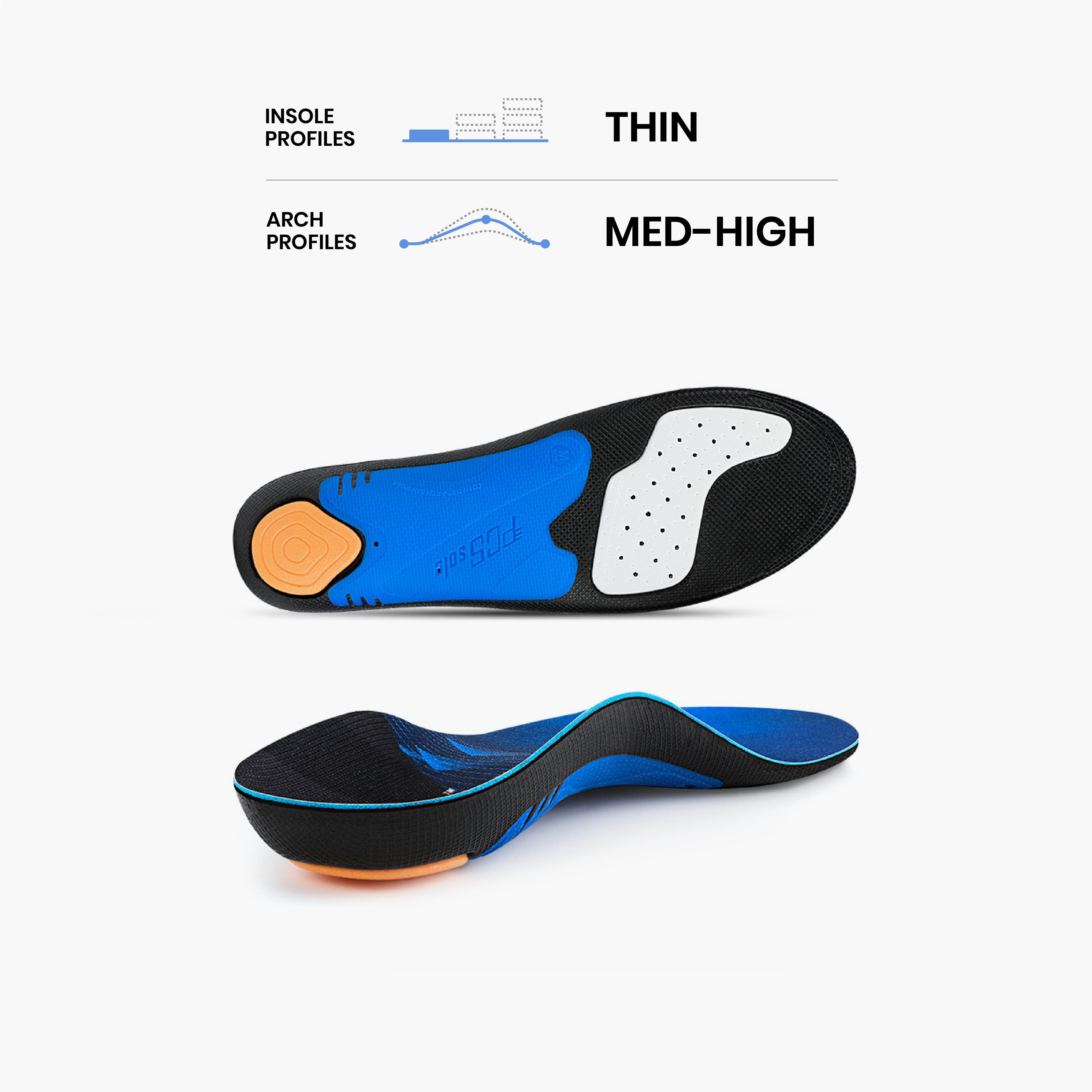
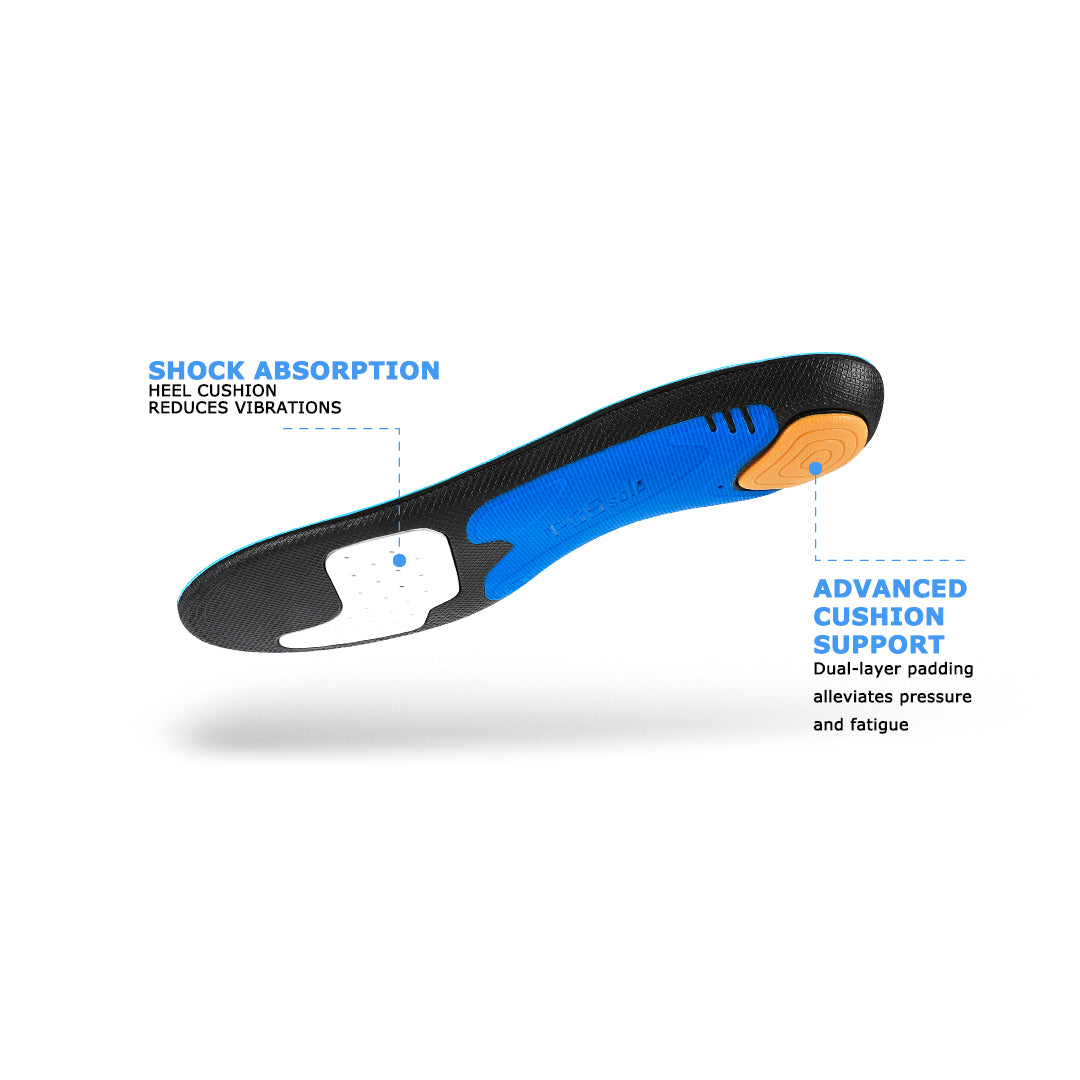
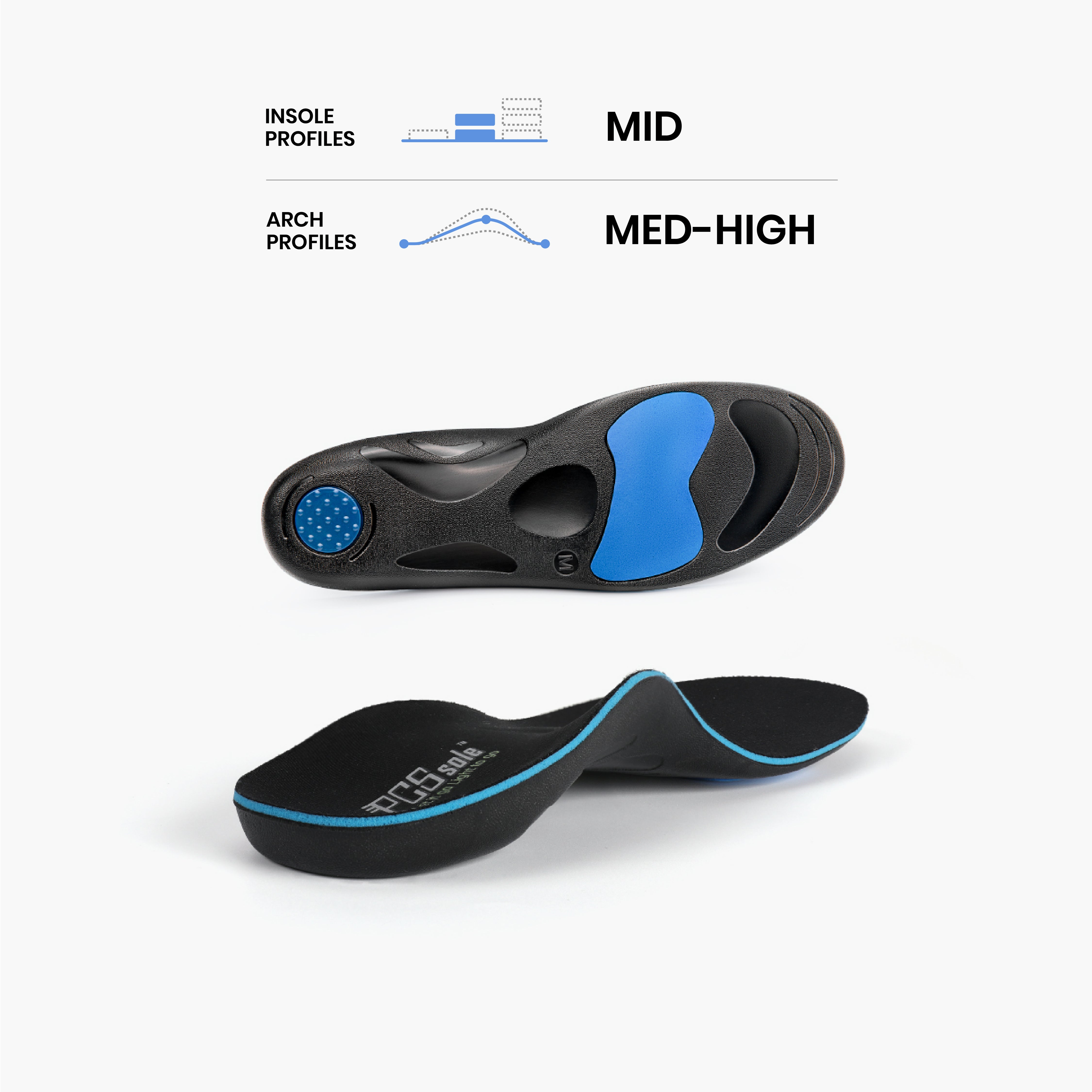
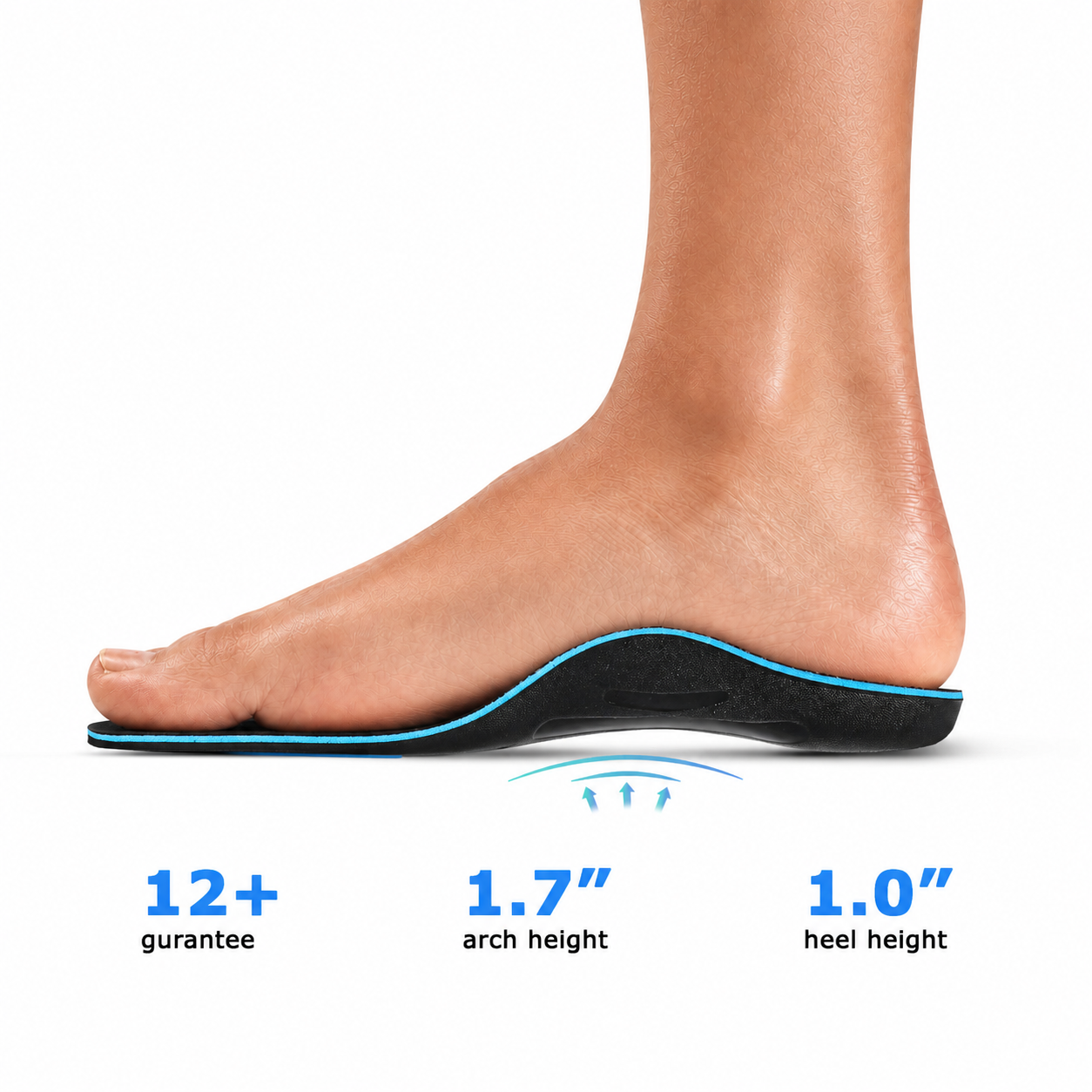
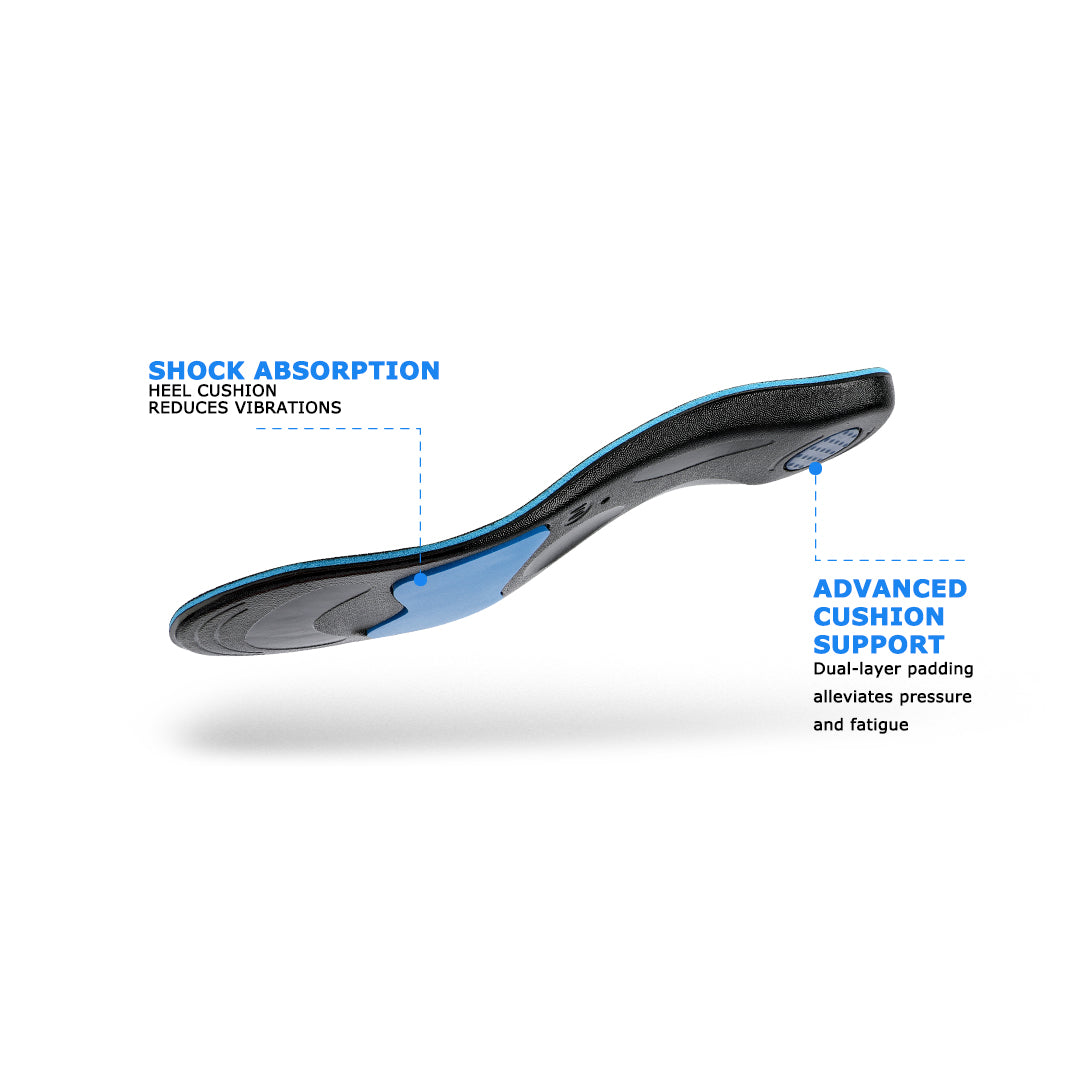
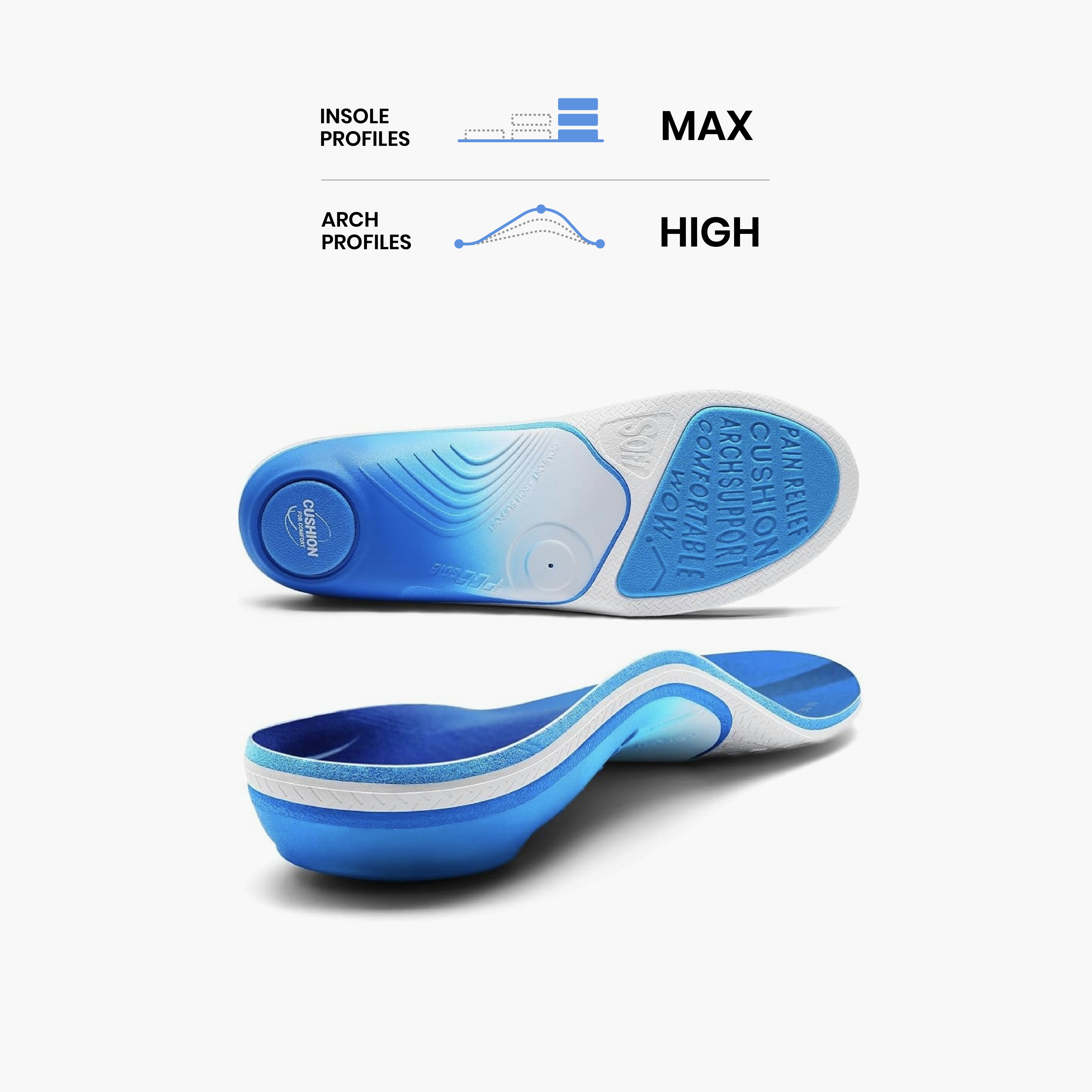
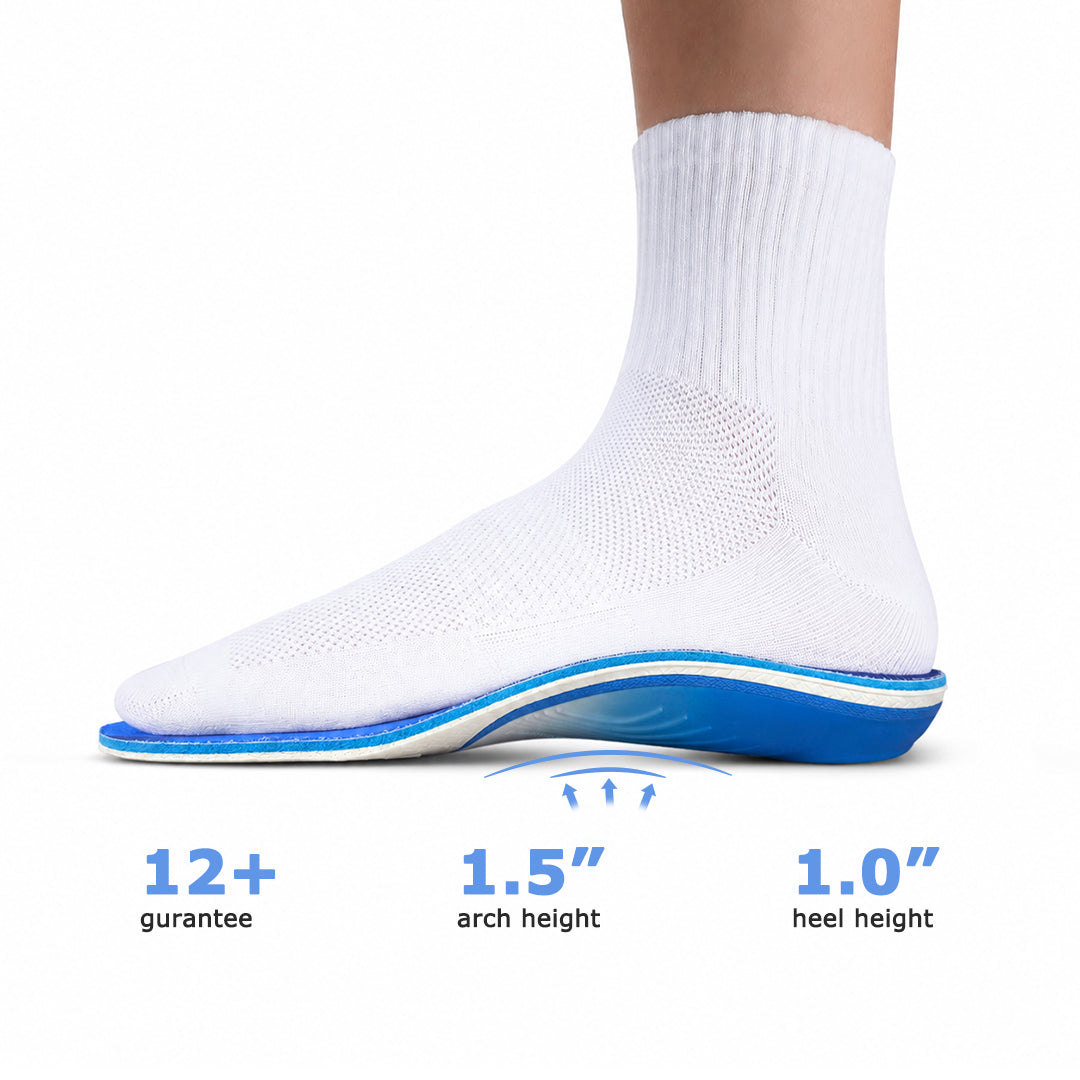
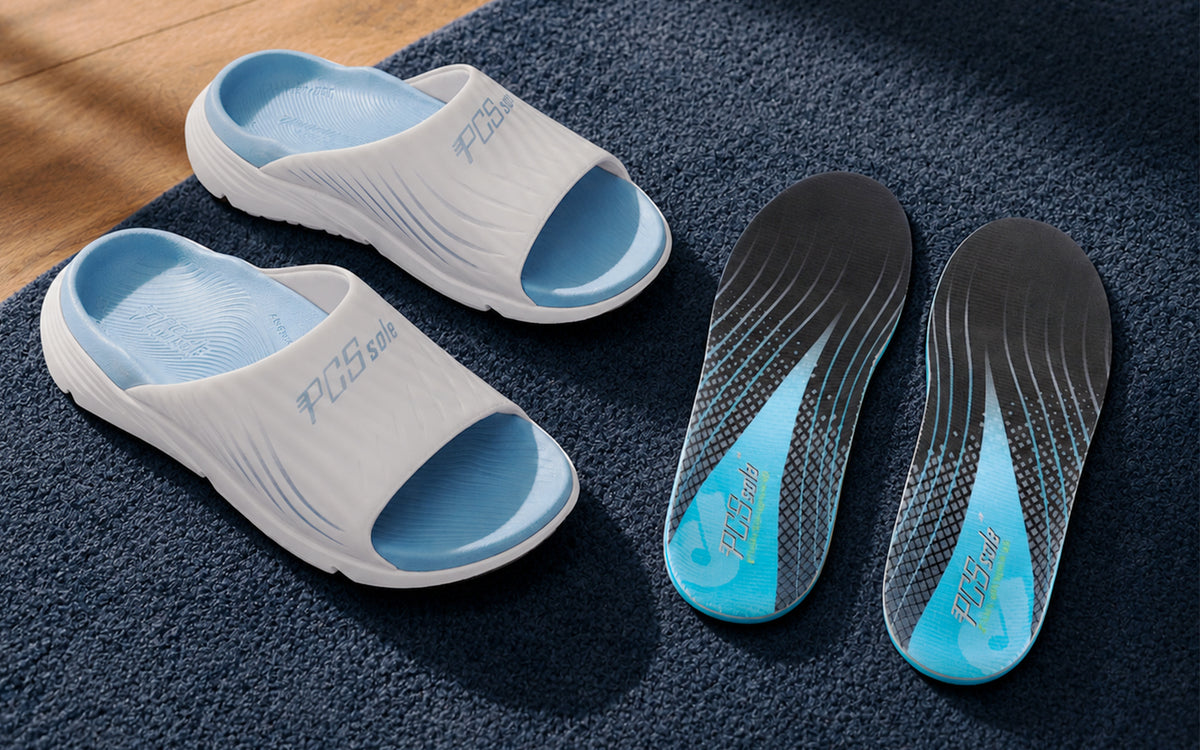
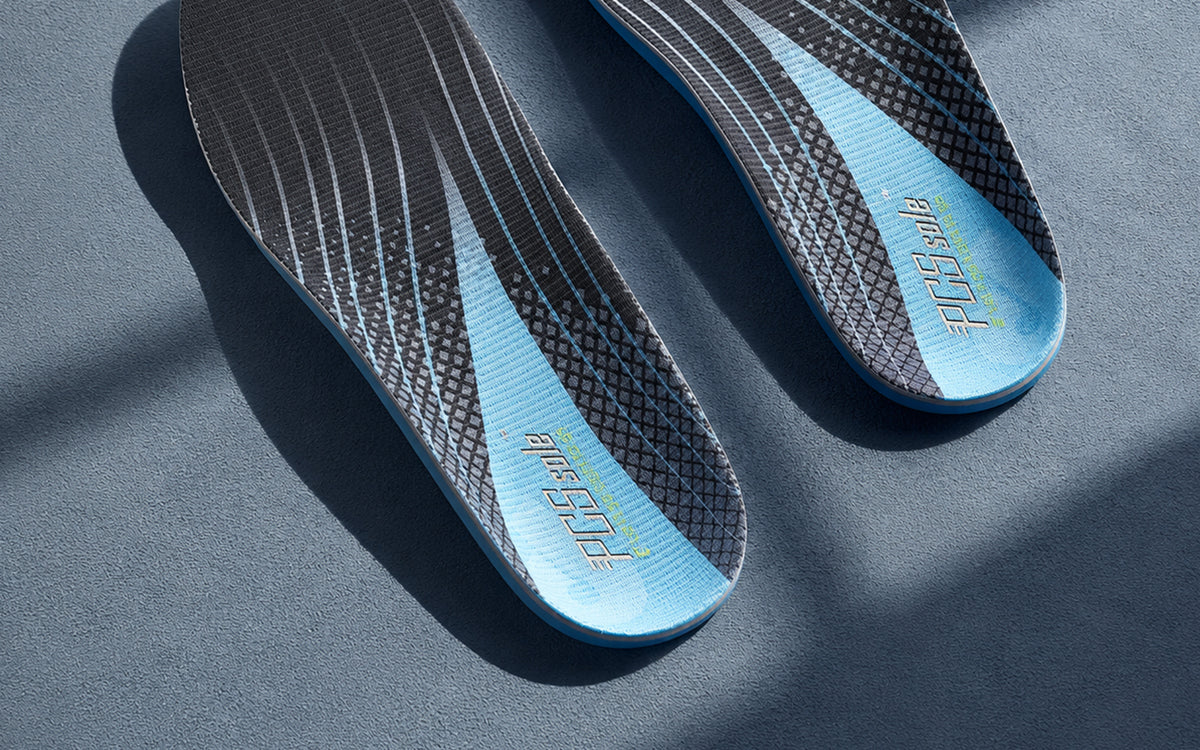
- Support for flat feet: Unlike many other insoles, PCSsole offers a variety of arch heights to accommodate flat feet.
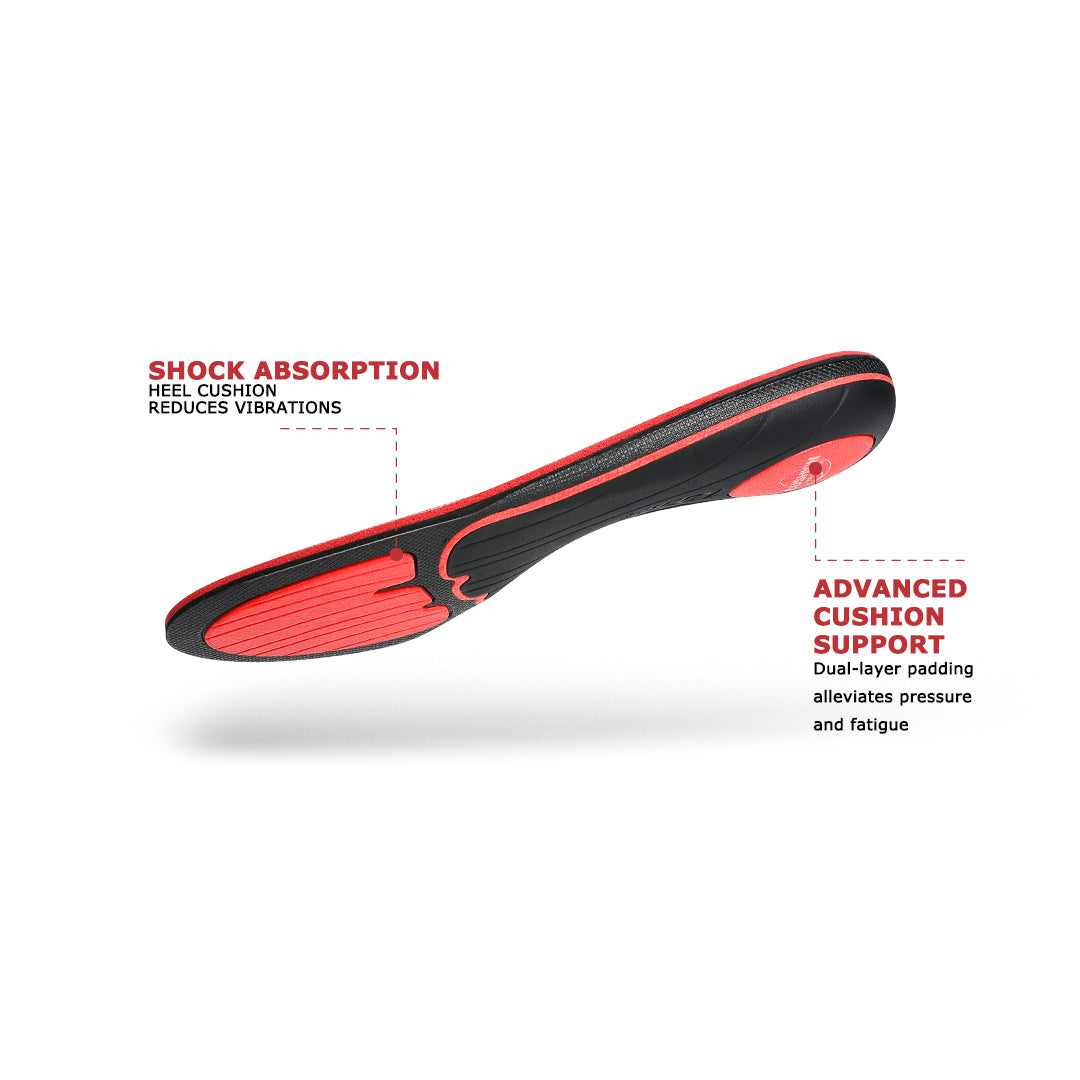
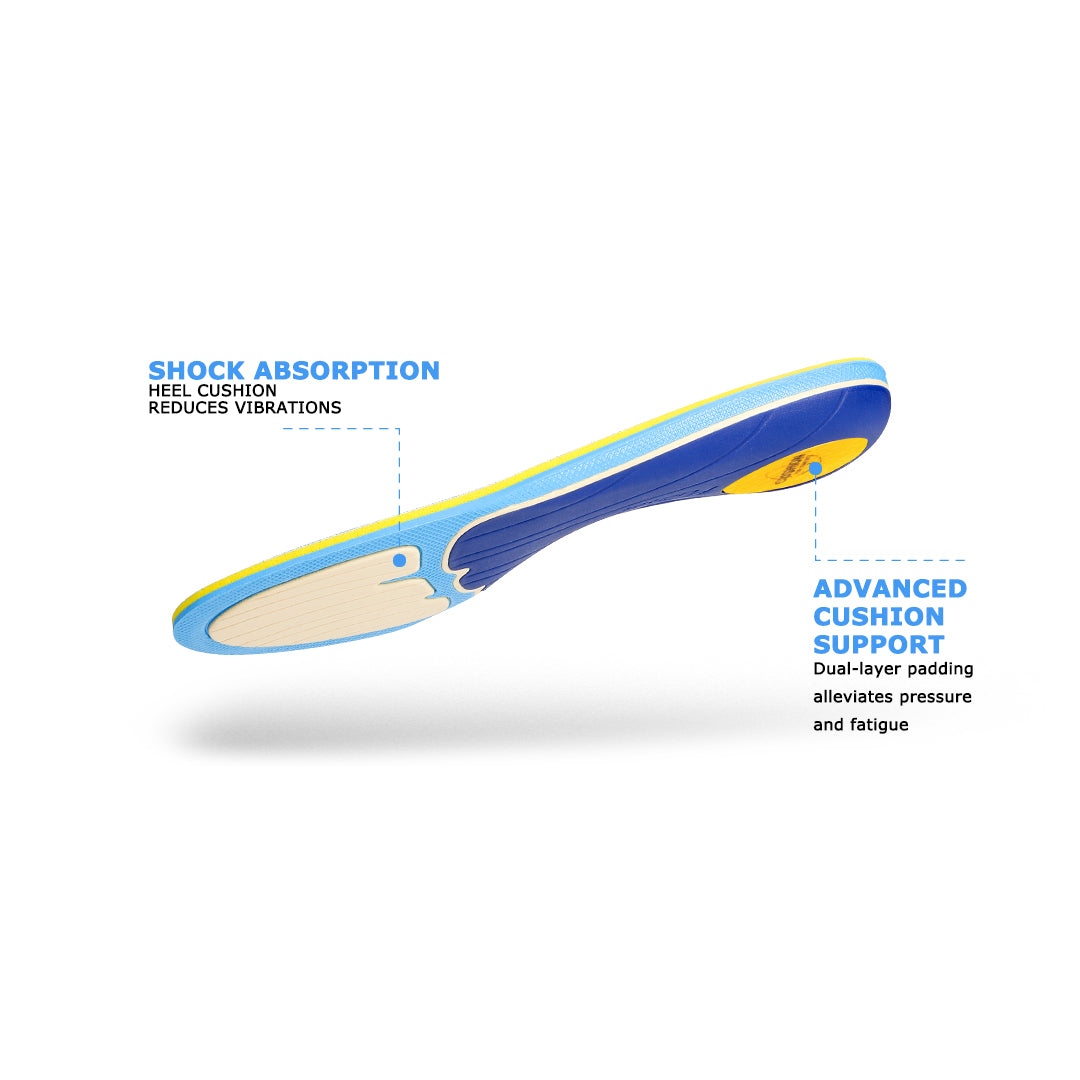
- Enhanced Alignment: Overpronation can lead to misalignment that affects your entire body. PCSsole insoles guide your feet into a healthier position, improving balance and reducing strain on the knees, hips, and lower back.


Proven Results
Mark T., Verified Buyer
"I spent $300+ on custom orthotics. These work BETTER. The arch support is firm yet comfortable. My flat feet finally have relief!"
Sarah L., Verified Buyer
"10+ hours on my feet? No problem. 🛑 I used to limp home after work, but now my back and knee pain is GONE."
David R., Verified Buyer
"A game changer for flat feet! 🦶 Instant relief from the moment I put them in. I can walk all day without feeling like I'm stepping on knives."
Best Insoles for Flat Feet & Overpronation FAQs
Do Insoles Really Help Flat Feet?
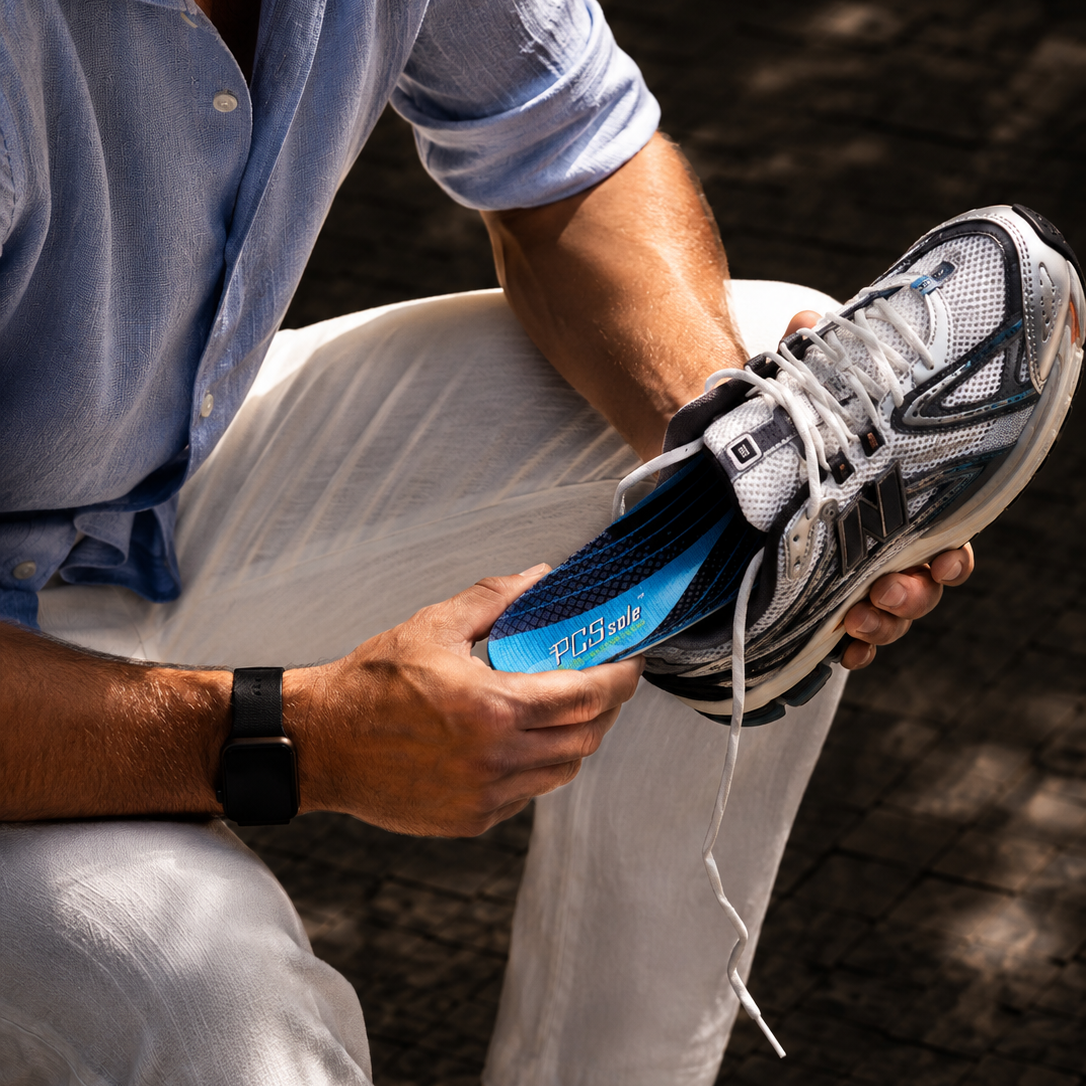
Arch support insoles can limit the stretching of ligaments and tendons that are frequently strained in people with flat feet. For long-term comfort, you need to add insoles to your shoes to help maintain proper foot posture during daily walking or exercise.
What Is Overpronation?
In overpronation, this inward roll continues beyond the ideal amount (typically more than about 15% inward rotation) and lasts longer than it should in the gait cycle. As a result:
- The arch of the foot flattens excessively (or collapses more than normal).
- The ankle rolls inward too much.
- Weight shifts excessively toward the inner edge of the foot (big toe side).
This misalignment places additional strain on the muscles, tendons, ligaments, and joints of the foot, ankle, knee, and hip, and can extend up the kinetic chain to the lower back.
What Is the Cause of Overpronation?
There can be many causes, but these are three of the more common ones that you'll find.
1. Flat Foot or Collapsed Arch
A collapsed arch often leads to a "chicken or the egg" scenario. If the arch doesn't function correctly, the foot and knee collapse inward. To compensate and maintain forward progression, the person might turn their foot outward. It's important to note that a flat-looking foot isn't always dysfunctional; the issue arises when the arch muscles are weak or inactive. Relying on highly supportive shoes or orthotics can be like wearing a back brace—it may offer temporary support, but ultimately causes the natural arch muscles to weaken further.
2. Lack of Inversion Range
Inversion is the movement where the inner edge of the foot lifts. If you lack this range of motion, your brain defaults to the "path of least resistance," which is eversion. Because the brain wants to stay in the range where muscles feel strongest, losing inversion causes the foot to default into a flattened, everted, and overpronated position as a compensation.
3. Lack of Hip Internal Rotation
The hip and foot are closely linked. During normal stride, the pelvis rotates, and the hip should internally rotate to keep the leg aligned and drive straight ahead. If you lack hip internal rotation, the femur may default to external rotation. To compensate for this and keep walking in a straight line, the foot will often abduct, and the arch will collapse, leading to overpronation.
How Do I Know If I Have Flat Feet?
Self-examination method:
・Wet foot test.
・Observe the arch shape when standing.
・Observe the arch shape when sitting.
・Sensory examination.
How to Correct Overpronation?
Choose Supportive Footwear.
Use Orthotic Insoles
Incorporate Stretches and Strengthening Exercises.
Lifestyle Adjustments
Consult a podiatrist or physical therapist for gait analysis.
What Are the Best Shoe Inserts for Flat Feet and Overpronation?
Pronation is a powerful force. Firm support from overpronation insoles is necessary for proper alignment. You have two options to consider - custom orthotics and non-prescription insoles with firm arch support.
Custom orthotics - Ideal for people with complicated, clinical issues, custom orthotics are expensive. Do you research to make sure that custom orthotics for overpronation are necessary for you, and choose an orthotic supplier carefully.
Non-prescription insoles - Beware when you're shopping for insoles for overpronation, as many over-the-counter options don't provide the firm support required to limit pronation. One-size-fits-all options are also problematic, as your arch is unique. The best insoles for overpronation will provide firm arch support and a choice of multiple arch height options.
Overpronation is a common issue with an easy solution. By adding overpronation insoles to your footwear, you'll improve your alignment and the efficiency of every step you take.
Questions? Drop us a line at service@pcssole.com. We're here to help.
You May Also Like