


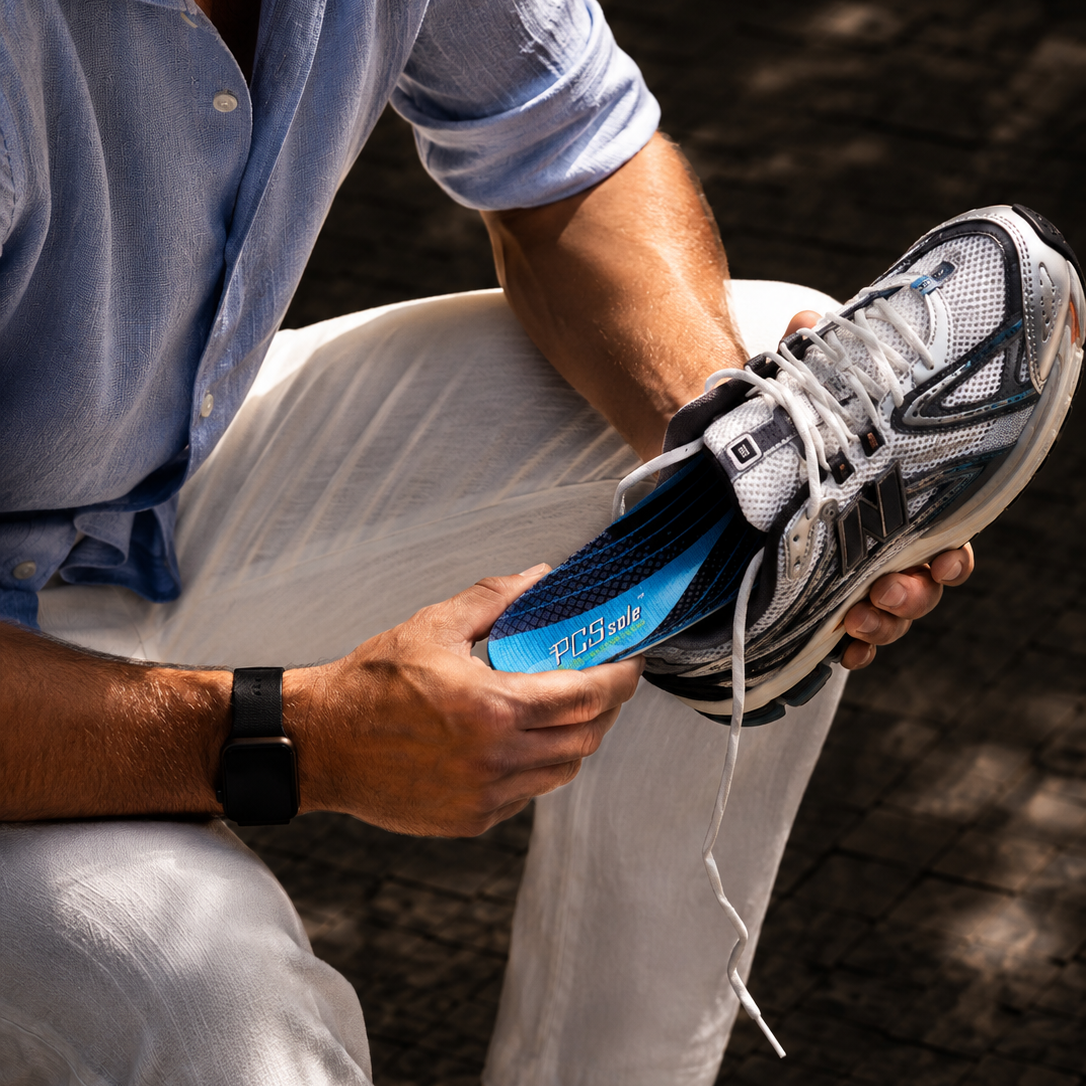
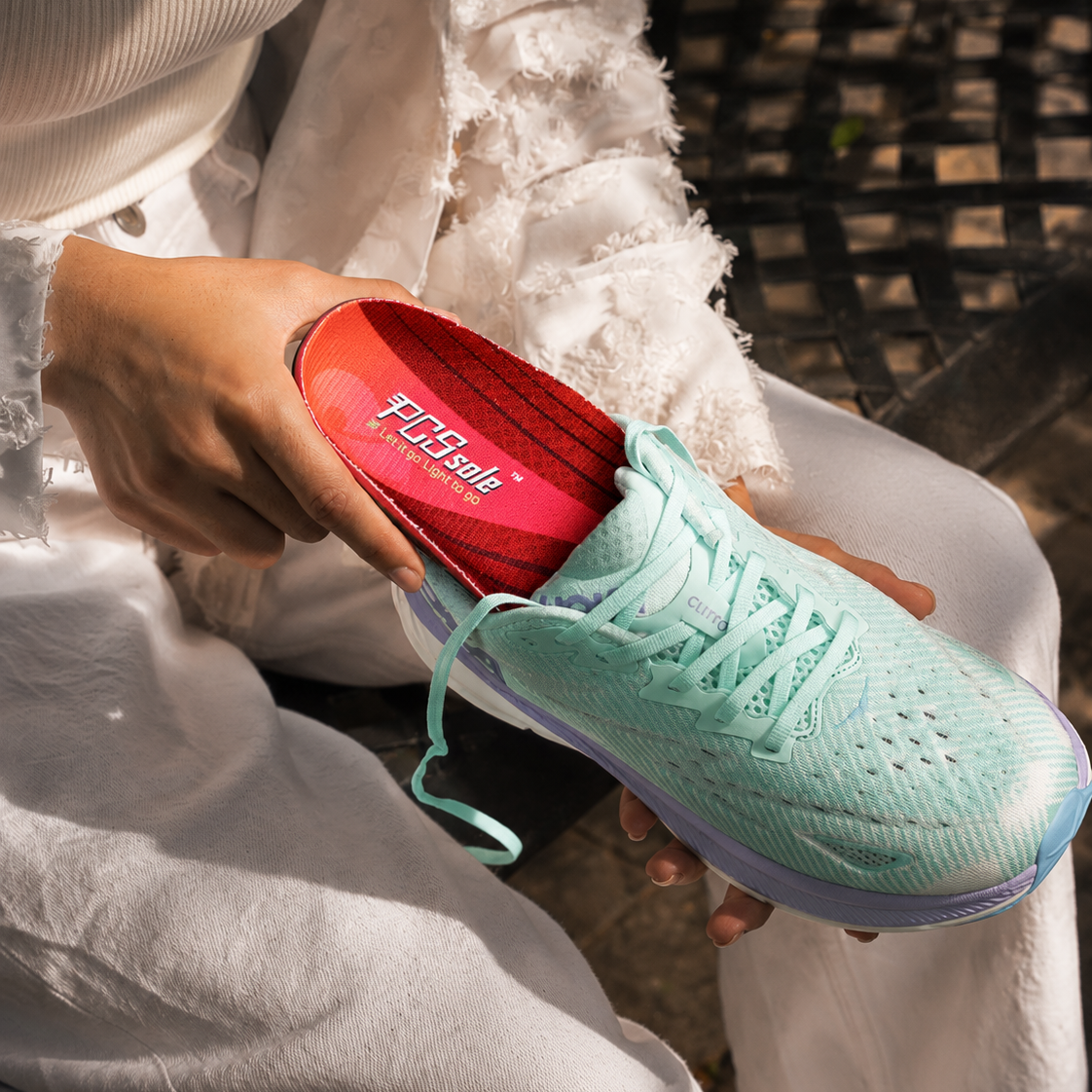
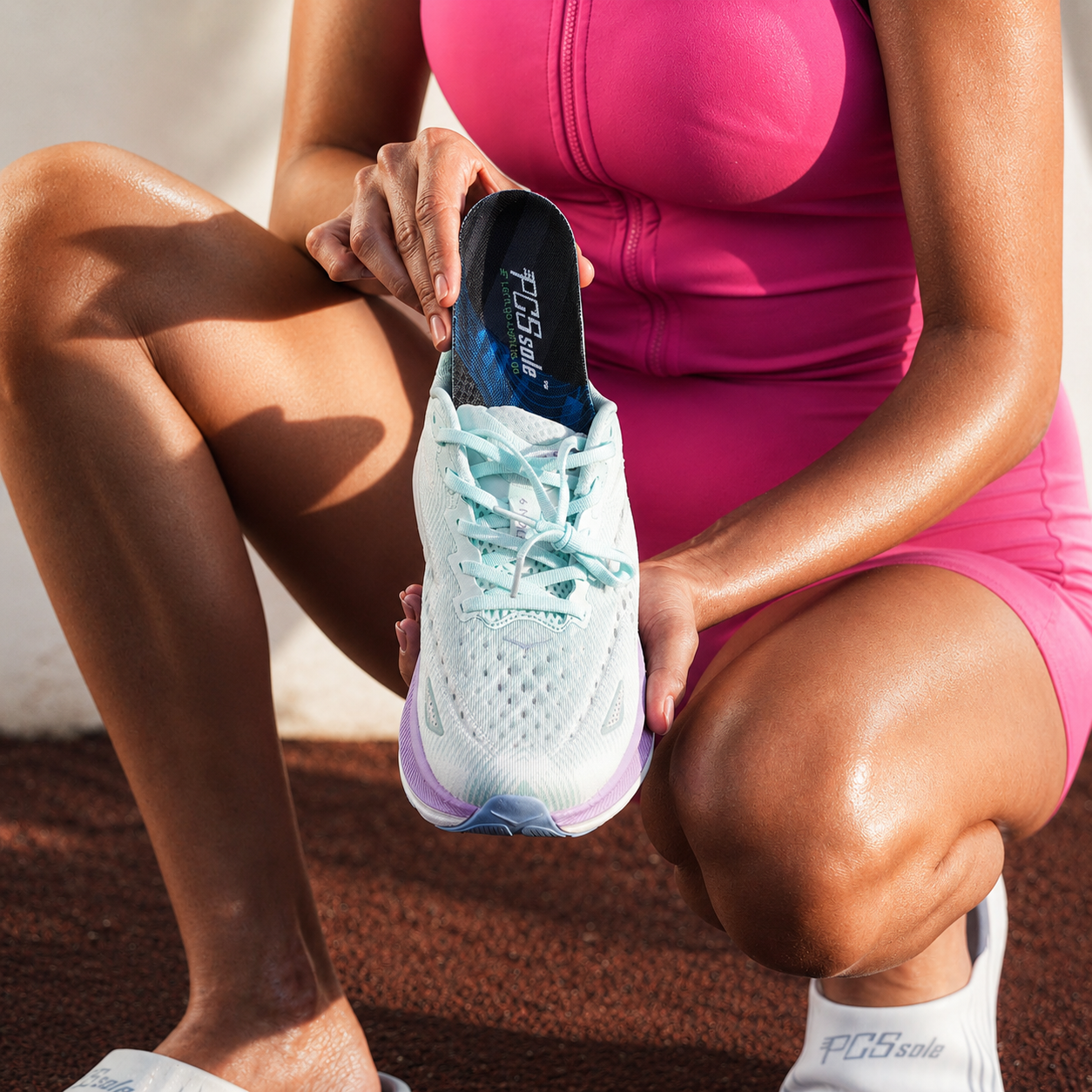

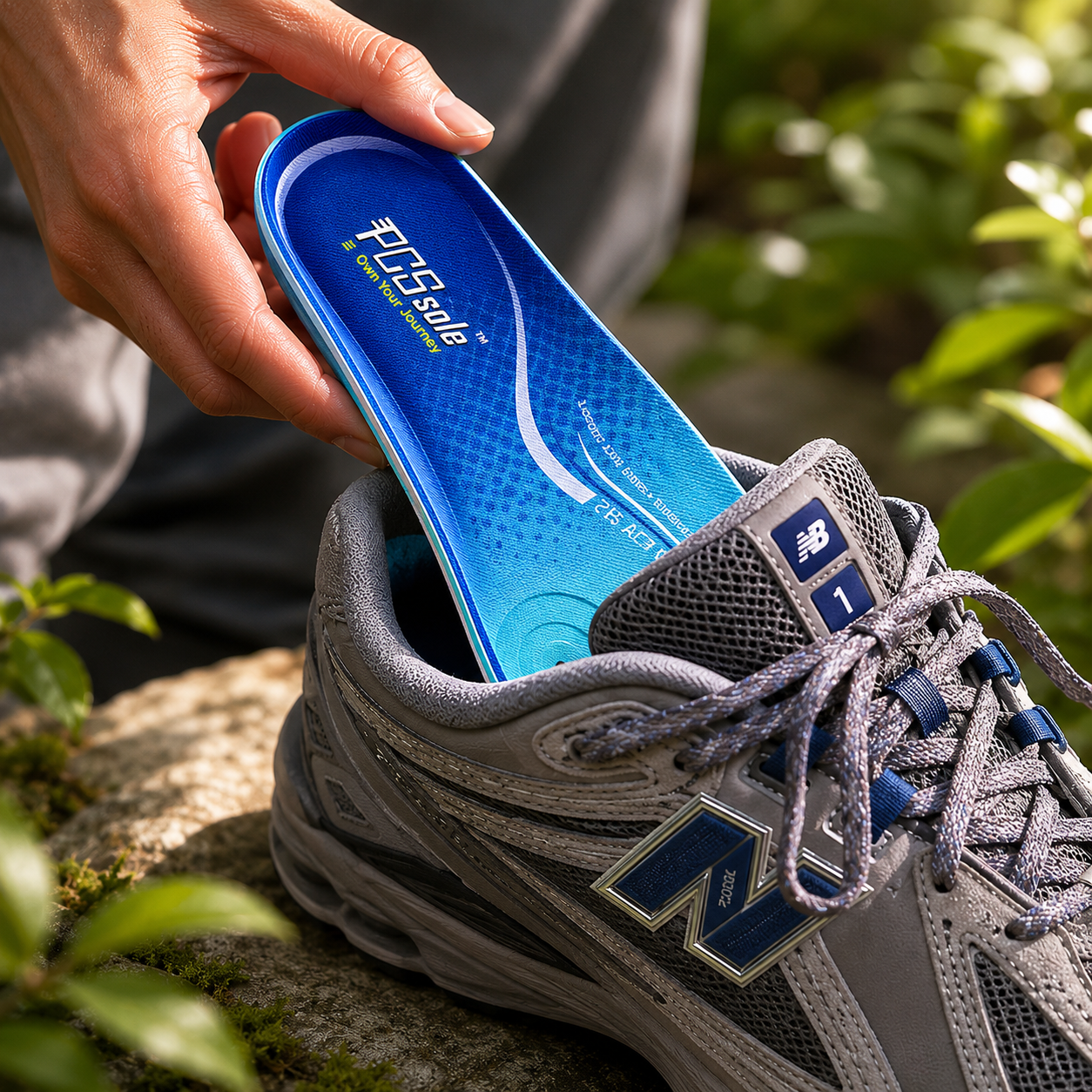

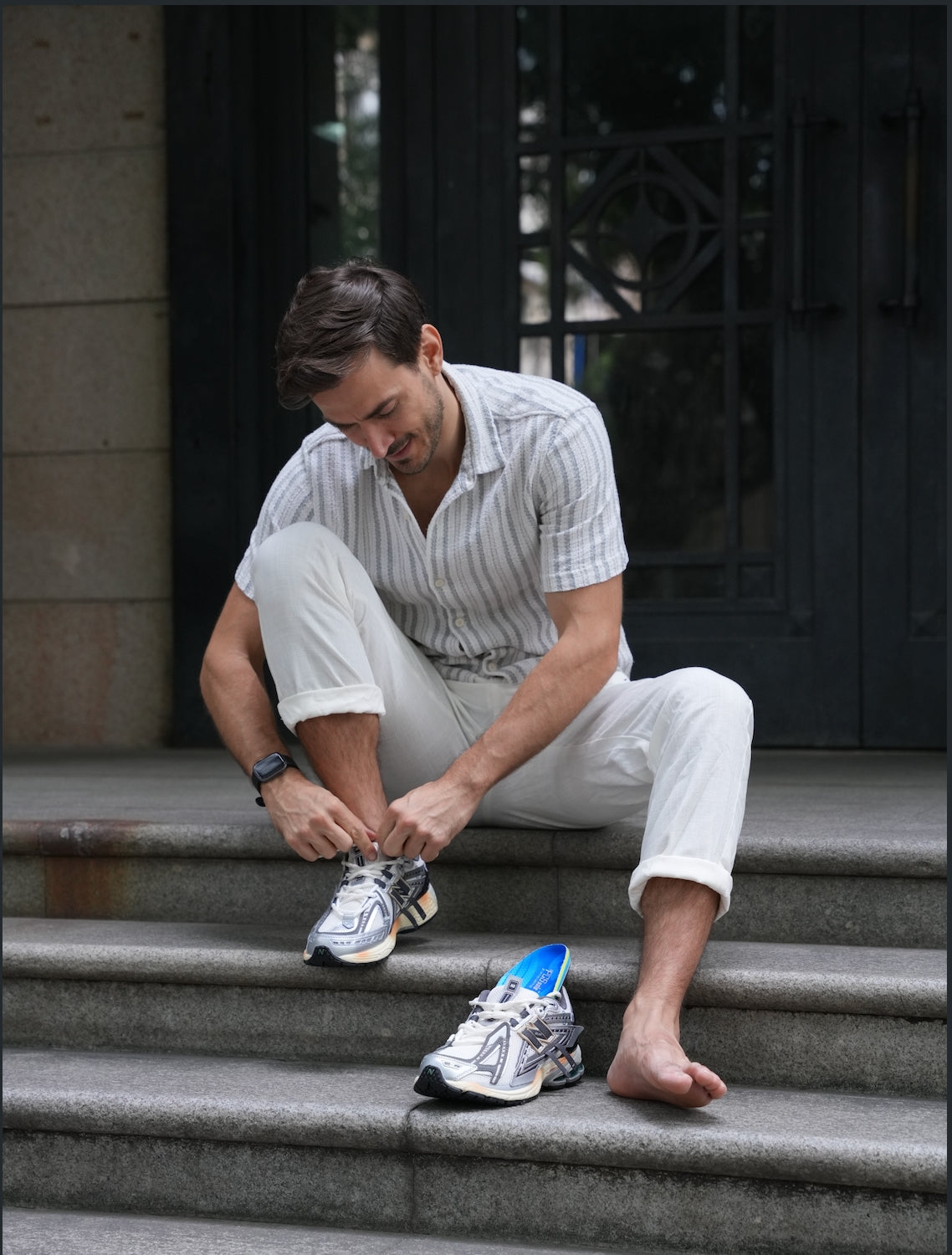

“I love my NB and Converse, but they have zero support. These insoles fixed that instantly. They fit perfectly inside and give me the arch support I need without making the shoe too tight. Now I can walk 10,000 steps in my flat sneakers with zero foot fatigue.”
——Jamie L.

I never step out the door without my shoe insoles. Living in New York, I’m constantly on my feet, walking the concrete streets and navigating subway stairs. On top of that, my favorite activities include playing tennis and dancing around at concerts. However, dealing with a decade-long battle with plantar fasciitis means I have to take extra care of my feet. Alongside my foot roller, insoles are my ultimate defense against pain and exhaustion, allowing me to keep walking, jumping, and running completely pain-free.
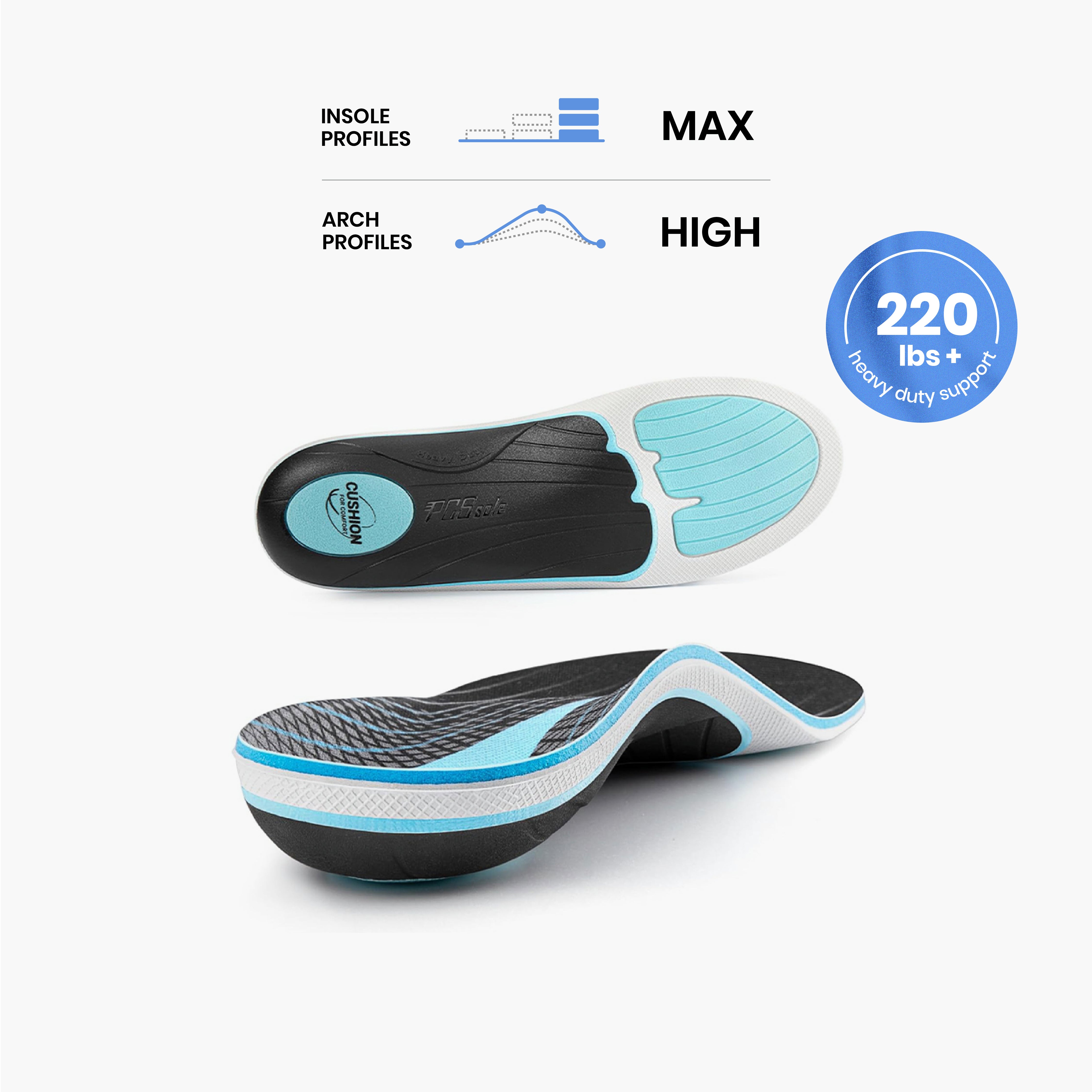
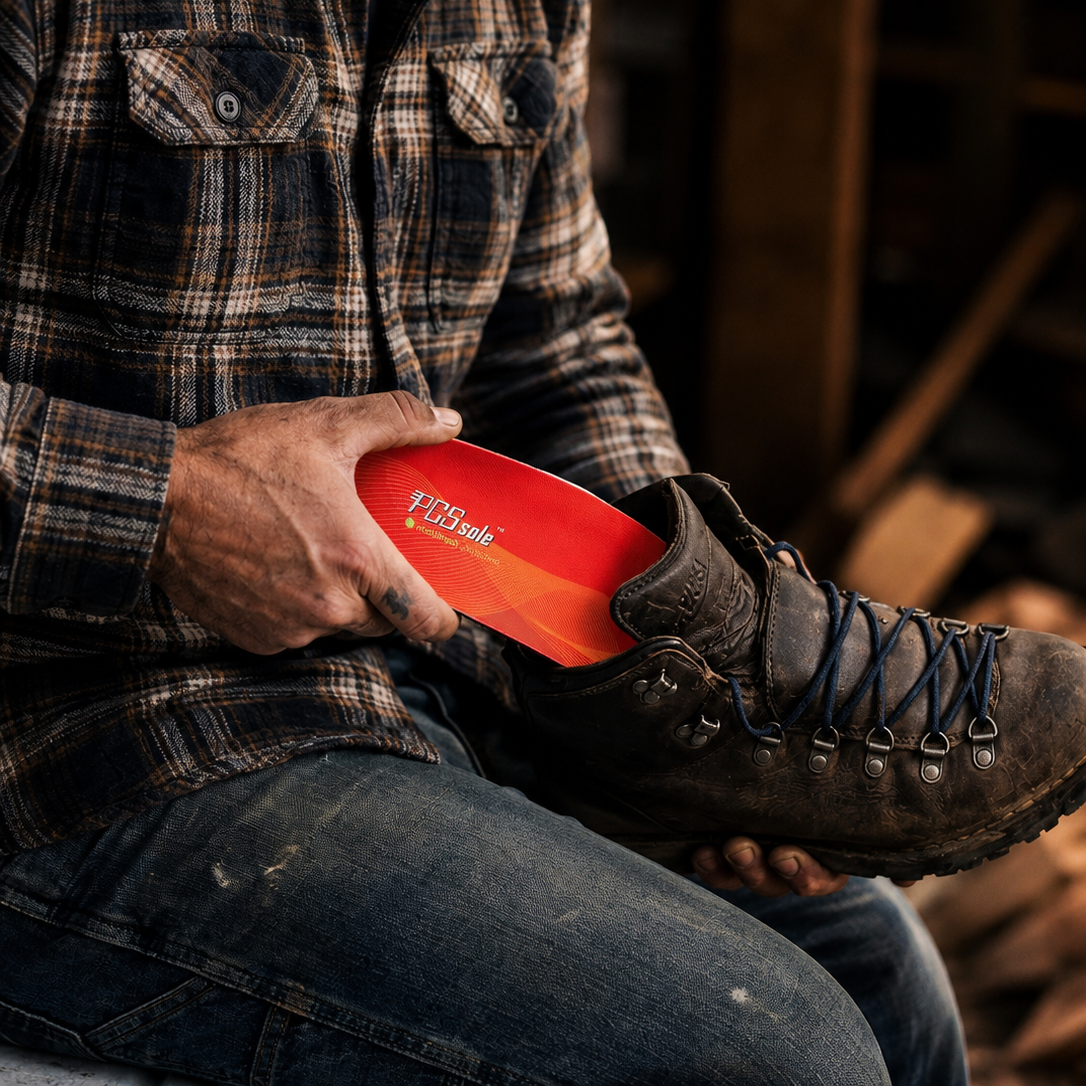
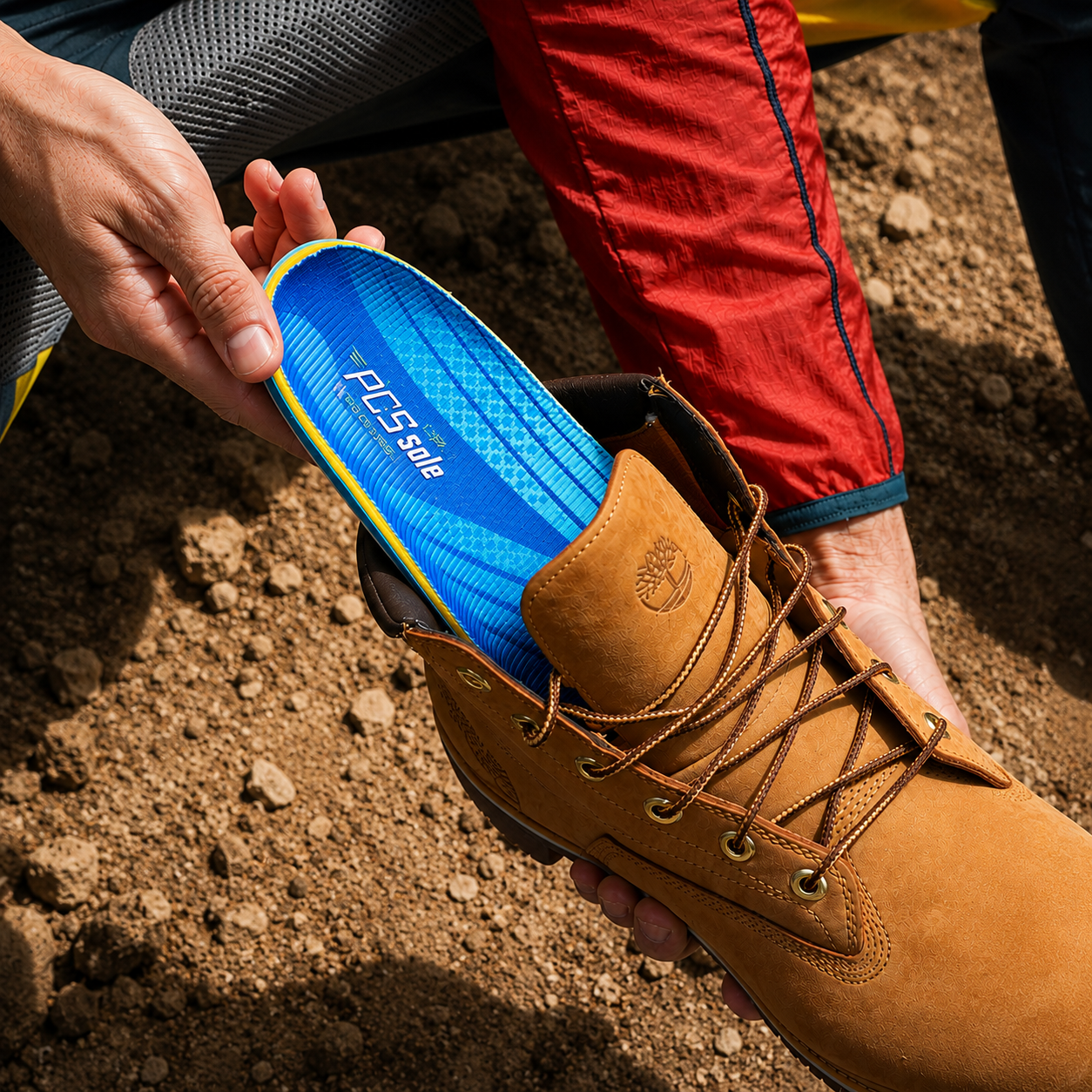
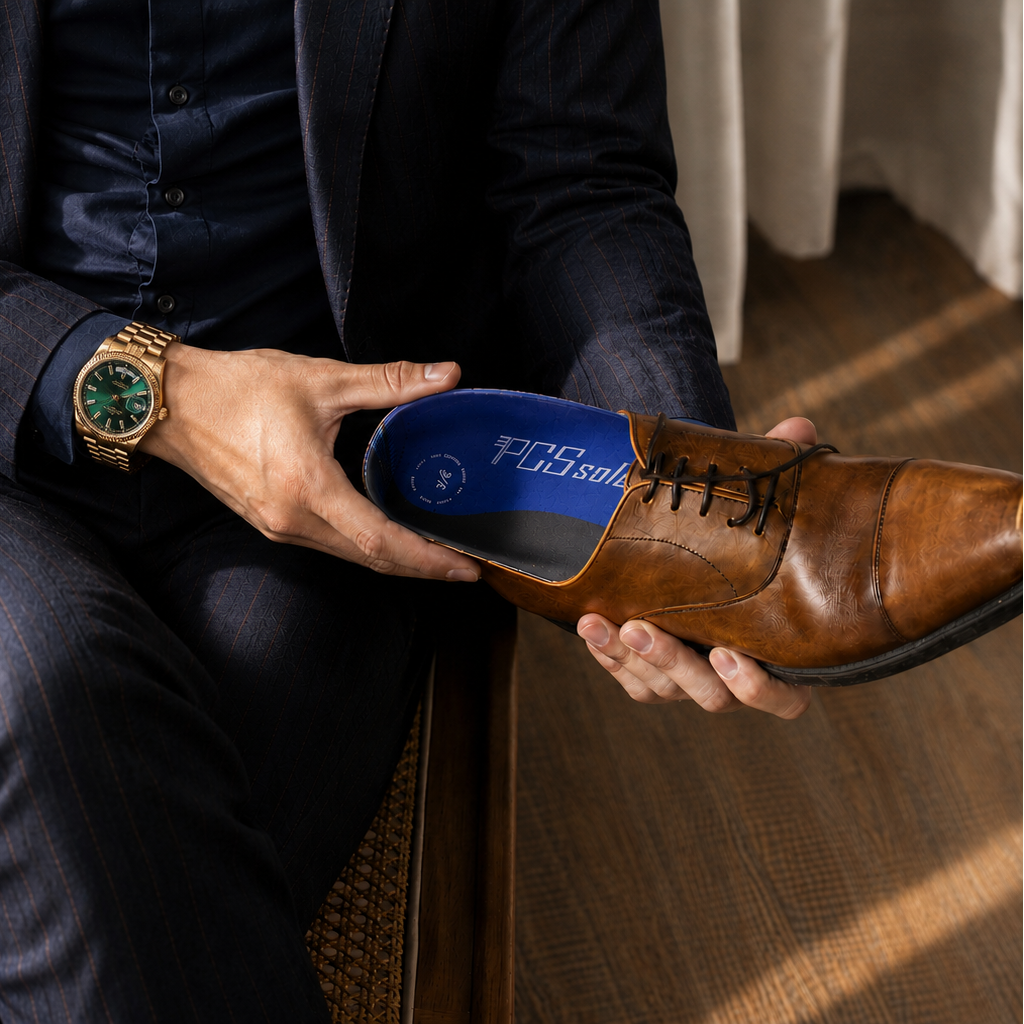
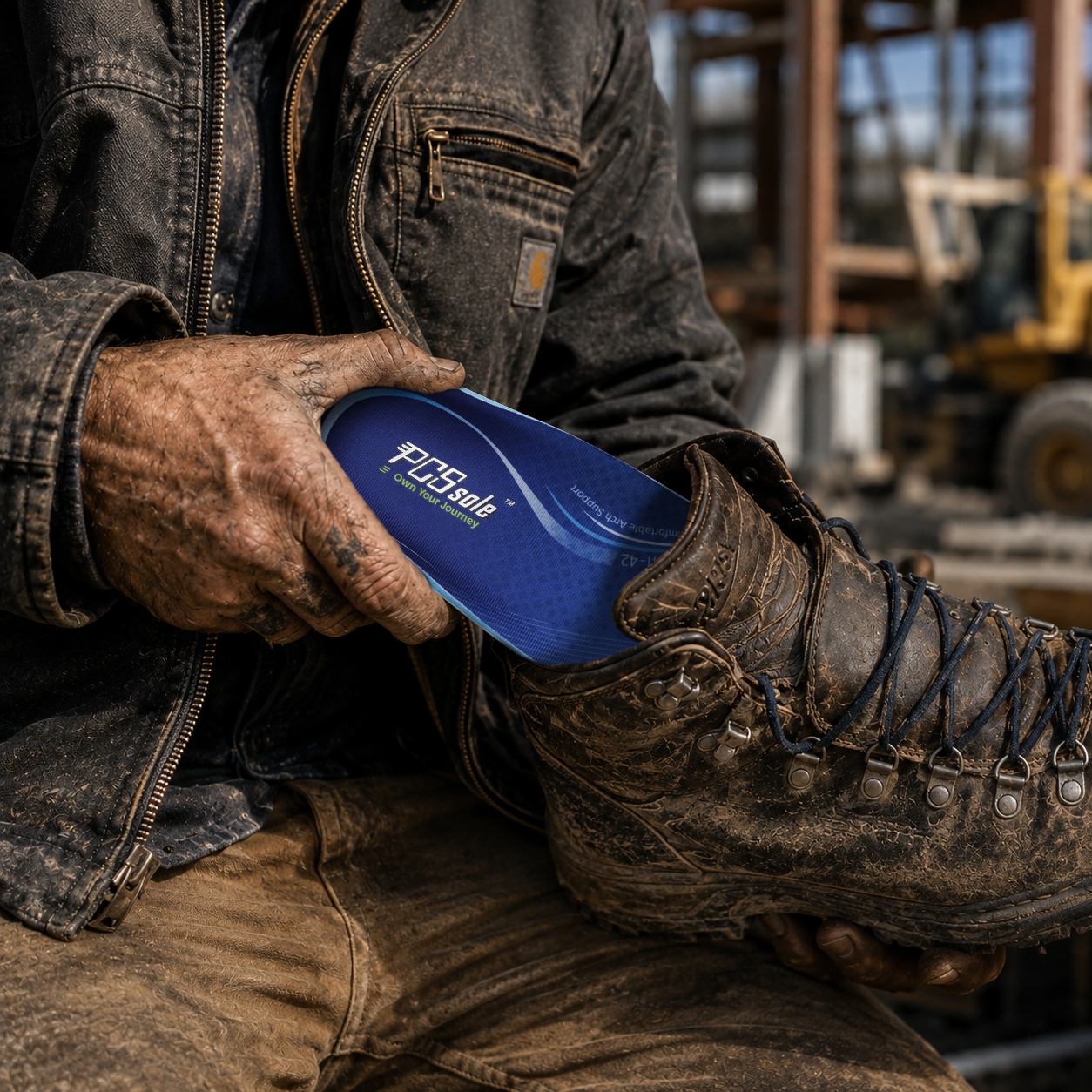
Even the most pleasant hike can be spoiled by blisters and ill-fitting boots, but PCSsole walking insoles will support your feet no matter how far they're taking you. Not only can insoles enhance your performance through improving foot posture and movement, but they can also reduce the risk of common foot conditions such as bunions. What's more, PCSsole insoles for walking boots are as comfortable as they are supportive, and can easily be trimmed to fit any pair of hiking shoes.
What Makes Good Insoles for Walking?
Not all insoles are created equal. The best insoles for walking are designed to support movement—not just cushion it.
Here’s what actually matters:
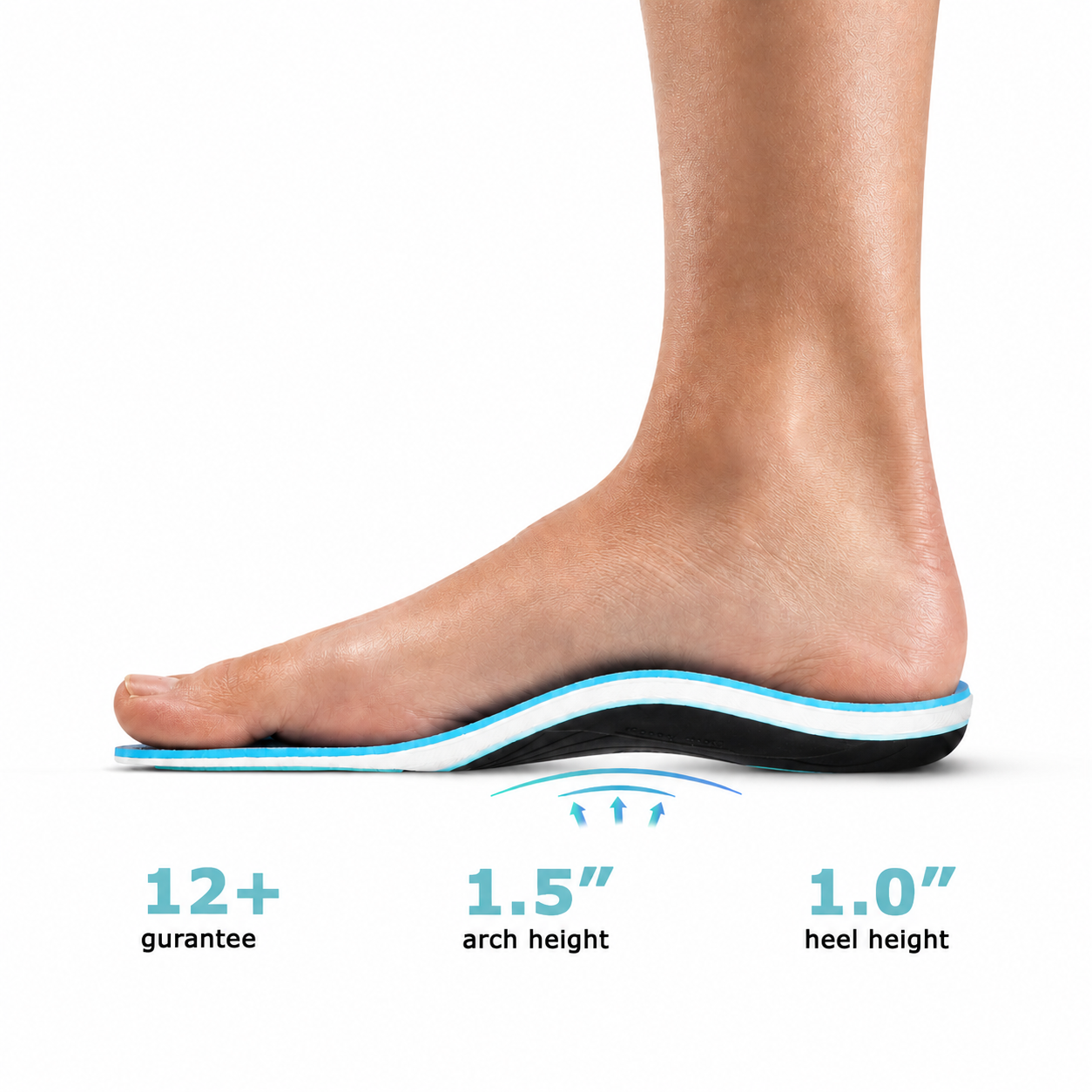
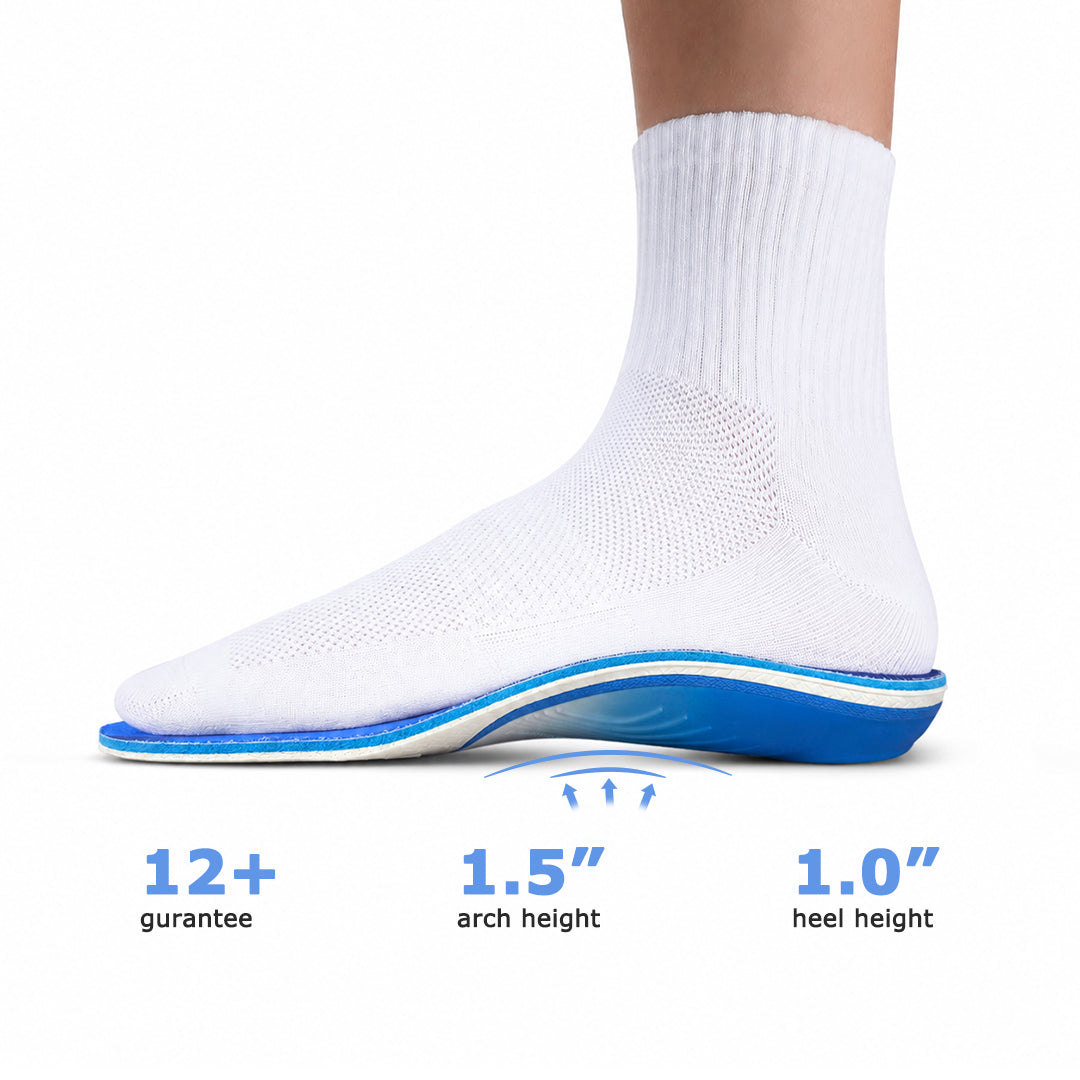
1. Proper Arch Support
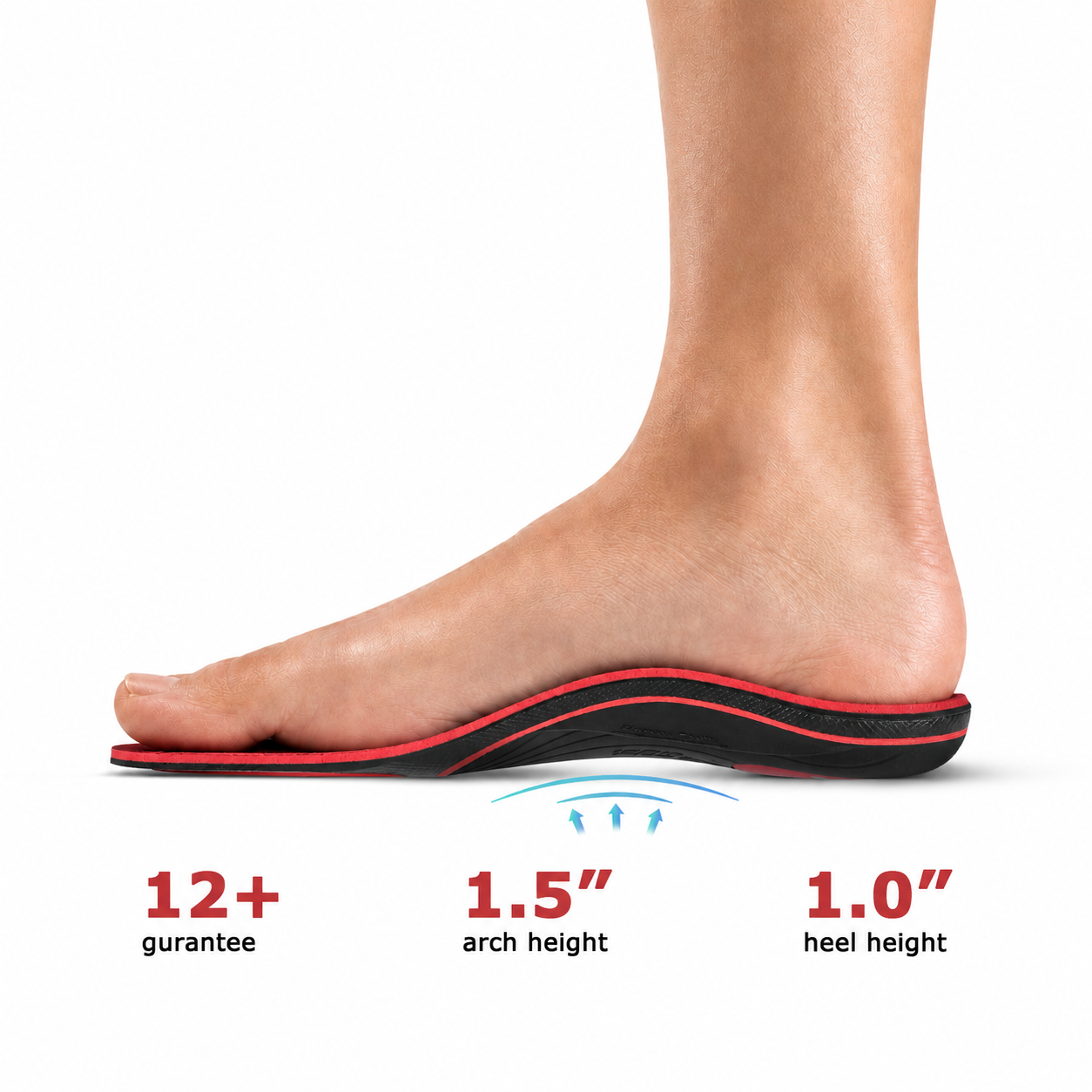
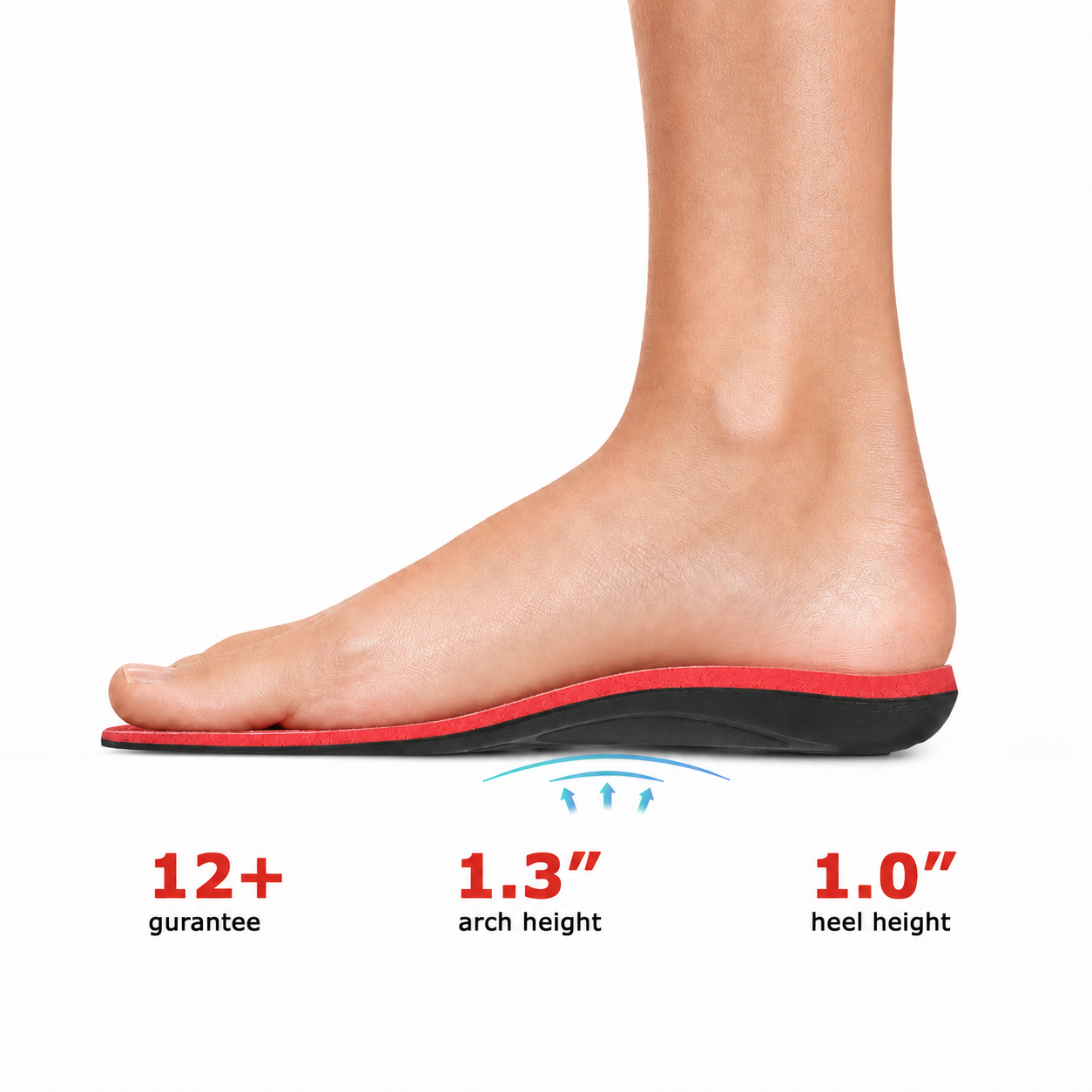
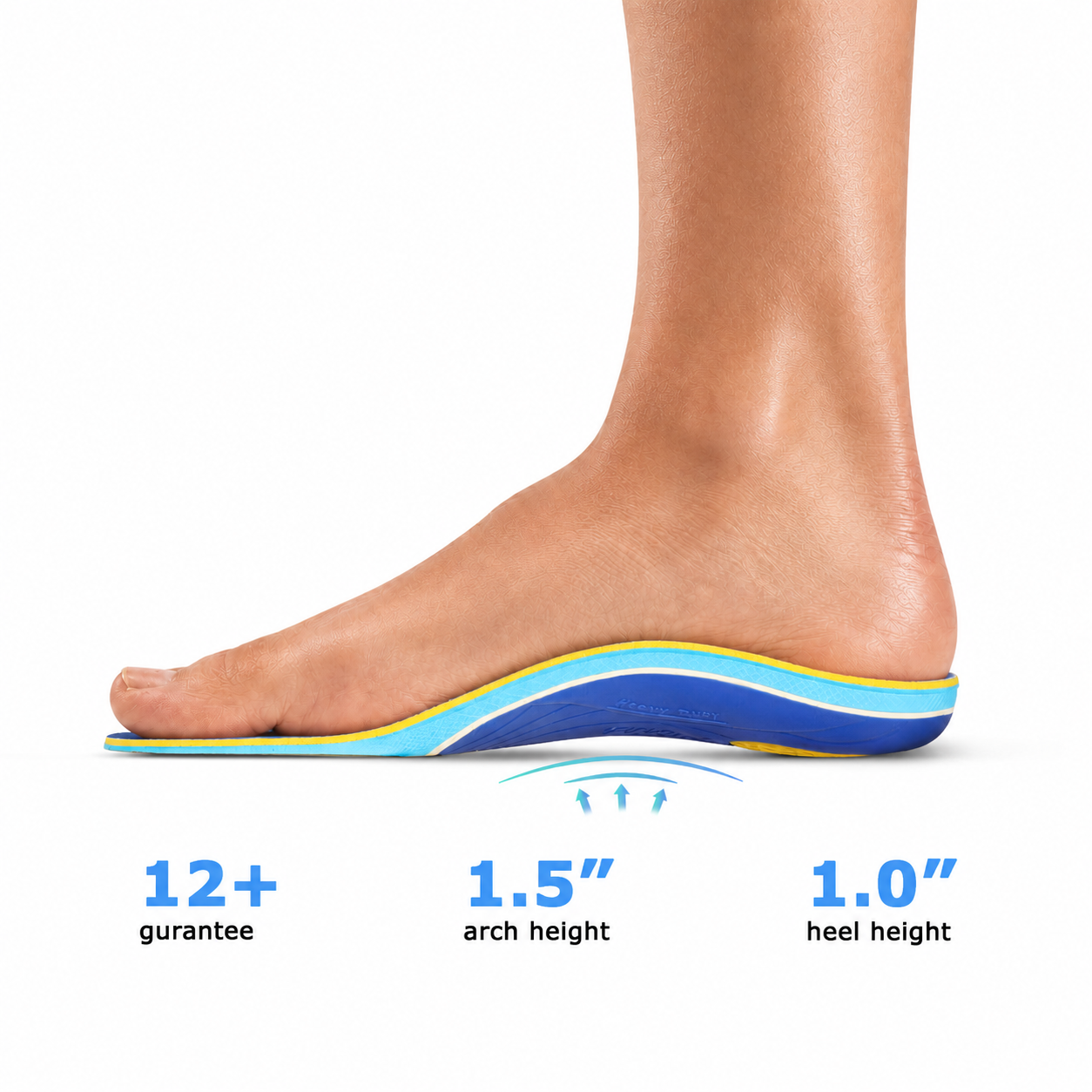
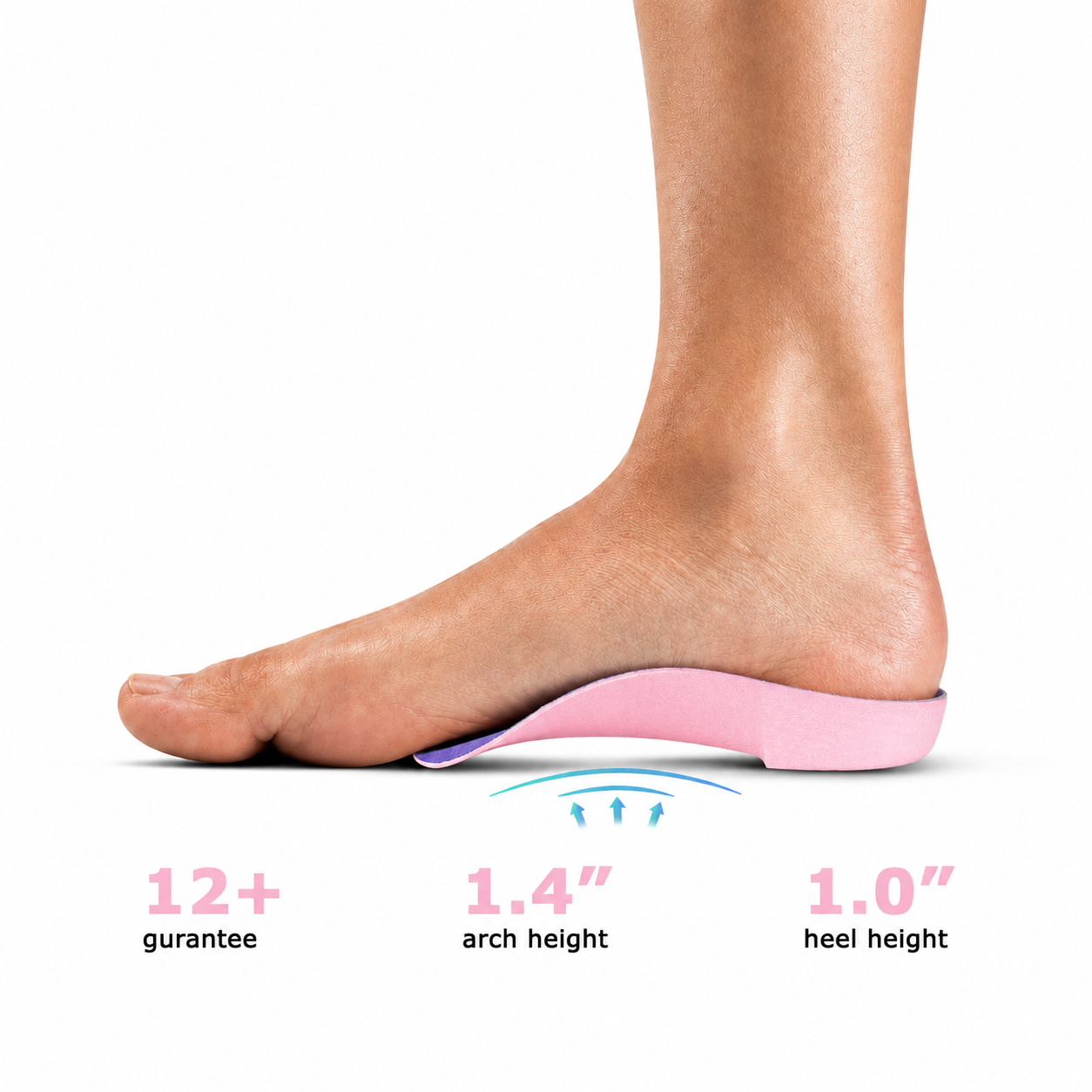
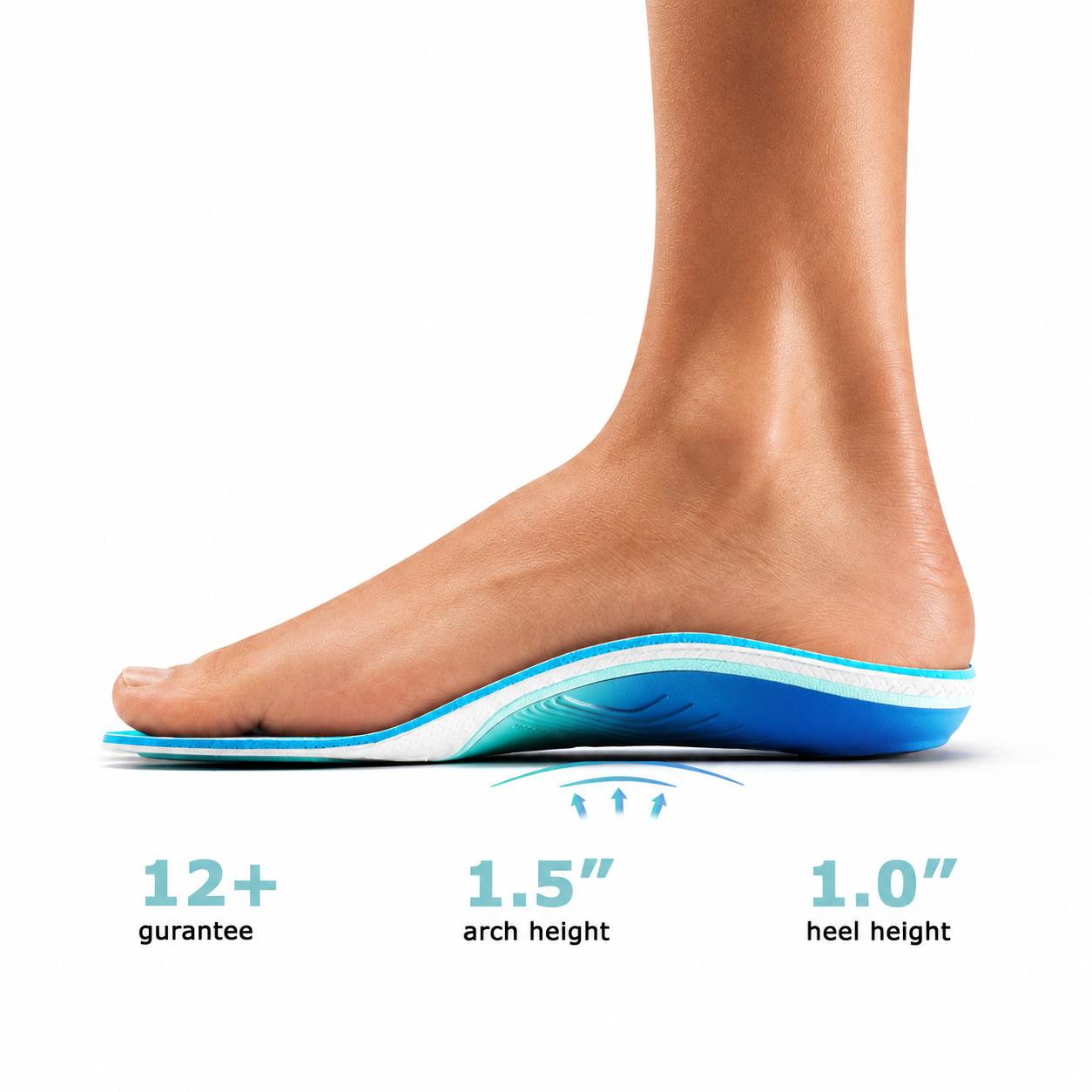
Your arch acts like a natural shock absorber. If it collapses too much, your foot loses stability.
Look for insoles that:
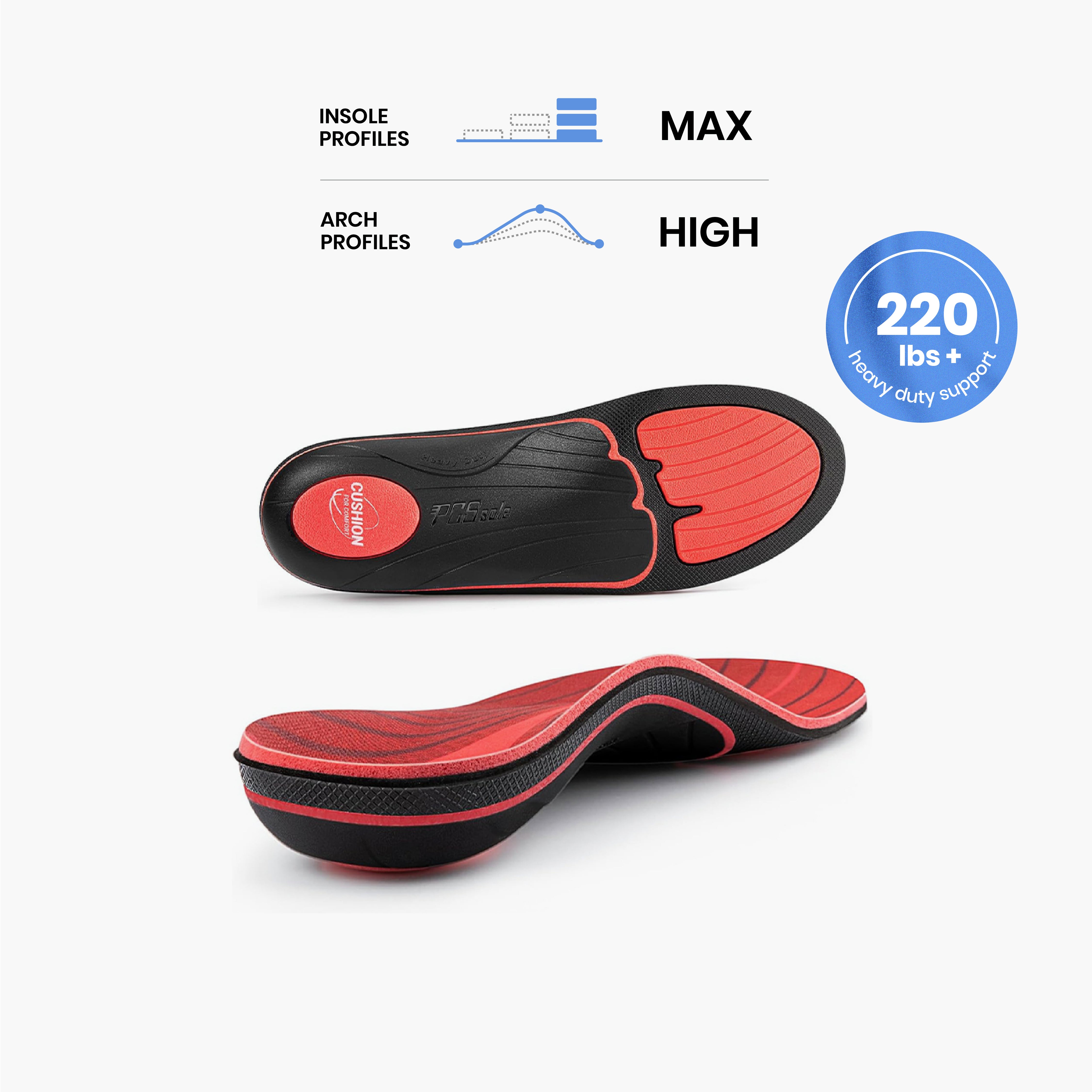
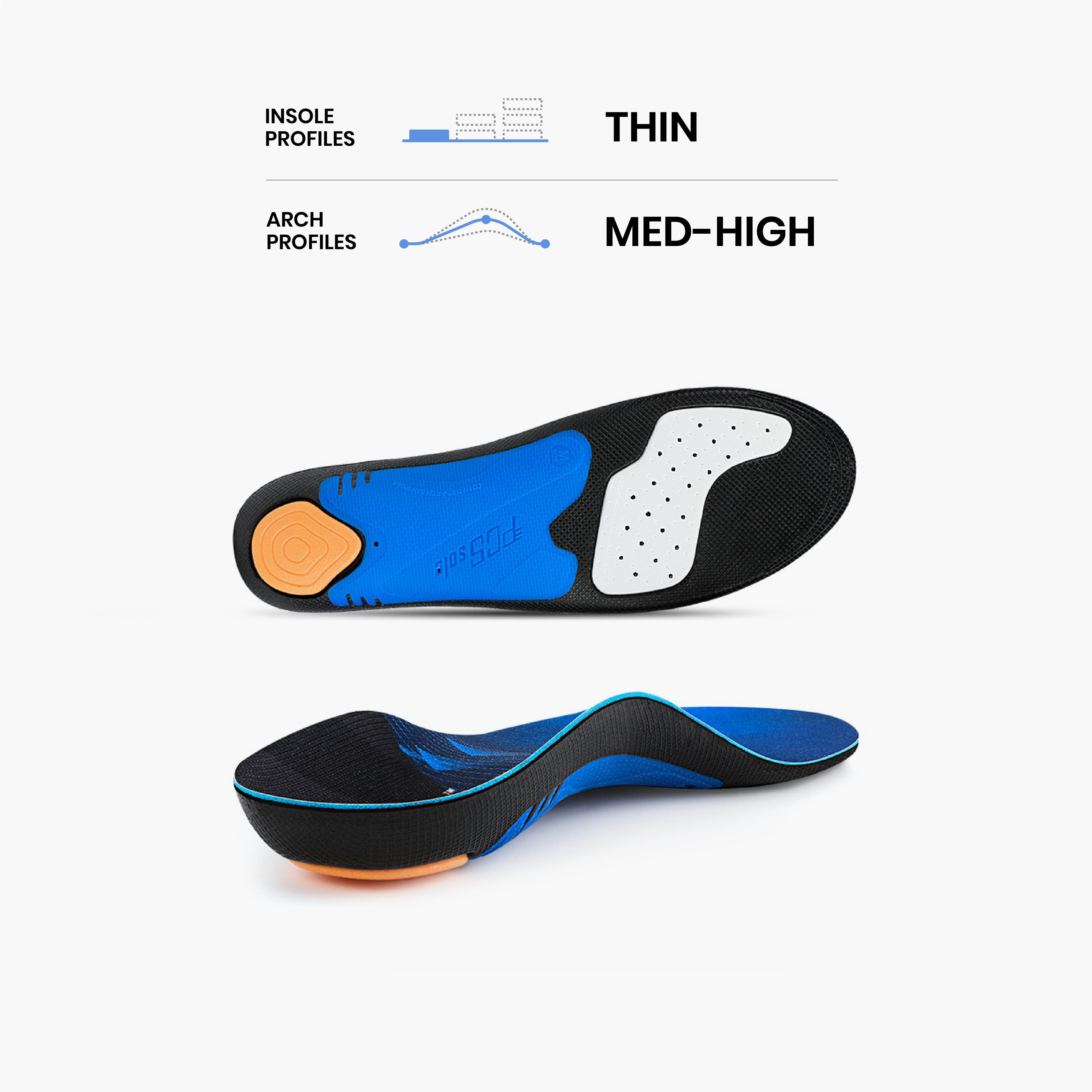
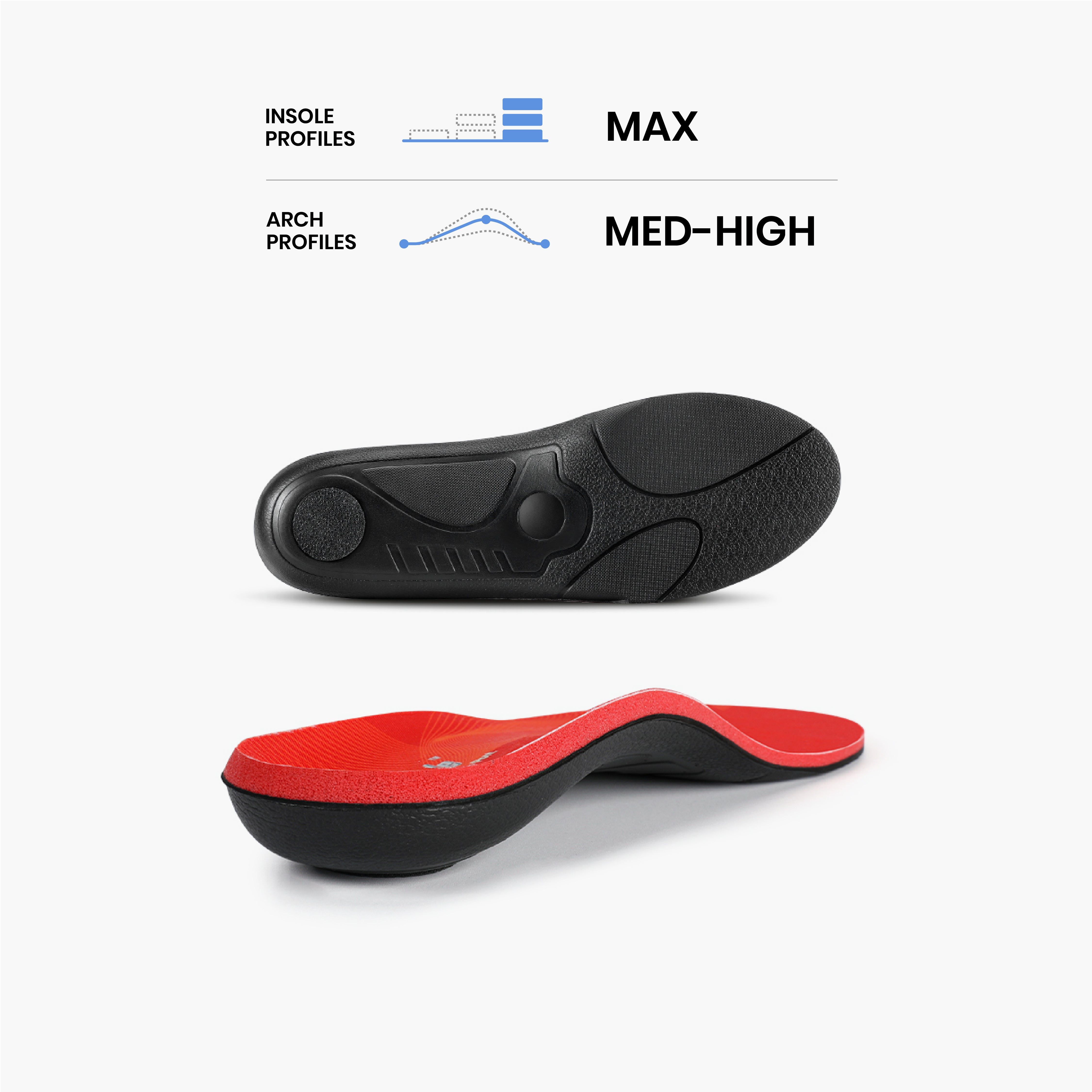
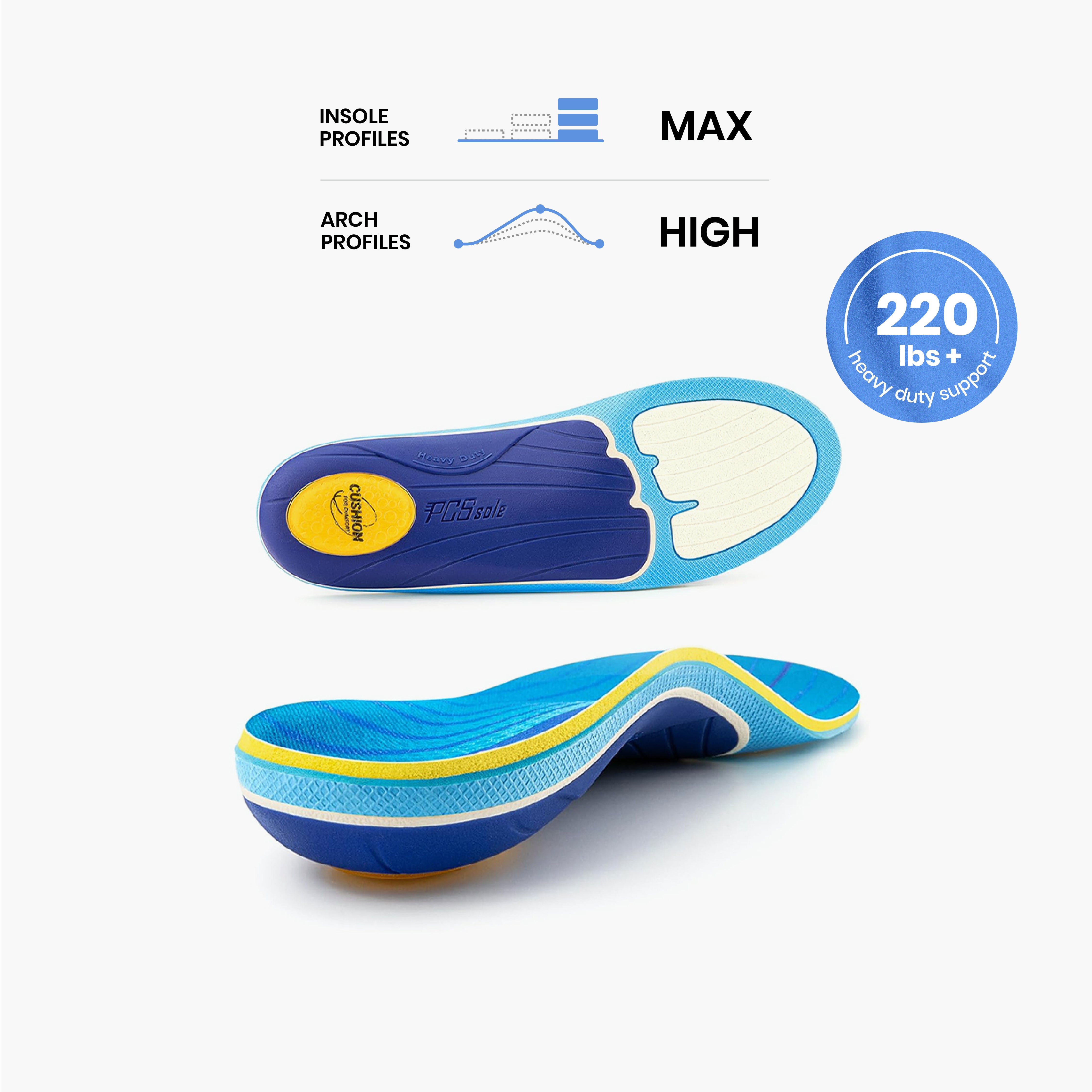
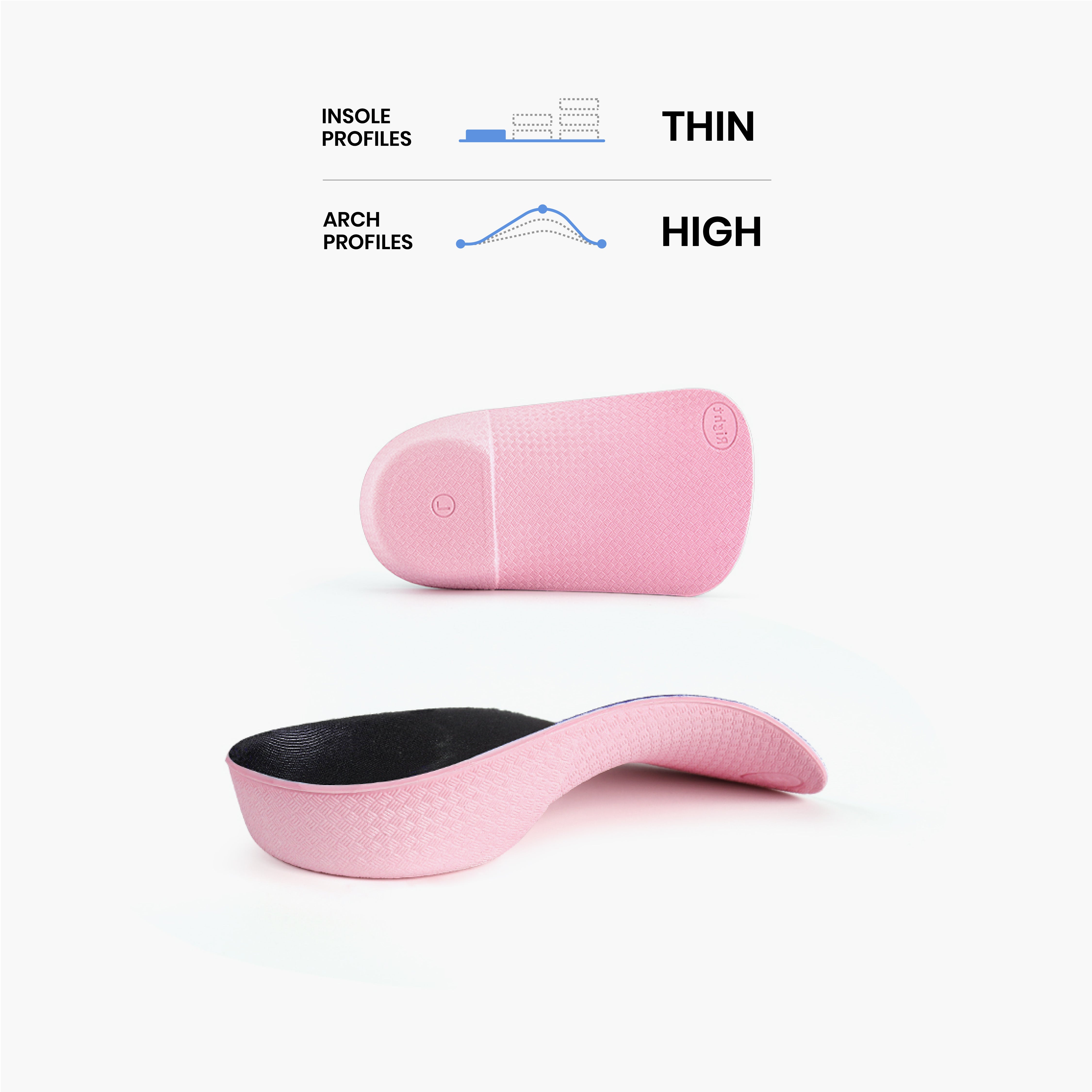
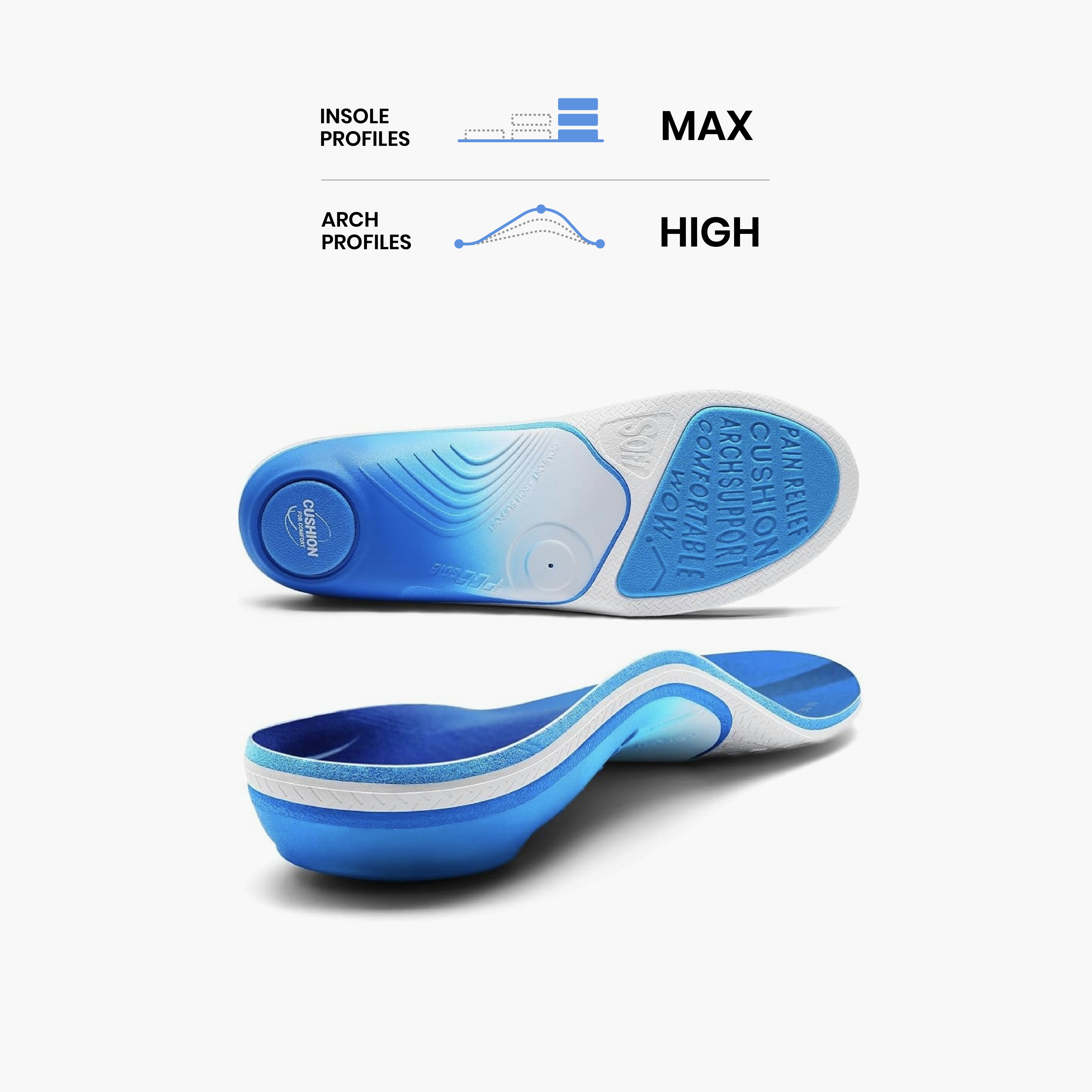
Match your arch height (low, medium, or high)
Provide structured—not overly soft—support
Maintain shape over time
Too soft = no support
Too rigid = discomfort
Balance is key.
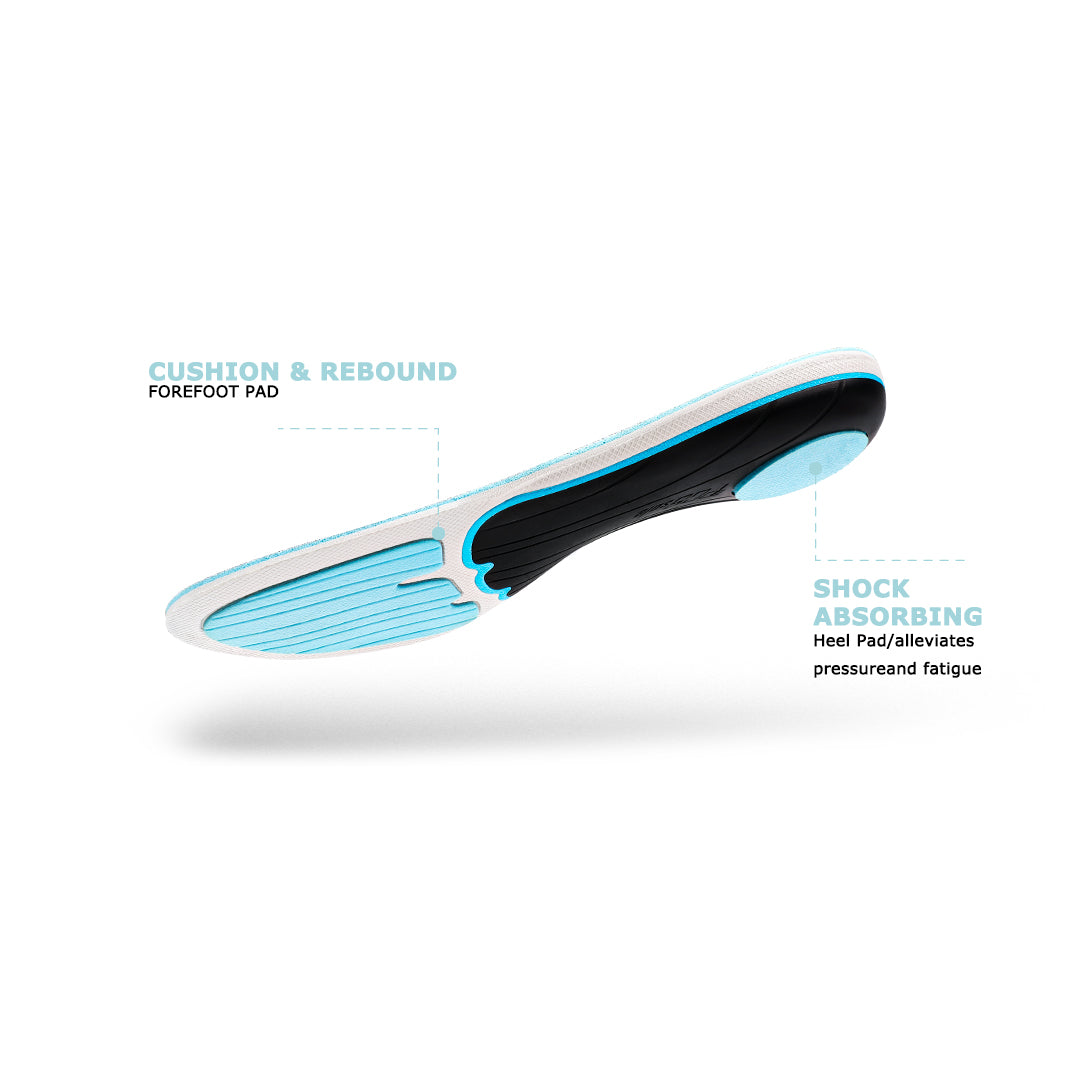
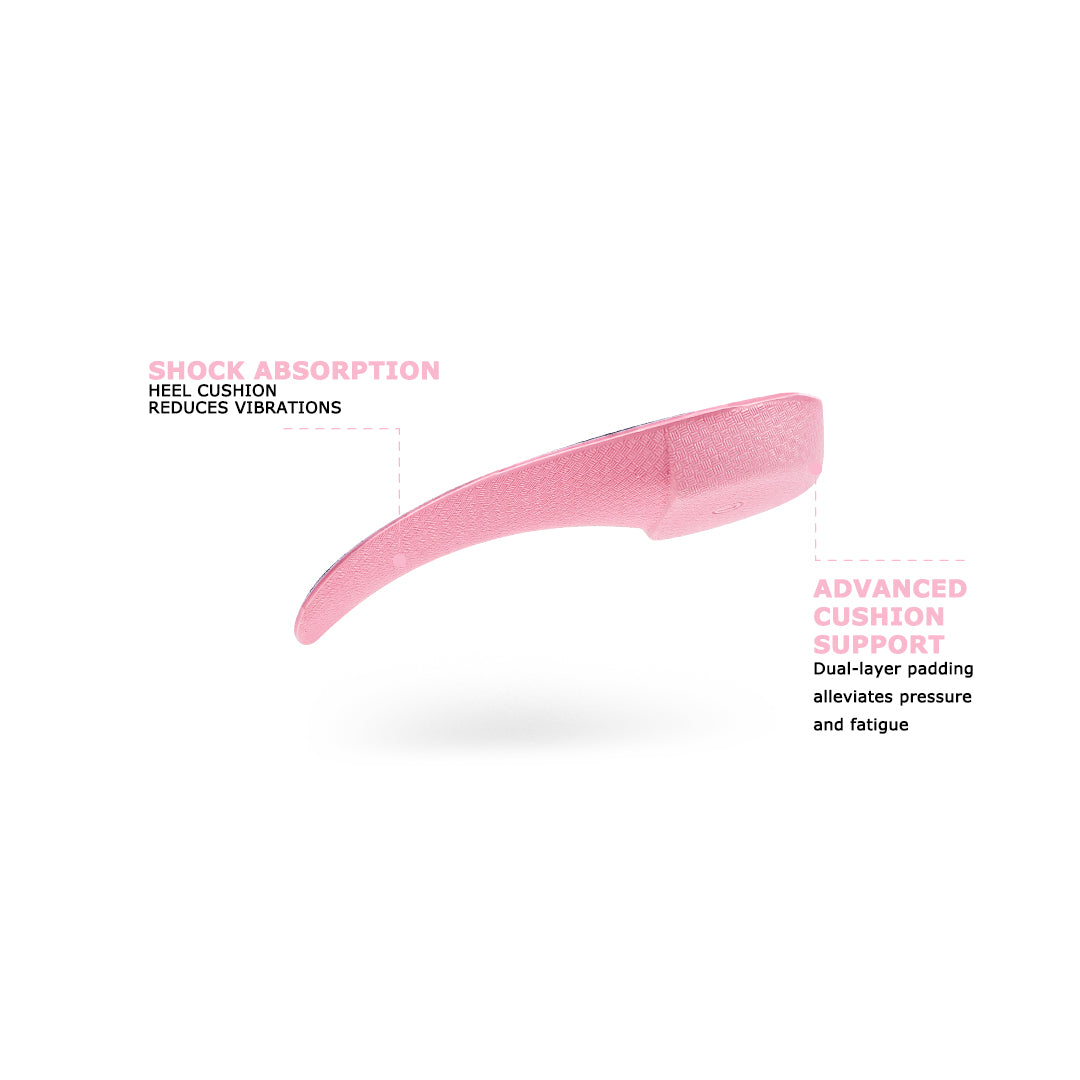
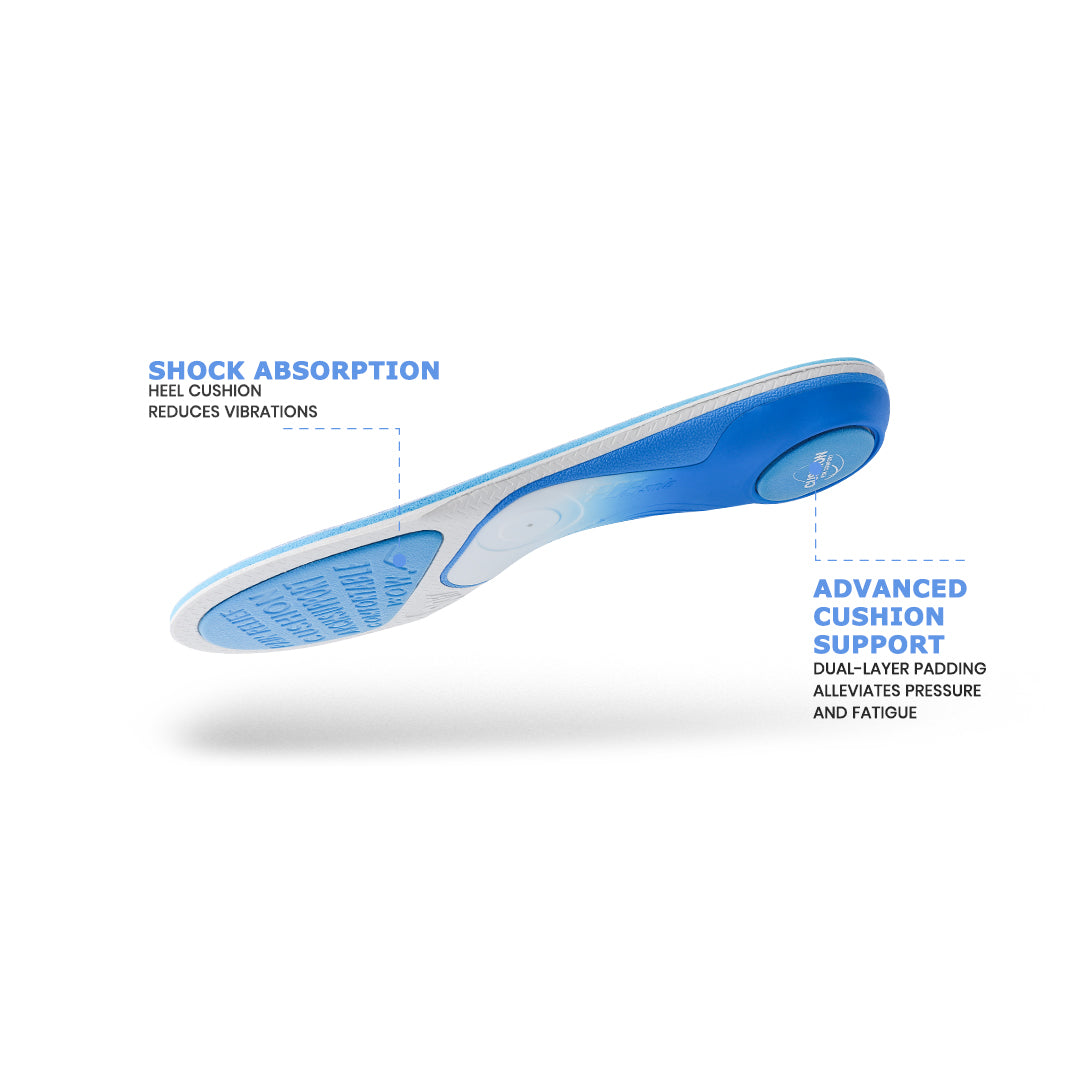
2. Shock Absorption
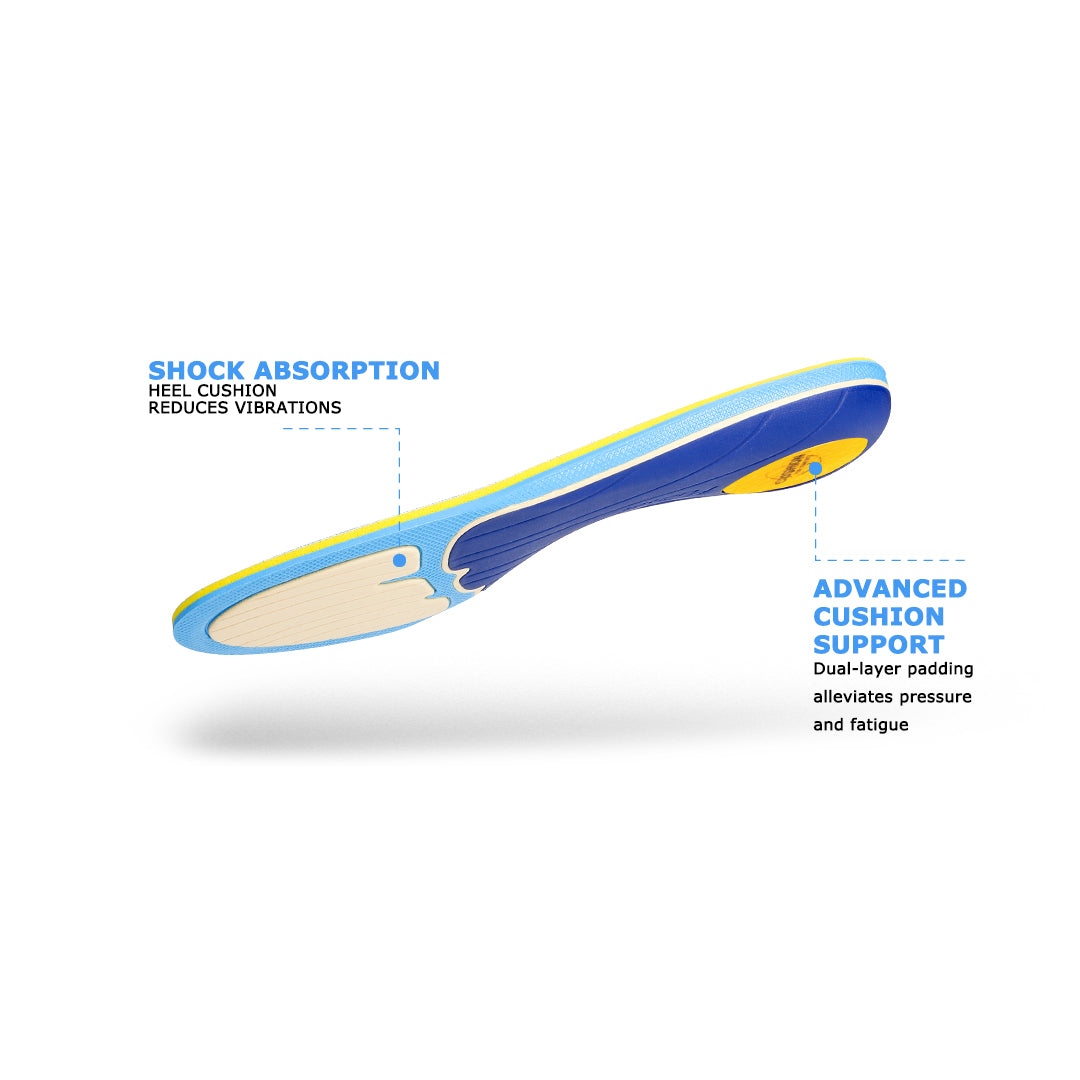
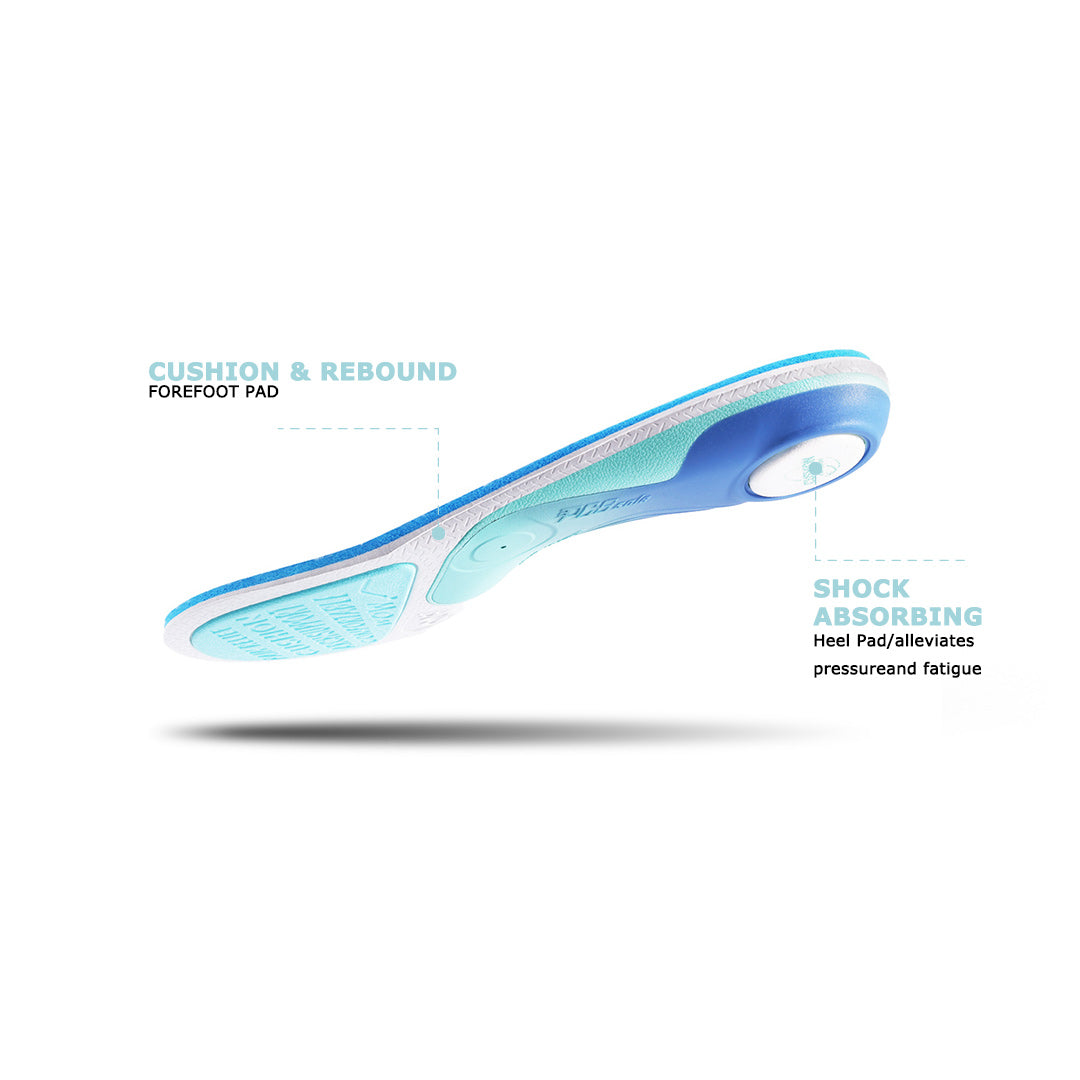
Walking on hard surfaces like pavement or concrete puts repeated stress on your joints.
Good walking insoles:
* Distribute pressure evenly
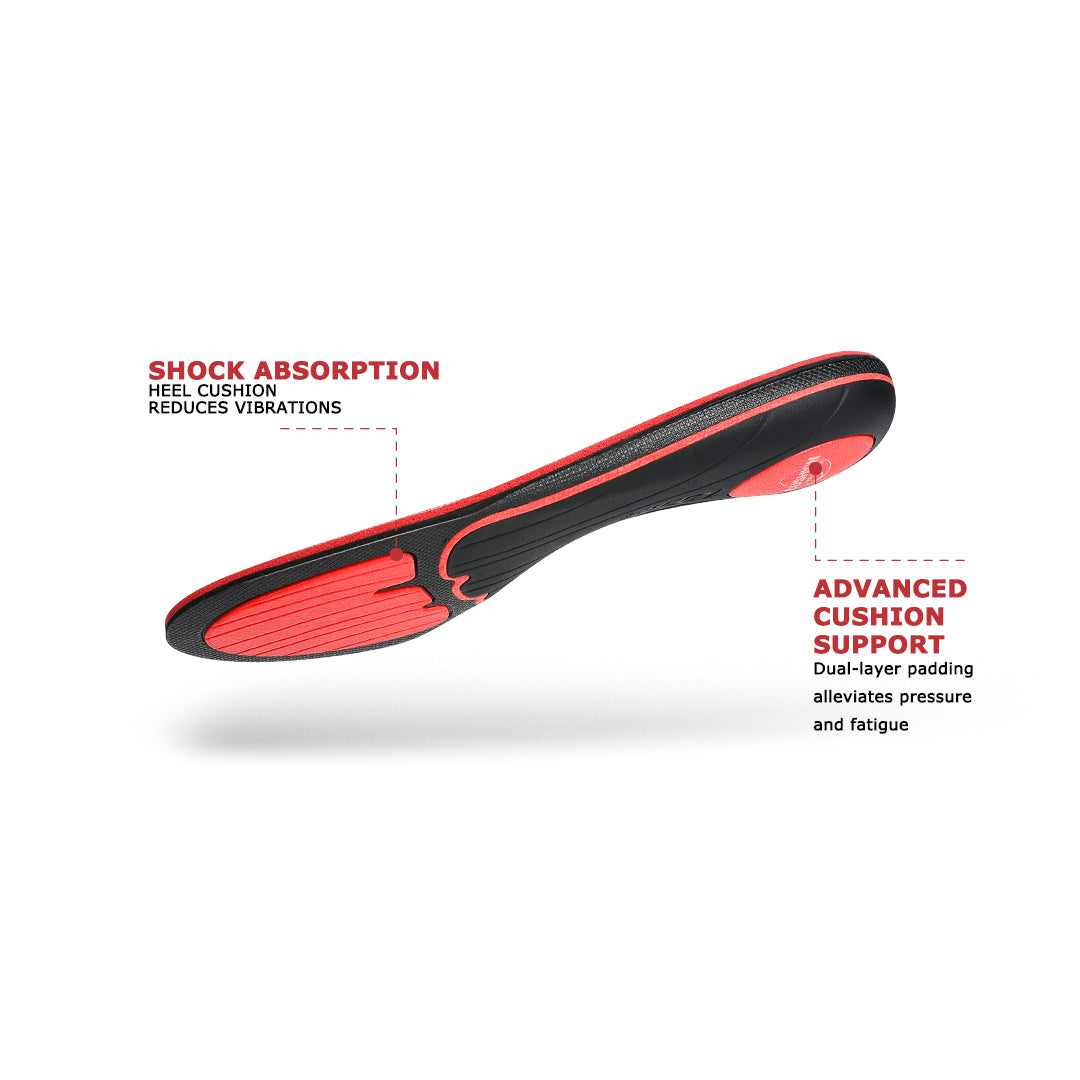
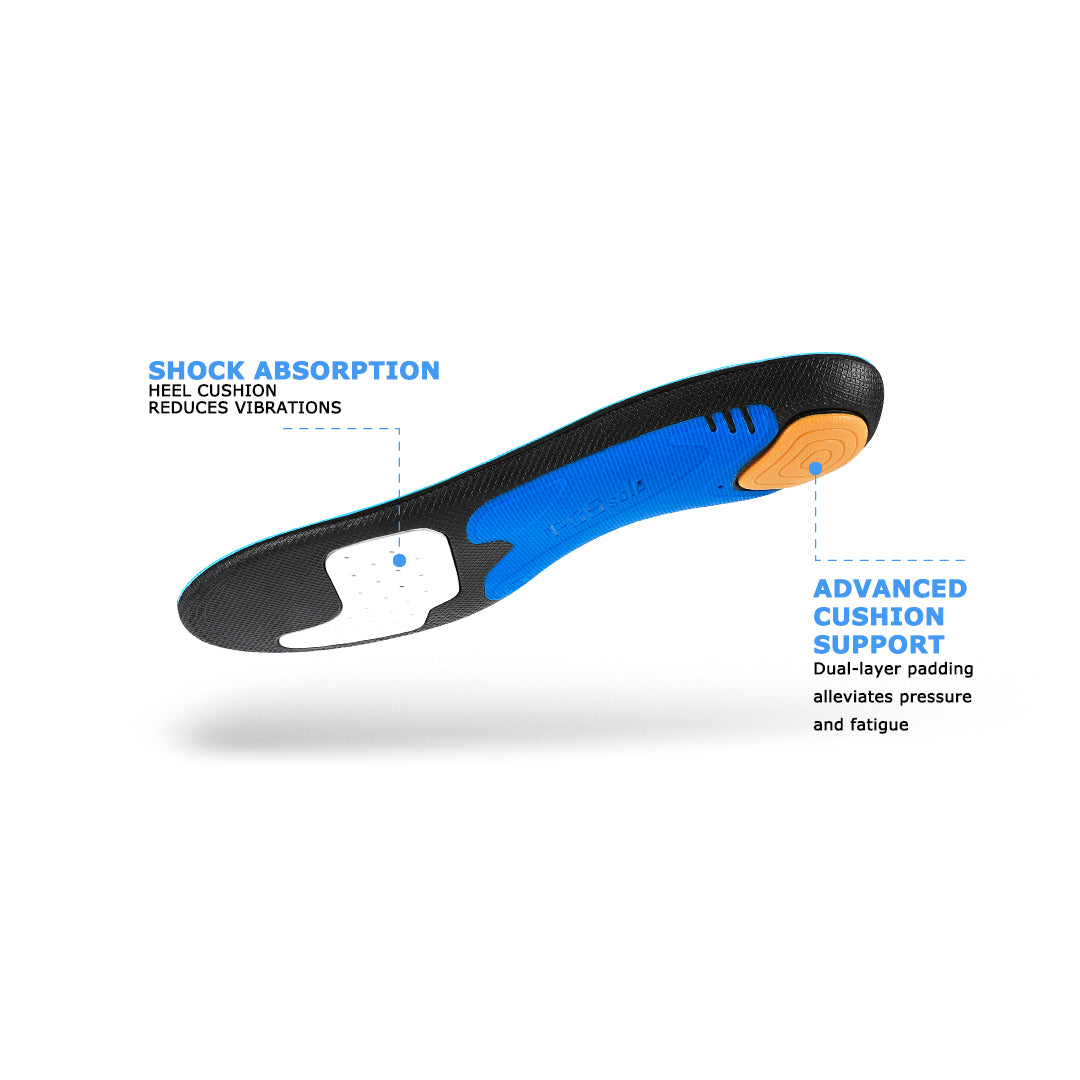
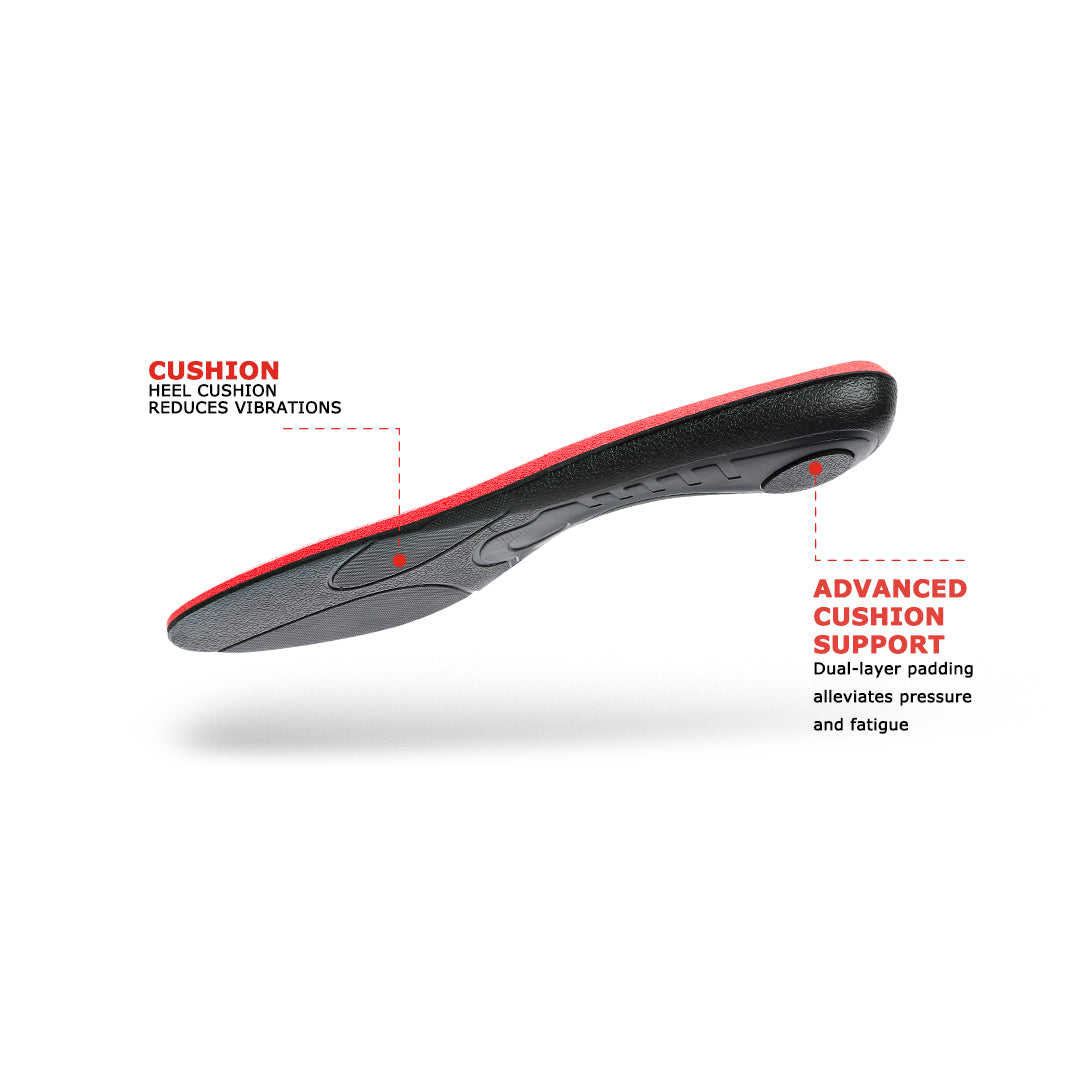
* Absorb impact at the heel
* Reduce stress on knees and hips
3. Cushioning (But Controlled)
Cushioning is important—but it needs structure behind it.
Memory foam → soft comfort
Gel → responsive cushioning
EVA foam → balanced support and durability
If you’re unsure which feel suits you best, see Soft vs Firm Insoles for a deeper breakdown.
4. Heel Stability
A stable heel keeps your foot aligned as you walk.
Look for:
* Deep heel cup
* Firm rearfoot structure
* Minimal side-to-side movement
Without this, even good arch support won’t fully help.
5. Breathability & Comfort
Walking generates heat. Poor ventilation leads to discomfort fast.
Choose insoles with:
* Moisture-wicking top layers
* Breathable materials
* Odor control features
6. Durability
Walking insoles take constant impact.
Quality materials like:
* High-density EVA
* Polyurethane (PU)
* Reinforced arch shells
PCSsole insoles last significantly longer than cheap foam inserts.
PCSsole Insoles — Best for Everyday Wear
Why it’s best: Most comfortable insole for daily walking and long hours on your feet.
Best for: Everyday wear, work shoes, casual walking.
Long-lasting cushioning for daily use
Compatibility with multiple shoes
Whether you’re walking, running, or on your feet all day, the right support reduces discomfort and injury risk.
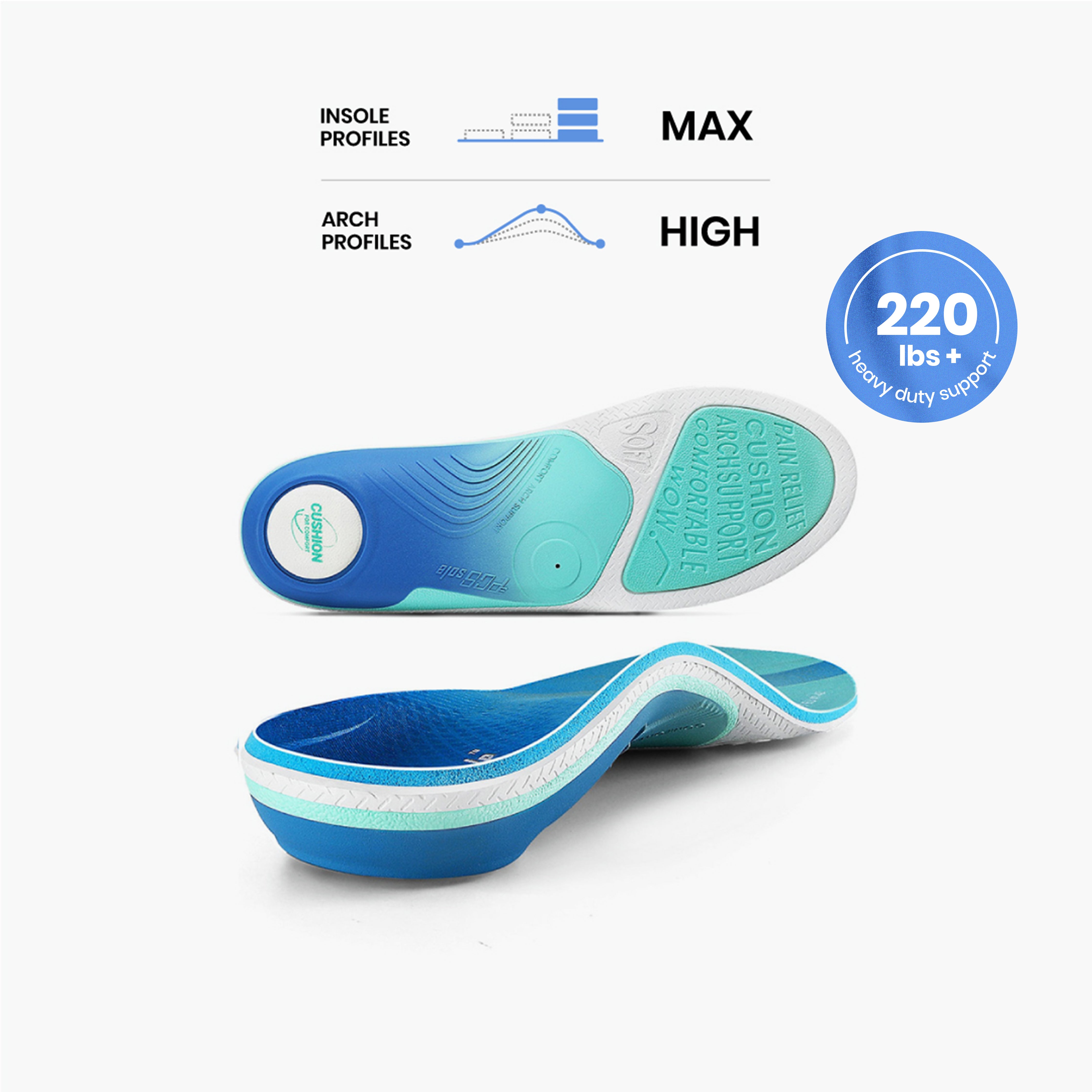
Key Features: Deep heel cradle, semi-rigid arch, dual-layer cushioning.
Pros: Good for overpronation correction.
Cons: Slightly bulkier in snug shoes.
Customer reviews: Users praise comfort when on their feet all day and reduced arch strain.
Insoles for Walking FAQs
What are the best insoles for walking?
Universal Arch Support provides versatile comfort for walkers, with universal fitting and cushioned support.
What are the best insoles for running?
Running Flexible Performance is our top pick for running due to its shock absorption and arch support.
What are the best insoles for everyday wear?
Universal Arch Support ranks highest for all-day comfort.
Can I use one insole for both running and everyday wear?
Yes — Fulton Classic and SOLE Active Medium are versatile enough for both, though dedicated running models like PCSsole Running Flexible Performance excel in high-impact use.
Do custom orthotics beat over-the-counter insoles?
Custom orthotics are tailored to your foot and gait, ideal for structural issues. Over-the-counter insoles like PCSsole still offer excellent support for general activities.