


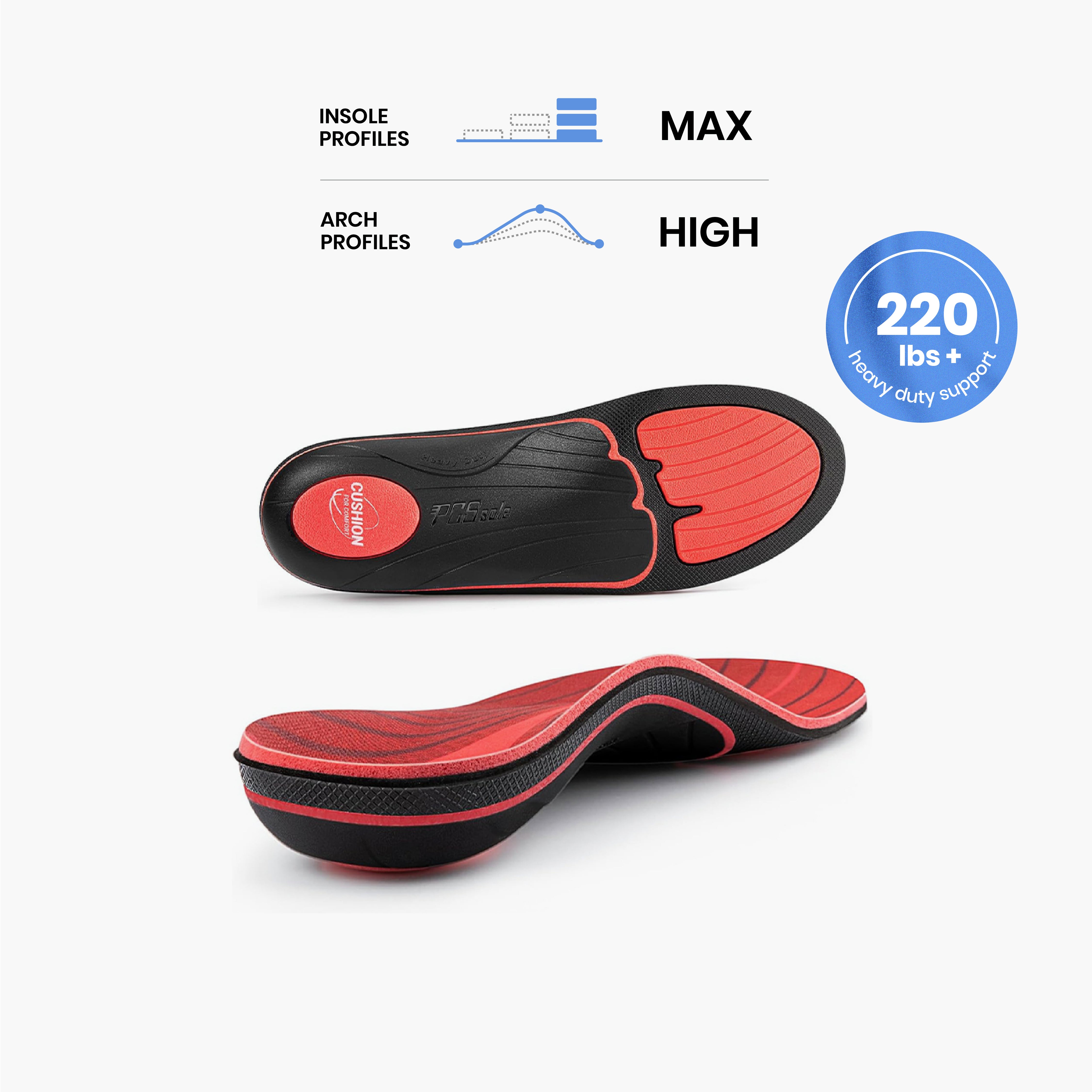
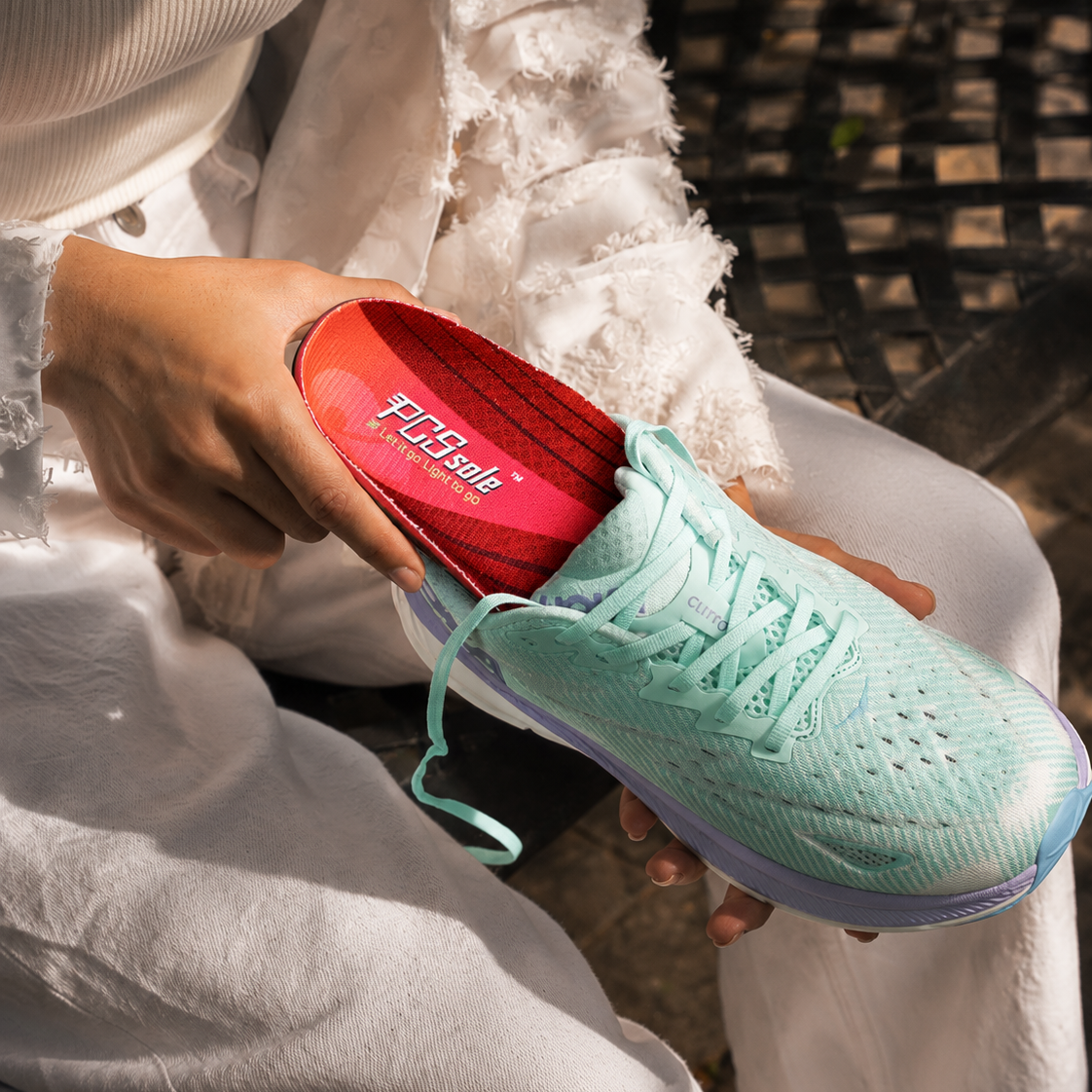


The Ultimate Solution for High Arches & Supination
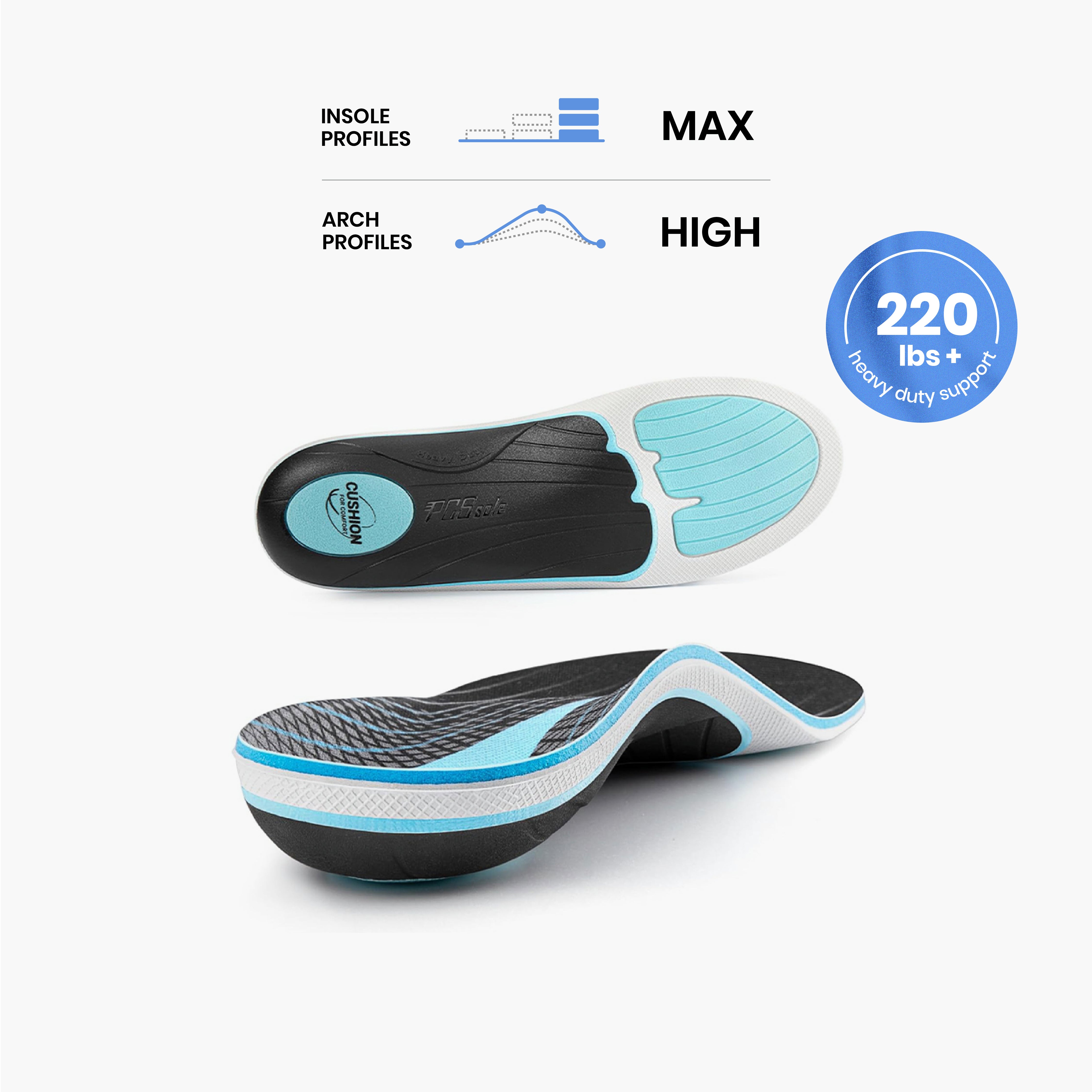
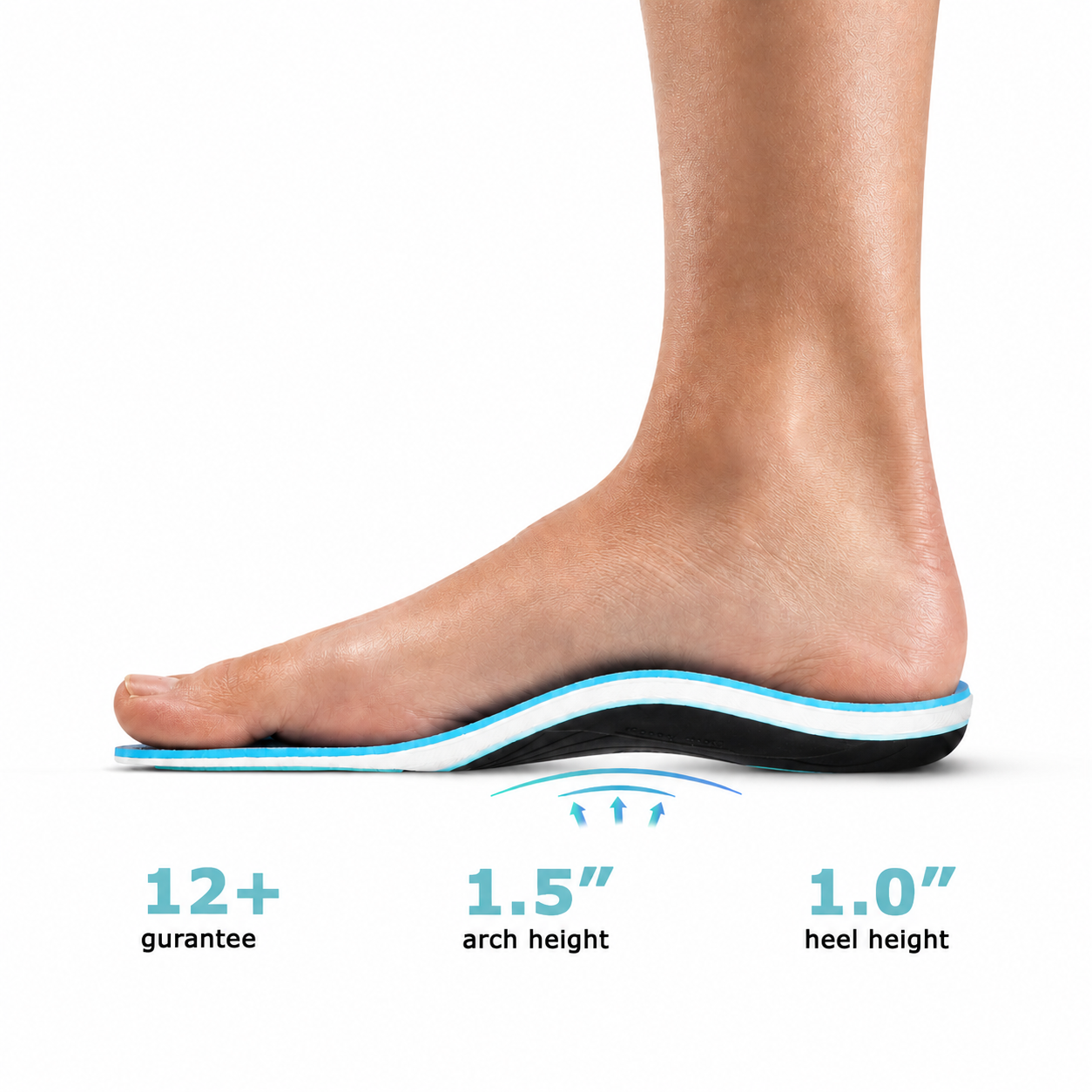
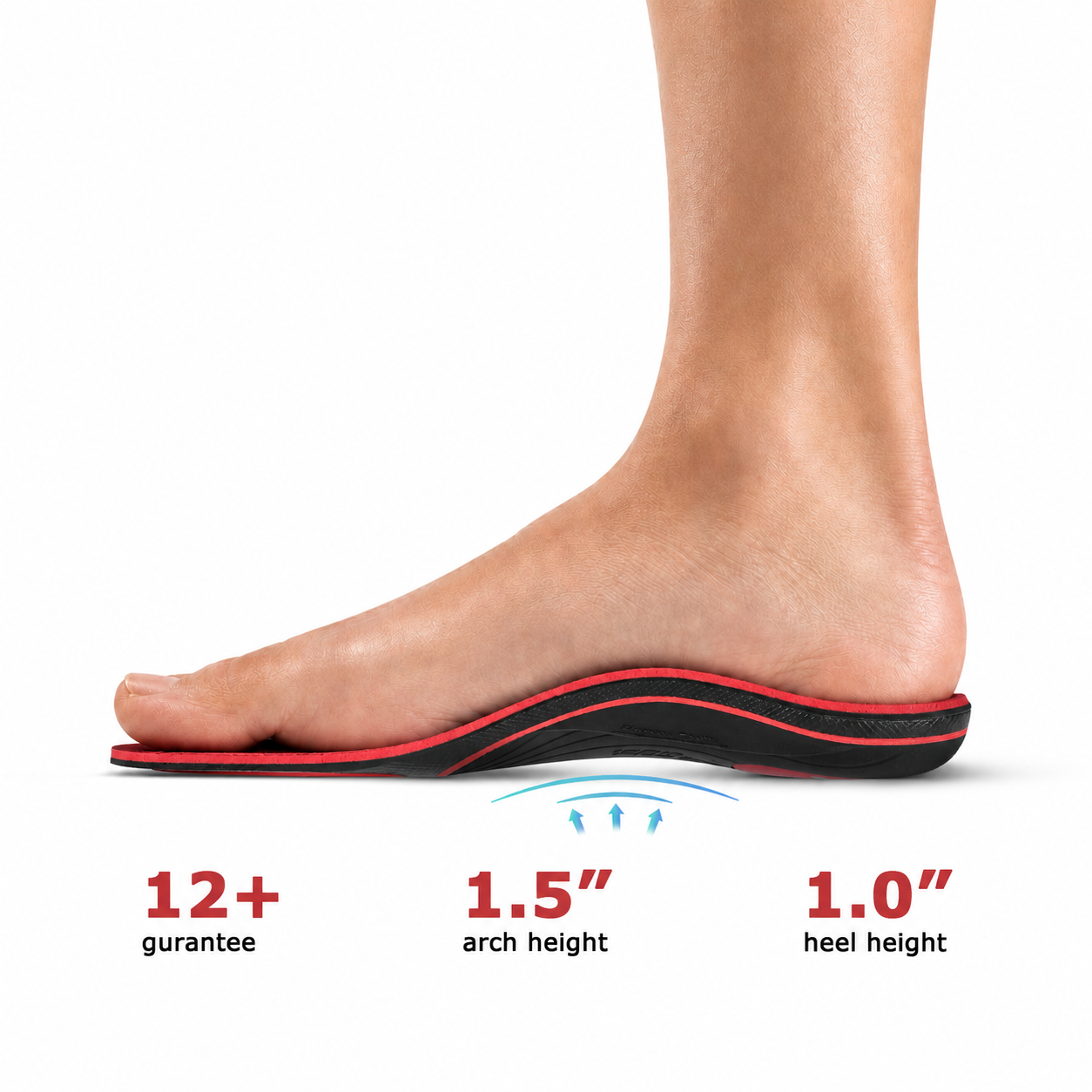
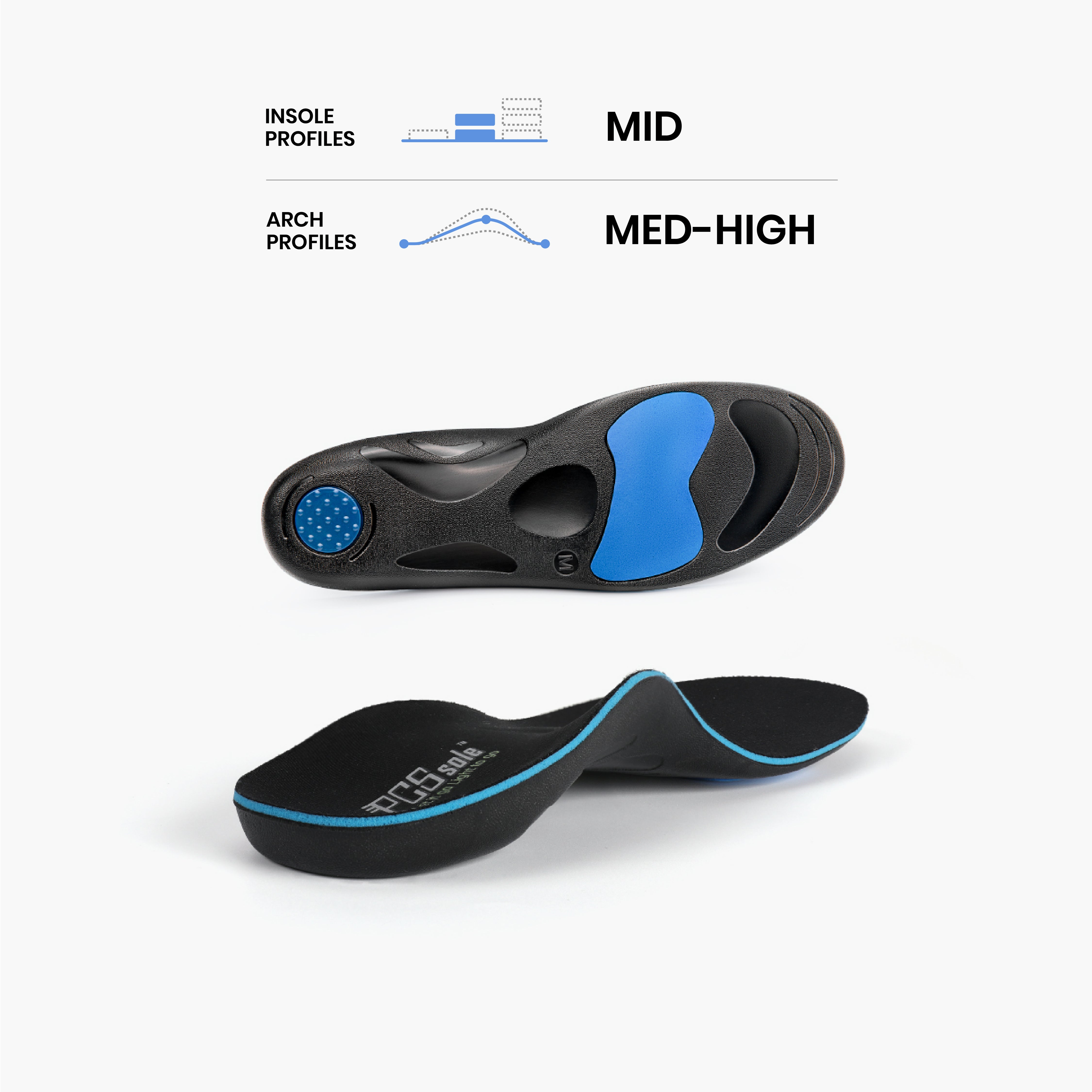
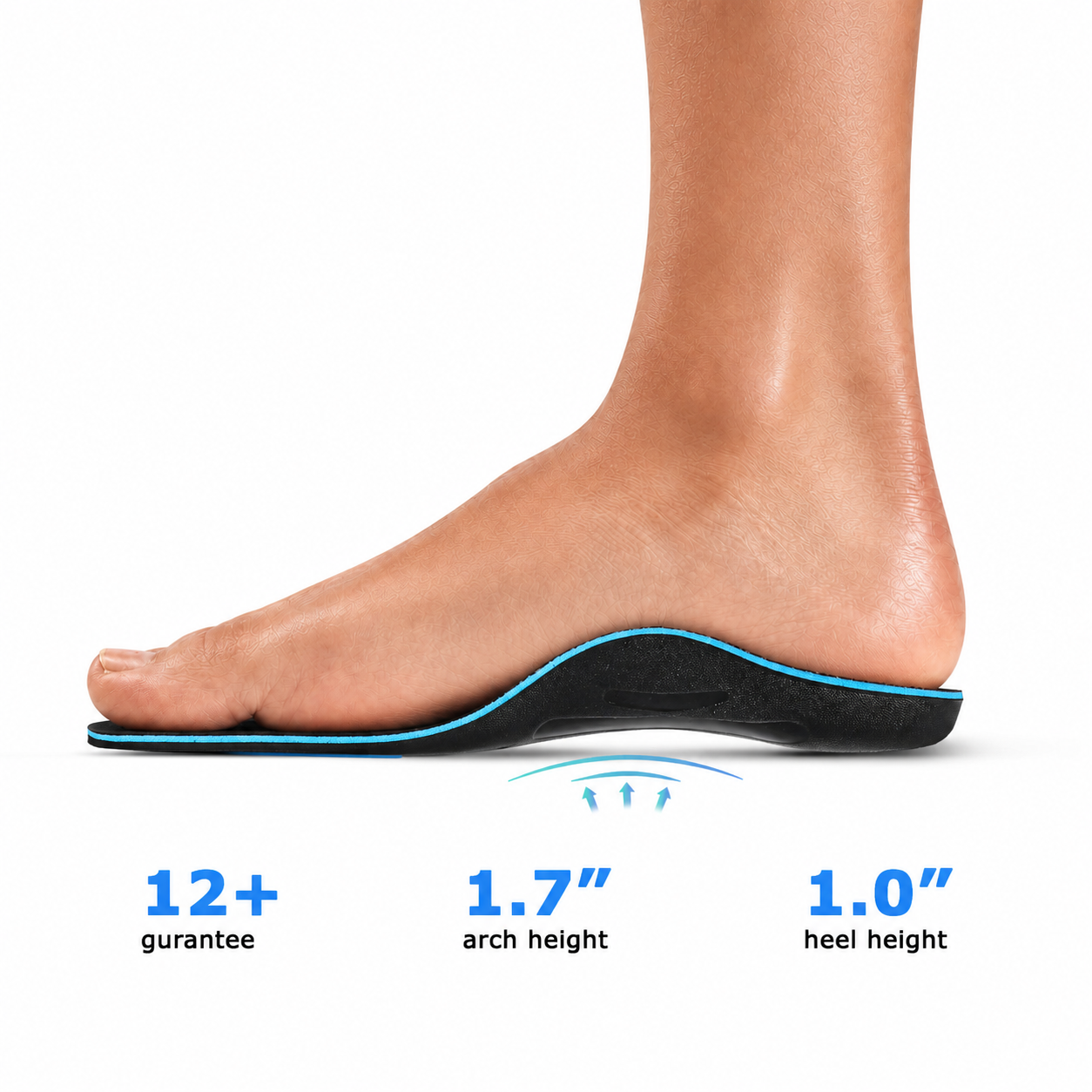
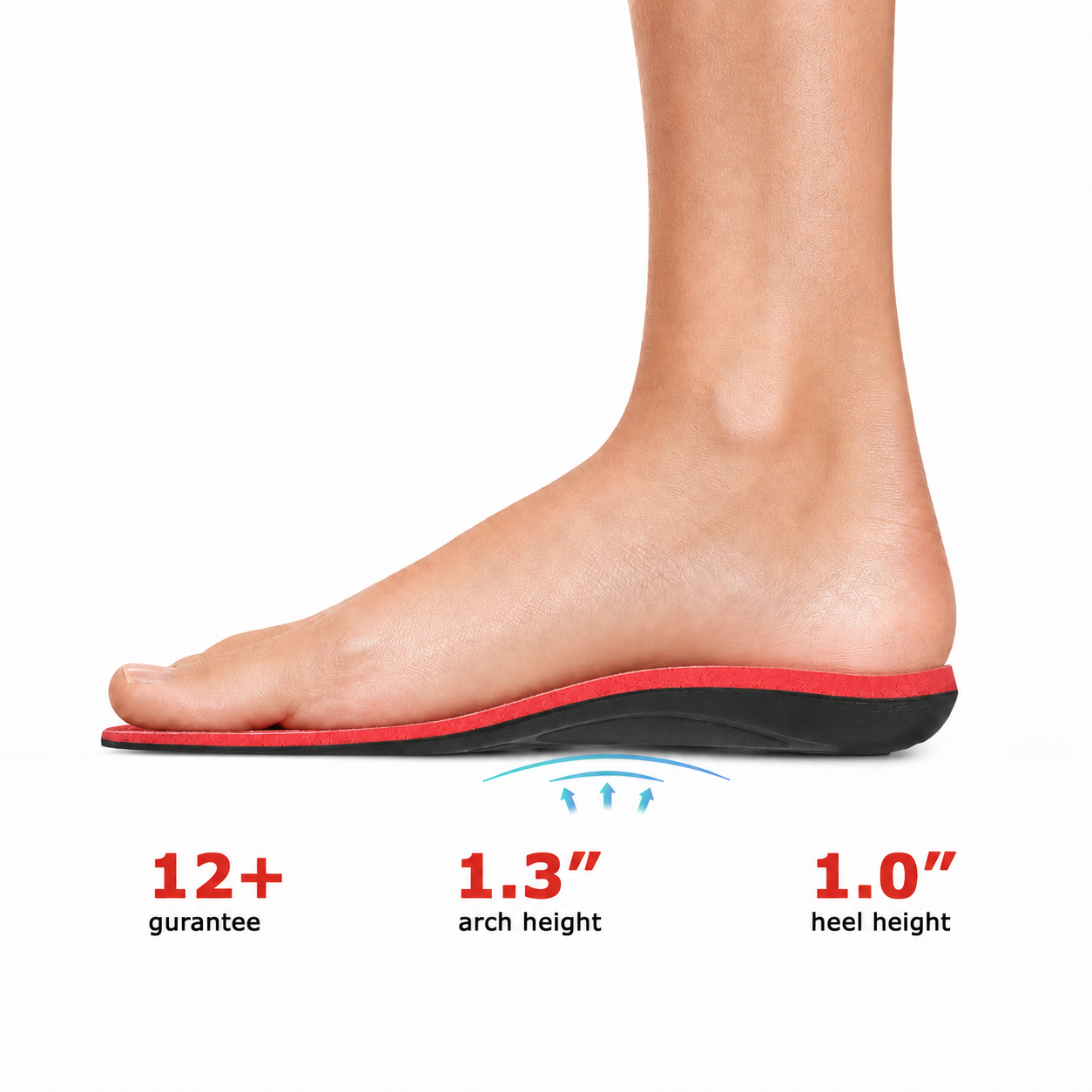
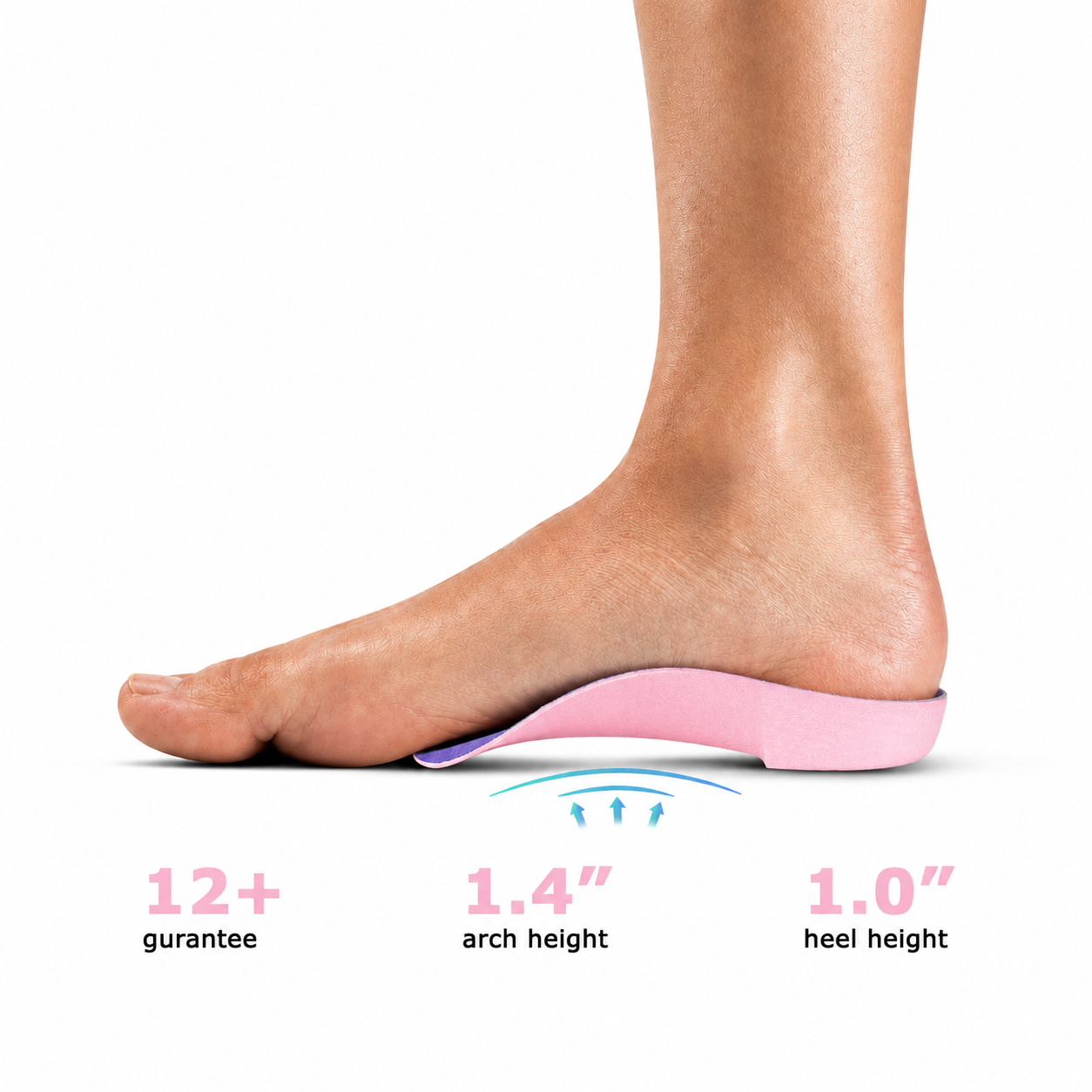
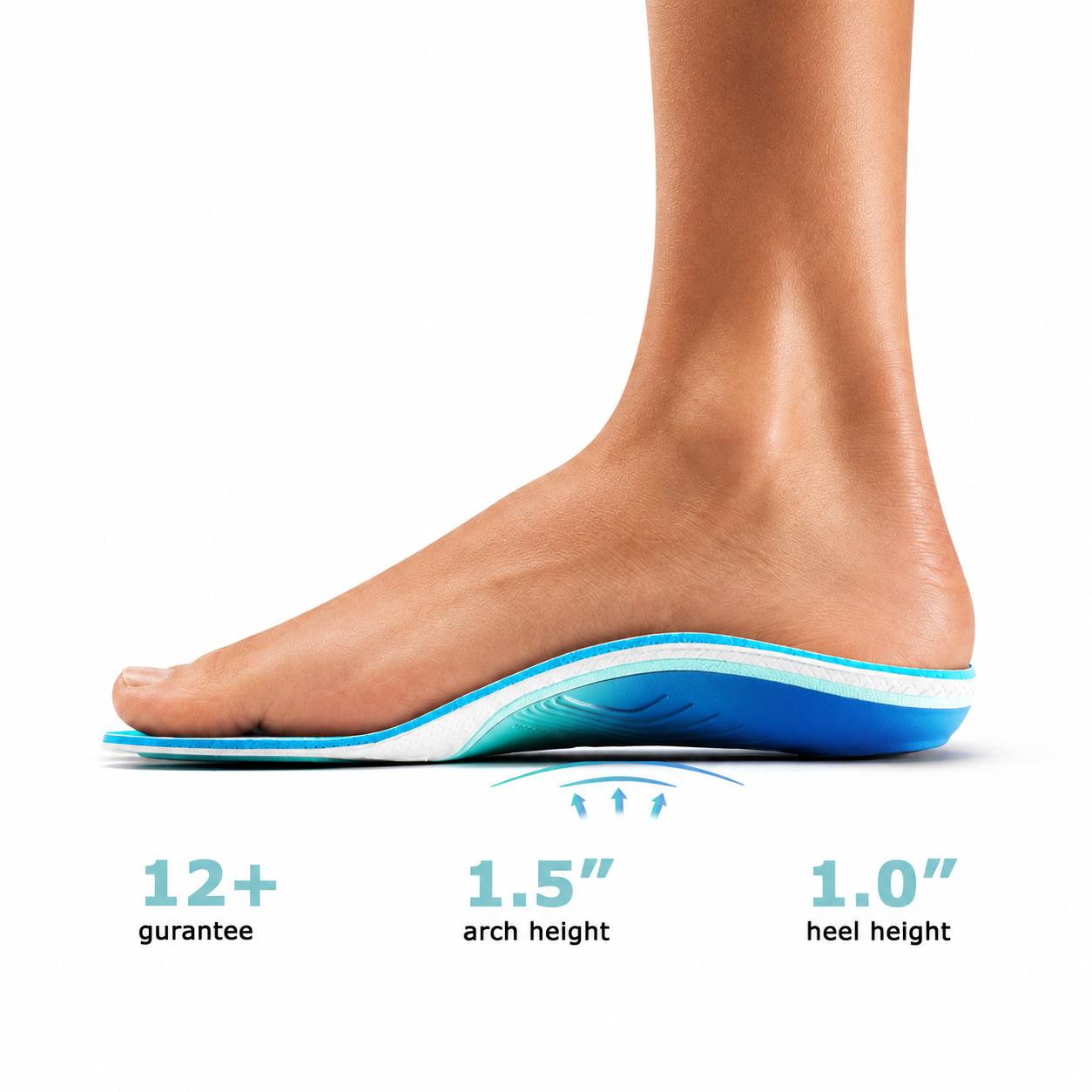
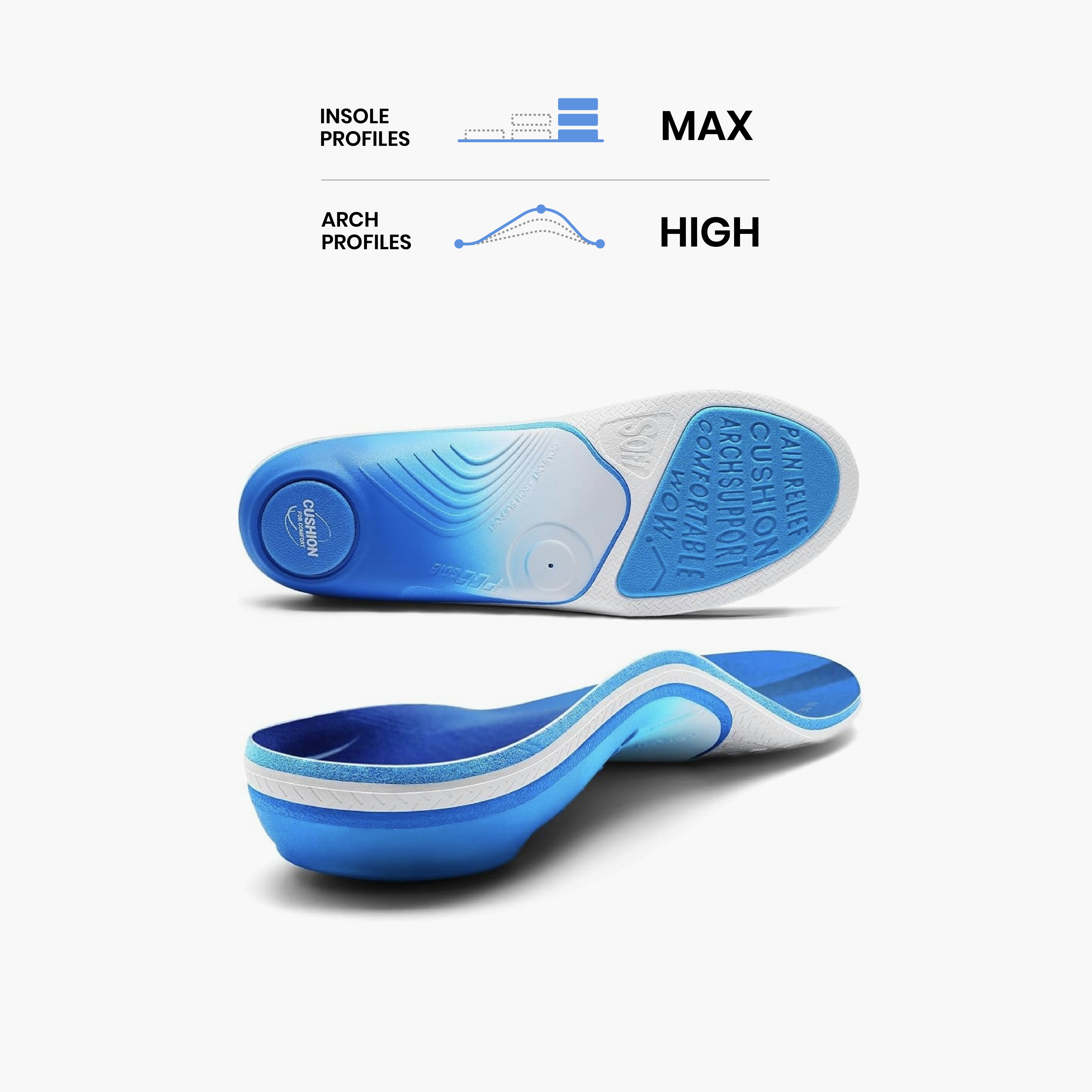
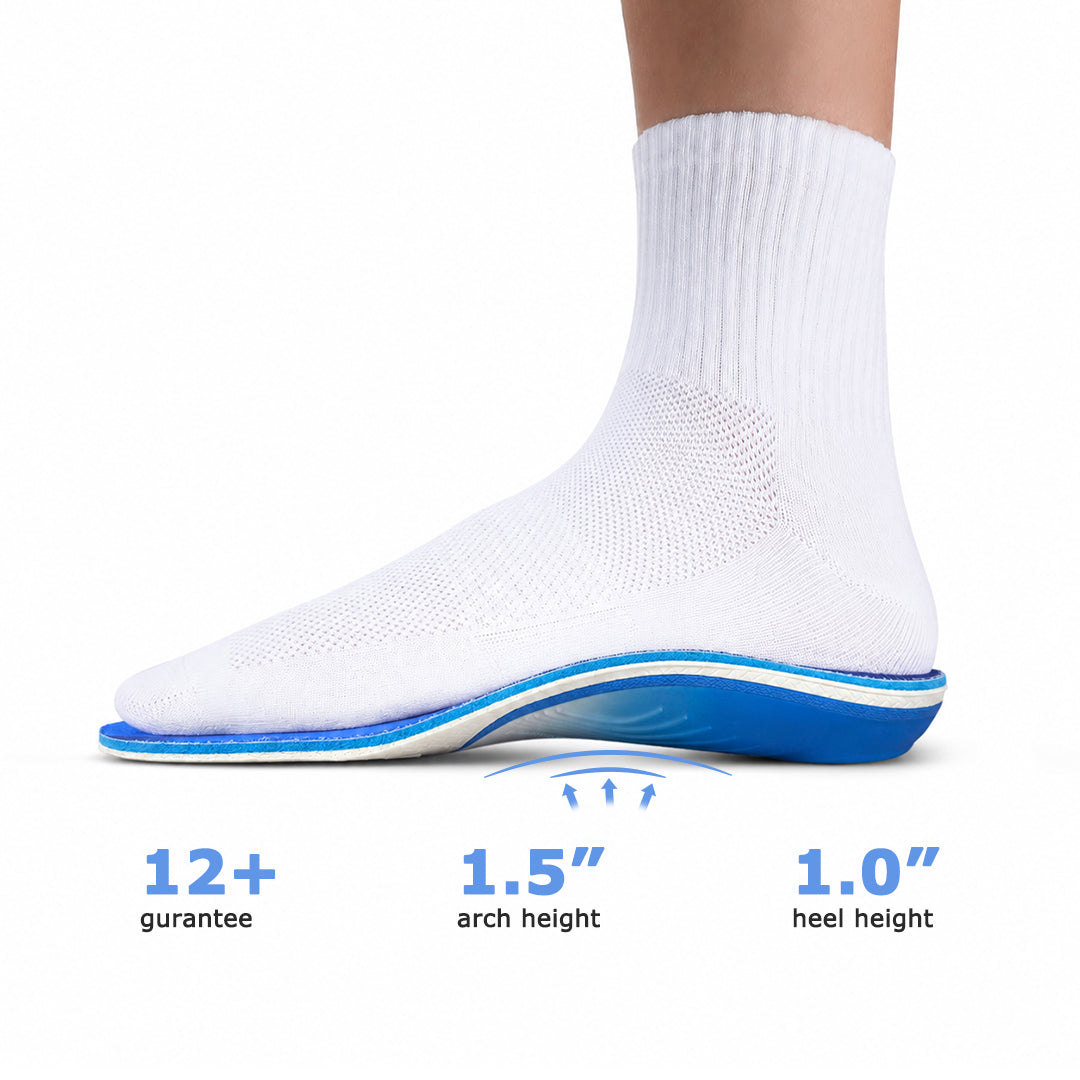
- Exclusive Extra-High Support: We are the only brand delivering true extra-high arch support. It’s a game-changer that evenly redistributes weight to eliminate foot fatigue and prevent stress fractures.
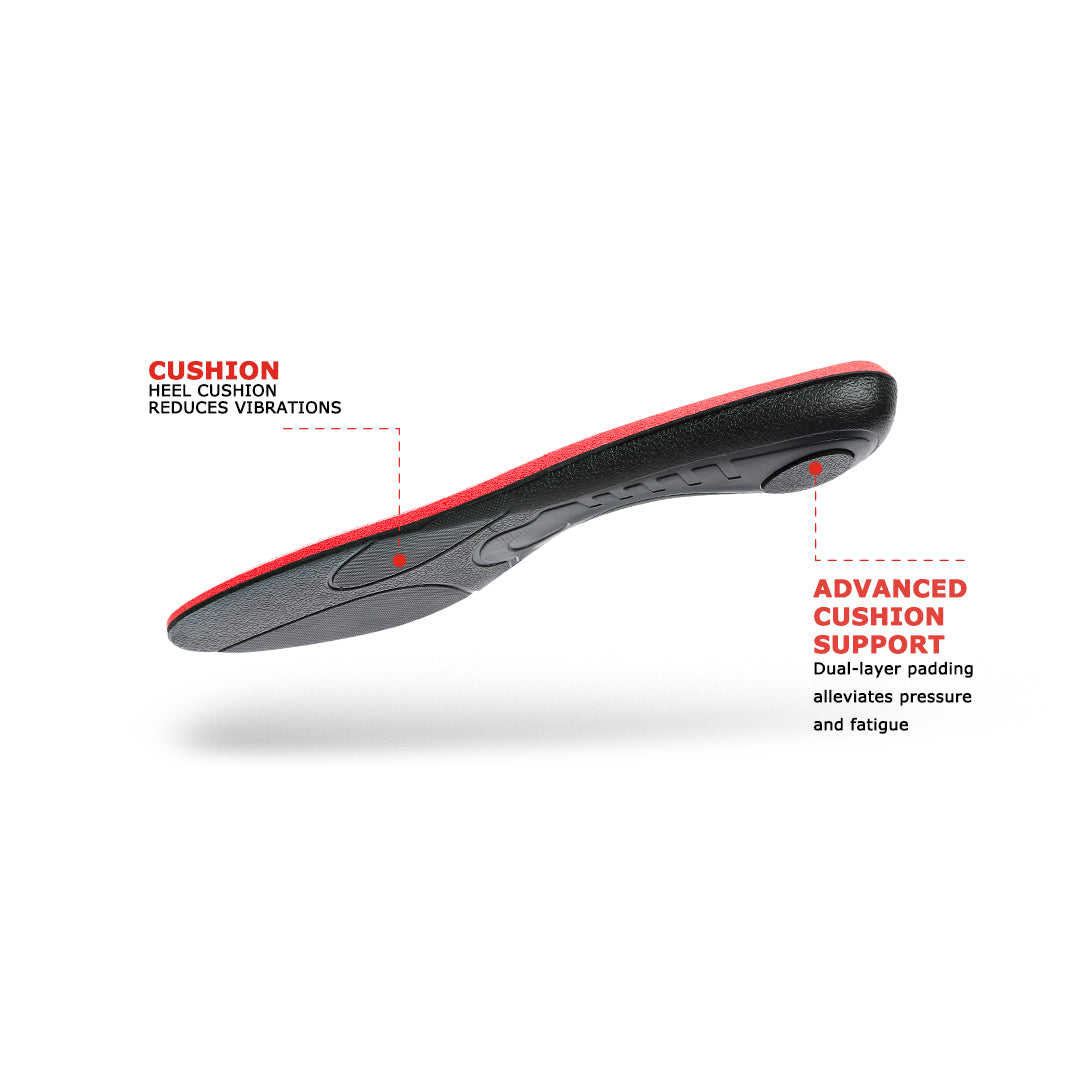
- Medical-Grade Alignment: Don't settle for soft foam. Our firm, medical-grade support corrects your alignment from the ground up, relieving strain on your knees, hips, and back for a balanced stride.
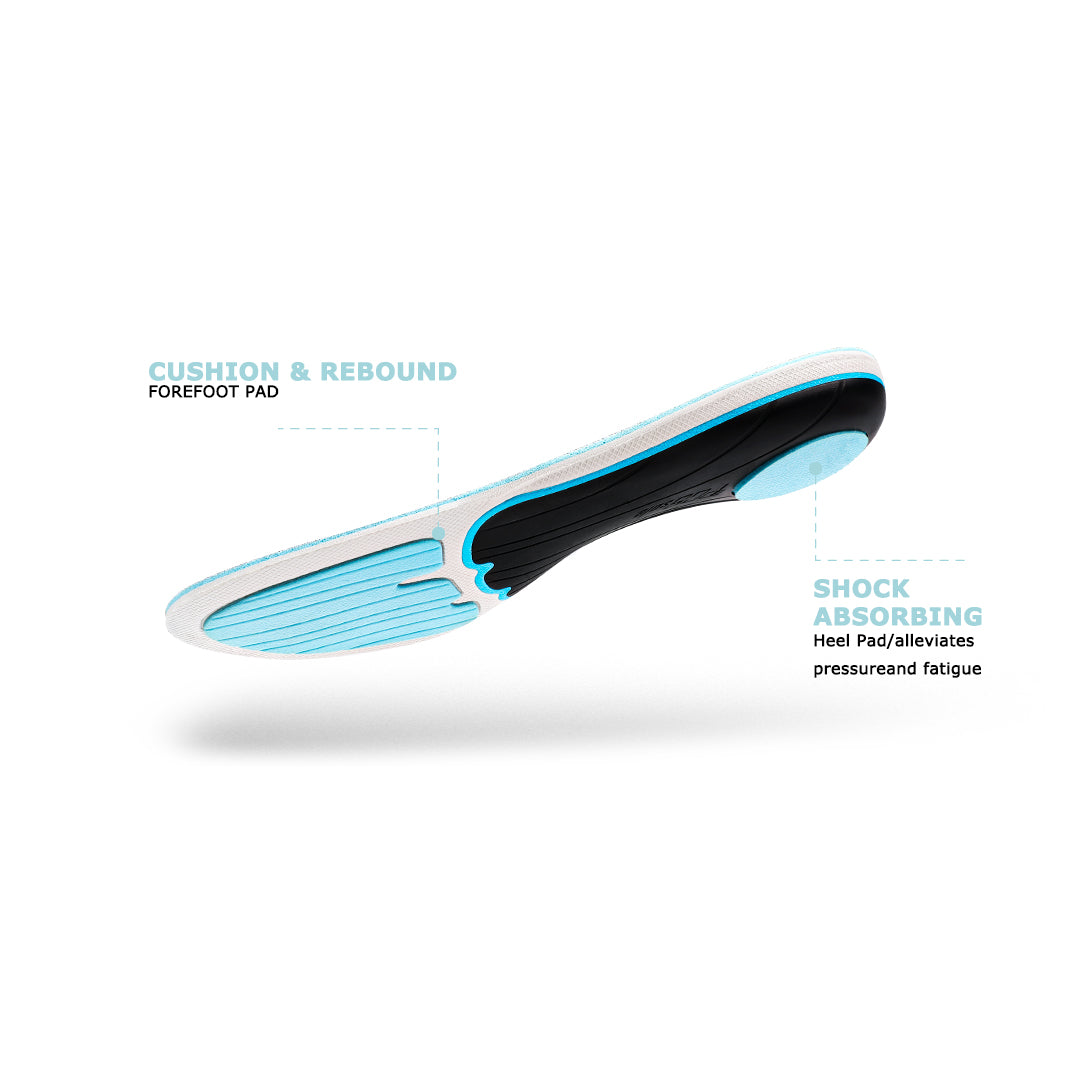
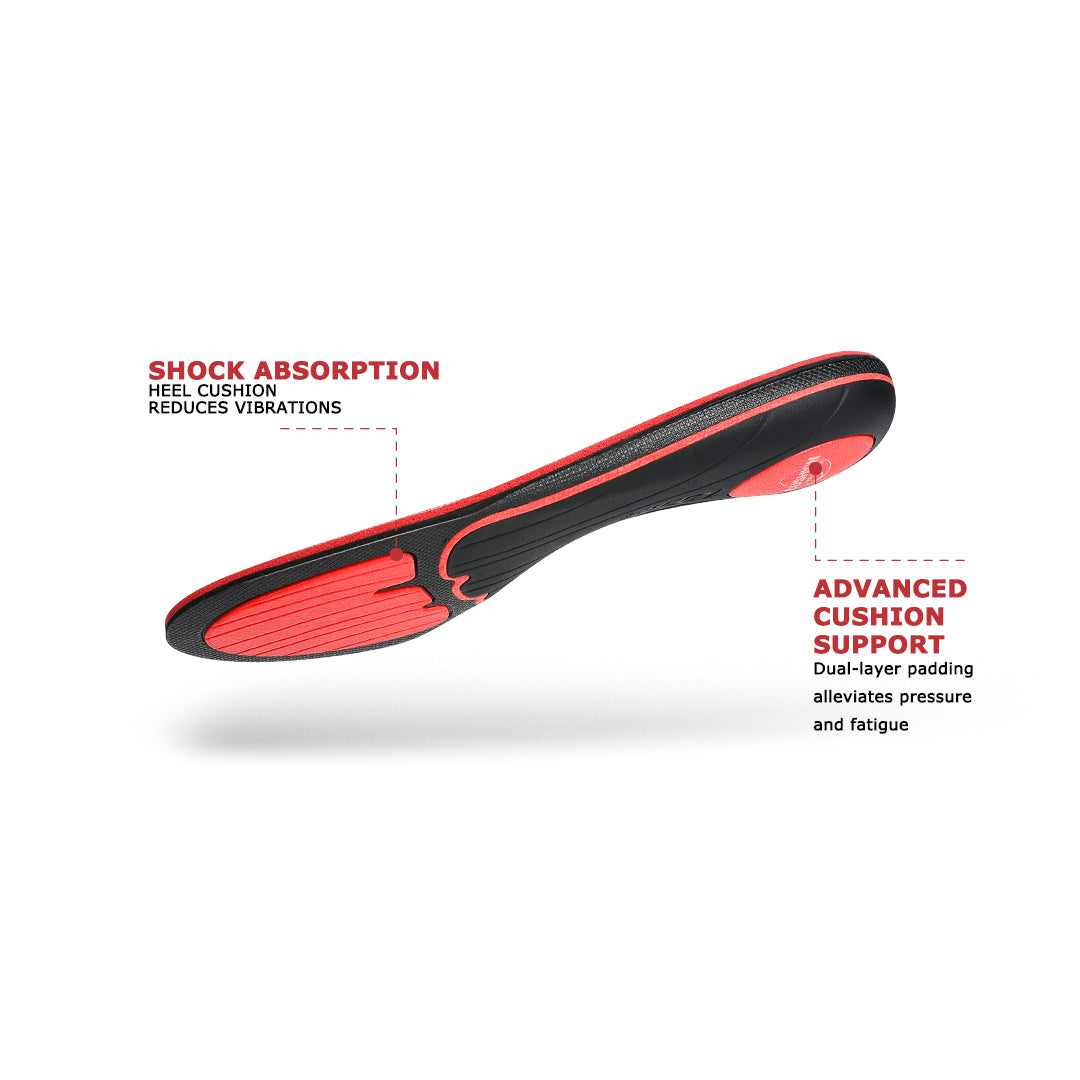
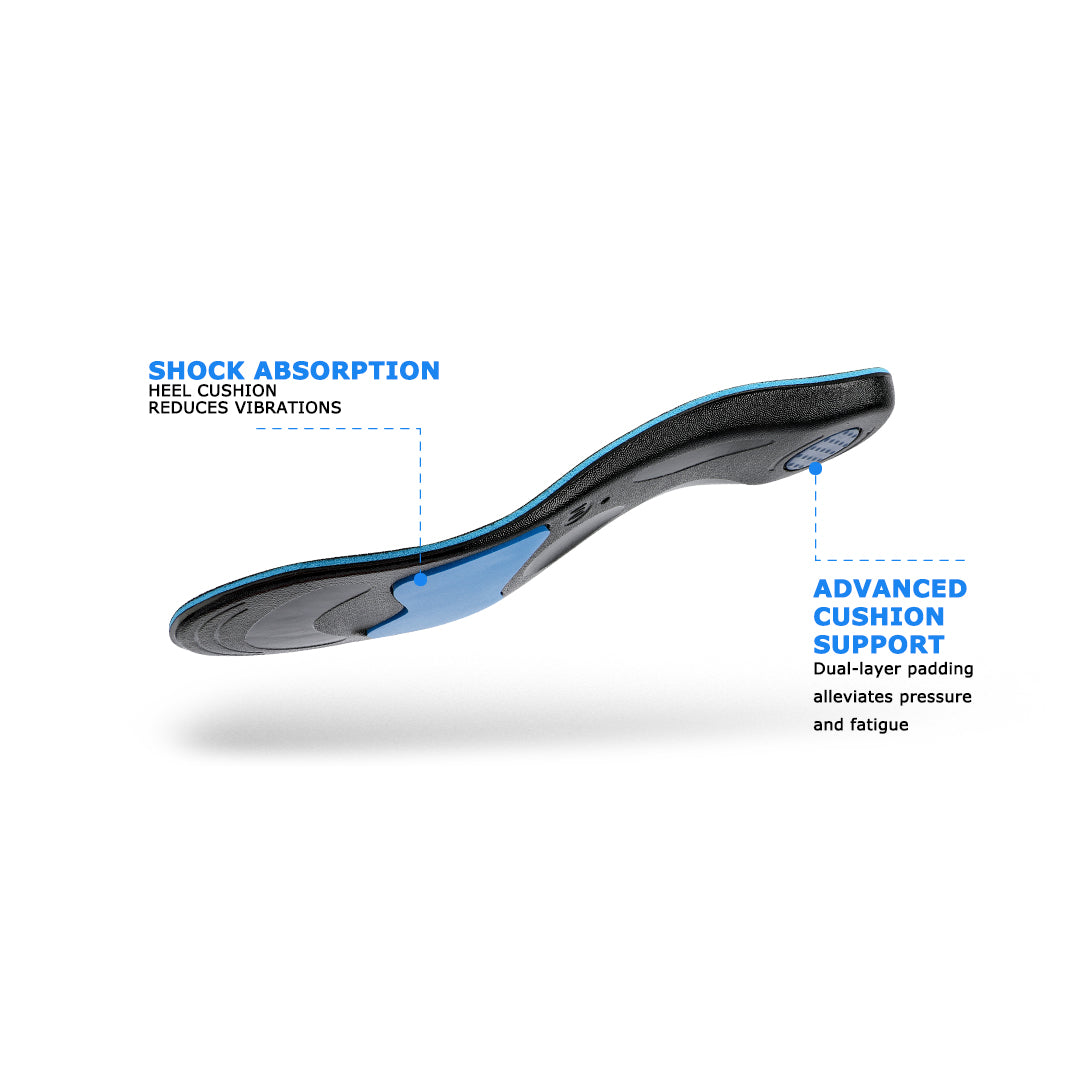
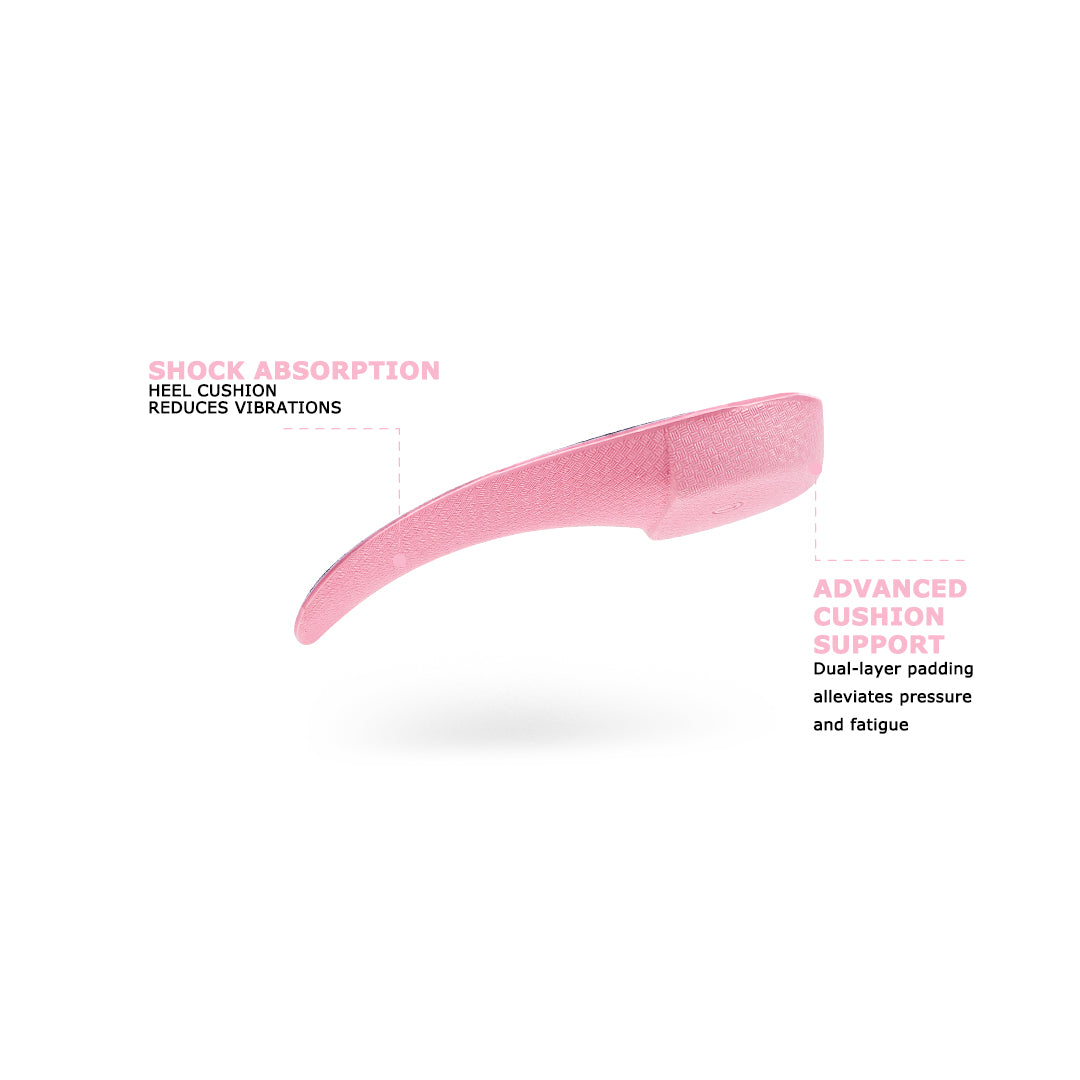
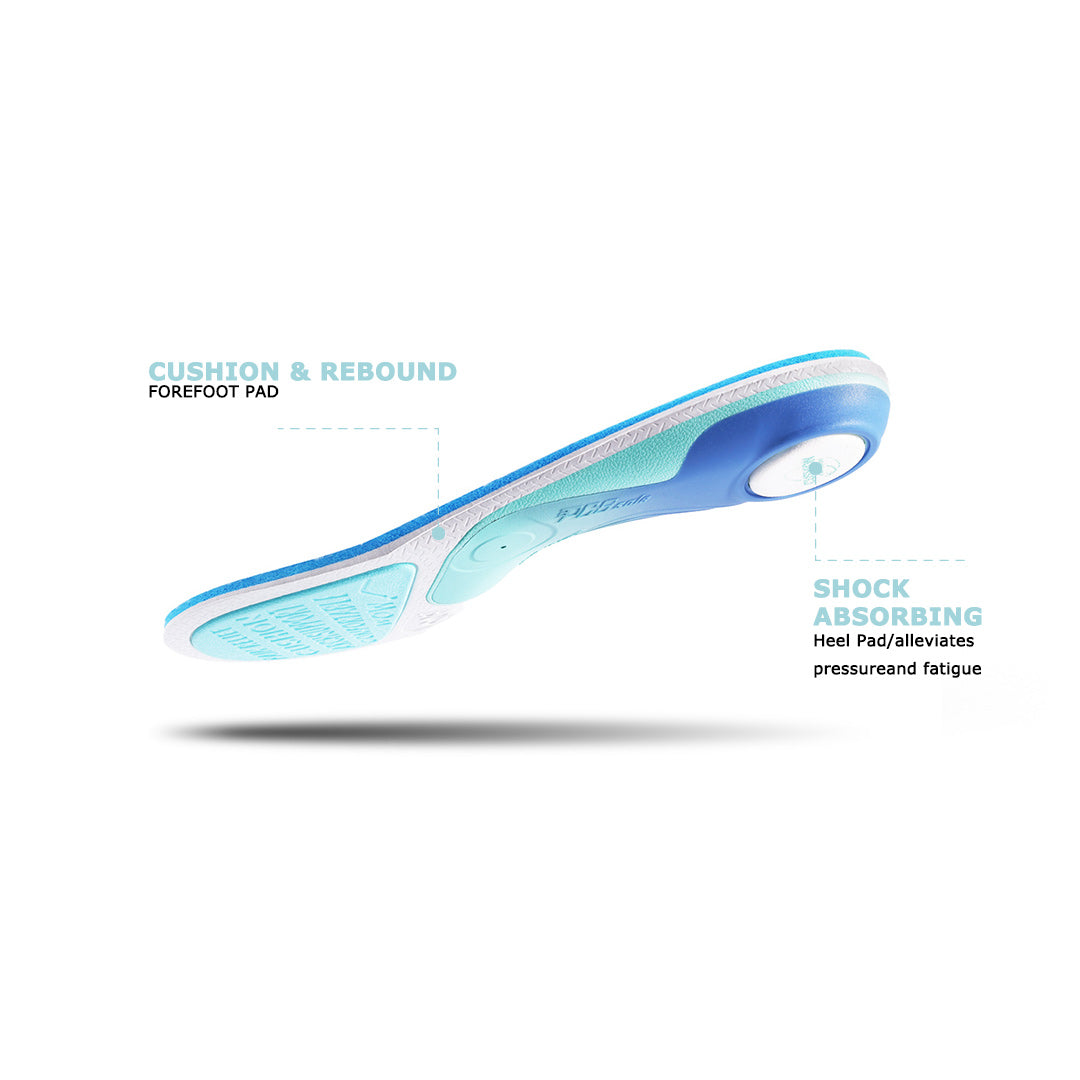
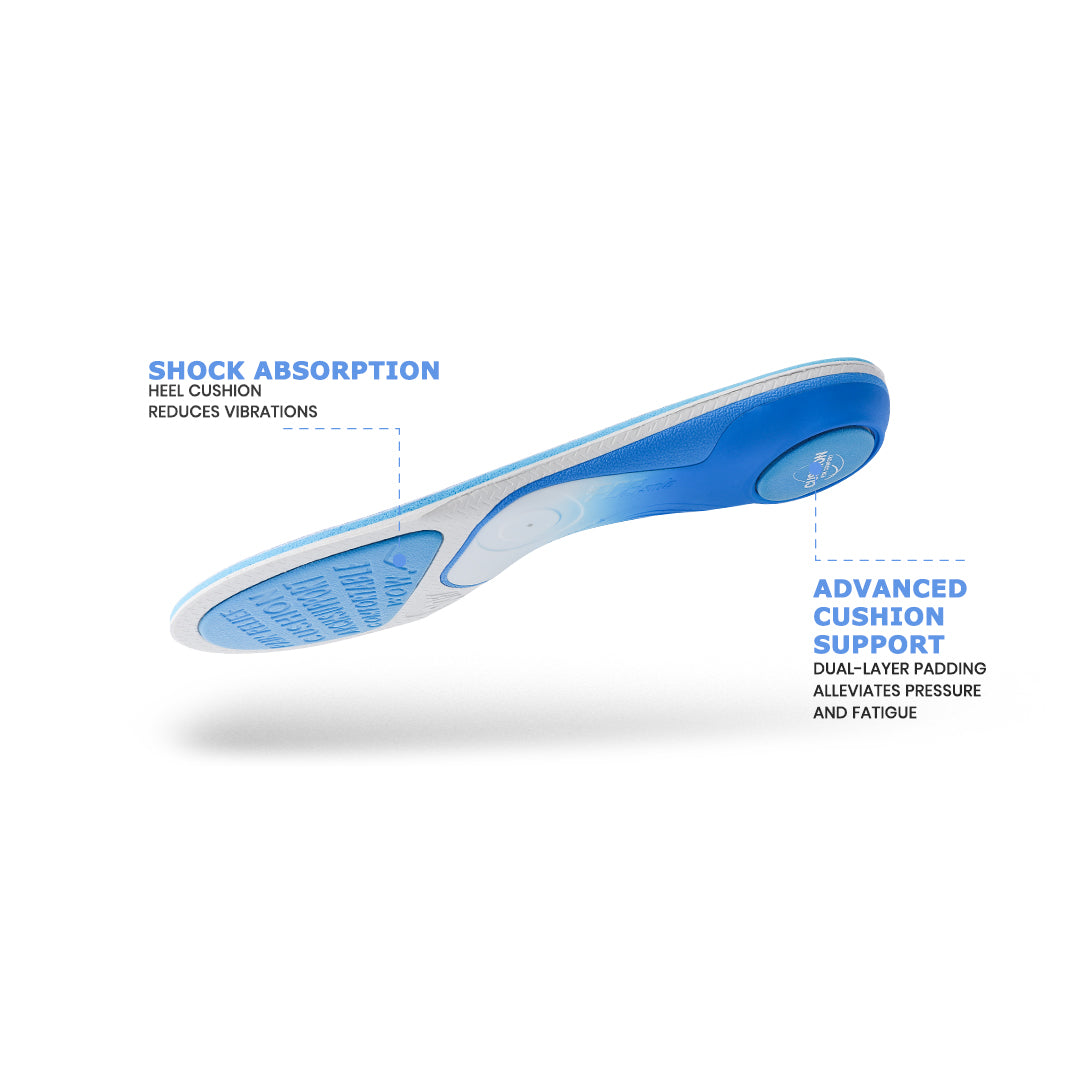
- Maximum Stability Heel Cup: Say goodbye to ankle sprains. Our deep heel cup locks your foot in place, absorbing shock and preventing the dangerous outward rolling caused by supination.
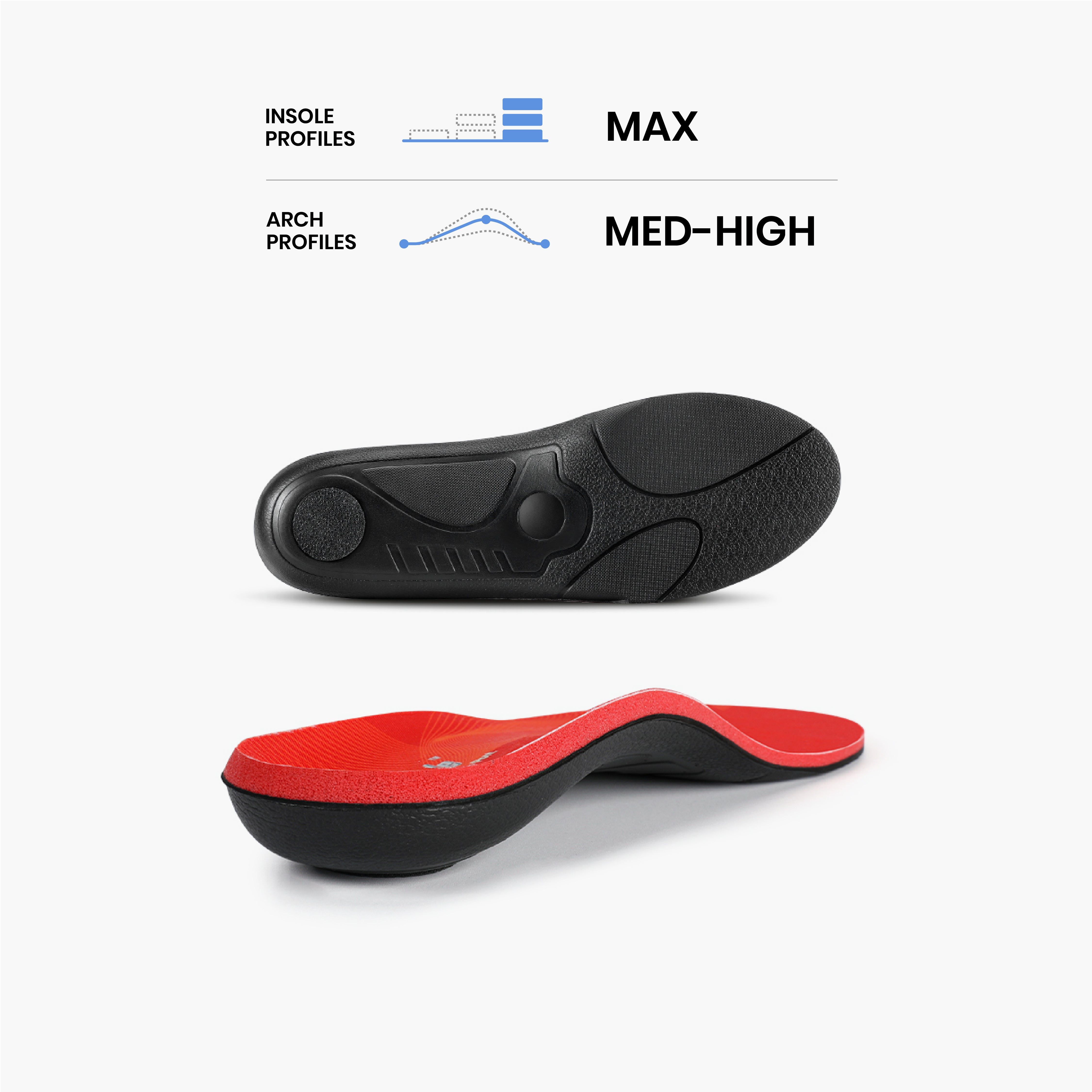
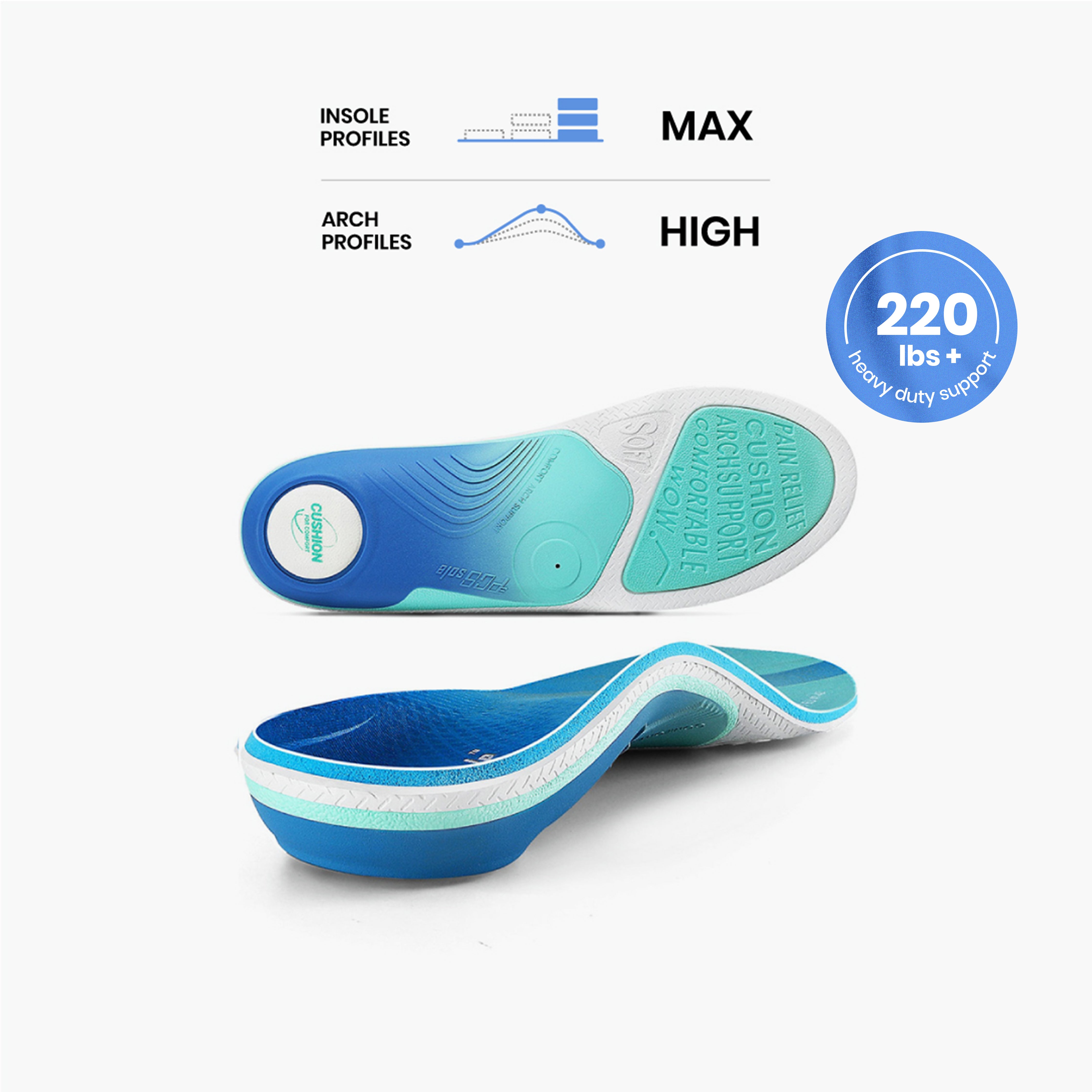
- Smart, Modular Design: Why buy a whole new insole? Our unique 2-part system lets you swap out just the top cover, giving you renewable comfort and long-lasting durability at a fraction of the cost.

Proven Results
Susan S, Verified Buyer
Finally, real support for high arches! 🏆 I've tried everything else, and nothing compares. If you have high arches, stop looking and just get these.
David B., Verified Buyer | Jul 2025
Feels like they were custom-made for me. ✨ It is so hard to find OTC insoles for extra-high arches, but these fit like a glove. I'm just so glad I found this brand!
David R., Verified Buyer | Nov 2025
A game changer for flat feet! 🦶 Instant relief from the moment I put them in. I can walk all day without feeling like I'm stepping on knives.
Insoles for High Arches FAQs
Can you have pronation with high arches?
The answer is yes, it is possible to have pronation with high arches, but it is much less common than supination, and it often indicates a compensatory issue.Affecting about 5–10% of high-arched individuals based on gait studies.
Do you need insoles if you have high arches?
If you have high arches, you need an insole that cushions, distributes pressure, and increases the contact area, rather than simply controlling overpronation.An insole evenly distributes weight, reducing pressure on the forefoot and heel. This effectively cushions impact when walking, running, or jumping.
What are the best insoles for high arch feet?
Finding the best insoles for high arches (pes cavus) requires prioritizing cushioning, shock absorption, and maximizing contact area, as the rigid nature of high-arched feet makes them poor natural shock absorbers.Advantages of PCSsole insoles:・
- High Contour/Arch Fill
- Excellent Cushioning (EVA/Gel)
- Metatarsal Pad/Dome
- Neutral Heel Stability
Do high arch support insoles help with supination?
Yes, high arch support insoles can definitely help with supination (underpronation), provided they are the right type of insole.When chosen correctly, high arch support insoles are one of the most effective tools for managing supination.Find the perfect PCSsole insole for you with the INSOLE FINDER.
What Is Supination?
Understanding what supination is is essential for anyone who experiences foot discomfort or frequent injuries. Supination, also known as underpronation, occurs when your foot rolls outward during walking or running, causing your weight to be distributed along the outer edge of your foot. This movement pattern contrasts with pronation, where the foot rolls inward. While a small degree of supination or pronation is normal, excessive supination can lead to biomechanical imbalances and increased stress on your feet, ankles, and legs.Common risk factors and causesThe following are common risk factors and causes of supination:
- Genetics
Supination can be transmitted through the genes that affect the foot structure.
- Ankle injuries
A previous history of ankle injuries can predispose you to a supination defect.
- Structural problems
These include bow legs, weak ankle muscles, loose ligaments, and limb length discrepancy.
- Exercise
Whether too much or too little, exercise can lead to supination.SymptomsCommon symptoms include pain along the outer edge of the foot, frequent ankle sprains due to instability, and uneven wear patterns on the outside of your shoe soles. You may also notice discomfort in your knees, hips, or lower back, as the misalignment affects your entire body’s biomechanics. Left unaddressed, supination can contribute to overuse injuries such as plantar fasciitis, Achilles tendonitis, shin splints, or stress fractures.By understanding what supination is and how it affects your movement, you can take proactive steps to protect your body. Identifying your gait pattern—whether through a self-assessment, a "wet footprint" test, or a professional gait analysis—can help you determine if you supinate excessively. From there, you can explore solutions such as choosing the right footwear, performing targeted stretches, or using specialized insoles to correct your alignment. Addressing supination early is key to maintaining comfort and supporting a healthier, more efficient stride.
Why High Arches Often Lead to Supination?
High arches and supination often go hand in hand. If you have high arches, or pes cavus, the rigid structure of your foot doesn't absorb shock as effectively when you walk. This structure often causes your foot to supinate, meaning you tend to walk on the outer edges. This concentrates pressure on the ball of your foot, your heel, and your outer toes—the parts of your foot least equipped to handle that repeated impact. This connection is why finding supportive orthotics that cater to high arches is so important for correcting your alignment and achieving better balance.
How Common Are High Arches?
If you have high arches, you're in good company. This foot structure is surprisingly common, affecting about one in five people. For many, it’s simply the way their feet are naturally shaped, while for others, it can be related to underlying medical conditions. The main challenge with high arches is that they create a rigid foot that doesn't absorb shock very well. Think of it like a car with stiff suspension—every bump in the road is felt more intensely. This can lead to discomfort not just in your feet, but also in your ankles, knees, and back. Because the arch doesn't properly collapse to distribute weight, it needs targeted support to fill the gap and cushion the impact of each step. Finding the right orthotics is key to providing that necessary stability and comfort.
Do You Need a High Arch Insole for Supination?
A common question for anyone dealing with foot discomfort is do you need a high arch insole for supination? The answer depends largely on the shape of your feet and the severity of your supination. People who supinate often have high arches, which limit the foot’s natural ability to absorb impact. This rigidity causes the foot to roll outward when walking or running, placing excessive stress on the outer edge. A high arch insole can provide the extra support needed to stabilize the foot, distribute weight more evenly, and reduce the risk of pain or injury.However, not everyone with supination has a pronounced high arch. That’s why it’s essential to determine your arch type before assuming you need a specific insole. You can do this at home using the wet footprint test: simply wet your foot, step onto a piece of cardboard or paper, and examine the imprint. If you see only a narrow band connecting your heel and forefoot, you likely have high arches. Alternatively, gait analysis performed by a podiatrist or a specialized running store can give you a more precise assessment.If you confirm you have high arches along with supination, a high arch insole can help correct your foot alignment by filling the gap beneath your arch. This added support reduces outward rolling and encourages a more neutral gait, which can improve comfort and performance. High arch insoles typically feature firm yet cushioned arch support, a deep heel cup for stability, and shock-absorbing materials to soften the impact of each step. These features work together to limit excessive supination and minimize the strain on your ankles, knees, and hips.On the other hand, if your arches are more neutral but you still supinate, you might not need a rigid high arch insole. Instead, a well-cushioned insole designed specifically for supination can provide adequate support without forcing your foot into an unnatural position. Ultimately, the best way to know if you need a high arch insole for supination is to understand your unique foot structure and movement patterns. Consulting a professional or trying different insole options can help you find the perfect balance of comfort and support, allowing you to move with confidence and reduce the risk of injury.
Best Insoles for Supination, Based on Your Lifestyle
The best insole for you isn't just about your foot type—it's about your life. Matching your insole to your activity is the secret to getting consistent comfort and relief.Having a few different types of insoles on hand means you never have to compromise on comfort, no matter what your schedule looks like. Let's look at some of the best options for every part of your day.
✅ PCSsole Insoles: Premium Support for Supination.
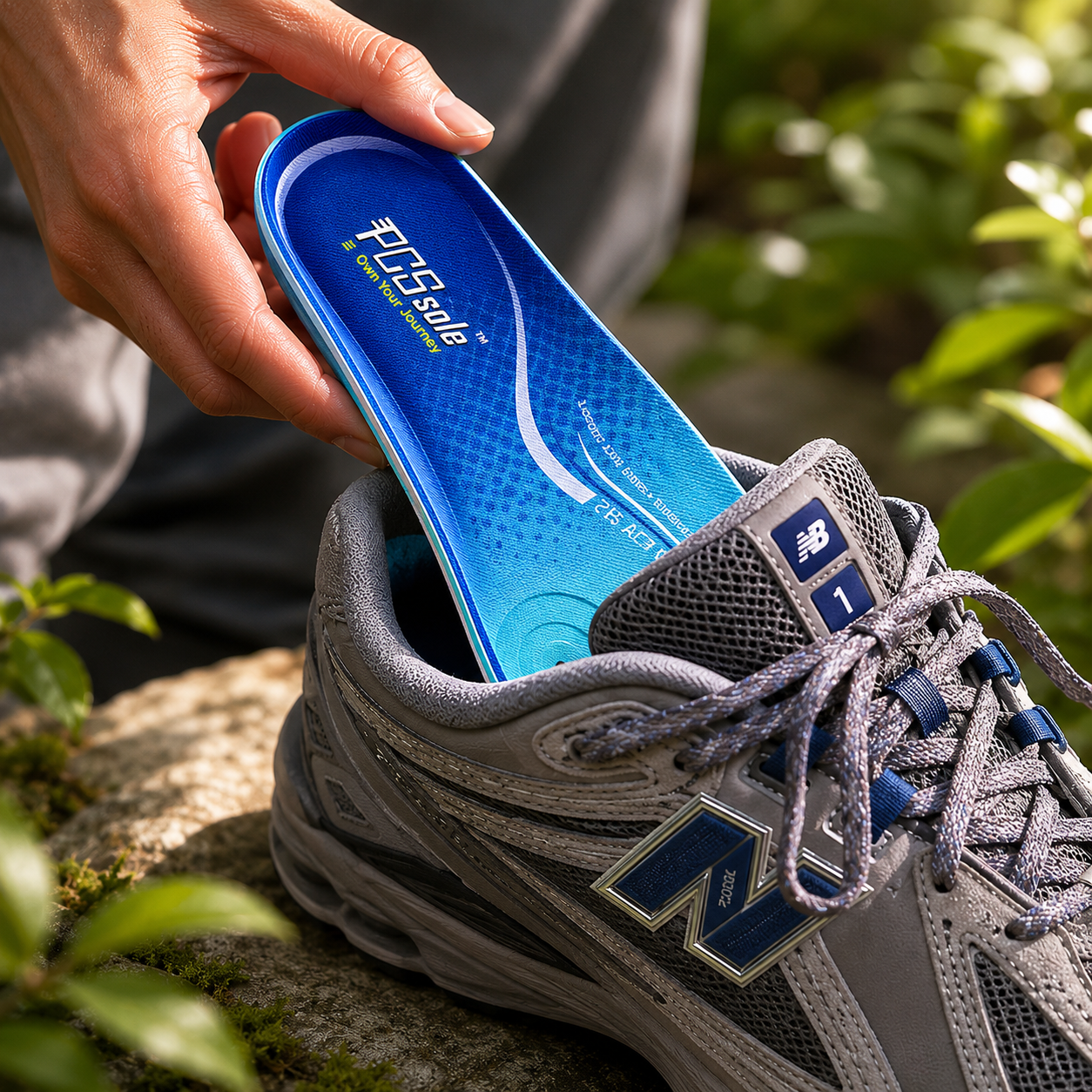
What sets PCSsole apart is a deep understanding of foot mechanics. PCSsole helps to provide superior comfort through a signature arch support system designed to biomechanically align your body. For those with high arches and supination, this is a game-changer.PCSsole Orthotics are crafted to cradle your arch, providing stability and redistributing pressure away from the ball of your foot and heel. This thoughtful design helps to relieve metatarsal pain and provides cushioning right where you need it most. By creating a more equal distribution of pressure across your foot, you can feel great on your feet, no matter what your day holds.
✅ Best Insoles for Running and Athletics.
When you’re running, hiking, or hitting the gym, your feet are under incredible stress. High arches and supination can concentrate that impact on the outer edges of your feet, leading to discomfort. PCSsole running insoles are designed specifically to handle these high-impact forces.PCSsole’s running orthotics are engineered to support your arch and provide the alignment needed to keep your feet, ankles, and knees in a more stable position. This not only helps with comfort during your workout but also aids in preventing strain-related injuries. With superior cushioning and shock absorption, you can move with more confidence and less pain.
✅ Best Insoles for All-Day Walking and Standing.
If your job or daily routine keeps you on your feet for hours, you know that foot pain can be draining. Standard shoes often lack the arch support needed to prevent fatigue, especially if you have high arches. An insole designed for walking and standing can make a world of difference. Look for PCSsole Walking and Standing Series Insoles for plush cushioning that conforms to your unique foot shape. Many people find that the right orthotics provide excellent, long-lasting arch support that helps to relieve painful arches. Using an Insole Finder can help you pinpoint the perfect match for your daily grind, ensuring your feet feel supported from morning to night.
✅ Best Insoles for Dress Shoes and Heels.
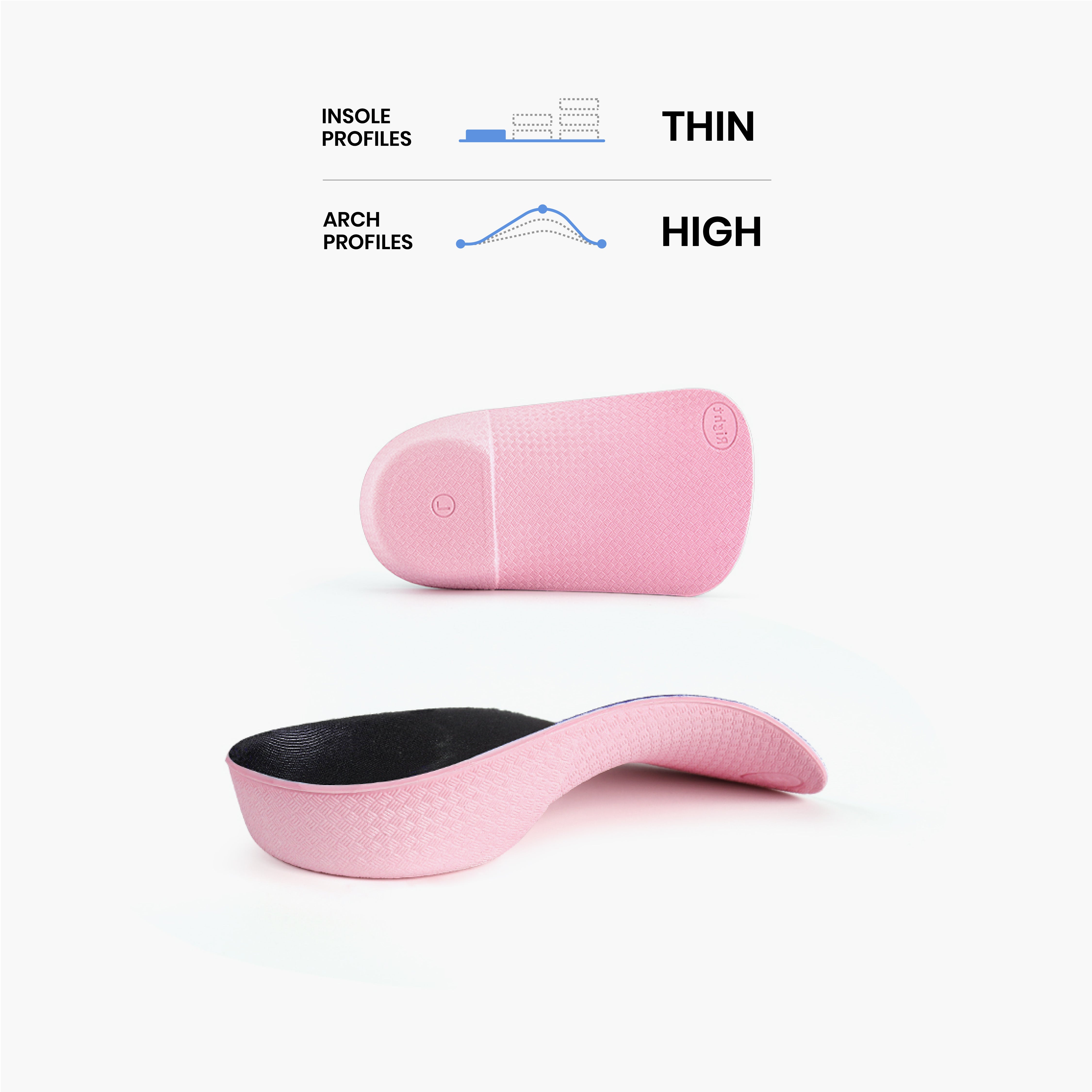
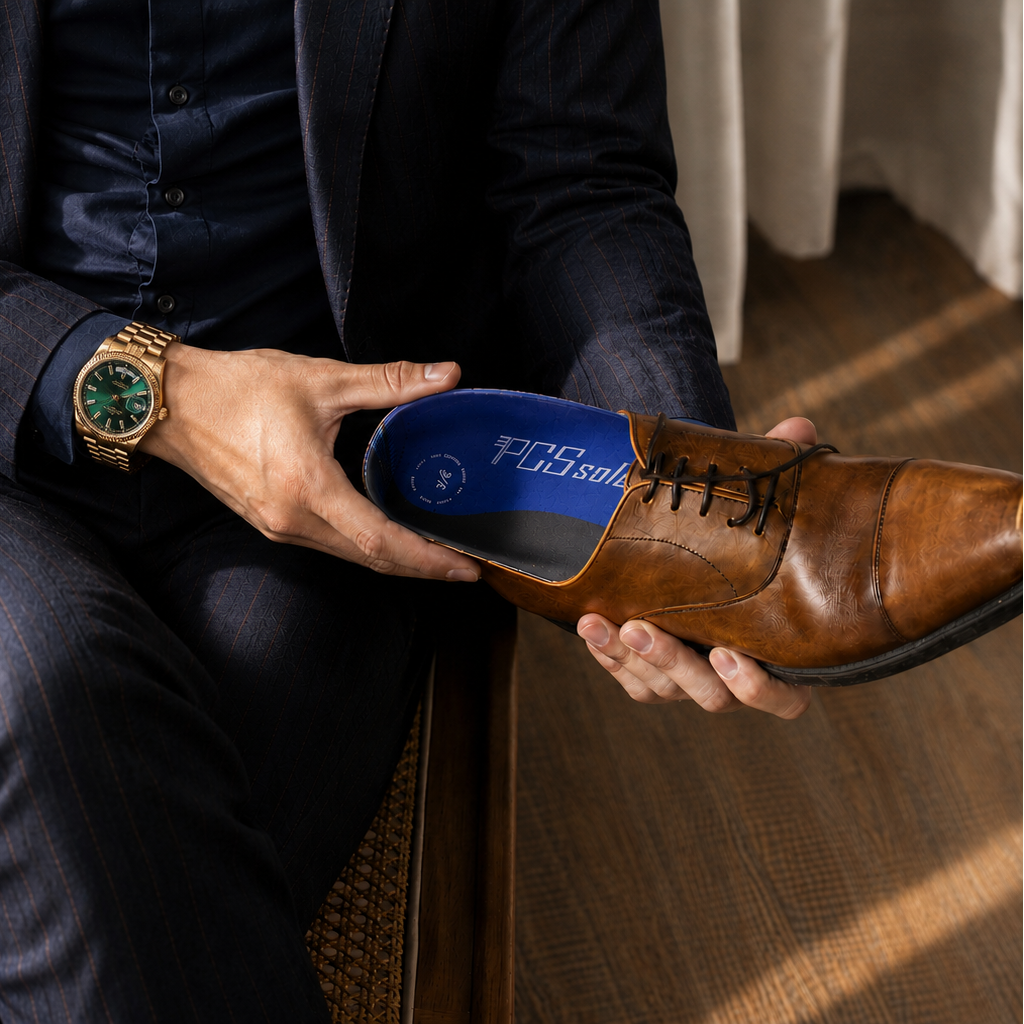
Finding comfortable dress shoes when you have high arches can feel impossible. Heels, flats, and loafers are notoriously unsupportive and narrow, leaving little room for a traditional insole. Luckily, you don’t have to choose between style and comfort. PCSsole 3/4 Length Daily Orthotic is designed specifically for dress shoes. These insoles are thin enough to fit discreetly into your favorite pair of boots or heels while still providing significant arch support and cushioning. They give you the stability you need without adding bulk, so you can enjoy your evening out without worrying about foot pain.
What Footwear Should a Supinator Wear?
Neutral shoes with an extra cushion or shock absorption qualities are recommended. Aside from this, different footwear made by New Balance, Chaco, Saucony, and Birkenstock footwear are touted to help supinators. As a general rule, look for shoes that:Have curved edges to allow for pronation. They are made from flexible and lightweight materials that allow more foot motion. Have flexible medial (inner) sides.