


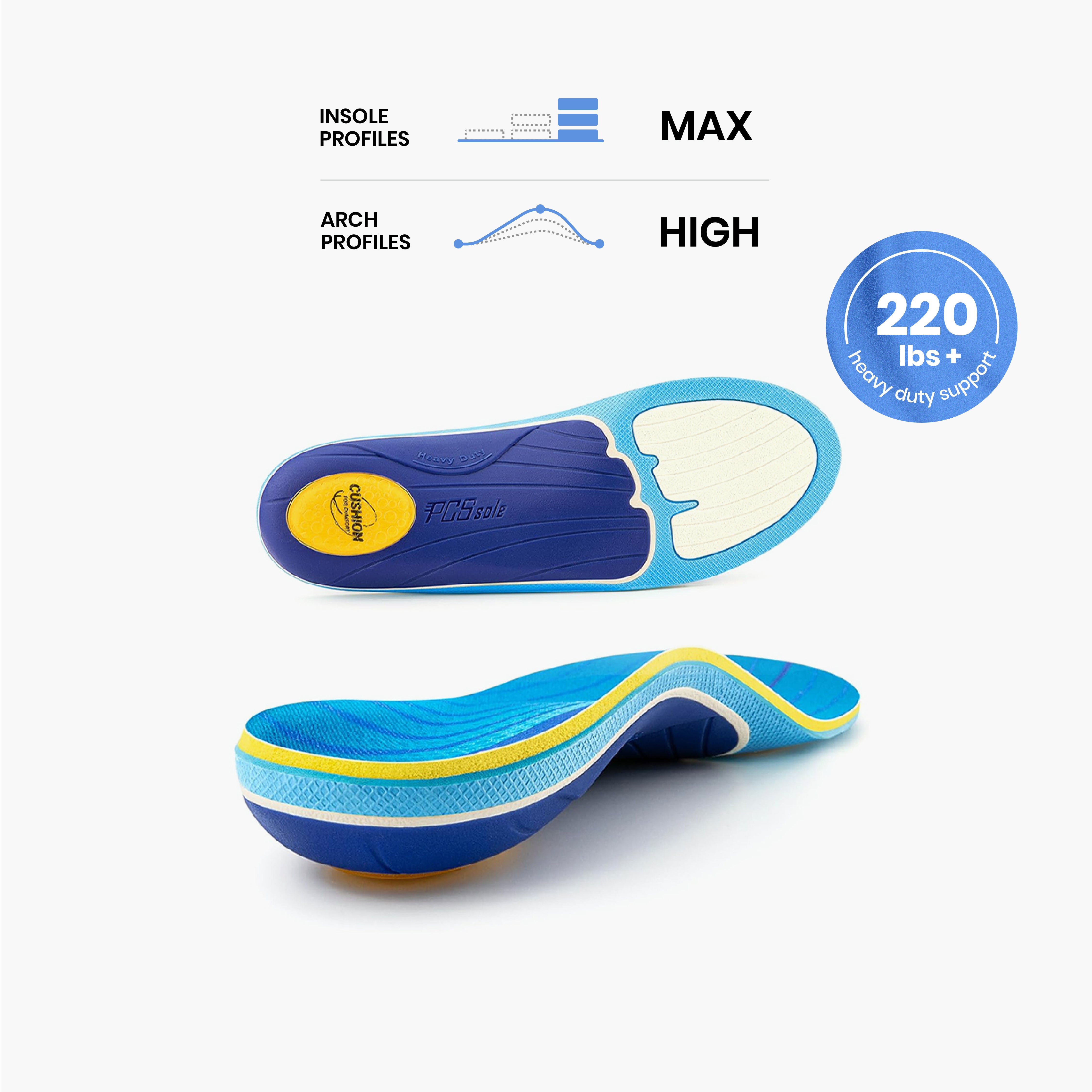
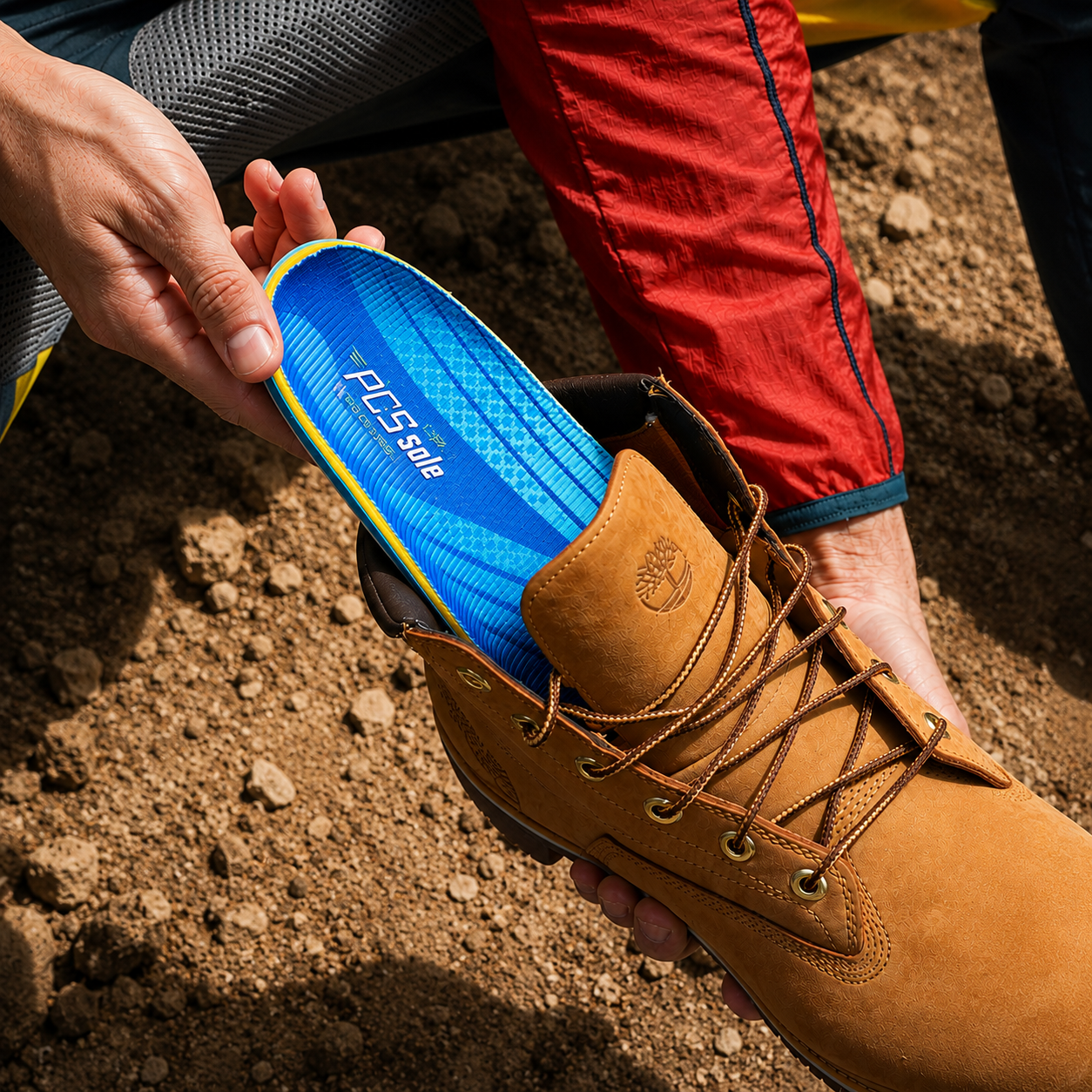
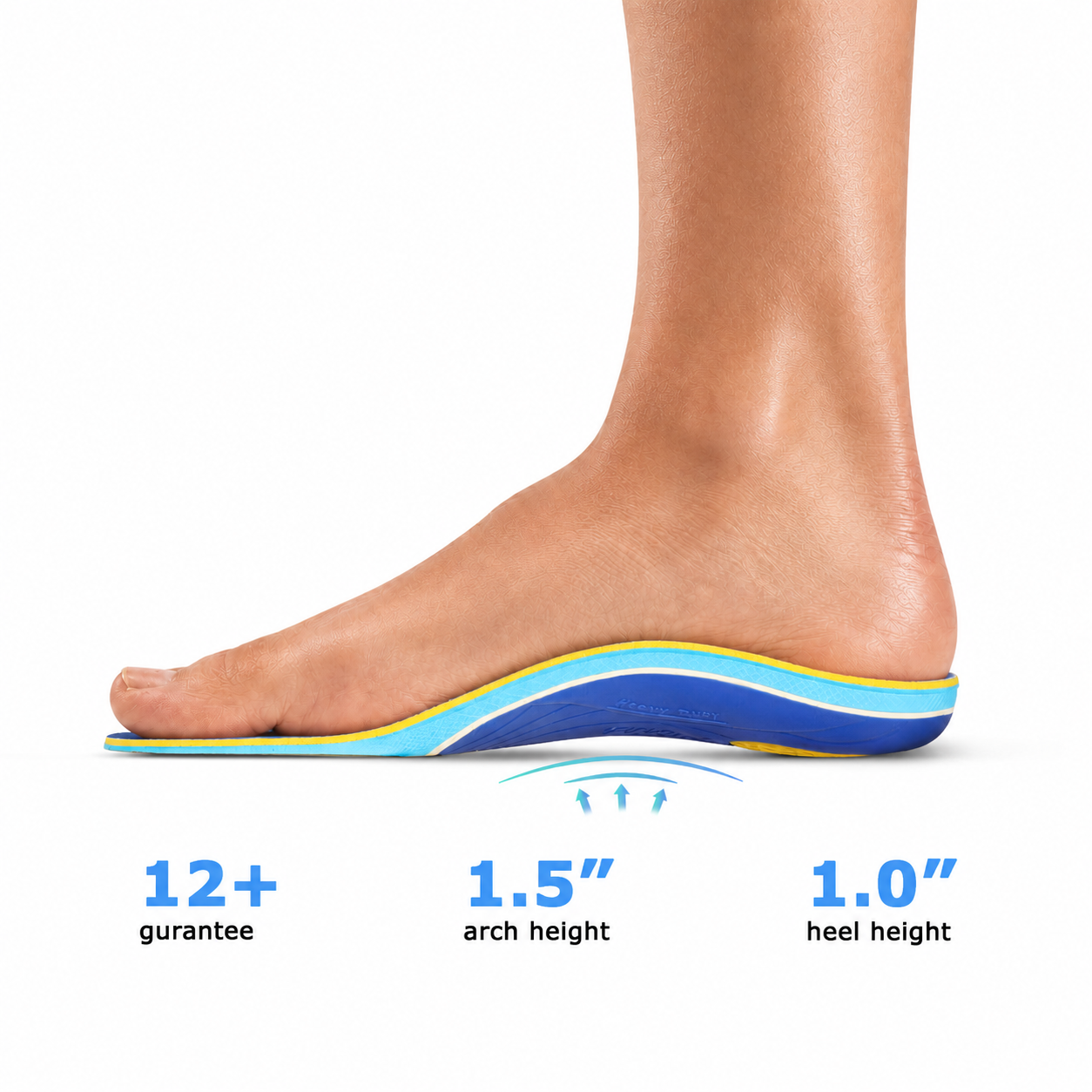
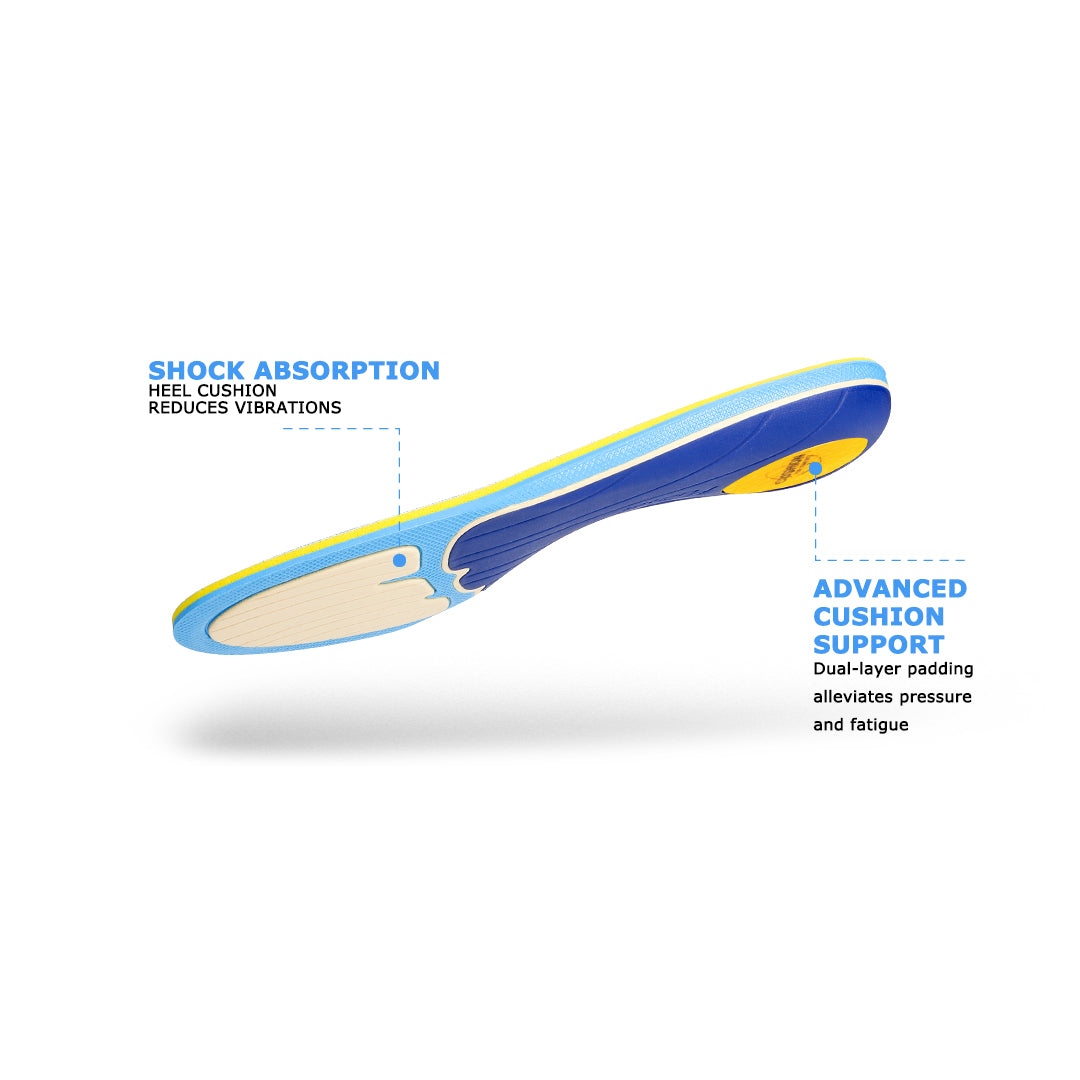


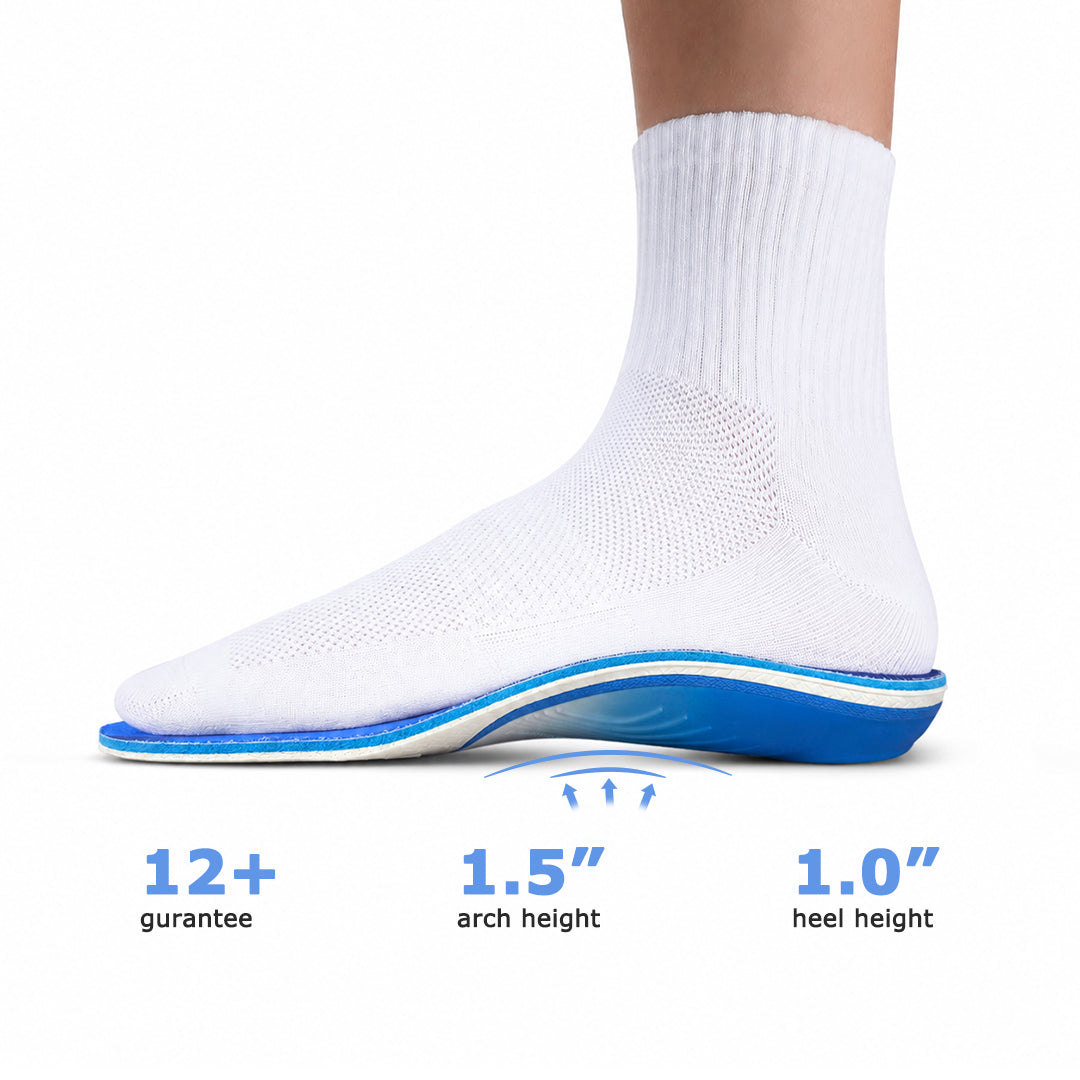
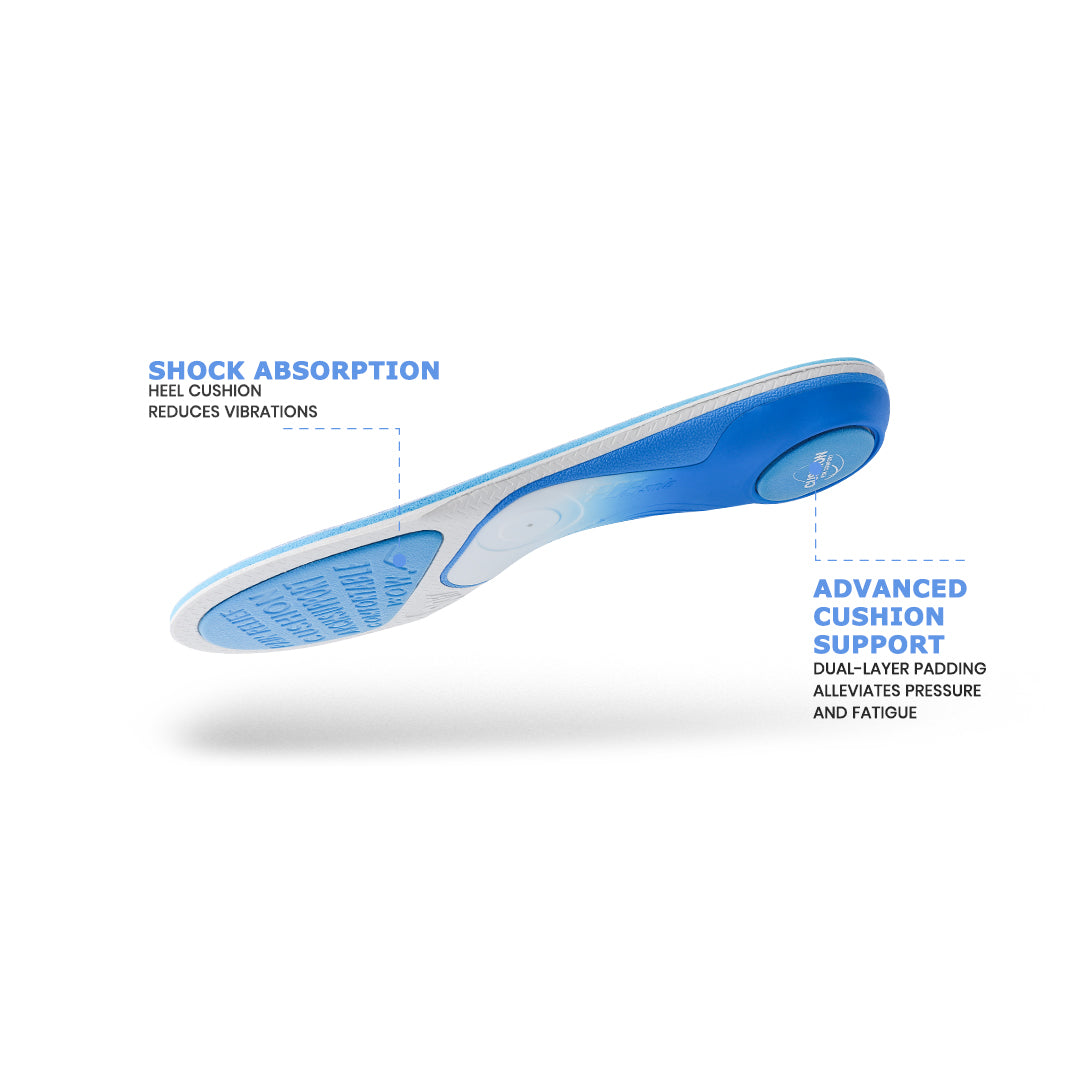

Why Choose PCSsole Insoles for Morton's Toe?
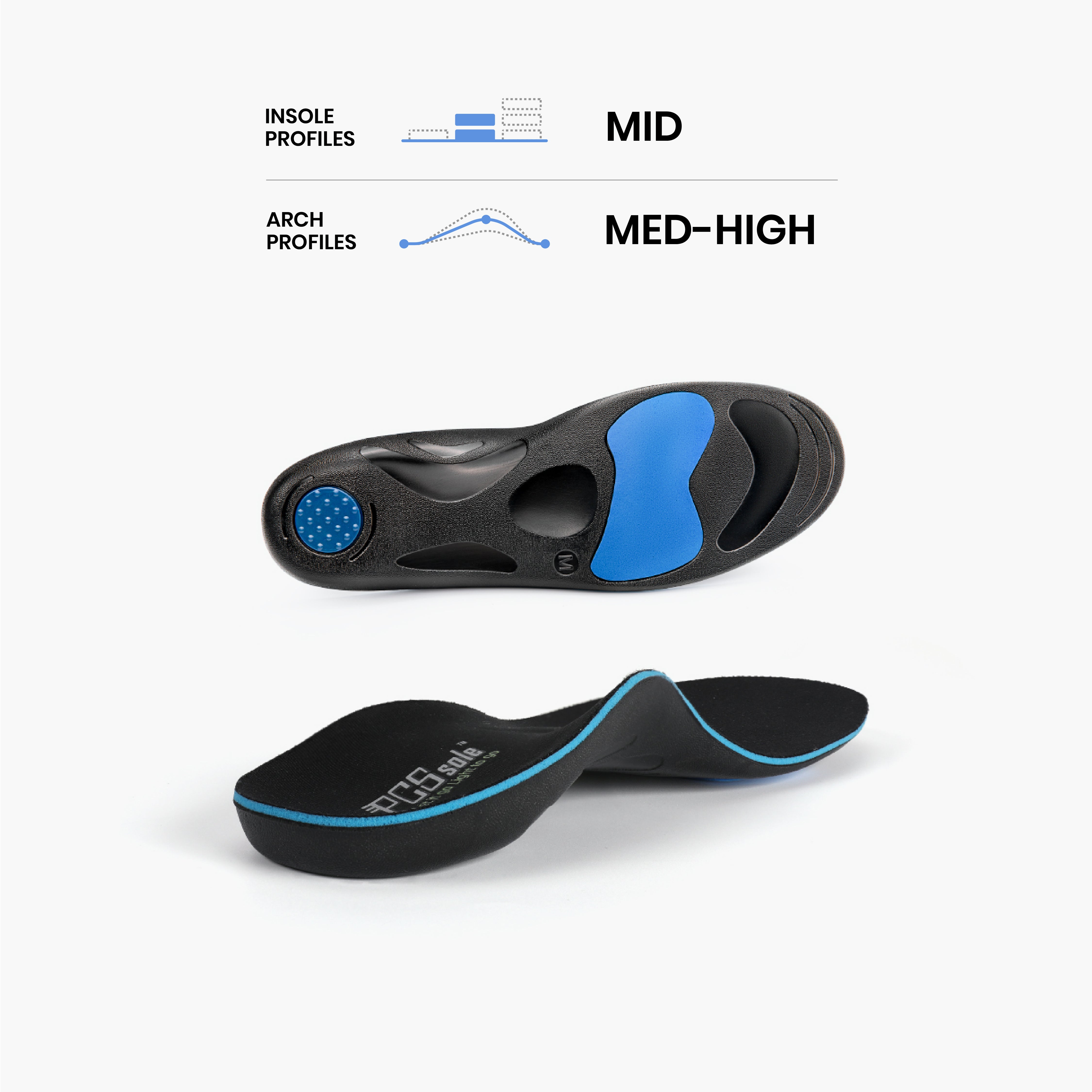
- Pinpoint Metatarsal Relief: Don't guess where you need support—place it. Our modular metatarsal pads attach securely via Velcro, allowing you to position them exactly where your foot needs them. This targeted offloading is the key to stopping Morton's Toe pain in its tracks.
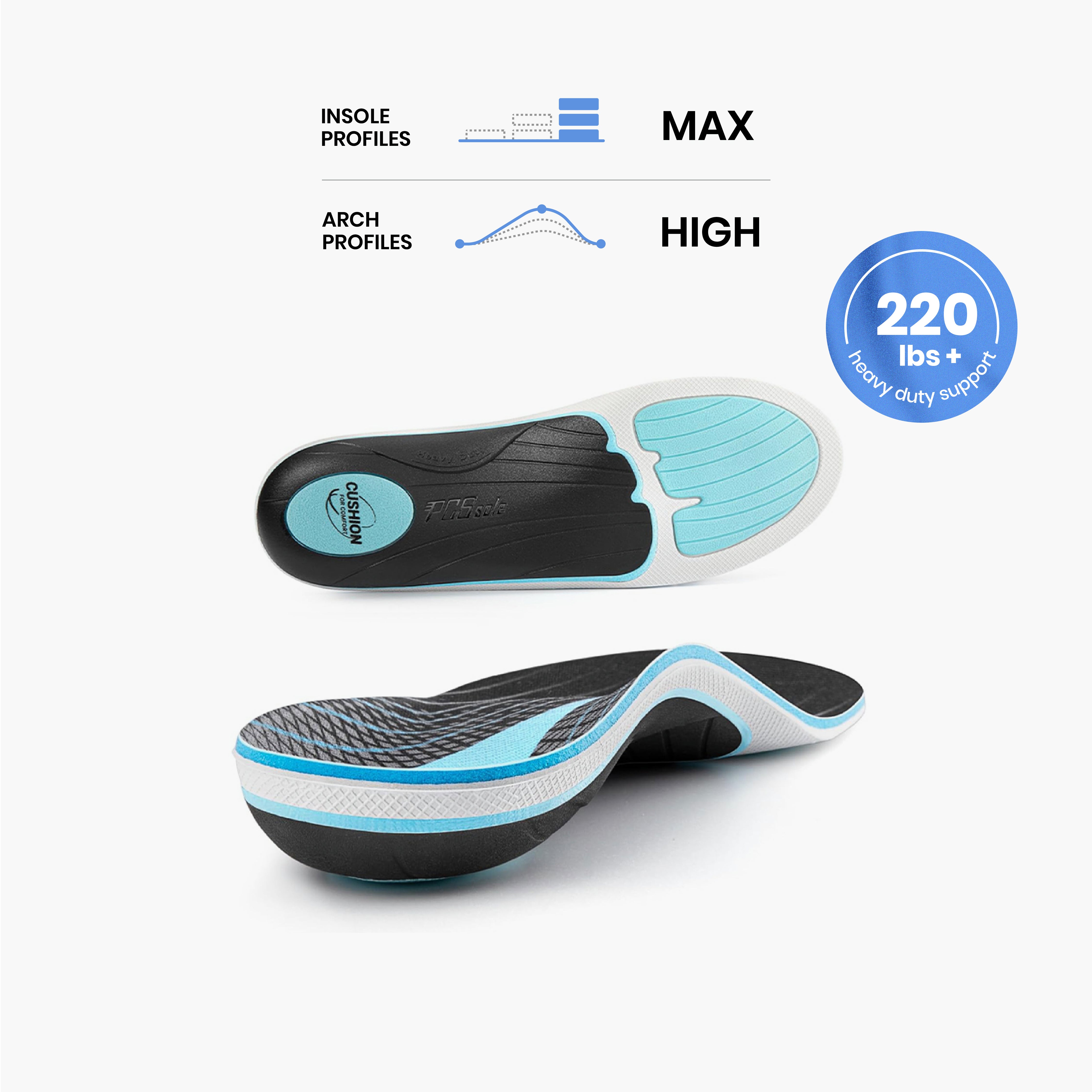
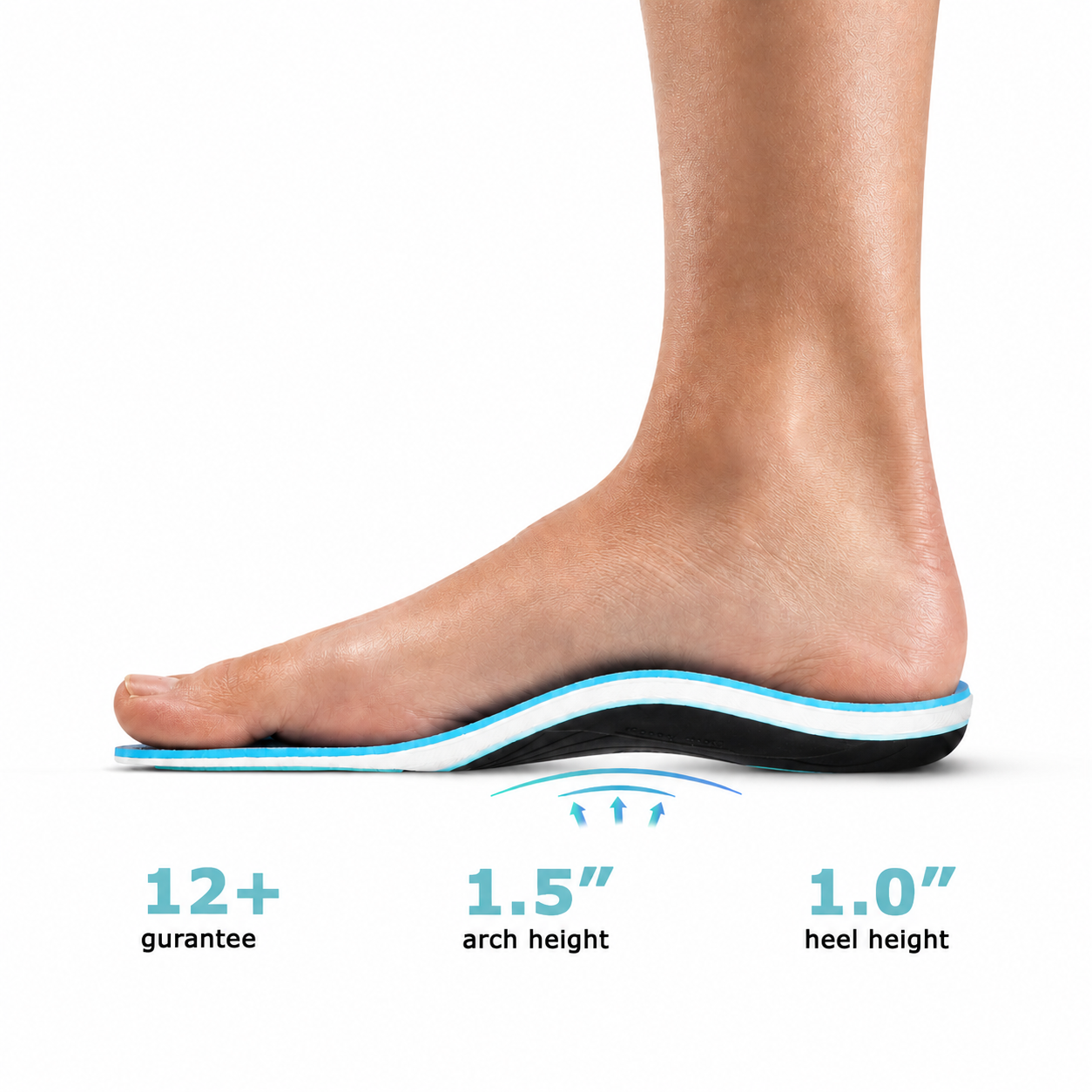
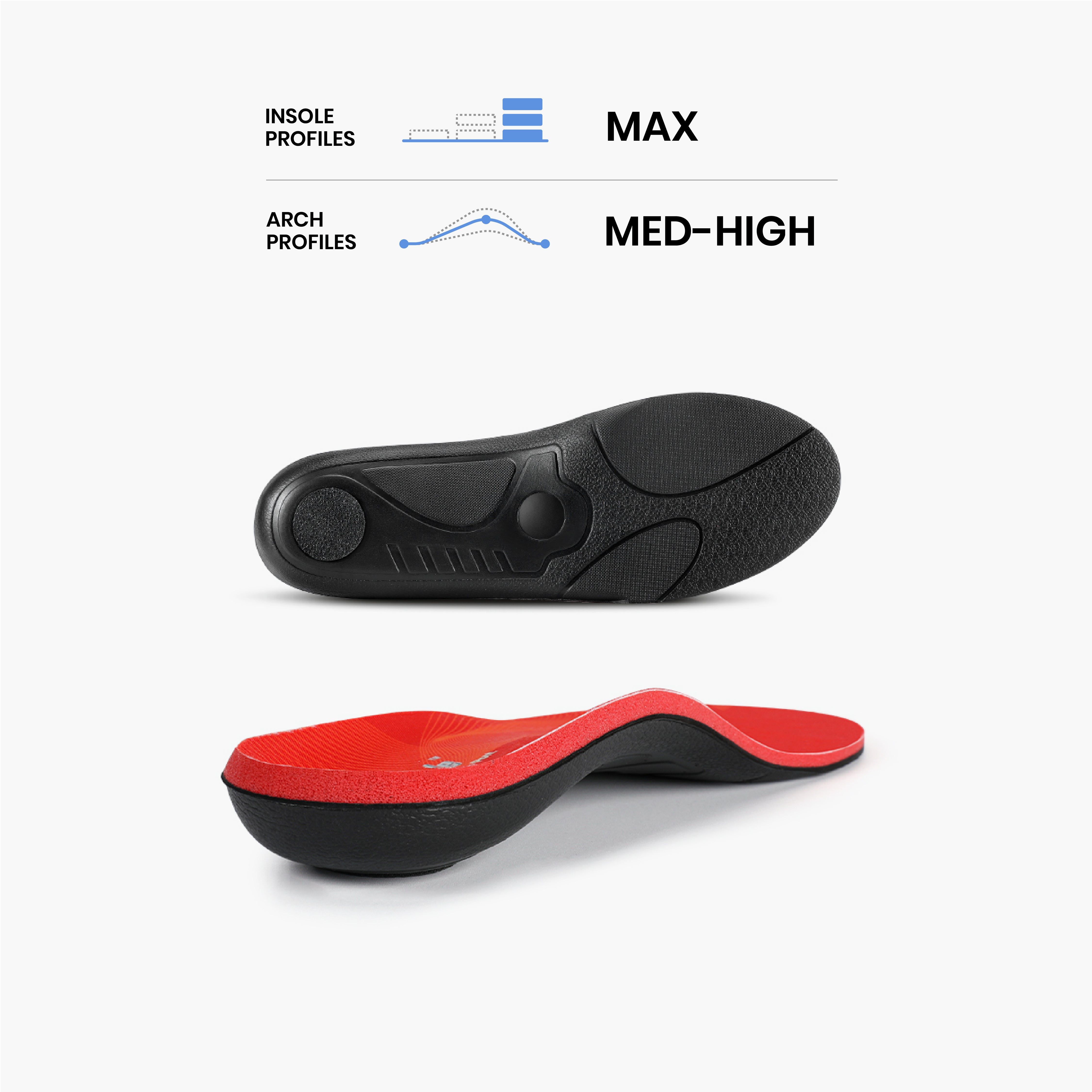
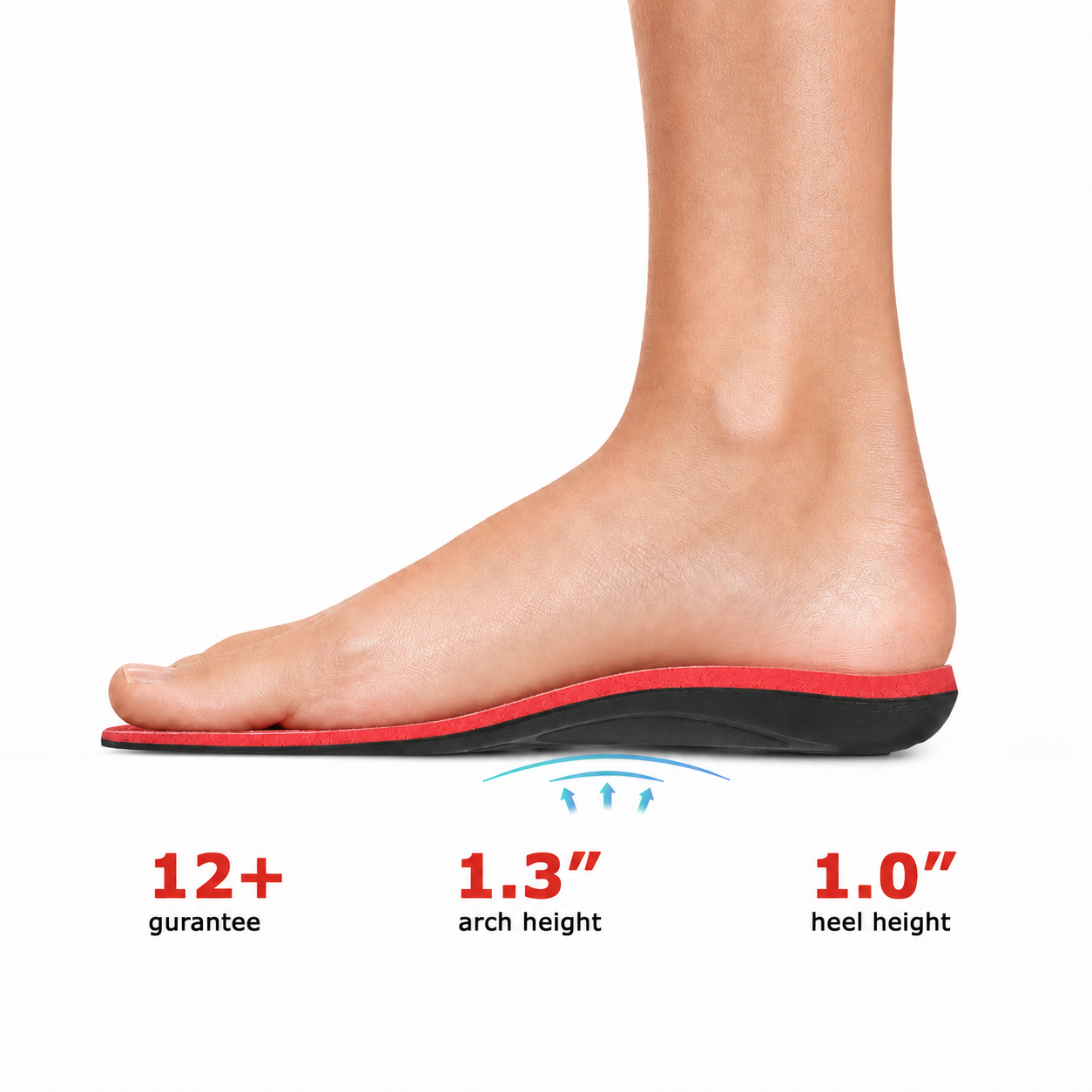
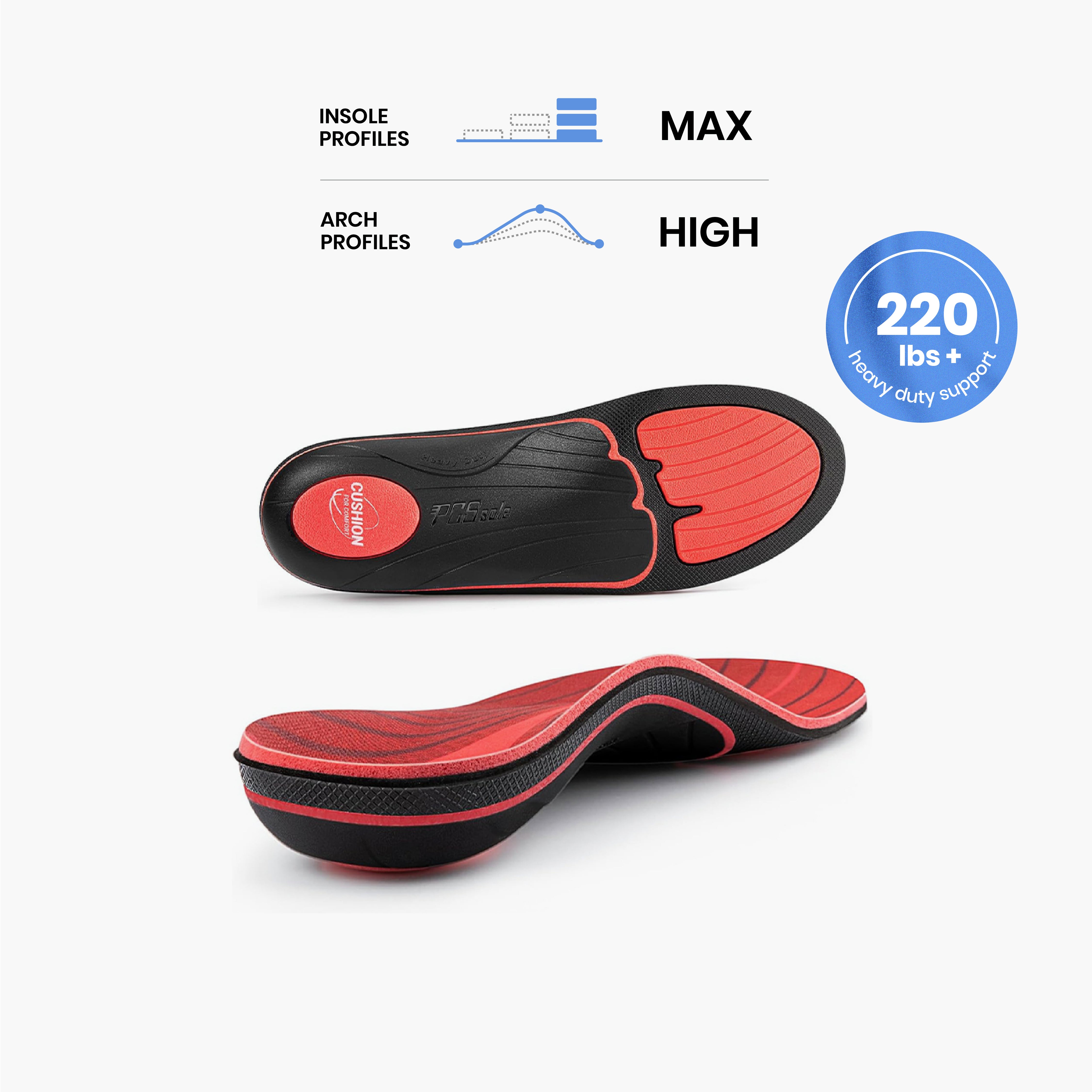
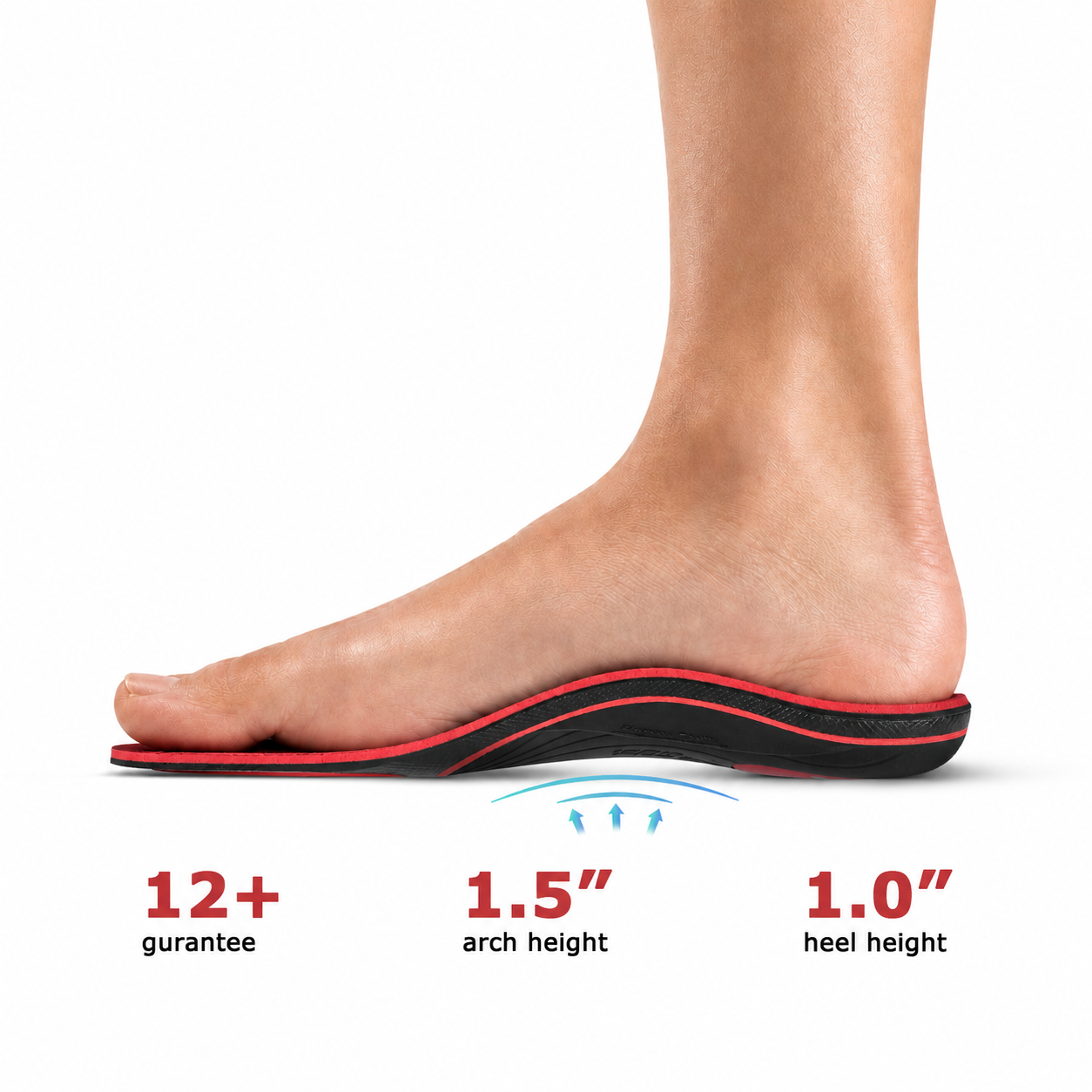
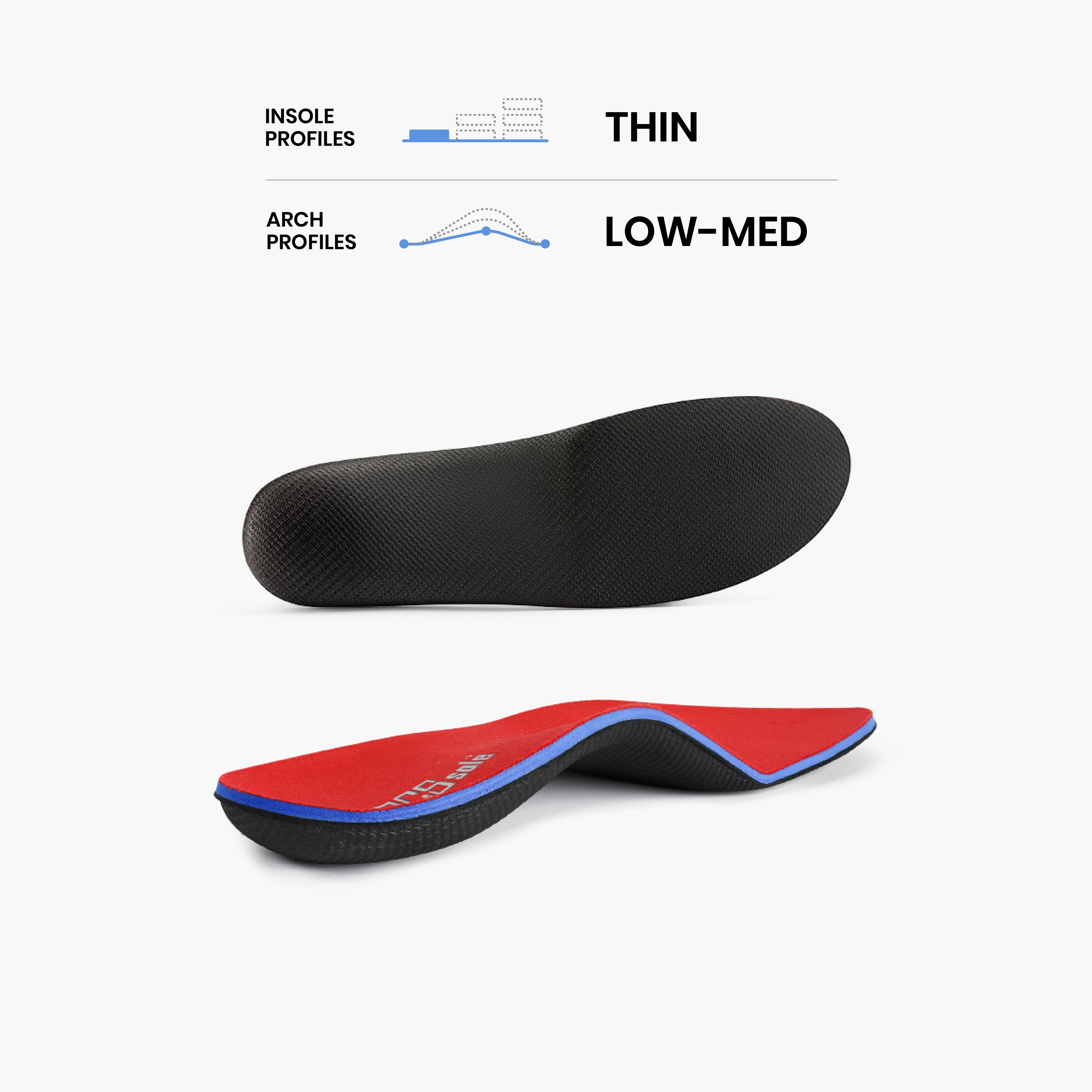
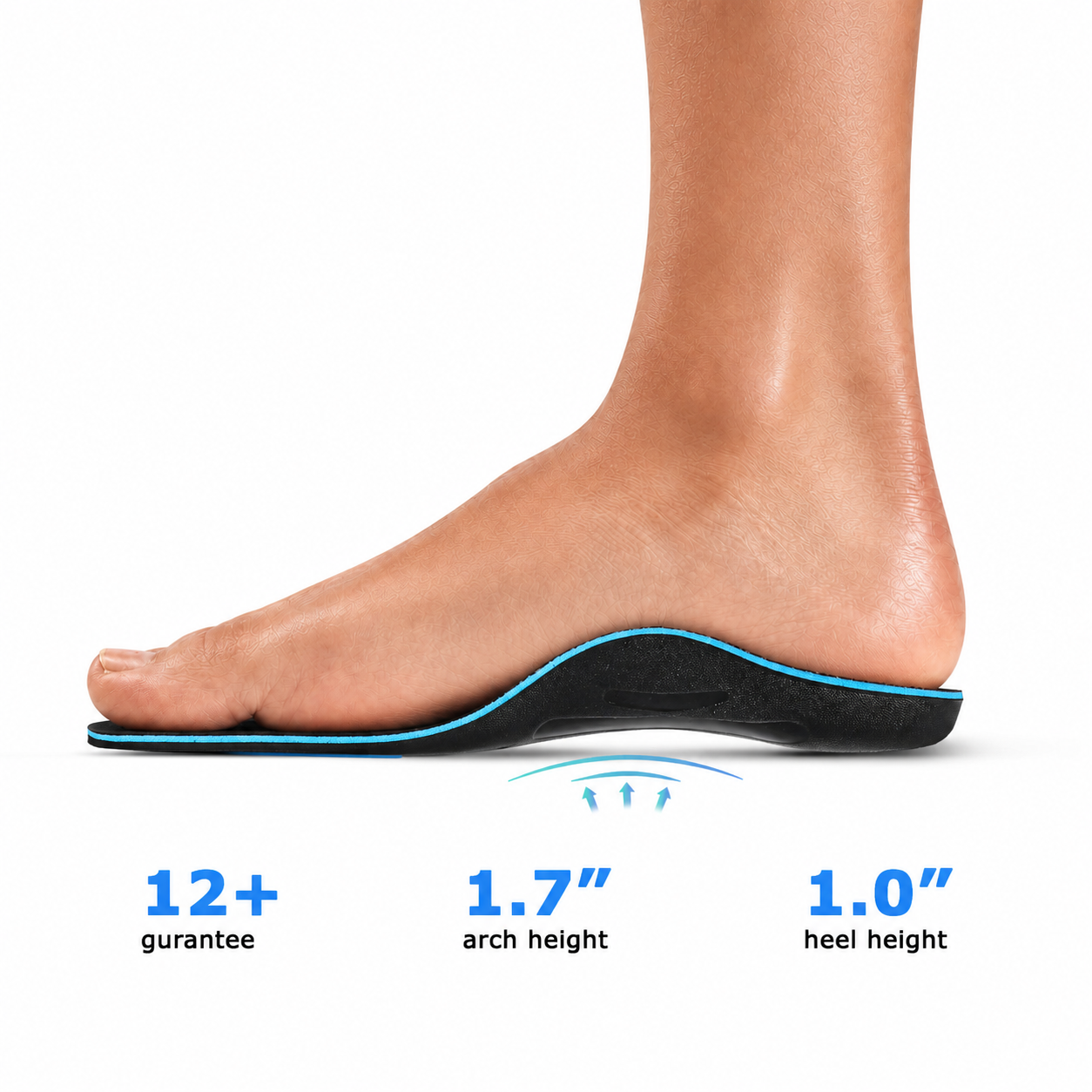
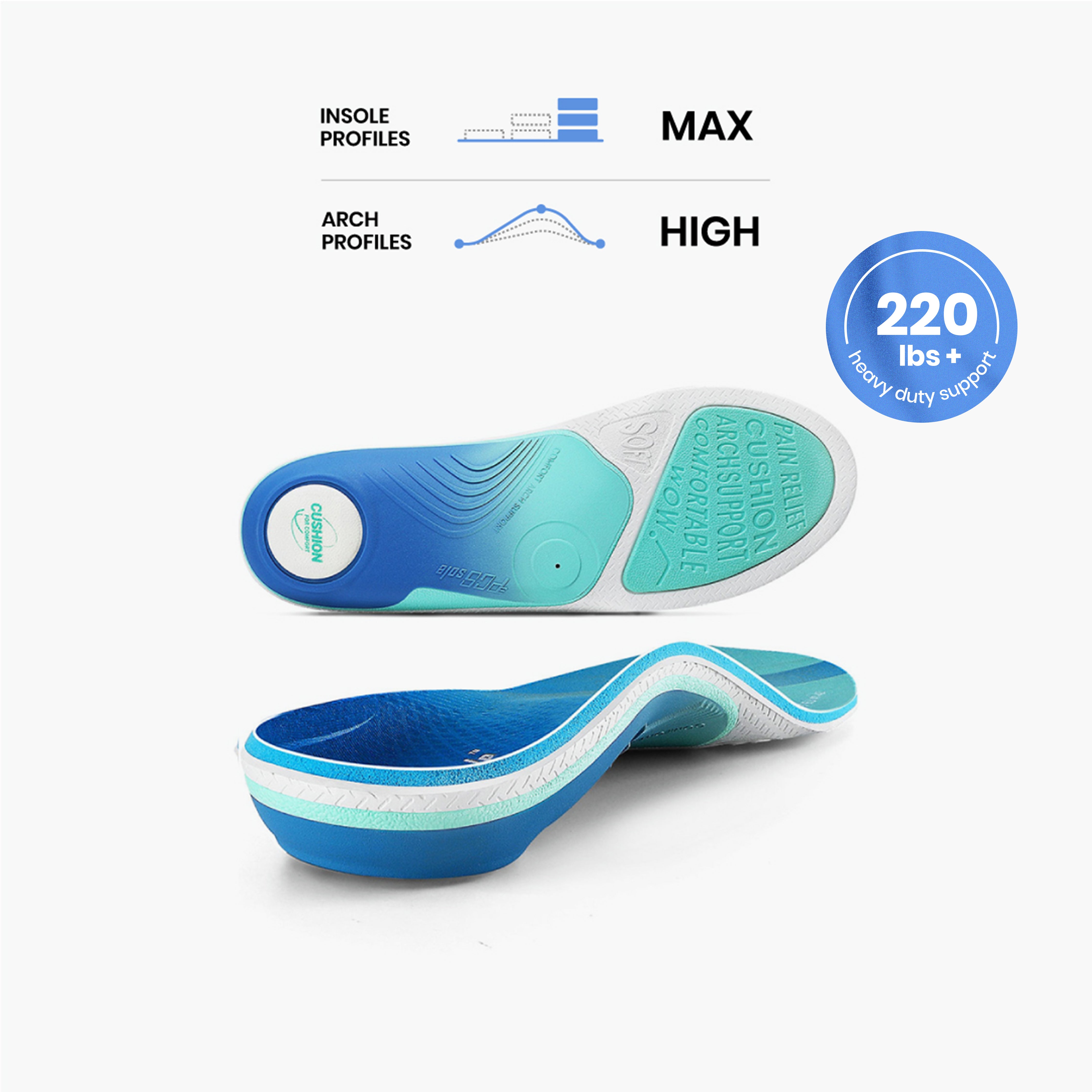
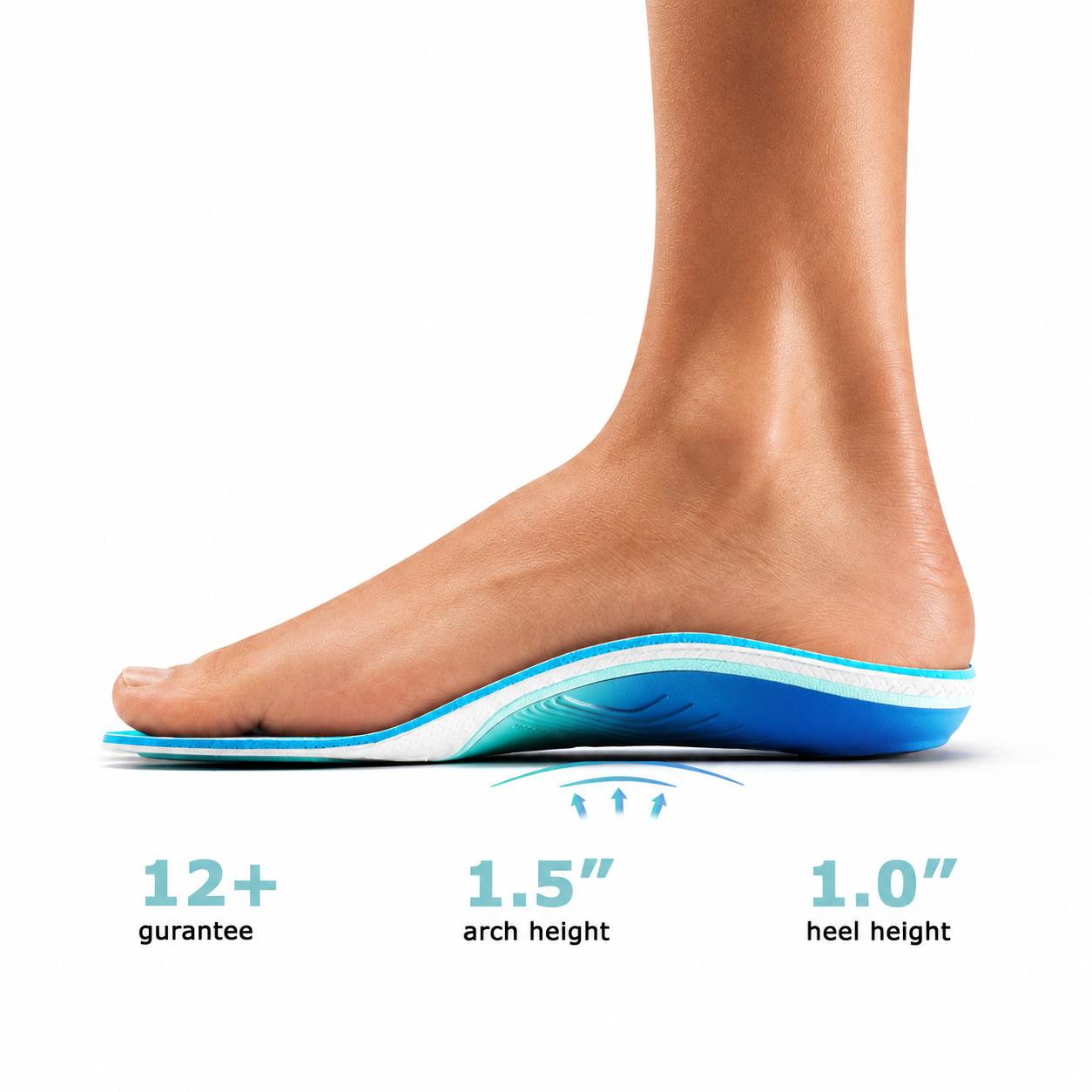
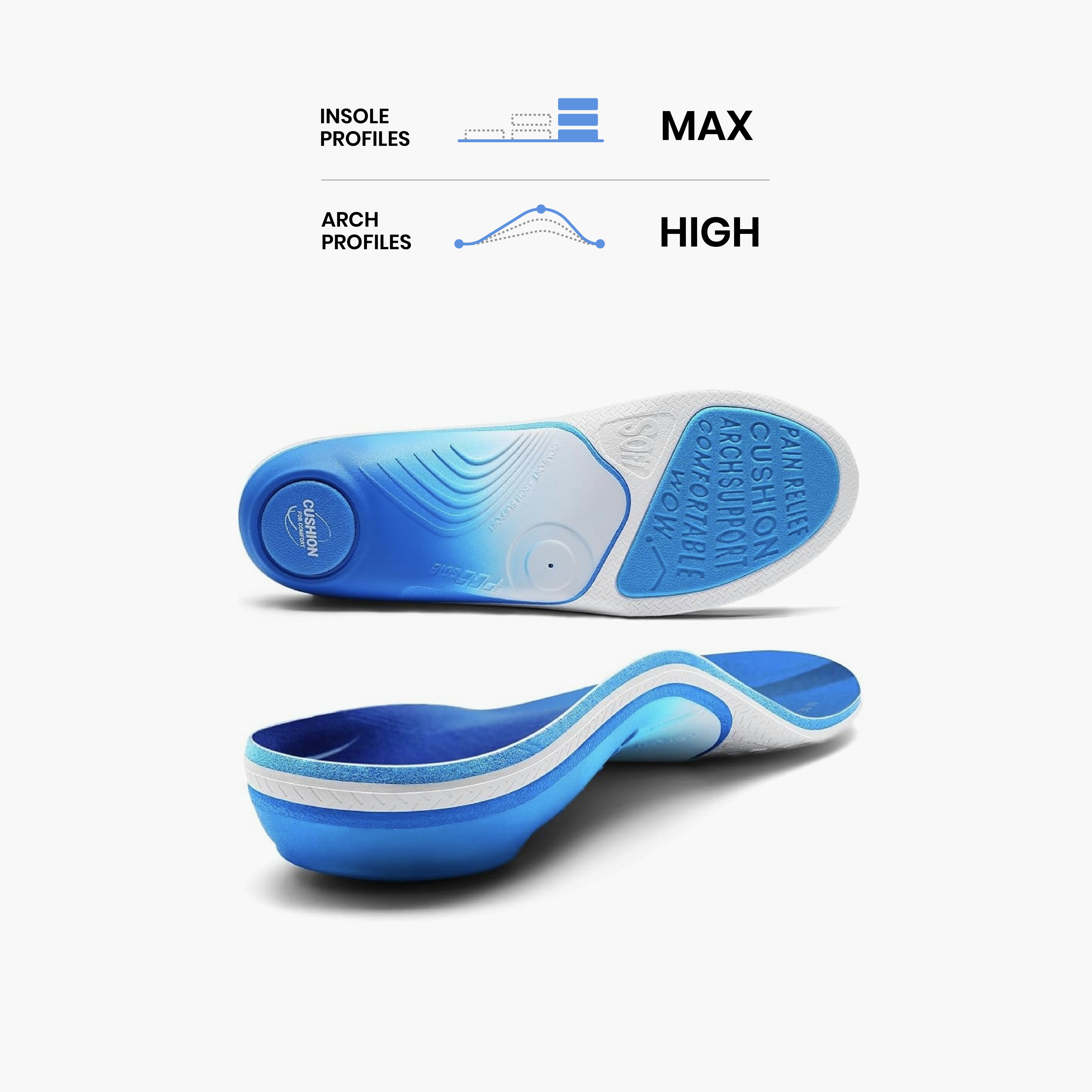
- A Perfect Fit for Every Arch: One size does not fit all. Choose from four precise arch heights (Low, Medium, High, Extra High) to match your foot's unique contours. This semi-custom fit ensures weight is evenly distributed, taking the intense pressure off the ball of your foot.
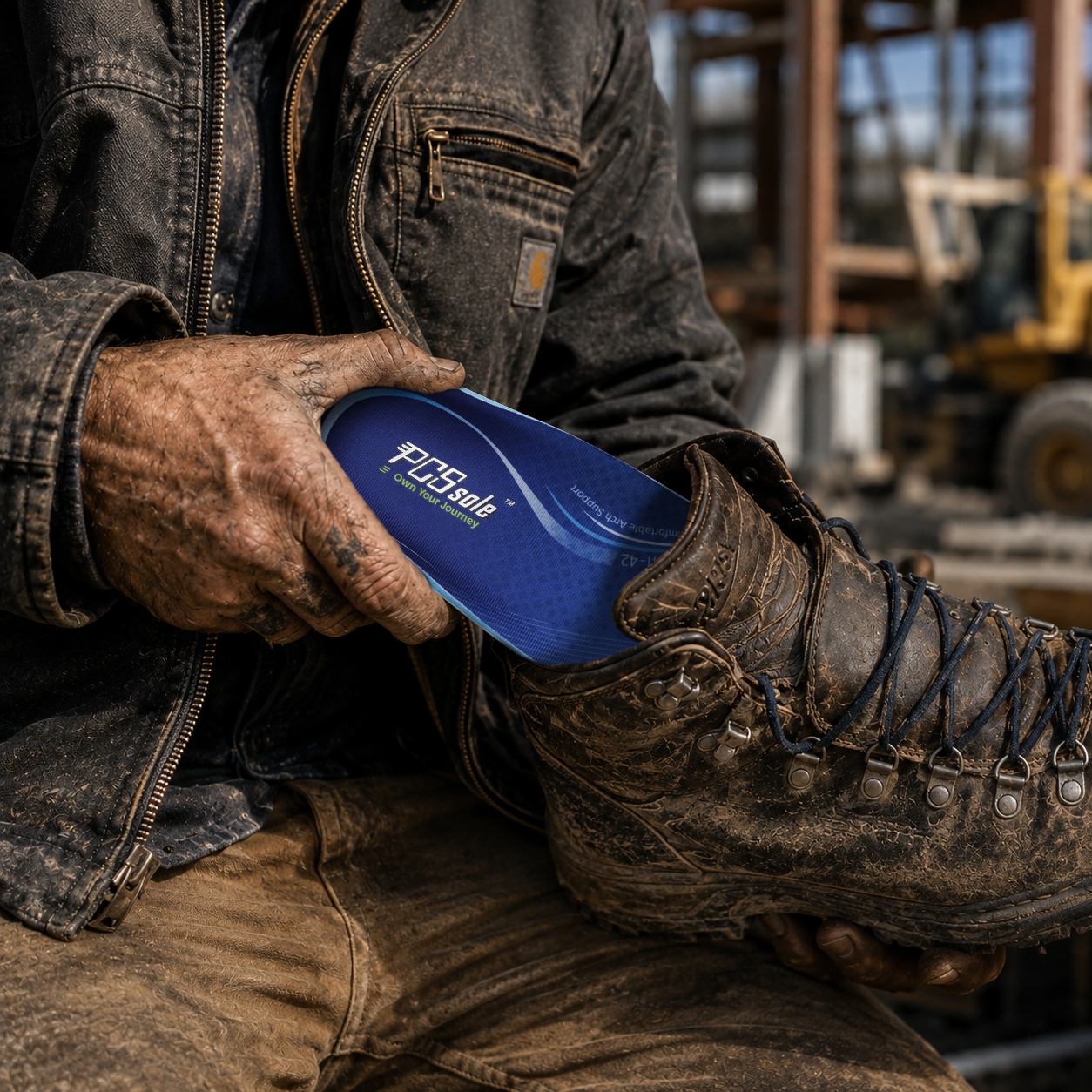
- The Last Arch Support You'll Buy: Forget flimsy insoles that flatten out in a month. Our molded arch supports are built to last forever. It’s not just a quick fix; it’s a permanent, reliable solution for long-term comfort and daily wear.

Proven Results
Bryn M, Verified Buyer
Walking is fun again! 🚶♀️ I’ve been wearing the Medium Arch insoles for a month, and the difference is incredible. My Morton's Toe pain used to stop me in my tracks, but now I can actually enjoy my daily walks pain-free.
Jacky B., Verified Buyer | Jul 2025
Finally, relief for Morton's Toe. 🦶 If you have this condition, you know the struggle. After just 30 days with these insoles, the sharp pain is fading fast. They provide exactly the right support where I needed it most.
Rosie R., Verified Buyer | Nov 2024
One month in, and huge results. 📉 I was skeptical at first, but after using the Medium Arch support for 4 weeks, my foot pain is significantly better. These are definitely a keeper for anyone dealing with forefoot pain!
Insoles for Morton's Toe FAQs
What is morton's toe?
Morton's toe, also known as Morton's foot, Greek foot, or Royal toe, is a common anatomical variation in foot structure where the second toe (next to the big toe) is longer than the first toe (big toe).
What should you do if you have morton’s toe?
First and foremost, if you have Morton's Toe, your footwear should fit properly. You might need to buy shoes a half size to a size larger to accommodate your second toe.
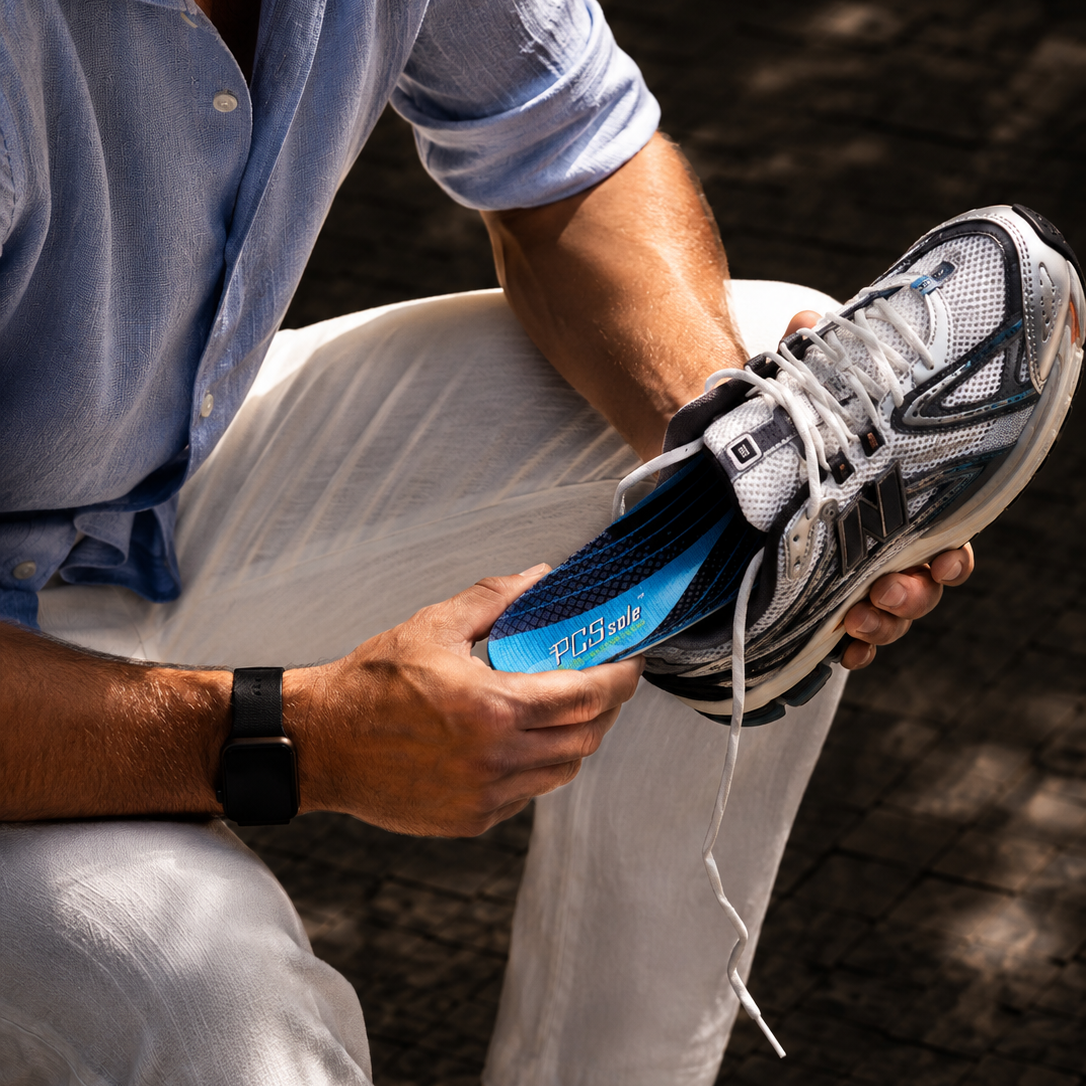
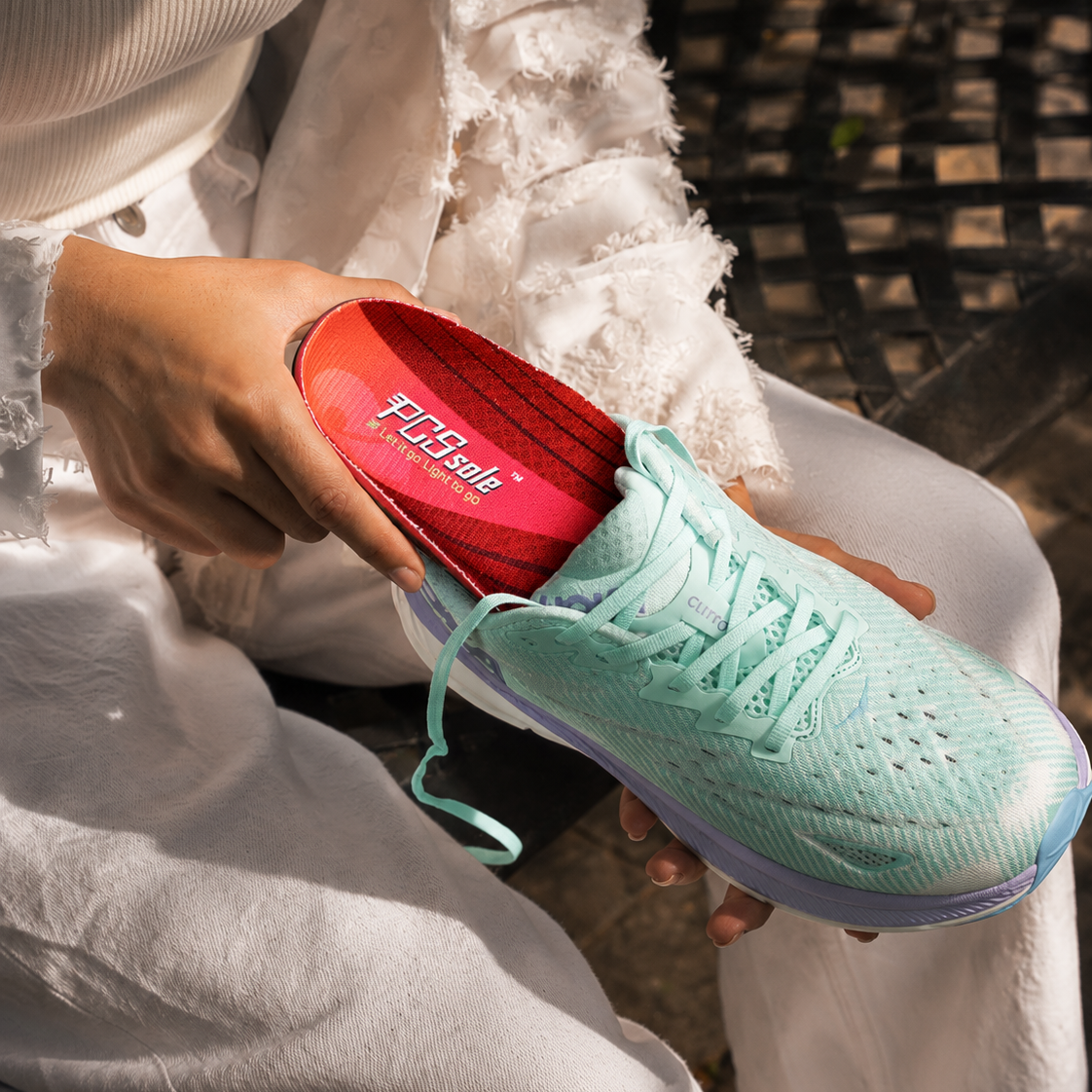
To relieve the pressure imbalance caused by Morton's Toe that can lead to bigger problems, you can add insoles to your footwear.
Why choose PCSsole Insoles for Morton's toe?
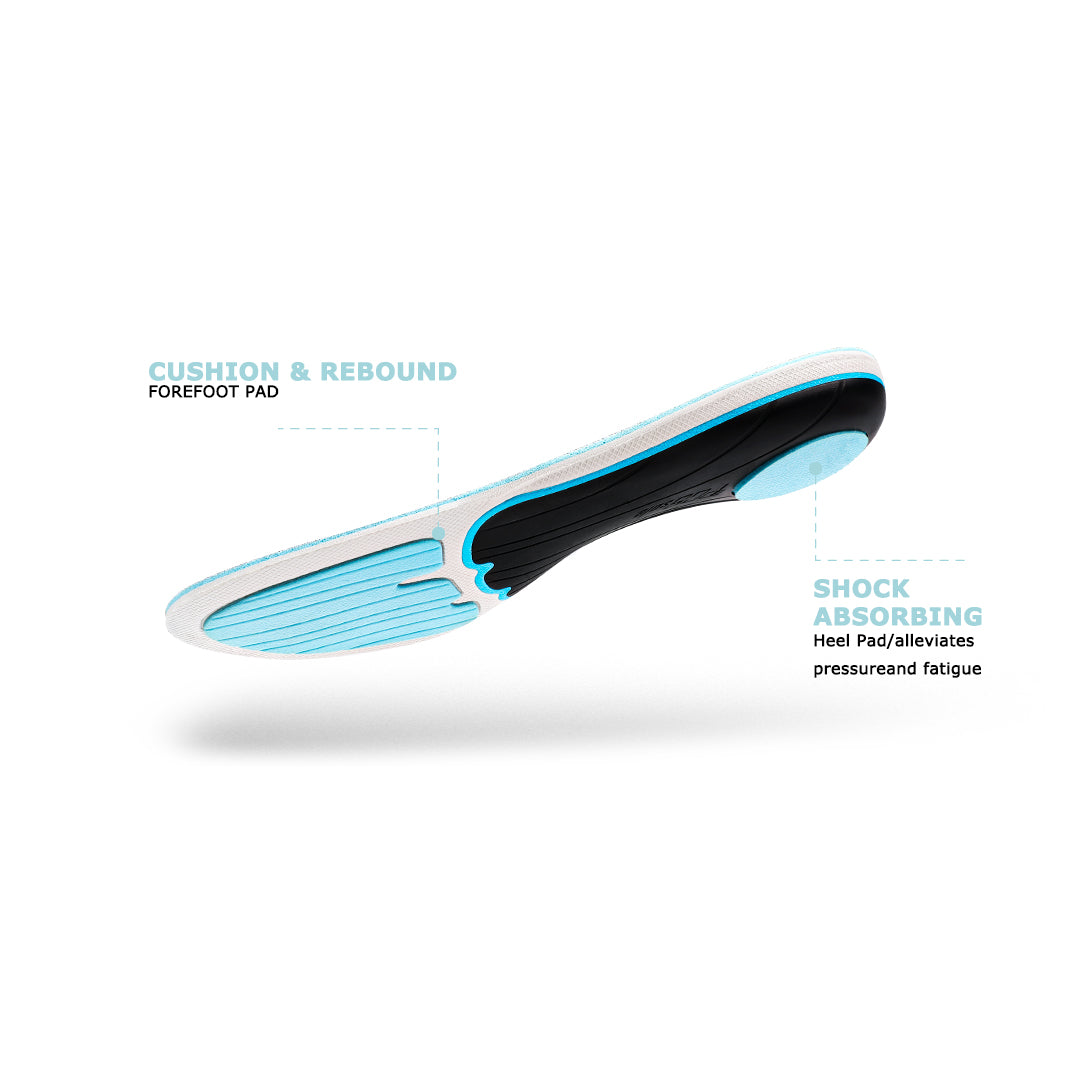
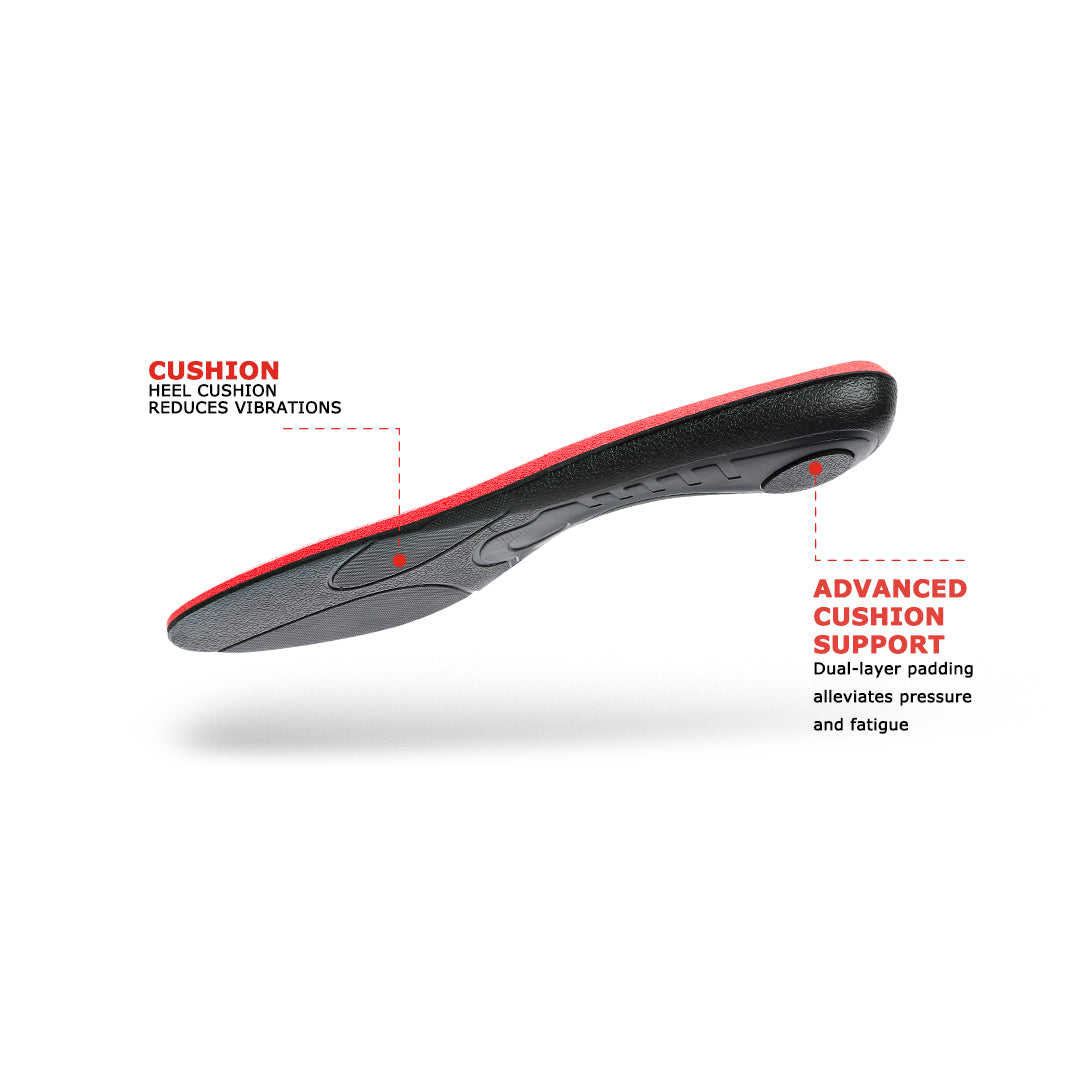
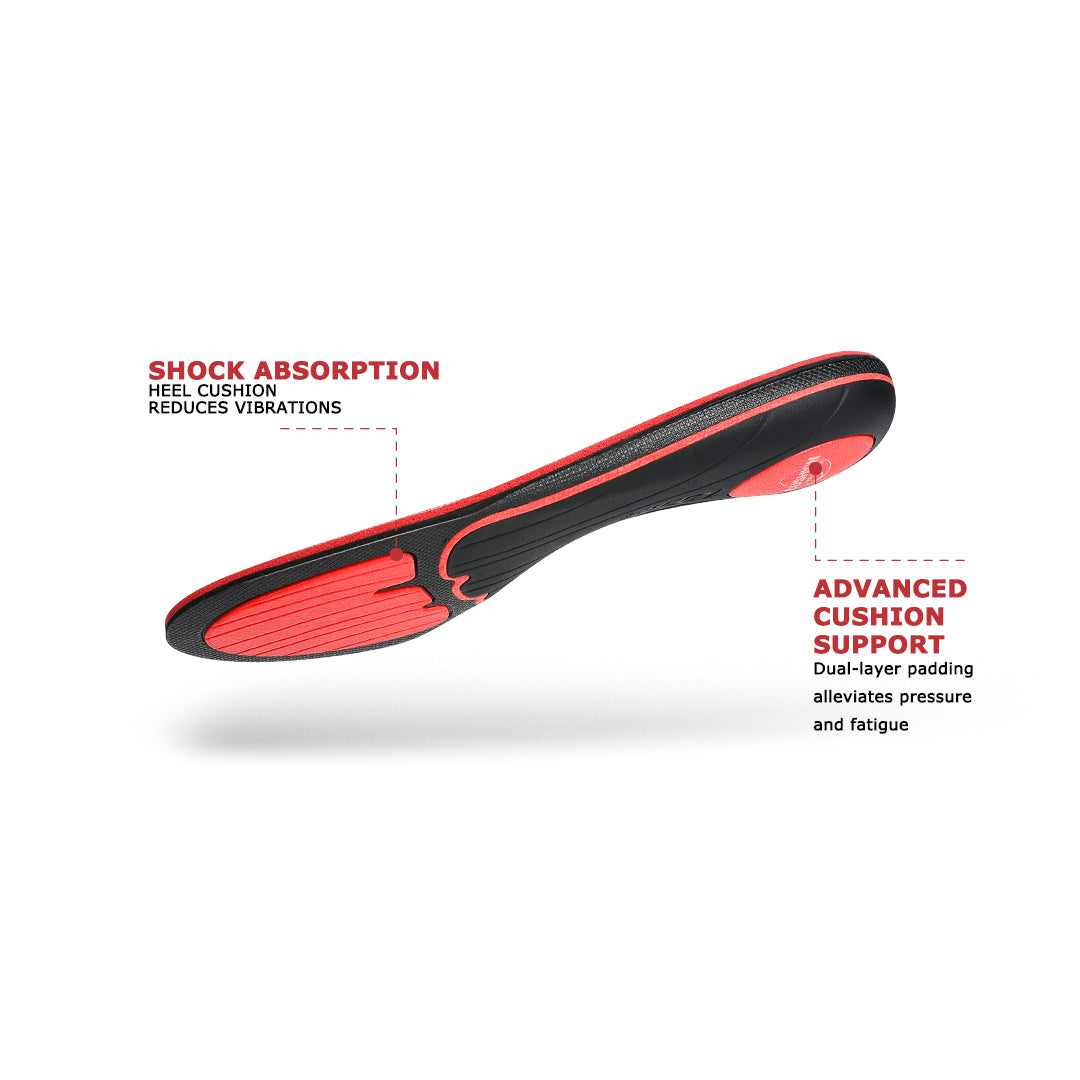
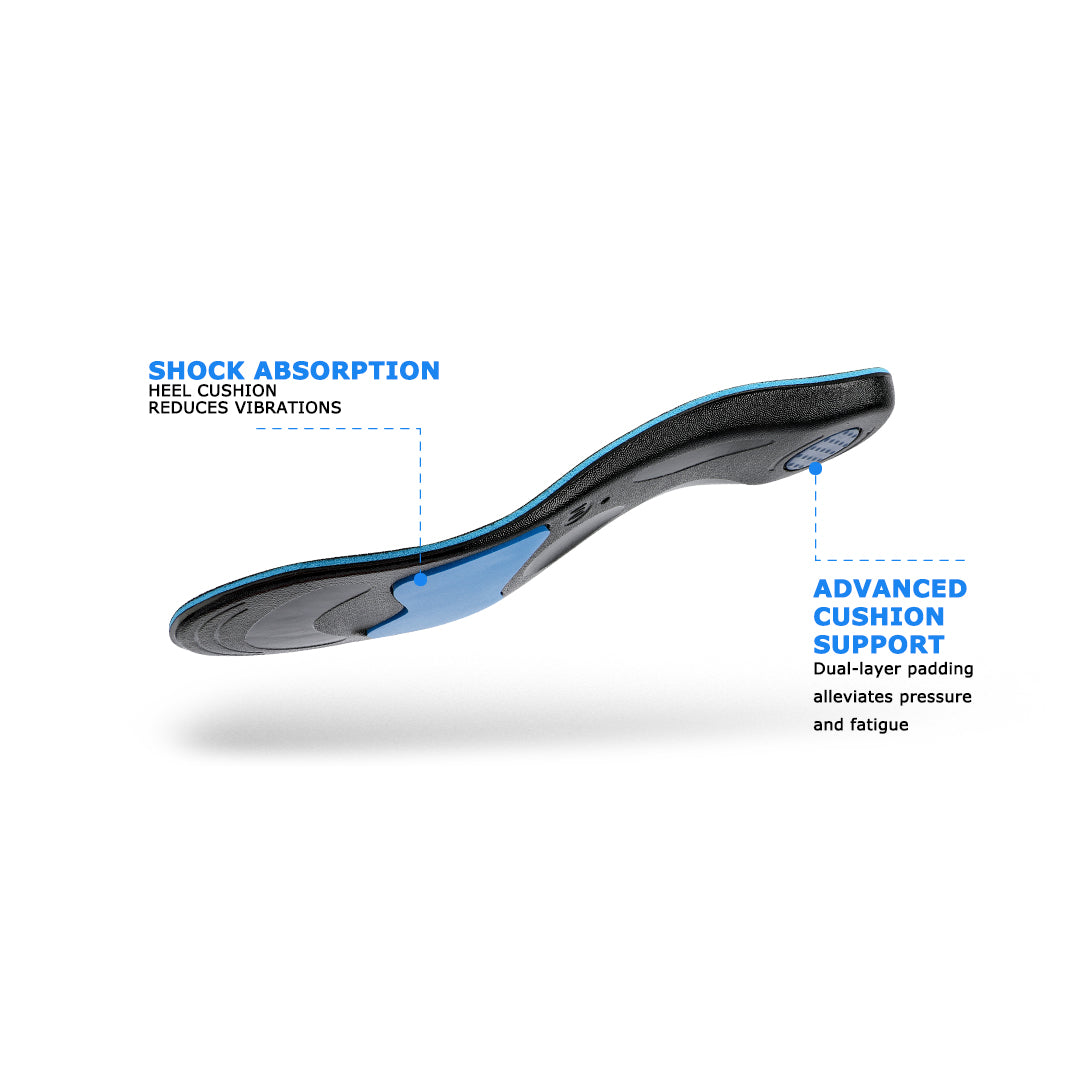
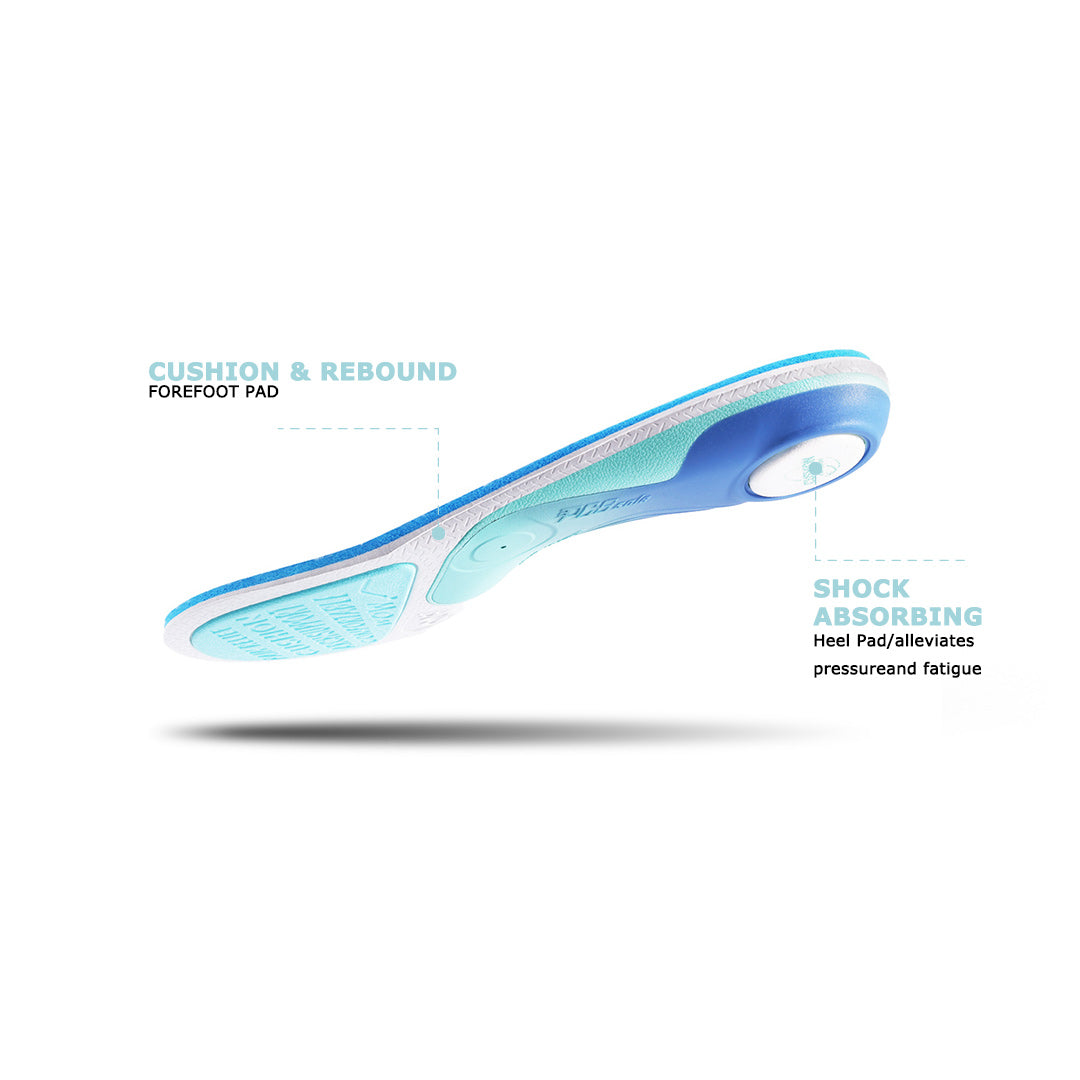
Built-in metatarsal support pad: helping relieve pressure in the forefoot and reducing the pain associated with Morton's Toe. There will be no foreign body sensation
Arch Support: This allows you to choose the right insole for your foot shape, ensuring proper support for your arch and relieving excess strain on the ball of your foot.
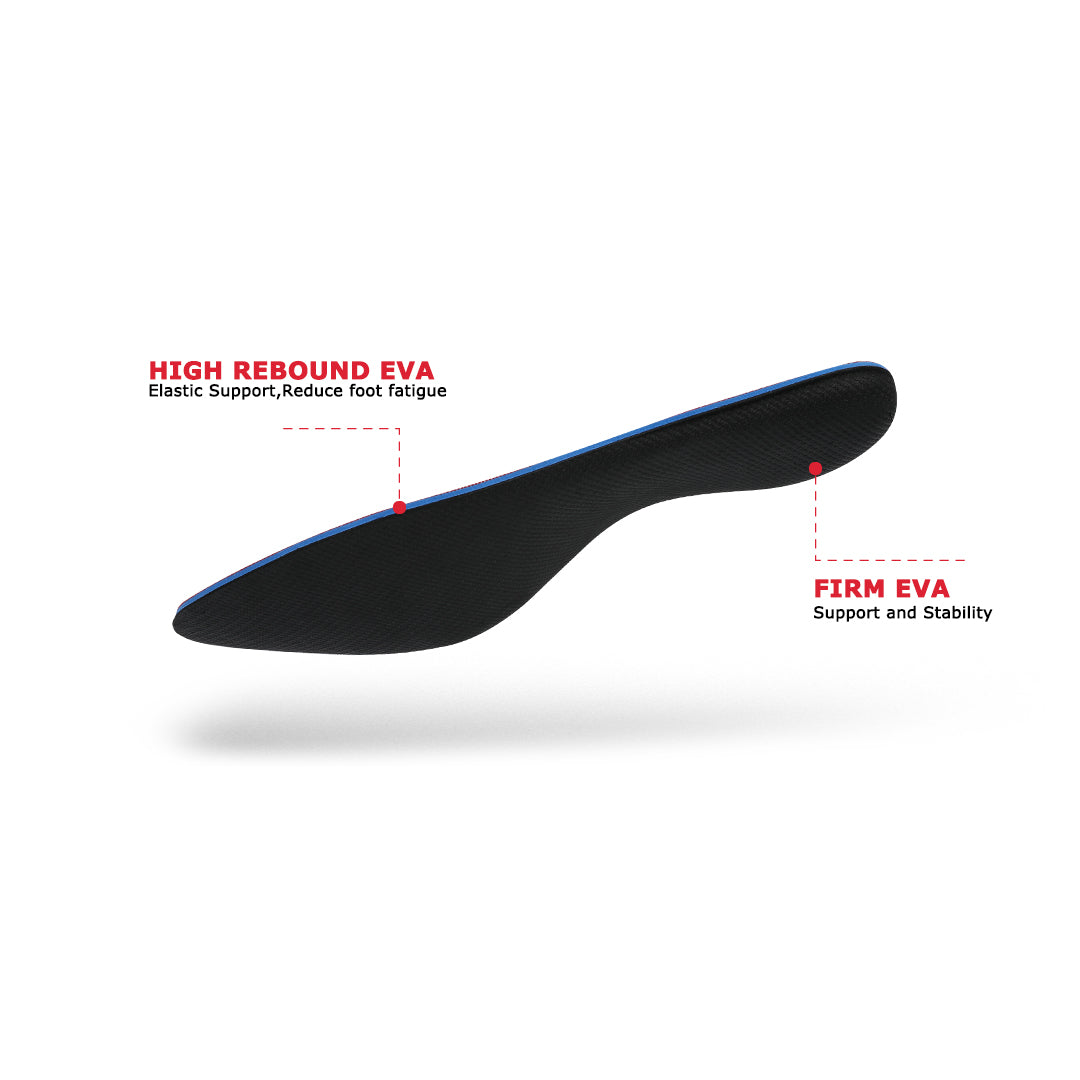
Durable, Long-Lasting Construction: Designed for everyday wear, Tread Labs insoles are built to last forever, making them a reliable, long-term solution for Morton's Toe discomfort.
Can flip flops cause Morton's neuroma?
Yes, wearing traditional, flat flip-flops can absolutely cause or worsen Morton's Neuroma.
The Solution: You Don't Have to Ditch Sandals. Prevent Morton's Neuroma while keeping your feet cool, look for Arch Support Sandals or Flip-Flops(like PCSsole Arch Support Flip Flops).

If your second toe is longer than your big toe, you have something known as Morton’s toe. This is not to be confused with Morton’s neuroma, which is an inflammation of the nerve near the ball of the foot. Morton’s toe is a congenital bone formation, where the first metatarsal, the long bone that connects the toe to the back of the foot, is shorter than the second metatarsal.This causes the second toe to appear longer. Because the tip of the second toe sticks out further inside a shoe, calluses may develop. It may help to wear shoes that allow ample room in the toe box to accommodate the longer second toe.
How Do You Know If You Have Morton’s Toe?
It’s relatively straightforward to check if you have Morton’s Toe—just compare the length of your big toe to your second toe. If the latter is longer, you likely have Morton’s Toe. Keep in mind that the difference may be subtle, so pay close attention.It’s important to note that having Morton’s Toe doesn’t necessarily mean you have a foot deformity or a medical problem. It’s considered a normal variation in foot anatomy that’s seen in a significant portion of the population. While some people with Morton’s Toe may experience foot discomfort or other issues, many lead perfectly healthy, pain-free lives.

Is Morton's Neuroma the Same as Morton's Toe?
It’s not the same!They just happen to be named after two different physicians who shared the same last name.There are two Dr. Mortons who are unrelated: Dr. Thomas George Morton (1835–1903) and Dr. Dudley Joy Morton (1884–1960). They both are well known for two different foot conditions, but as they have the same surname it does lead to some confusion.Thomas George Morton (1835–1903) was an American surgeon from Philadelphia who first described what we now call ‘Morton’s Neuroma’ in 1876. He identified it as a painful swelling of the interdigital nerve, most often between the third and fourth toes.Dudley Joy Morton (1884–1960) was an American orthopedic surgeon and anatomist from Washington University in St. Louis, who specialized in the structure and evolution of the human foot. In the 1920s–1930s, he studied variations in foot anatomy and described a condition where the second metatarsal is longer than the first, giving the appearance that the second toe is longer than the big toe. This became known as Morton’s Toe (or Morton’s foot).
Morton's Toe Causes and Risk Factors
Morton’s Toe can cause discomfort, and understanding its causes and risk factors can help manage it more effectively. Anatomy is a crucial factor—typically, the first metatarsal bone is longer than the second, but this is reversed in people with Morton’s Toe, leading to imbalances in the foot’s weight distribution.Genetic factors also contribute to Morton’s Toe, and it can be passed down through generations. Other factors include foot injuries, such as sprains or fractures, and wearing ill-fitting footwear. High-impact activities or sports that involve repetitive movements may also increase the risk of Morton’s Toe. However, it’s important to remember that this condition can also occur without any apparent cause.
Morton's Toe Symptoms and Problems
Morton’s Toe may cause various symptoms and associated problems. Some people experience pain, tenderness, and swelling due to the increased pressure on the second toe. Corns, calluses, or blisters may also develop due to constant friction and pressure.Morton’s Toe can affect your gait and balance, which can increase the risk of falls or injuries. It may also contribute to other foot conditions like bunions, hammertoes, or plantar fasciitis, and cause pain in the arches, ankles, knees, hips, or lower back. If you suspect you have Morton’s Toe or experience any of these symptoms, consult a healthcare professional for evaluation and treatment recommendations.
Morton's Toe Common Treatments
- Wear shoes that are long enough (i.e., buy footwear a half size to a size larger to accommodate the longer second toe)
- Accommodate any bunions, hammer toes, or overlapping toes with shoes that are wide enough and deep enough in the toe box
- Add arch supports to address excessive inward rolling of the foot (over-pronation) and to keep the foot aligned
- Add metatarsal pads to arch supports and/or shoes when necessary to take pressure off of any calluses under the ball of the foot
Metatarsal Pad Orthotics Insoles for Morton's Toe
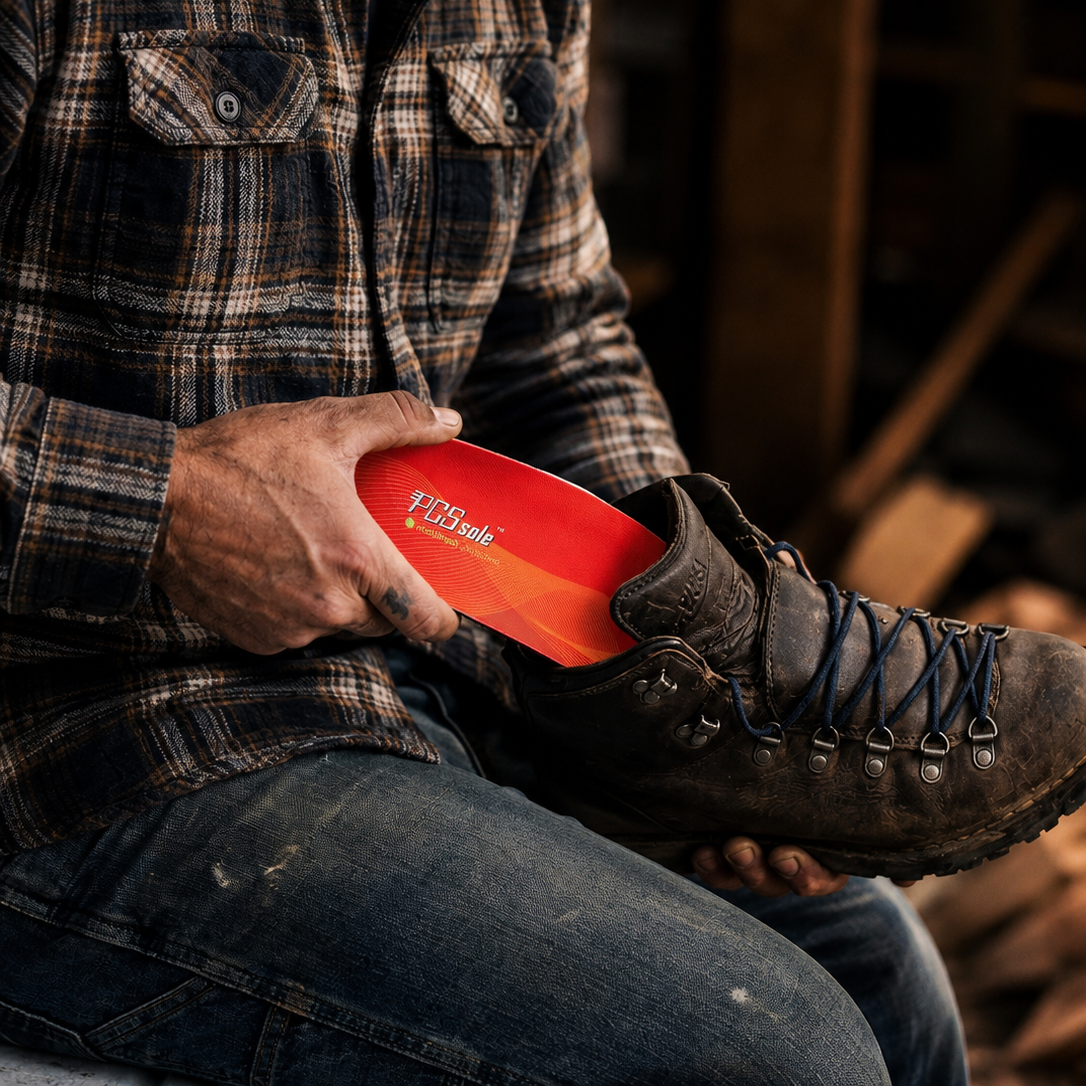
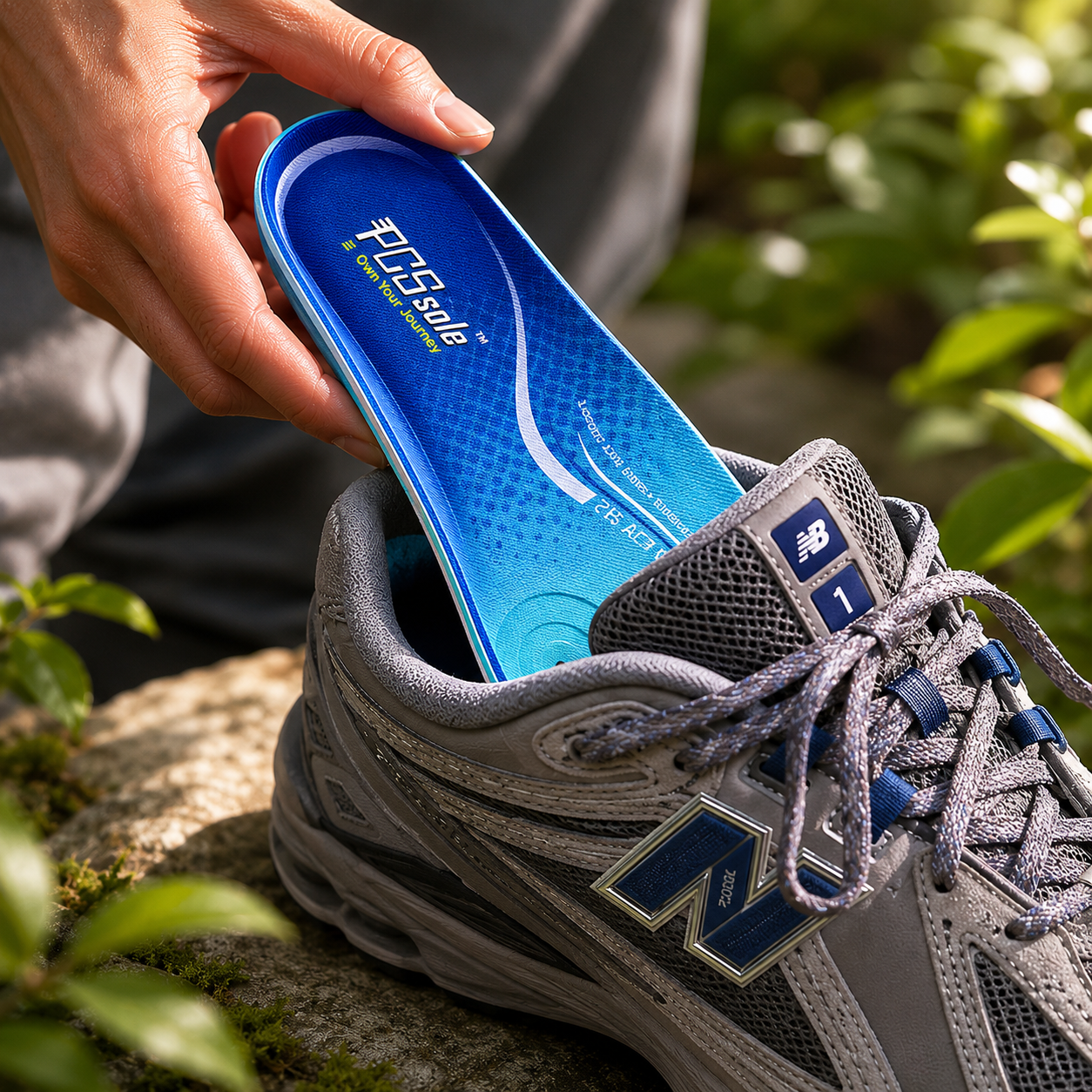
Metatarsal pads are an easy way to relieve Morton's Toe pain because they add support to the shaft of your second metatarsal bone, reducing the pressure on the ball of your foot and redistributing it more evenly.The best insoles for Morton’s Toe should include a built-in metatarsal pad. A metatarsal pad is a small bump that supports the metatarsals in their natural position and spacing, preventing them from becoming cramped. This relieves pressure on the nerve that causes Morton’s Toe pain.An insole with a built-in metatarsal pad offers support to the whole foot, with a special focus on the metatarsals.The best thing about an insole with a built-in metatarsal pad is that the metatarsal pad remains perfectly positioned in your shoe. Other metatarsal pad products move around in your shoe or tend to be placed too far forward to support your bones effectively.PCSsole with Met Pad orthotic insoles slip easily into your shoes with a perfectly positioned metatarsal pad to help you get relief from Morton's Toe pain.
When to See a Podiatrist?
- Severe pain
- Persistent pain that lasts more than a week
- Signs of infection
- Continued swelling
- Pain that prevents walking