



Best Insoles for Shin Splints
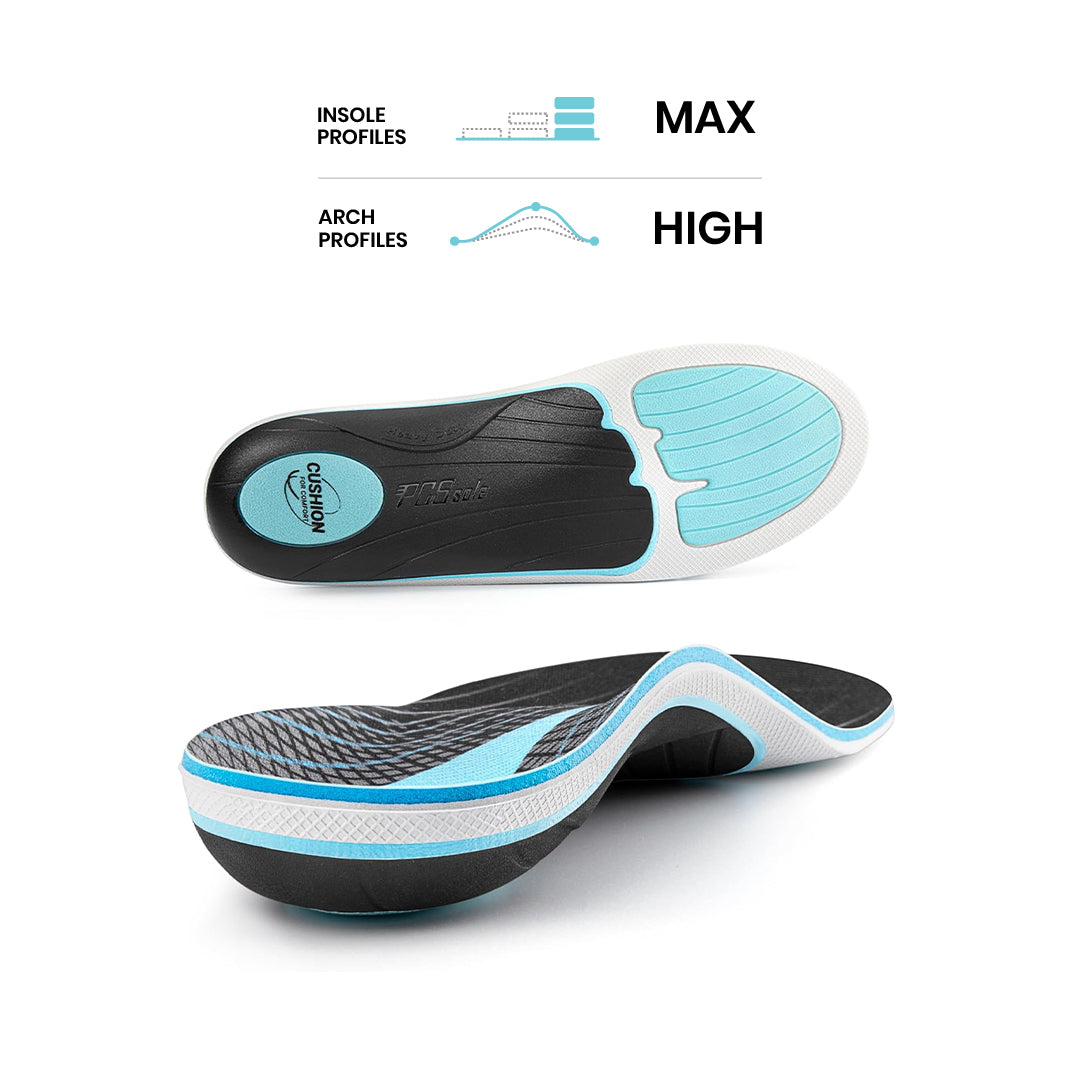
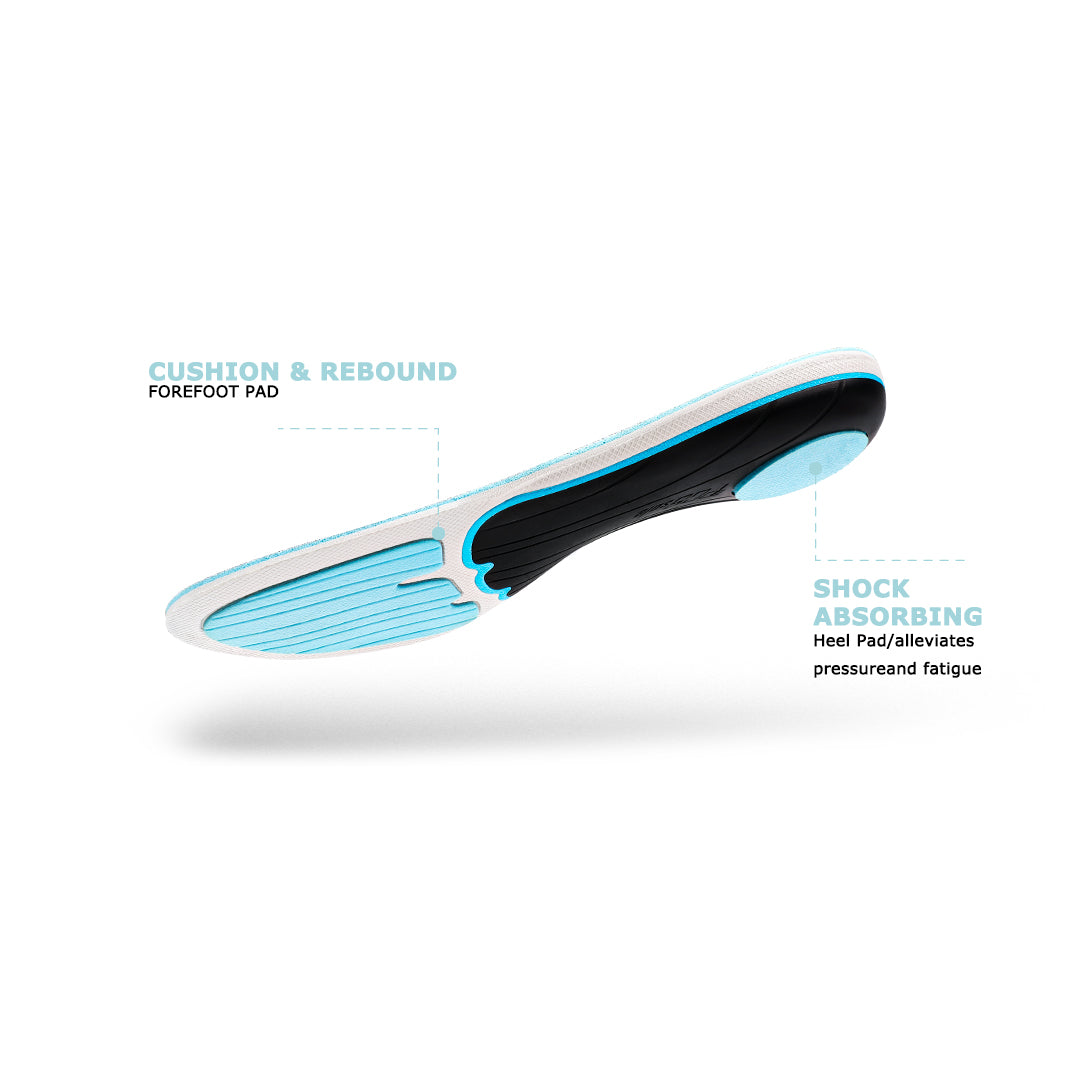
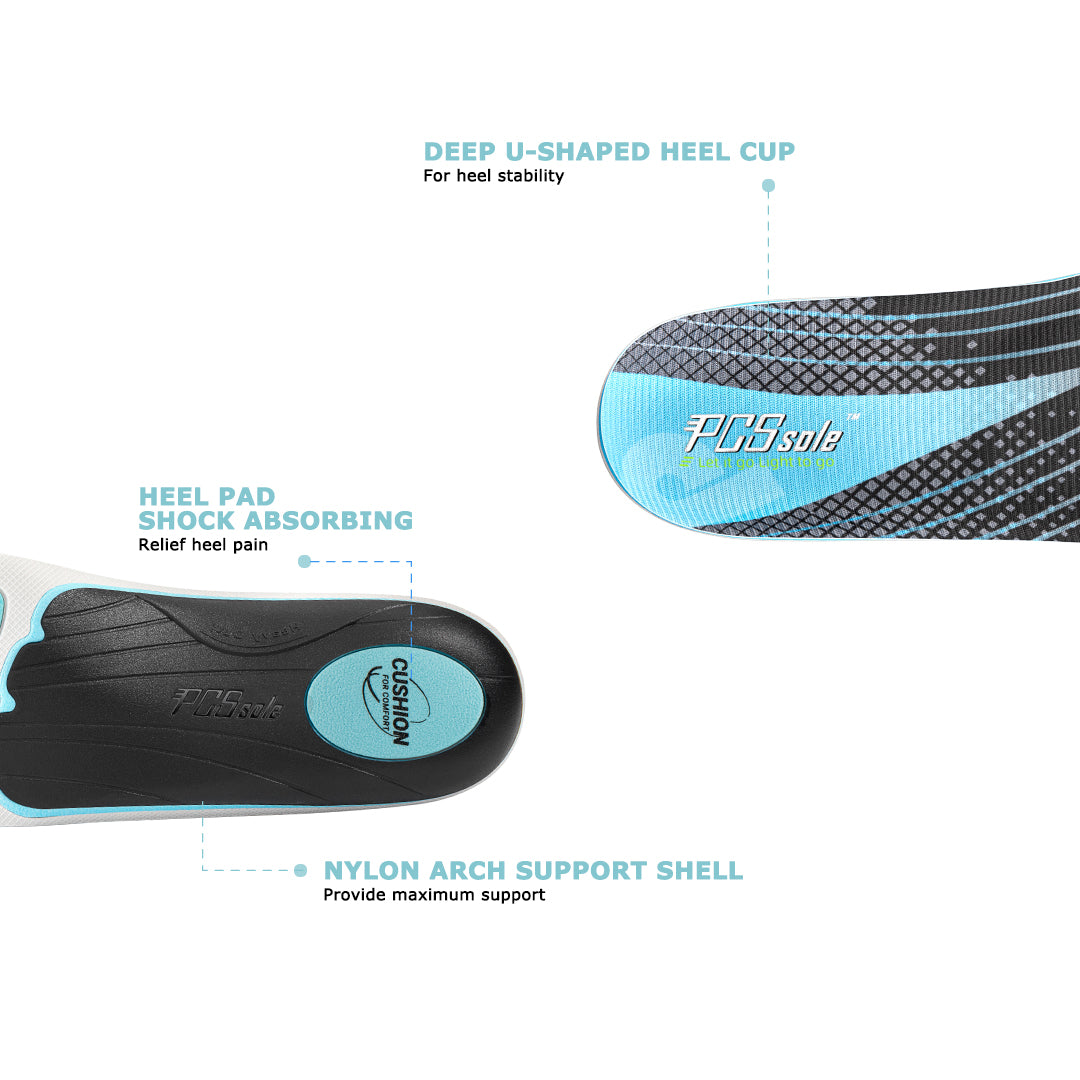
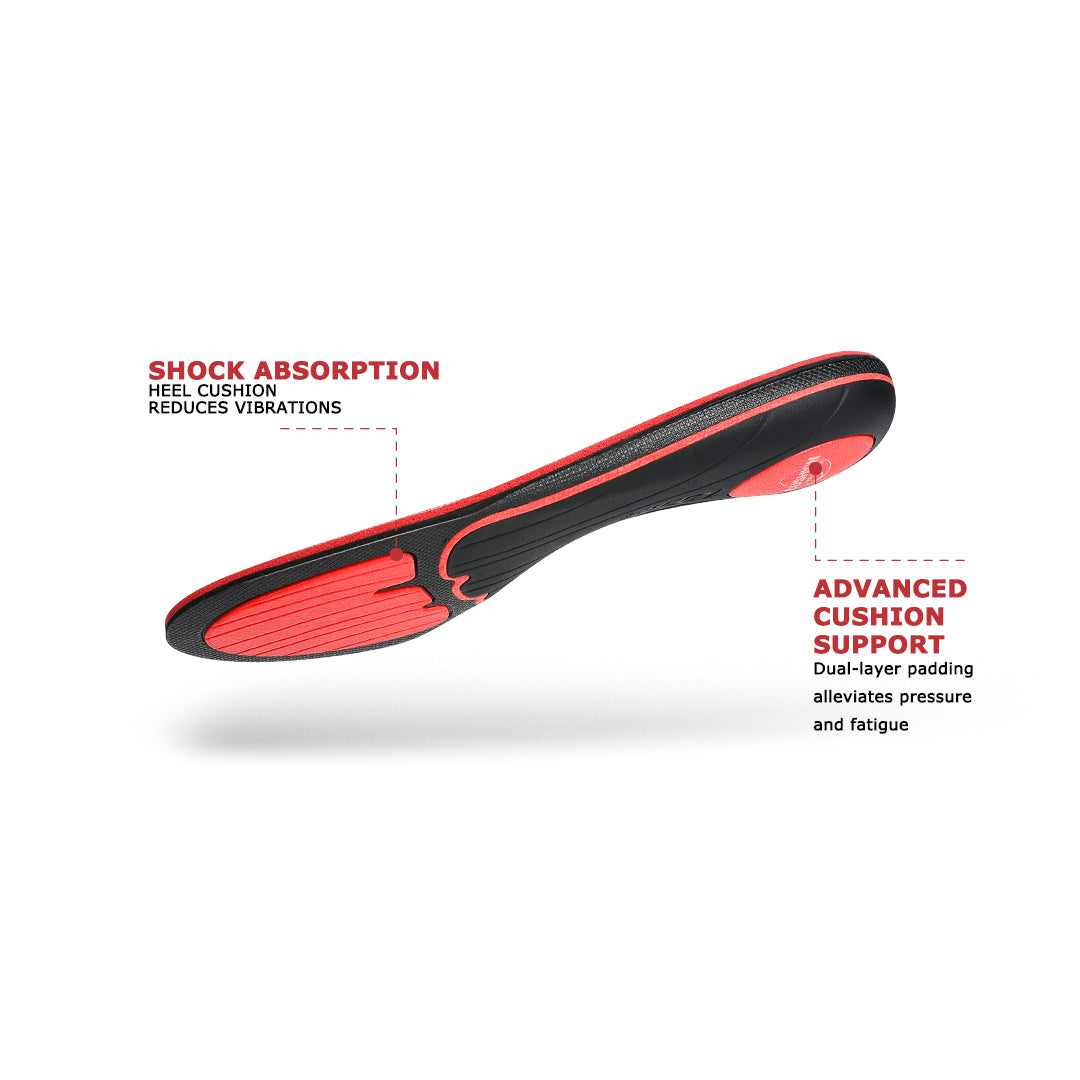
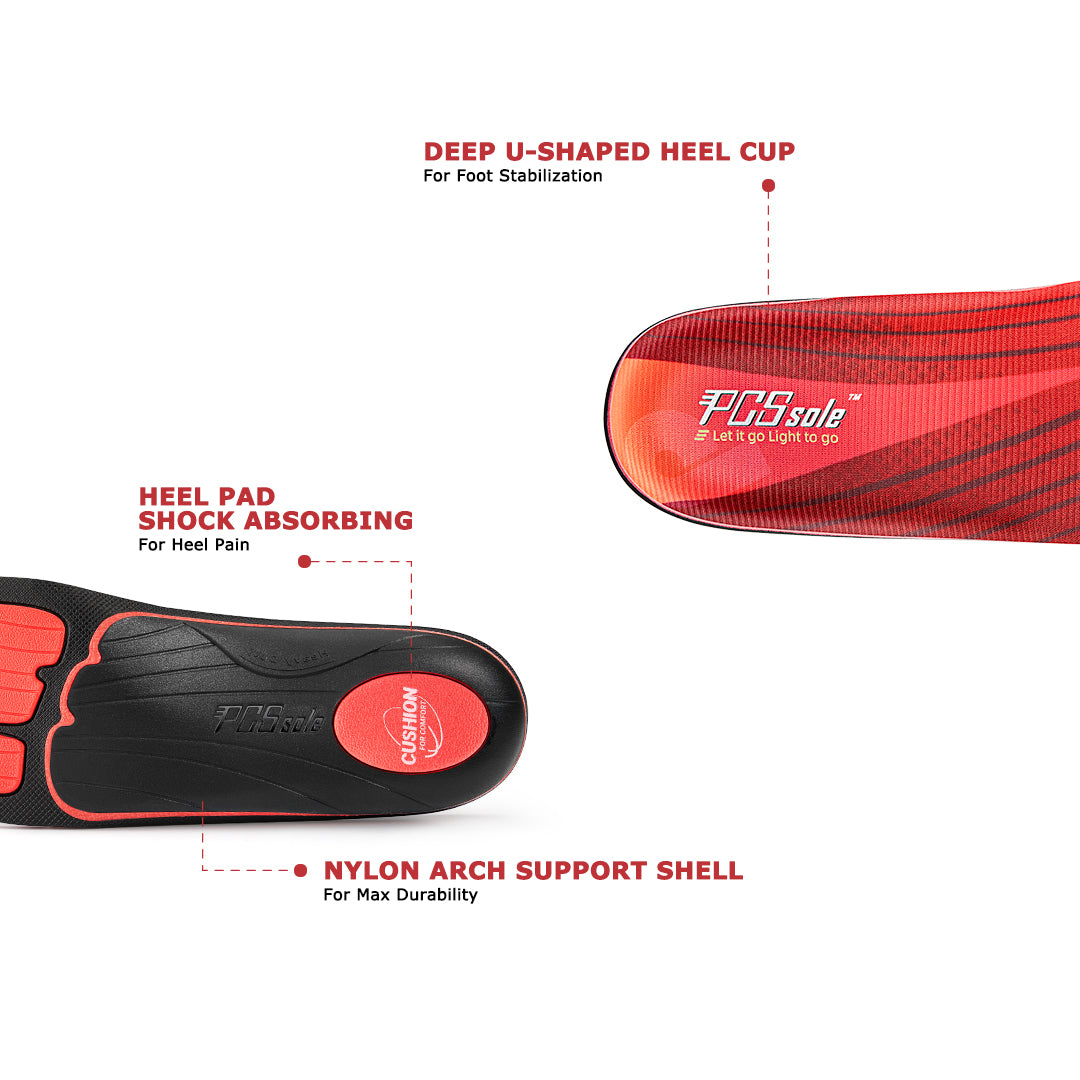
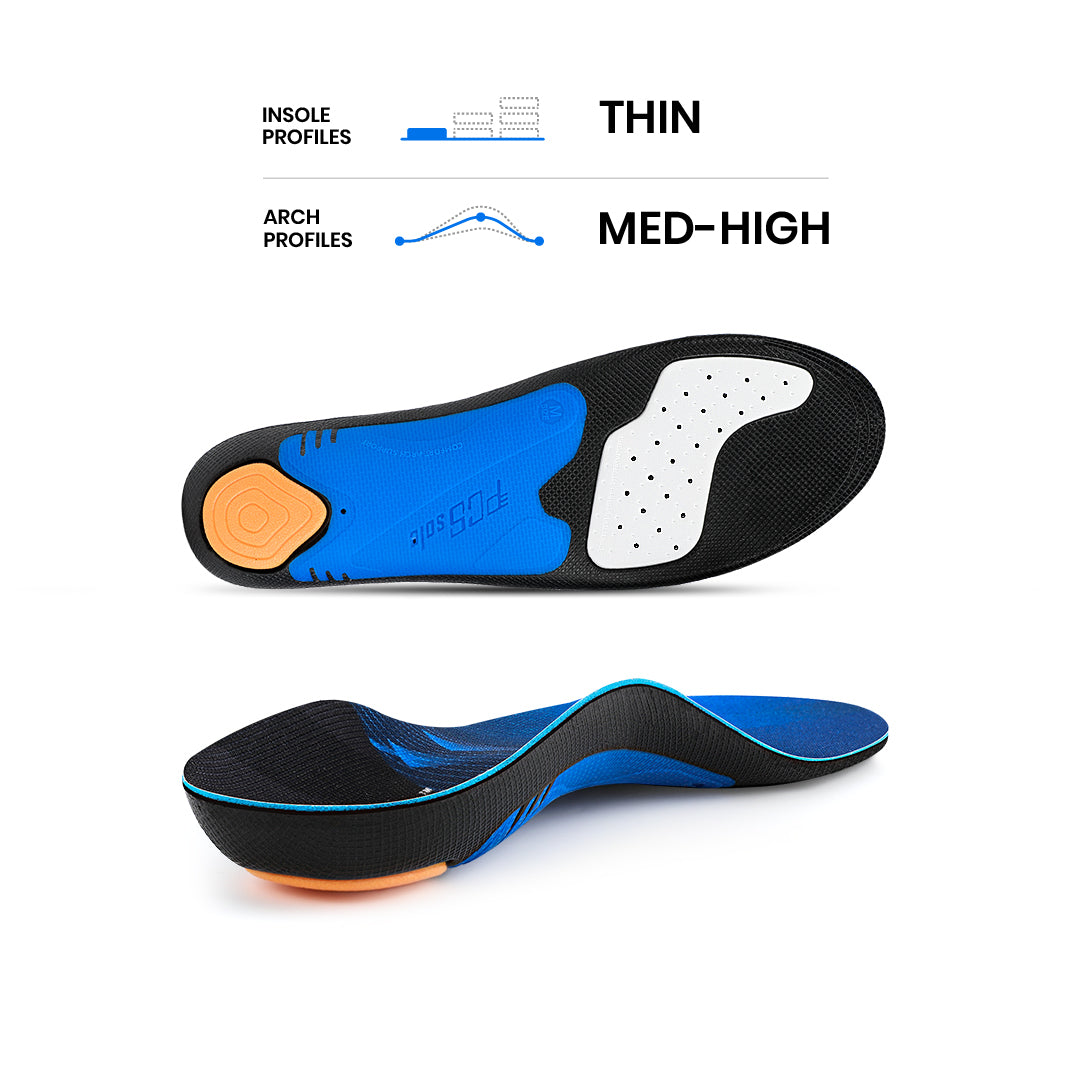
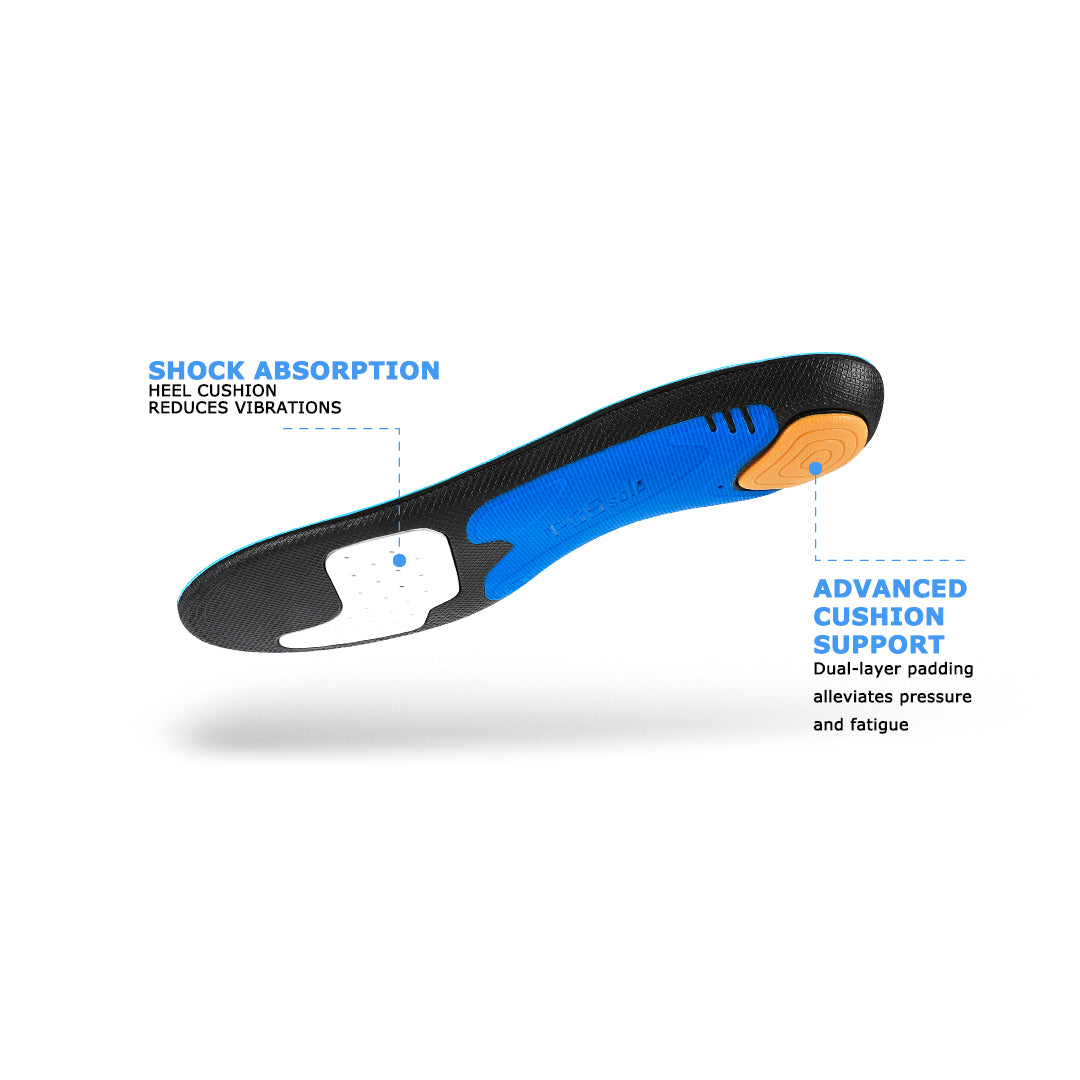
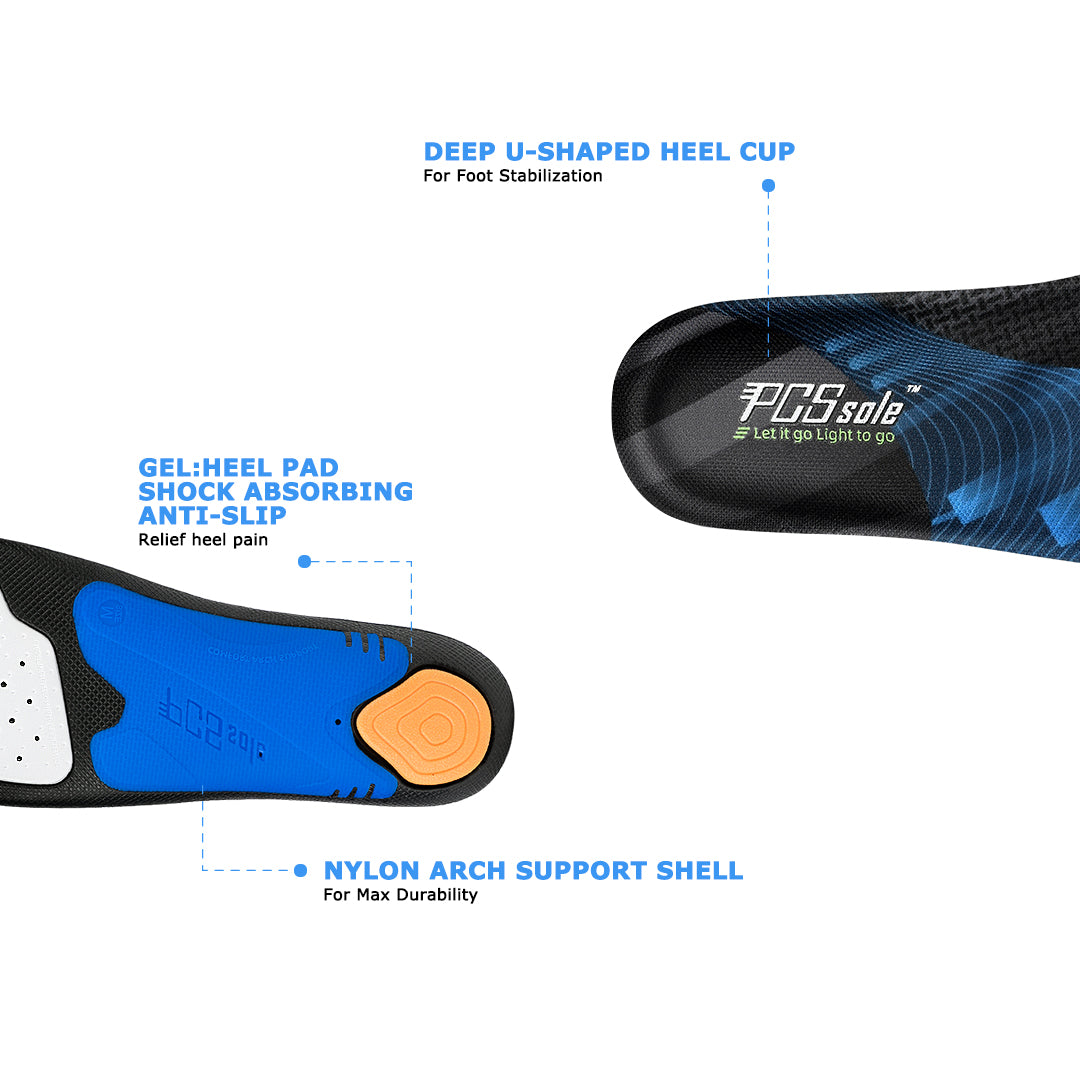
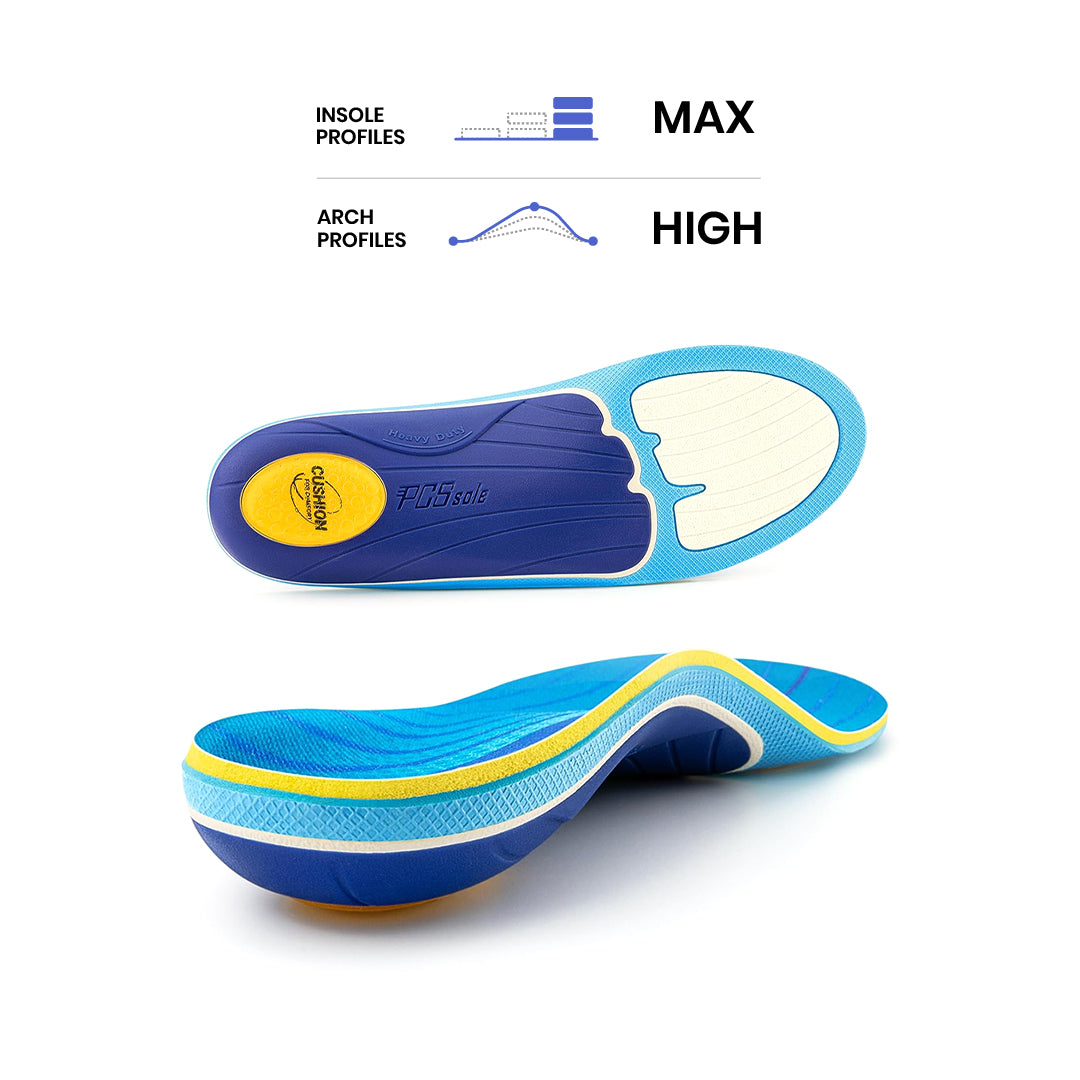
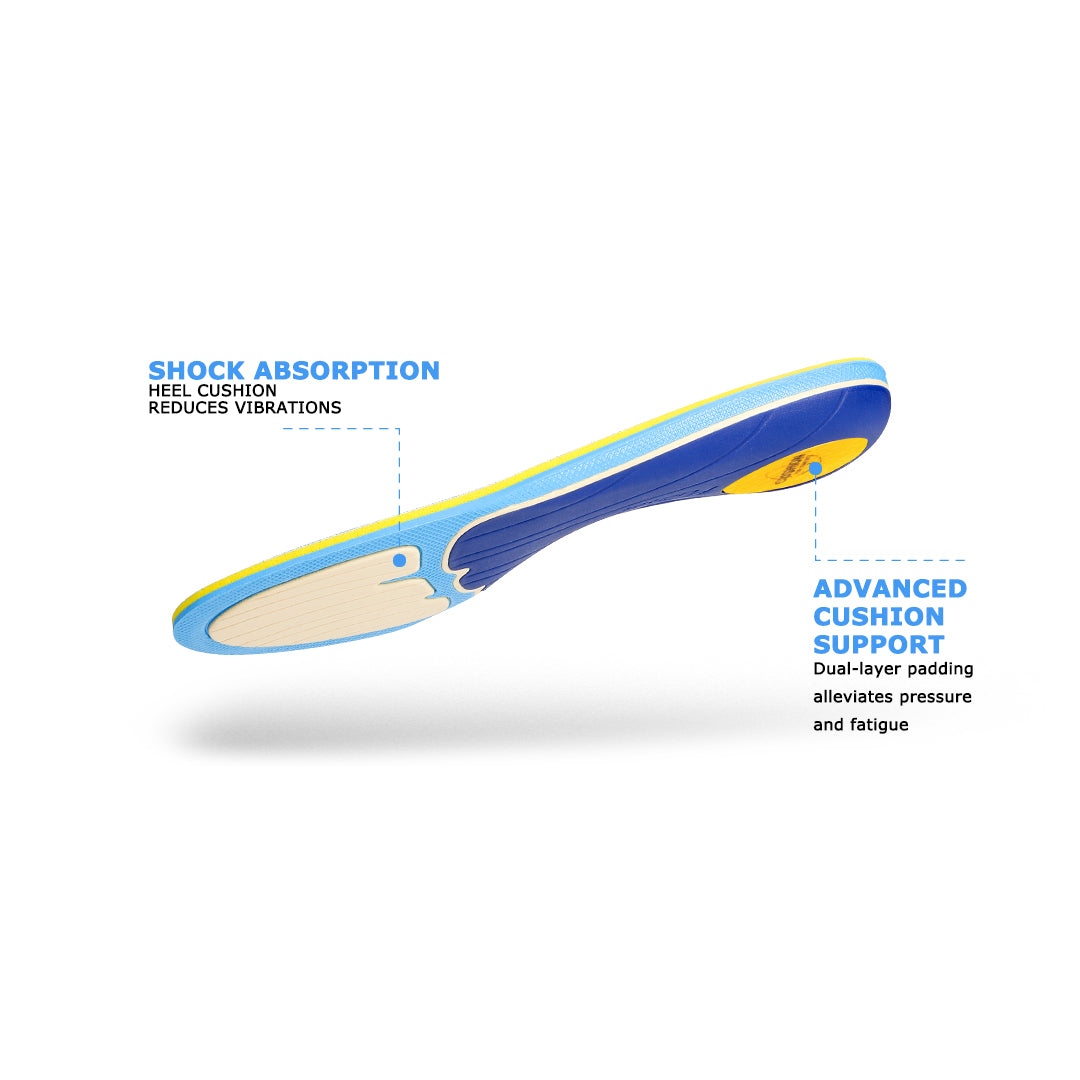
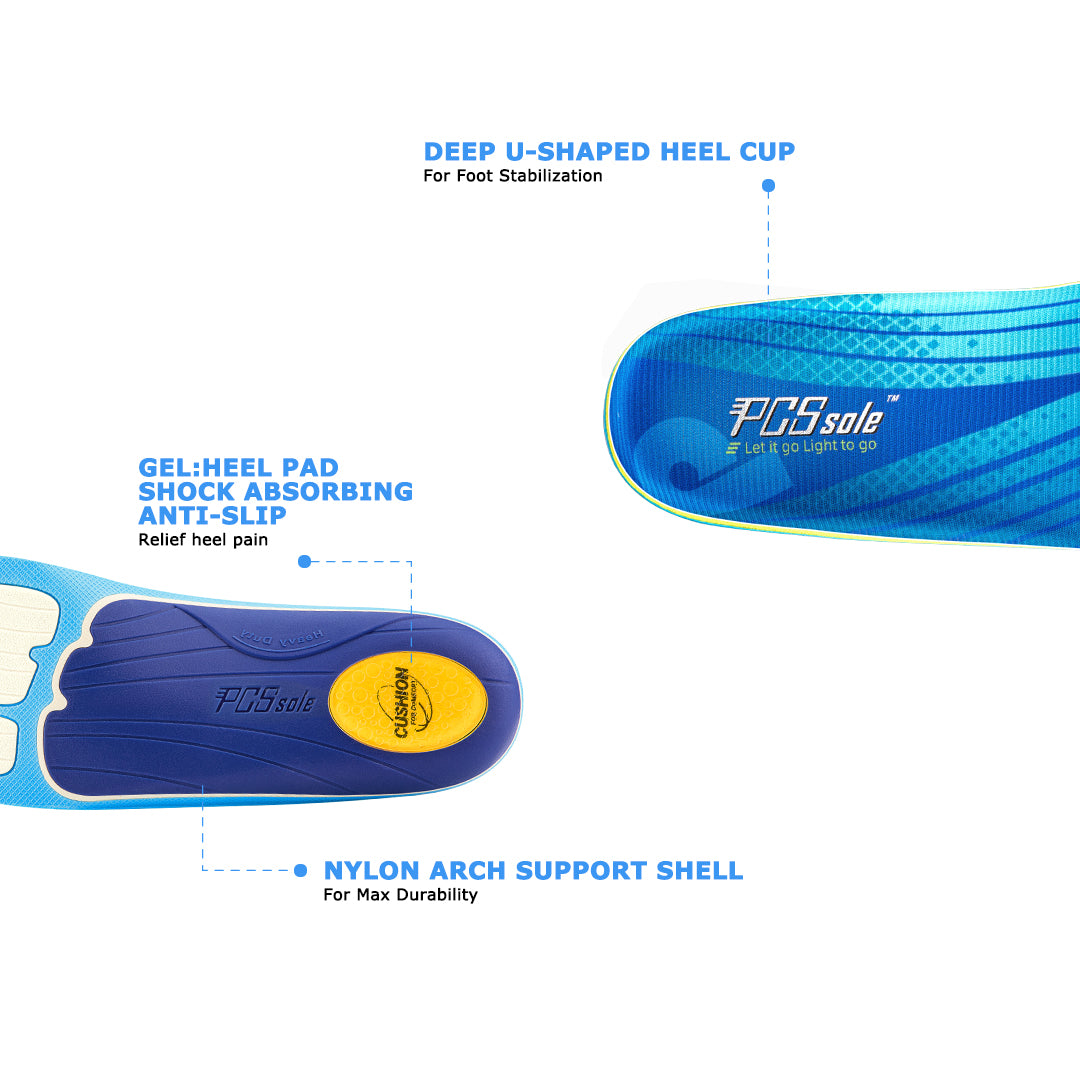
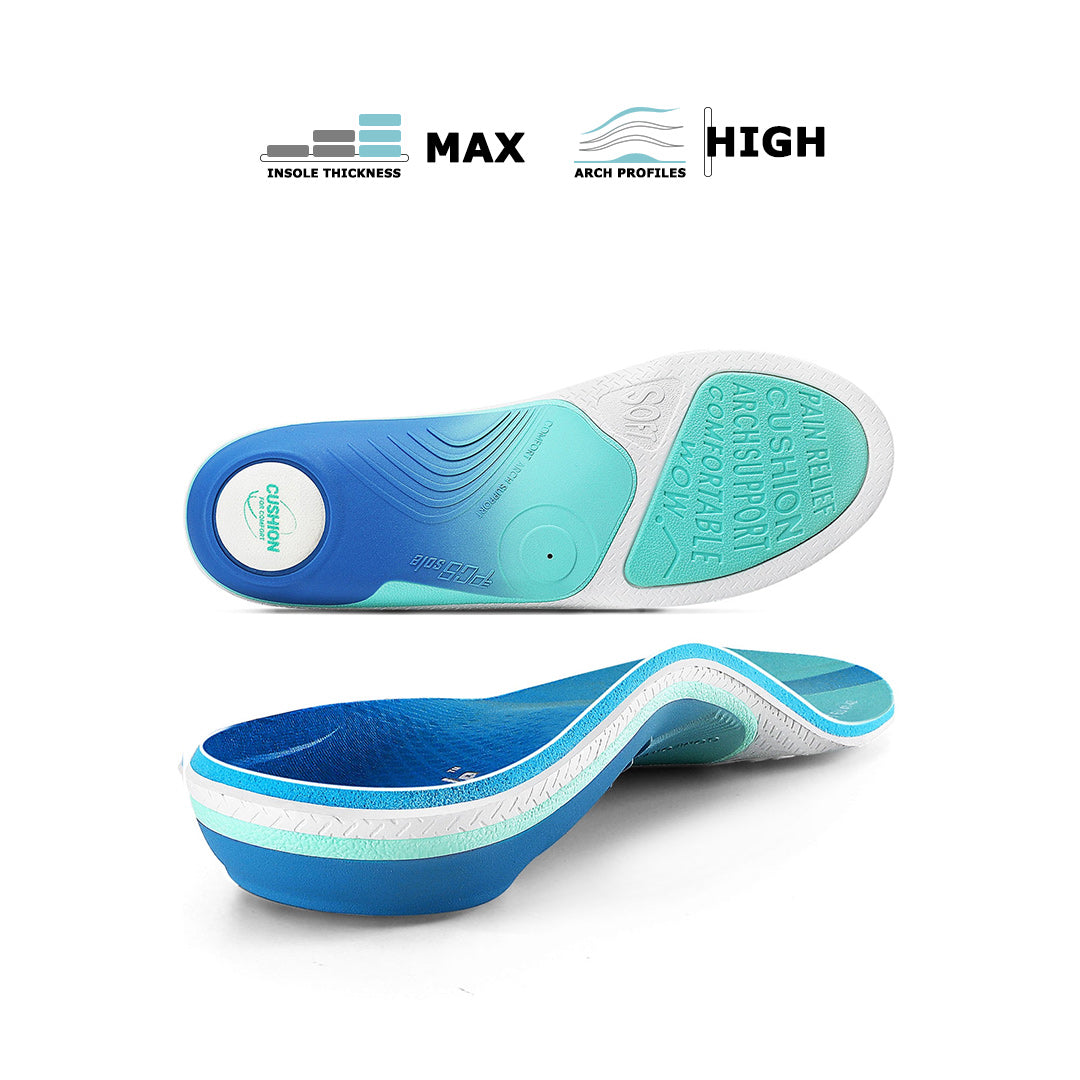
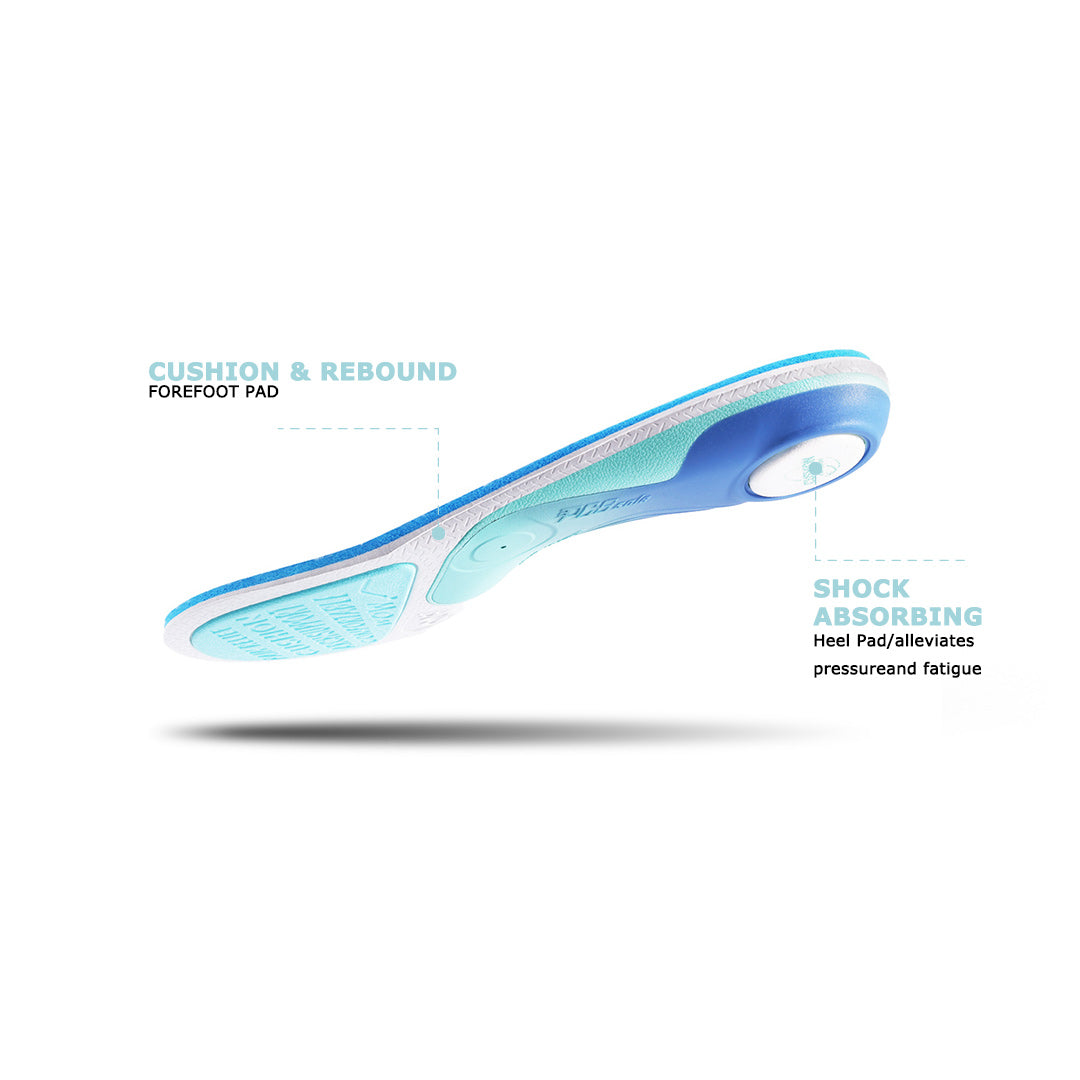
PCSsole Shin Splints Collectiontackles the root cause: instability. Our Deep Heel Cup locks your foot in a neutral position, preventing the excessive rotation that strains your shins. Combined with clinical-grade shock absorption materials, these insoles dampen the ground reaction forces before they travel up your leg. Run further, recover faster.


Why PCSsole Insoles Are Your Best Choice for Shin Splints
- Controls Overpronation: Reduces tibial twisting torque.
- Max Shock Absorption: Dissipates energy from concrete and asphalt.
- Deep Heel Cradle: Aligns the kinetic chain from foot to knee.
Real Foot Pain Relief
Jessica L., Verified Buyer | Nov 2025
These insoles relieved my Shin Splints within days. My feet have never felt more supported!
Daniel R., Verified Buyer | Dec 2025
These insoles have completely transformed my Shin Splints experience. Even better than my previous orthotics!
Emma K., Verified Buyer | Jul 2025
I used to struggle with chronic Shin Splints. Now, my feet are pain-free! PCSsole gave me my freedom back!
Shin splints, formally known as Medial Tibial Stress Syndrome (MTSS), are typically classified as early stress injuries. Stress injuries are generally believed to be on a continuum, with shin splints being the least severe while stress fractures are the most severe. Shin splints are stress reactions that occur from the muscles of the lower low pulling on the tibia (shin). This pulling action causes inflammation and remodeling on the outer surface of the bone. This process is normal, but shin splints occur when the bone cannot remodel fast enough, typically due to overtraining.

What Causes Shin Splints?
- Sudden increases in training intensity or volume
- Running on hard surfaces
- Improper or worn-out footwear
- Biomechanical issues like flat feet (overpronation) or very high arches
- Weakness or imbalance in the calf, ankle, or hip muscles
What are the Symptoms of Shin Splints?
- There is a sharp or dull pain in the front of your shin
- The pain increases when you push on your shins
- The pain increases during and after exercise
- With rest, the leg pain goes away
Shin pain doesn’t always mean that you have shin splints. You should see a doctor, as it could be a stress fracture or compartment syndrome.
How to Avoid Shin Splints?
This is arguably the most important section to read. As there is no best course for treating shin splints, preventing them is of the utmost importance. The key to prevention is gradual exercise progression and ensuring that you’re eating and resting enough to recover from your workout. You’ll want to be familiar with the 10% rule, as this is going to guide your exercise progression.
10% Rule - don’t increase your running and/or weight-lifting volume, intensity, or frequency by more than 10% per week. An example would look like this: you can run 10 miles a week while still feeling healthy and injury-free; it’s safe and reasonable to add another mile next week or to increase your pace for one of your shorter run days by 1 mile (10%).
Nutrition – It’s generally recommended to consume 0.6 – 1.0 g/lbs of protein (1.4–2.0 g/kg), approximately 30% of your calories from fat, and the rest of your calories from carbohydrates. A sample from a 2000-calorie diet and 160 lbs person would look like this:
- Protein – 384 – 640 calories or 96 to 160 grams
- Fat – = 600 calories or 67 grams
- Carbohydrates – 760 to 1016 calories, or 190 to 254 grams
- This was based on a 2000-calorie diet. To determine how many calories you should be eating, you need to consider your resting metabolic rate (RMR) and your activity level. Calculators can be found online to give you a good estimate.
- Rest/Recovery – Resting isn’t just about how much sleep you’re getting; it’s also about what activities you’re doing outside of your training routine. A key example is the person who runs 6 miles in the morning and then works a heavy manual labour job afterwards or plays volleyball for 2 hours in the evening. The stress on your body is cumulative from the whole day.
IMPORTANT ISSUES TO CORRECT:
- Inflexible ankles and hips (see tread/mobility article for help)
- Poor quality shoes/improper foot/ankle support, and alignment
- Start with low volume (mileage) when beginning again.
How Long Do Shin Splints Last?
Most people who have shin splints recover after taking time off from sports and activities. Shin splints often go away once your legs have had time to heal, usually in three to four weeks. Most people can resume an exercise program after their legs have healed. It takes longer to recover from a stress fracture, so it’s best to treat shin splints early.
Shin splints aren’t permanent. You should be able to ease pain from shin splints with rest, changing the amount of exercise you’re doing, and making sure to wear supportive footwear. If your shin splints don’t go away over a long period of time, see your healthcare provider. You may need to be tested for stress fractures or other conditions that could be causing the pain. Preventing shin splints from returning may require an evaluation of your footwear, stretching, and flexibility.
How Can Inserts Help Shin Splints?
A good pair of shoe inserts for shin splints will help reduce strain on the tibialis posterior to allow the muscle and connective tissue to heal. This will lead to relief from shin splint pain and help prevent shin splints from recurring.
The best way to reduce strain on the tibialis posterior is by ensuring you are walking or running on a healthy, stable base, with neutral alignment. This will allow your body to work with full efficiency from your feet upward.
It’s also important to reduce strain in your feet and absorb some of the shock experienced by your feet, ankles, and stabilising muscles as you take each step.
To achieve these various aims, an orthotic for shin splints should combine dynamic arch support with a deep heel cup.
Supportive Insoles for Shin Splints
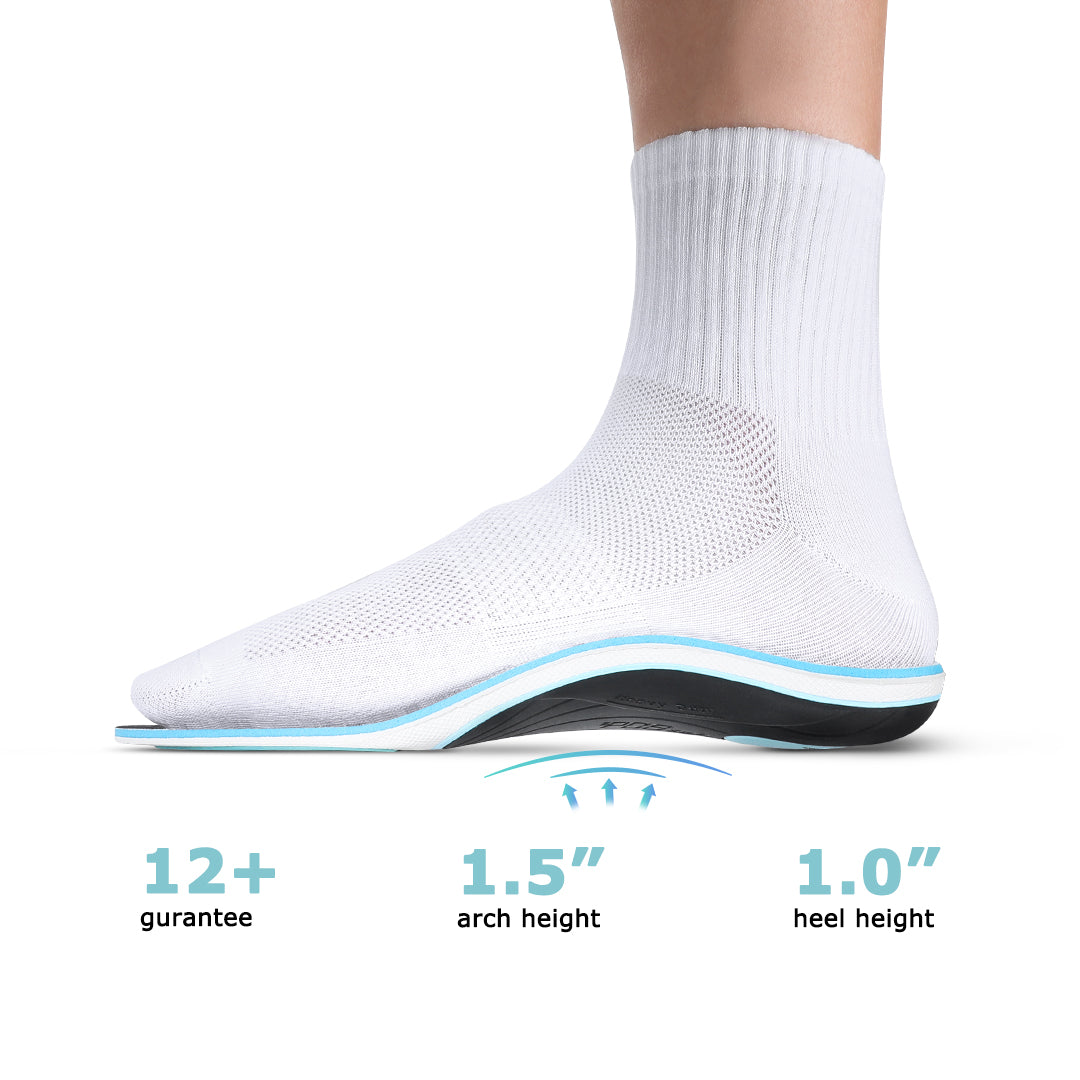
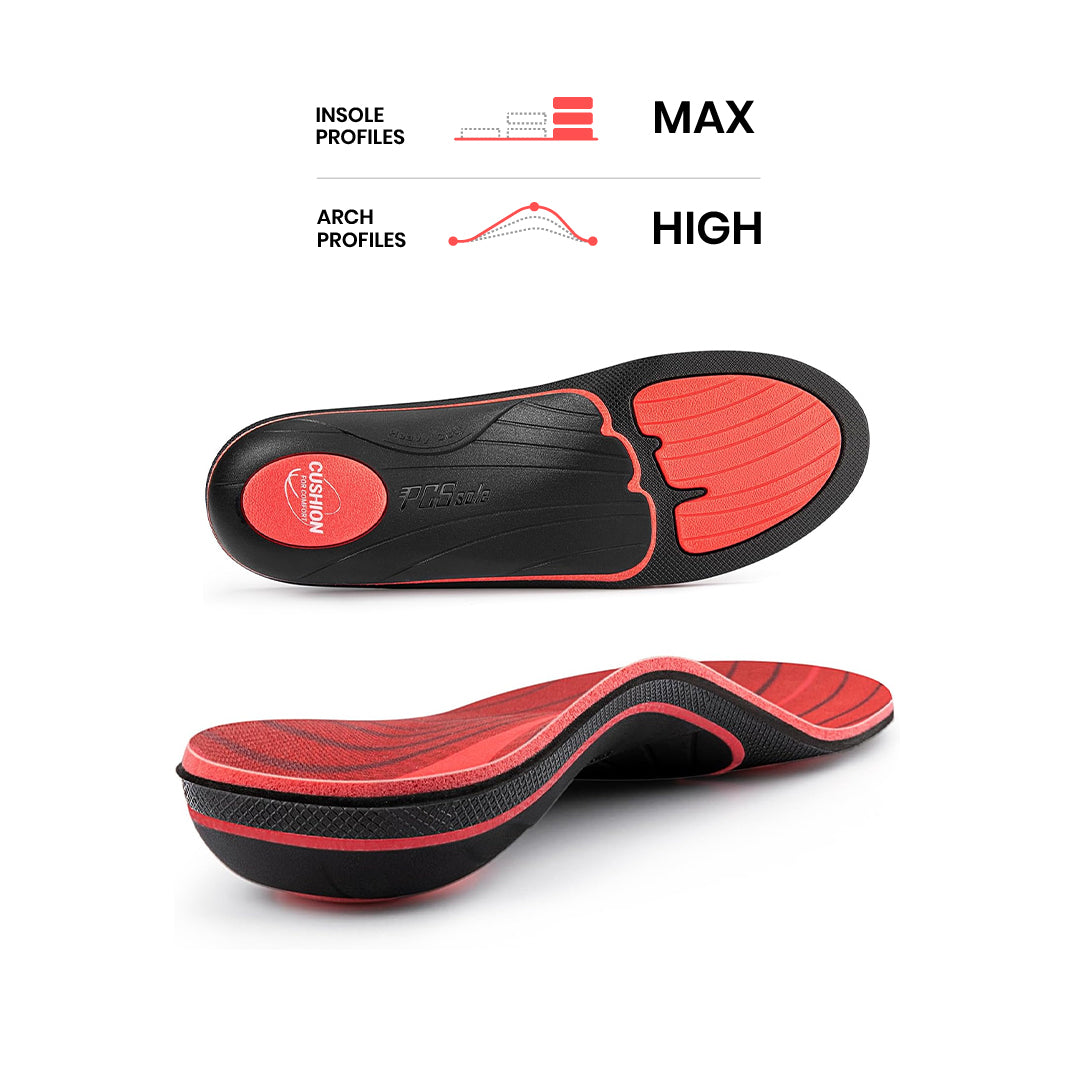
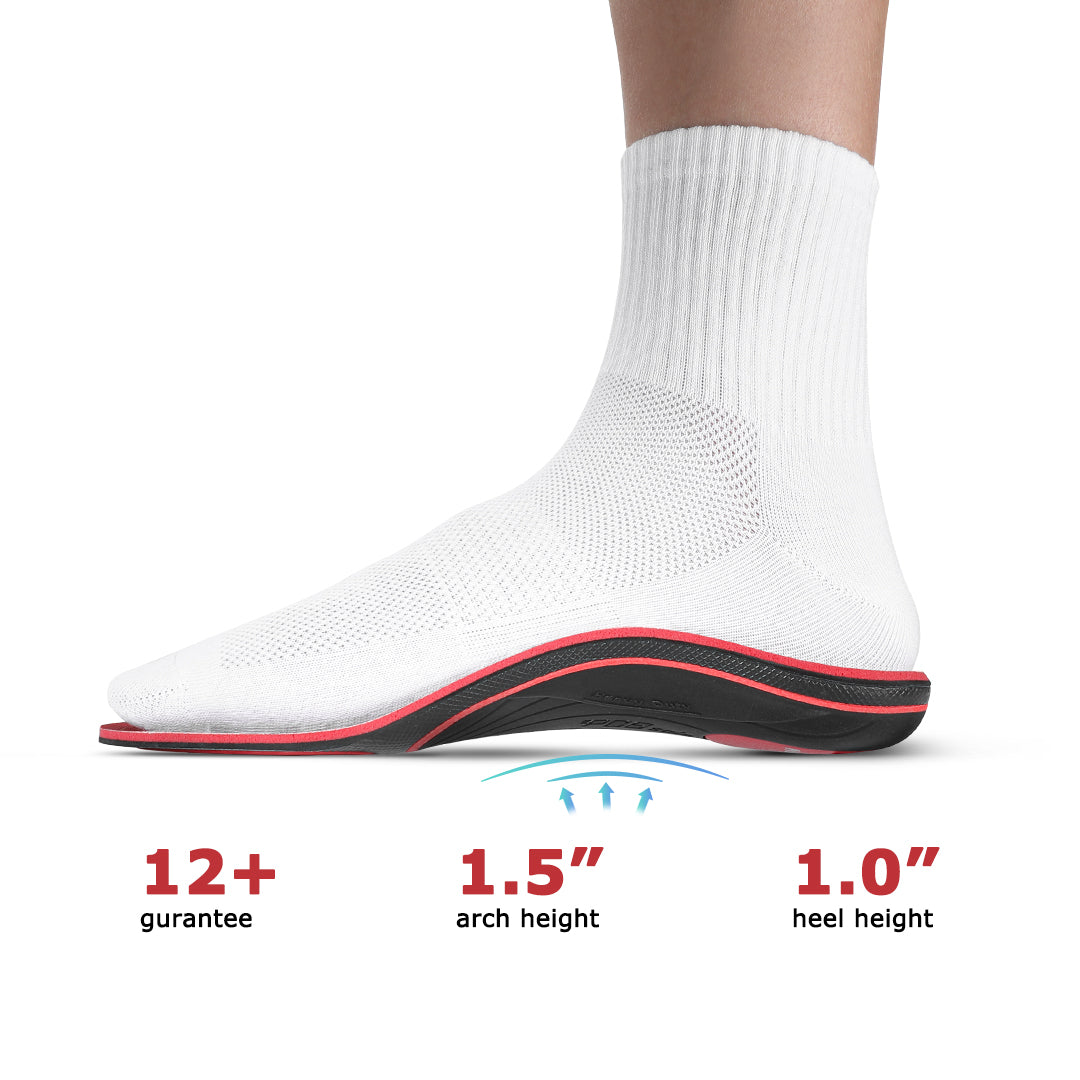
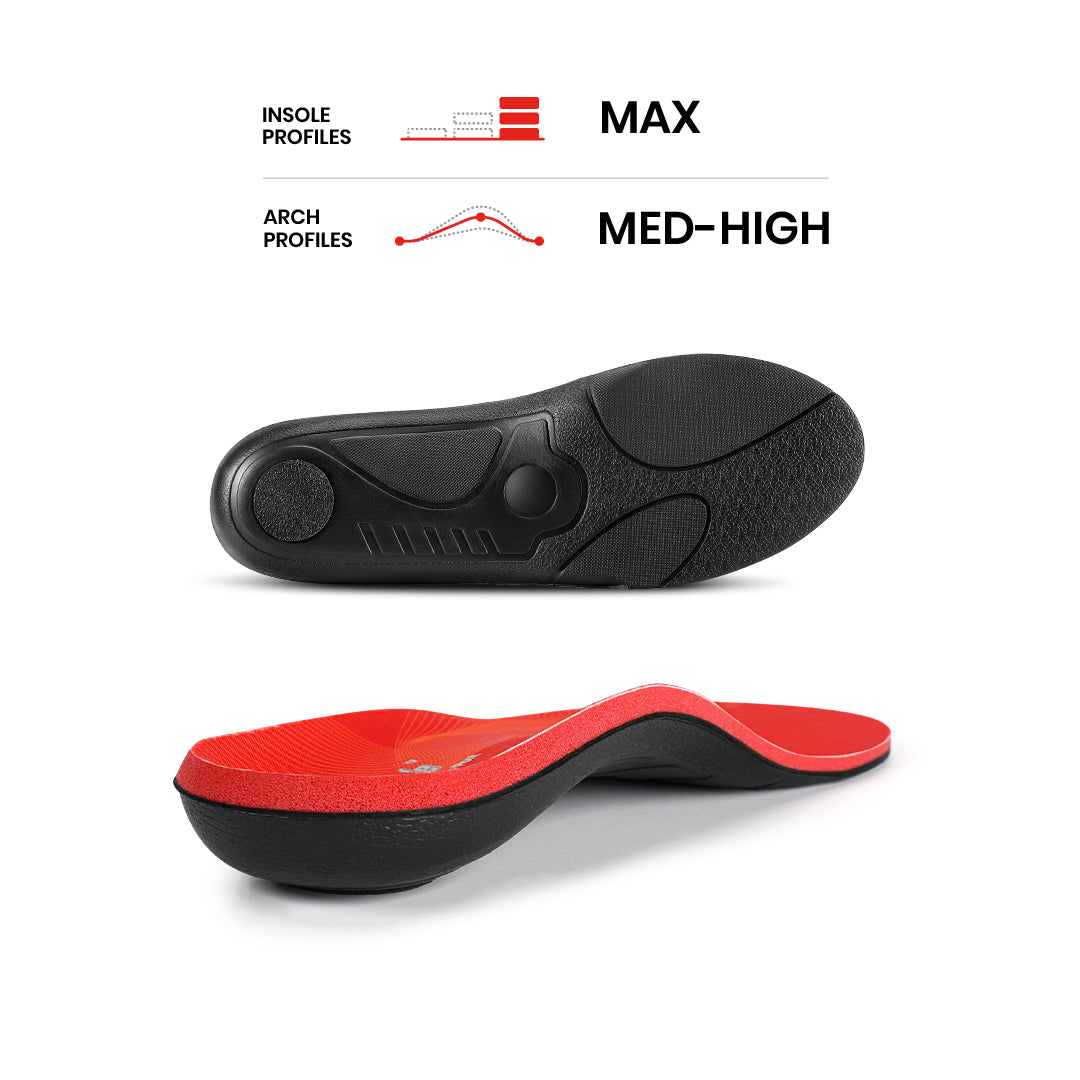
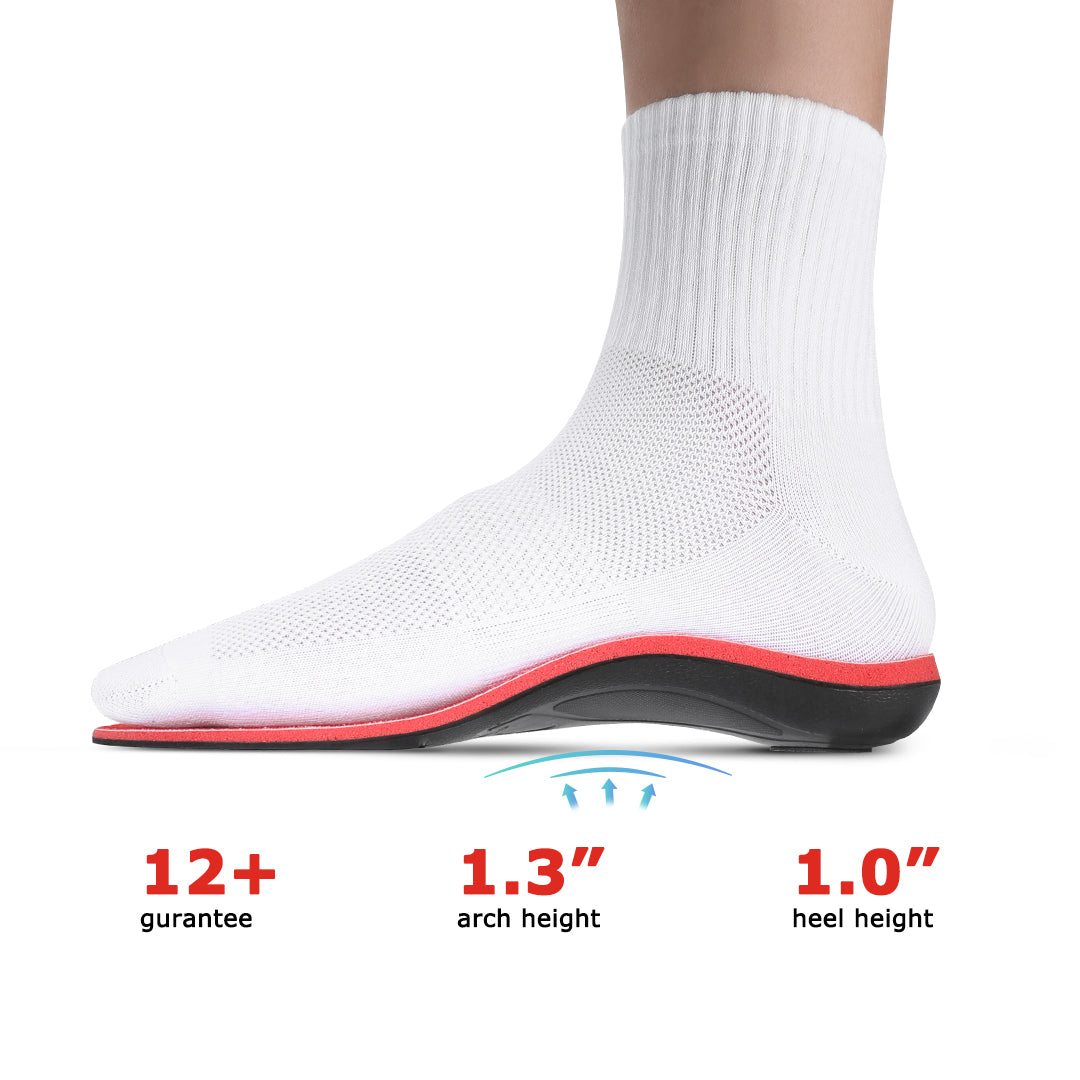
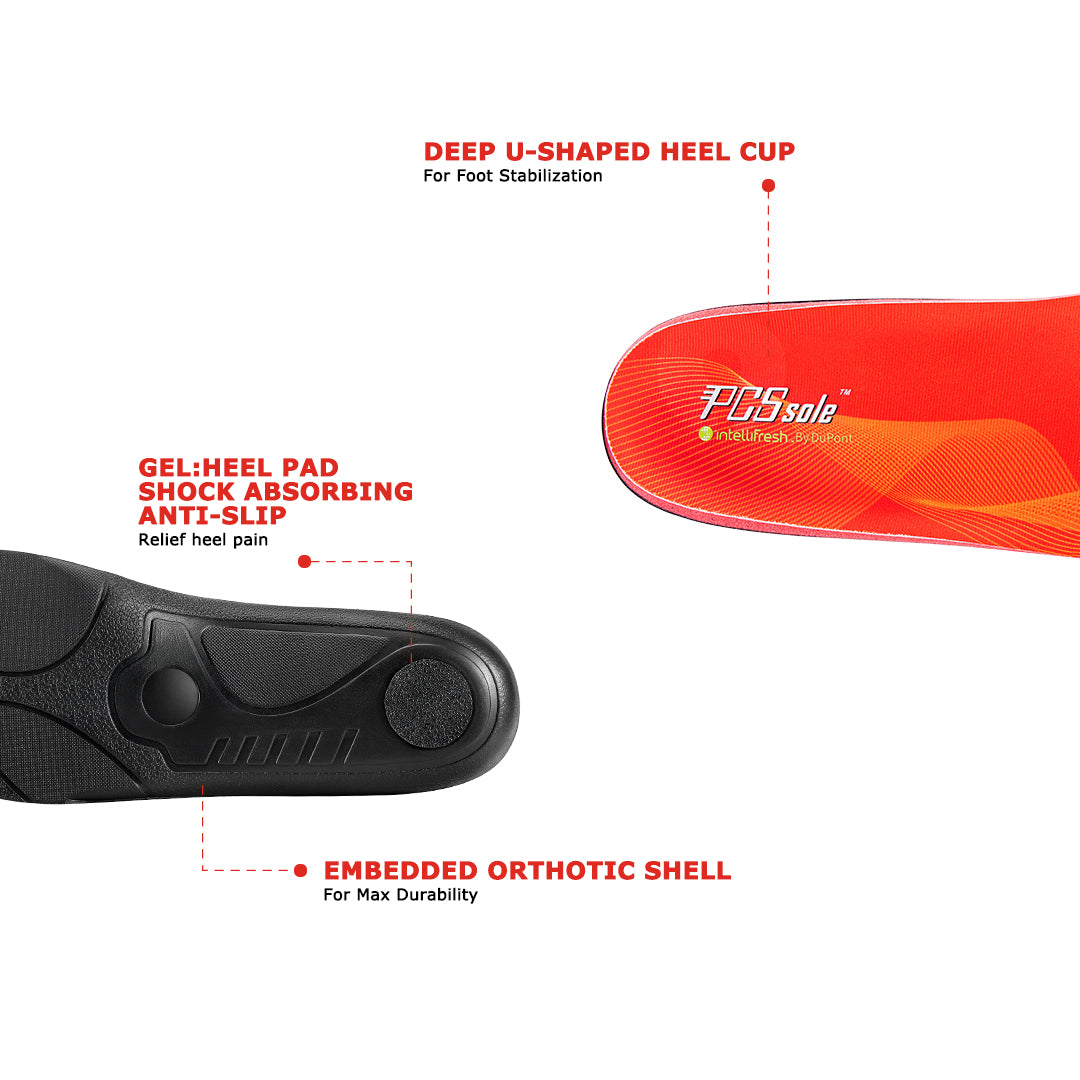
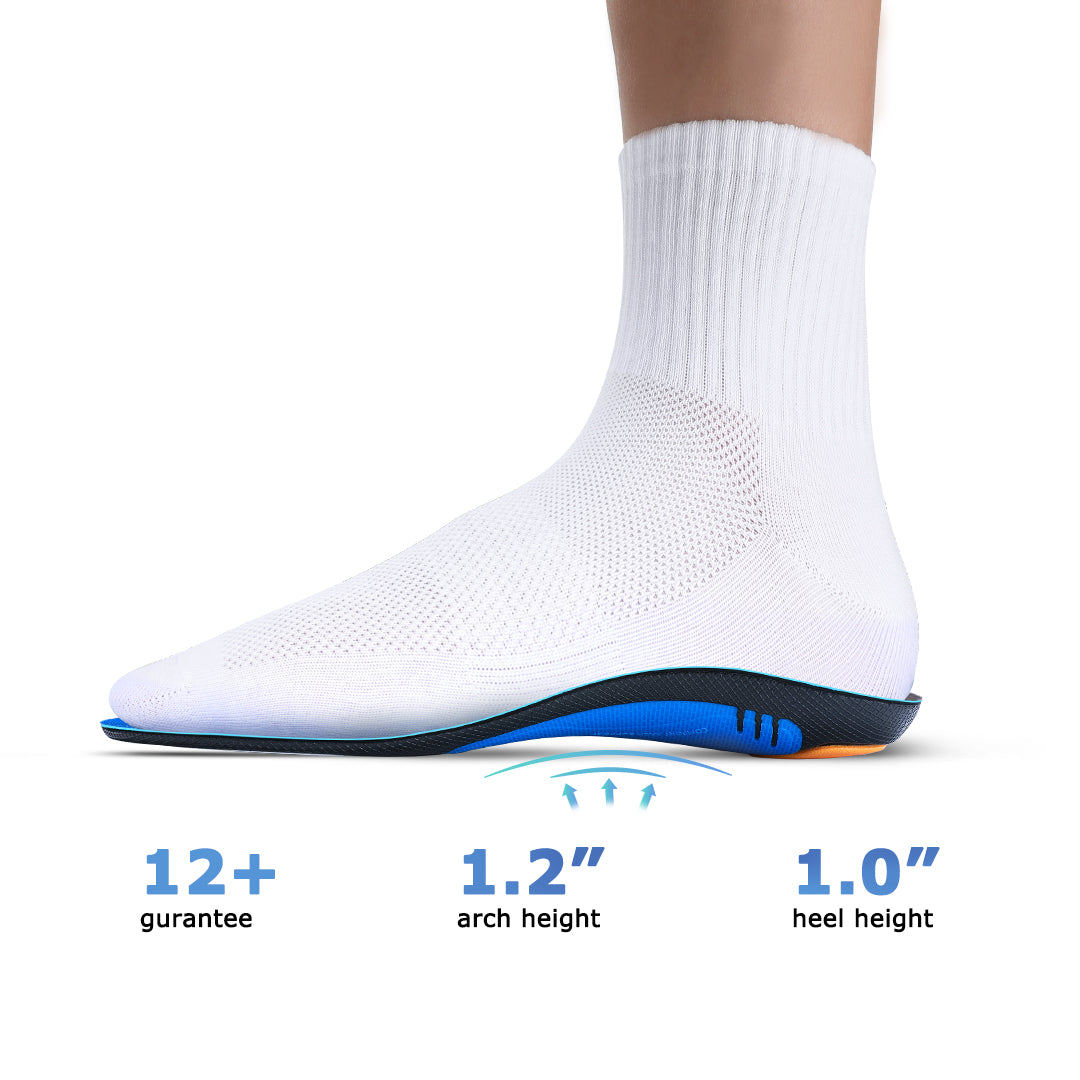
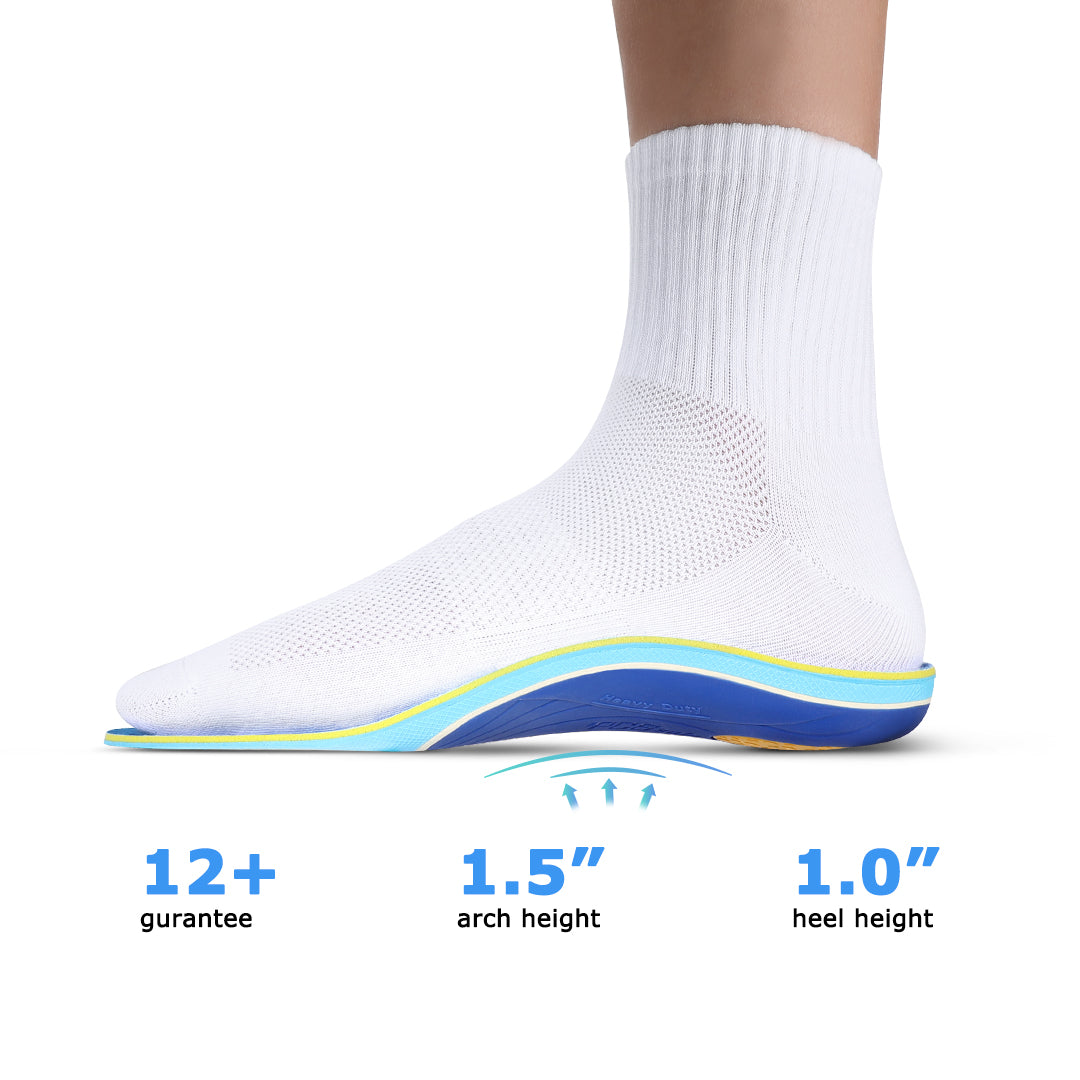
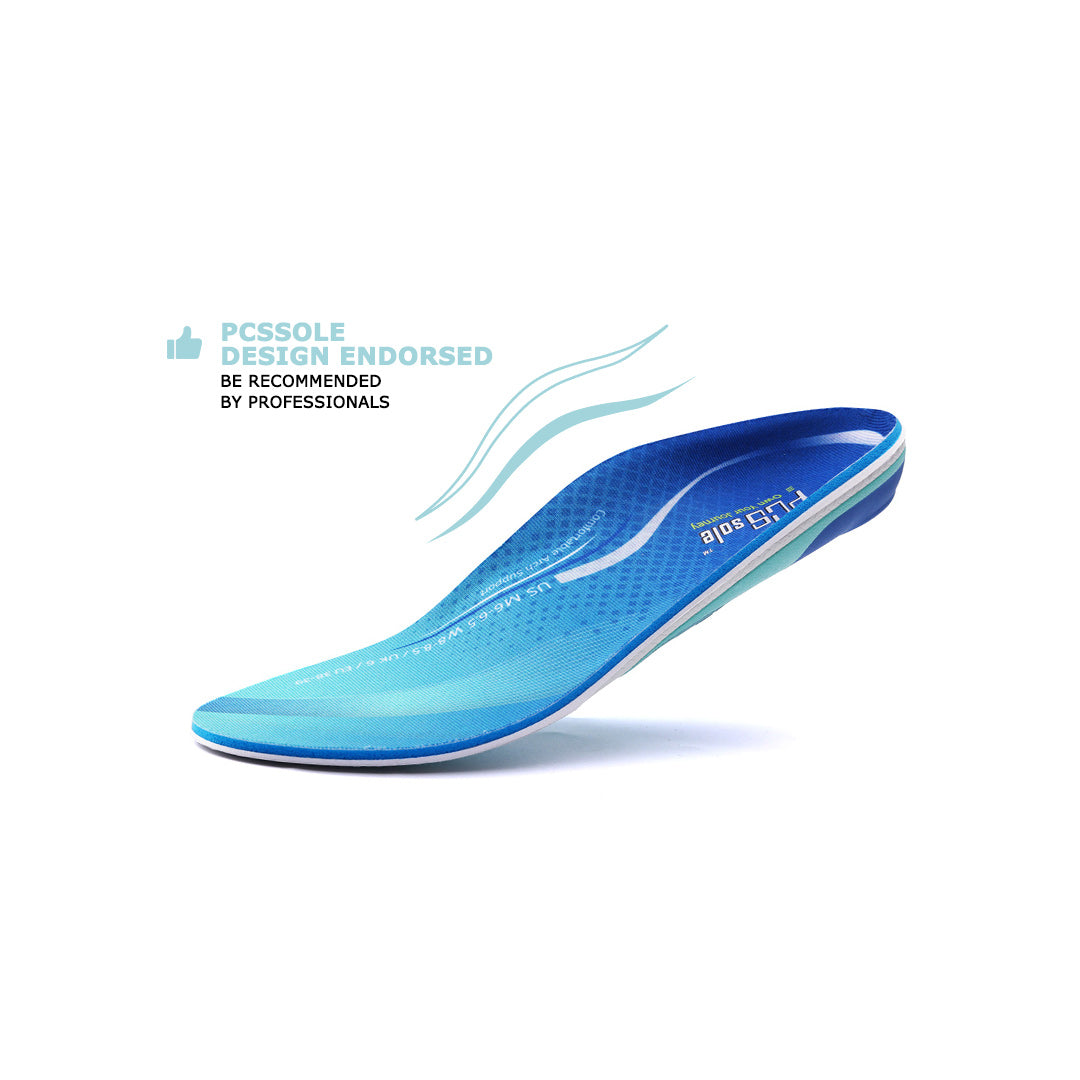
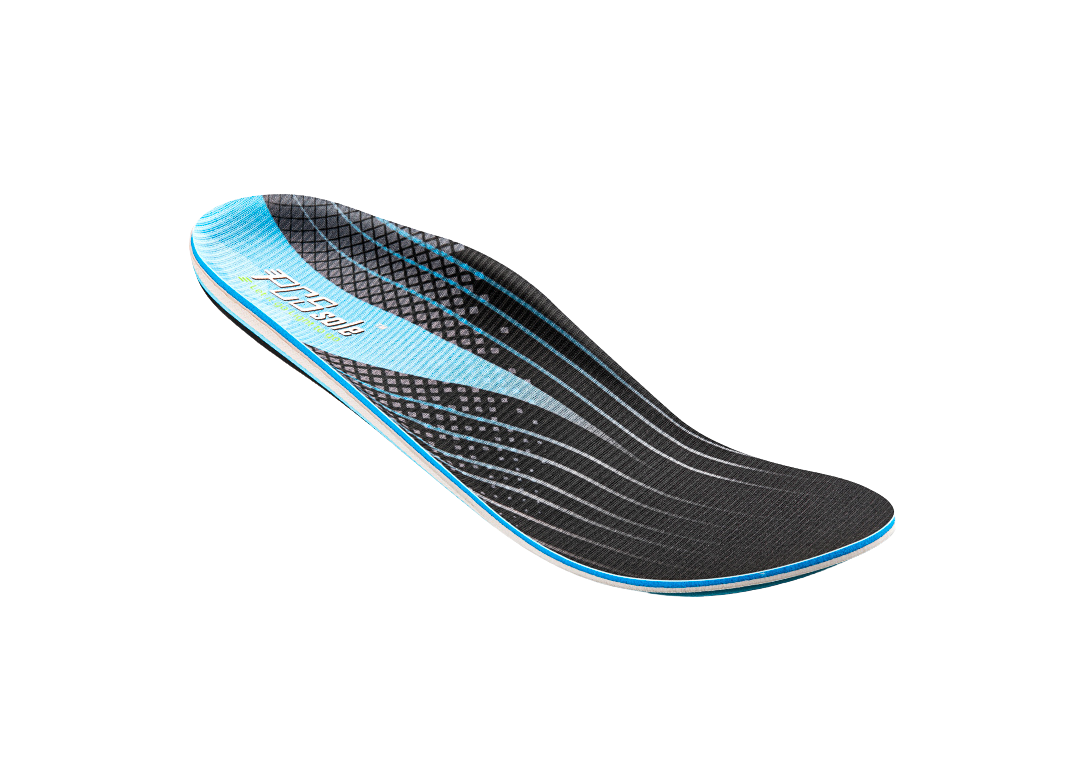
PCSsole insoles all feature the Signature Supportive Shape, which combines dynamic arch support and a deep heel cup. These two features work together to help promote neutral alignment in your feet, ankles, and beyond.
By supporting the arch from beneath and cradling the heel from the back and sides, PCSsole insoles prevent inefficiencies of movement. This means less strain on your joints and the muscles that stabilise them, like the tibialis posterior.
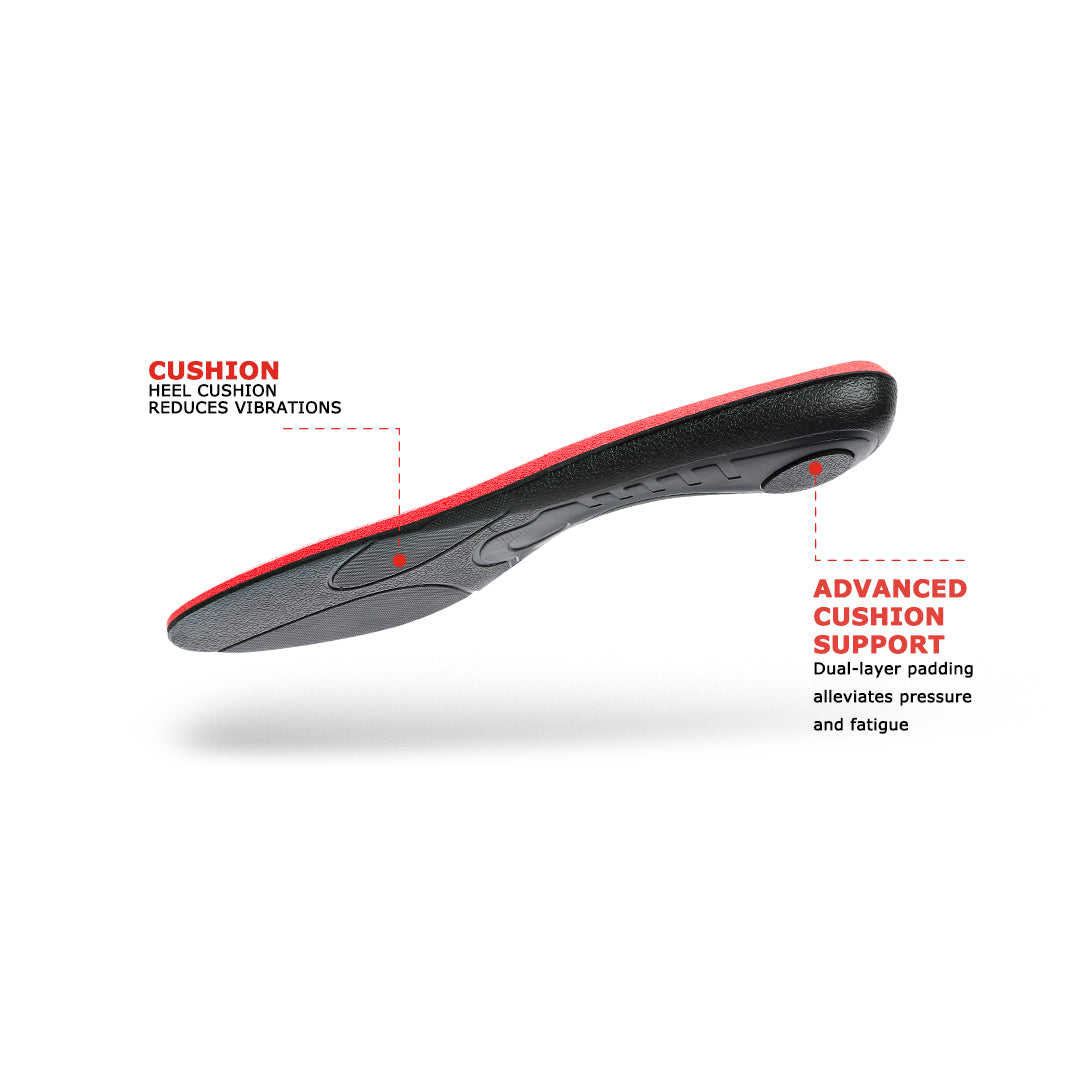
The arch support in PCSsole insoles is also dynamic, meaning it flexes with your foot as you take each stride. This helps to absorb shock, which also helps greatly to reduce the strain and stress experienced by your lower leg while running or walking. PCSsole insoles are clinically proven to reduce strain in the feet by an average of 34%.
One of the top recommendations for avoiding shin splints is ensuring your shoes aren’t worn out and can absorb shock effectively. PCSsole insoles approach shock absorption by adding anatomical support to help your feet absorb the energy of impact more efficiently. This doesn’t replace good cushioning, but adds a level of energy absorption that foam cushioning alone can’t match.