

Table of contents
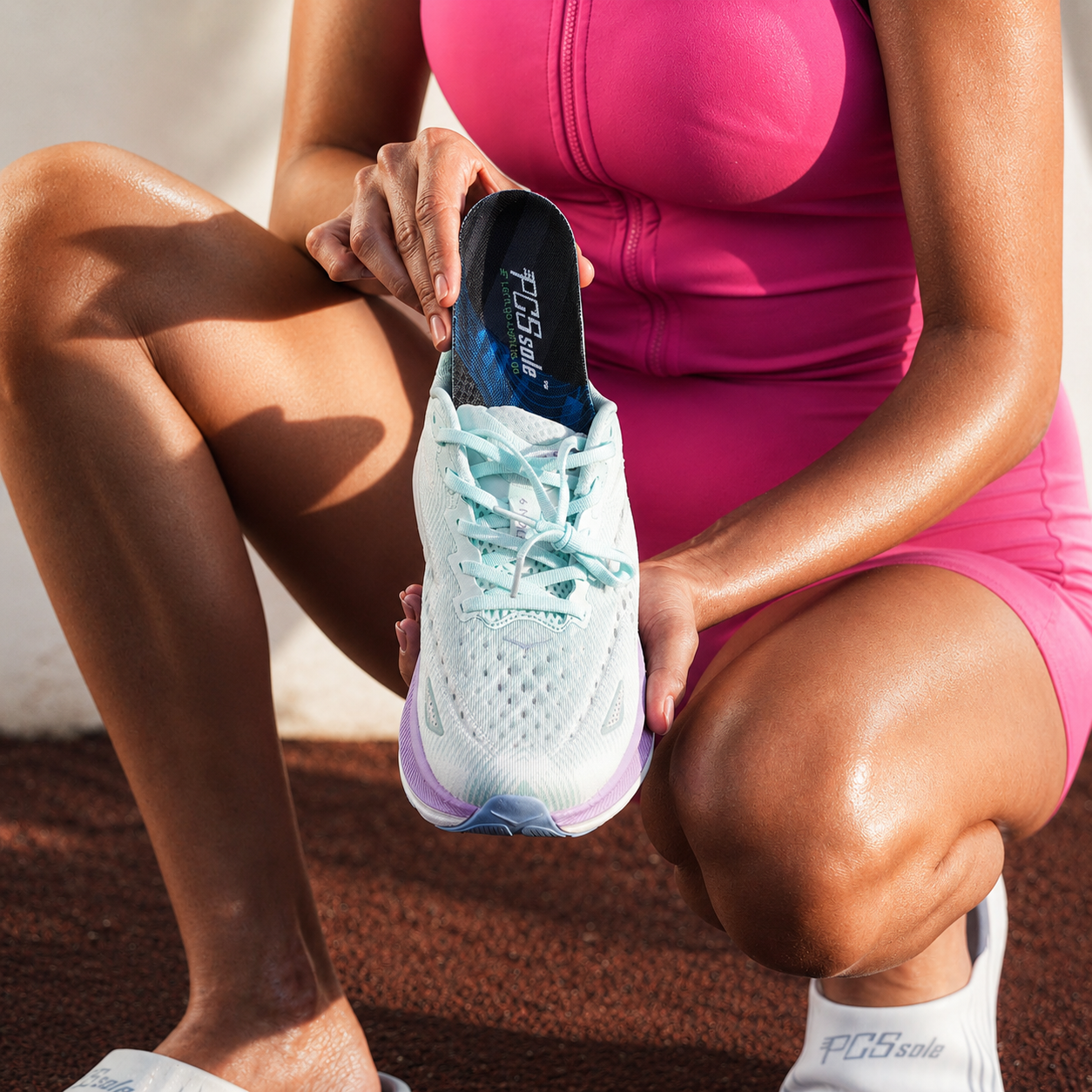
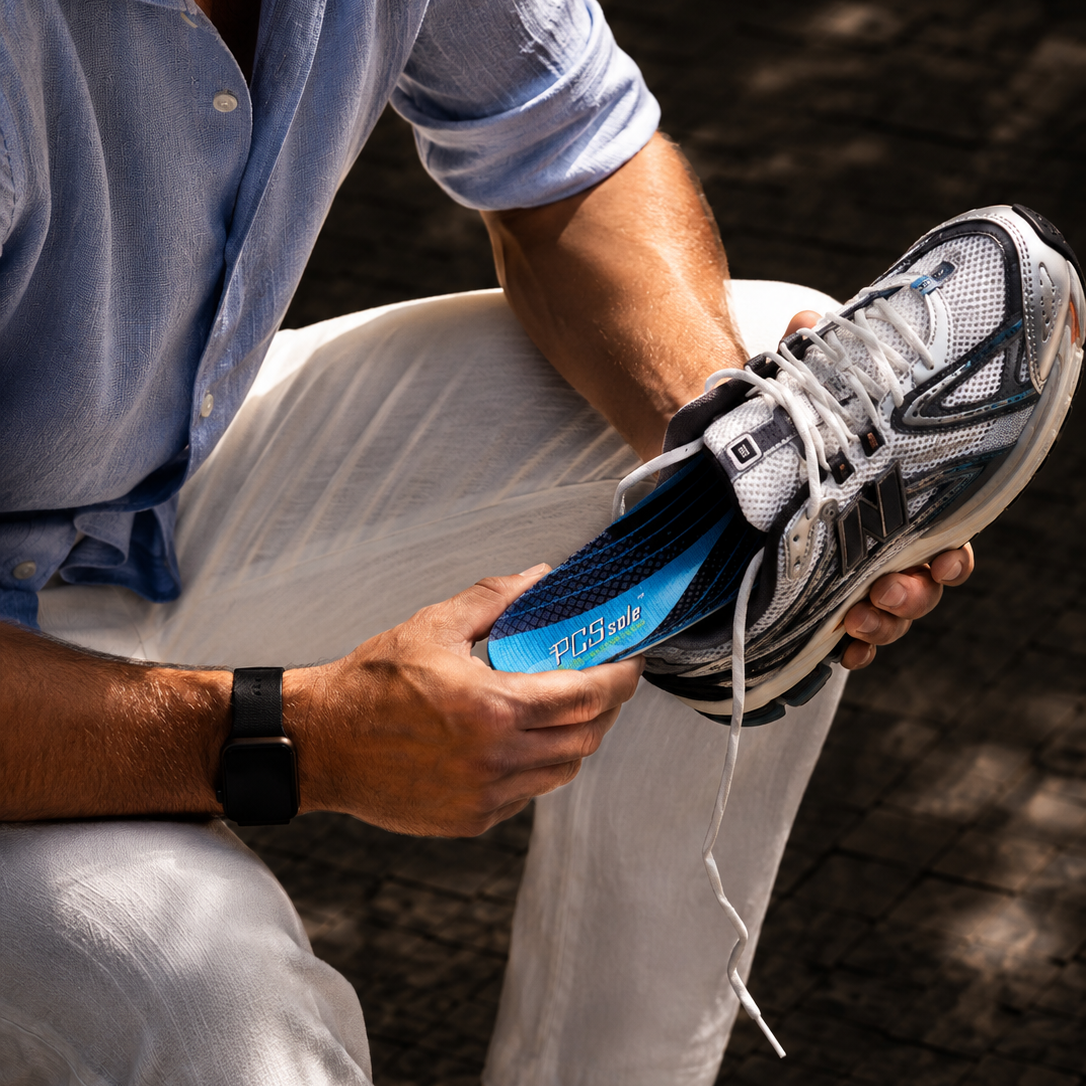
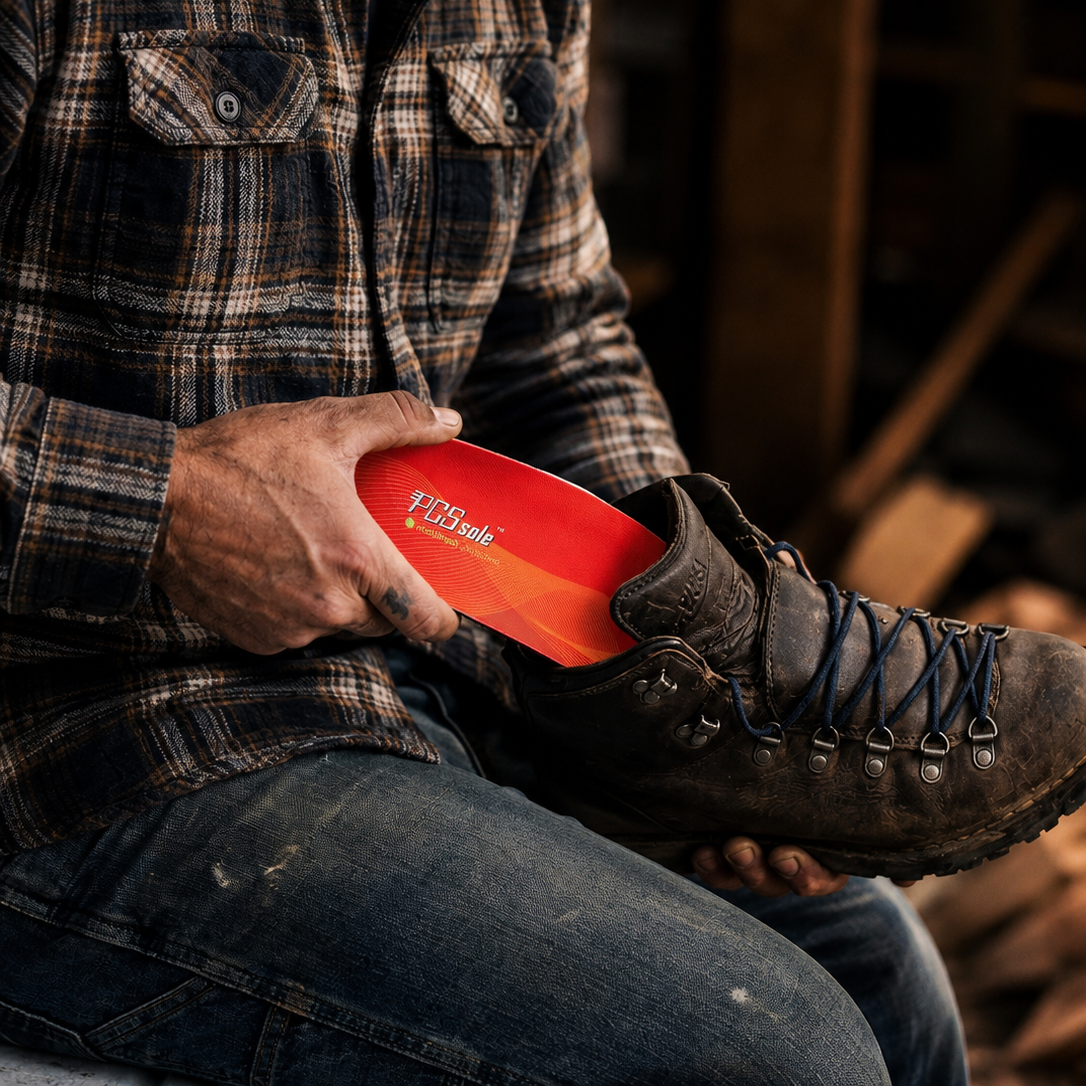
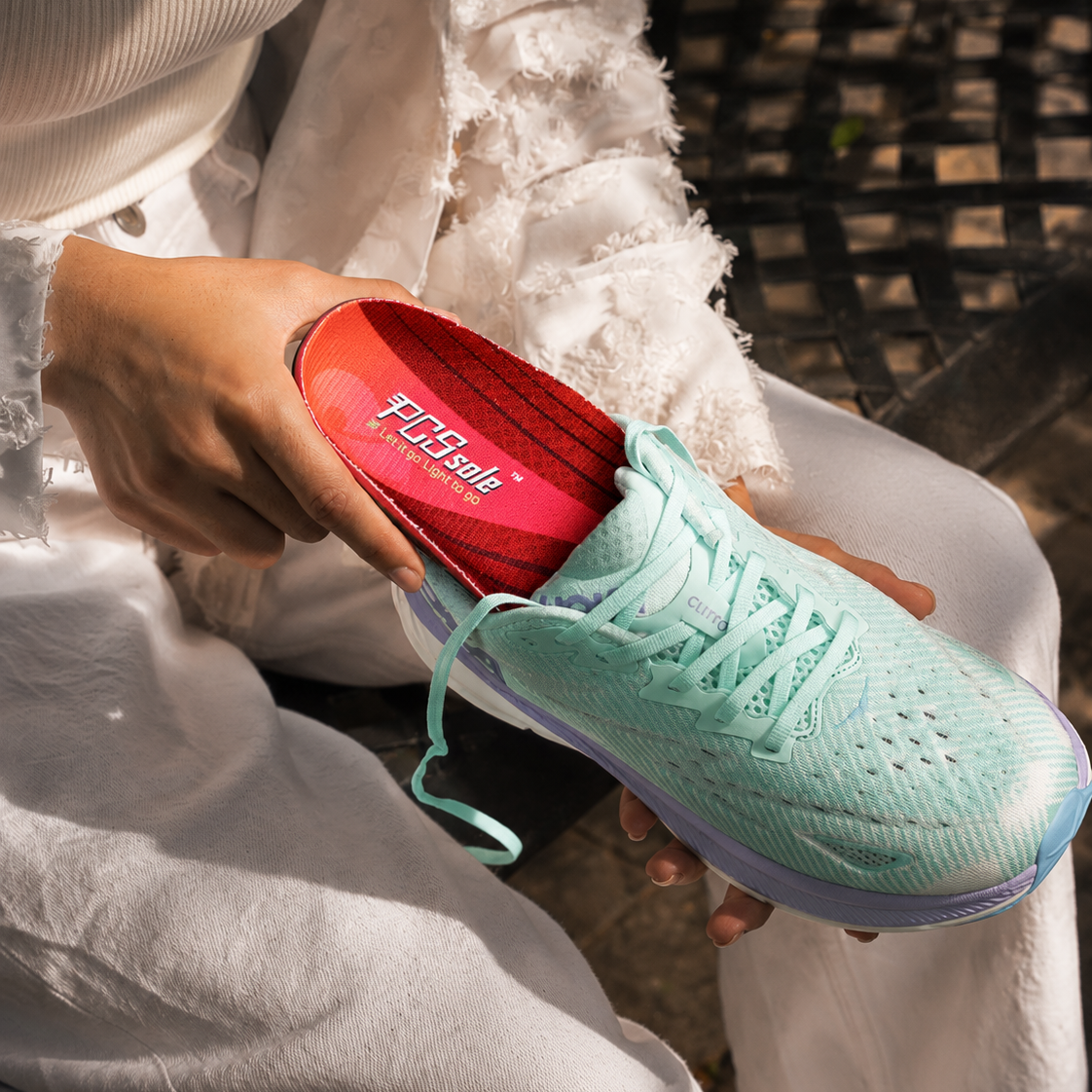
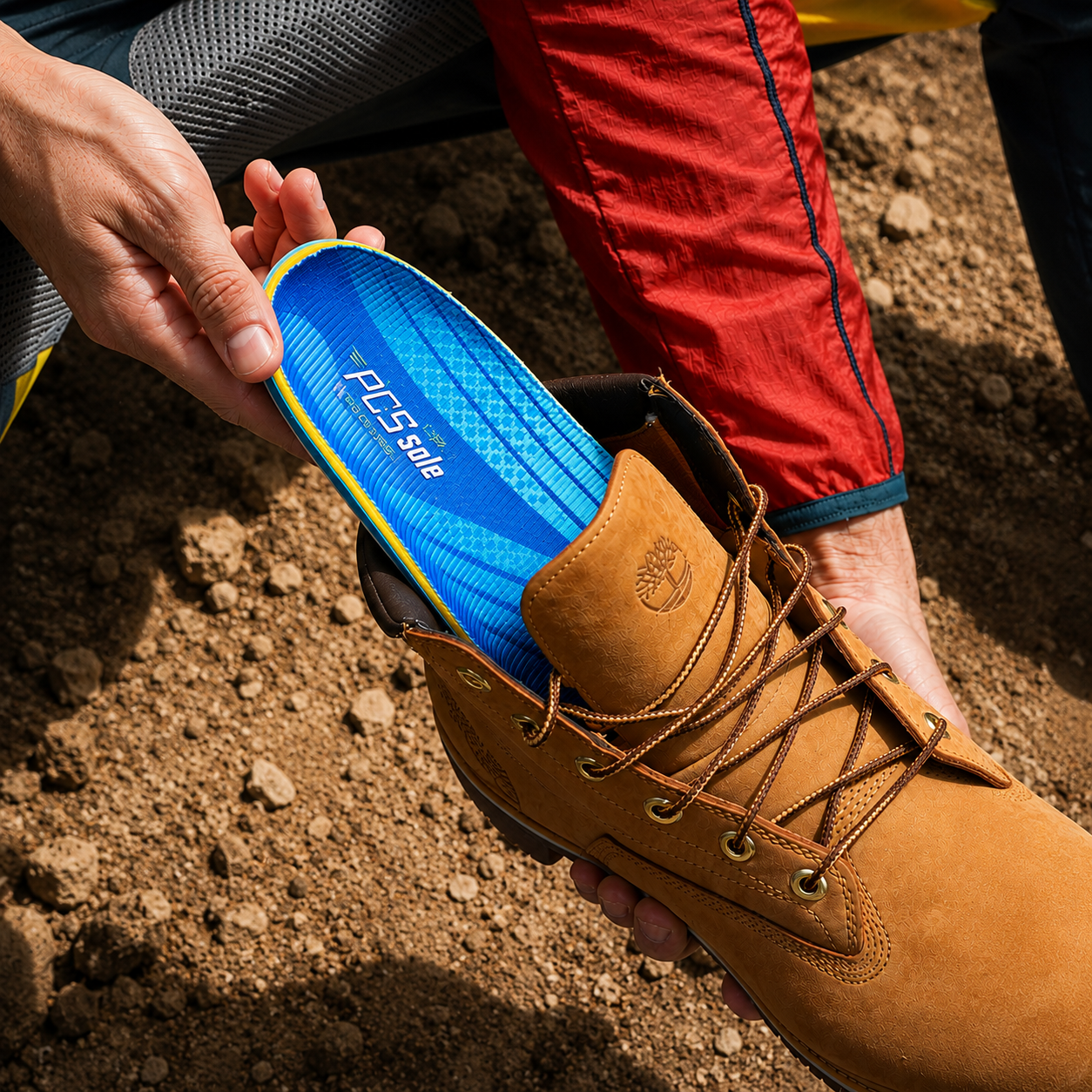
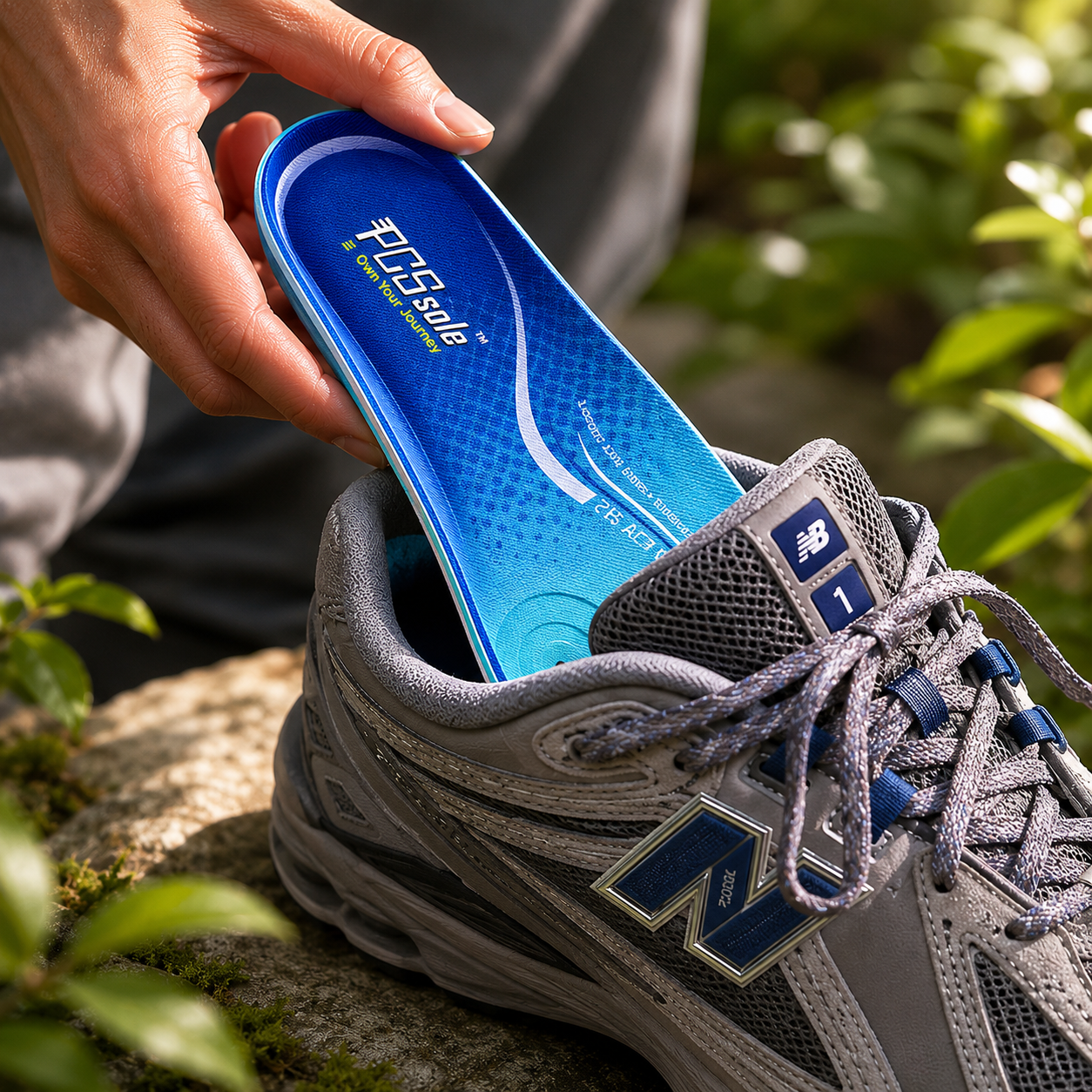
You might be used to putting insoles in your children's shoes, but you can also get specialized insoles for hiking boots. These can significantly increase comfort and even revitalize an old pair of boots that is starting to feel worn out.
A common problem in hiking is having excess movement (up and down) inside your boots. If you notice your walking socks constantly sliding down your legs, it might not be the socks' fault; it could be due to extra movement inside the boot. This suggests that you need to improve the fit of your walking boots.
Hiking boots run the gamut from modern, trail-runner-inspired models to traditional leather heavyweights. To help you sift through the options, we have curated a list of the 5 best hiking boots for 2026, categorized by their strengths on the trail.
Understanding the Most Common Hiking Foot Pain Issues
Hiking footwear is typically made with a durable exterior. The material is strong enough to slide against rocks, trudge through creeks, and push past thorny vegetation without ripping or wearing out.
Hiking boots are great for protecting your feet from the elements. Unfortunately, the contact between a foot and a boot’s interior can be less than gentle.
Feet are sensitive, and hiking can be rough. Each step is different, as our feet twist, bend, and slap down repeatedly on rocky, uneven terrain.
Hiking can exacerbate any foot pain you have. Additionally, hiking can bring about other painful conditions, such as:
- Blisters
- Hot spots
- Plantar fasciitis

Pain from hiking can occur throughout the entire foot, as shown below.
Hiking Foot Pain Issue |
Part Of Foot |
|---|---|
| Blisters | Areas of friction throughout the foot |
| Pre-blister hot spots | Areas of friction throughout the foot |
| Plantar fasciitis | Bottom of the foot in the heel and arch |
Blisters and Hot Spots
Blisters are caused primarily by friction. During hiking, the skin of your feet rubs continuously against your shoes and socks, causing skin cells to become damaged over time.
Before you notice blisters, you might feel hot spots. A hot spot is a pre-blister state. As the skin stretches and nears a point of tearing, it begins to feel warm and tender. If friction continues, the body sends fluid to the hot spot to assist in healing the skin, forming a blister.
The friction from hiking is enough to cause some nasty blisters, but the warmth and moisture that are often present during a hike can make blister pain even worse.
Insoles can’t eliminate friction, but they can provide a softer surface for your foot to rest on. By reducing hard contact and redistributing the pressure of your footsteps, a pair of firm and supportive insoles promises major blister reduction for active hikers.
Plantar Fasciitis
Plantar fasciitis is another painful issue that commonly plagues the feet of hikers. This condition involves inflammation in the bottom of the foot. The pain is described as “stabbing” and occurs around the area where the heel meets the foot’s bottom.
The repetitive strain of hiking footsteps can cause or exacerbate plantar fasciitis. This is especially true for hikers with flat feet.
Flat-footed individuals tend to angle their feet inward. This strains the tissue that connects your heel to your foot (plantar fascia), sometimes resulting in plantar fasciitis.
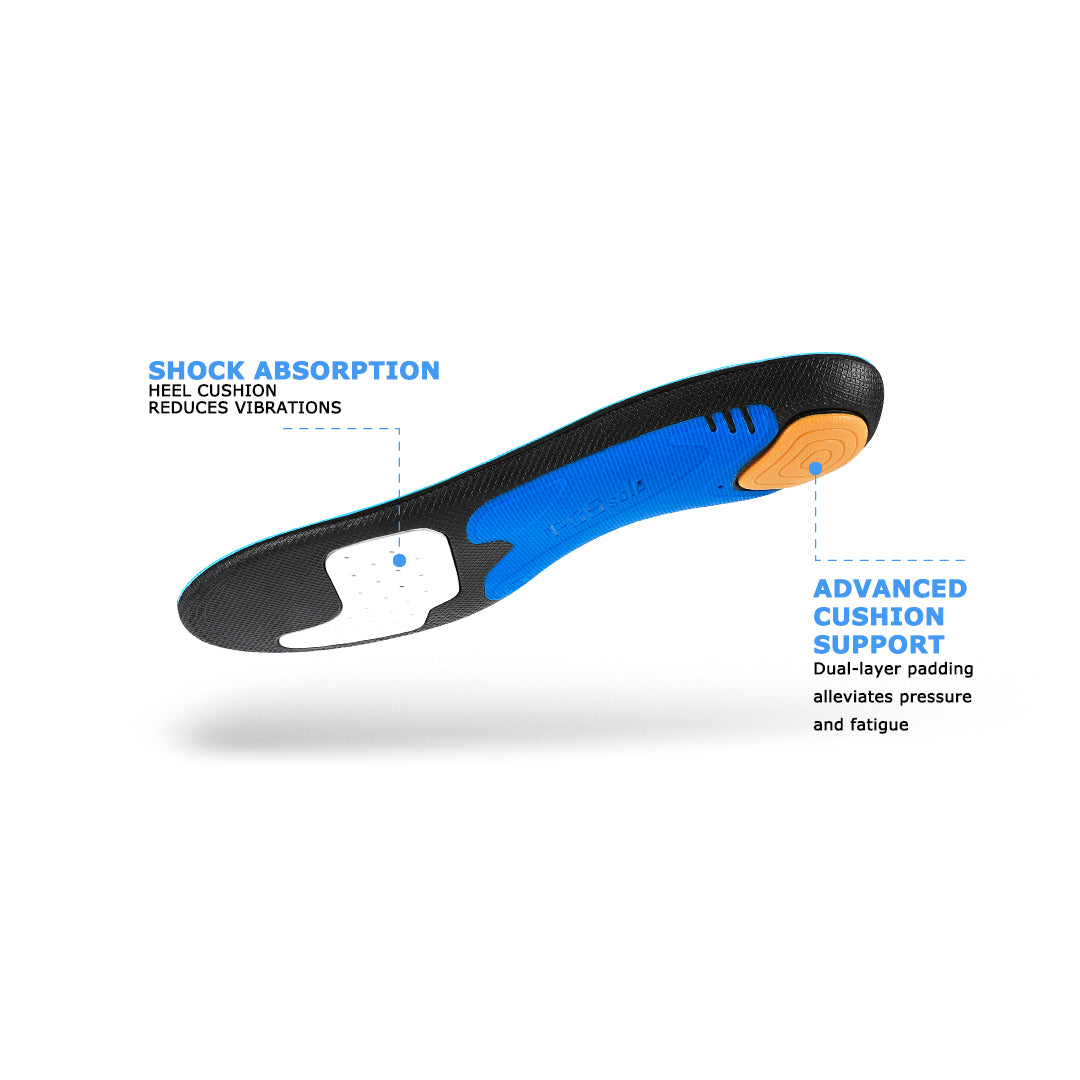
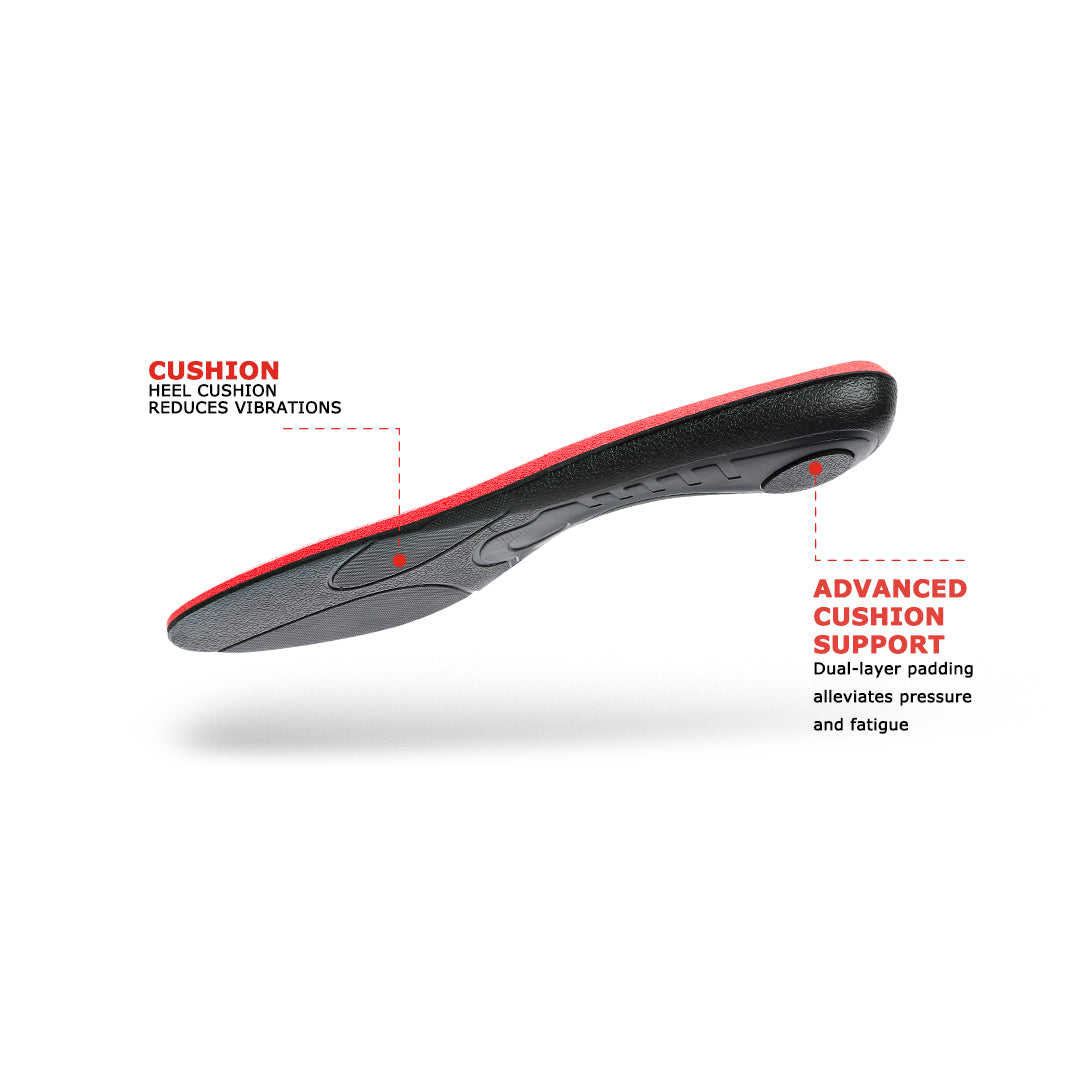
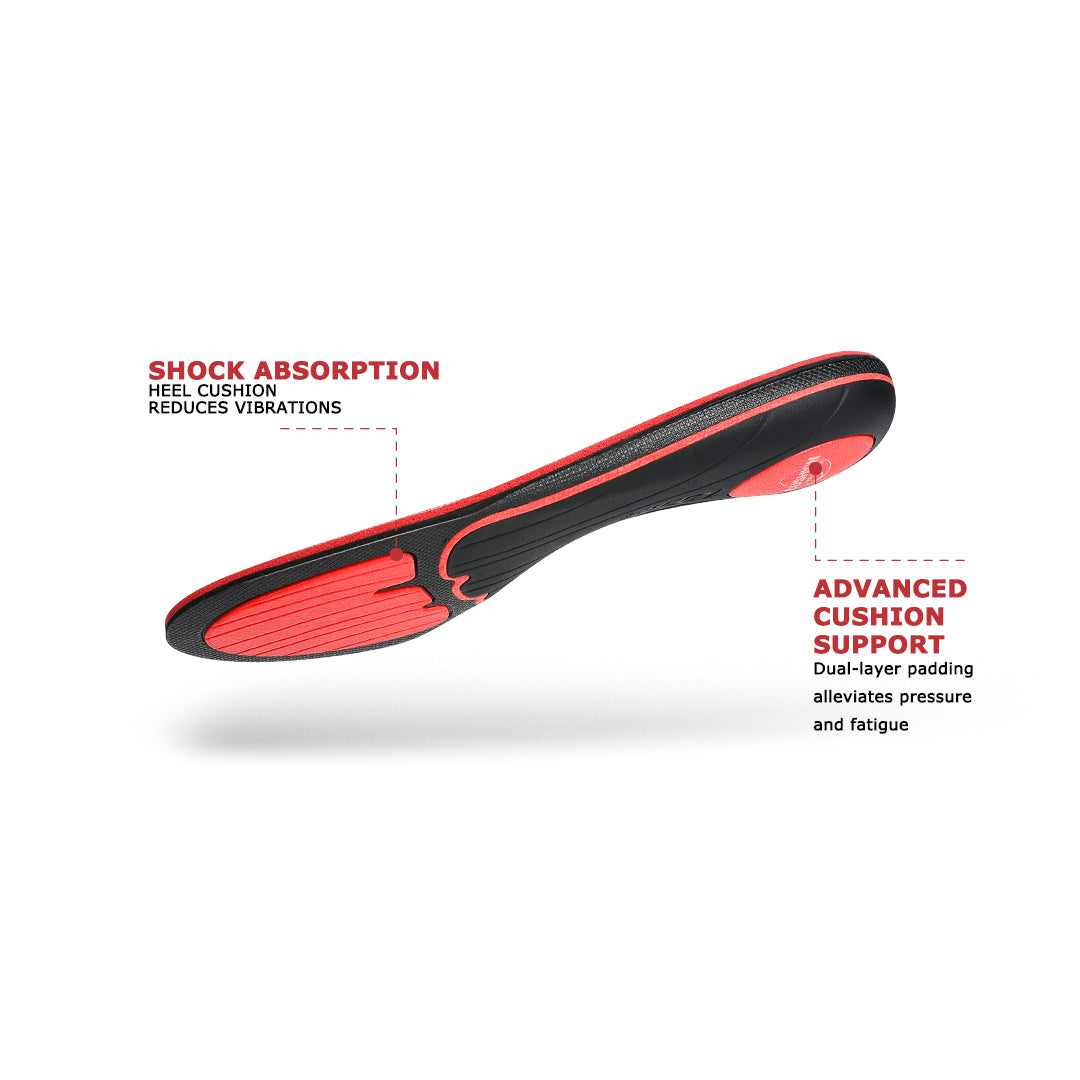
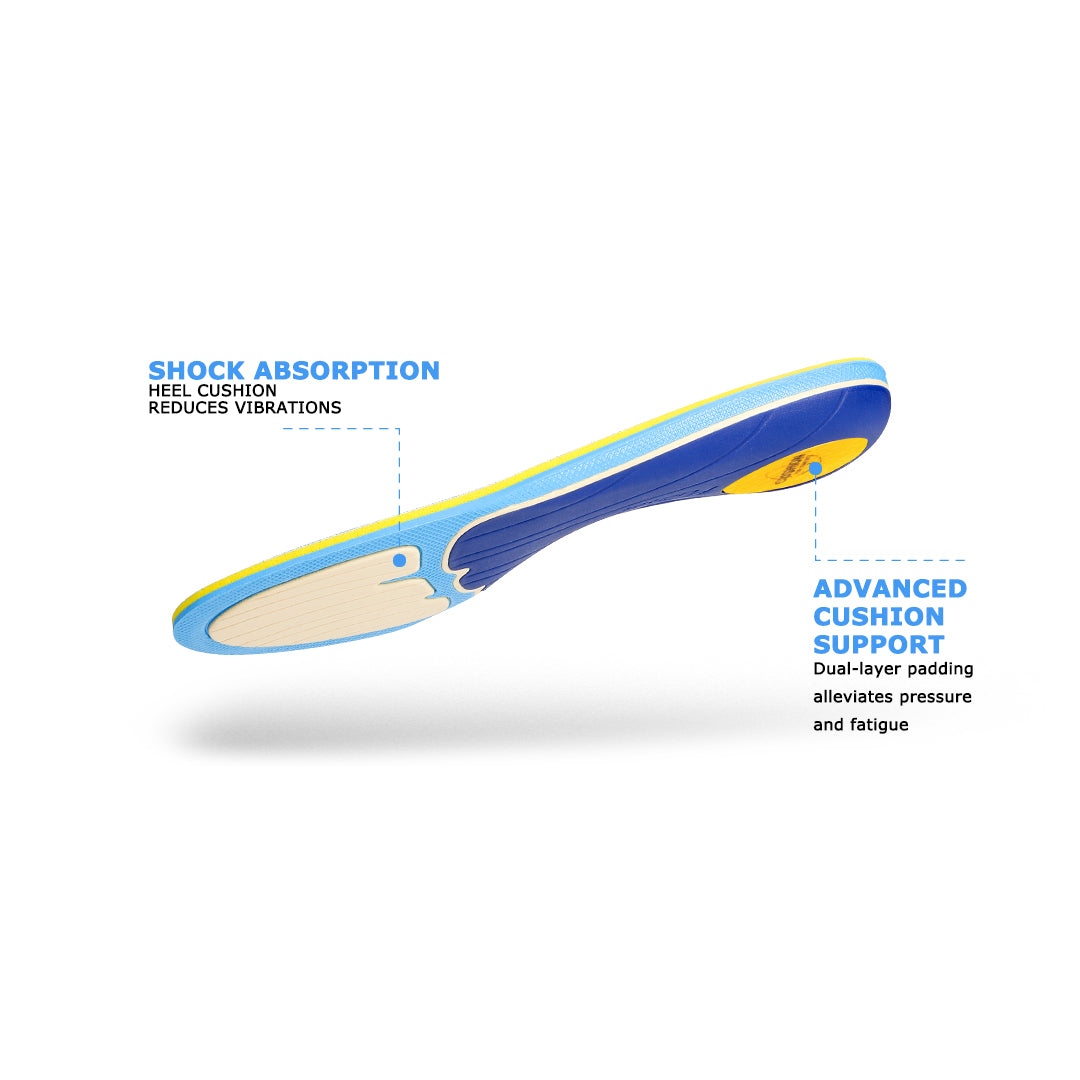
If hiking irritates your plantar fasciitis, insoles can help. Firm insoles provide shock absorption and weight distribution, relieving the pressure that builds up over the thousands of high-impact footsteps you take while hiking.
"These made my old hiking boots feel brand new. I never realized how much proper support I was missing until I replaced the stock liners with these. Hiking without them is a recipe for sore feet. These are supportive, durable, and exactly what I needed for the outdoors."
— Mountain Climber, ★★★★★ Verified PCSsole Reviewer

Why Use Insoles In My Hiking Boots?
Why use insoles in your hiking boots? The answer is extremely simple: because hiking insoles help prevent foot pain. Tucked away in a specific corner of your mind, you probably have the painful memory of a walk or trek ruined by a blister, a black nail, rubbing, a sore spot, or muscle fatigue. Well, the insole's job is to protect you from these problems. Allowing you to concentrate on the unique pleasure of roaming in nature.
After the 'why', naturally comes the 'how': how, in practical terms, can hiking insoles increase comfort and prevent foot pain?
- Hiking insoles firstly offer arch support. As the kilometers go by and as the foot tires, the arch tends to sag. The hiking insole then acts by relieving the arch of the foot, supporting it, and thus limiting muscular pain.
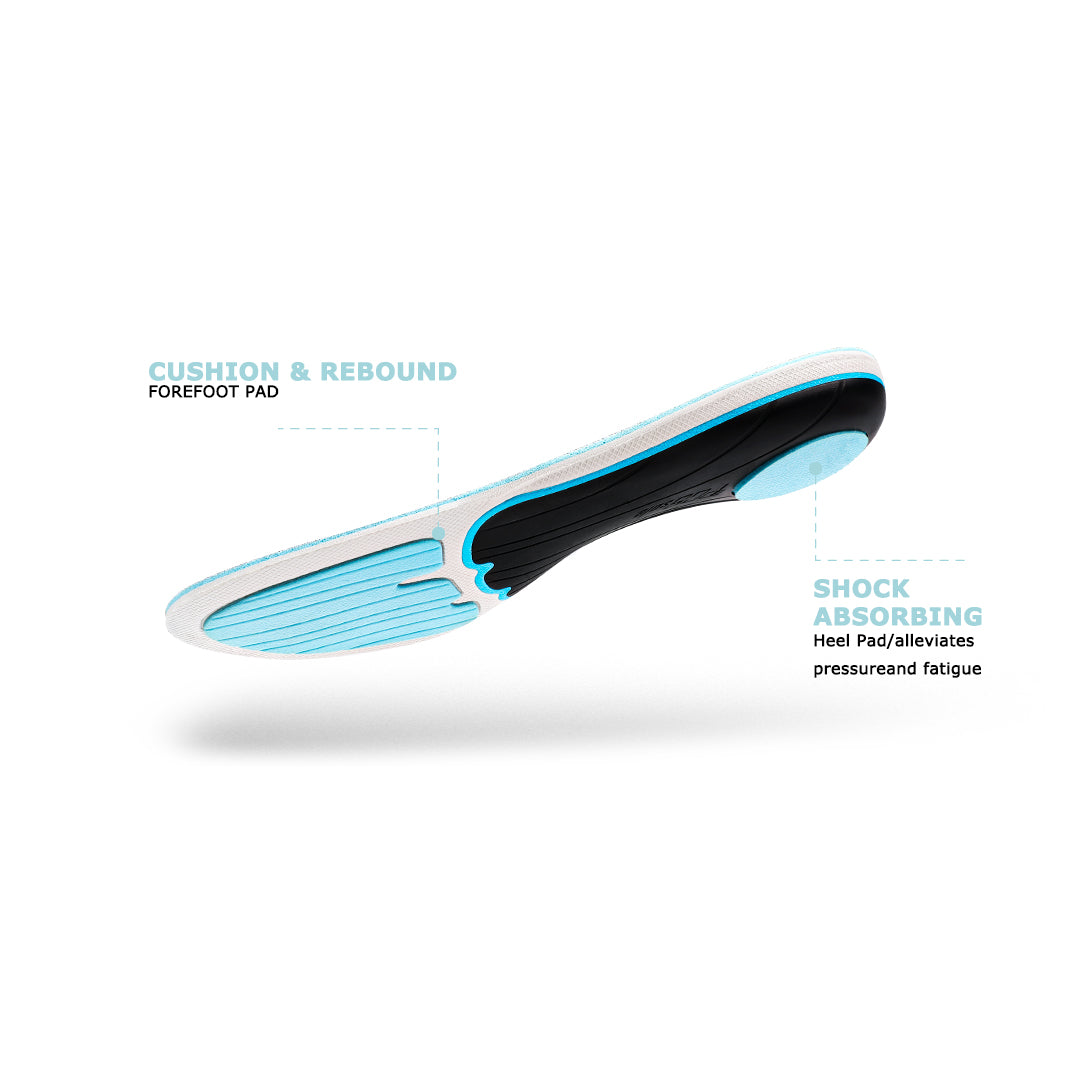
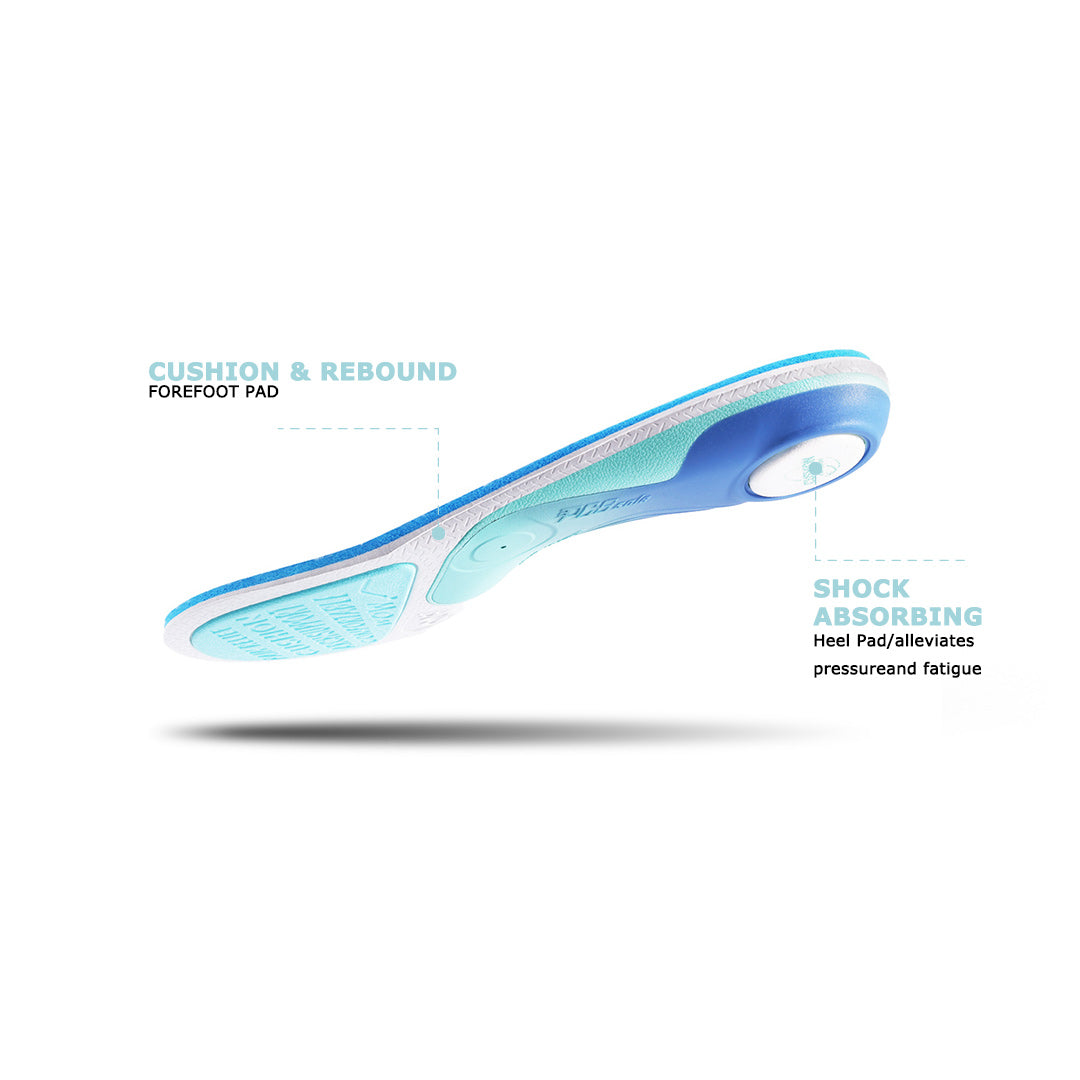
- Hiking insoles also offer better cushioning for your whole foot. This is thanks in particular to their composition, with a dynamic gel that absorbs the shock waves of your footsteps while returning the energy you need to keep moving forward.
- Hiking insoles also ensure better distribution of pressure points. Your foot sits more comfortably in the shoe, as if you were sitting in a soft seat behind the wheel of a car. As a result, you can say goodbye to sore spots thanks to better body alignment, improved posture, and better overall balance.
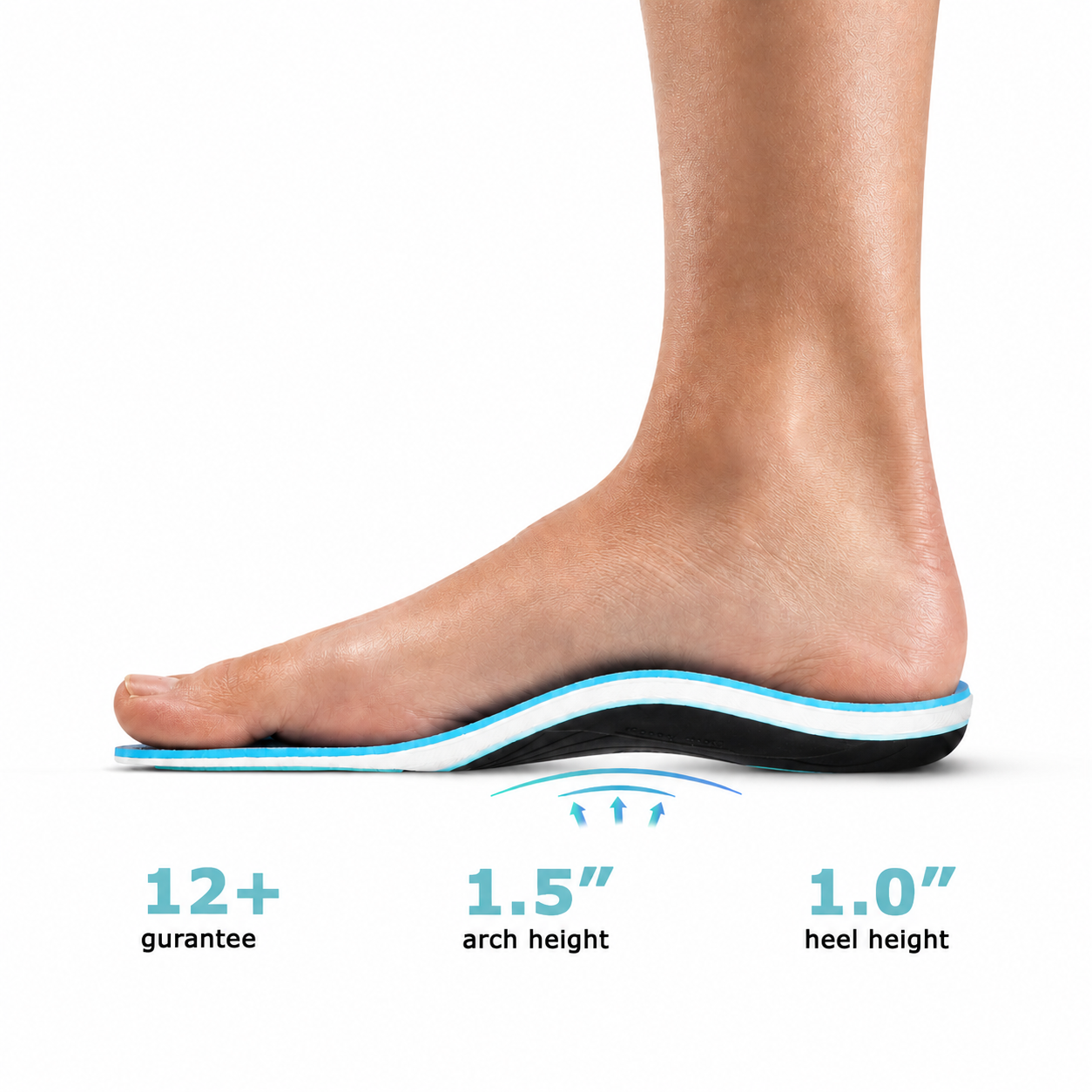
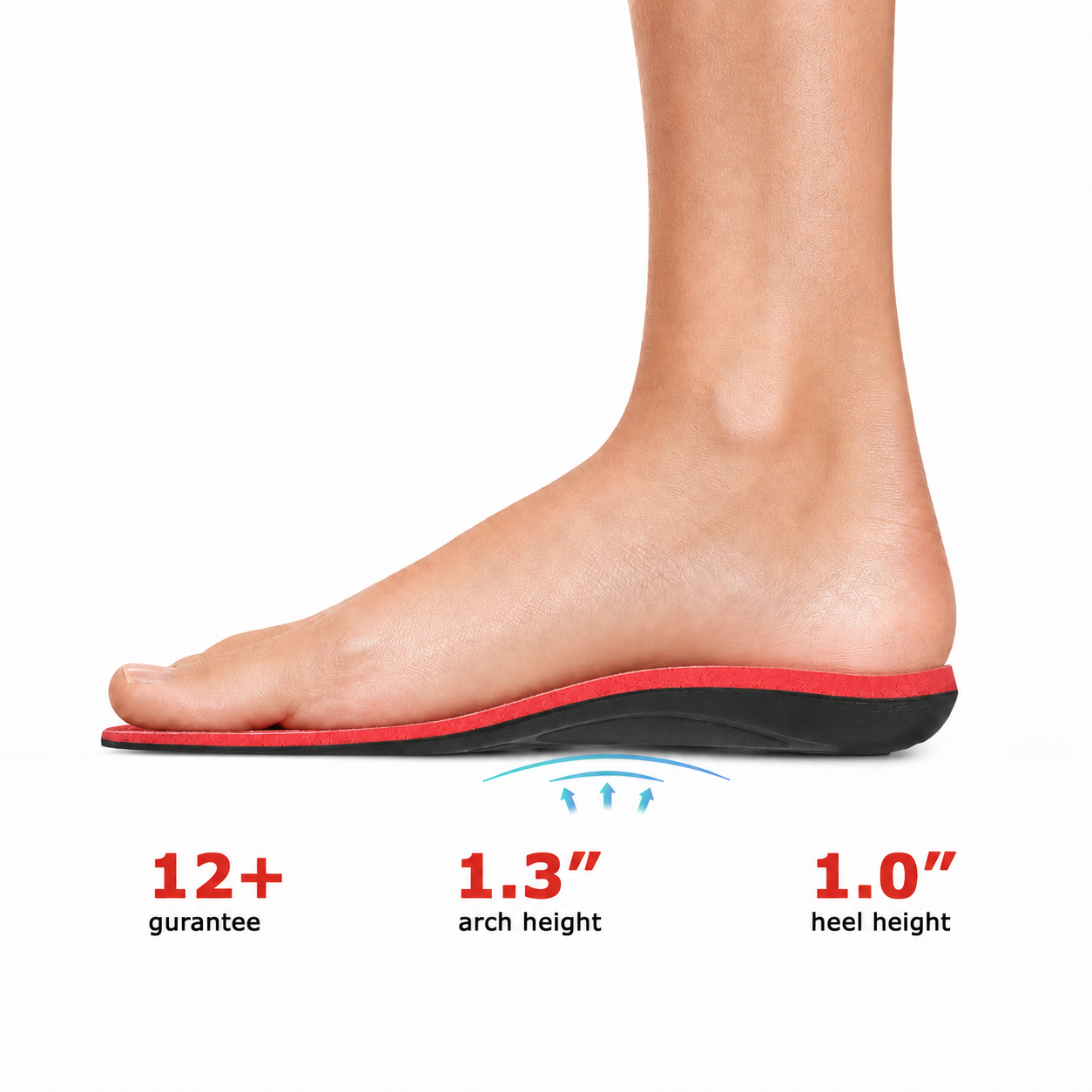
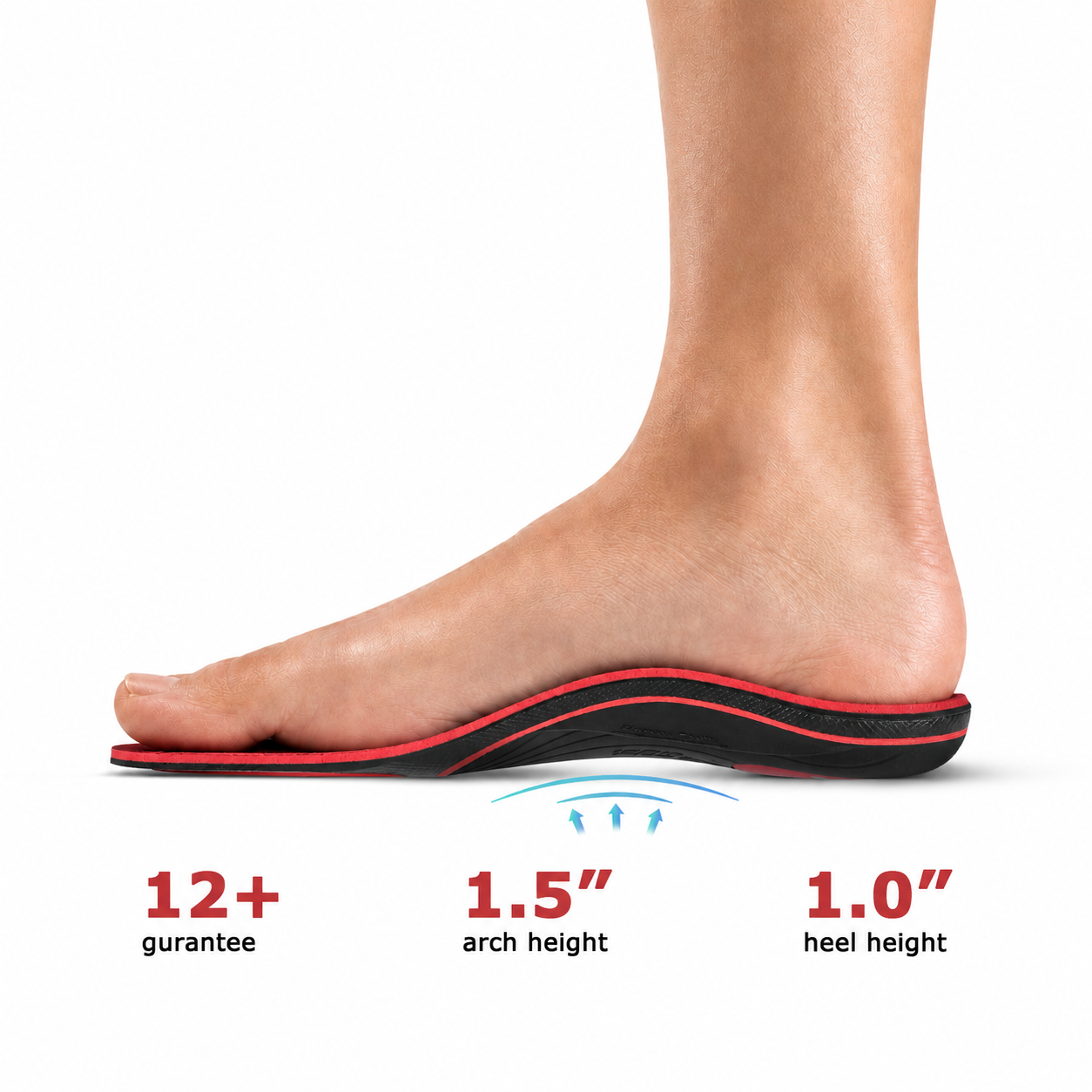
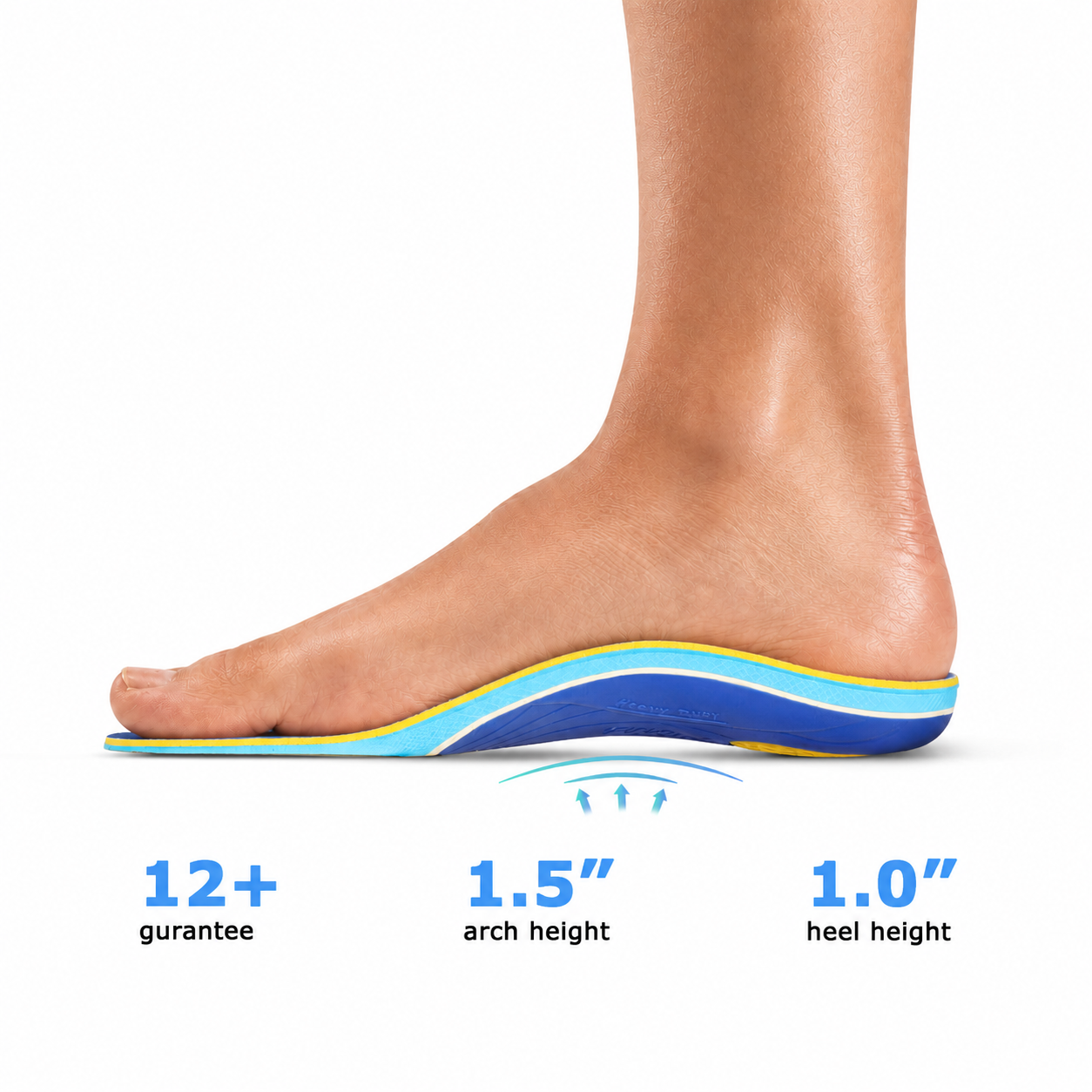
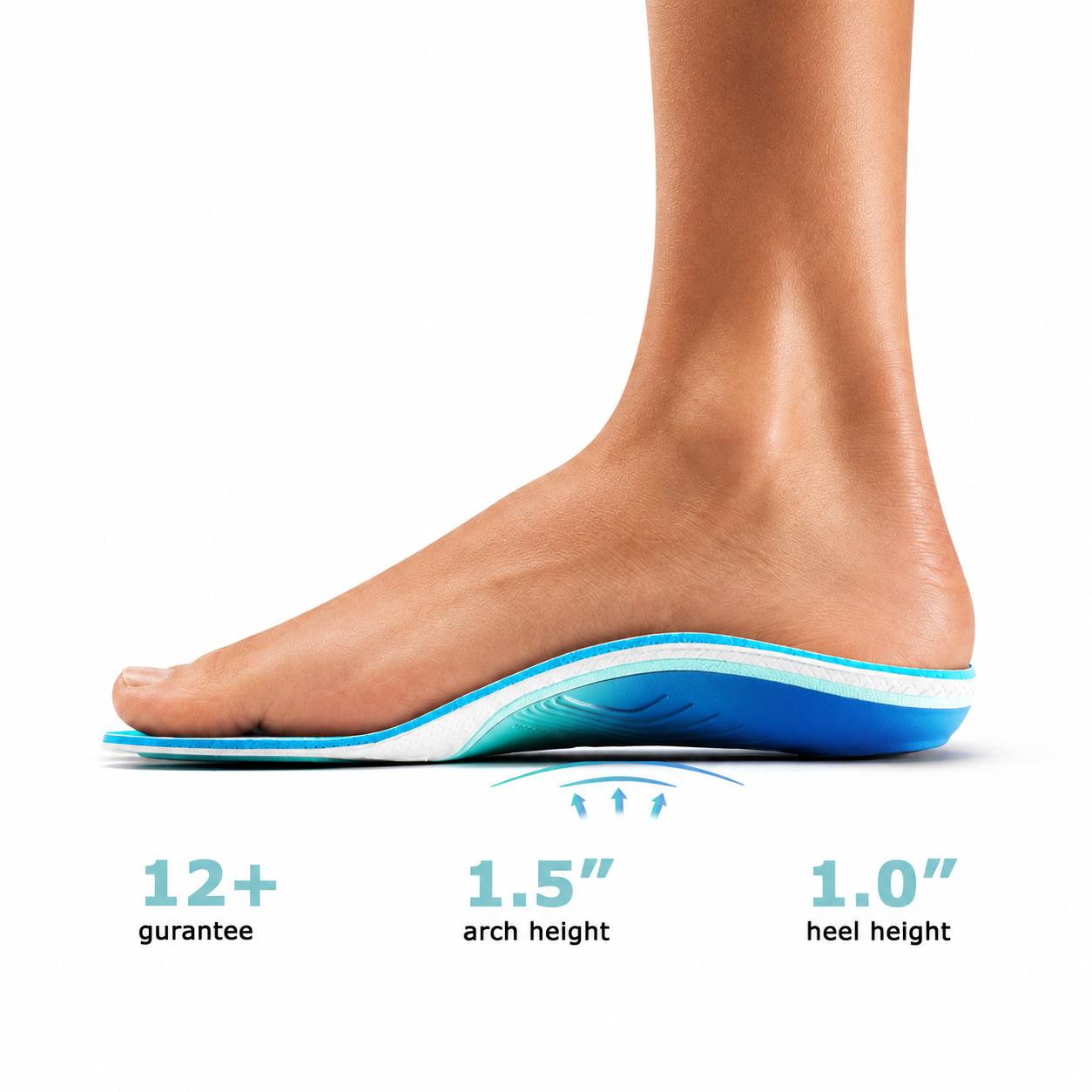
Adding insoles to hiking boots provides arch support and stabilizes your heels.
Insoles can be cushy or firm.
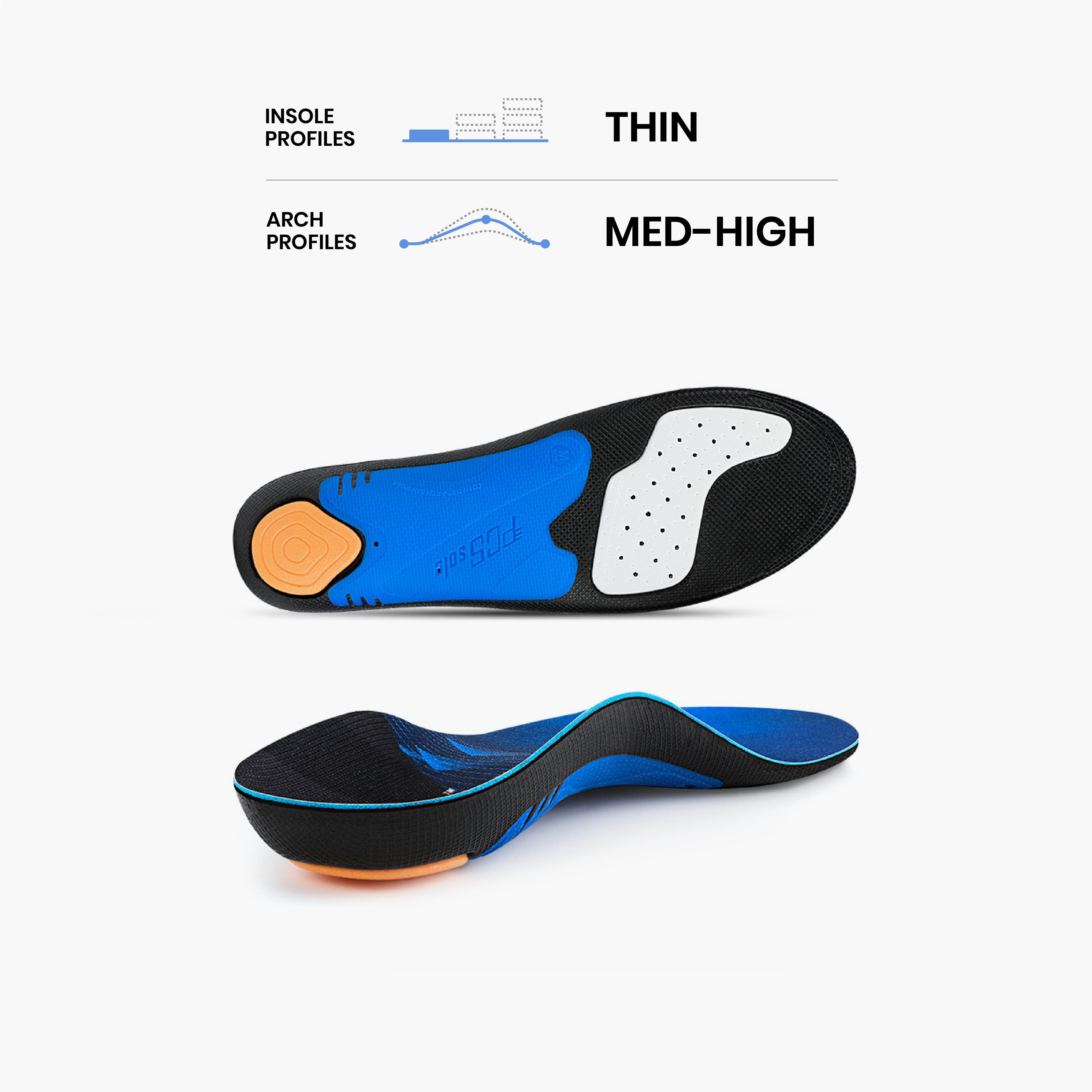
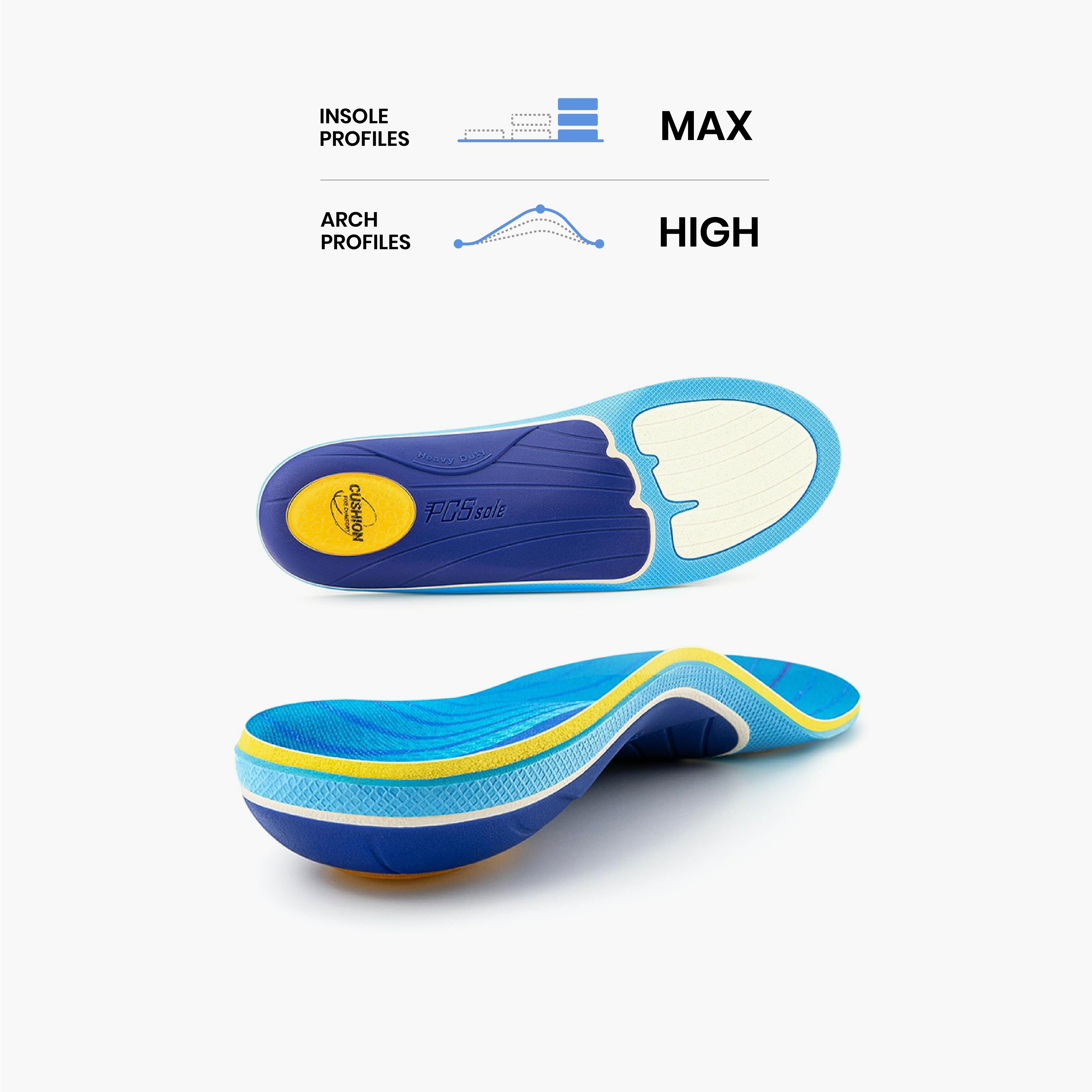
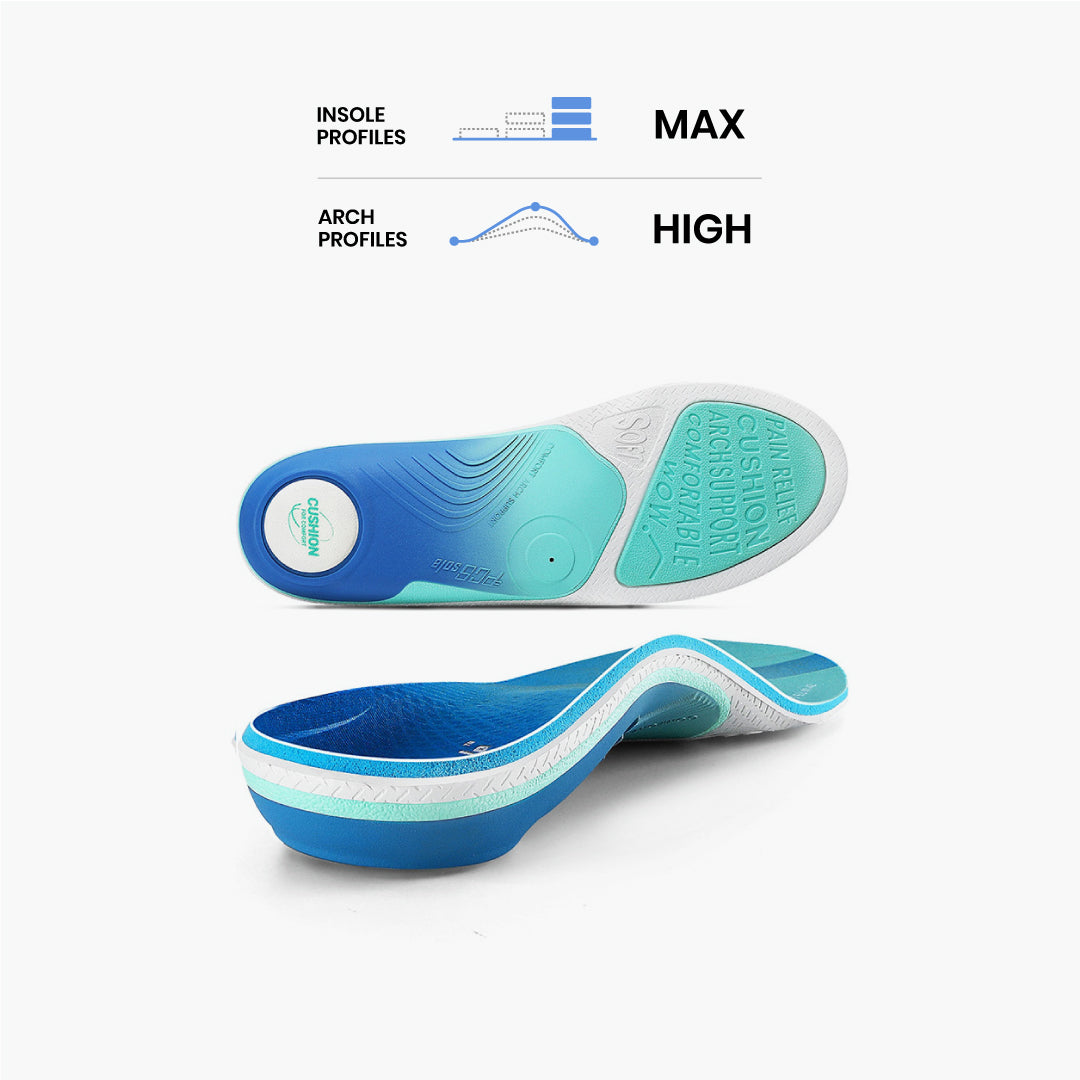
The right insoles for your feet depend on what challenges you’re addressing, but insoles for hiking should generally be firm. Firm insoles are strong enough to withstand the rigors of hiking while protecting your feet from the pain caused by repetitive impact.
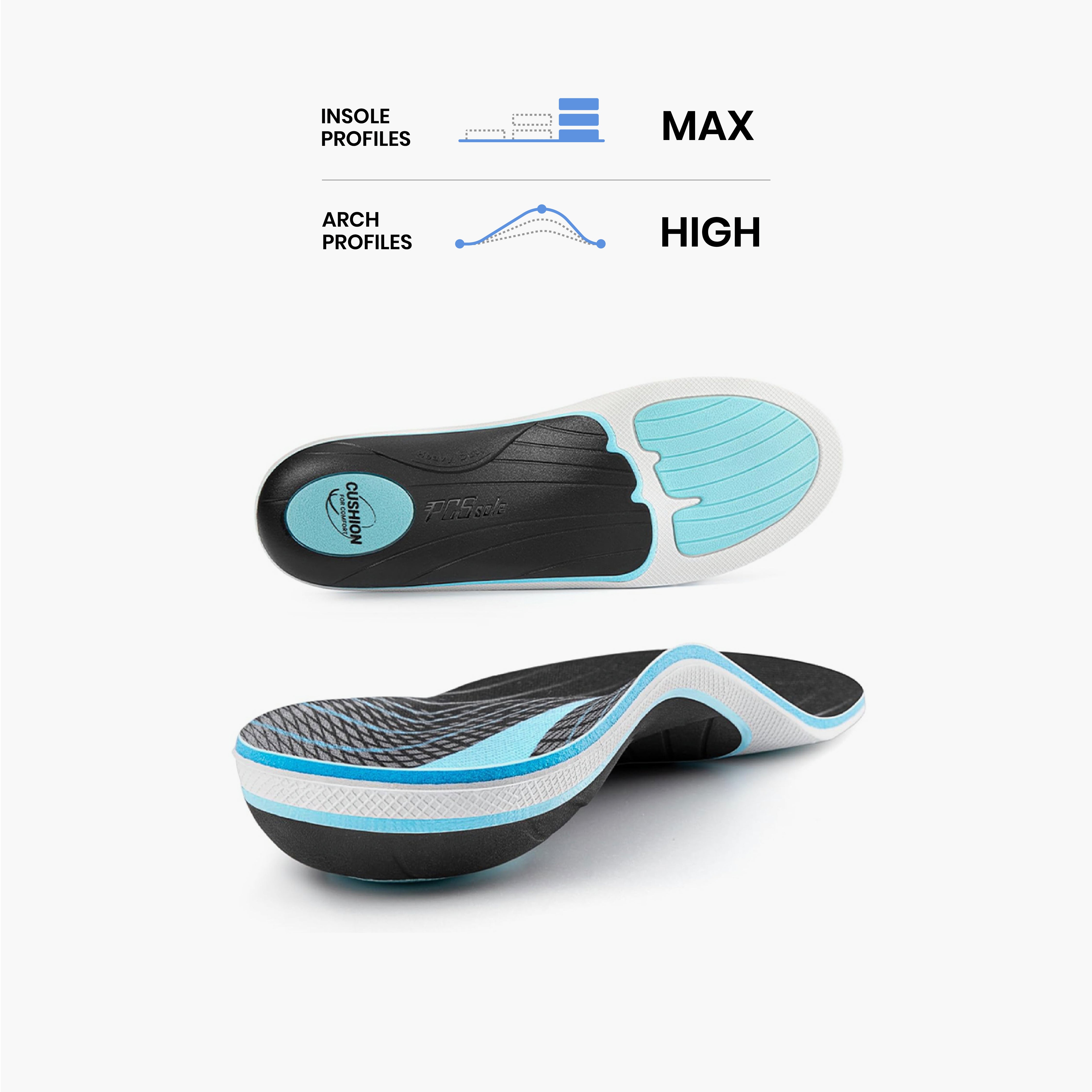
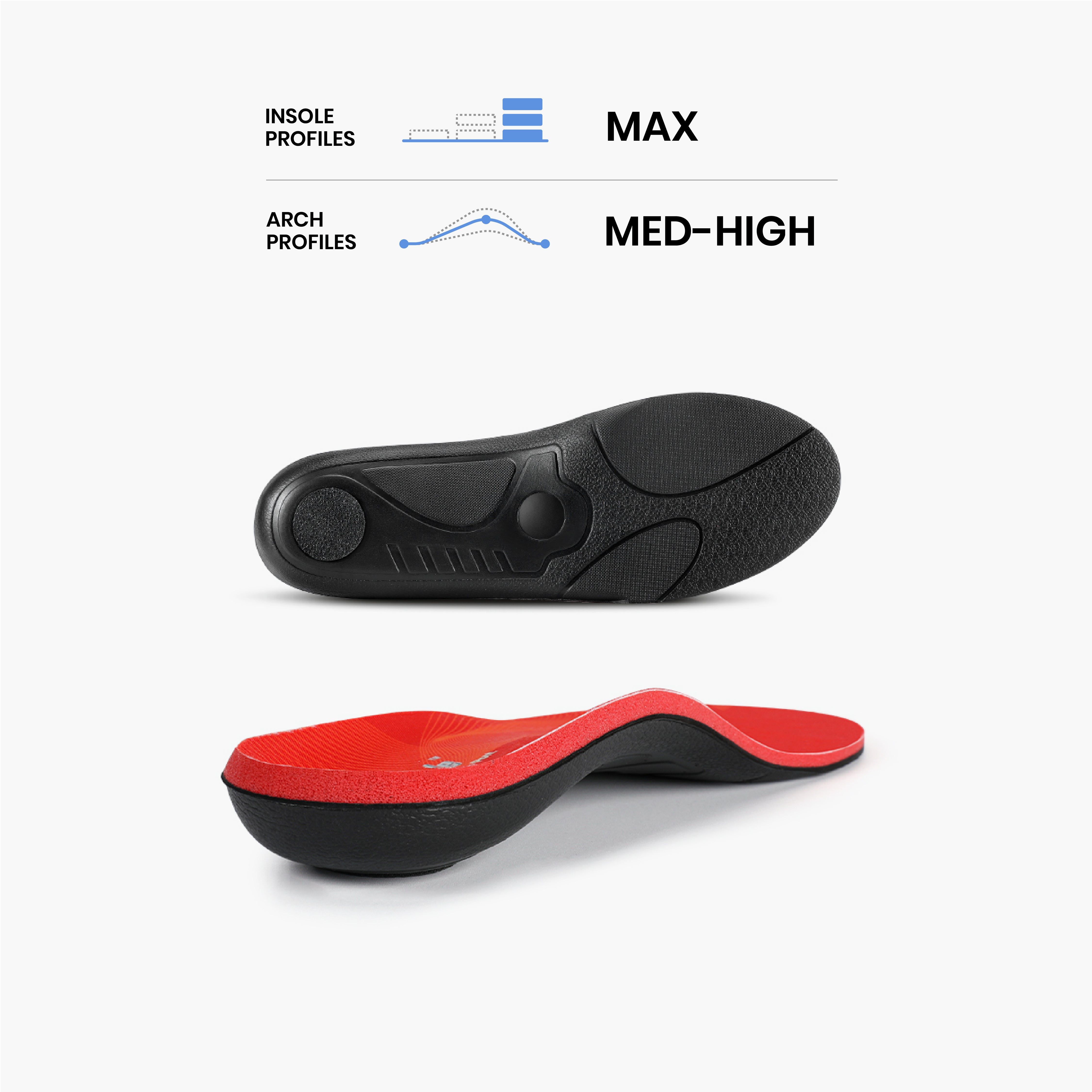
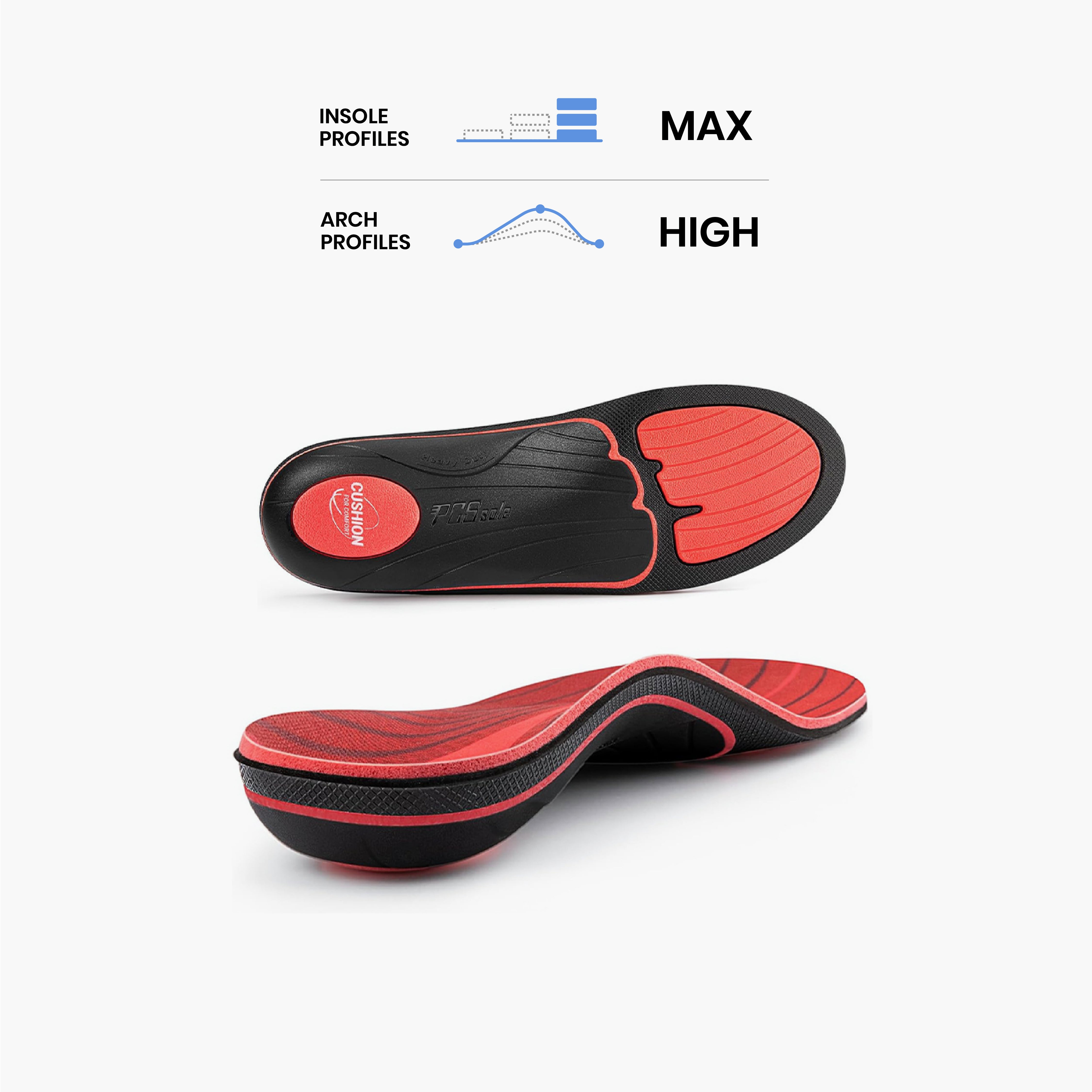
Firm insoles provide arch support that protects your feet against the heavy impact of hiking. They also contain structured heel cups that protect the heel area.

We recommend one of these two insoles for hiking:
5 BEST Hiking Boots of 2026
Dozens of hiking boots are being hyped as the best of 2026, but we wanted to find you the right answers. We have an award for each boot, such as best backpacking, most comfortable, so you can find the right fit for you.
#5 Lowa Renegade GTX Mid Hiking Boots
Our fifth-rated hiking boot of 2026 is the Lowa Renegade. It is dubbed as our best backpacking boot. It is praised for its out-of-the-box usability for a very heavy leather hiking boot. It fits very well, and there's not really a huge break-in period with these. I had some top-of-foot pressure on my right foot with this hiking boot that went away after a few miles. Otherwise, they fit well without any areas of compression or anything.
As you can see, it has a nice, wide midsole, which allows for that nice ground contact and that stable feel, especially while you're backpacking. Has nice heel counter stiffness, as you can see, and the torsional stability is great. The leather in here is not very rough on the inside of your boot. It has a nice, sleek sock liner where the leather isn't really pressing into your foot. However, it hugs your foot like a nice glove, not allowing any internal movement, so you can have that exceptional stability you need.

It's got the Vibram Evo outsole, as you can see. The lugs are in a chevron-shaped pattern. They're about 5 mm. They hold on excellently to any sort of terrain. It has a really good grip, especially for winter hiking, but also in the dry summer months. I was able to hold a nice edge with these, really going up a steep incline with about a 40 lb backpack. The traction is top in its class, so there are no issues with grip on the trail. And like I said, we tested this against any sort of terrain you'd be against, and it does a really good job with traction.
It has extra padding here in the forefoot to aid in that shock absorption on the trail. It's made with PU foam. PU foam is not the most cushy. However, it gets the job done in terms of comfort while not sacrificing your stability and support because the outsole on this is nice and stiff to hold that edge you need, especially with that added weight while on trail. It has an added shank here in the hind foot, which again really helps with that heel counter stiffness. So, when you're uphill, and you need to push back on your heel with that extra added weight, it really gives you that support.
The ankle height is above 7 in on these, so no ankle sprains or strains. Waterproofness is another strength of the Lowa Renegade. We did our 10-minute submersion test. Zero water got in. You can also go hiking in the snow with these, and again, no issues with water getting into the boots. Surprisingly, they actually dry up very quickly as well.
One of the downsides of the Lowa Renegade is the weight. They weigh 1.2 lbs per boot, which is pretty heavy. It's definitely in the top 20% that we reviewed. So, definitely on the heavier side. However, I would say the foot fatigue is pretty minimal to moderate with these, thanks to the nice cushioning.
So, overall, the Lowa Renegade is the best backpacking boot of 2026, and it has an overall rating of 8.3.
#4 Salomon X Ultra 5 Mid GORE-TEX Hiking Boots
Coming in at number four for our best lightweight hiking boot is the Salomon X Ultra 5. It was just released this year, and we've been testing it since the February release last year. It definitely improves from the falls of the X Ultra 4, which is one of the most popular hiking boots on the market. Overall, it weighs 15 oz per boot, which is extremely lightweight considering that the X Ultra 4 was around 17 oz. So, it's even more lightweight.
What's really exciting about the X Ultra 5 is that they added the matrix upper here. So, what that is is a carbon fiber upper. So, it's definitely more durable and resilient because that's what people had issues with the four with, and it adds to that stability while on the trail, just like the Lowa Renegade hugs your foot without overly compressing it. The insole is Ortholite, which is nice and cushy. They definitely made the toe box bigger, so for wide-foot individuals, this is a nice pick for hiking boots. It also comes in a wide size as well.

I wore a men's 10 and a half. I didn't upgrade to the wide size. However, I did on the X Ultra 4. This is the regular size, and I didn't have any areas of compression, nothing of that sort. So, they definitely improved on the fit of this model. It hugs the top of your foot and conforms to it without overly compressing it. You're able to get a nice, tight fit here at the top of the boot, which really secures your ankle in, especially when you're going up uphill terrain.
Now, one of the downsides of the X Ultra 5 is that the new Matrix upper is thicker and more durable, like we said. However, it is less breathable. So, people are complaining of breathability issues with this hiking boot. Personally, I tested it in 95-degree weather, and I would say it was about mid-range for breathability. It definitely wasn't the worst, but it was not the best.
And overall, we rated the Salomon X Ultra 5 an 8.9 out of 10.
#3 Hoka Anacapa 2 Mid GTX Hiking Boot
Coming in at number three is our most comfortable hiking boot of 2026. A lot of people are going to love this, the Hoka Anacapa 2. So, this hiking boot is obviously praised for its nice, cushy midsole. As you can see, it has a very high stack height. Your feet really press into this hiking boot, and it has that extra give to it. Again, that's a little con for stability. This is not the best hiking boot for technical terrain.
It does have the Vibram Mega Grip outsole, as you can see. A nice plush insole. The midsole itself is very bouncy. It really adds to a better hiking experience. No areas of compression. Has one of the widest toe boxes we've actually measured out of all of our hiking boots.

Another great feature about the Anacapa is the breathability. This is waterproof. It has the Gore-Tex membrane, but as you can see, there are air mesh pockets all throughout this boot. It also has Nubuck leather, which is a premium leather. It has two lacing hooks at the top. You're able to get a nice, tight fit with it. And it has this advanced heel tab here. So, when you're pressing on your heel against the back of the shoe, it gives that extra plush comfort. The sock liner is very thin but sleek on this boot. And you're able to slip into it for a nice, tight fit.
It has the Hoka meta rocker, as you can see here. So, that's a subtle curvature at the tips of your toes of the outsole. And what that does is it helps with a forward propulsion of your foot while you're hiking. So, this weighs in at about 19 oz. So, it's about mid-range for a hiking boot, but it feels a lot lighter when you're on the trail because of that meta rocker. It really aids in propelling your foot forward and feeling very lightweight. It also makes your stride a lot more efficient and easier.
And overall, we rated it a 9.2 out of 10. The Anacapa 2 GTX is $195. If you're interested in the Anacapa Breeze 2, this is a non-waterproof version. You save about $25 if you go with the non-waterproof version.
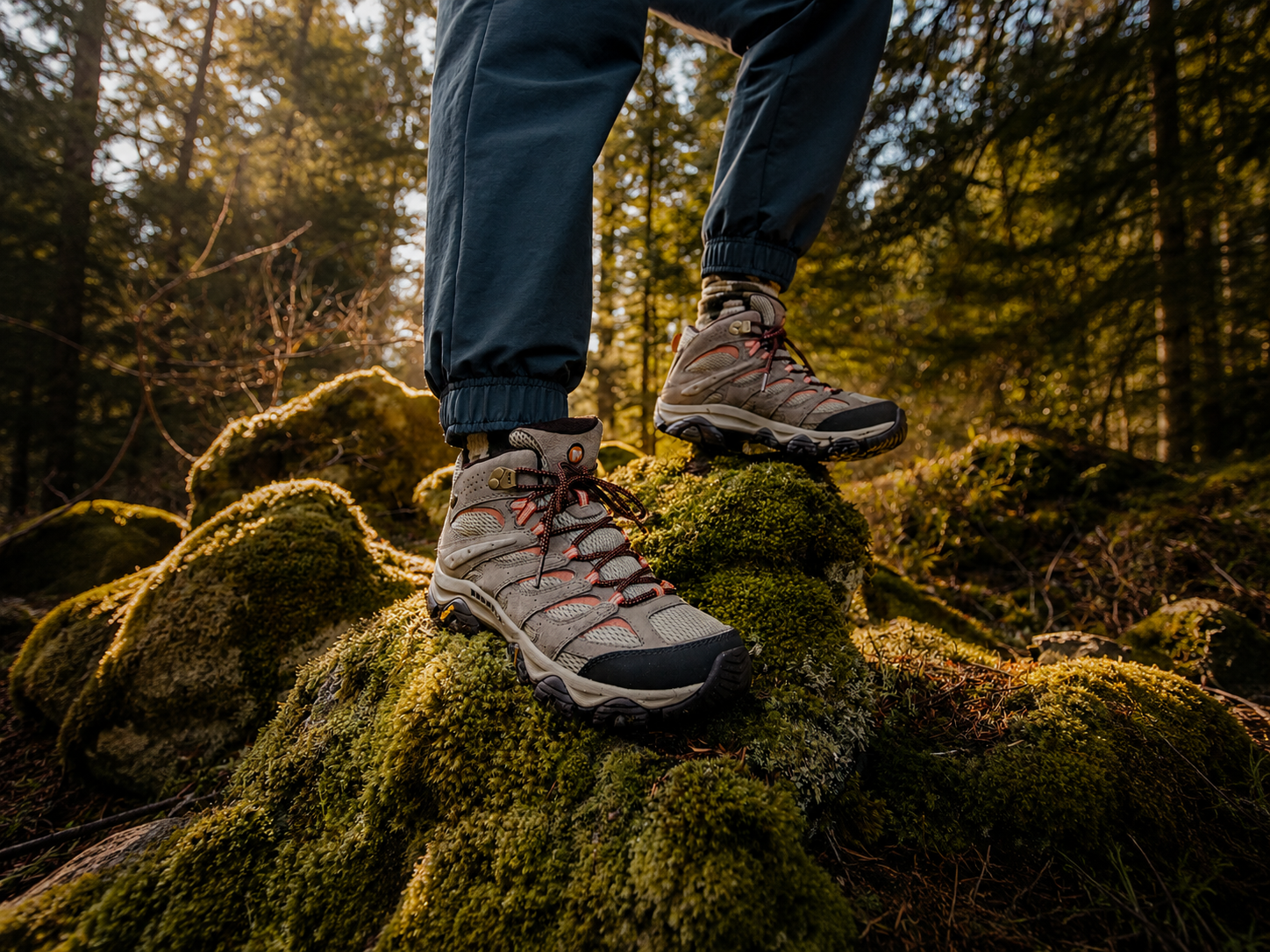
#2 Merrell Moab 3 Mid Waterproof
All right, we're on our last two. So, our number two-rated hiking boot is the Merrell Moab 3. It is rated as our best budget hiking boot or the best bang for your buck. You can get this hiking boot for anywhere from $110 to $140, depending on whether you get the waterproof or non-waterproof version. Overall, has excellent comfort. The midsole is nice and cushy, but also firm enough for that stability you need on trail. It's not the best for technical terrain. The Vibram Mega Grip outsole does a really good job of holding grip. If you're somebody who is on a budget but still wants a solid-performing hiking boot, the Merrell Moab 3 is the one for you. It offers excellent value without sacrificing too much in terms of comfort or durability.
The midsole is nice and cushy with a good amount of rebound, making your steps feel lighter and reducing foot fatigue over long distances. It has a firm enough platform for decent stability on moderate trails, though it's not the most supportive option for highly technical or rocky terrain. The Vibram Mega Grip outsole provides reliable traction in a variety of conditions, including wet rocks and loose dirt.

The upper is made with a mesh and synthetic material combination that offers good breathability while still providing decent protection. It also comes in a waterproof GTX version if you need that extra weather protection. The fit is generally true to size with a roomy toe box, making it comfortable for all-day wear right out of the box with minimal break-in time.
One minor downside is that the durability of the upper mesh can wear out faster on very abrasive trails compared to full leather boots, but for the price point, it's hard to beat. Overall, we rated the Merrell Moab 3 a 9.1 out of 10, making it our best budget or best bang for your buck hiking boot of 2025/2026.
#1 Hoka Kaha 3 GTX Hiking Boot
And finally, coming in at number one, our best overall hiking boot of 2026 is the Hoka Kaha 3. This boot really stands out as the complete package. It combines exceptional comfort with solid support, great traction, and impressive durability.
As you can see, it has that signature Hoka oversized midsole with a high stack height and a meta-rocker geometry that helps propel you forward with each step, making long hikes feel easier. The cushioning is plush yet responsive, and it doesn't bottom out even with a heavy pack. The Vibram Megagrip outsole with aggressive lugs grips extremely well on wet, dry, rocky, and muddy terrain alike.

The ankle support is excellent with a padded collar and a stiff heel counter, helping prevent rolls on uneven ground. It has a Gore-Tex waterproof membrane that passed our submersion test with flying colors, yet it still manages decent breathability thanks to strategic mesh panels. The fit is secure without being restrictive, and it has one of the best heel locks we've tested, minimizing slippage.
Weight-wise, it's surprisingly light for how protective and supportive it feels, coming in around 20-21 oz per boot, depending on size. Foot fatigue is very low even after 15+ mile days. The only real downside is the higher price point, but for the performance you get, it's worth it for serious hikers who want one boot that does it all.
We gave the Hoka Kaha 3 our highest overall rating of 9.5 out of 10, making it the best hiking boot of 2025/2026.
Why the Right Insole Matters for These Boots?
While these boots represent the best in footwear engineering, many factory insoles are thin and lack structured arch support. Whether you choose a lightweight Salomon or a heavy Lowa, replacing the stock insert with a high-quality orthotic insole can:
- Prevent Foot Sliding: Eliminates "dead space" that causes blisters.
- Customized Support: Provides the specific arch height your foot needs, which a standard boot cannot offer.
- Extended Lifespan: Revitalizes the cushioning long after the boot’s midsole has started to compress.

Happy Hiking With PCSsole Insoles
If you’re looking for your first pair of insoles, we know it can be a bit confusing. To learn more about PCSsole insoles, visit our Frequently Asked Questions page. You can also read more about foot pain issues in these articles from the PCSsole blog:
How to Choose Orthotic Insoles for High Arches and Supination
3 Causes of Muscle Fatigue and Ways to Relieve It
Best Arch Support Insoles: What to Know About Shoe Inserts
"I was looking for something that wouldn't collapse under pressure. These insoles are much stiffer than other brands, yet they don't add any extra weight to my shoes. They keep their shape perfectly and haven't flattened out at all!"
— Sarah T., ★★★★★ Verified PCSsole Reviewer
If you need some assistance in finding the right pair of insoles, feel free to contact our team at any time. We’ll make sure you get the perfect insoles for your feet so that you can get back on the hiking trails ASAP.