

Table of contents
The Salomon XT-6 has officially transitioned from a technical trail runner to a street-style icon. But if you’re wearing these for 10-hour shifts or all-day city treks, you might find the stock Ortholite insoles leaving your feet a little sore by evening. You don't have to sacrifice style for comfort. By upgrading to a premium insert, you can give your favorite 'Gorpcore' sneakers the high-end cushioning they deserve.
Whether you're battling plantar fasciitis or just need more stability for your next trek, swapping your inserts is the easiest way to 'hack' your footwear.
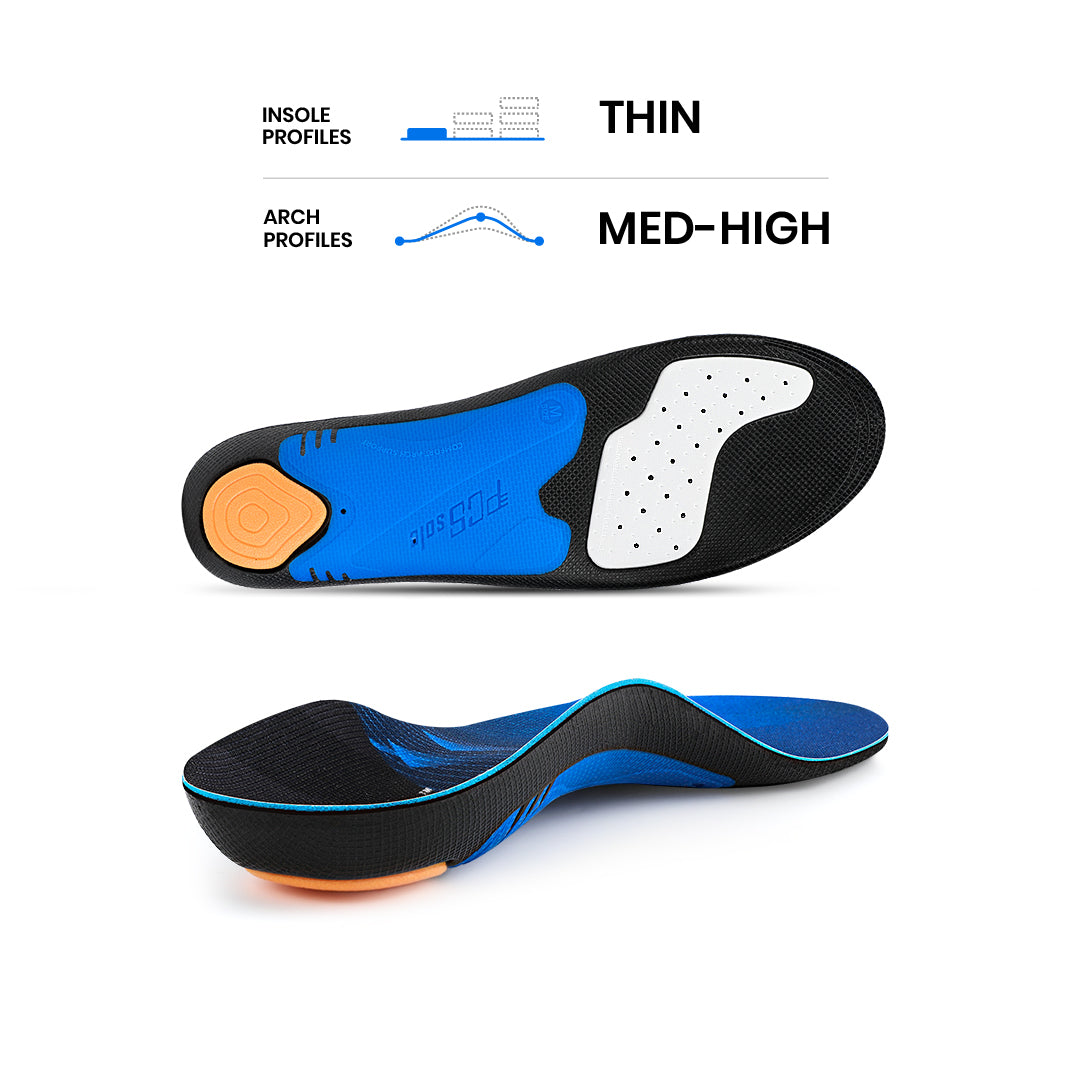
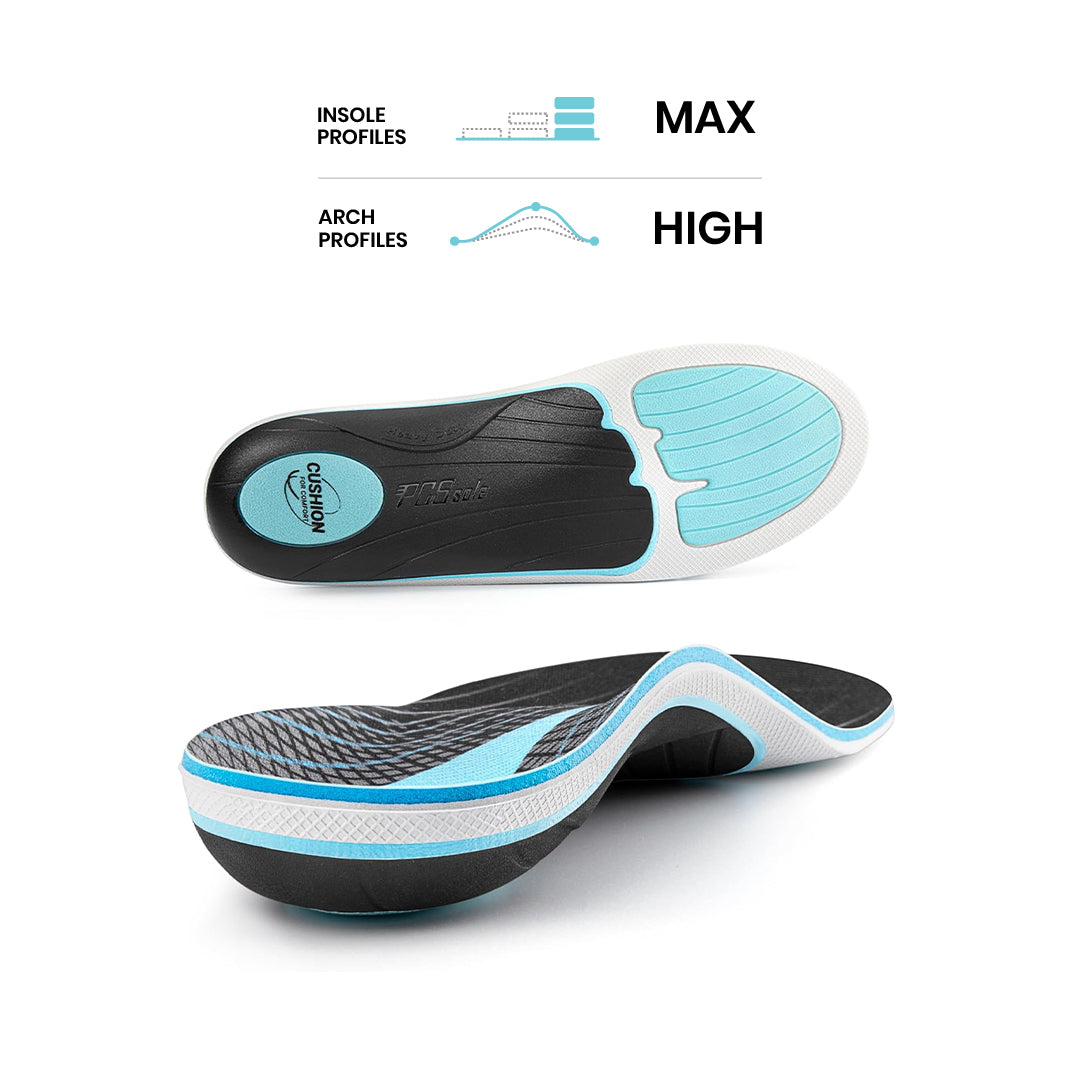
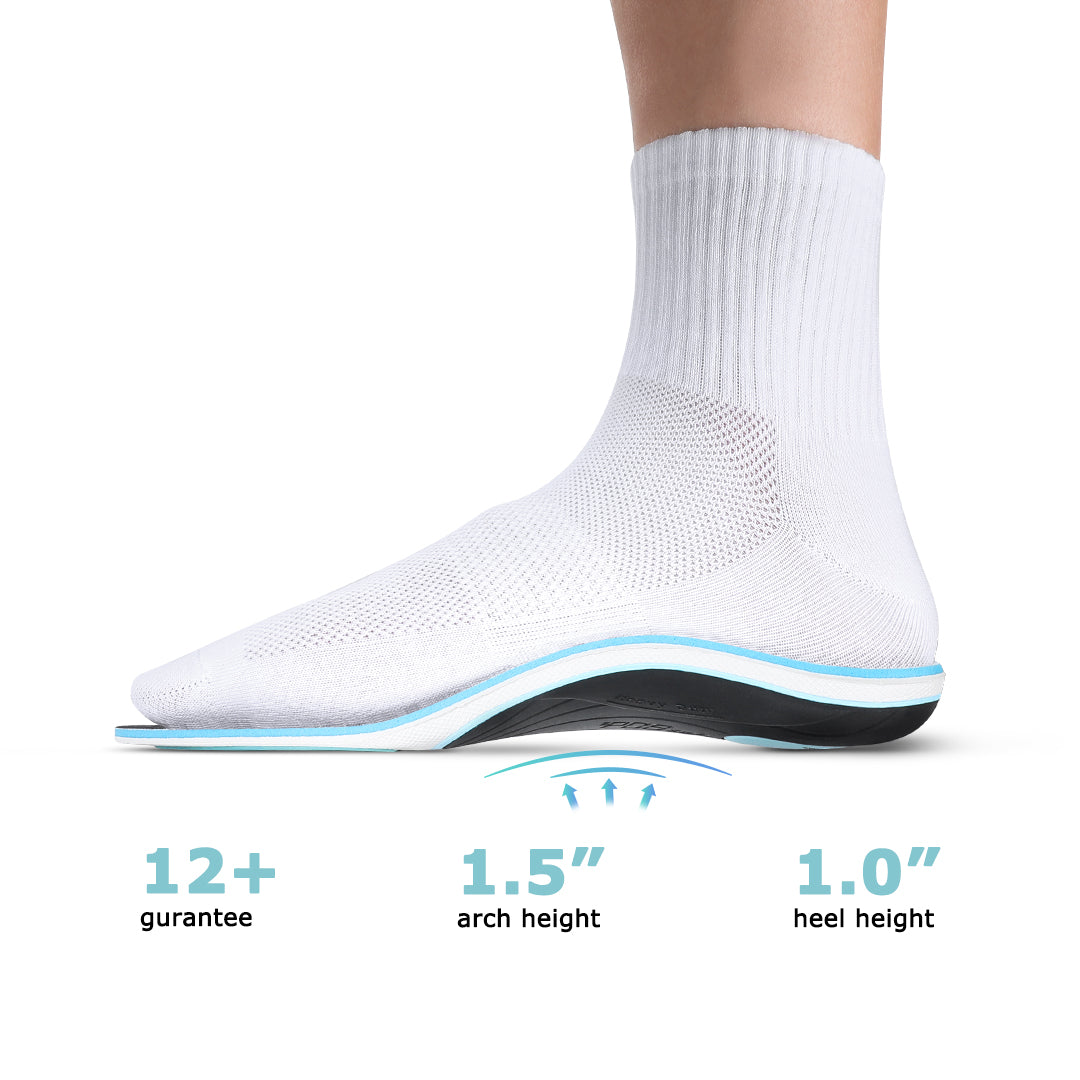
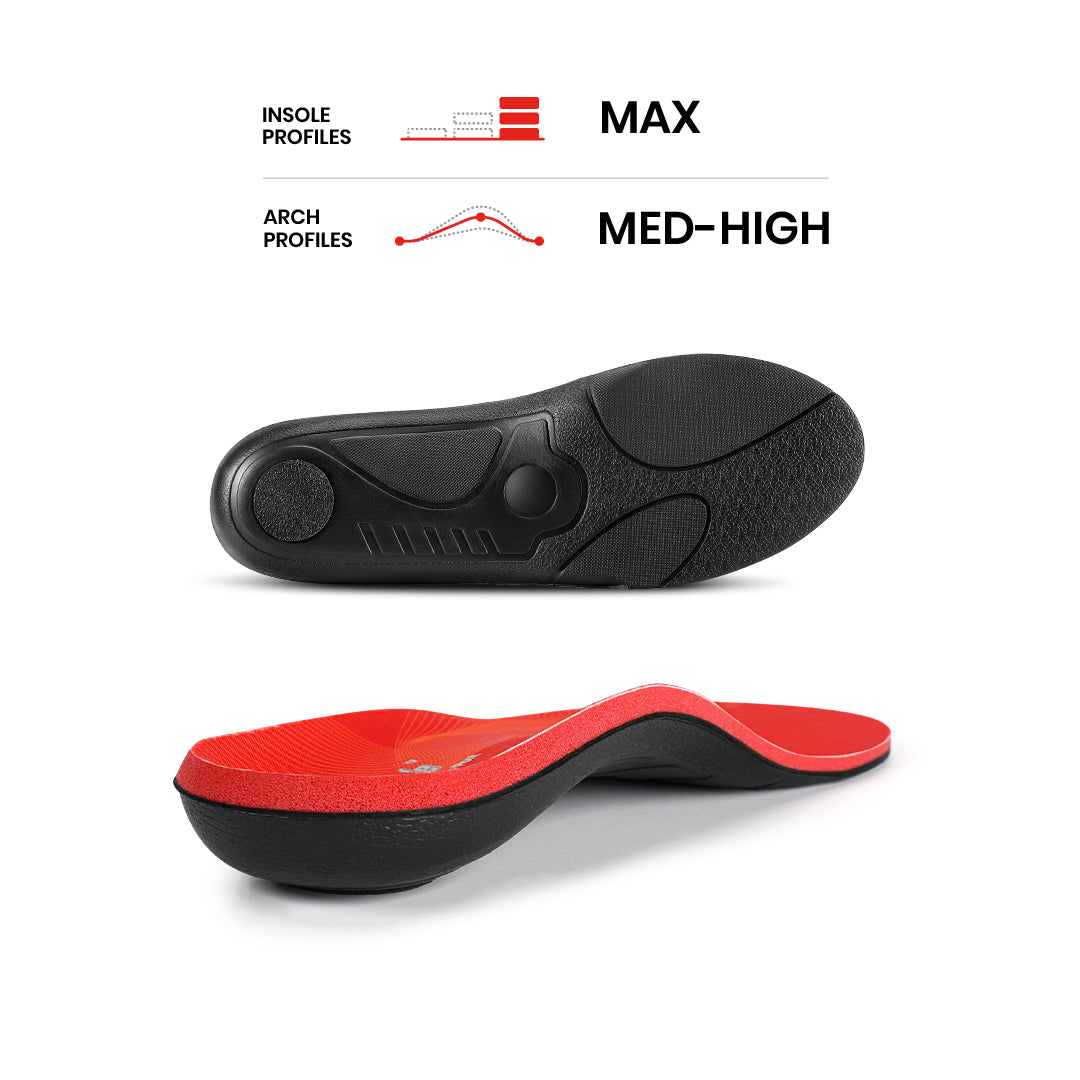
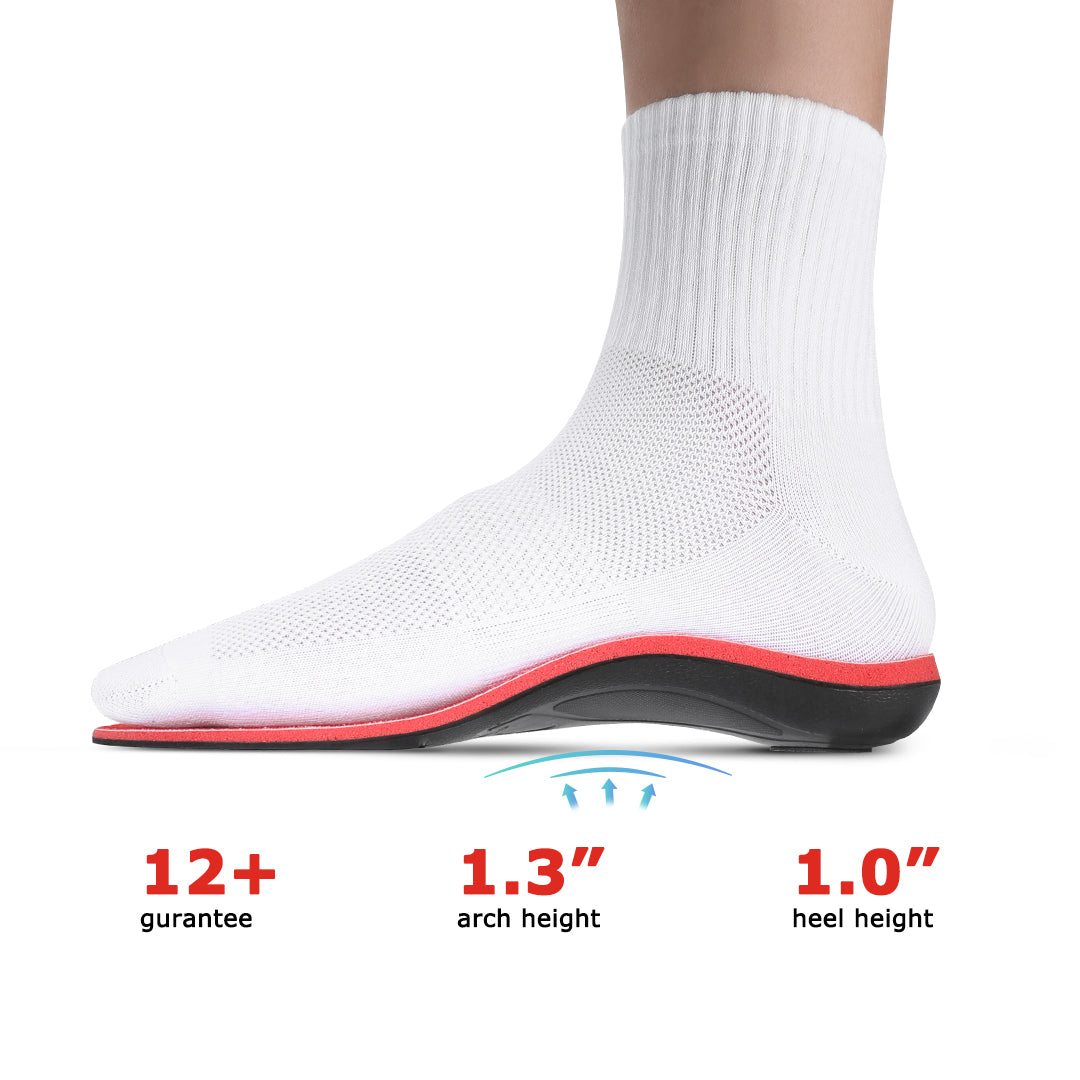
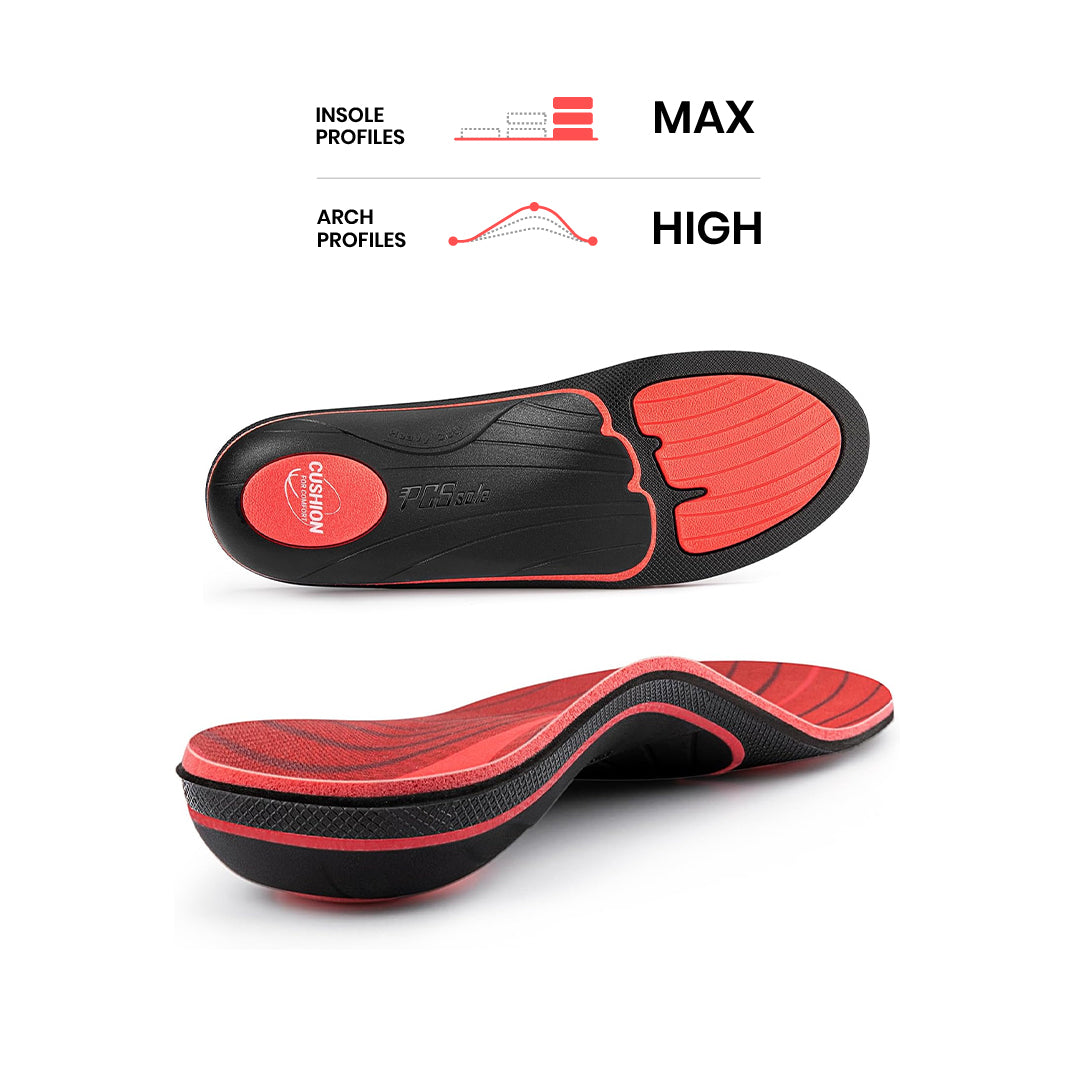
This guide highlights what to look for in a replacement, with our 2026 top picks led by the PCSsole Insoles, which offer balanced cushioning, support, and a trim-to-fit design that won’t compromise SensiFit’s unique ride.
Why Upgrade Your Salomon with Better Insoles?
Most Salomon models, such as the Speedcross or X Ultra, come with OrthoLite® insoles. These are not "bad" by industry standards, but they serve a very specific purpose.

Advantages of the Stock Insoles
- Breathability and Moisture Wicking: OrthoLite is an open-cell foam material with excellent breathability; it helps dissipate heat generated by the feet, thereby complementing the breathable properties of Salomon's uppers (such as Gore-Tex or ventilated mesh).
- Excellent Initial Comfort: When first worn, the insoles feel remarkably soft and comfortable, offering a pleasant, cushioned sensation with a degree of resilience.
- Odor Control: This material typically features a built-in antimicrobial coating designed to inhibit the growth of odor-causing bacteria following strenuous outdoor activities.
Why People Often Upgrade
Serious hikers and runners often view the Salomon stock insole as a "place-holder." By replacing it with a premium, structured insole, you unlock the shoe's full potential:
- Alignment: A structured insole supports the arch and aligns the ankle, which prevents knee and hip pain during long descents.
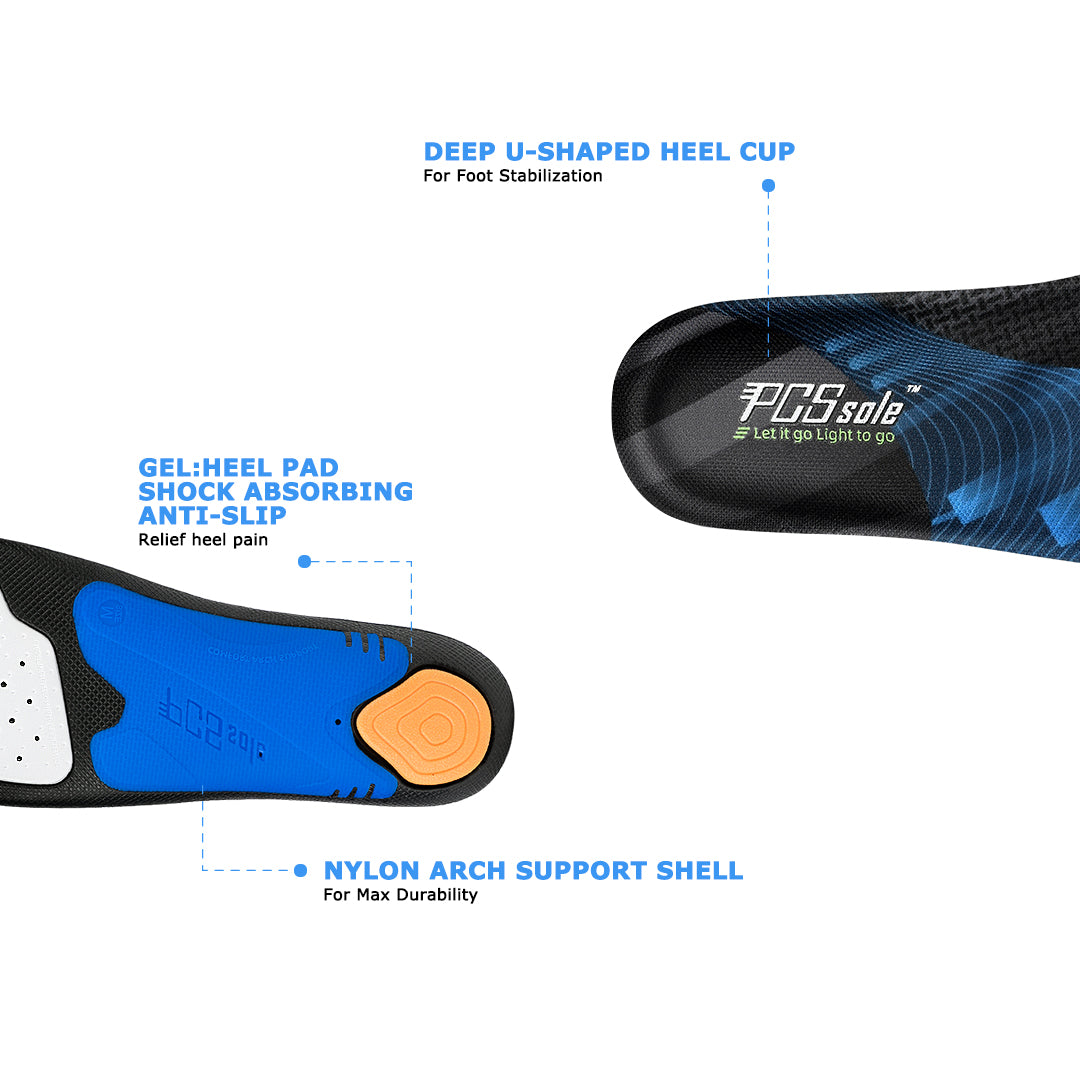
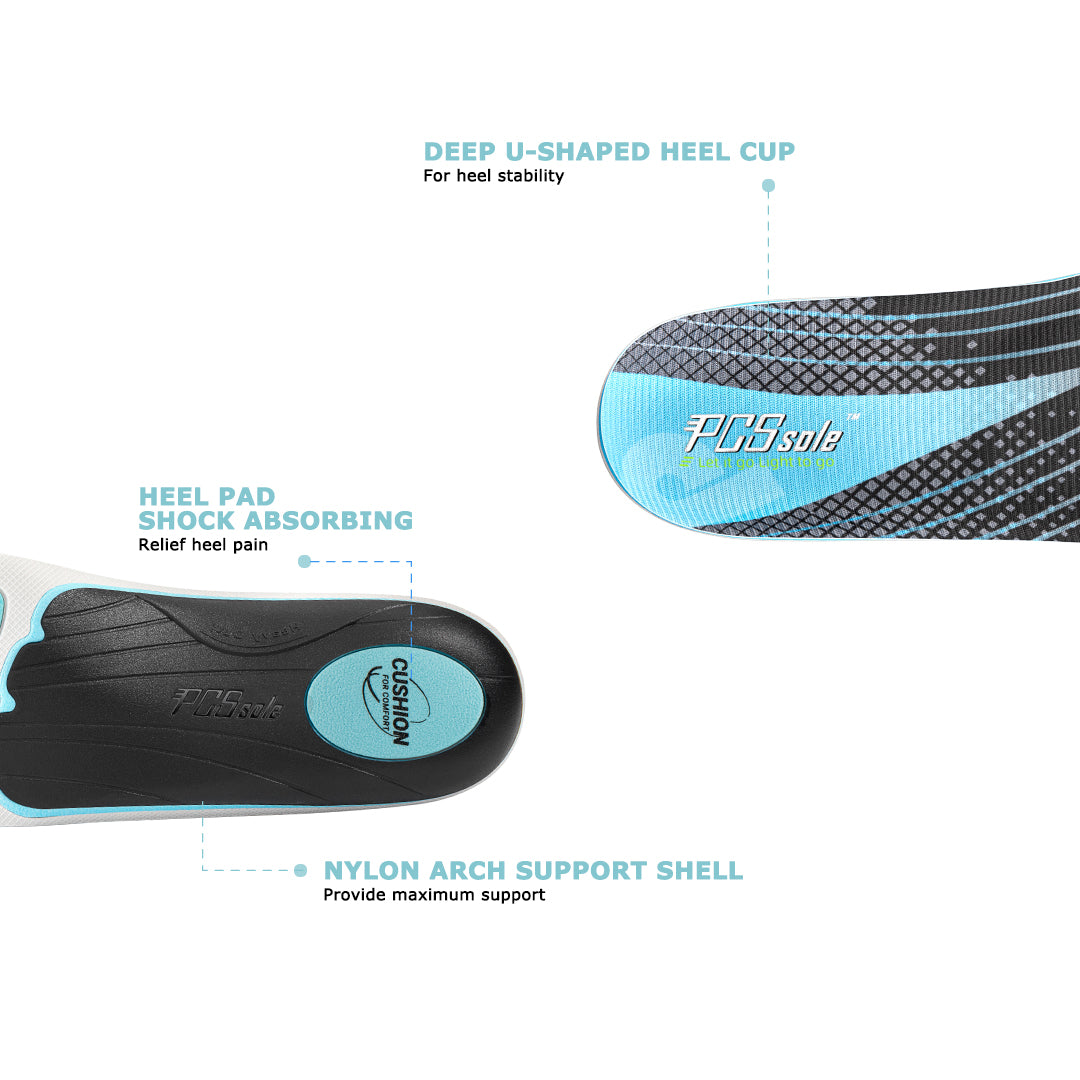
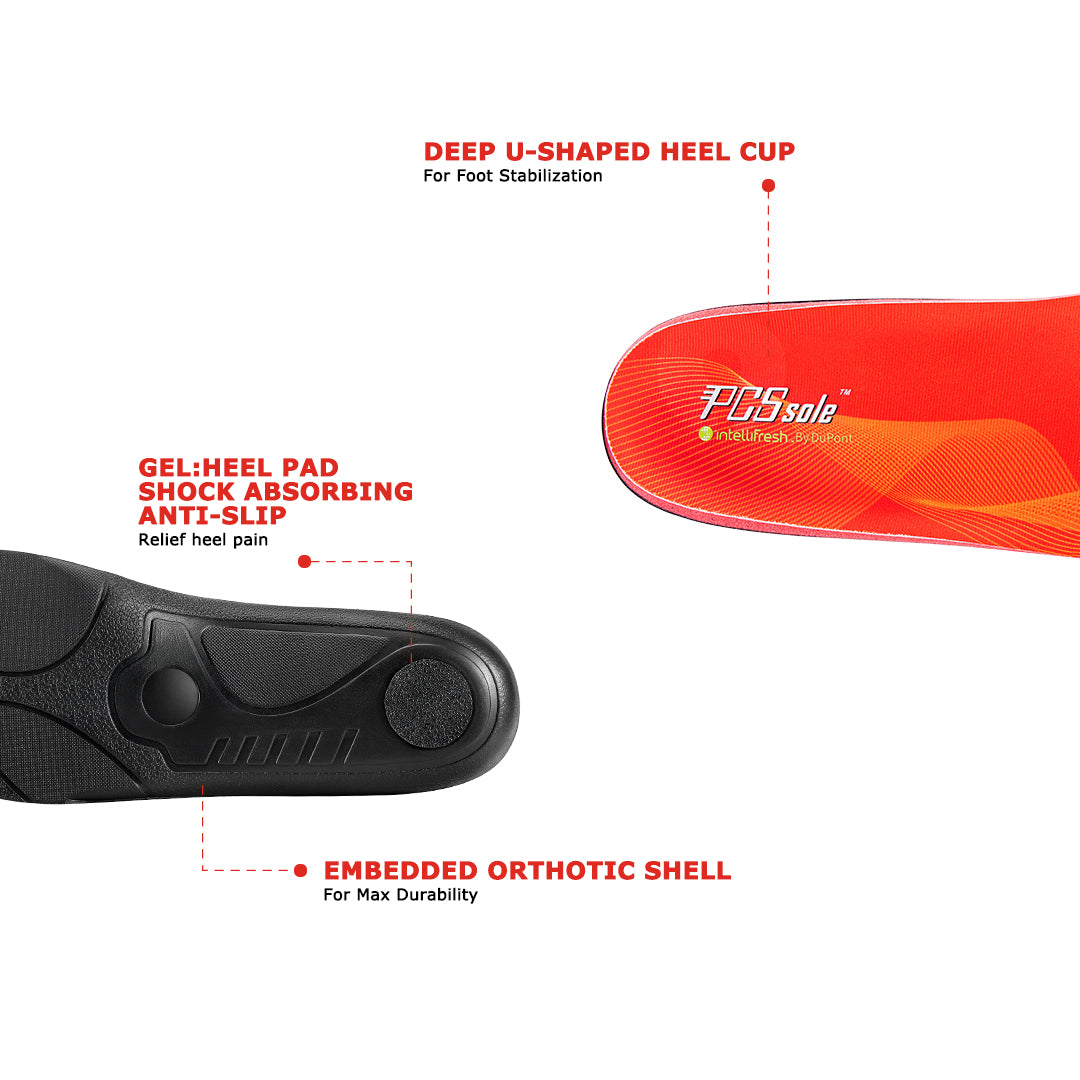
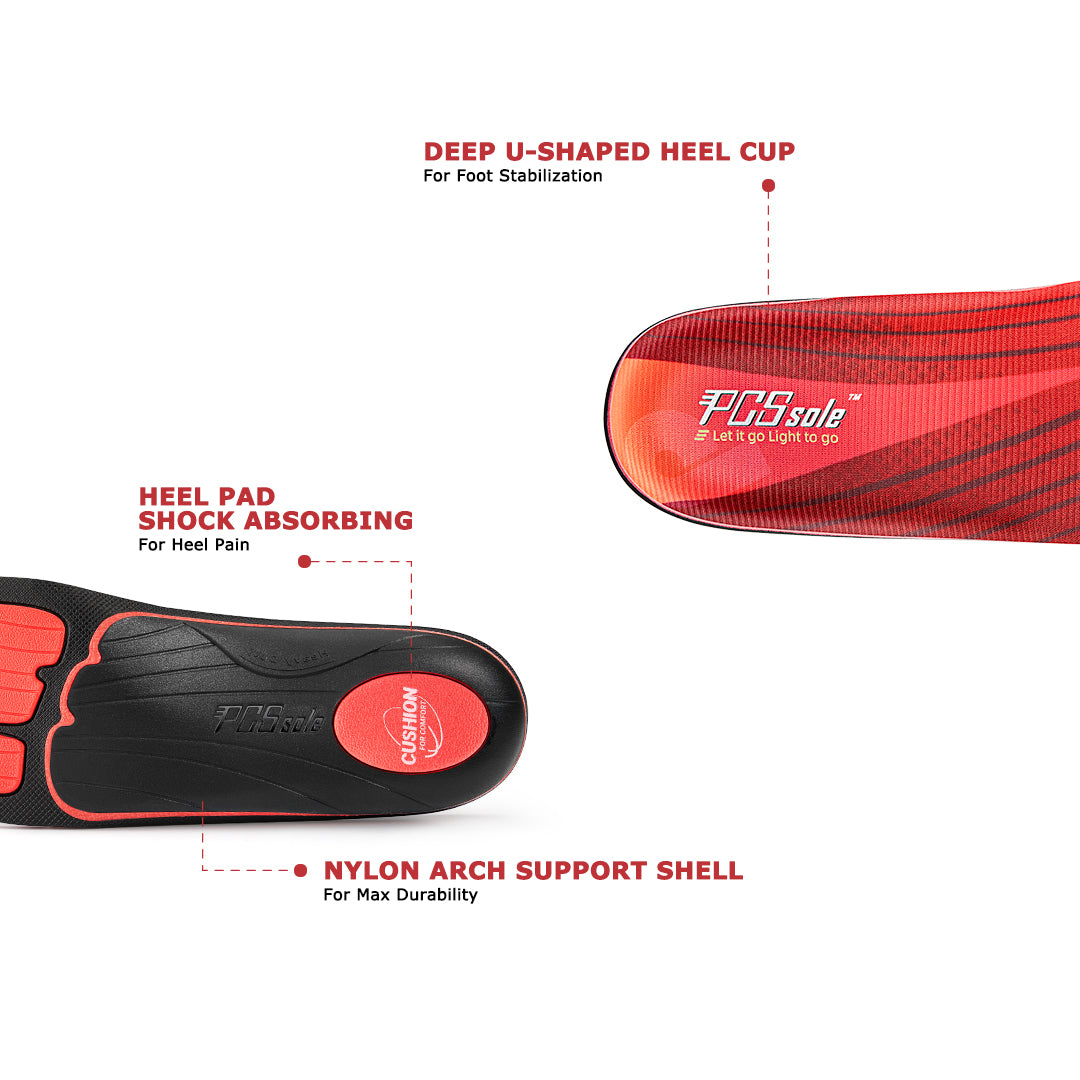
- Heel Locking: Aftermarket insoles usually have a deep, rigid heel cup that holds the foot in place, preventing the "toe-bang" and blisters common on steep terrain.
- Longevity: While a foam insole dies quickly, a high-quality replacement (made of EVA or cork) can last the entire lifespan of the shoe without losing its shape.

The Hidden Benefits of Replacing Your Stock Insoles
Here’s a quick overview of why swapping out the stock liners is worth it, tailored specifically to Salomon Shoes:
Benefit Salomon-Specific Angle
| Restore Arch Support | While the X Ultra and Quest series feature stable chassis, the stock liners are flat. A structured insole prevents arch collapse during heavy-pack trekking. |
| Increase Stability | On technical descents in the Speedcross or XA Pro, a deep heel cup locks the calcaneus in place, reducing lateral movement and preventing ankle rolls. |
| Personalize Fit | The S/Lab and Pulsar series feature a precise, narrow fit—choose low-volume insoles. For the roomier Ultra Glide, use a thicker insole to customize volume. |
| Enhanced Shock Absorption | Stock foam in the Sense Ride can compress over long mileage. Upgrading to high-density EVA or gel inserts provides lasting protection against downhill impact. |
| Moisture & Odor Control | Gore-Tex models trap heat; specialized antimicrobial topsheets manage the high sweat levels typical of mountain running to prevent fungal growth and odor. |
| Extend Gear Lifespan | Salomon Contagrip outsoles often outlast the interior foam. Replacing the insole restores the "new shoe" feel and structural integrity for hundreds of extra miles. |
Upgrade Once—Wear Better Forever

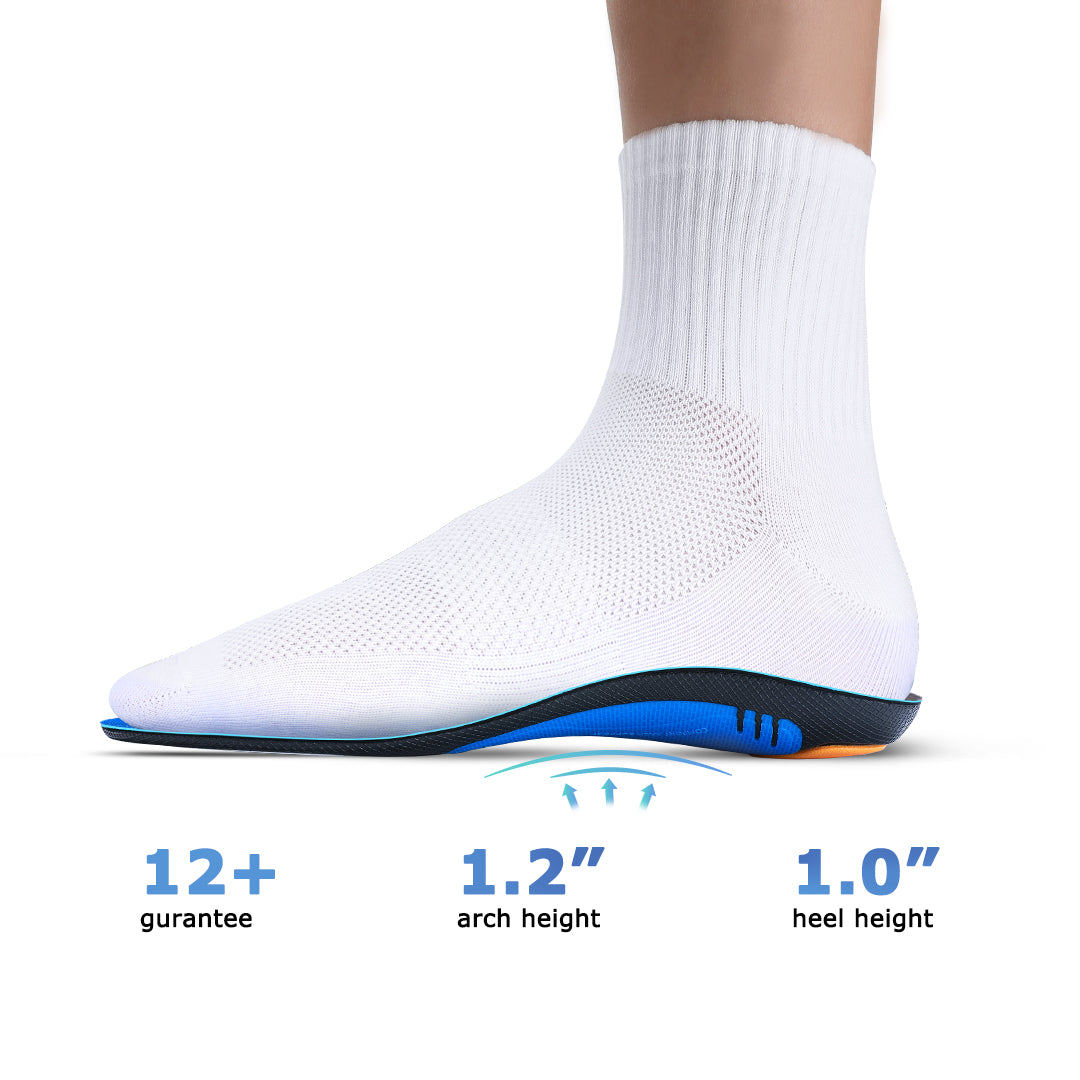
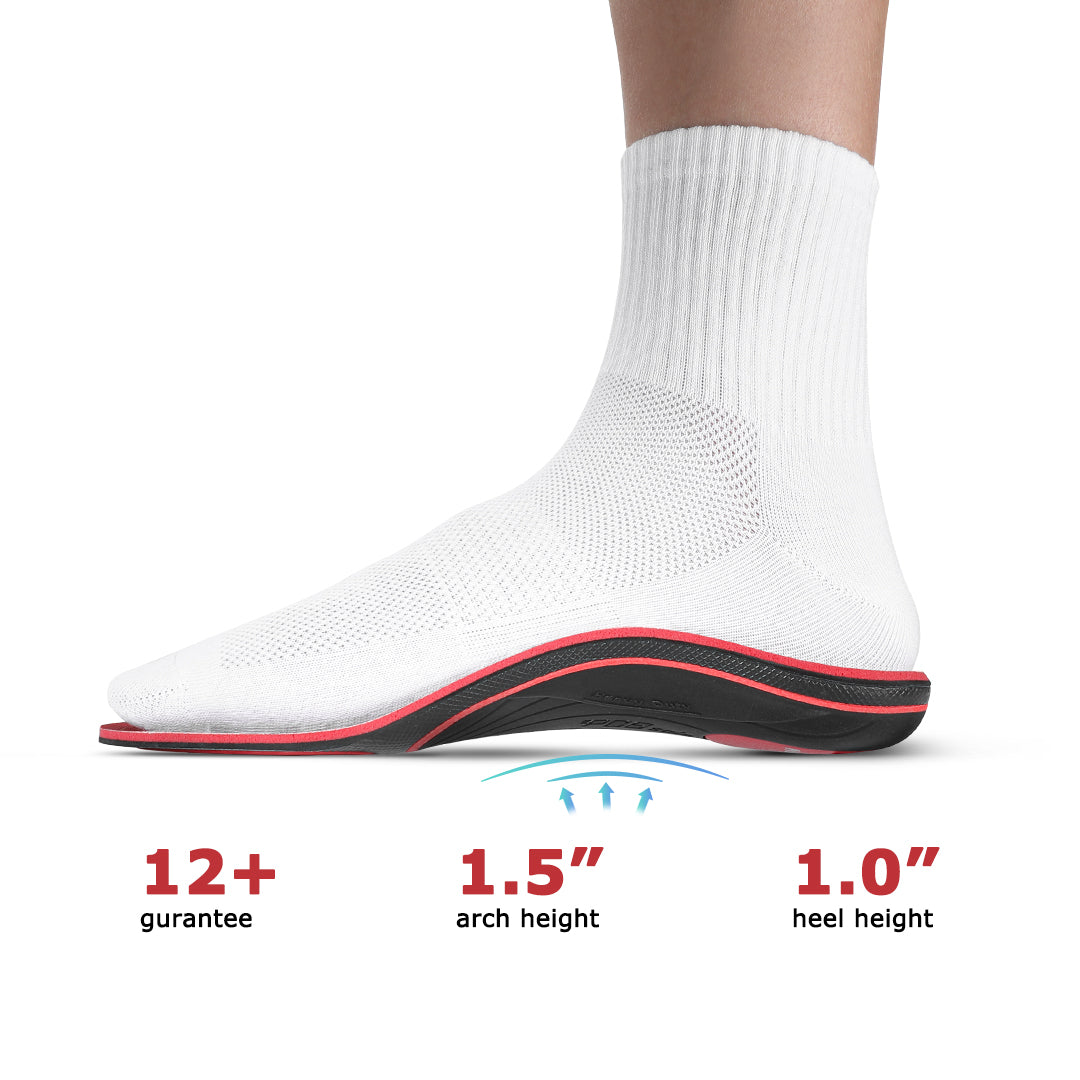
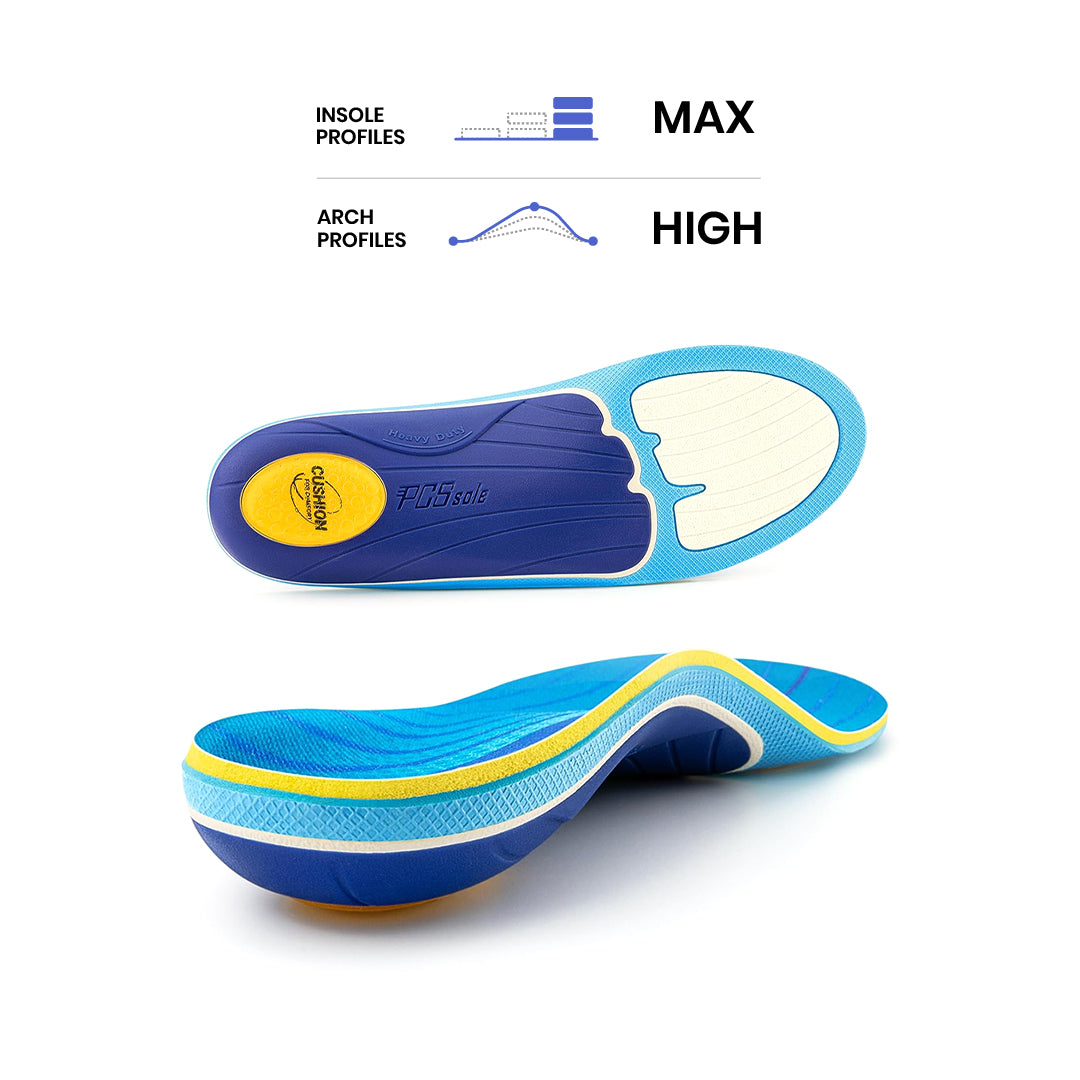
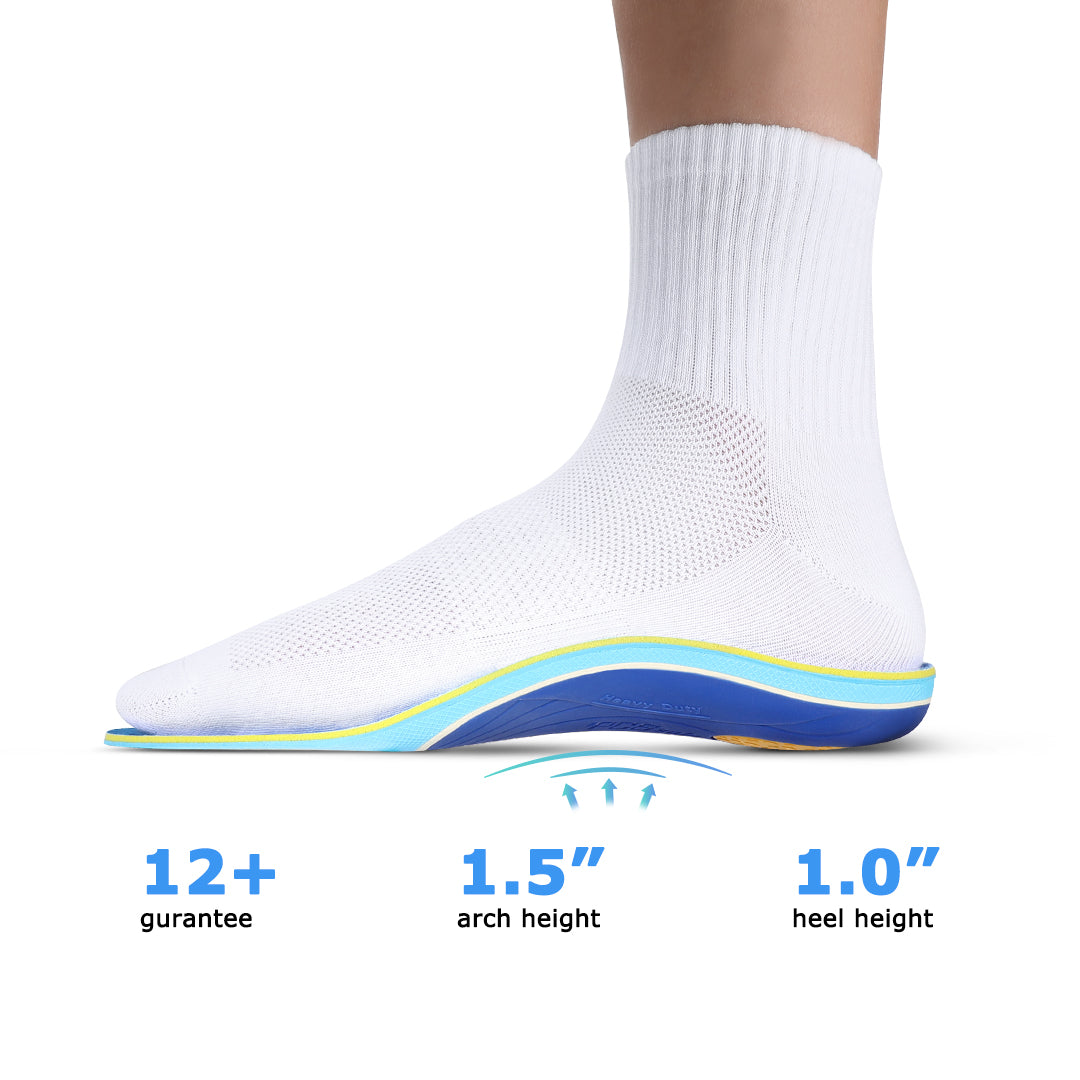
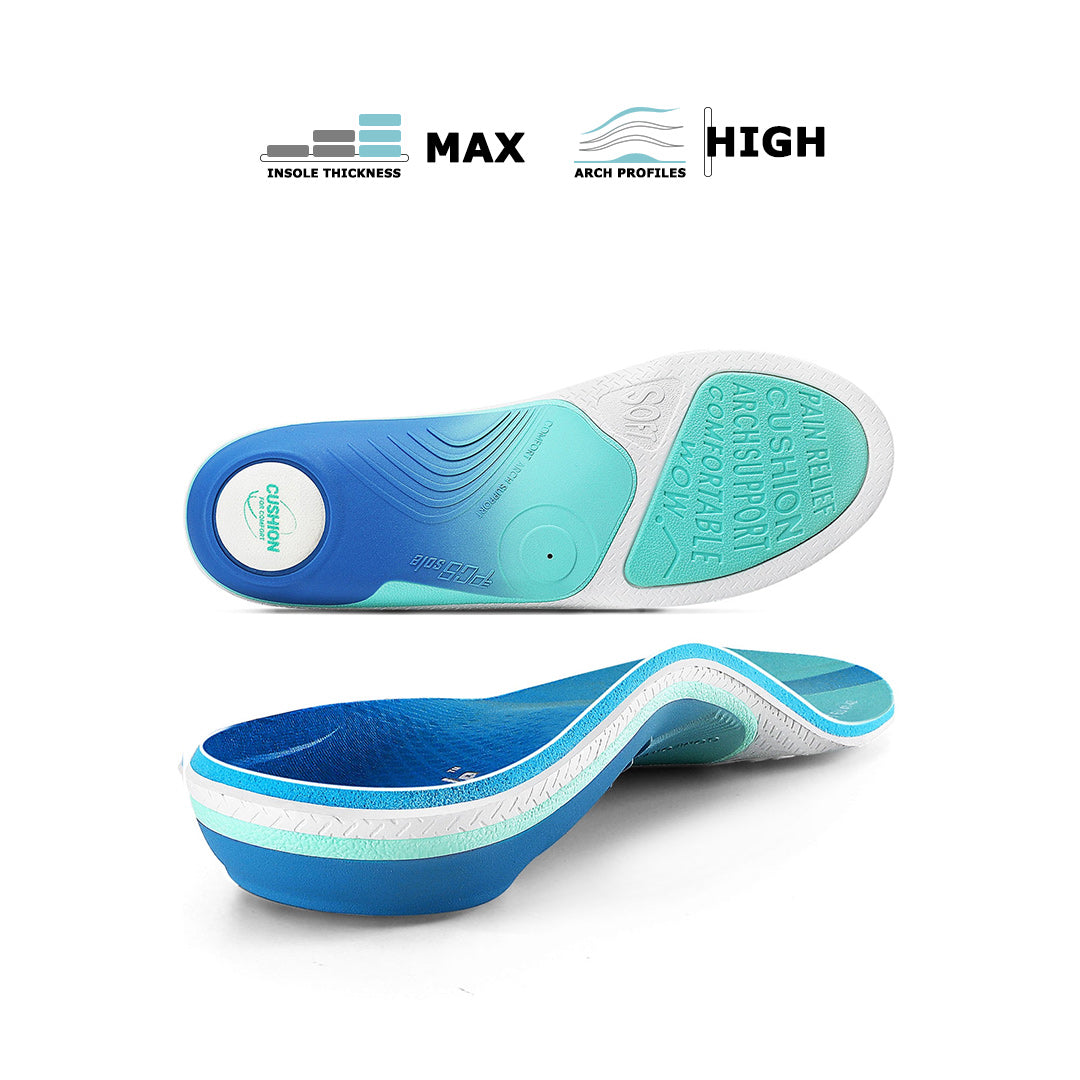
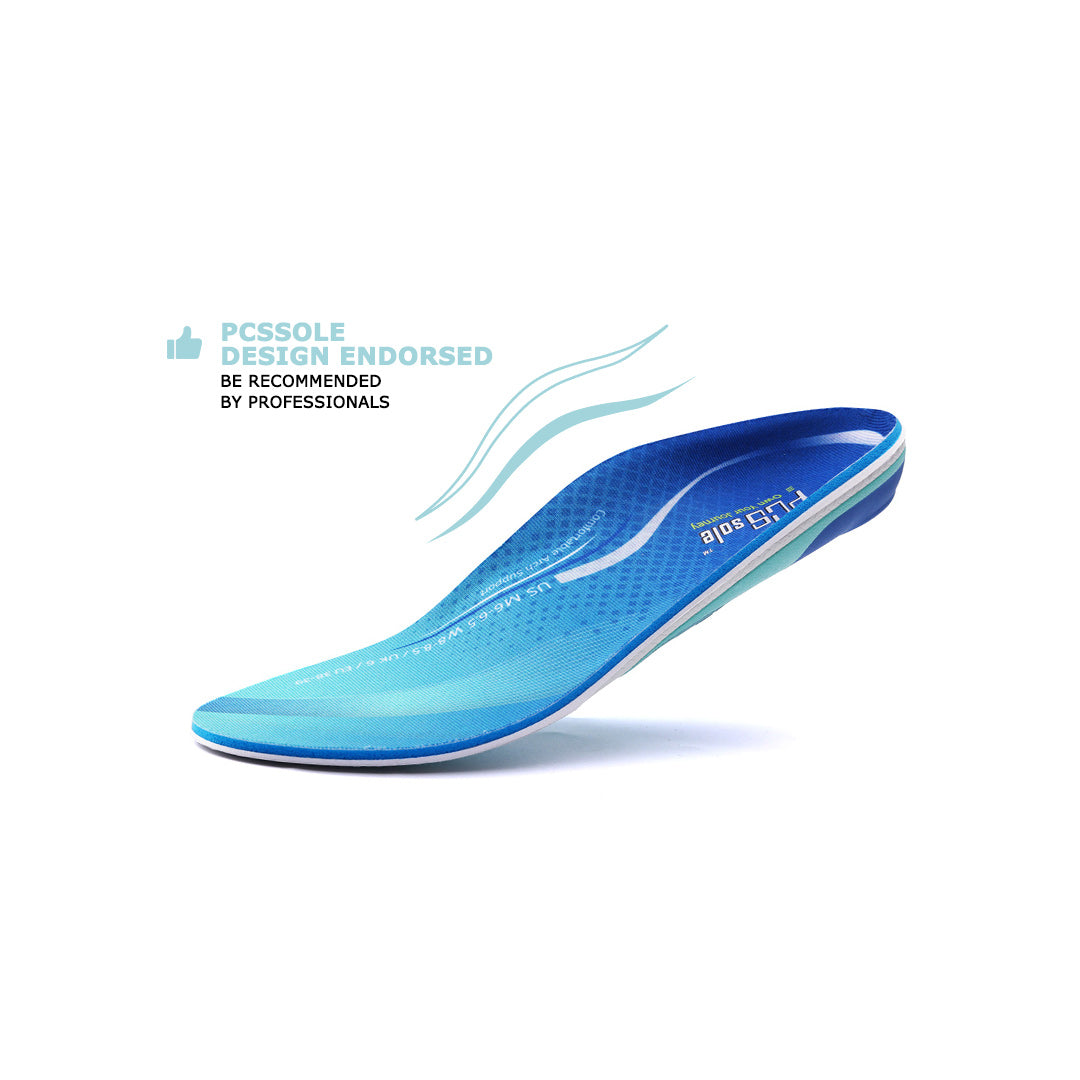
If you’re serious about comfort, don’t settle for generic gel pads or cheap foam inserts. PCSsole Orthotic Insoles are engineered specifically for sneaker lovers who need real support without sacrificing style or that SensiFit-powered ride.
✅ Trim-to-fit design for most Salomon models
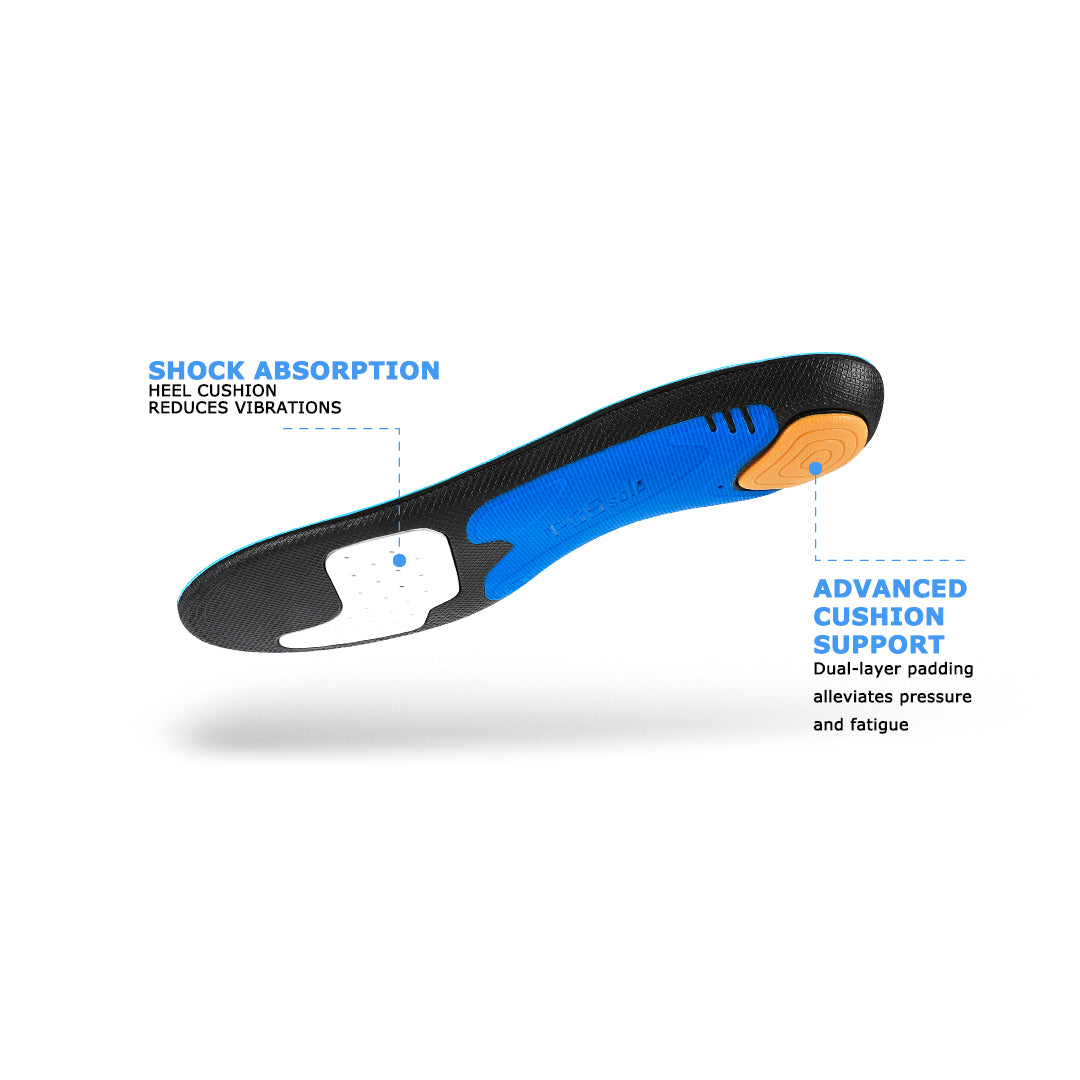
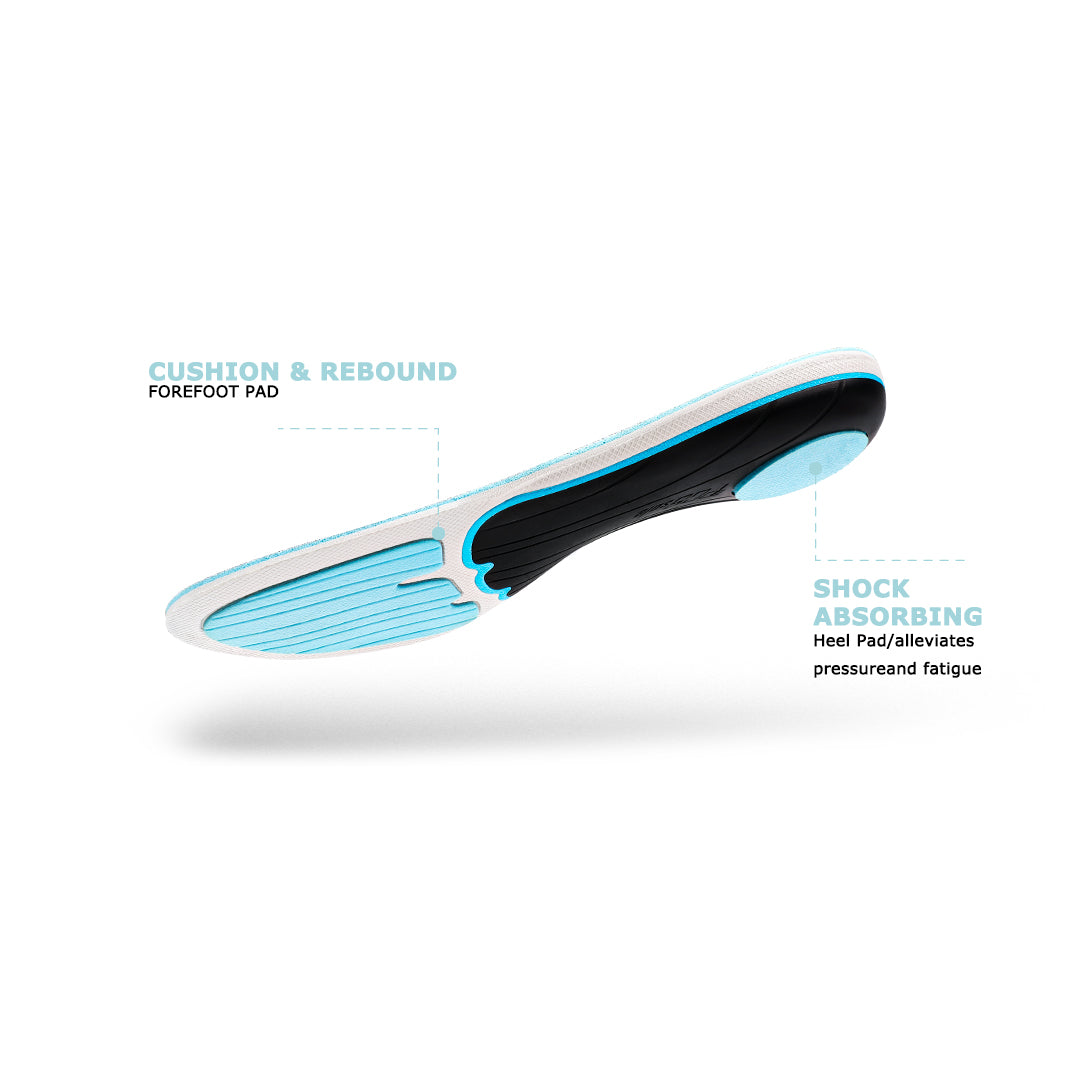
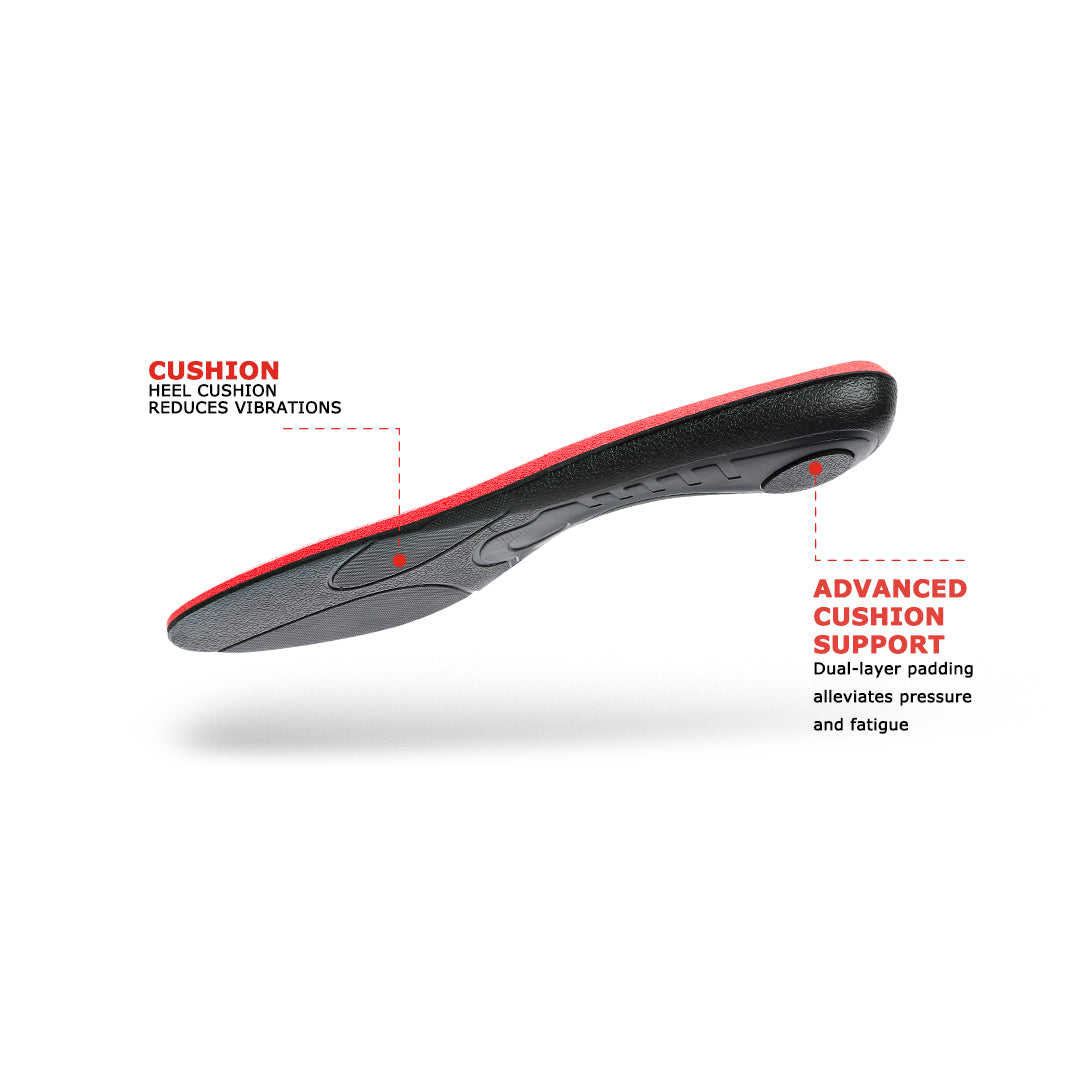
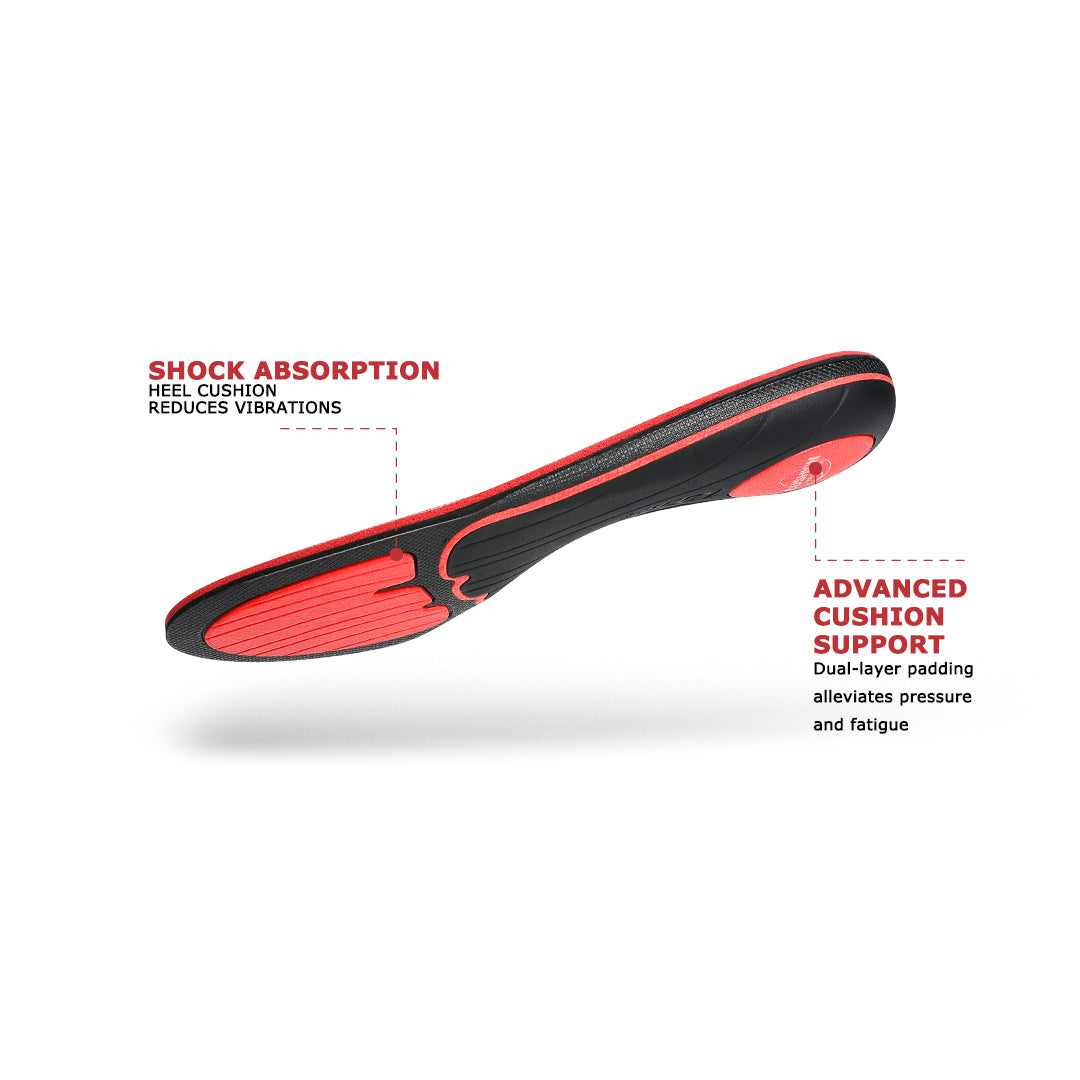
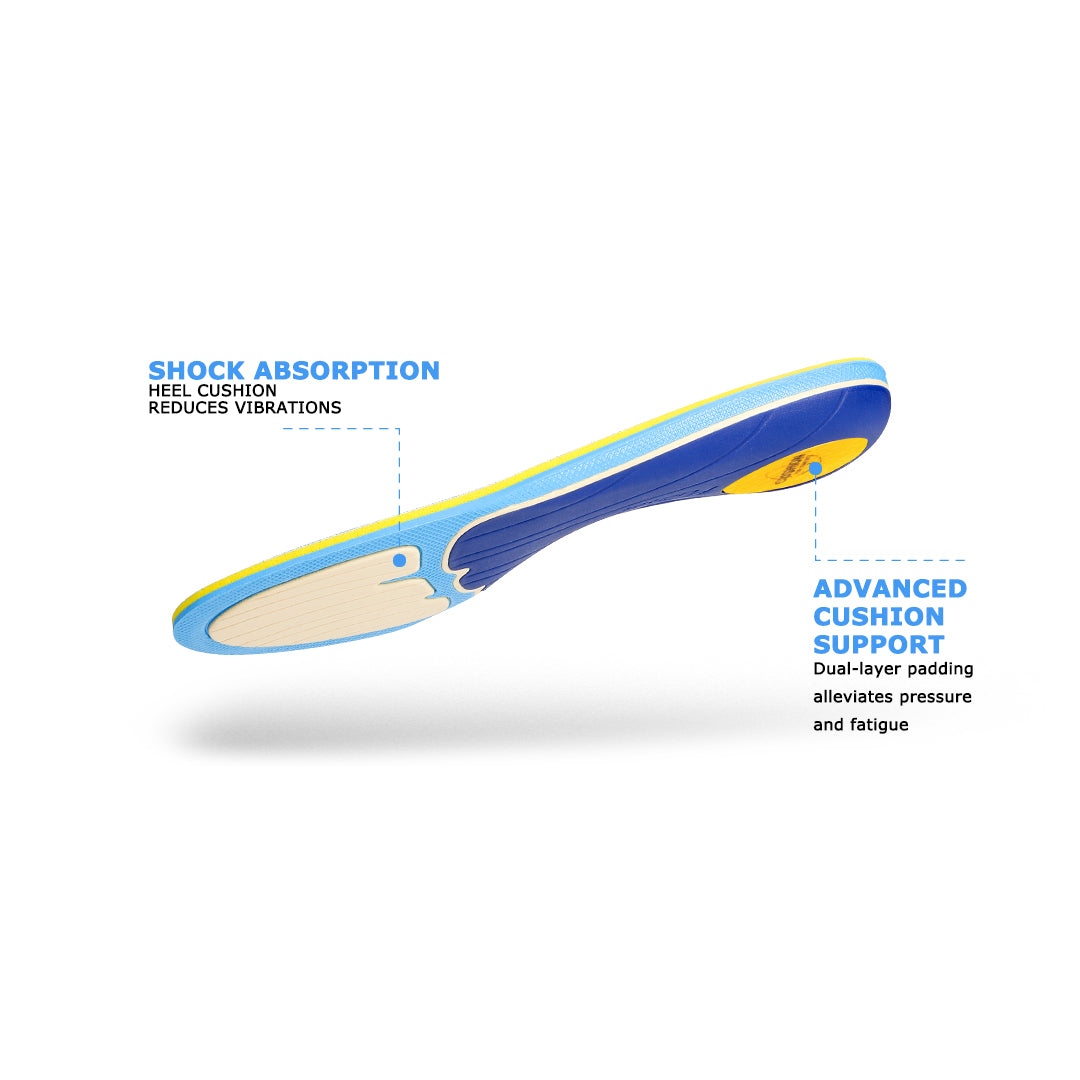
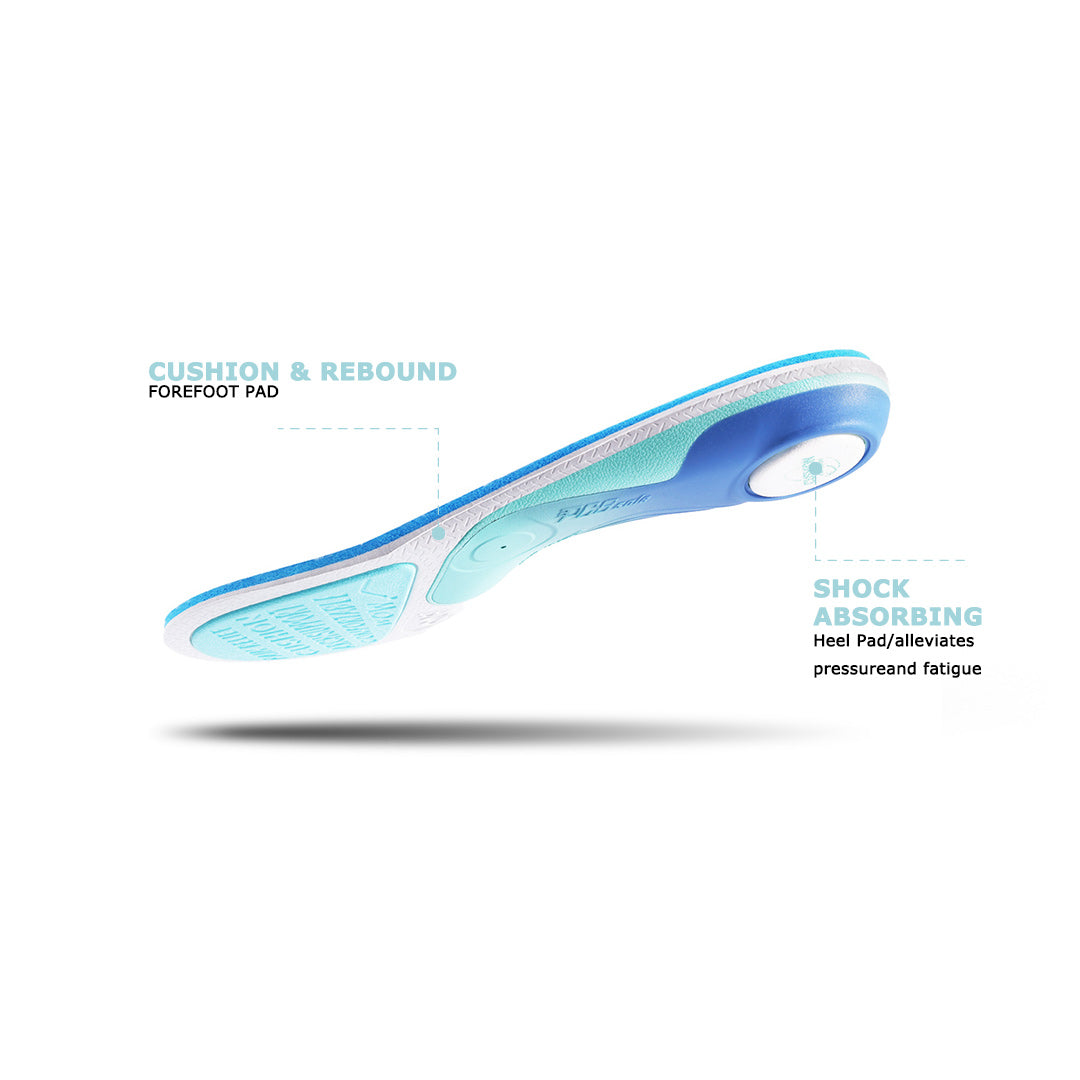
✅ Dual-density construction to absorb impact and reduce fatigue
✅ Antimicrobial top layer for all-day freshness
Get your first pair at pcssole.com
What to Look for When Choosing Salomon Replacement Insoles?
Here are some key features to look for when shopping for Salomon Insole replacements:
1. Arch Support
Choosing the proper arch support insole is essential for relieving foot strain and discomfort, especially for people with high or low arches. Look for insoles designed to deliver targeted support based on your unique foot shape, helping keep your feet aligned and comfortable.
2. Shock Absorption
Custom insoles with advanced cushioning technology typically absorb impact and relieve pressure on your feet during high-activity movements. This feature is beneficial for athletes engaged in repetitive or high-impact activities.
3. Breathability and Durability
Insoles that use moisture-wicking materials are ideal for keeping your feet dry and comfortable all day long. Durability is equally important, which means that your insole will retain its shape and effectiveness over time, providing long-term value and support.

The 5 Best Salomon Replacement Insoles for 2026
Insole |
Key Tech |
Pros |
Cons |
Ideal For |
|---|---|---|---|---|
PCSsole Insoles |
Shock-absorbing, adaptive arch support, breathable dual-layer |
Firm support after 2–3 day break-in; all half sizes available; long-lasting |
Feels “firm” vs super-plush foam insoles |
Daily wearers, plantar fasciitis prevention |
Superfeet Carbon/Run Comfort Thin |
EVOLyte® carbon stabilizer + Aerolyte™ foam |
Lightweight, durable arch support |
Higher price; arch can feel aggressive |
Neutral/high arch users who want structure |
Currex RunPro (Low / Med / High) |
Dynamic arch flex, triple-layer foam, bamboo top |
Custom arch heights; springy feel |
Sizing is picky; may squeak if not trimmed well |
Runners/gym users in Salomon |
Powerstep Pinnacle Thin |
Semi-rigid polypropylene shell + EVA |
Good pronation control in a slim profile |
Slightly heavier; firmer underfoot |
Flat feet / overpronators |
Spenco RX Comfort |
Closed-cell foam + 4-way stretch fabric |
Soft step-in, budget-friendly |
Compresses faster; minimal arch |
Casual all-day comfort seekers |
Obviously, we recommend PCSsole as the top option. And not just because we made them, but also allows us to build our case.
We didn’t just make another foam insert. We engineered PCSsole with a high-rebound, medical-grade structure specifically to fill that gap. While "best" depends on your specific foot, a true performance upgrade should hit these five pillars:
- Active Rebound: Does the insole push back, or just sink? PCSsole acts like a secondary suspension system.
- Thermal Flow: Salomon are thick shoes that trap heat. Our vented honeycomb design pumps air with every step.
- Structural Integrity: Traditional foam degrades in months. PCSsole are built to outlast your shoes.
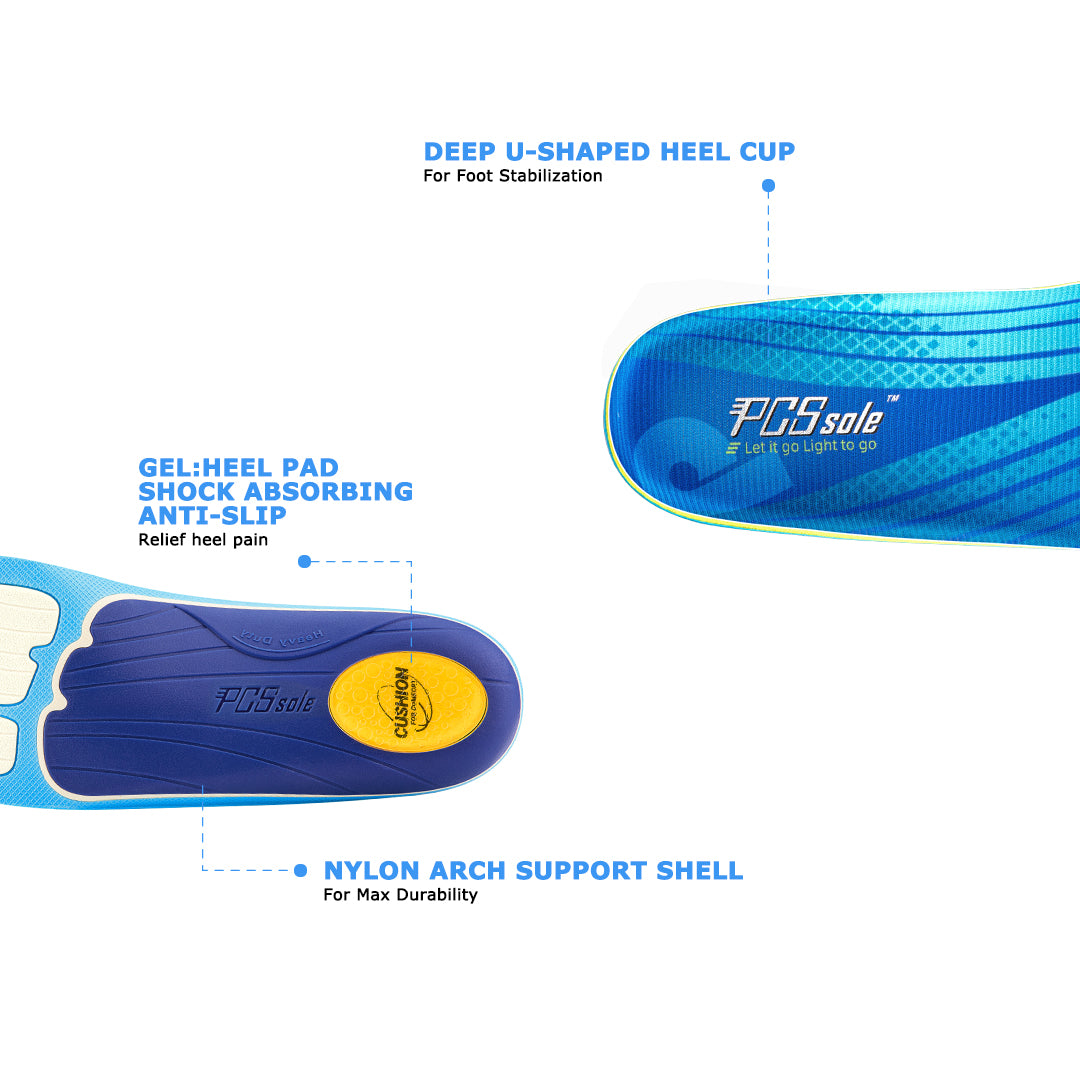
- Bio-Mechanical Alignment: We provide the rigid support of an orthotic without sacrificing the "cush" Salomon fans love.
- Hygiene: Most factory insoles are bacteria magnets. Ours are built with anti-microbial materials to kill the "gym bag" smell.
For the most part, here's a quick glance at PCSsole vs. The Field:

Step-by-Step Guide to Finding Your Perfect Salomon Insole
1. Identify Your Salomon Model
Salomon footwear is engineered for specific terrains, so your insole choice should match the technical build of your shoe. For precision-fit racing models like the S/Lab Pulsar or Speedcross, it is best to stick to low-volume insoles such as PCSsole Casual Relief Thin or Superfeet Carbon Thin. These maintain essential toe room and ensure the SensiFit™ wrap remains precise without feeling overly cramped.
On the other hand, if you wear roomier trekking boots or high-cushion trainers like the Quest 4D GTX or Ultra Glide, you can comfortably opt for more robust inserts like the PCSsole Hike Arch Support or Currex HikePro. These add the necessary structural stability and plush cushioning required for managing heavy packs and long-distance impact.
2. Assess Your Feet and Pain Points
Before upgrading your Salomons, consider your foot anatomy and the recurring challenges of the trail. If you have flat feet or suffer from overpronation, choose insoles with semi-rigid arch support, such as PCSsole Universal Arch Support or Powerstep Pinnacle. These help stabilize your stride on uneven rocks and prevent the arch from collapsing under continuous pressure.
For those experiencing heel pain or plantar fasciitis, insoles with deep heel cups and high-density cushioning—like the PCSsole Universal Arch Support or Sole Active Medium—can cradle the heel, reducing impact during steep, jarring descents. If you have high arches, go for contoured insoles that fill the arch gap to distribute pressure evenly, helping to prevent "hotspots" and foot fatigue during long climbs.
3. Match to Activity Level
Your specific outdoor pursuit should dictate your choice:
Technical Trail Running: Prioritize lightweight designs and dynamic flexibility, such as the PCSsole Running series, to maintain ground feel and agility.
Heavy Backpacking: Seek maximum structural rigidity and deep heel stabilization to handle the extra weight of your gear over many miles.
4. Trim for a Custom Fit
PCSsole Insoles are designed to fit a wide range of sizes, but because Salomon shoes often feature a tapered, athletic silhouette, slight trimming is usually required for a perfect match. When trimming, always use your original Salomon OrthoLite insole as a template.
Trace the outline and carefully trim the new insole from the forefoot area only—never the heel, as this would compromise the structural integrity of the heel cup. After trimming, slide the insole into the shoe and test it while standing to ensure the arch support aligns perfectly with your natural foot shape. Avoid over-trimming; a loose insole can slide during technical movements, leading to instability or friction.
5. Break Them In
Even the best insoles need a short adjustment period. If you notice any rubbing or hotspots, double-check your trimming or shoe fit—small adjustments can make a big difference in long-term comfort.
Caring for Your Salomon Insoles: Tips for Long Life
Proper care extends an insole's lifespan and keeps your Salomon fresh. Here are some top-of-mind tips:
- Always remove stock liners: Prevents cramped toe boxes and ensures a stable fit.
- Fight squeaks: Lightly dust the insole’s underside with baby powder or add a thin fabric layer under the forefoot.
- Clean regularly: Hand-wash with mild soap, rinse gently, and air-dry for 24 hours. Avoid dryers or direct heat, which can warp EVA or PU.
- Rotate pairs: If you wear Salomon daily, keep a backup insole set to reduce wear and allow each pair to dry fully.
- Store properly: When not in use, keep sneakers in a cool, dry place to avoid moisture buildup.
- Know when to replace: Swap insoles every 6–12 months (or 400–700 km of walking). Watch for compressed heels, persistent odor, or arch support loss.

Frequently Asked Questions (FAQs)
What is the Ortholite insole?
They are a popular sustainable insole made for many popular shoe brands. The insole is known to be comfortable, breathable, and made with open-cell technology.
Can I put new insoles on top of the old Salomon ones?
No. You should always remove the factory insole first. Adding a new insole on top will reduce the internal volume, making the shoe too tight and pushing your foot too high, which can cause heel slippage and circulation issues.
Are all Salomon shoes compatible with aftermarket insoles?
Most are, including the Speedcross, X Ultra, Quest, and Sense Ride series. However, some specialized S/Lab racing flats have very narrow chassis, so you should choose a low-volume insole to ensure a proper fit.
Do I need "wide" insoles for Salomon "Wide Fit" models?
Yes. If you wear a Salomon Wide (W) model, ensure your replacement insole has a wide enough forefoot. You can usually buy a larger size and trim it down using the original wide insole as a template.
My Salomons are a half-size (e.g., 9.5). What size insole should I buy?
Buy the next size up (e.g., Size 10) and trim it down. It is always better to have an insole that is slightly too large to trim than one that is too small and slides around.
How should I clean my replacement insoles?
Hand washes them with mild soap and cool water. Never put them in the dryer or near a heater, as extreme heat can warp the plastic support shell or degrade the adhesive.
Want To Know More About Insoles?
Looking for more information about insoles? Check out these helpful guides:
6 Reasons to Wear Arch Support Insoles for Your Shoes
Best Replacement Insoles for HOKA Shoes (Top Orthotic Inserts)
The Complete Guide to New Balance Insole Replacement (2026 Edition)
Best Brooks Replacement Insoles & Top 5 Brooks Running Shoes
Have a different foot need in mind? We're here to help. Reach out anytime, and we'll guide you to the perfect insole solution!