

Table of contents
The Nike Mind Mule weighs about 10 ounces, retails for $95, and is made in Vietnam. Nike positions it as a mind-altering shoe designed to help with pregame routines by keeping you present and connected to your surroundings. The large nodes on the outsole are meant to push up against your foot with every step, supposedly engaging sensory areas of the brain.
Is This Pseudoscience?
The shoe supposedly activates these sensory areas through 22 nodes that move up and down as you walk. Nike claims this was developed in their “mind science” department. But honestly, any pressure on your foot activates sensory areas in the brain. If I stabbed your foot with a knife, it would definitely activate them, too! It feels shady, like 90s pseudoscience marketing, but in 2026.
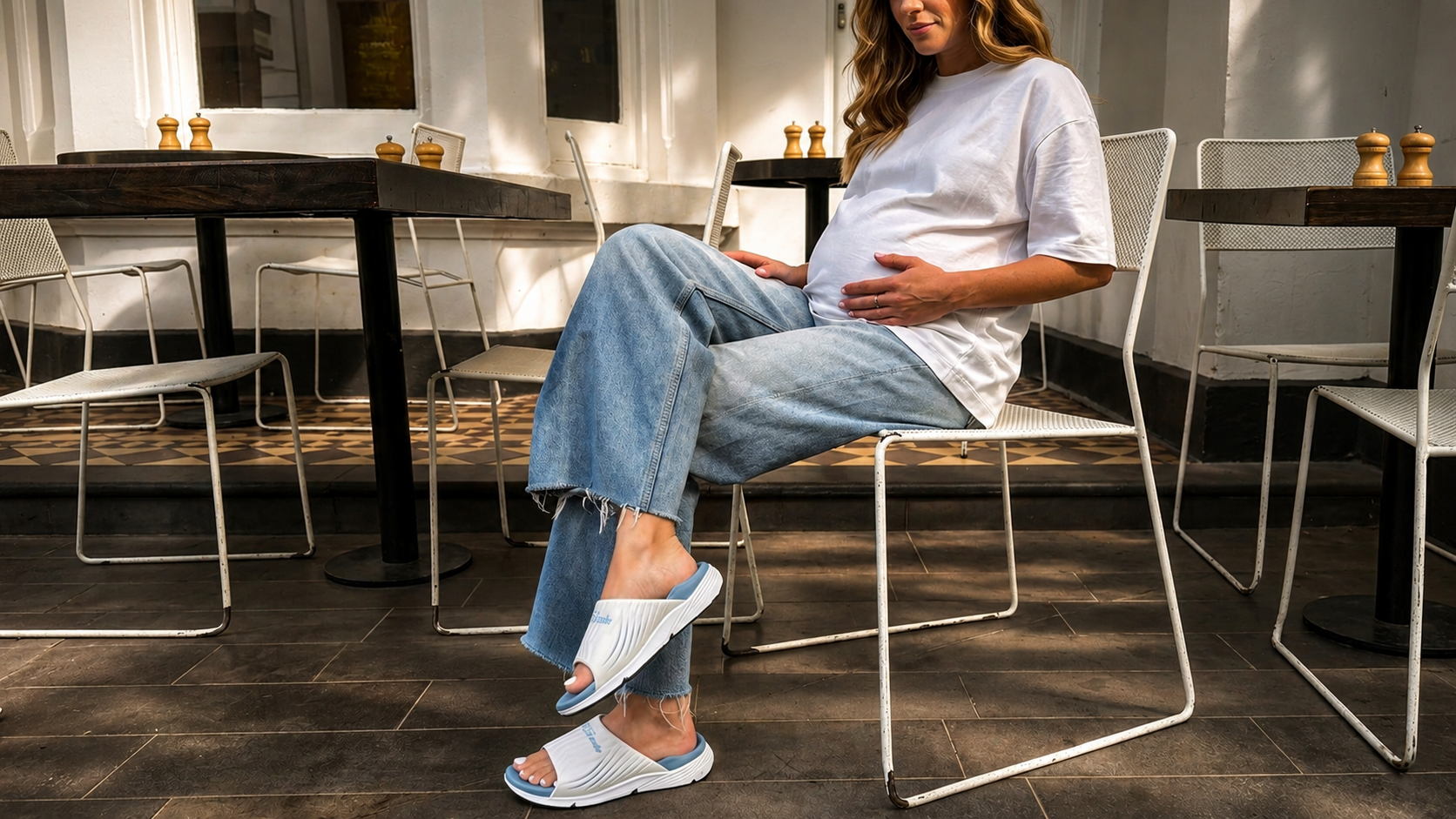
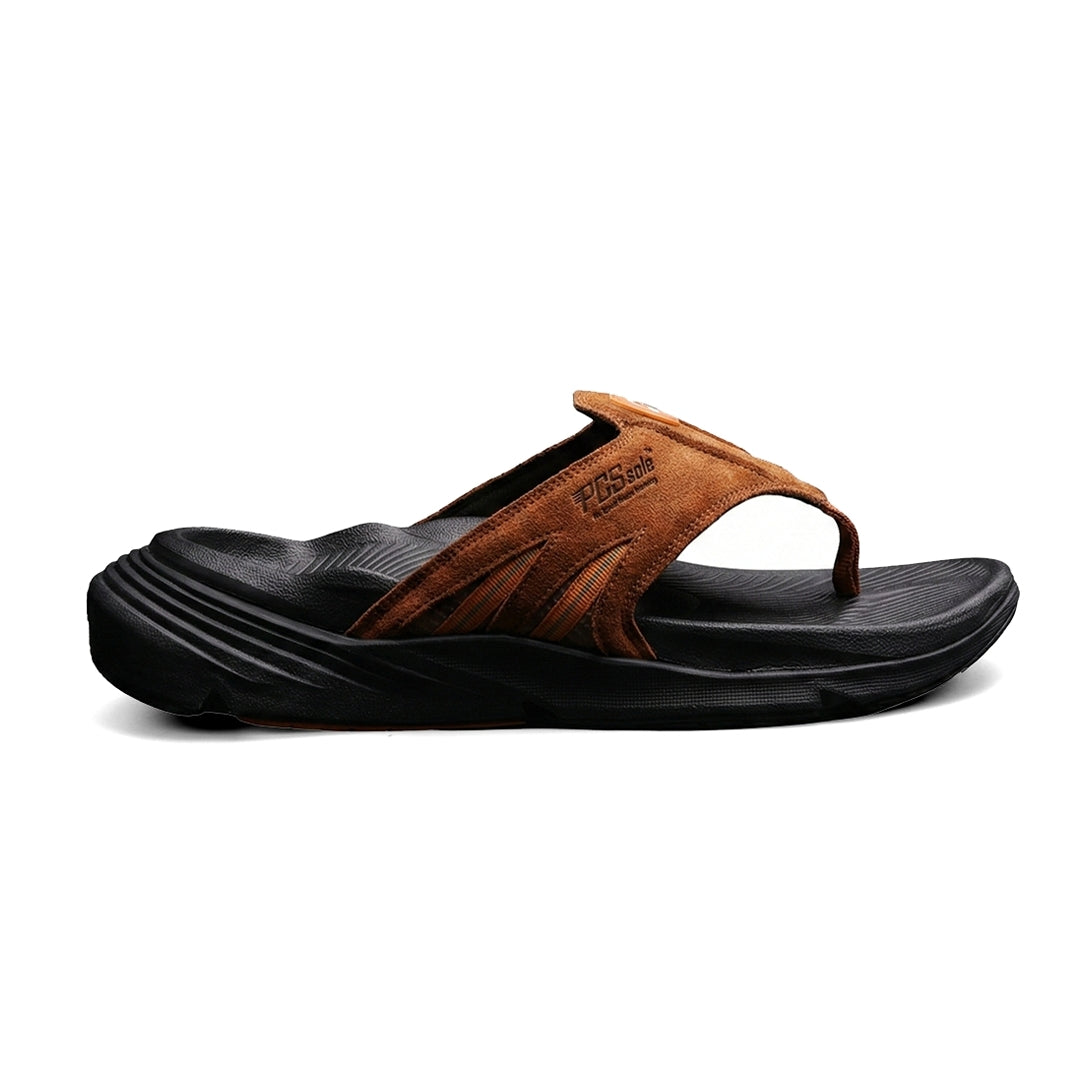
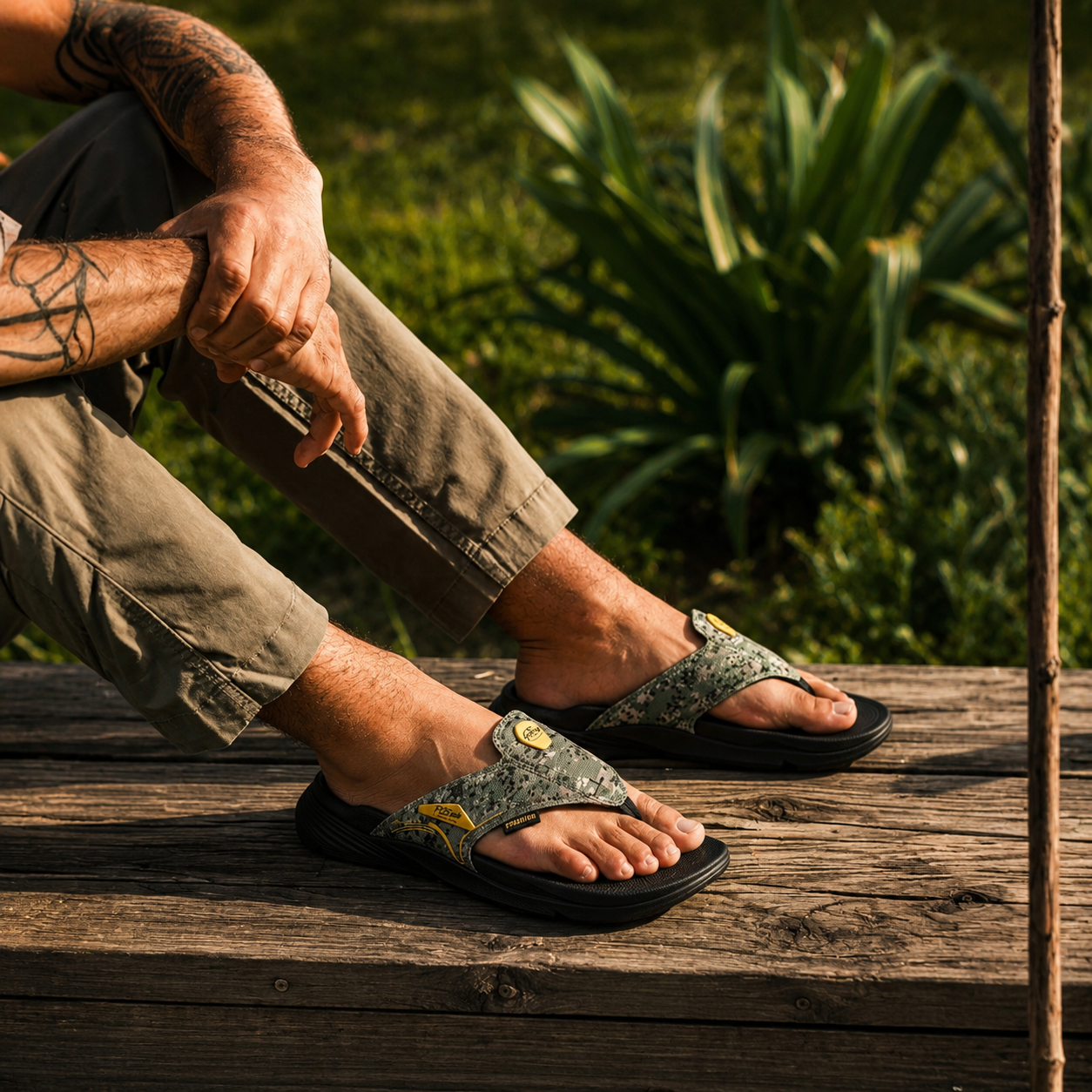
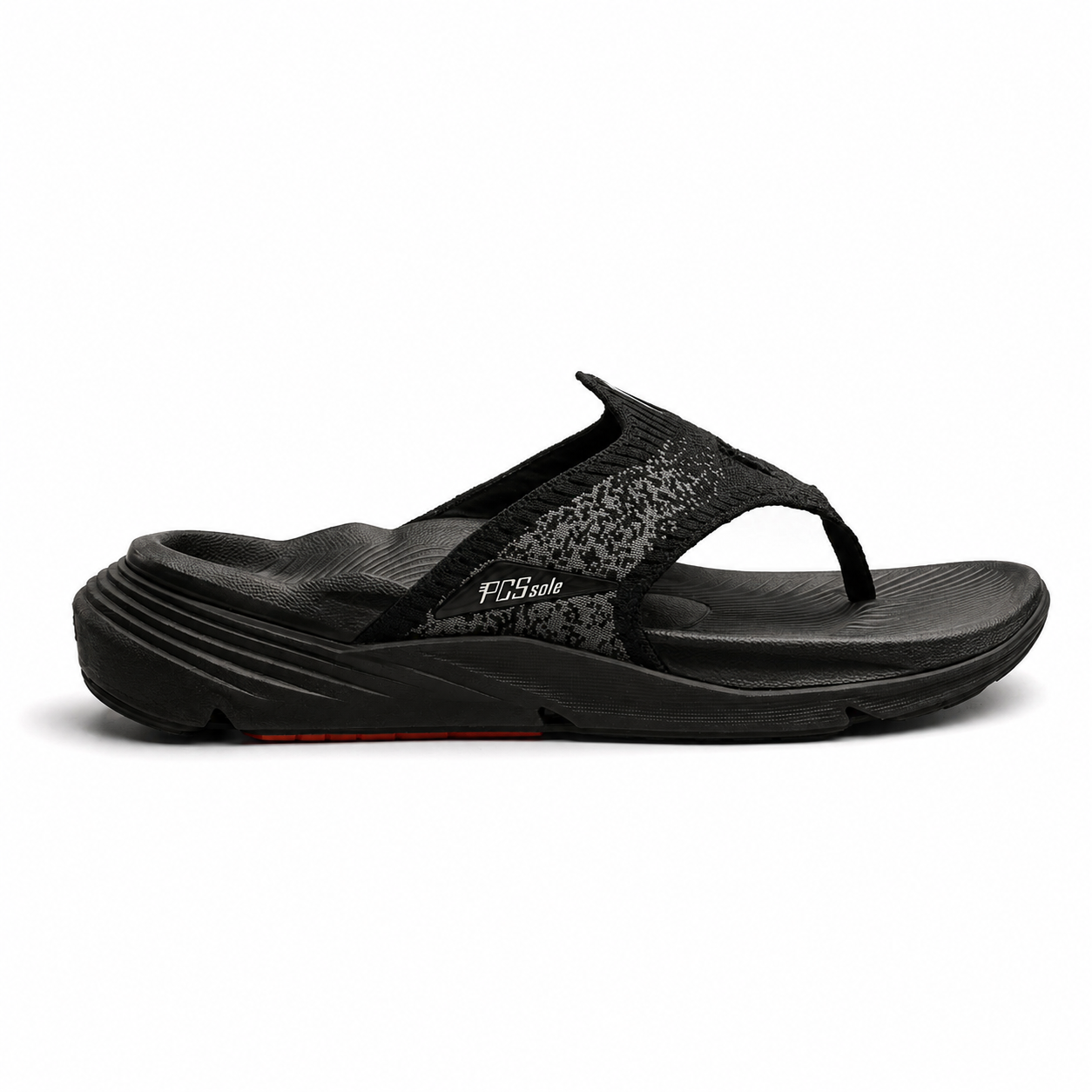
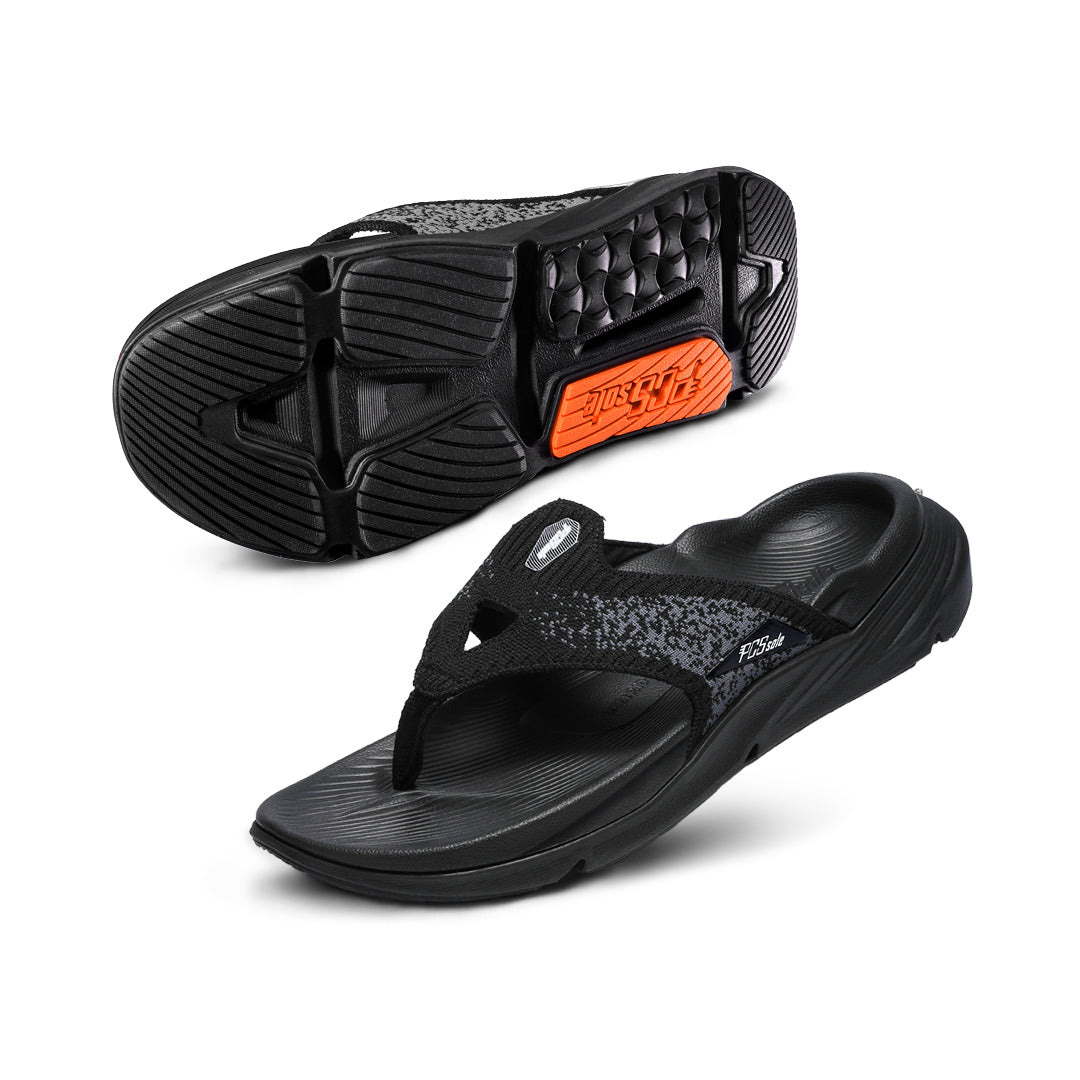
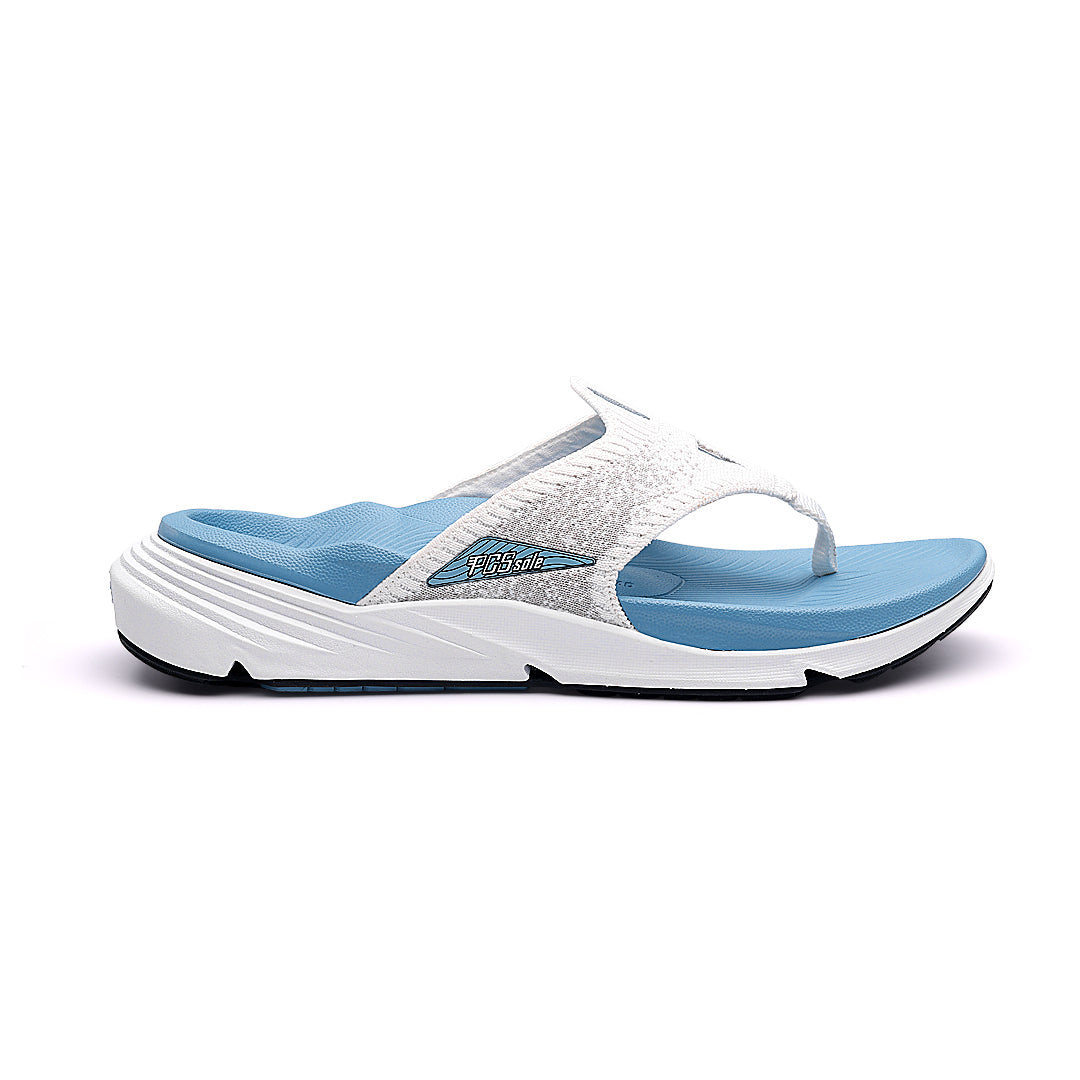
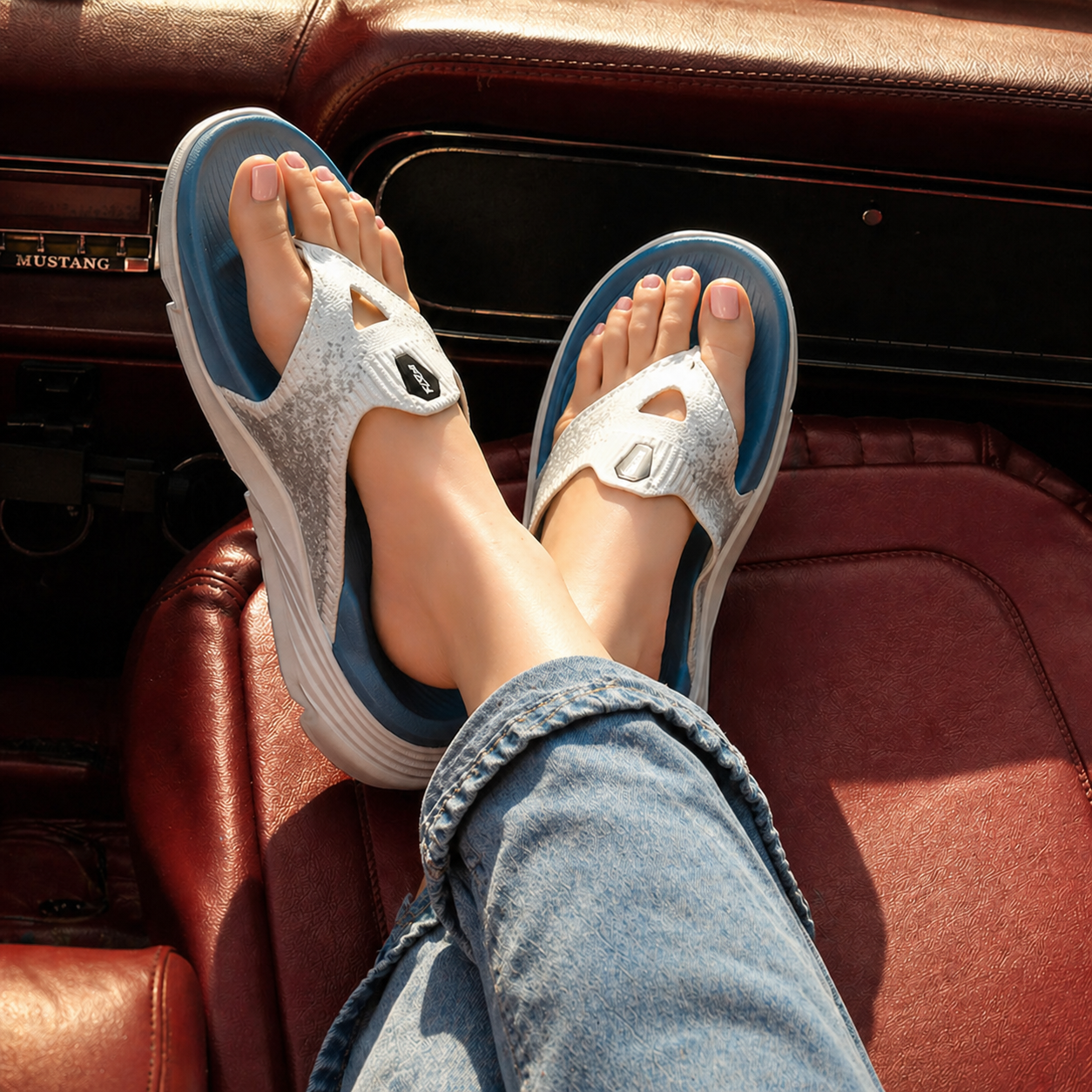
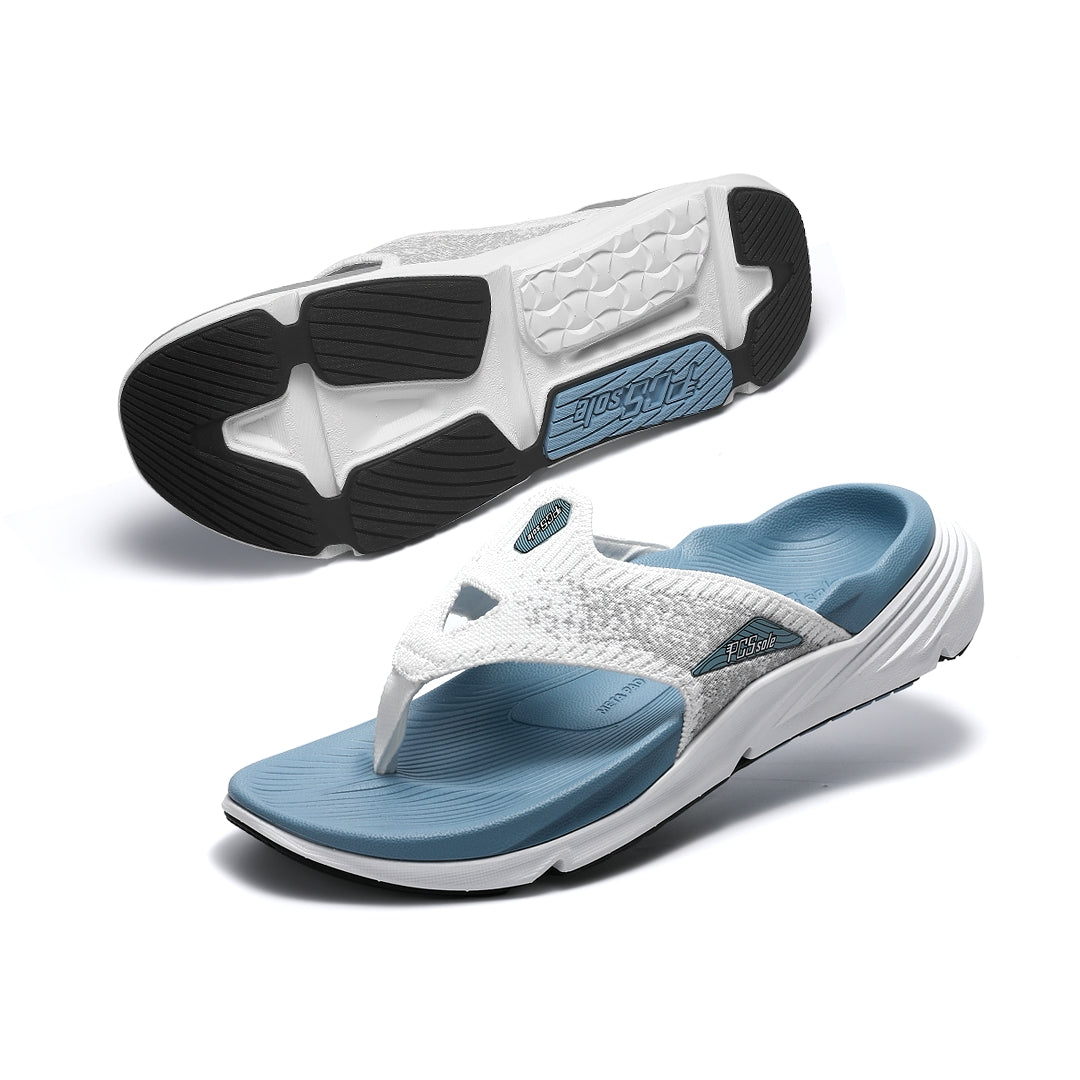
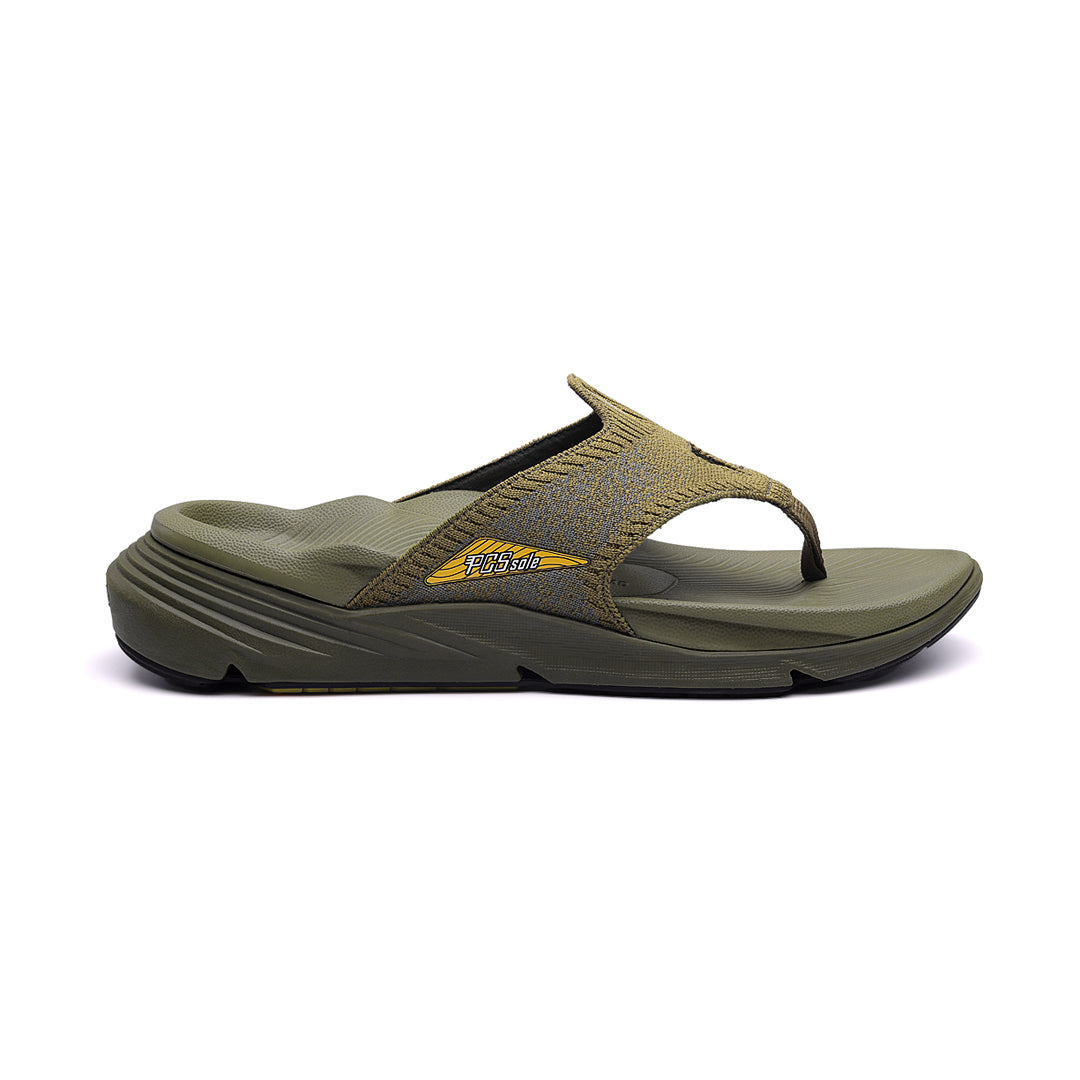
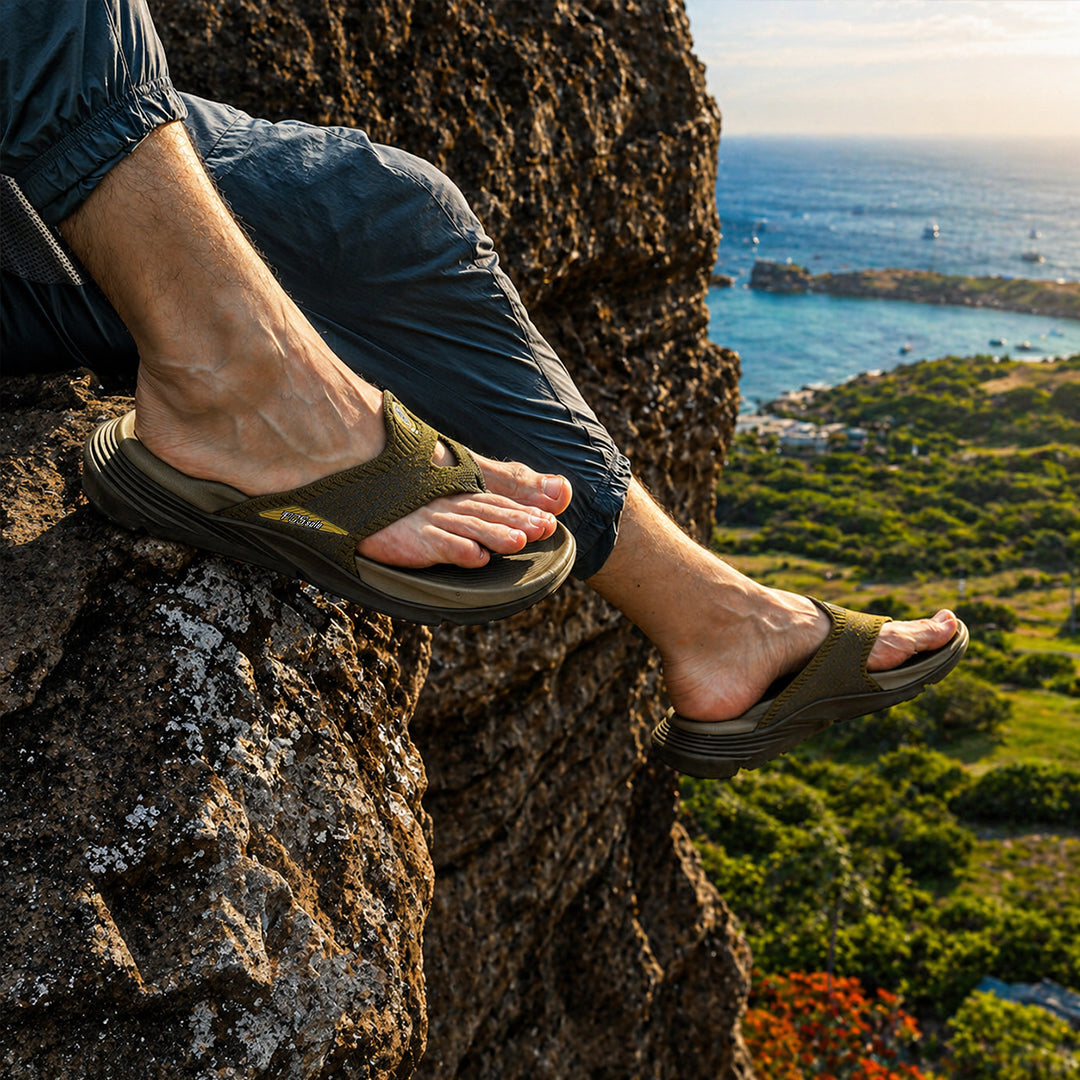
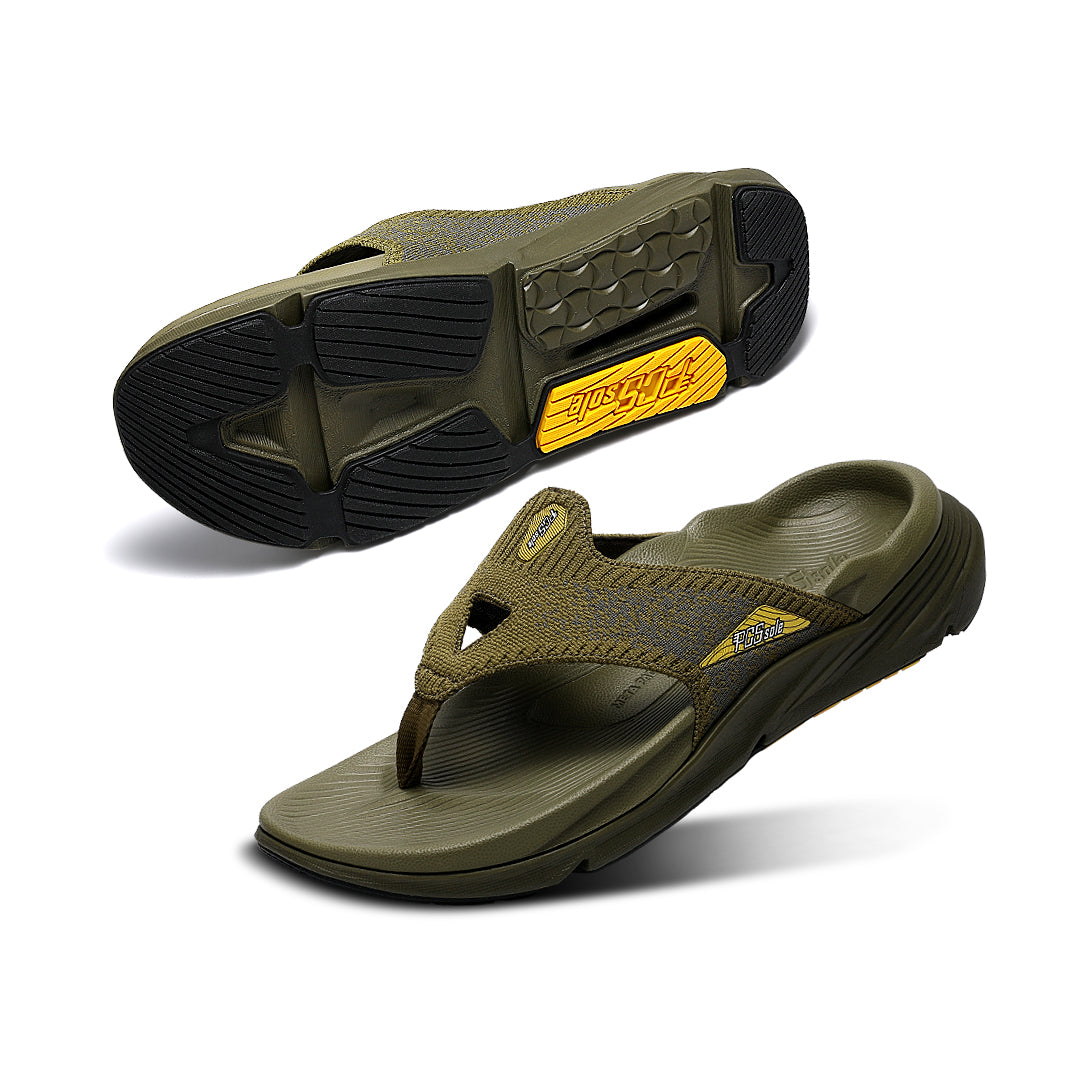
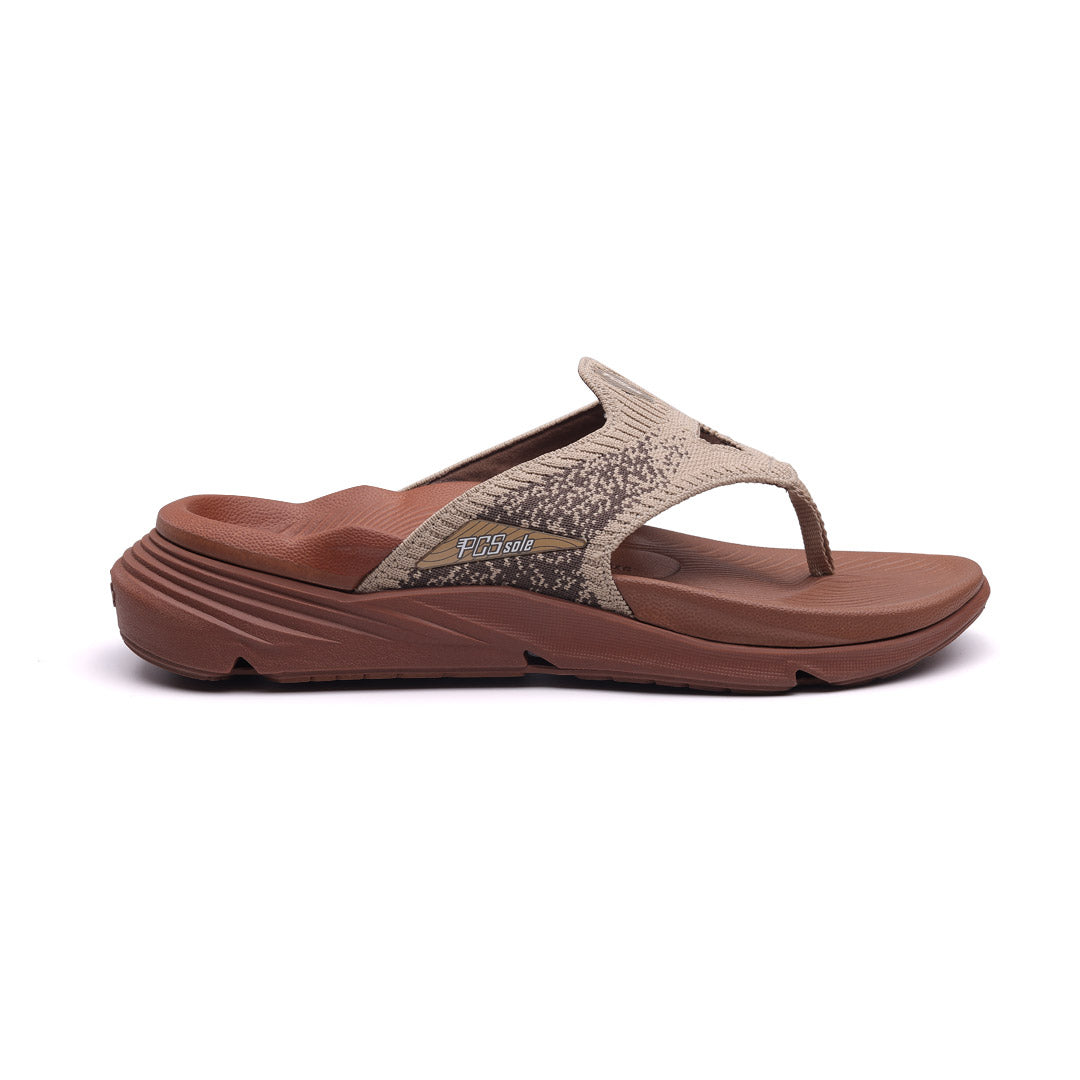
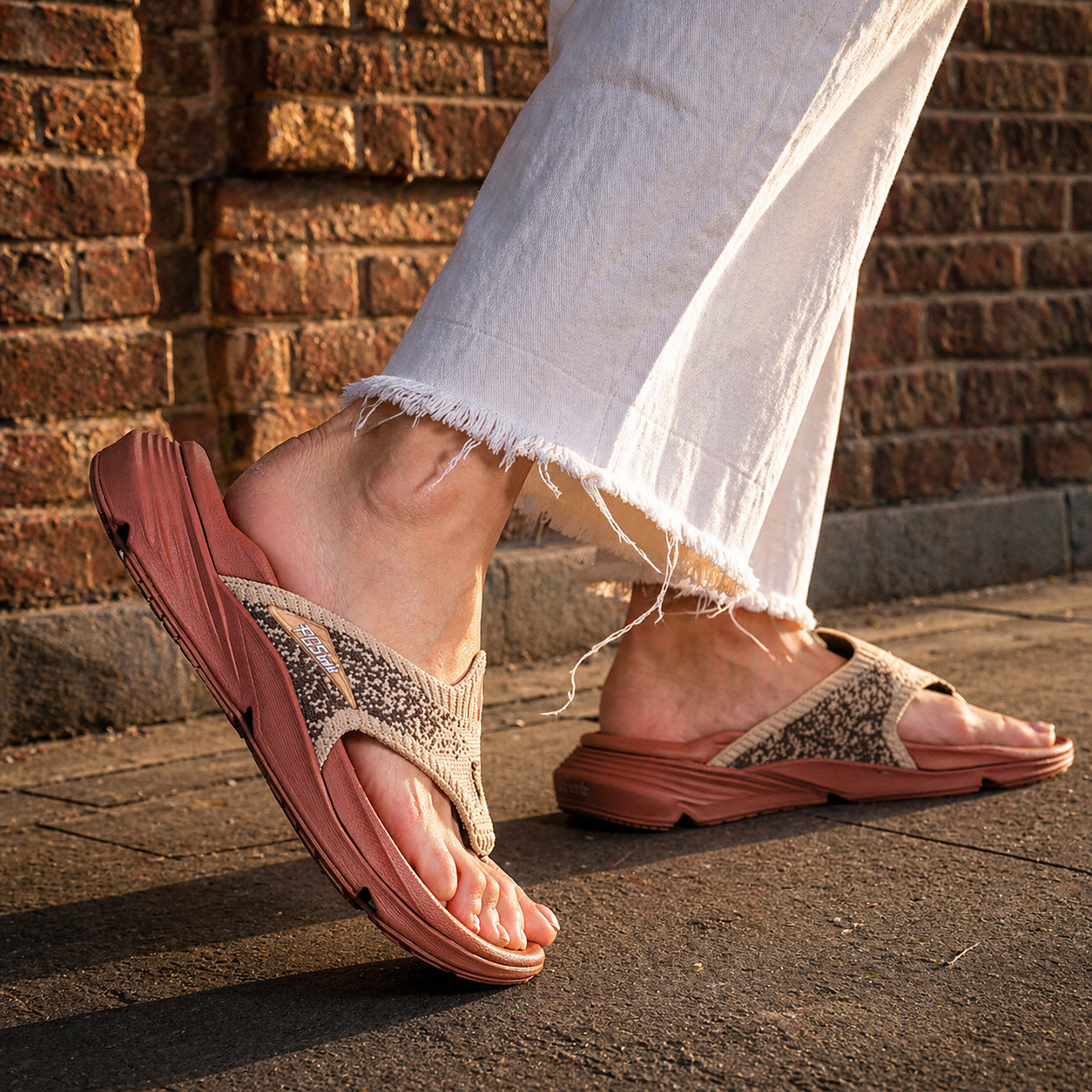
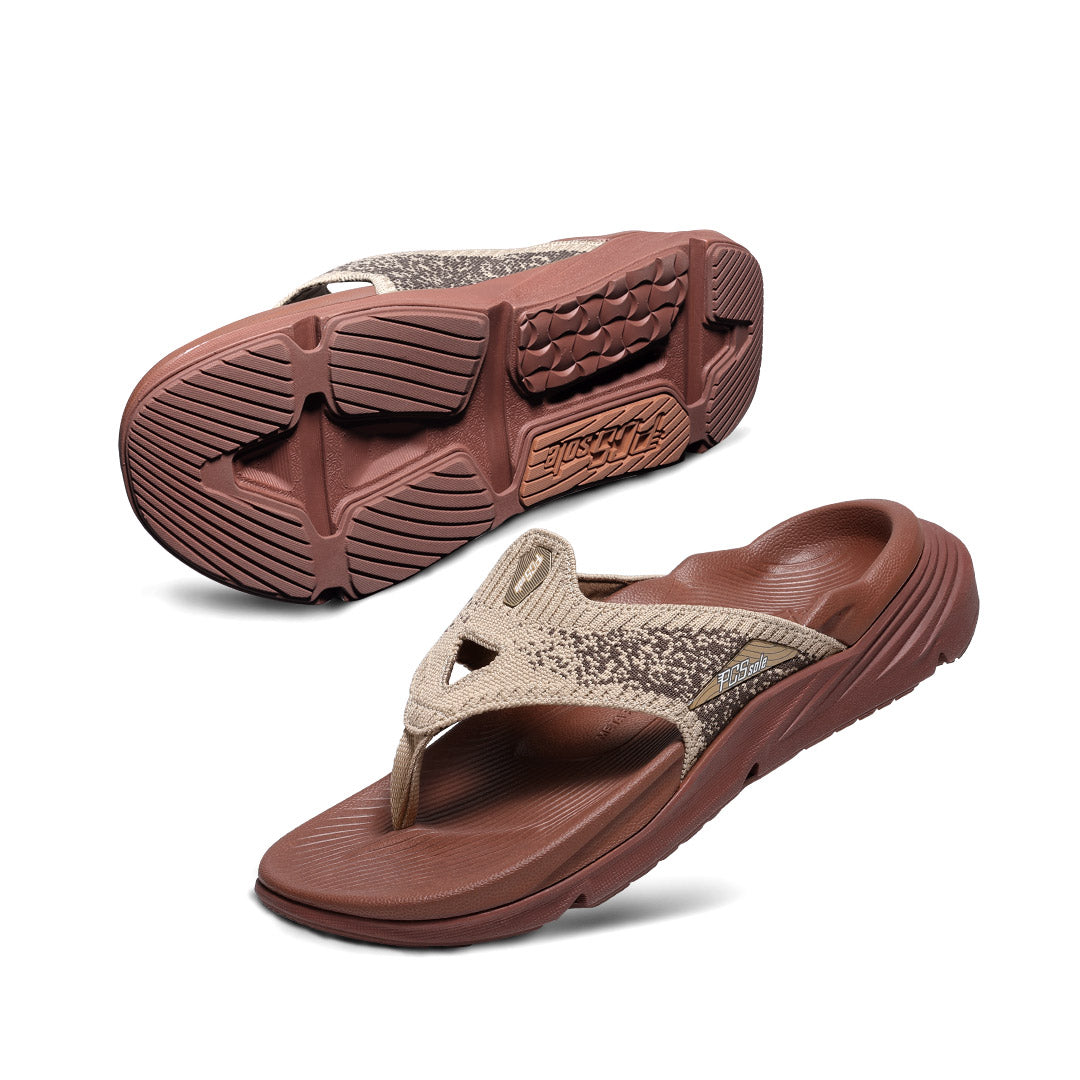
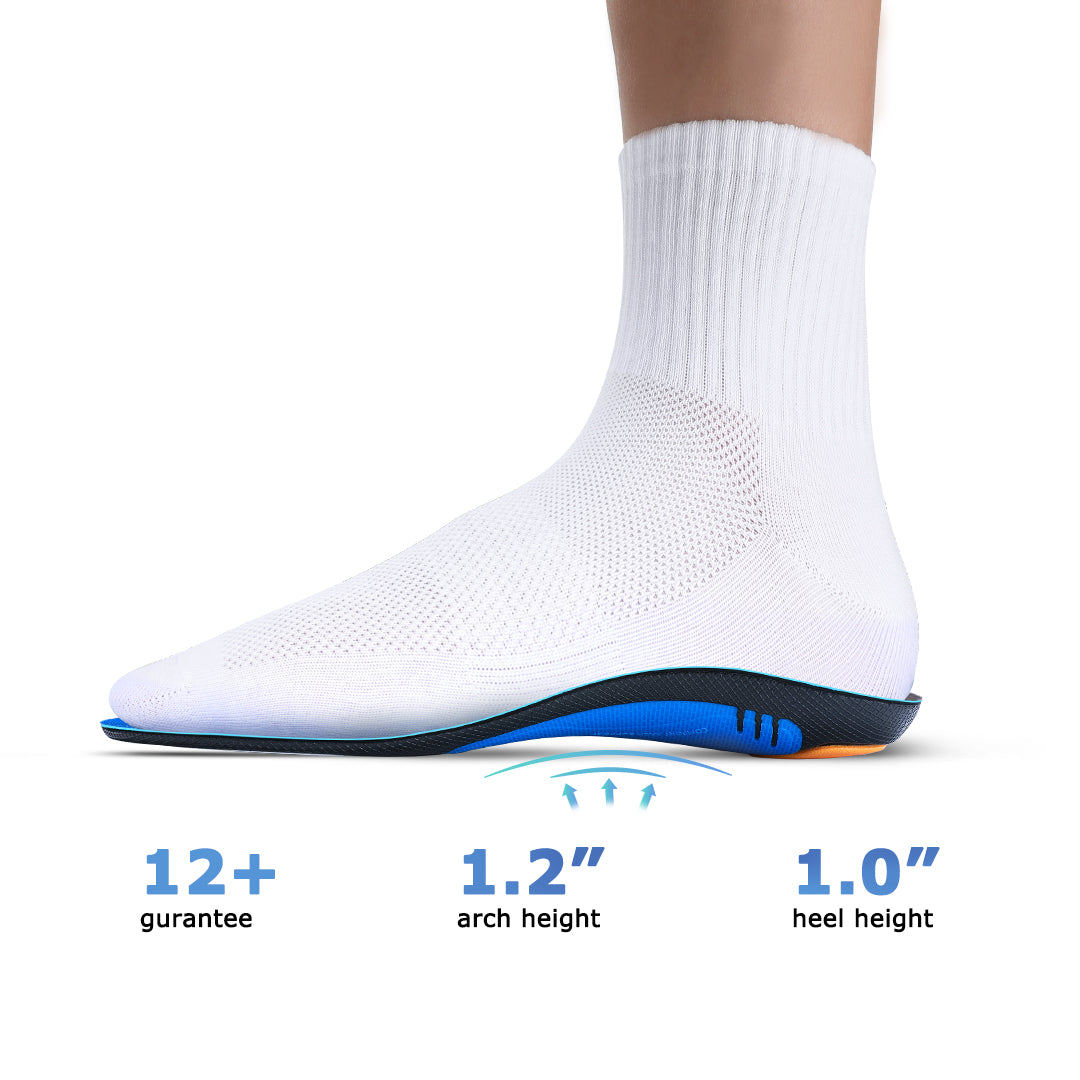
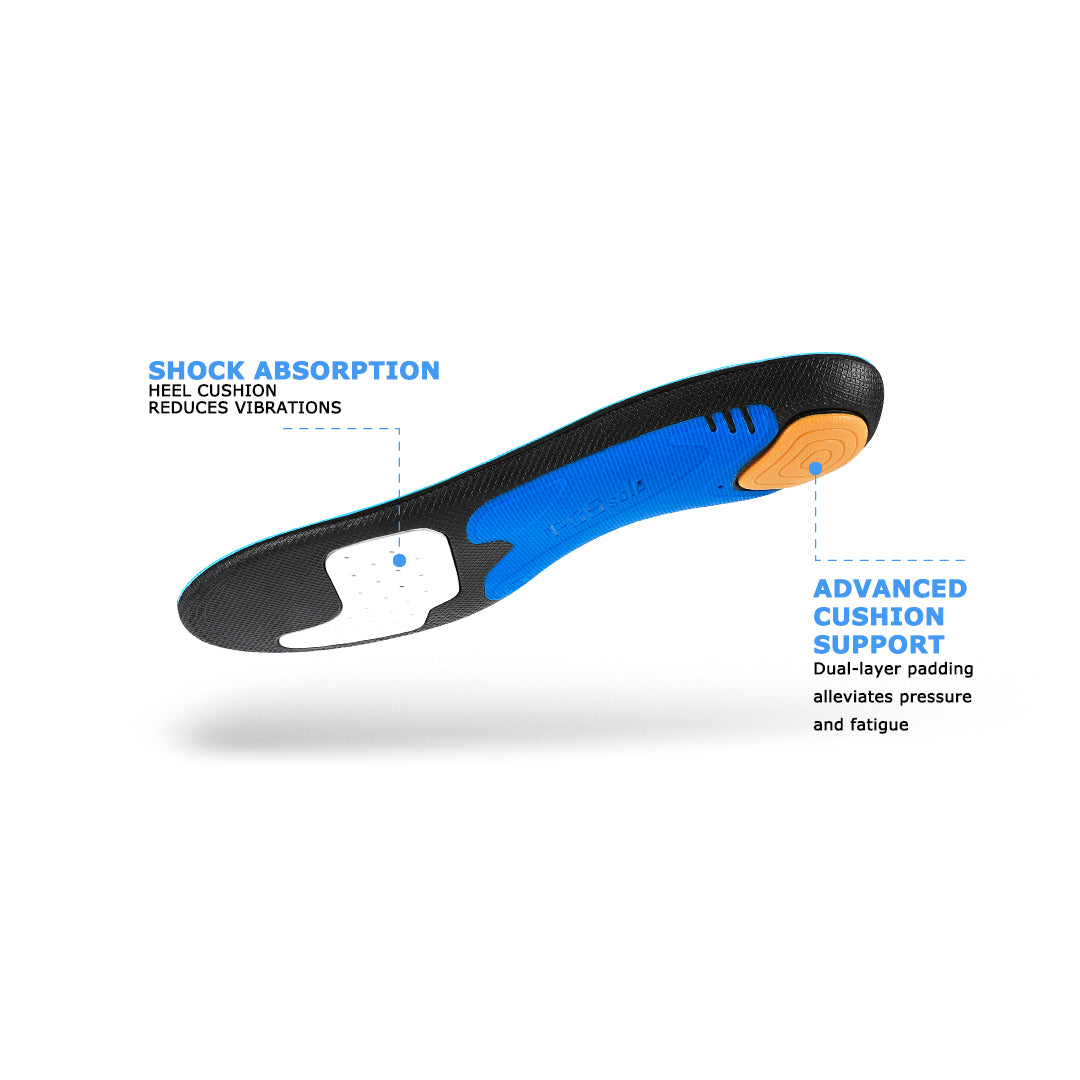
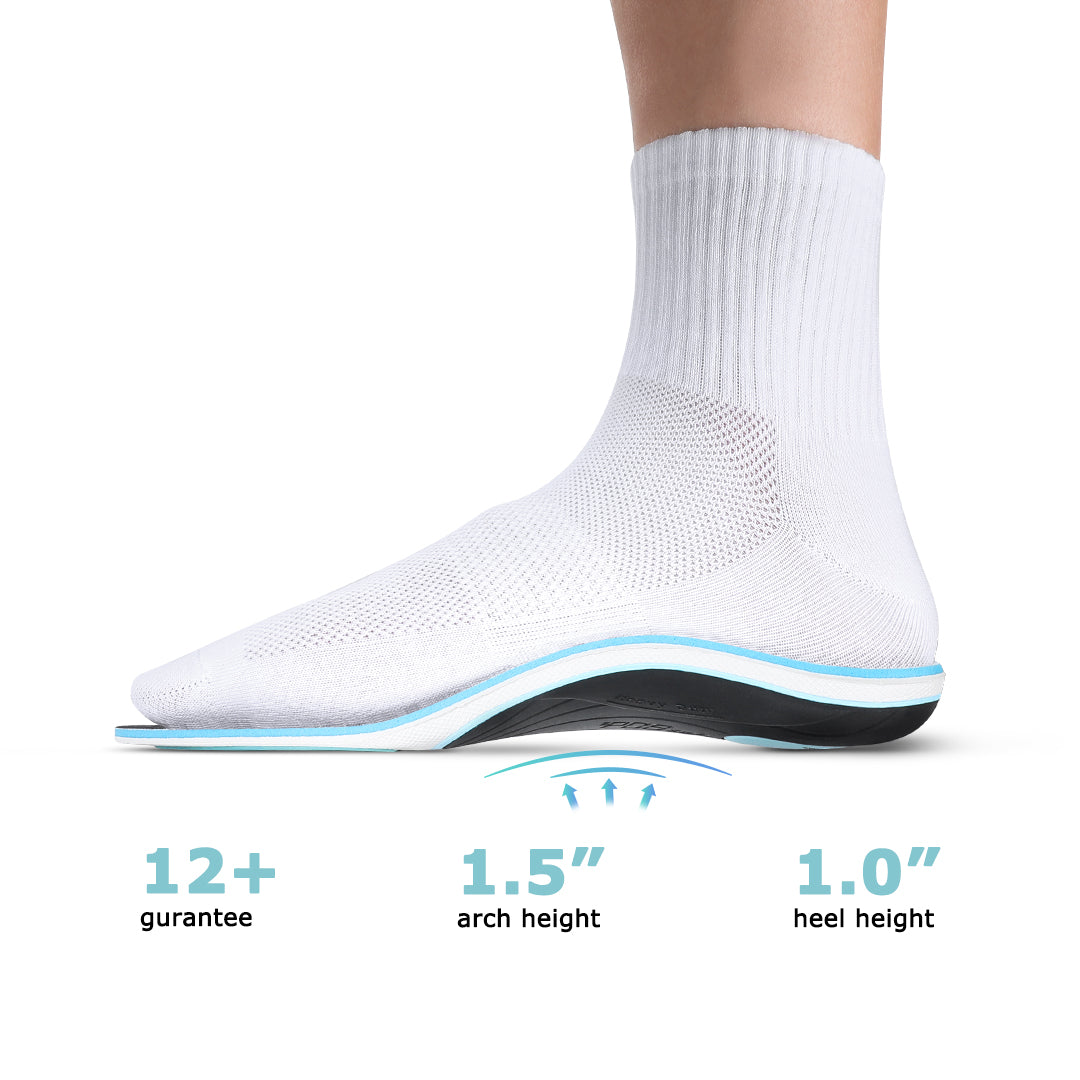
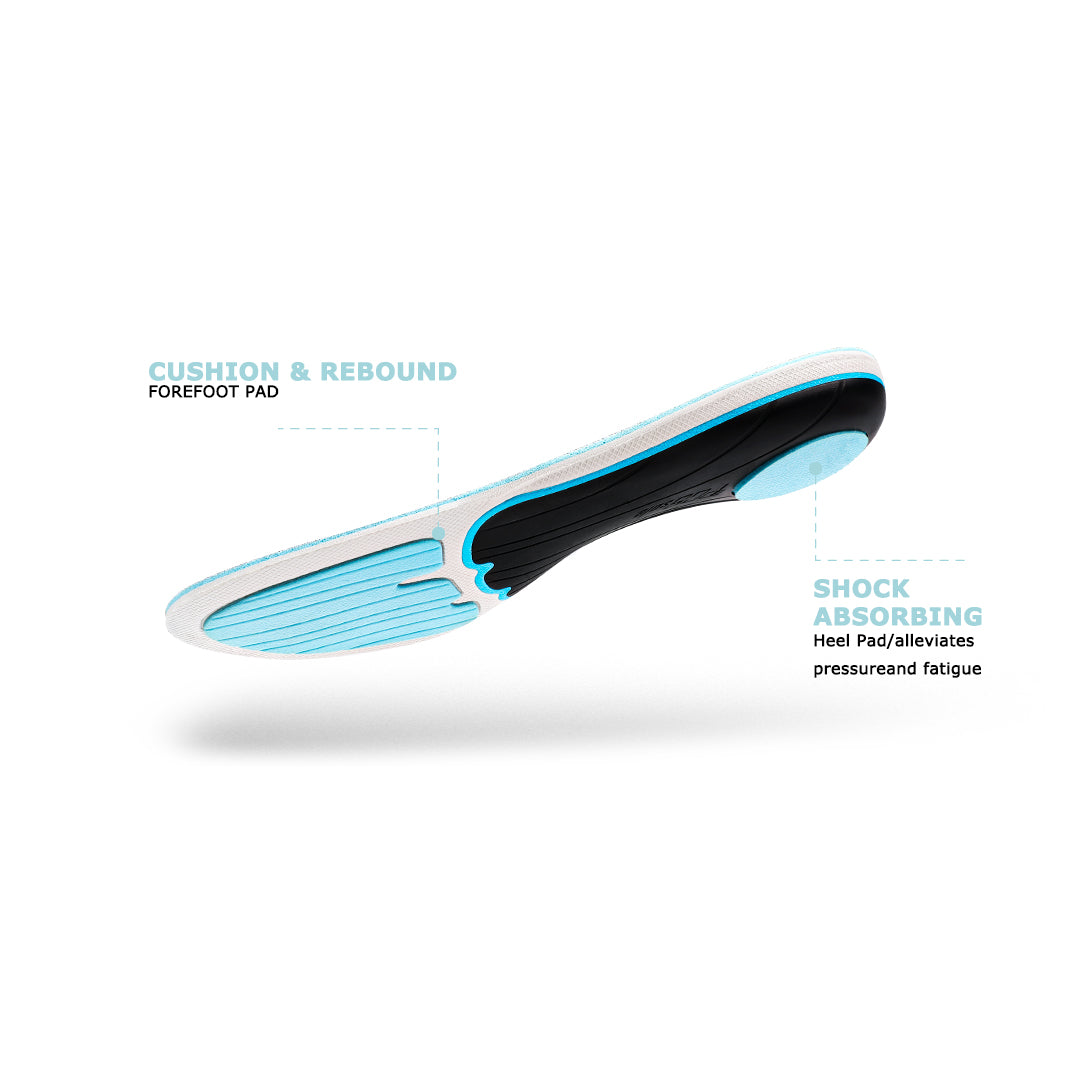
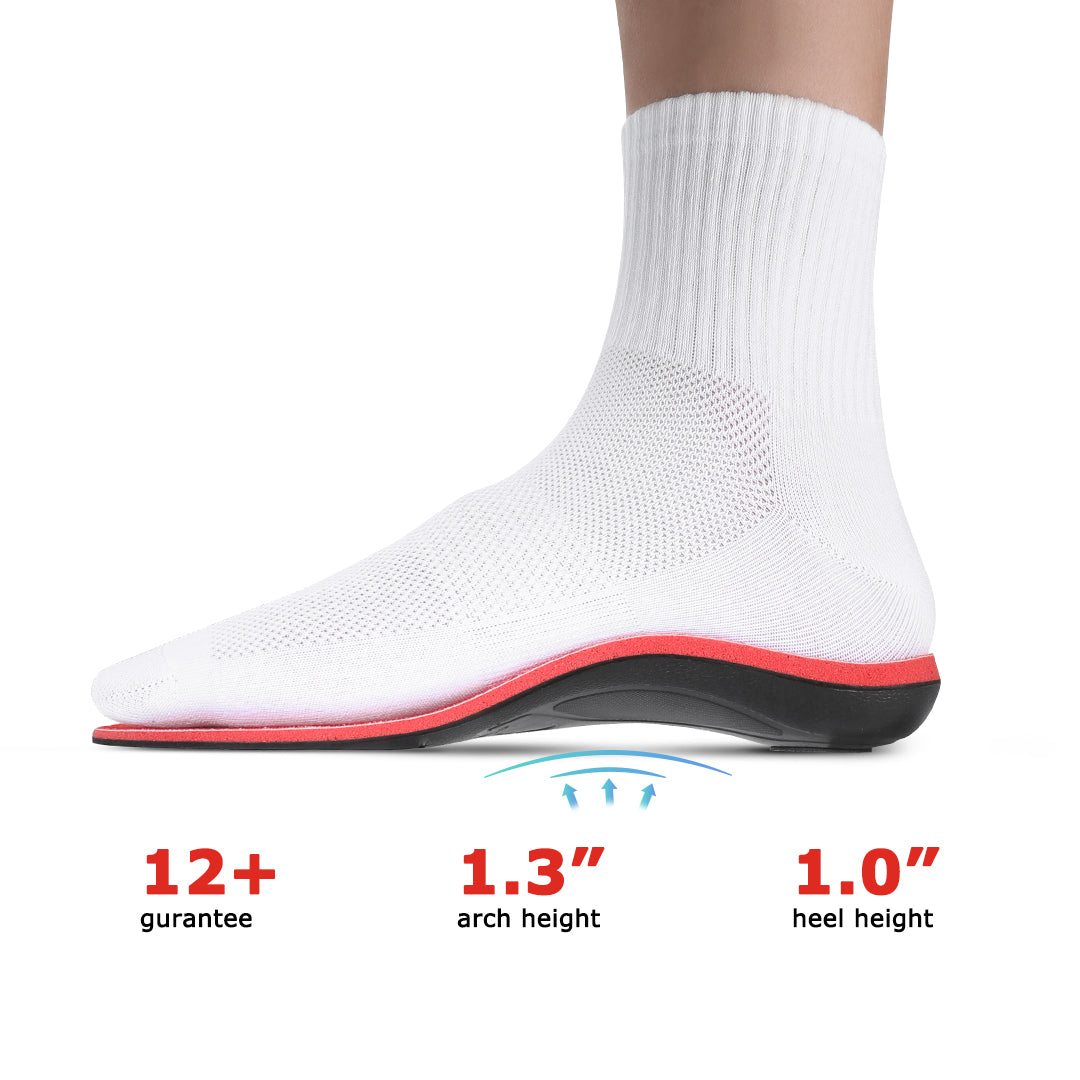
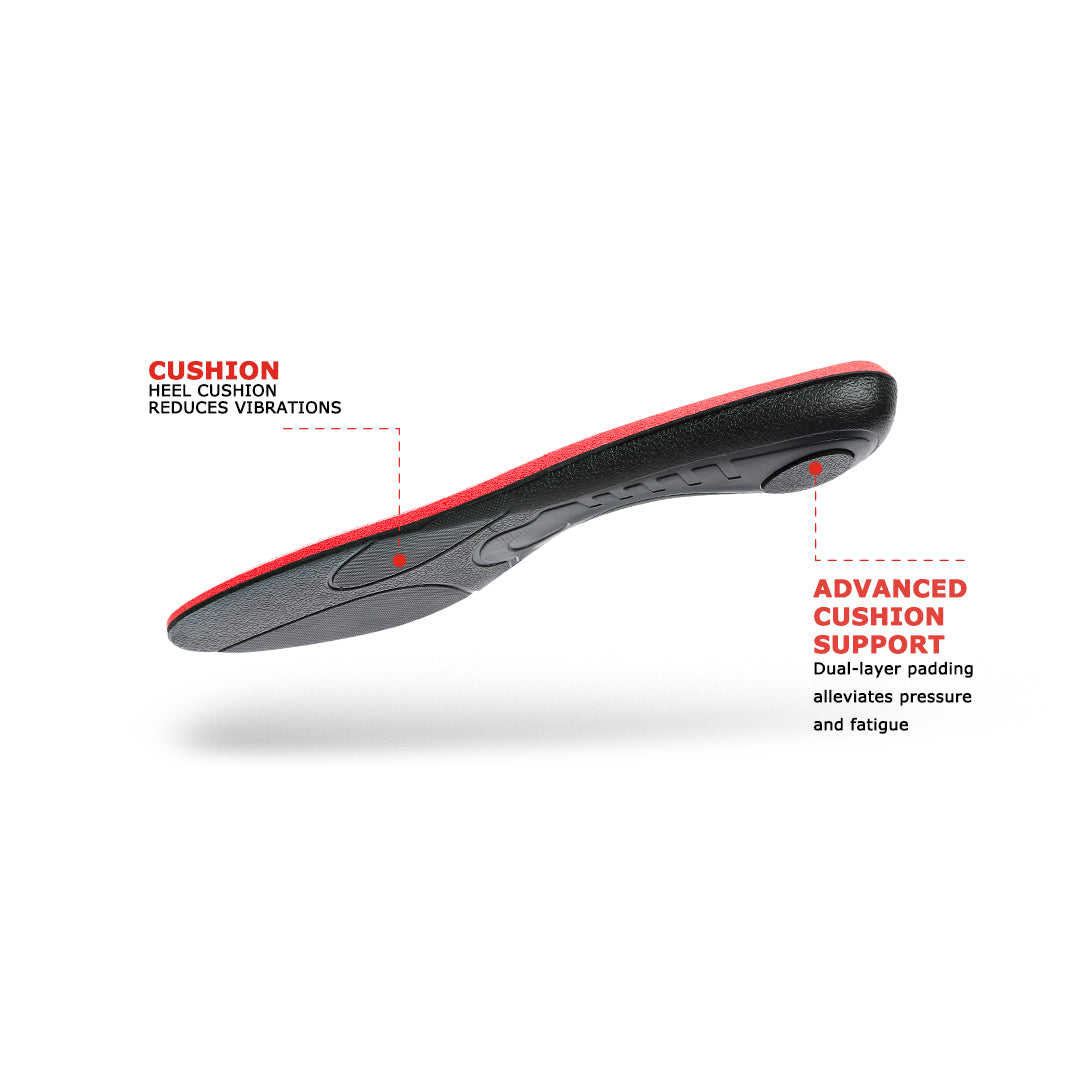
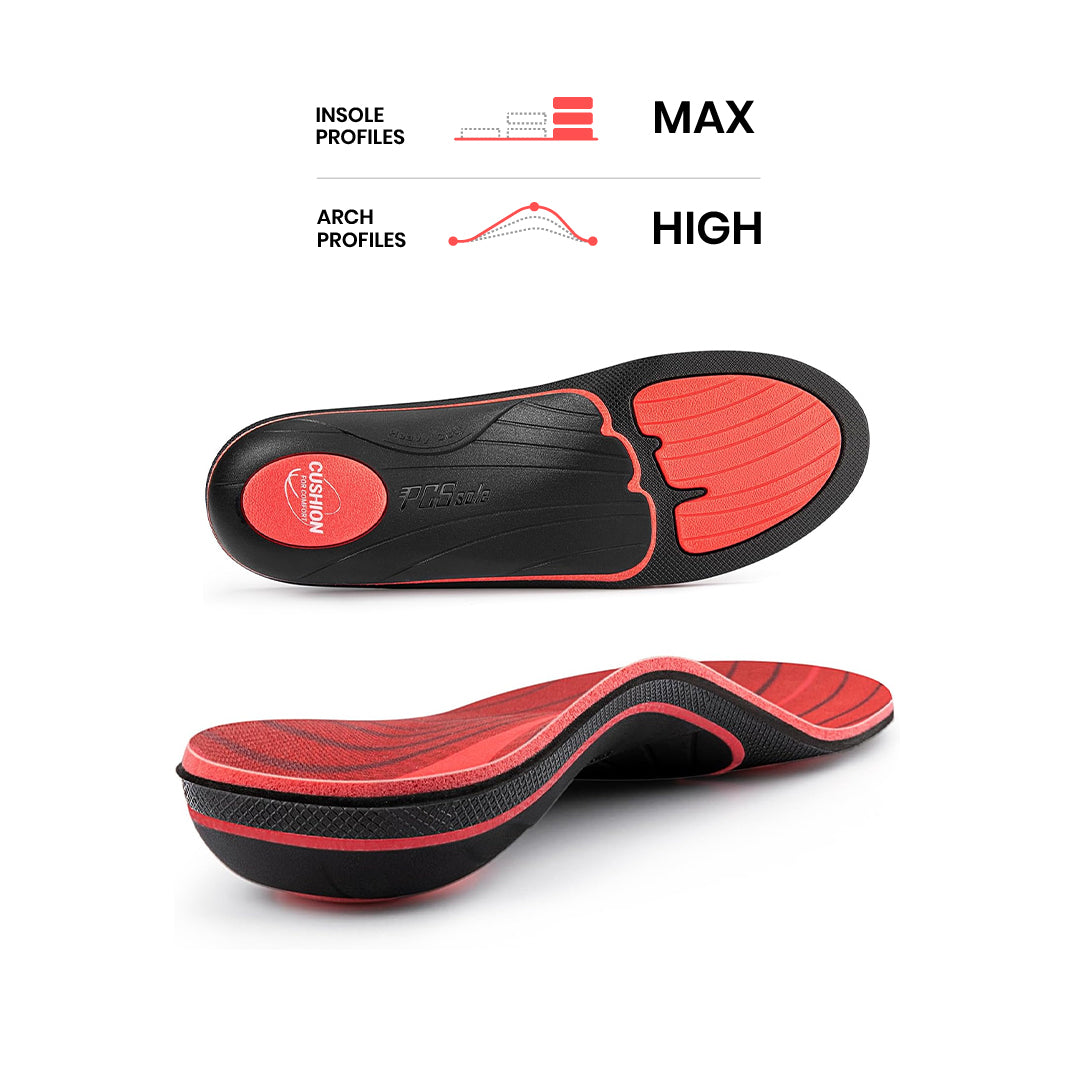
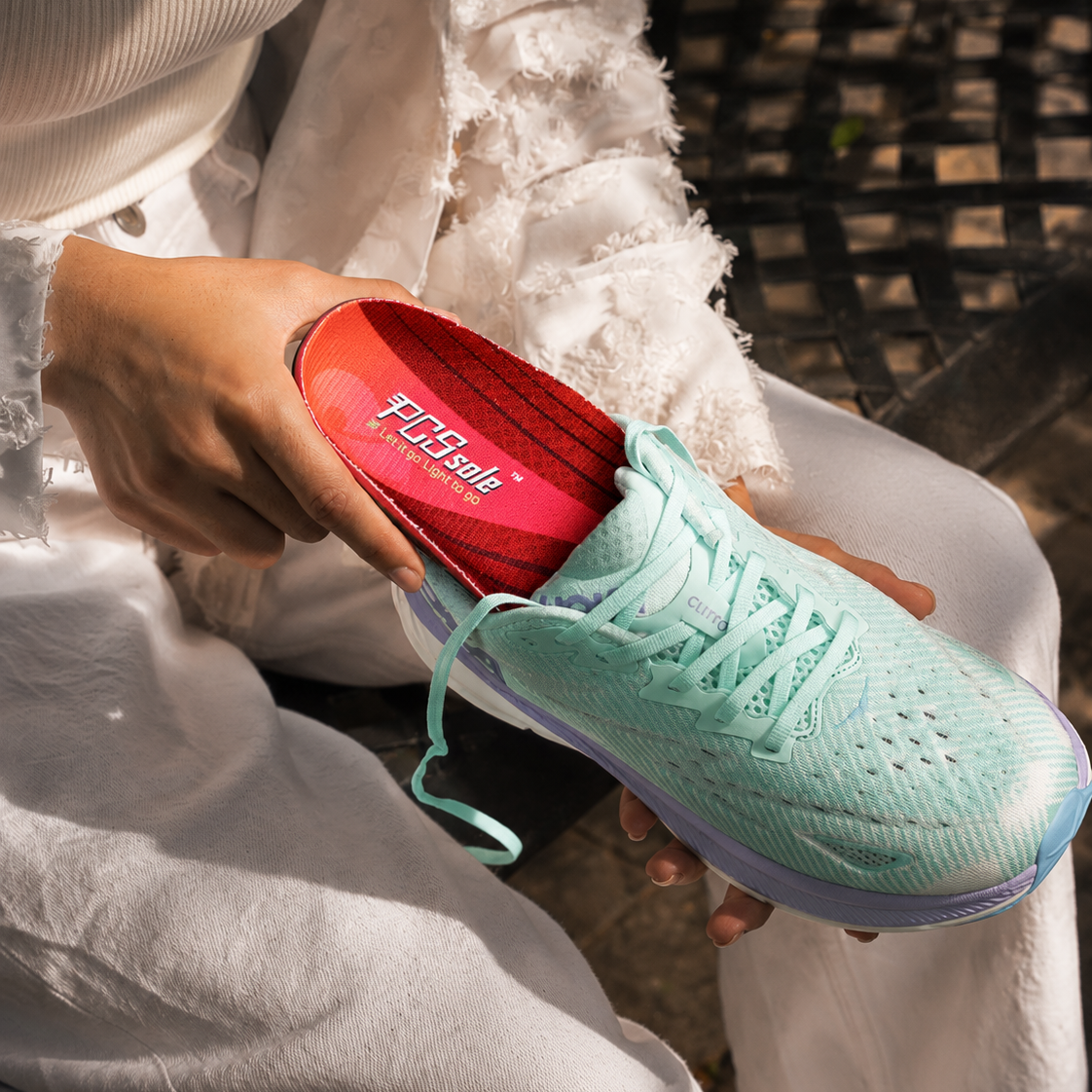
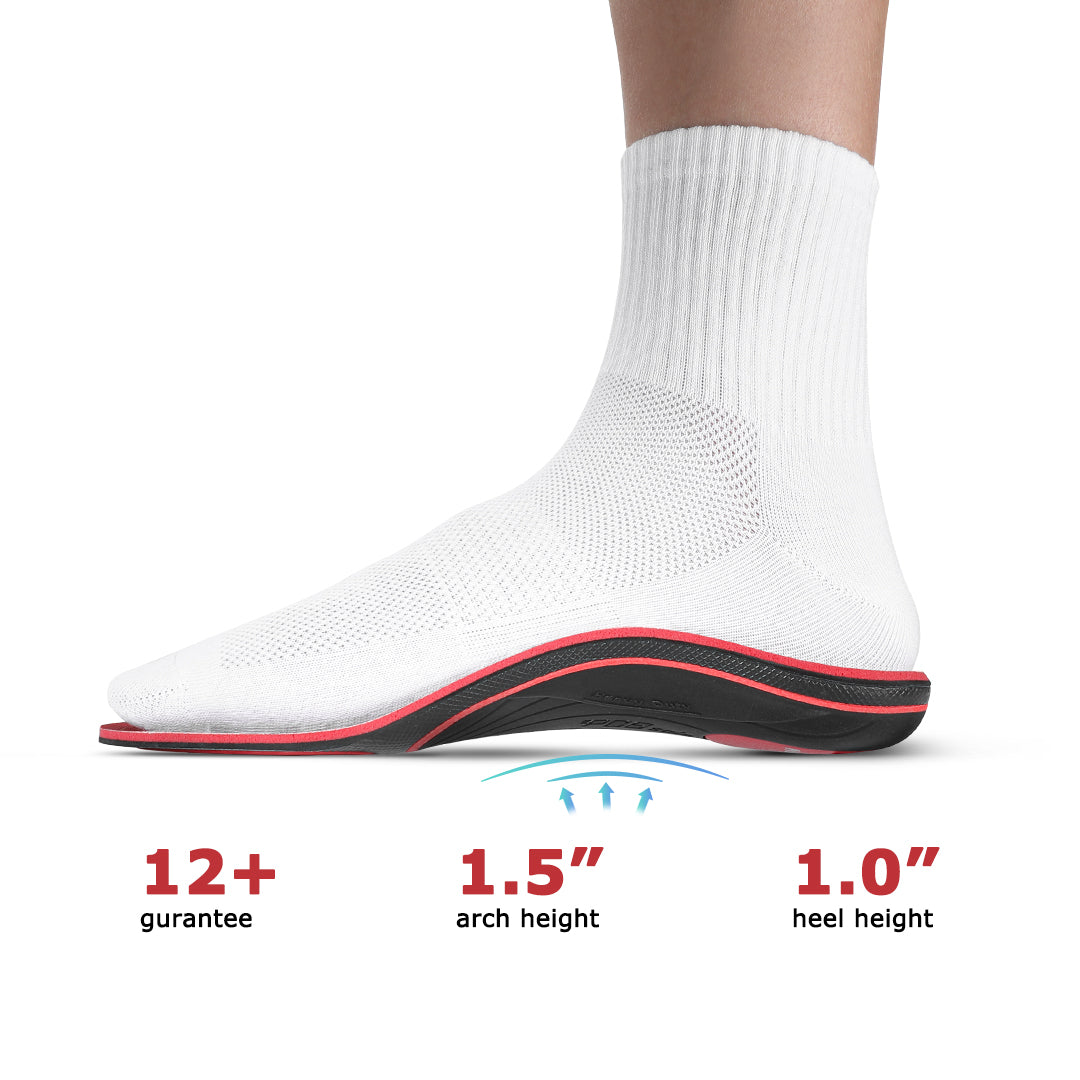
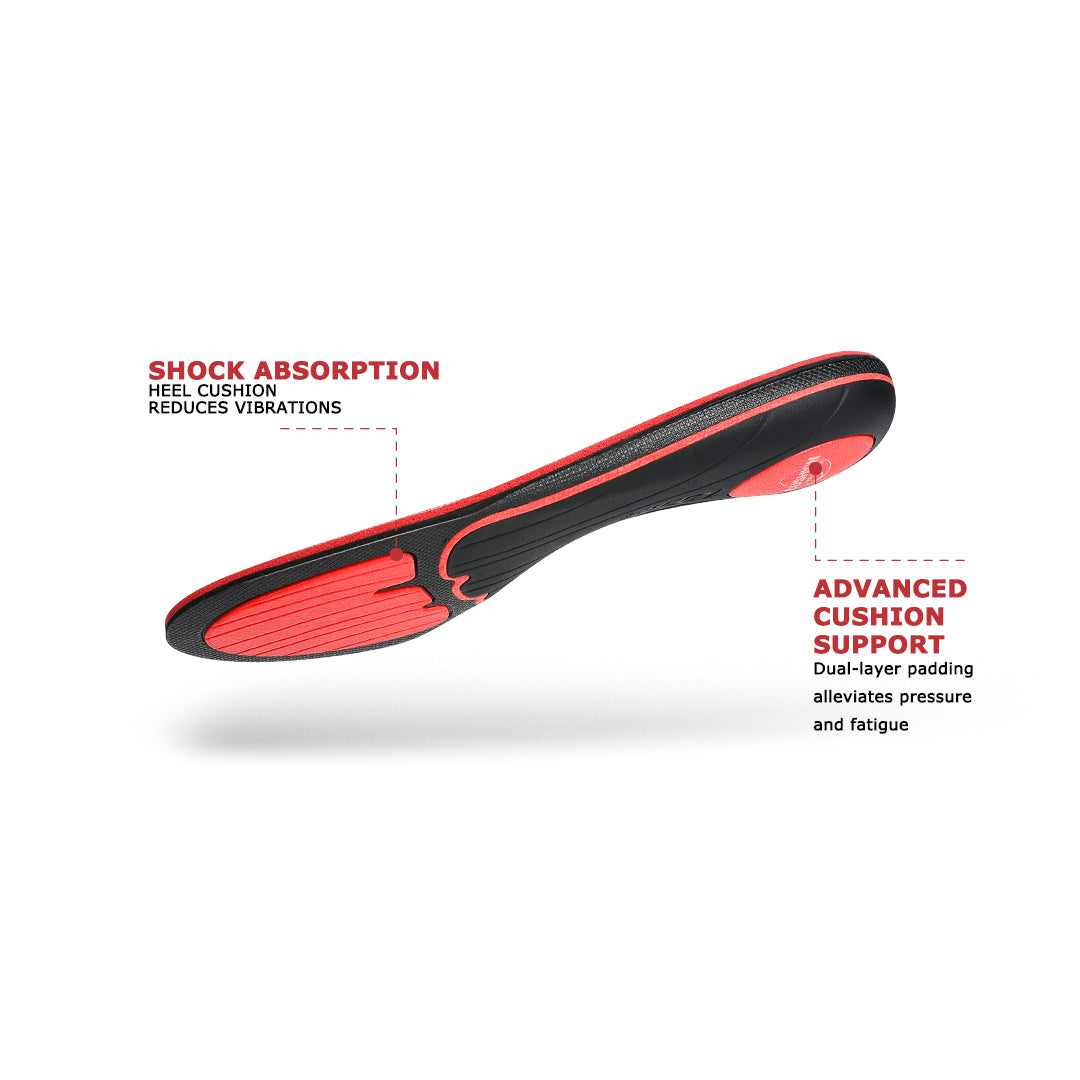
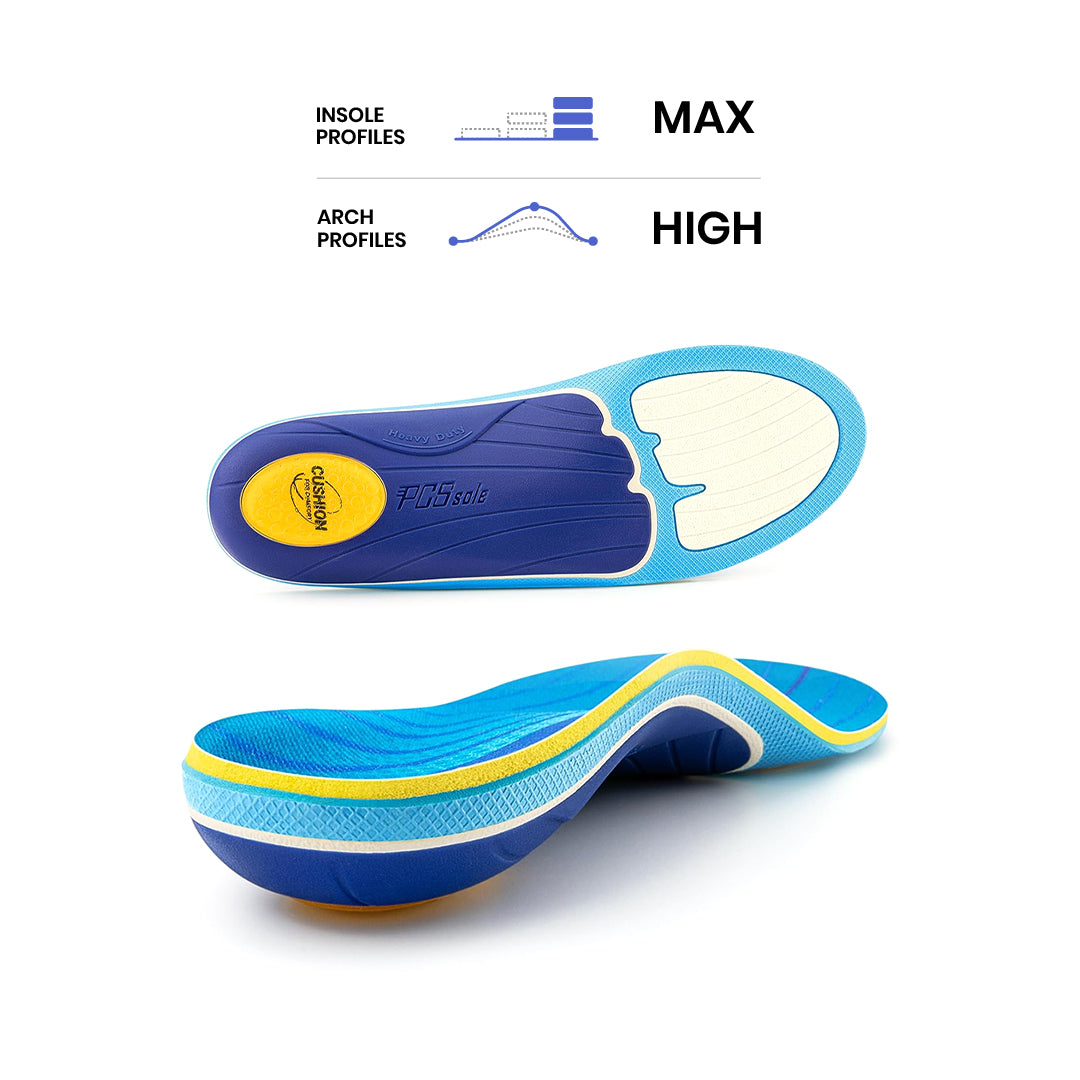
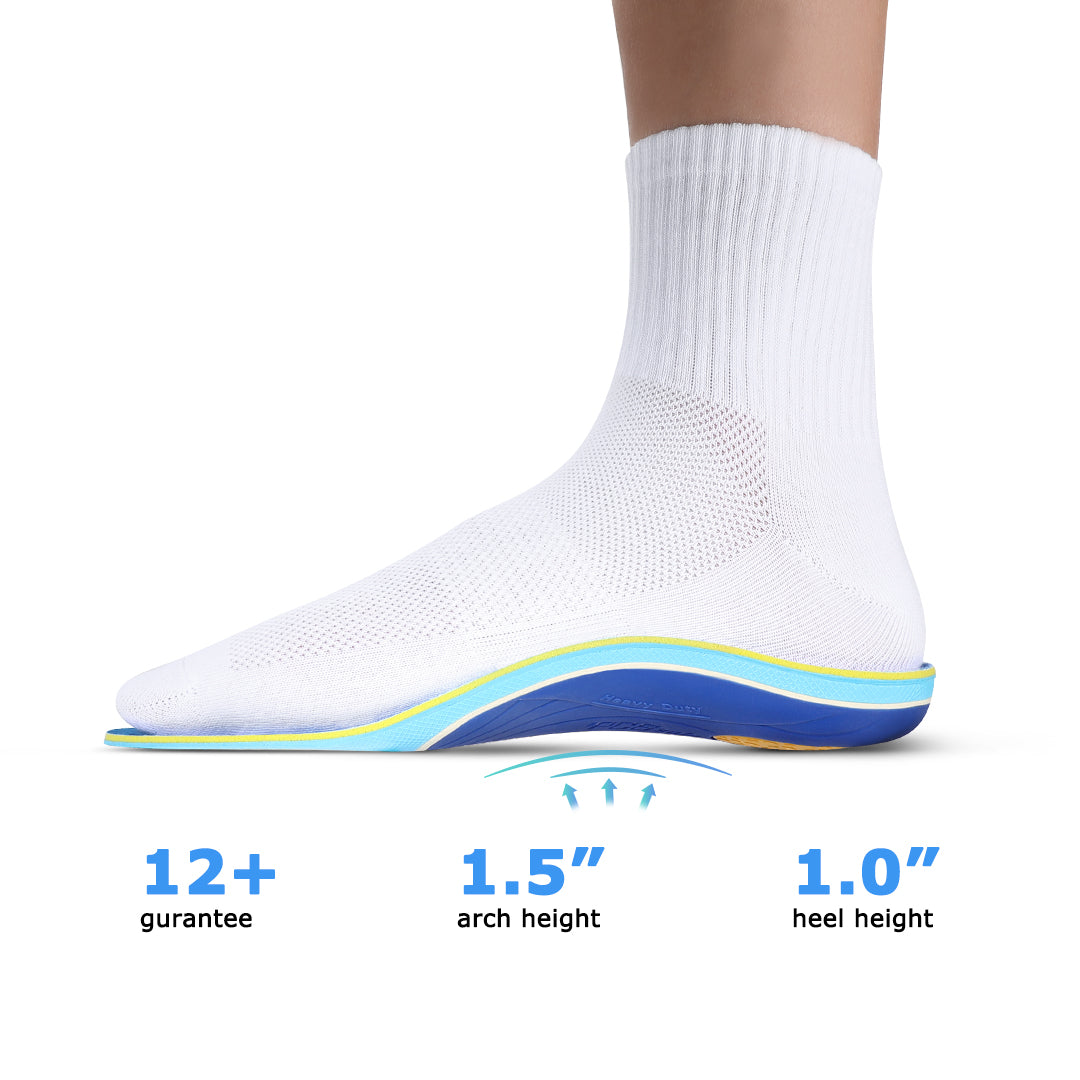
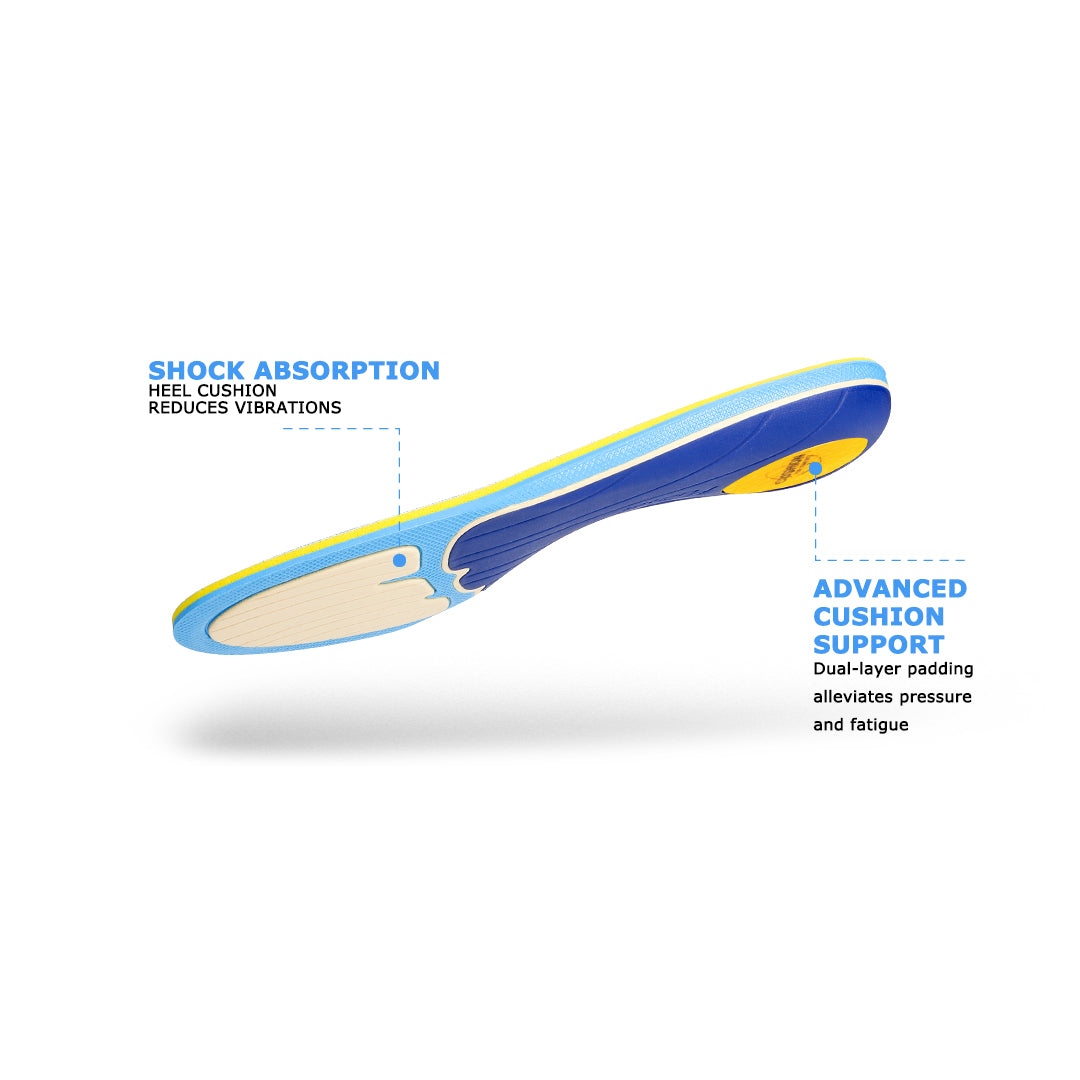
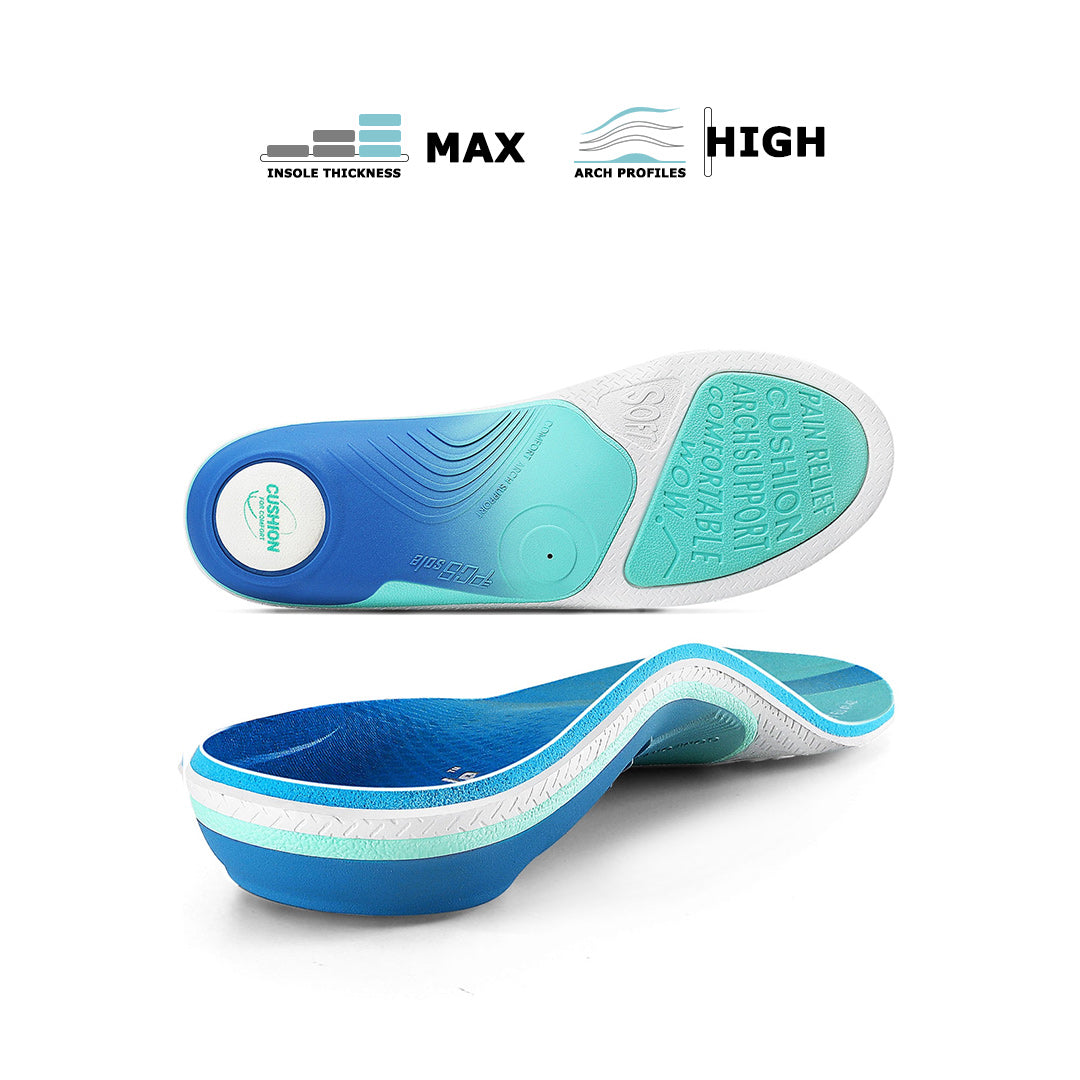
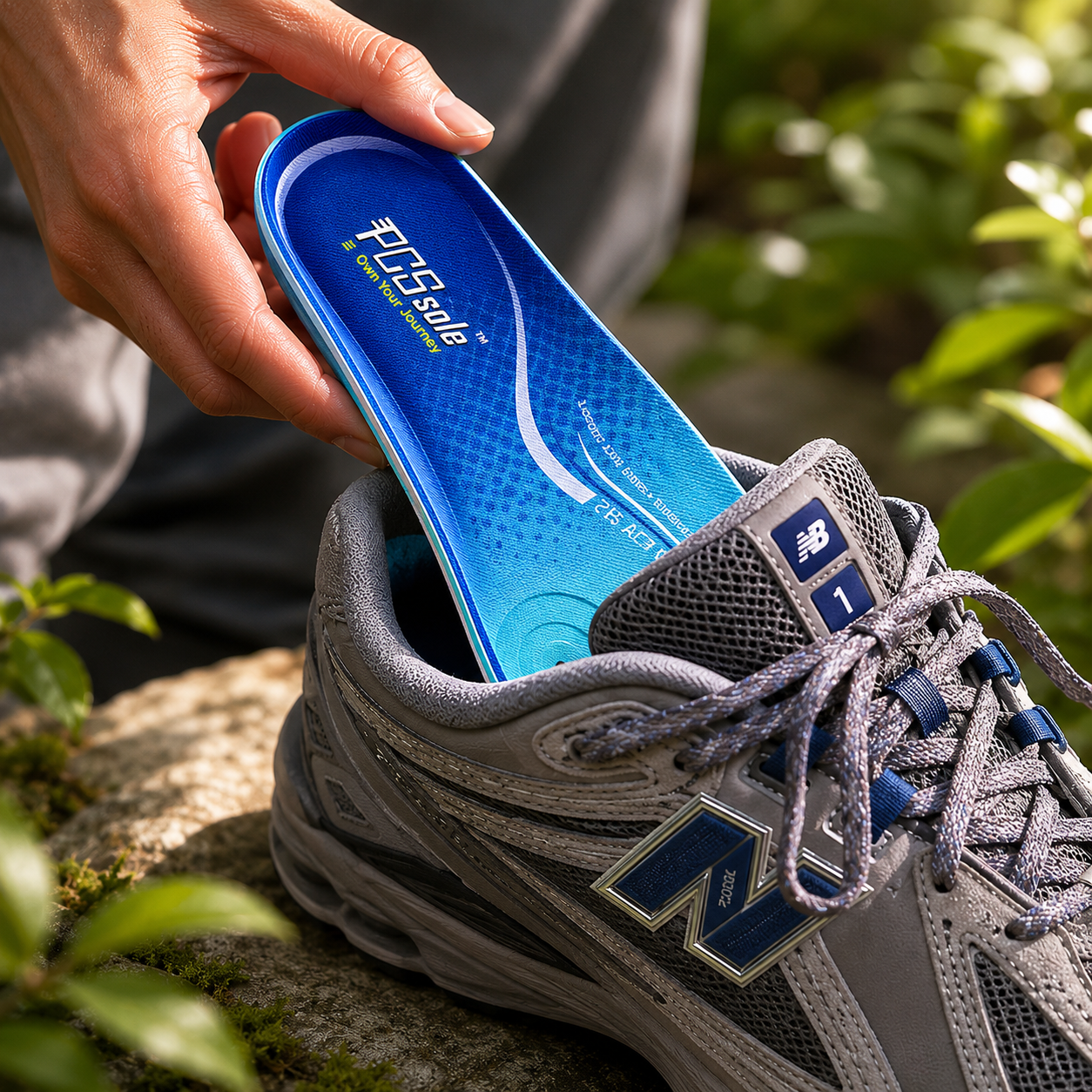
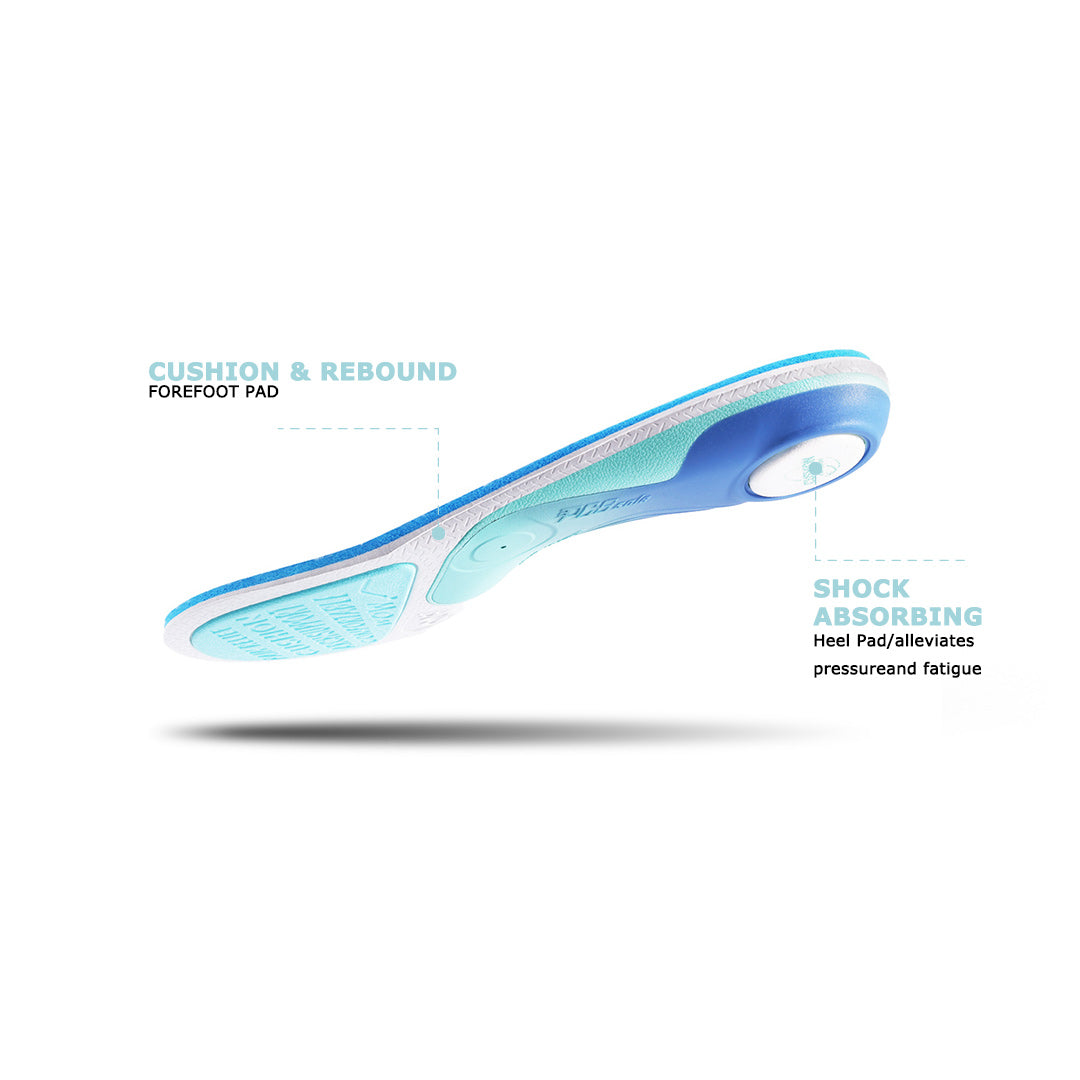
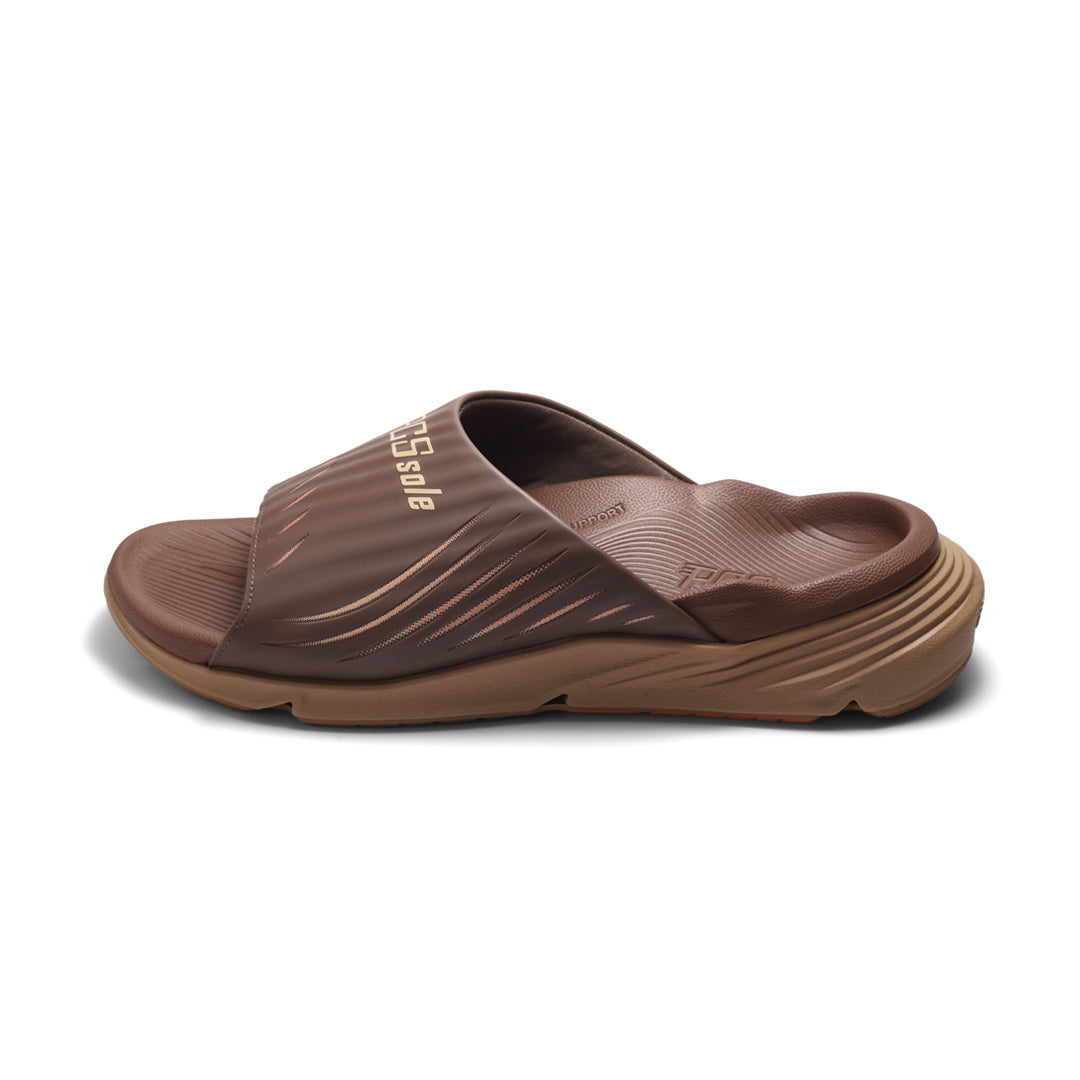
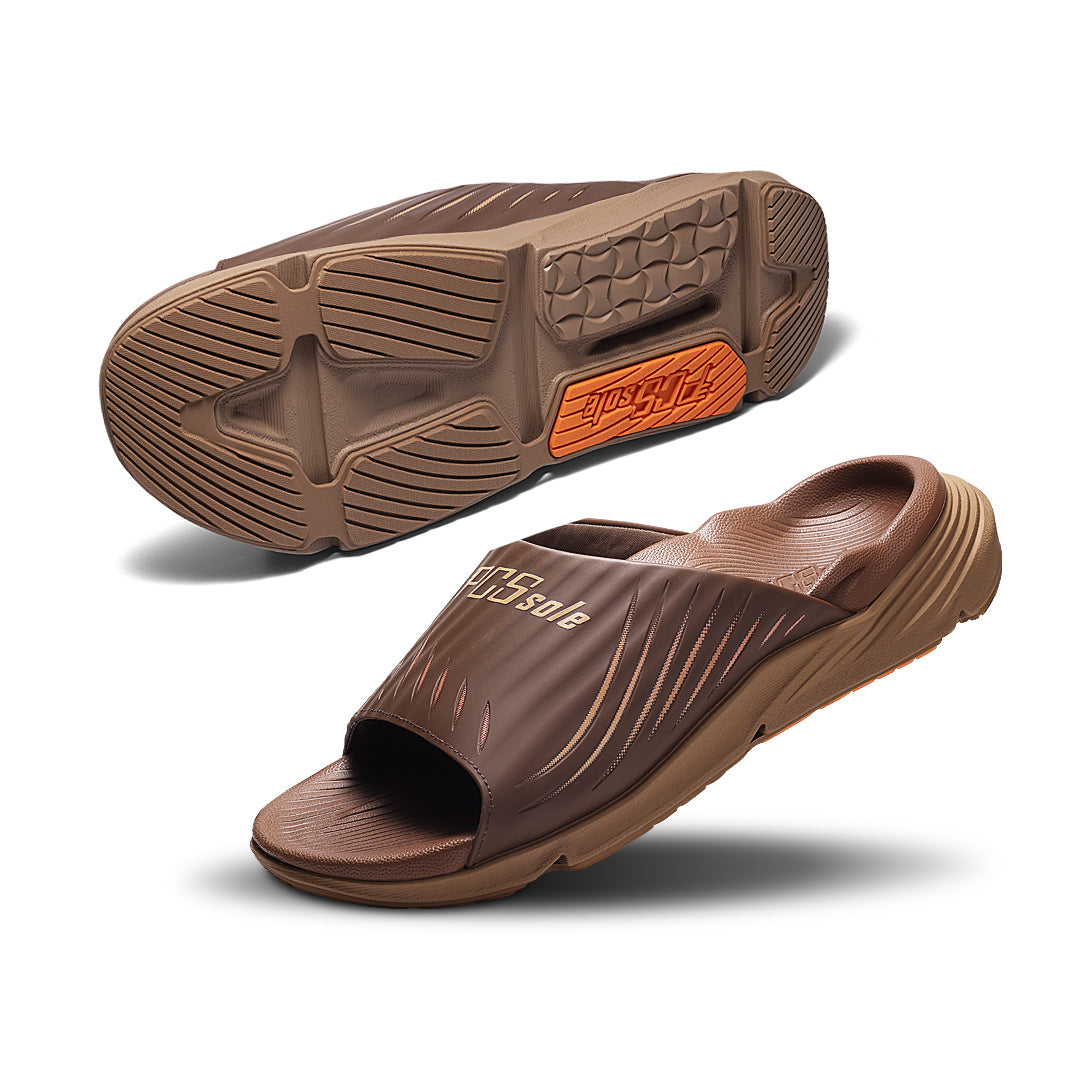
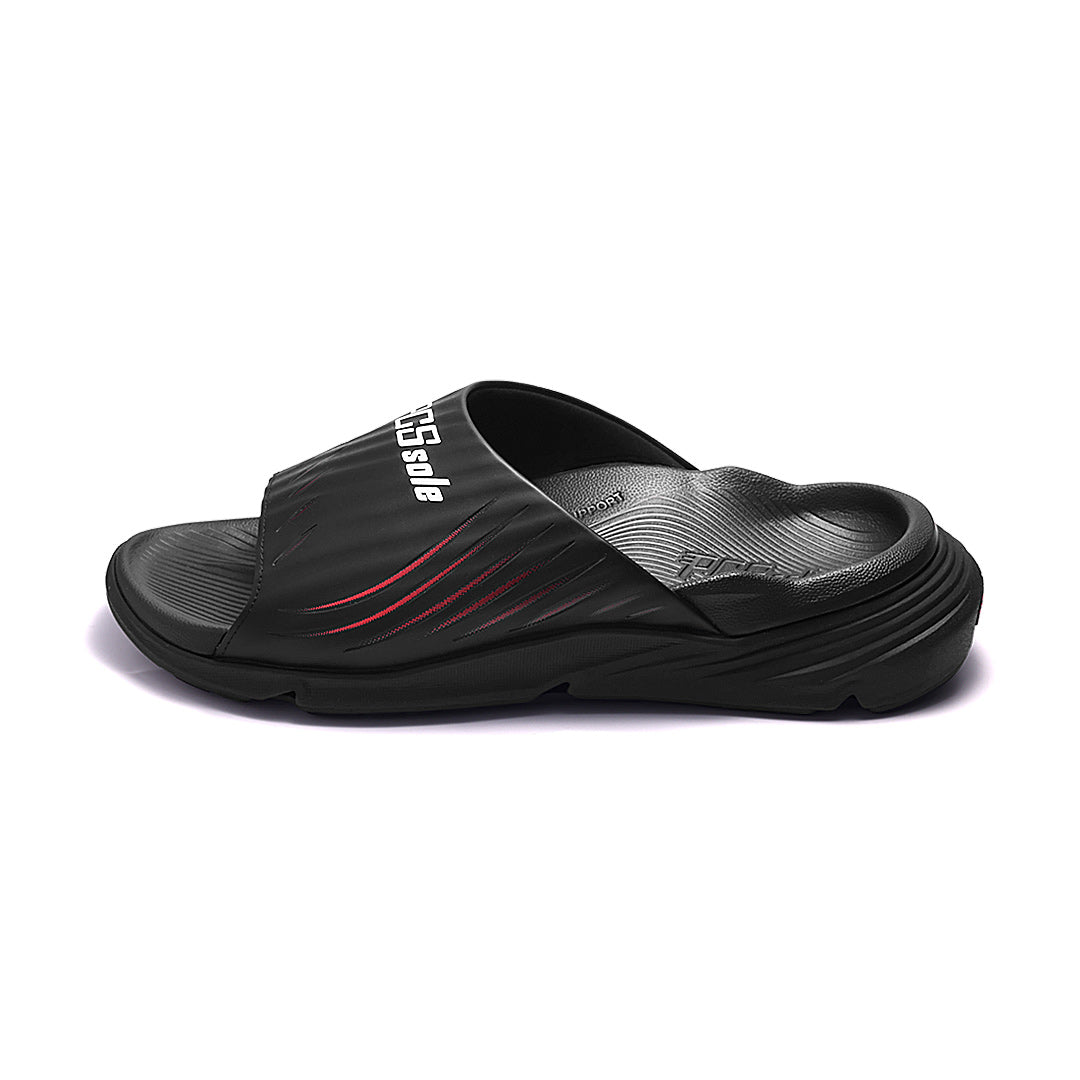
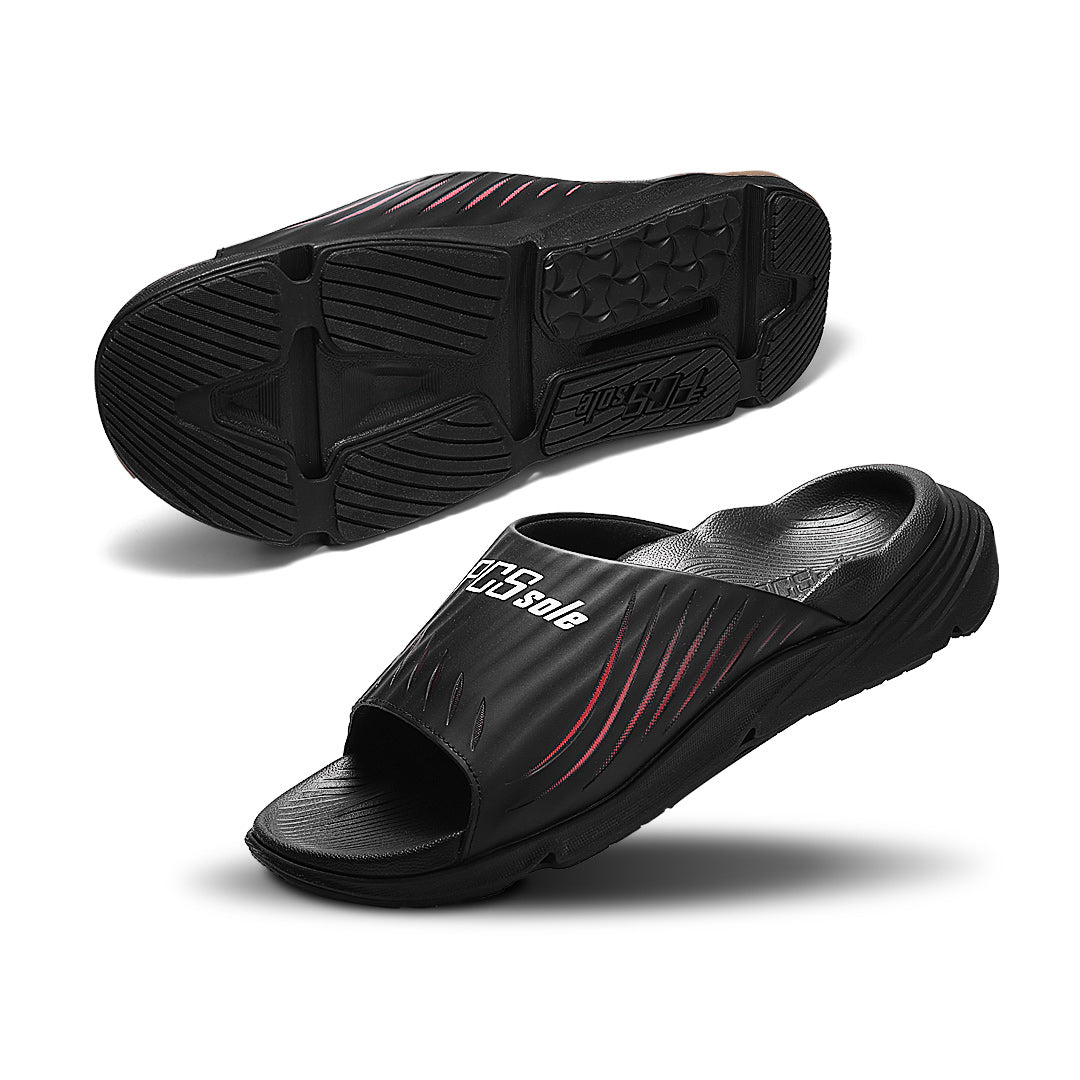
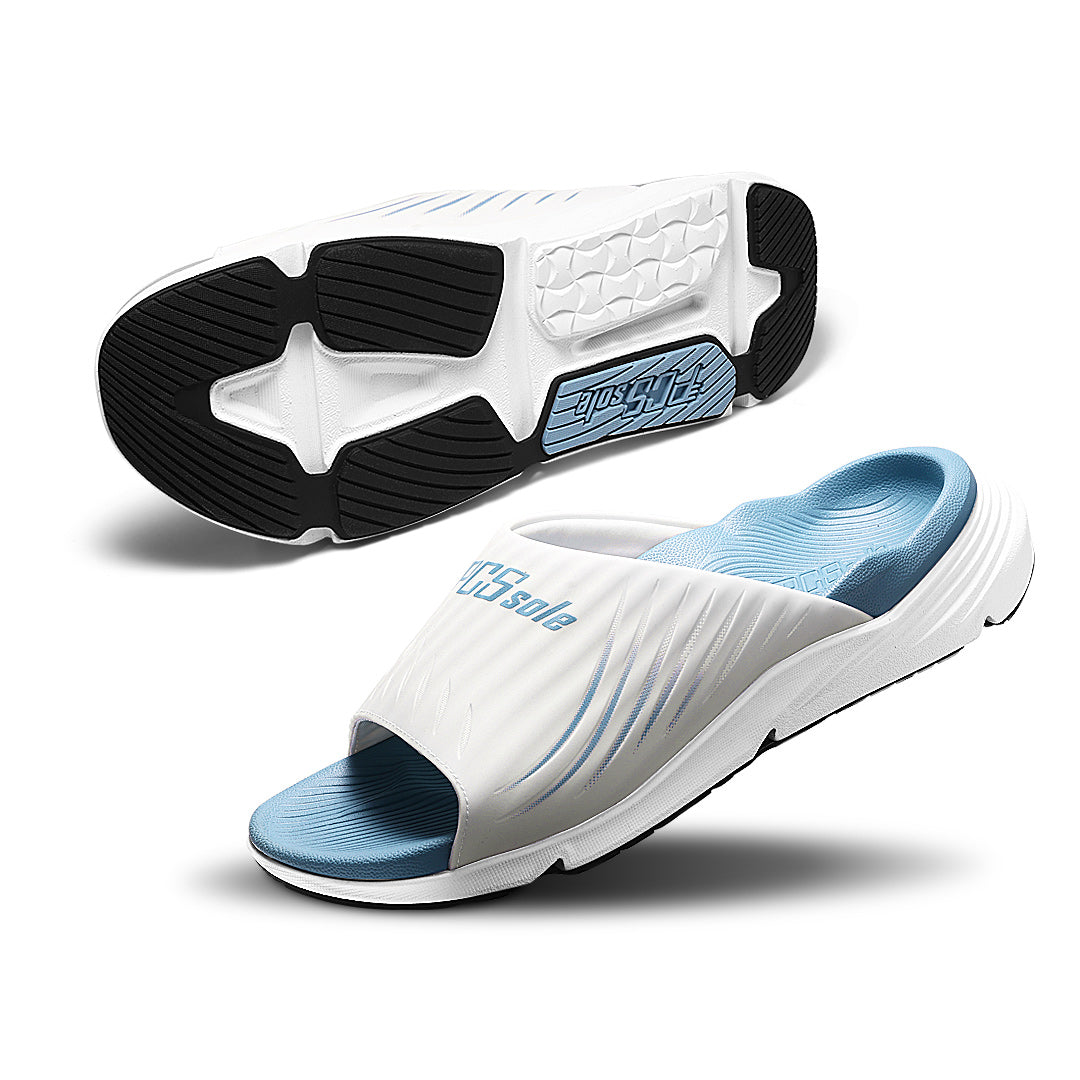
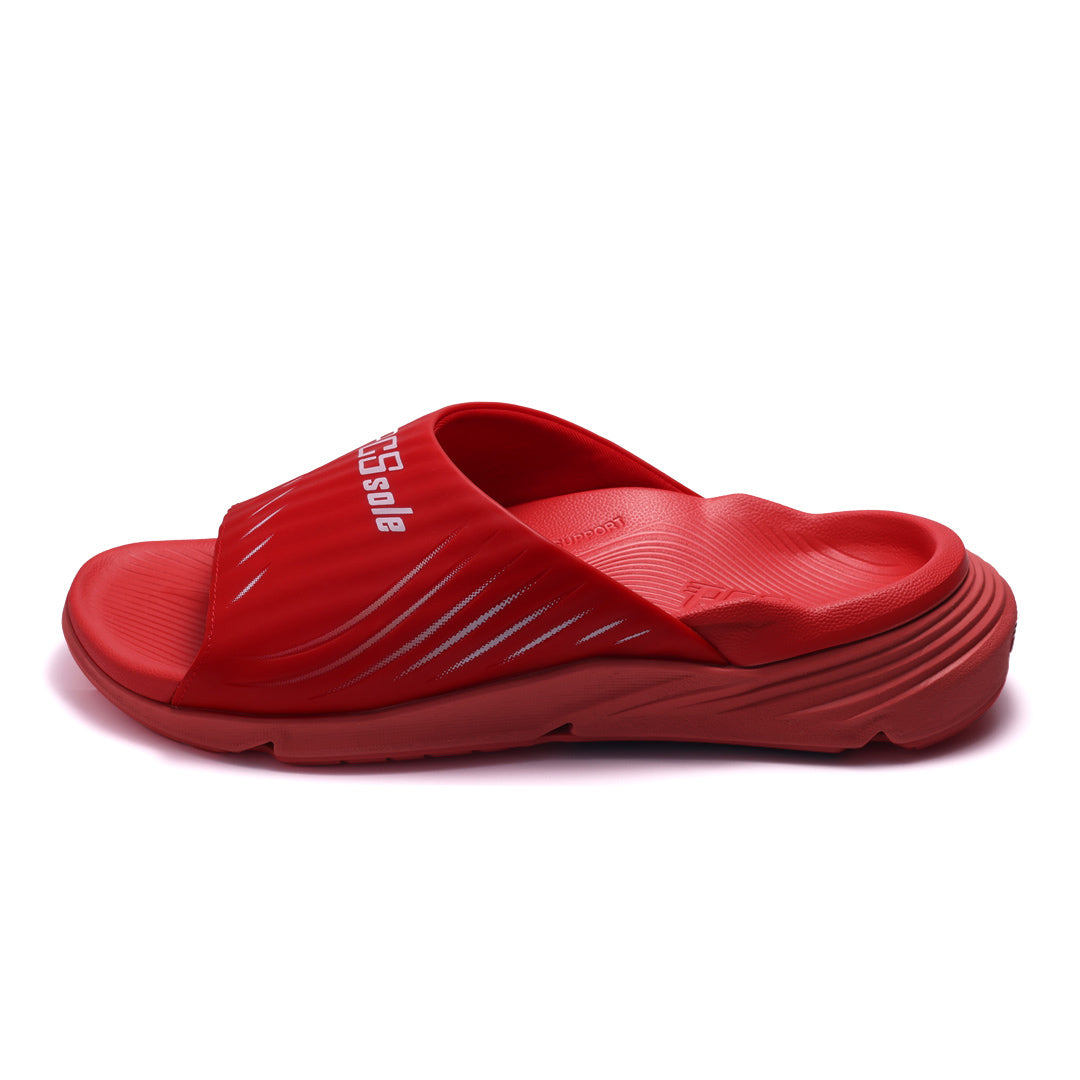
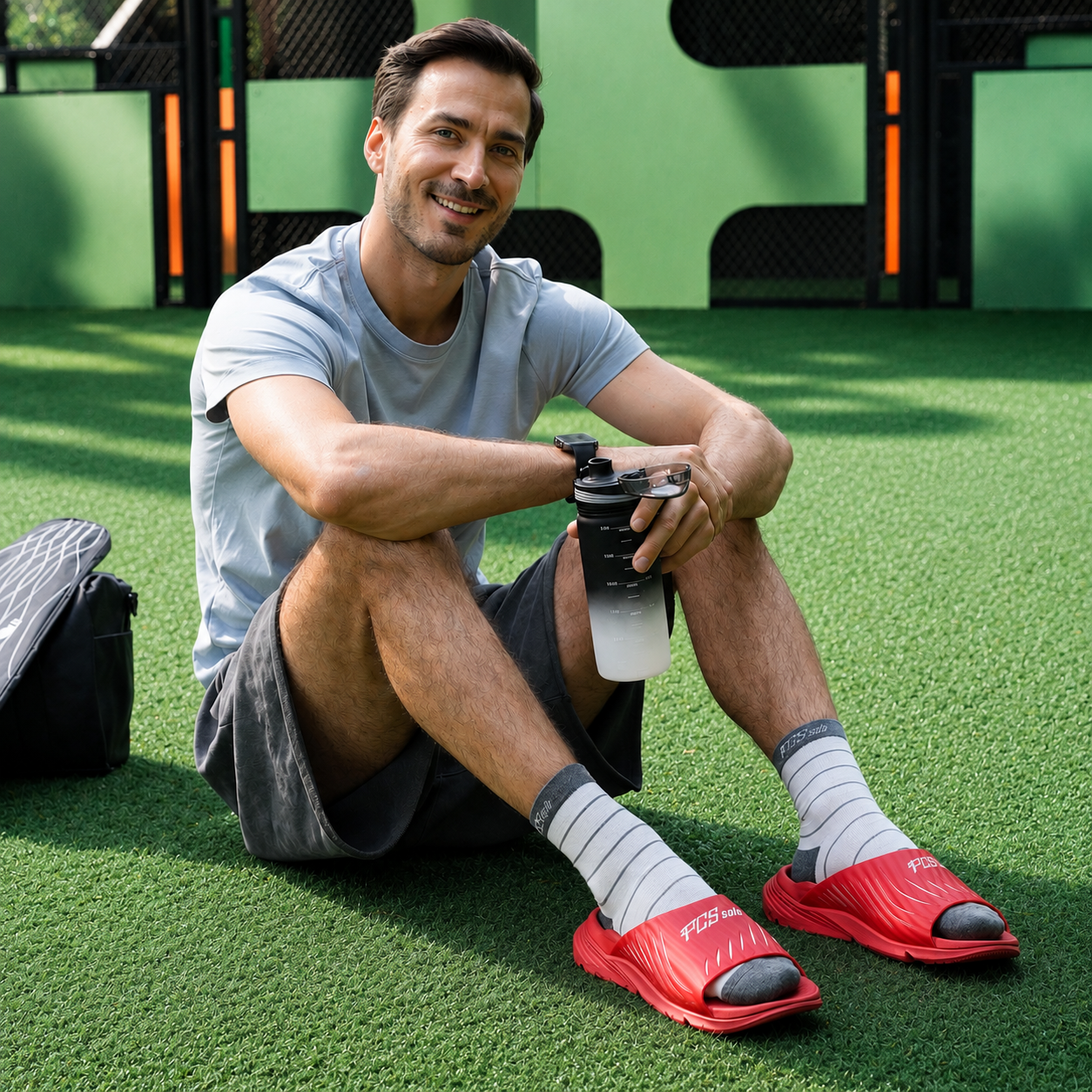
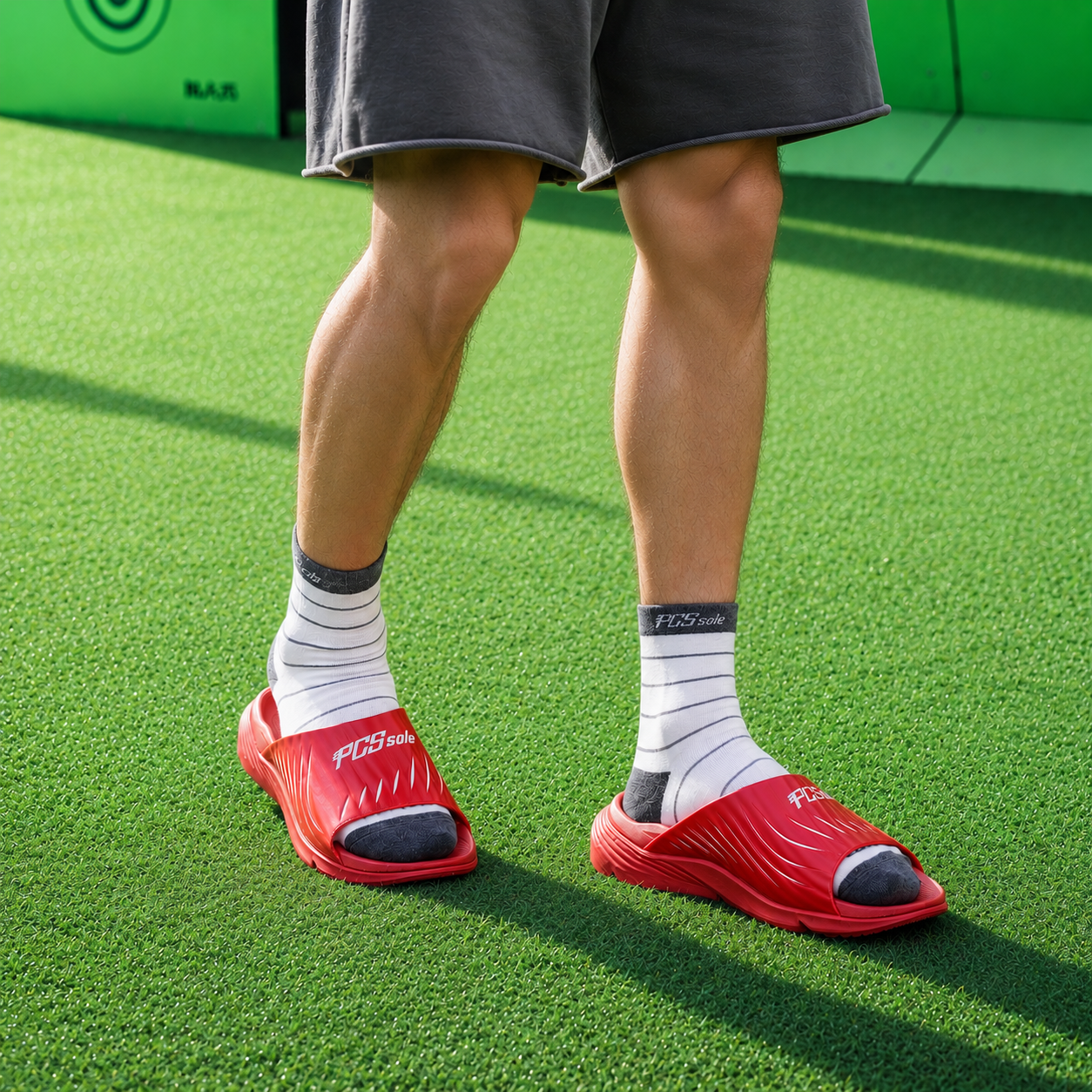
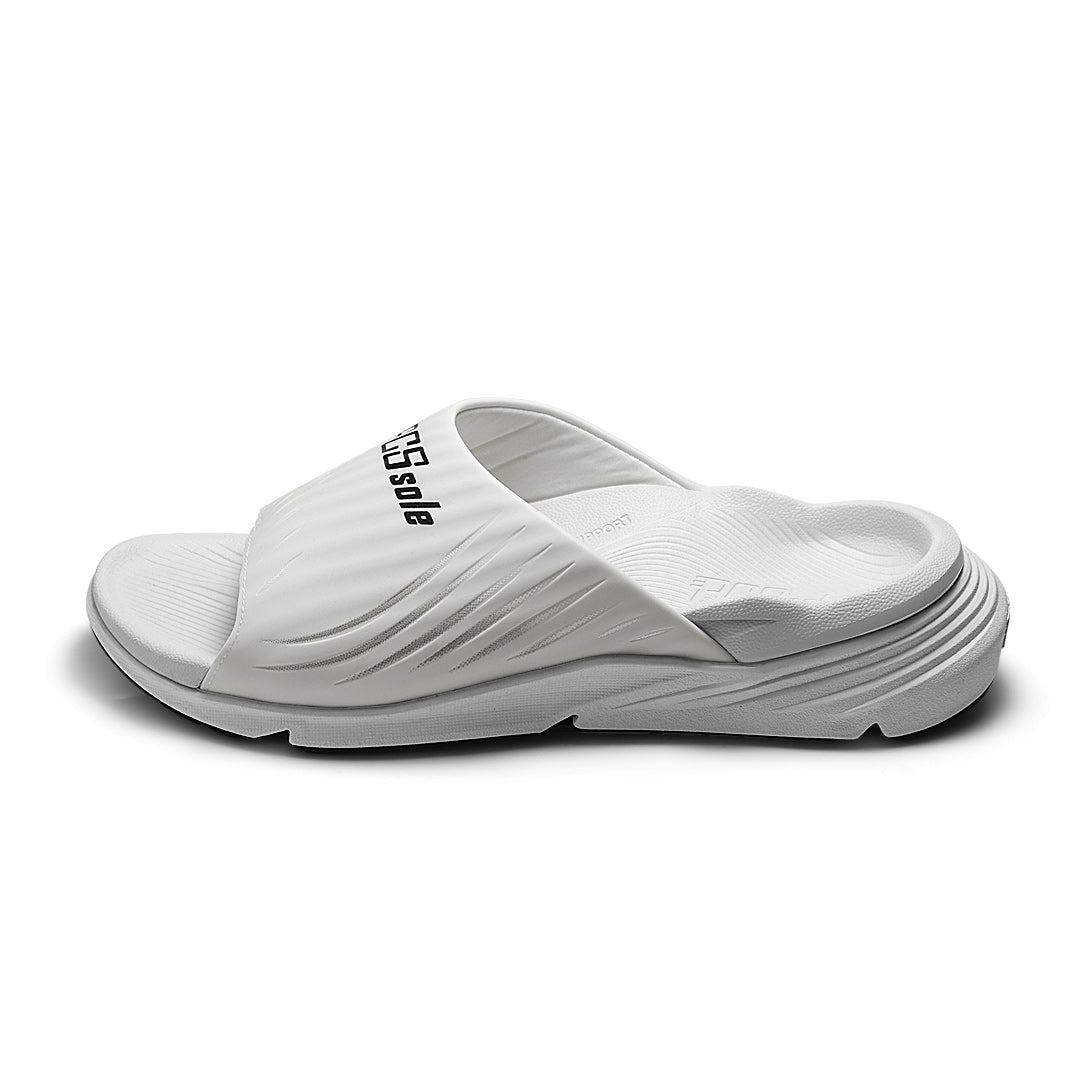
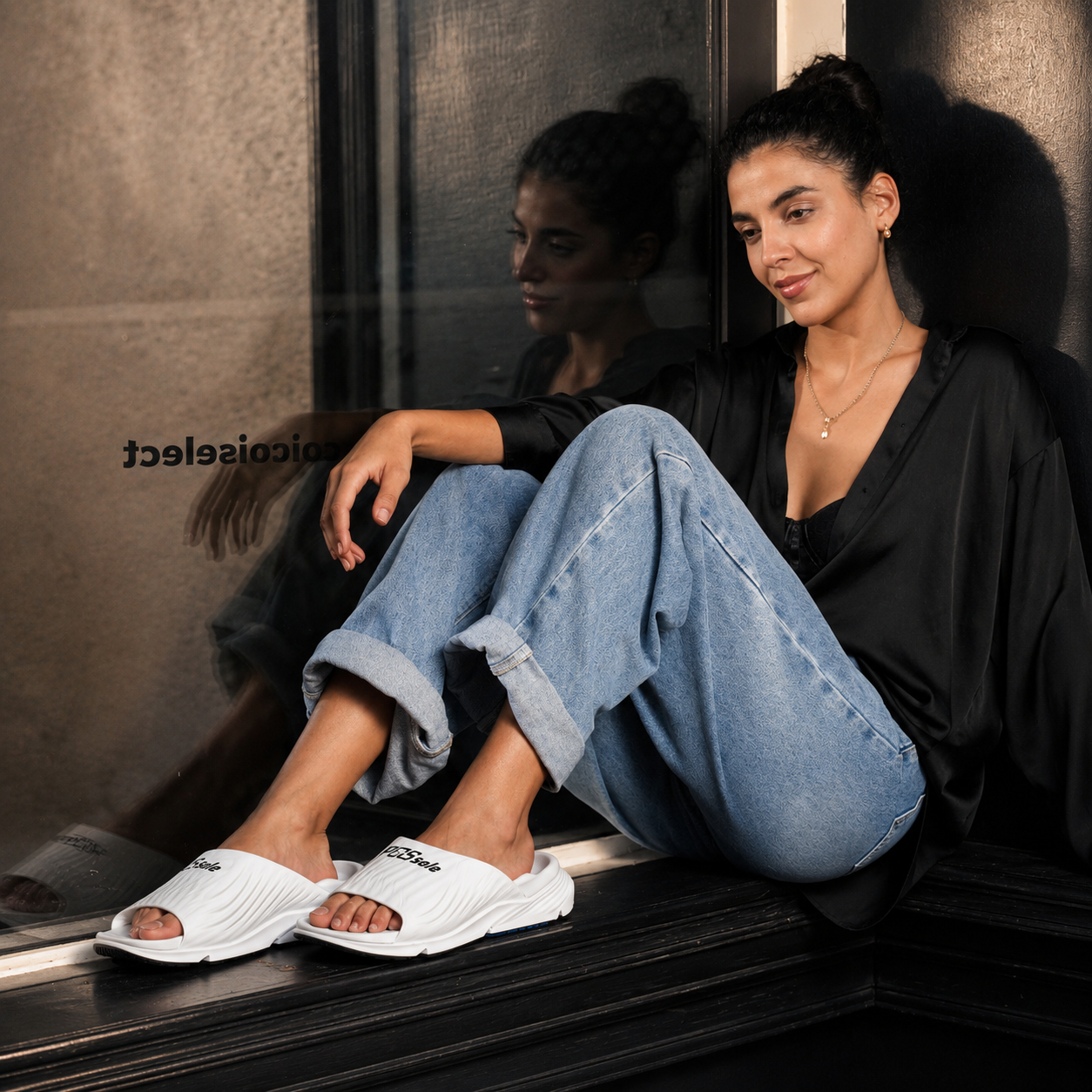
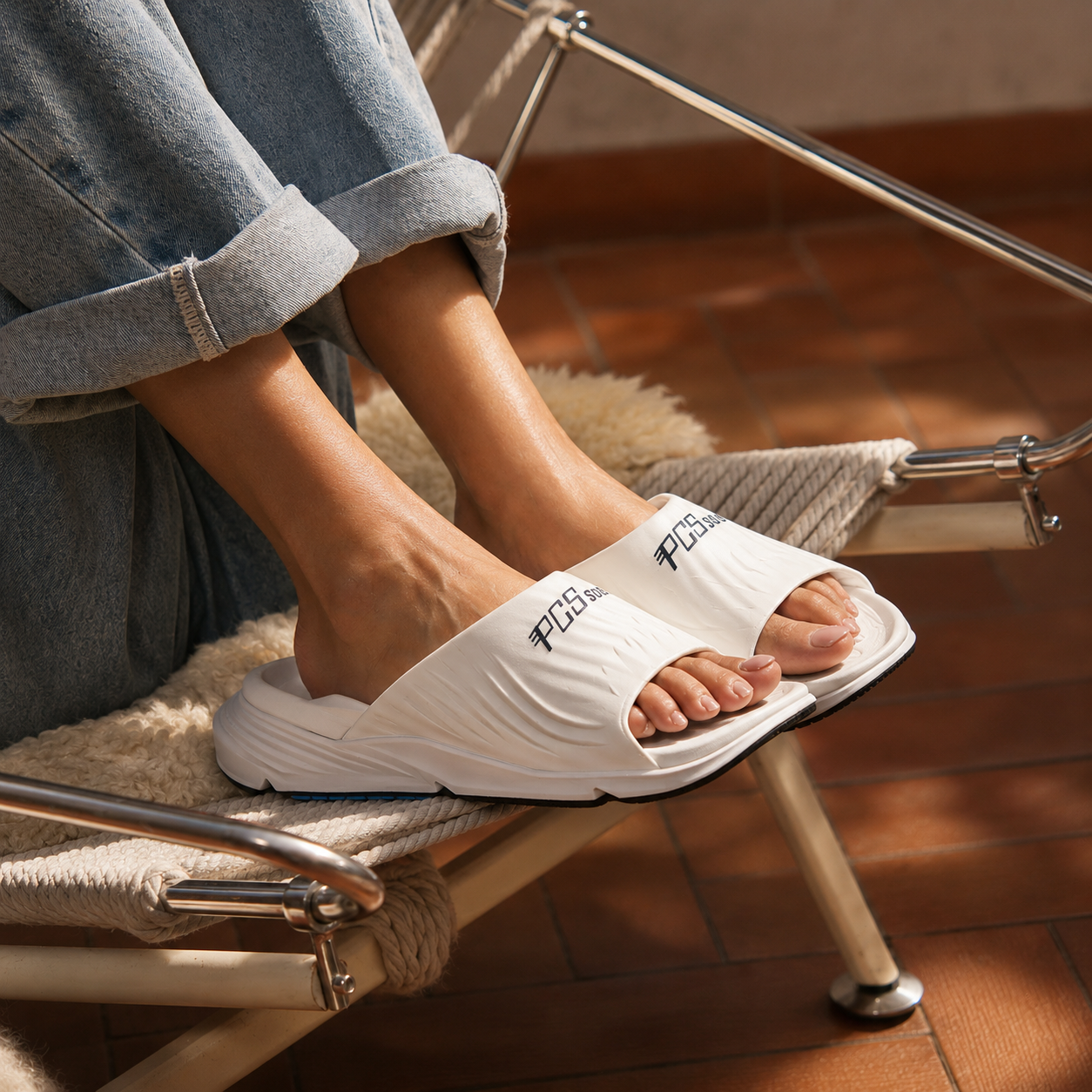
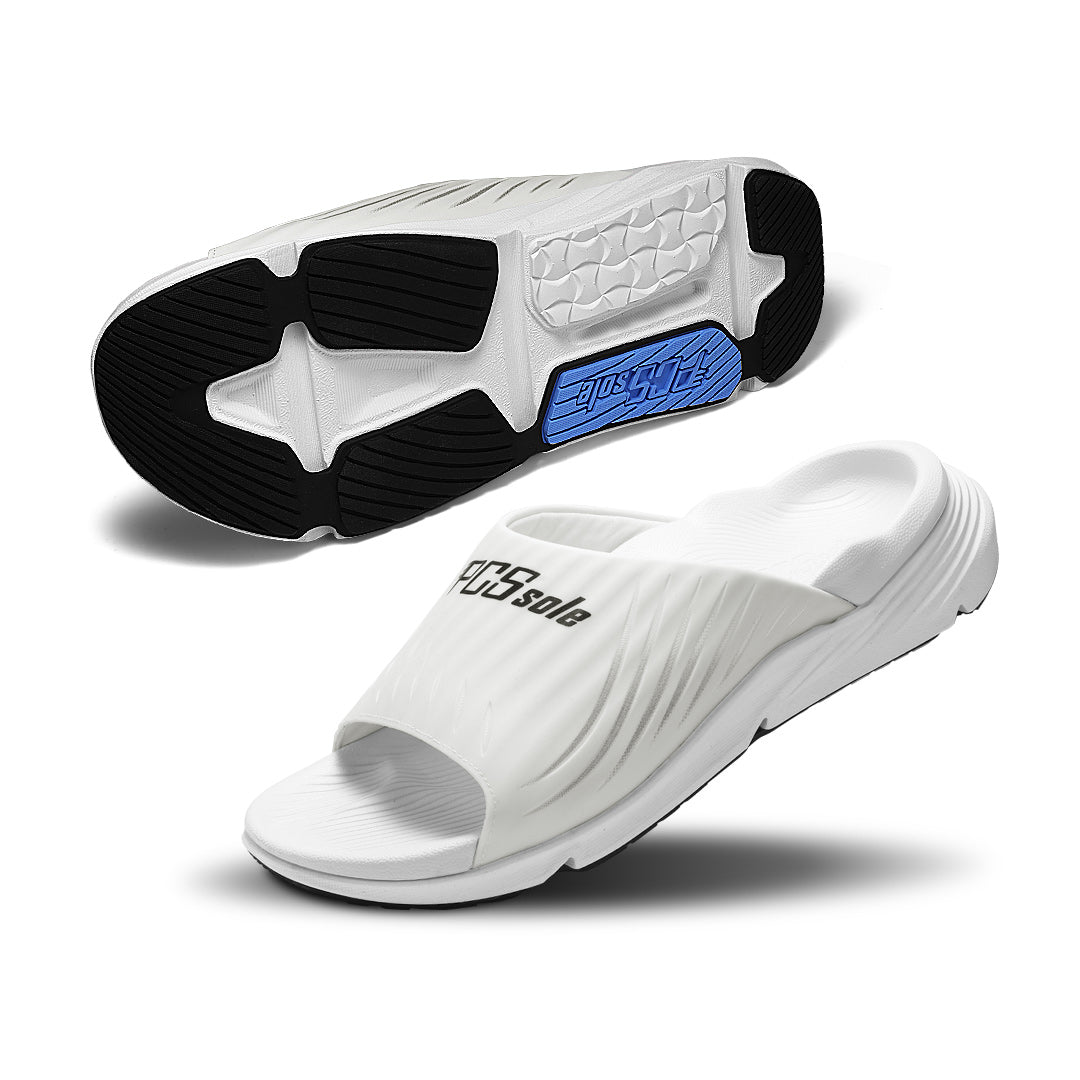
If you don't need "metaphysical" mindfulness for your brain, but instead need genuine, physical relief for your aching arches after a long day, a grounded approach like PCSsole Orthopedic Recovery Slides is a much safer bet. Instead of claiming to "send signals to your mind," they rely on biomechanical realities—combining rigid, medical-grade arch support with high-density EVA cushioning to actively alleviate plantar fasciitis. It turns out the best way to heal your feet is through physics, not philosophy.
Nike Mind 001 Recovery Slides: The Look
This mule version — and it's called the Mule because it's a slip-on shoe with a massive forefoot entry hole, and there's no laces.
Looks-wise, they're very basic. But I like a couple of the touches that they've done. So, it's a water-resistant unnamed foam material that they've used for the full upper and the outsole of the shoe. So, not including these foam nodes, they've actually used the same material. It's got a glossy effect on the outsole, but on the upper of the shoe, it comes in this matte look.
There's a different material that makes up the lacing area. It's like a soft neoprene material that's been glued and stitched onto this foam upper. You've got a tiny Nike swoosh TPU bonded onto the laces area of the mule. Then you've got another Nike stamp bonded at the rear. And then you've got the Nike swoosh in the middle of the foot, which traditionally would be lying horizontally here. But this is vertically going from the large part of the swoosh up. And that's to represent the fact that these shoes send messages from the bottom of your feet up your body into your brain.
Nike has said this design has been 10 years in the making. It is there to create a more present, focused, and calm you before and after sporting activity. And we're going to talk way more about that now and these nodes.
Nike Mind 001 Review: Dissecting the Physical Shoe
Now let’s look at the physical shoe itself. I started by trying to pull out these nodules. It takes some effort, but they’re not impossible to remove. There are 22 of them in different sizes. They look a bit ridiculous when you pull them out — kind of like little foam mushrooms or something. They’re glued onto the foam outsole material.
I cut the shoe completely in half to see what’s really going on inside.

How Does It Actually Feel on Foot?
Underfoot, the experience is interesting but not revolutionary. The nodes do create pressure points, but the overall feel is quite slippery and unstable — almost like walking on ice or balls that shift around. You get some sensation from the pressure, but nothing that feels like it’s “activating your brain” in any special way beyond basic stimulation. It’s similar to how any unusual pressure on your foot (like a tight bracelet or even just being aware of your steps) can redirect your attention away from racing thoughts.
Will these last? The construction seems similar to Crocs in terms of simplicity. For a mule, the glued nodes might hold up okay for casual wear since there’s less stress than in a performance sneaker. But I wouldn’t trust them long-term in a high-use situation, and if the sneaker version uses the same attachment method, that could be concerning.
Should you Buy the Nike Mind 001?
Are these just a gimmick? Visual gimmicks helped make Nike what it is today — they’re not inherently bad when they push boundaries and showcase real innovation. The problem arises when marketing crosses into pseudoscience by making unsubstantiated claims about mental benefits and brain activation rather than just saying “hey, these feel different and interesting.”
Remains a luxury rather than a necessity for most athletes and active individuals.

Accessibility and Availability:
The instant sell-out status means most interested buyers can't actually purchase the Mind 001 at retail pricing. Resale markets command premiums ( $110-$150+ USD), and restock schedules remain unclear. Combined with sizing uncertainty, acquiring the correct size becomes genuinely challenging.
Reasonable But Not Budget Price:
At $95 USD, the Mind 001 sits in the mid-premium range—more expensive than basic slides ($30-50) but cheaper than high-end performance shoes ($180+). However, it occupies this price tier for footwear you explicitly can't use for athletic activity, making value assessment depend heavily on how seriously you approach recovery.
Weather Vulnerability:
The breathable, water-resistant upper handles light moisture but isn't weatherproof. Sustained rain penetrates relatively quickly, and cold weather requires thick socks that compromise the adaptive fit advantage. The Mind 001 is fundamentally three-season footwear in temperate climates.
Minimal Support Structure:
The therapeutic softness means limited arch support and lateral stability. Users with specific orthopedic needs ( overpronation, plantar fasciitis, structural foot issues) won't find corrective support here. The Mind 001 optimizes for healthy feet seeking comfort, not compromised feet requiring correction.

Nike Mind 001 Recovery Slides vs. PCSsole Arch Support Recovery Slides
If the Nike Mind 001's lack of structural support, extreme scarcity, and hypothetical "mind science" give you pause, you aren't alone. If your goal is true physical recovery—healing tired arches, stabilizing your stride, and recovering from conditions like plantar fasciitis—you need a product engineered for biomechanics, not hype.
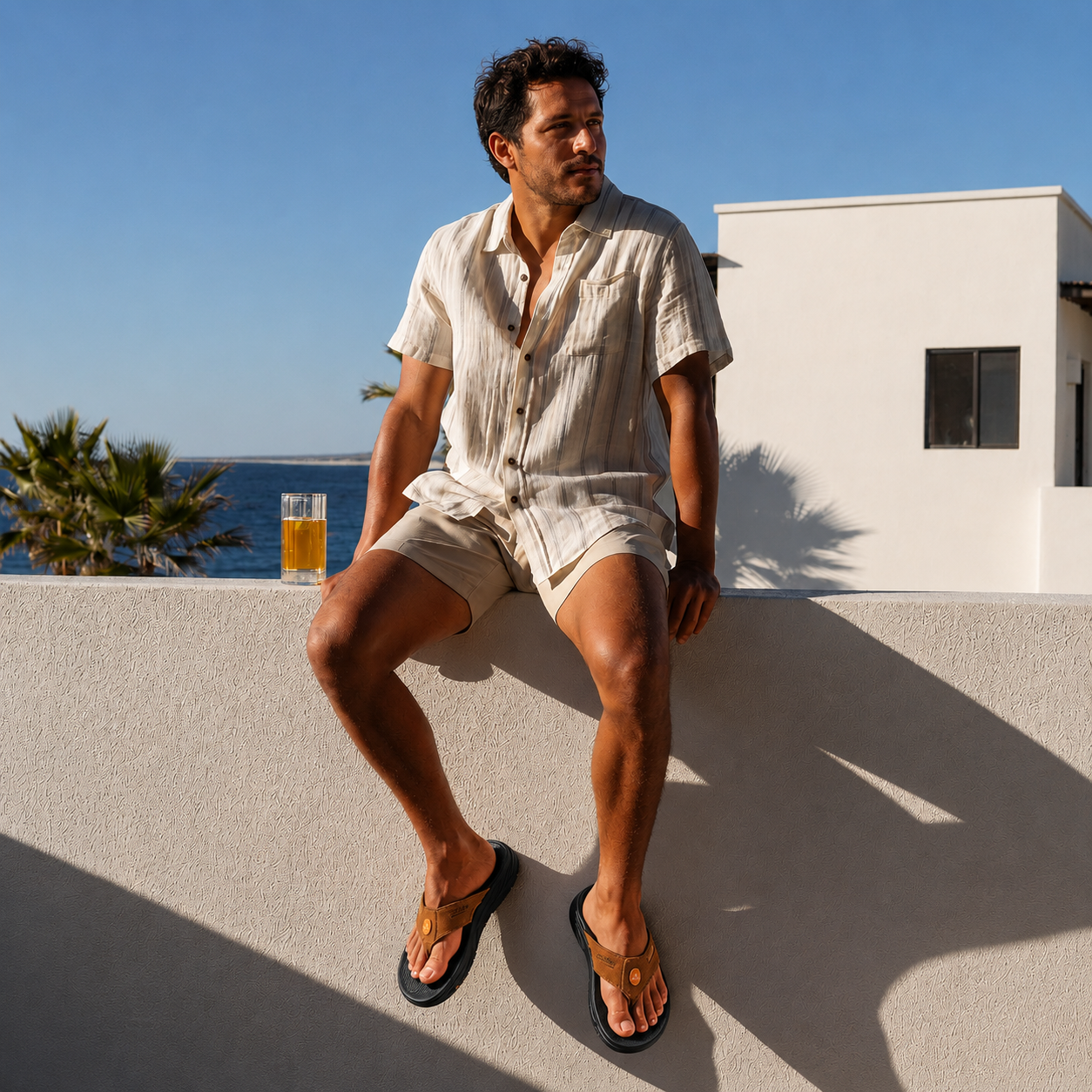
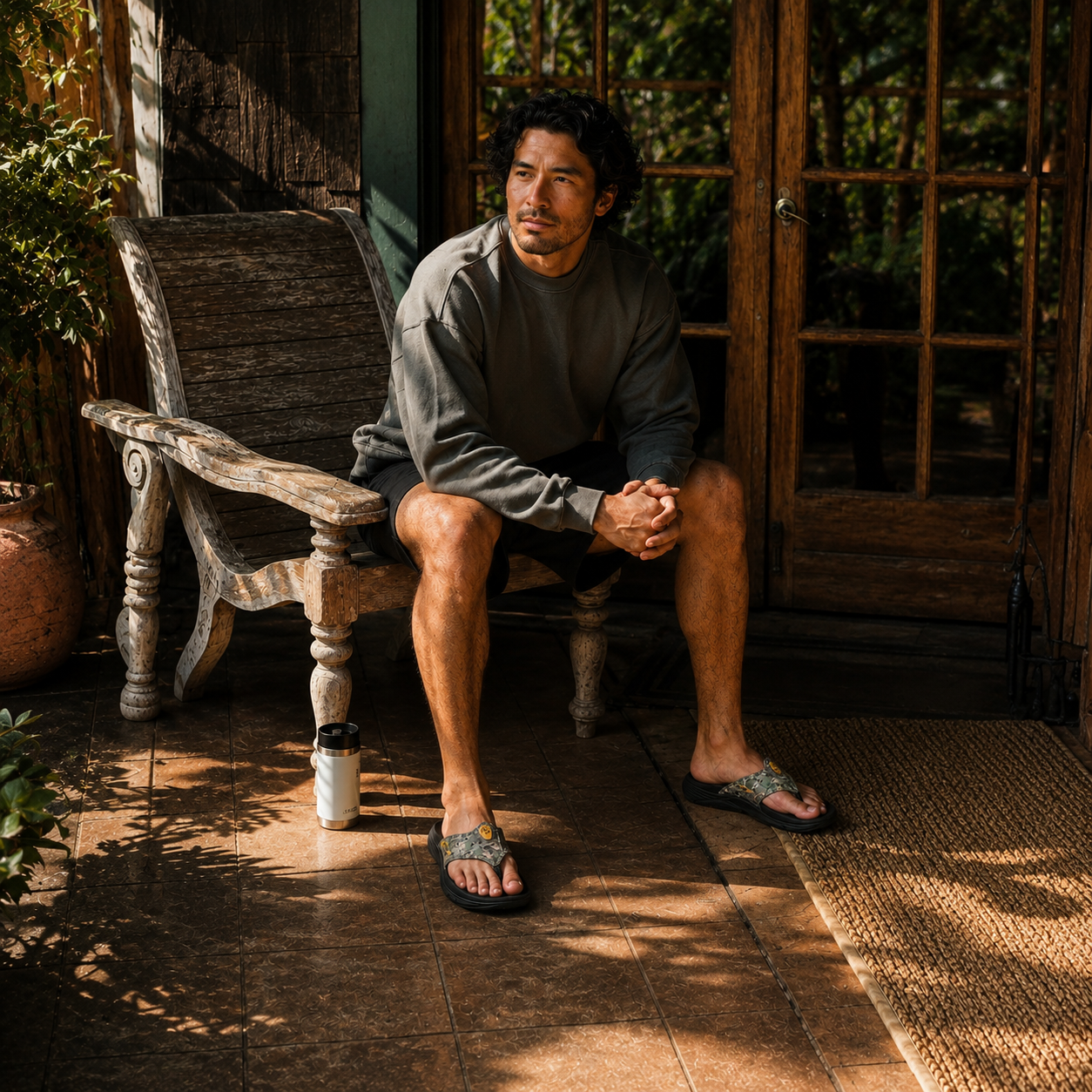
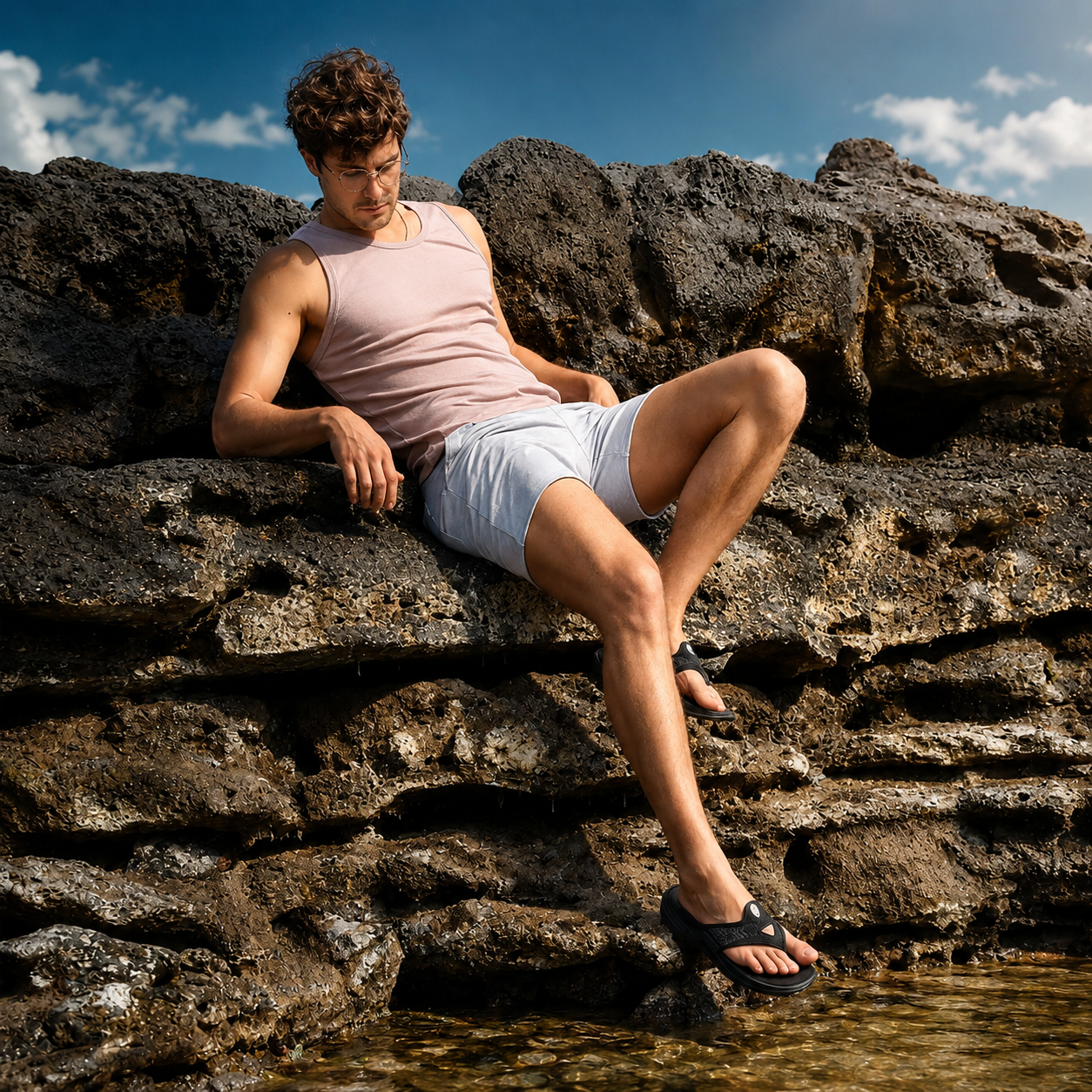
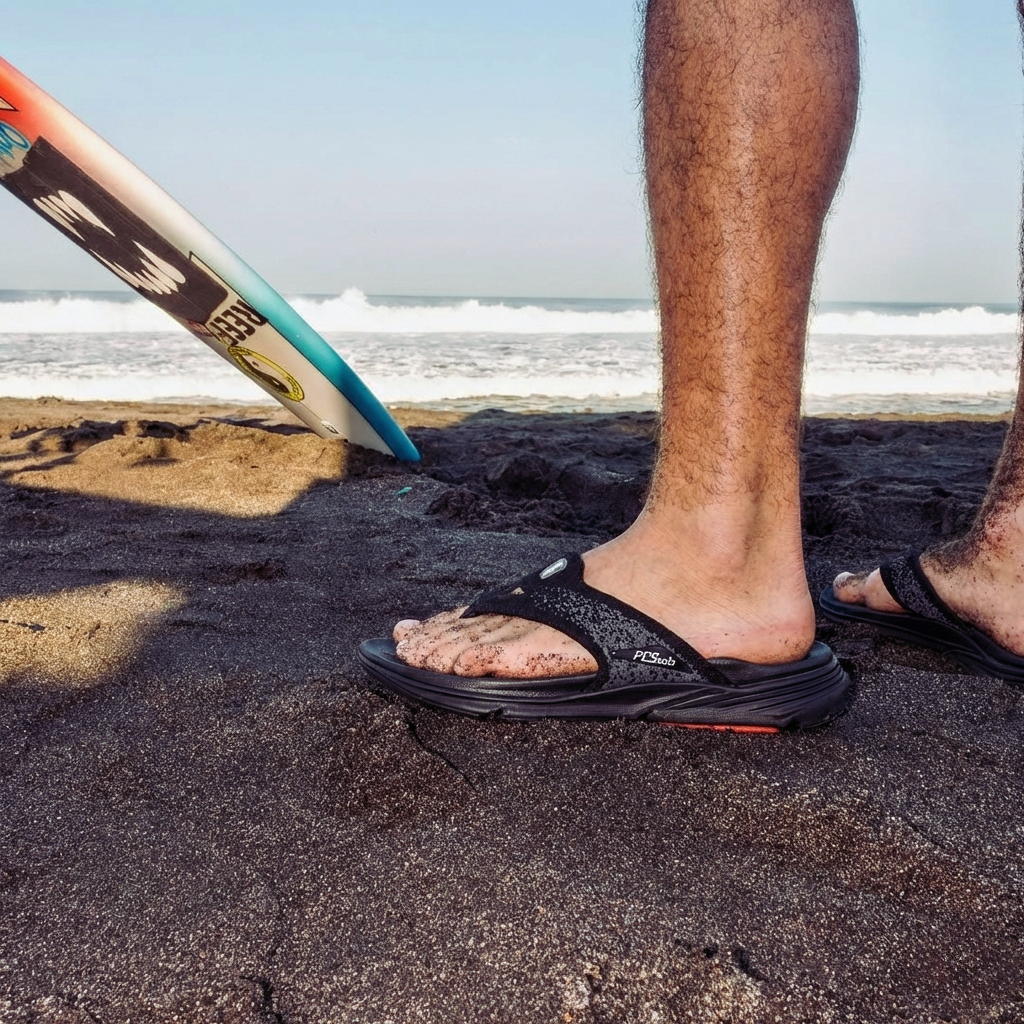
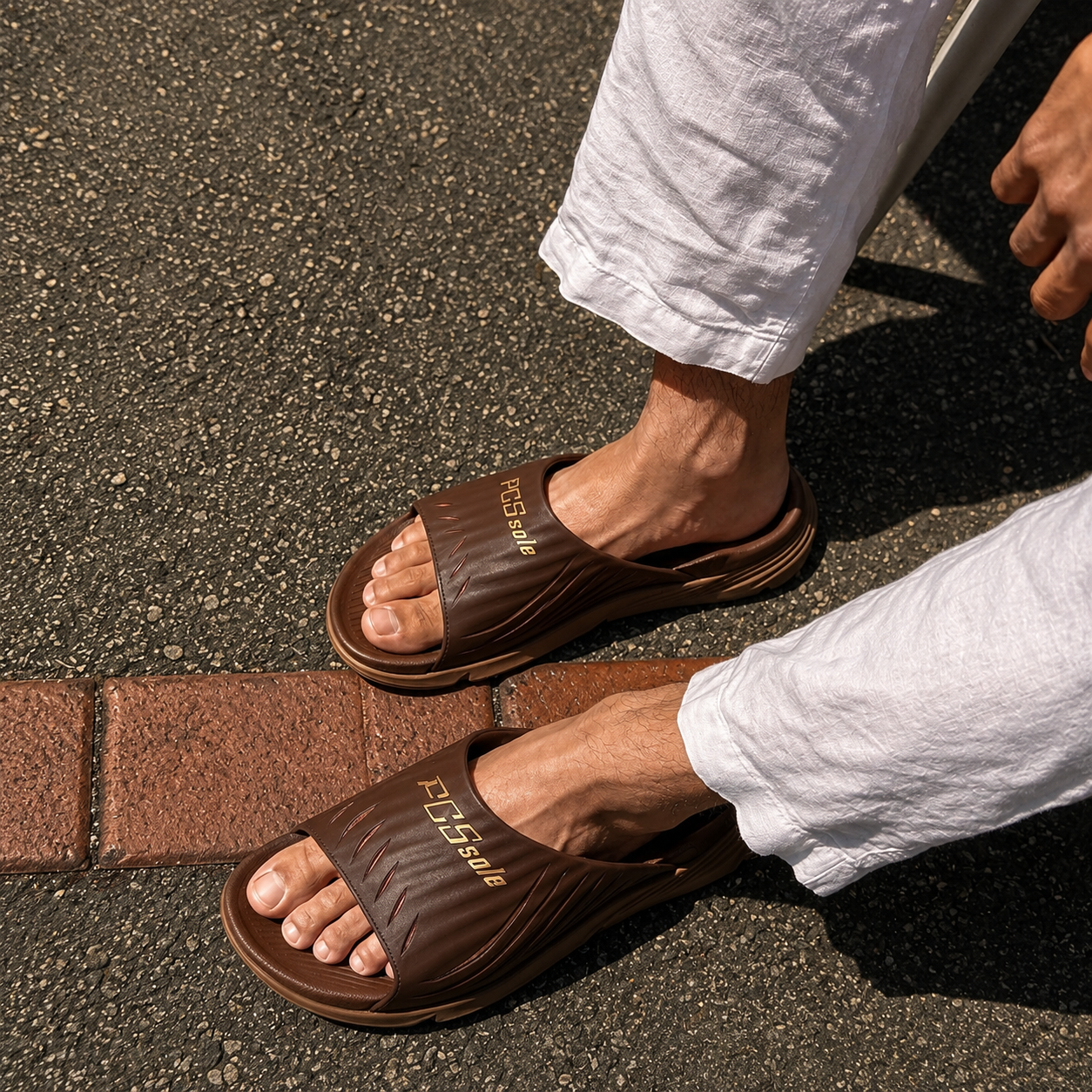
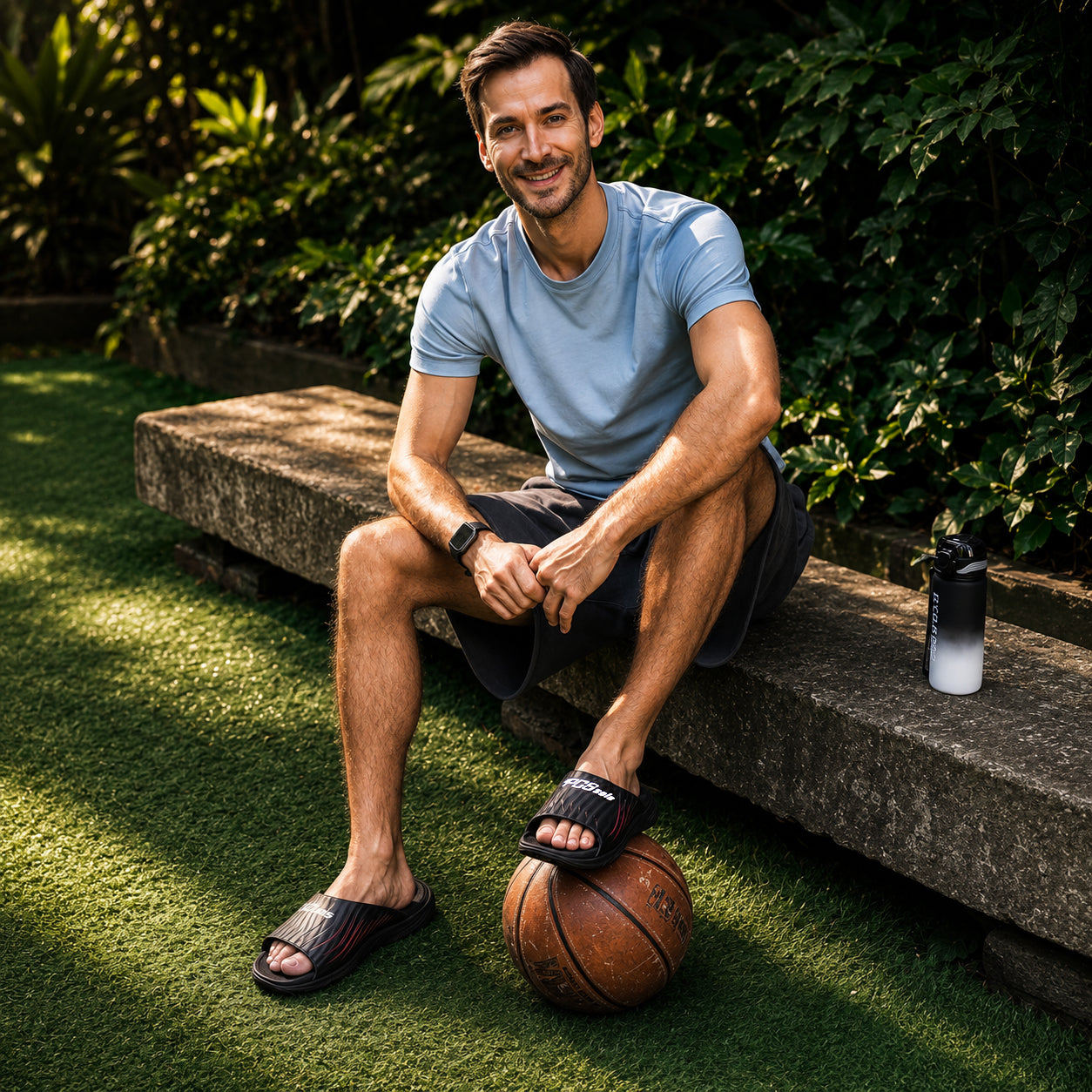
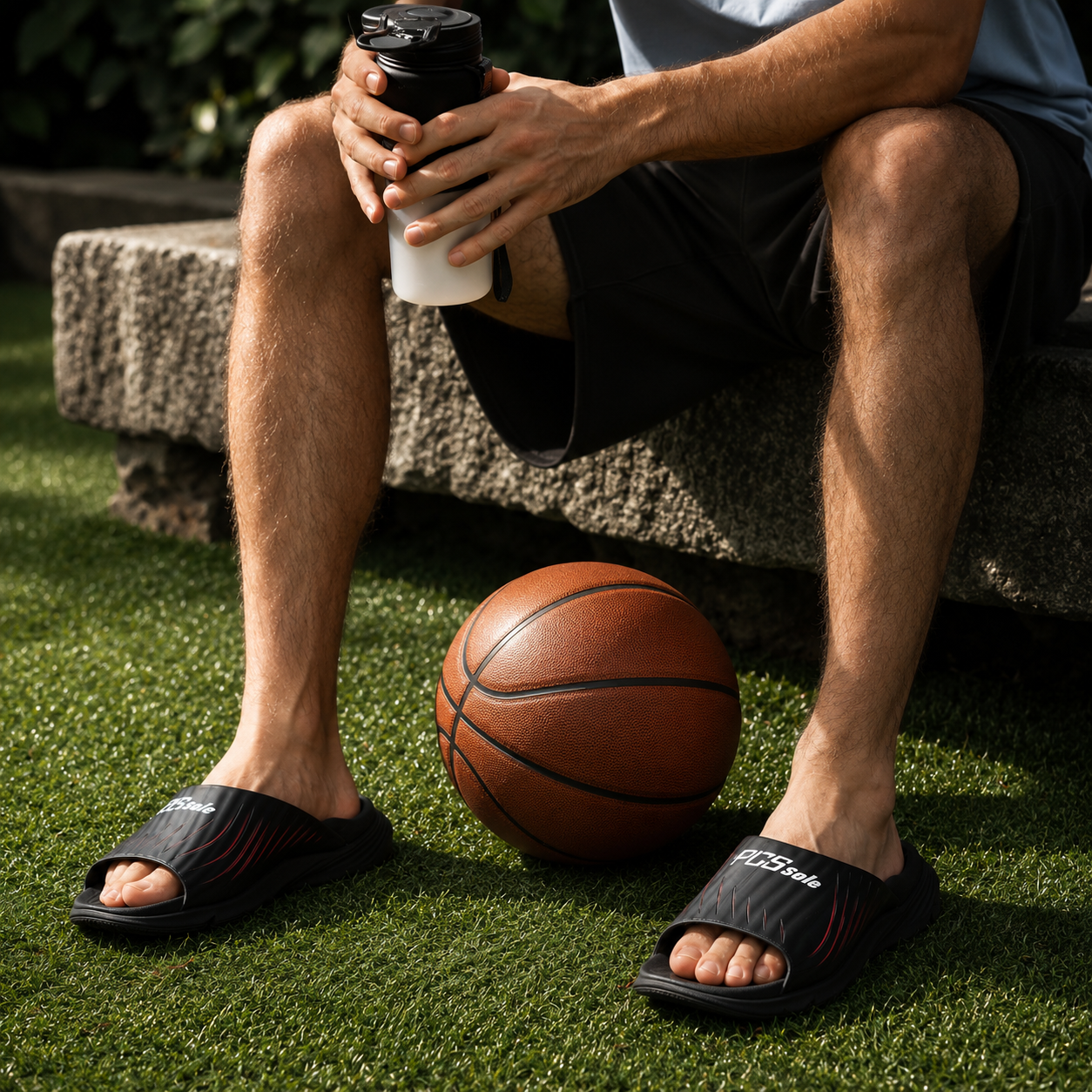
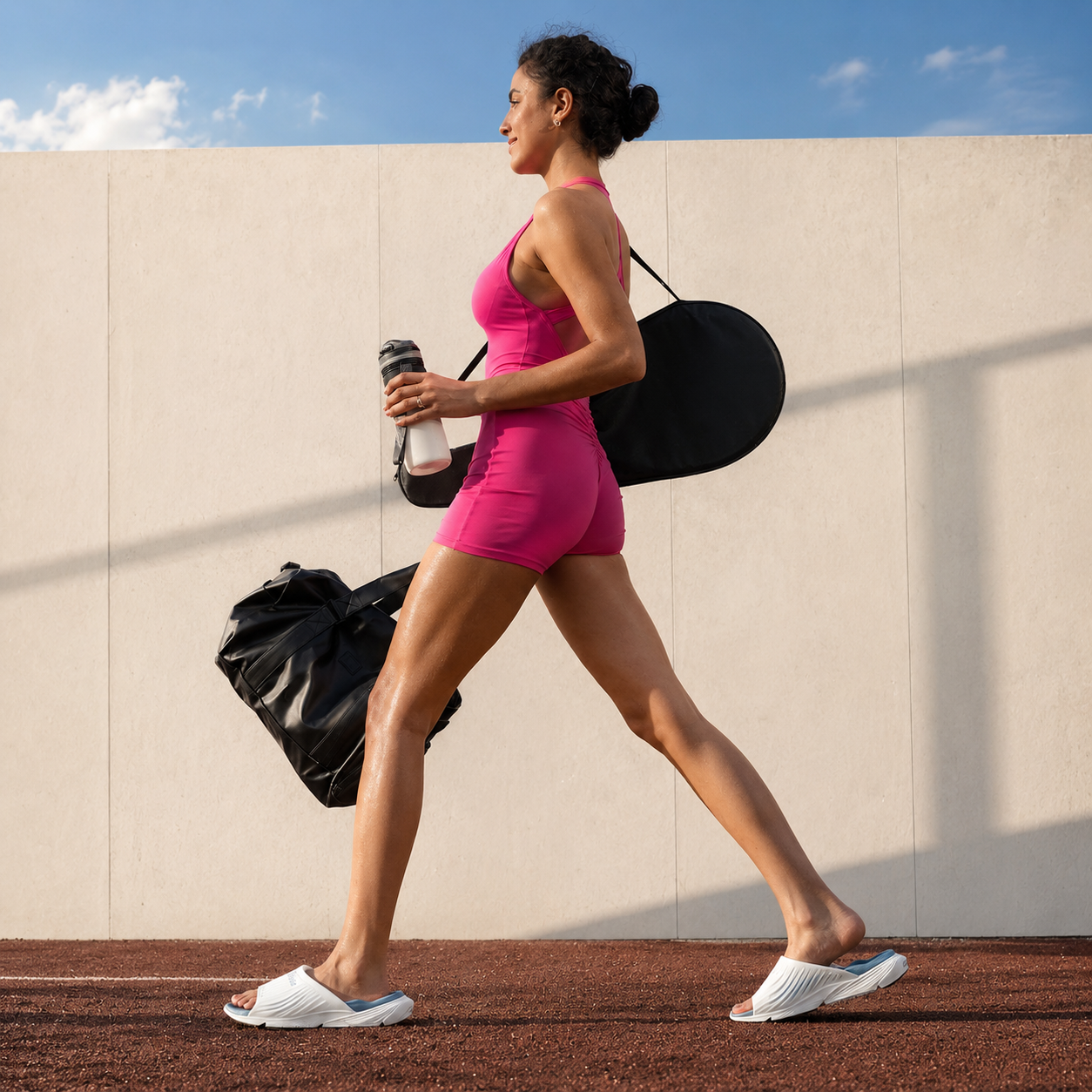
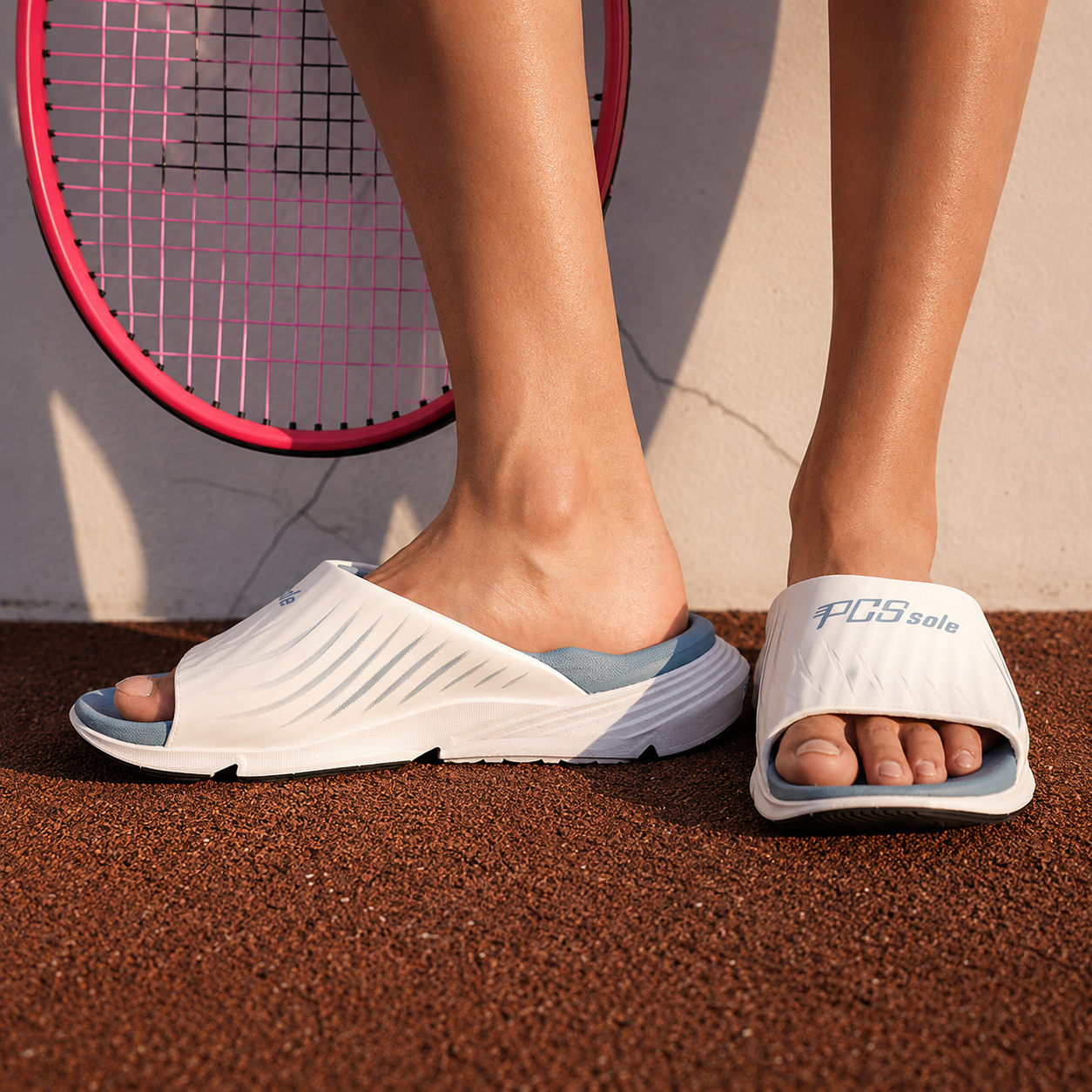
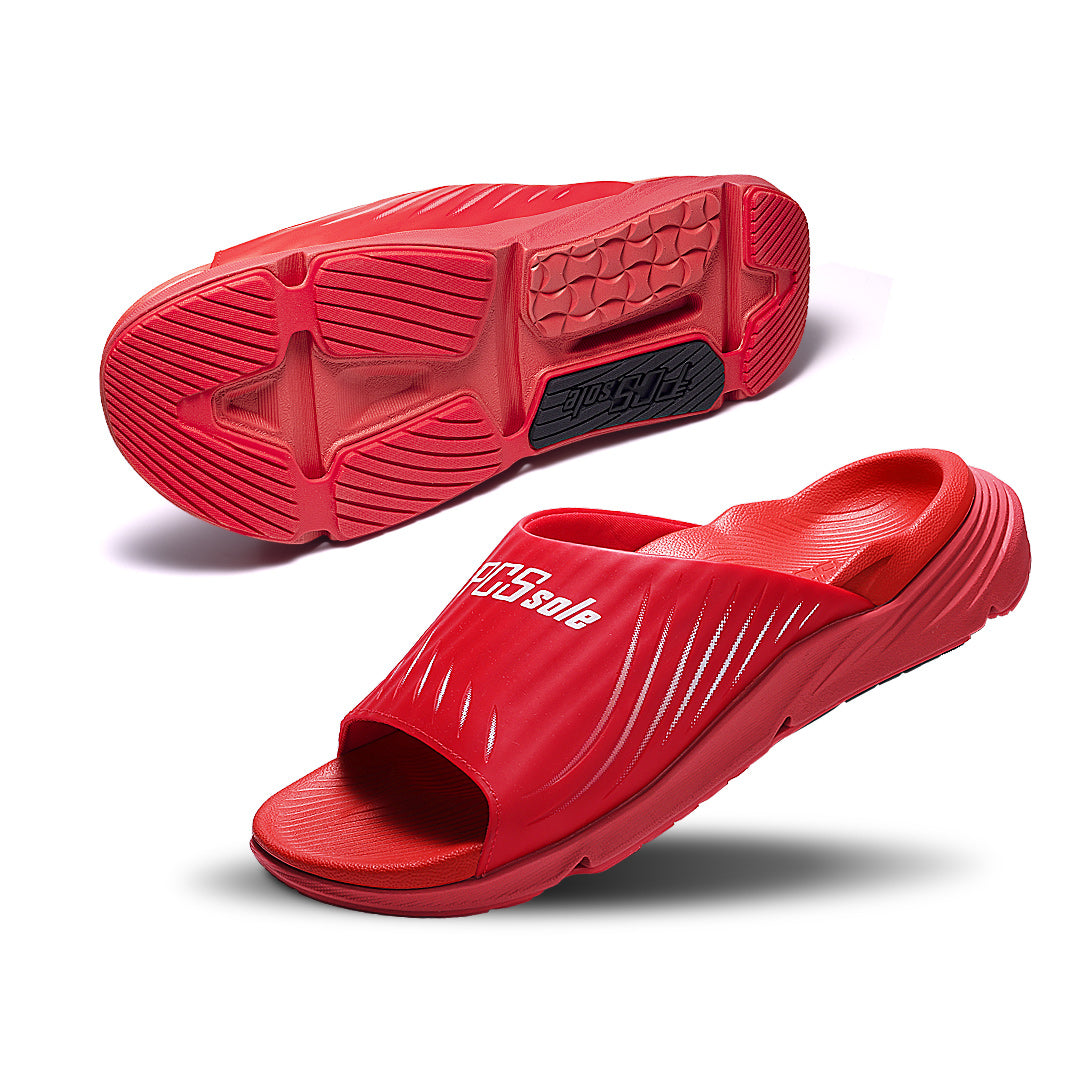
For those who want their recovery footwear to do the actual heavy lifting for their feet, the PCSsole Orthopedic Slides & Sandals series offers a grounded, science-backed alternative.
Nike Mind 001 vs. PCSsole Orthopedic Slides
| Feature | Nike Mind 001 Mule | PCSsole Orthopedic Slides |
| Price & Availability | $95 USD (Retail) / $110+ (Resale market due to artificial scarcity). | $75 USD (Retail). Budget-friendly and readily accessible online with consistent restocks. |
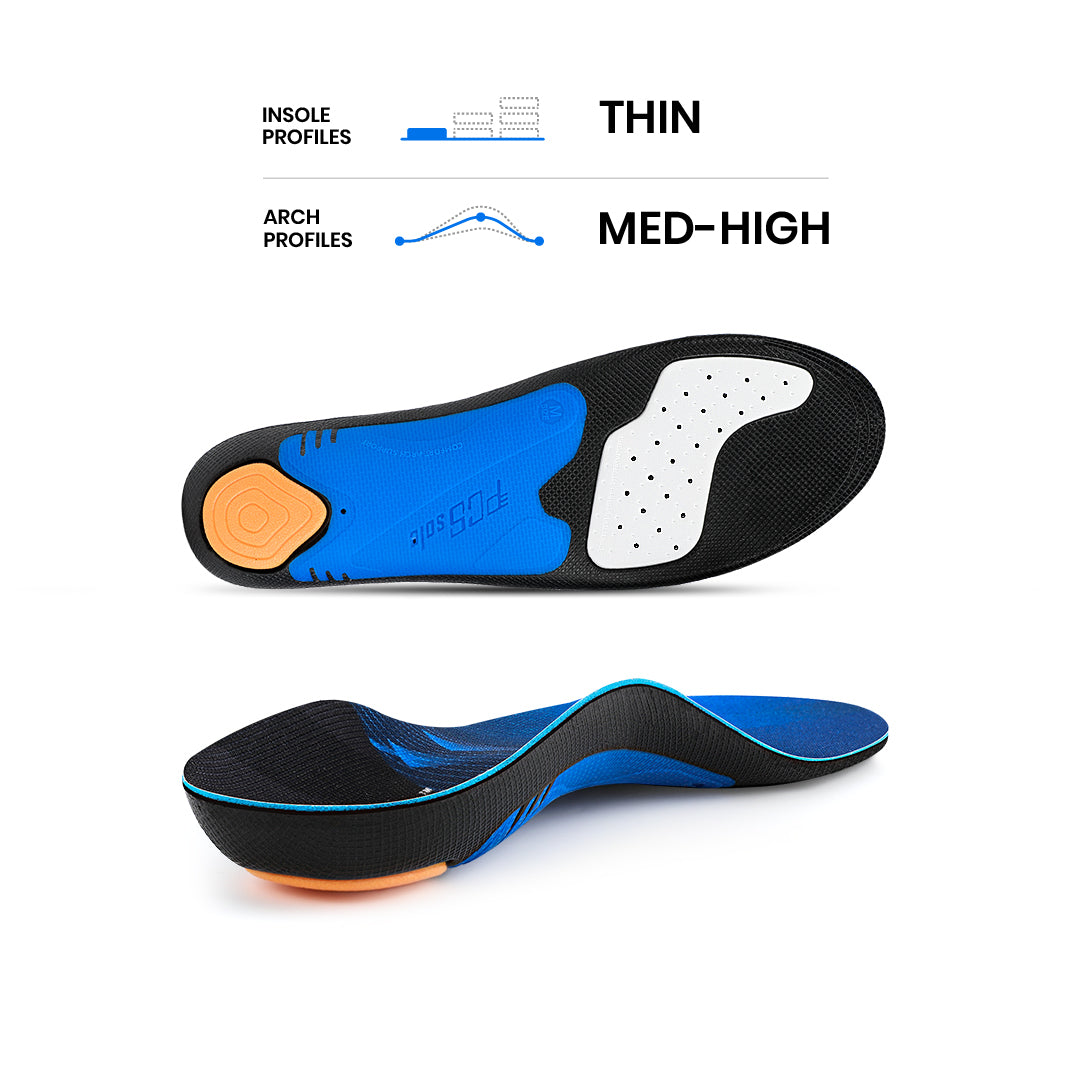
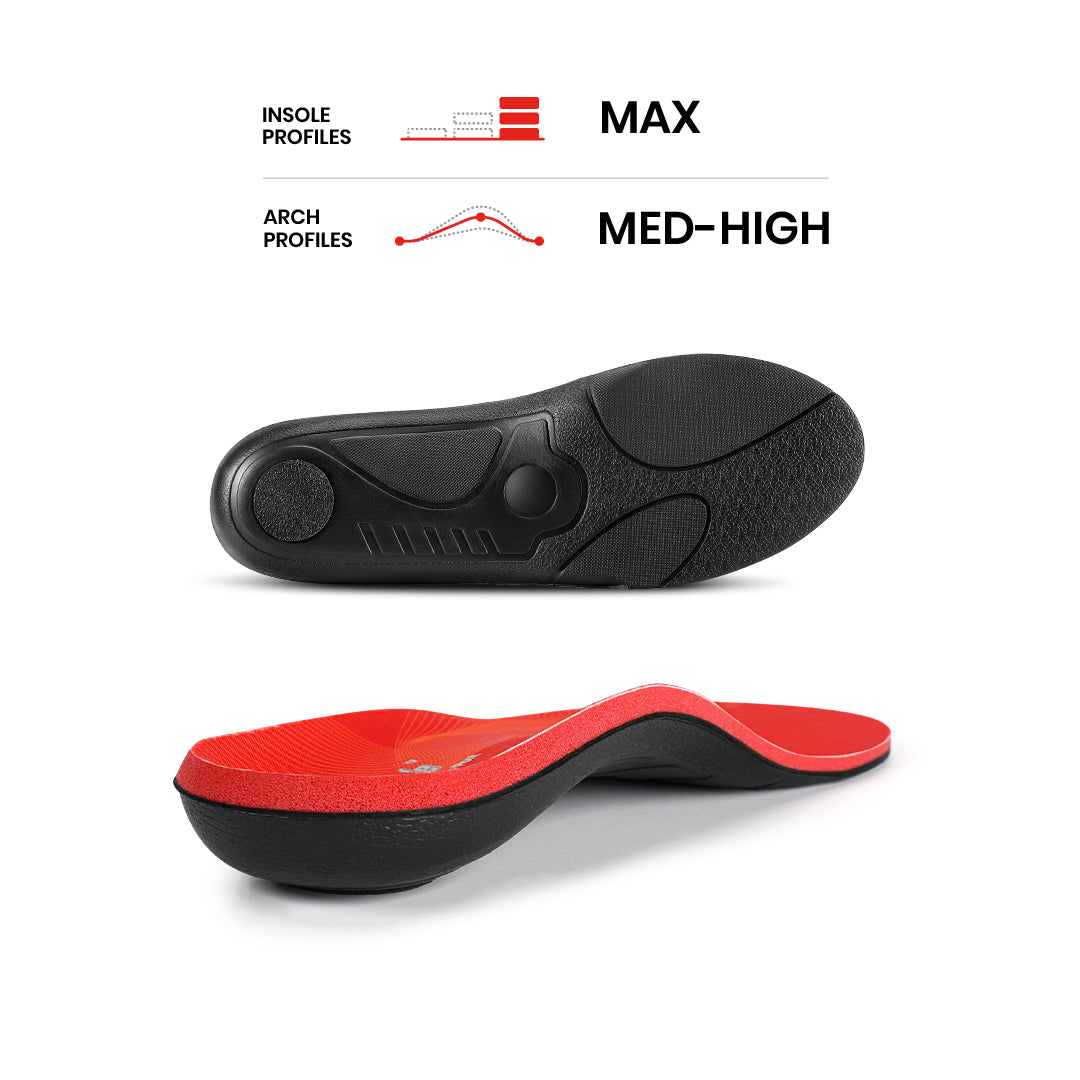
| Support Structure | Minimal. Optimizes for cloud-like softness; lacks lateral stability and rigid arch support. | Maximum. Features a rigid, medical-grade arch booster and deep heel cup for structural alignment. |
| Core Technology | 22 independent, glued-on foam nodes designed for neurological sensory stimulation. | Ergonomically molded single-density EVA designed for targeted plantar fascia pressure relief. |
| Ideal User | Healthy-footed sneaker enthusiasts looking for a quirky, casual pre-game lounge shoe. | Athletes, nurses, runners, and anyone suffering from plantar fasciitis, flat feet, or overpronation. |
| Durability | Questionable long-term wear due to the independent nodes being glued to the outsole. | High; solid, unified chassis construction means no parts to peel off or wear unevenly. |
Why PCSsole is the Logical Choice for True Foot Health
While Nike asks you to gamble $95 on the concept of "sensory brain activation," PCSsole focuses entirely on the proven physics of foot health.

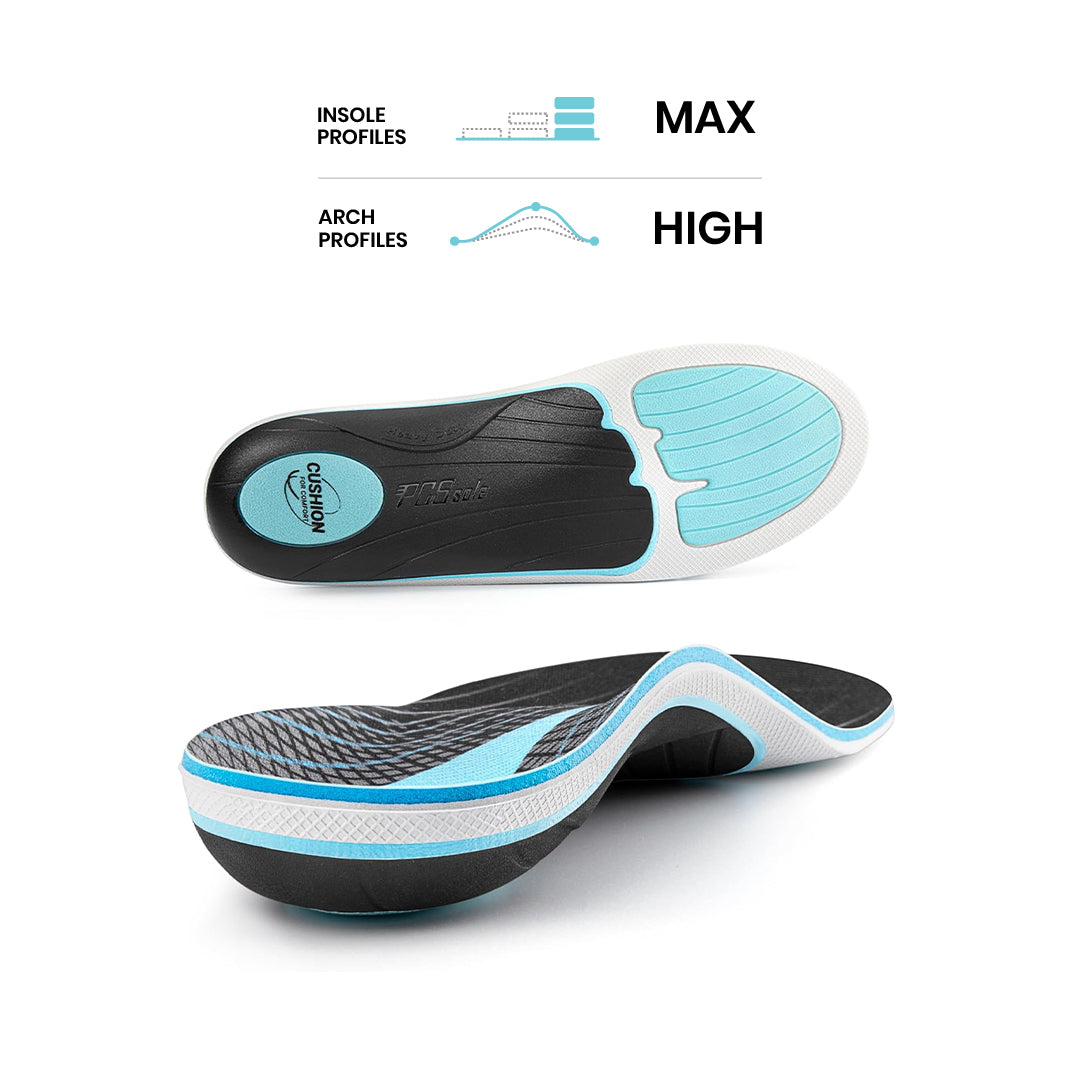
Real Structural Correction: Instead of letting your foot collapse into ultra-soft foam, PCSsole slides feature a firm, contour-molded arch bridge. This mechanically redistributes body weight, instantly taking the strain off your plantar fascia ligament.
Locked-In Stability: Nike’s shifting nodes can leave you feeling unstable—almost like "walking on ice." PCSsole utilizes a deep heel cradle that physically cups your calcaneus (heel bone), preventing overpronation and reducing ankle fatigue with every step.
True Recovery Economics: True recovery shouldn't require fighting resellers or paying a premium tax for a shoe you can't wear in the rain. PCSsole delivers clinical-grade orthopedic relief at a fraction of the cost, making all-day comfort accessible to everyone.
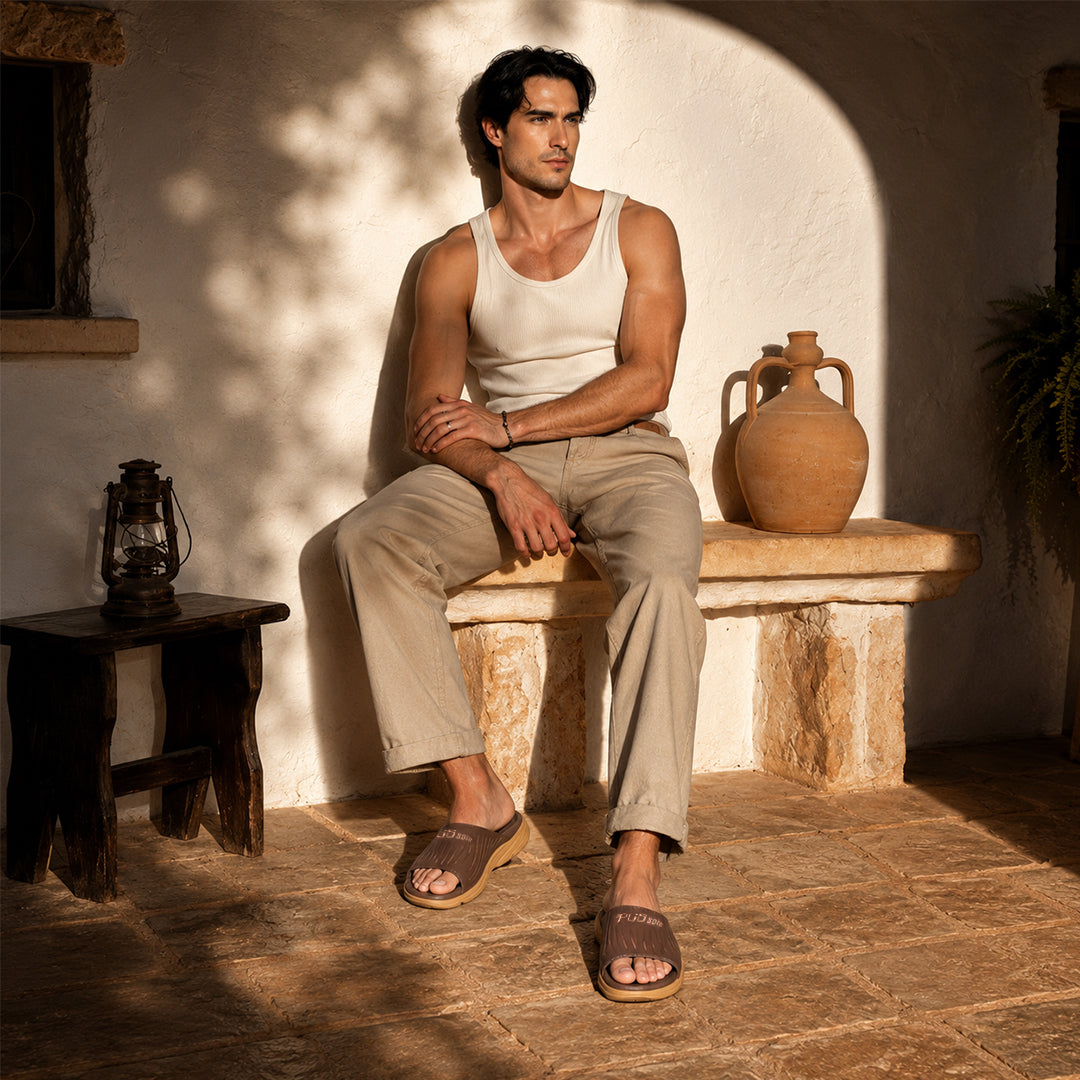
If you want a futuristic fashion statement to wear around the house, chase the Nike Mind 001. But if you are actually dealing with compromised arches, foot fatigue, or need a dependable post-workout recovery slide that prioritizes anatomy over marketing, step into a pair of PCSsole Sandals. Your feet will thank you for choosing physics over philosophy.
FAQs: Nike Mind 001 vs. PCSsole Orthopedic Slides
Does the Nike Mind 001 run true to size?
No, the Mind 001 runs significantly small. You should size up at least one full size from your normal Nike size. The mule only comes in whole US sizes (no half sizes), so half-size wearers need to size up at least half a size or 1.5 sizes for wide feet. At true to size, most users experience heel overhang, where your heel extends beyond the back of the mule, eliminating proper contact with the 22-node sensory platform.
Is Nike Mind 001 good for standing all day?
The Mind 001's 22 independent foam nodes and breathable upper make it effective for extended standing periods, with users reporting reduced fatigue during 8-hour days on concrete floors. However, the constant sensory stimulation may be fatiguing for some users. The lack of arch support means it works best for users with healthy feet rather than those requiring orthopedic correction. It's not necessarily designed for full all-day wear despite its comfort.
Are the 22 nodes inside the Nike Mind 001 just a marketing gimmick?
It depends on your perspective. From a medical standpoint, any uneven surface (like walking barefoot on pebbles) will stimulate sensory areas in the brain. Nike’s design is highly creative and visually striking, but it functions more as a marketing concept and lacks clinical data for treating specific foot conditions.
How do these two slides accommodate Wide Feet?
The Nike Mind 001 Mule features a massive forefoot entry hole, making it incredibly accommodating and comfortable for wide feet. PCSsole slides utilize a standard ergonomic width; if you have extremely wide feet, sizing up by one full size is recommended.
Final verdict: How should I make my ultimate decision?
Choose the Nike Mind 001 if: You are a sneaker enthusiast who values futuristic aesthetics, does not require rigid orthopedic correction, and simply wants a quirky lounge shoe for a unique sensory walking experience.
Choose PCSsole Orthopedic Slides if: You struggle with foot pain, plantar fasciitis, or flat feet, work a job that requires prolonged standing, or simply want a dependable recovery slide that prioritizes real anatomy over marketing illusions.