
🎆 2026 – BEGRENZTE VERFÜGBARKEIT!

shoe insoles
Anbieter:PCSsole

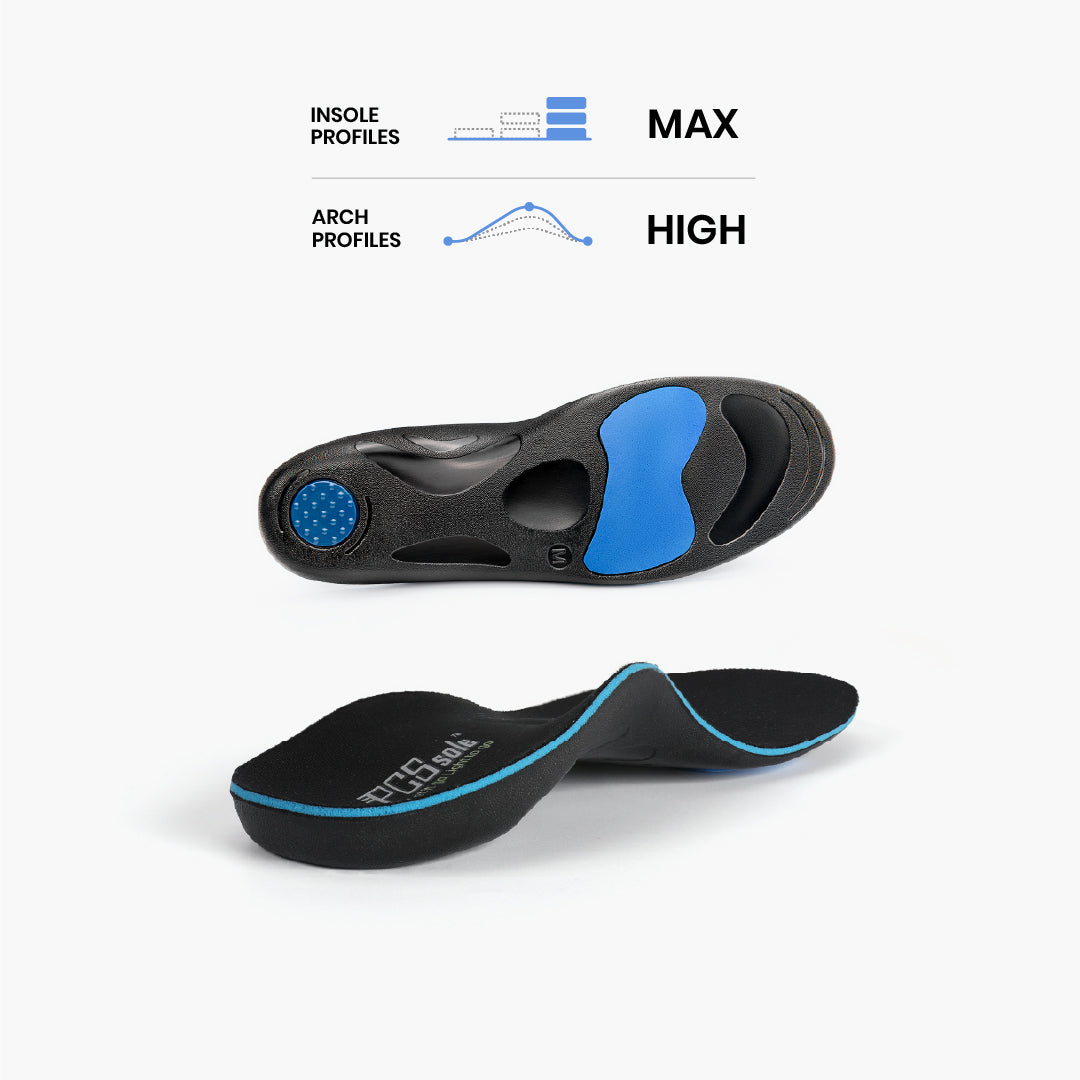
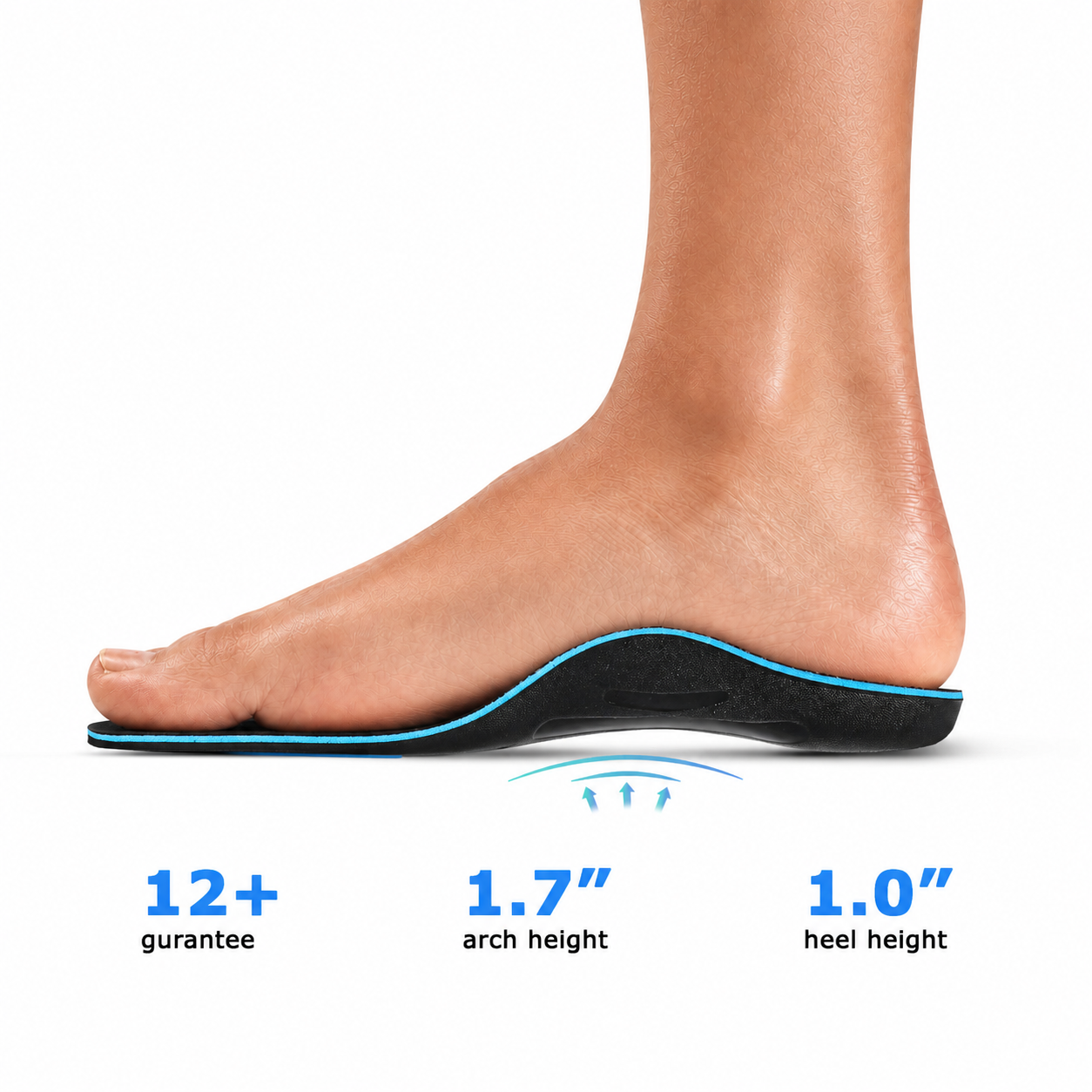
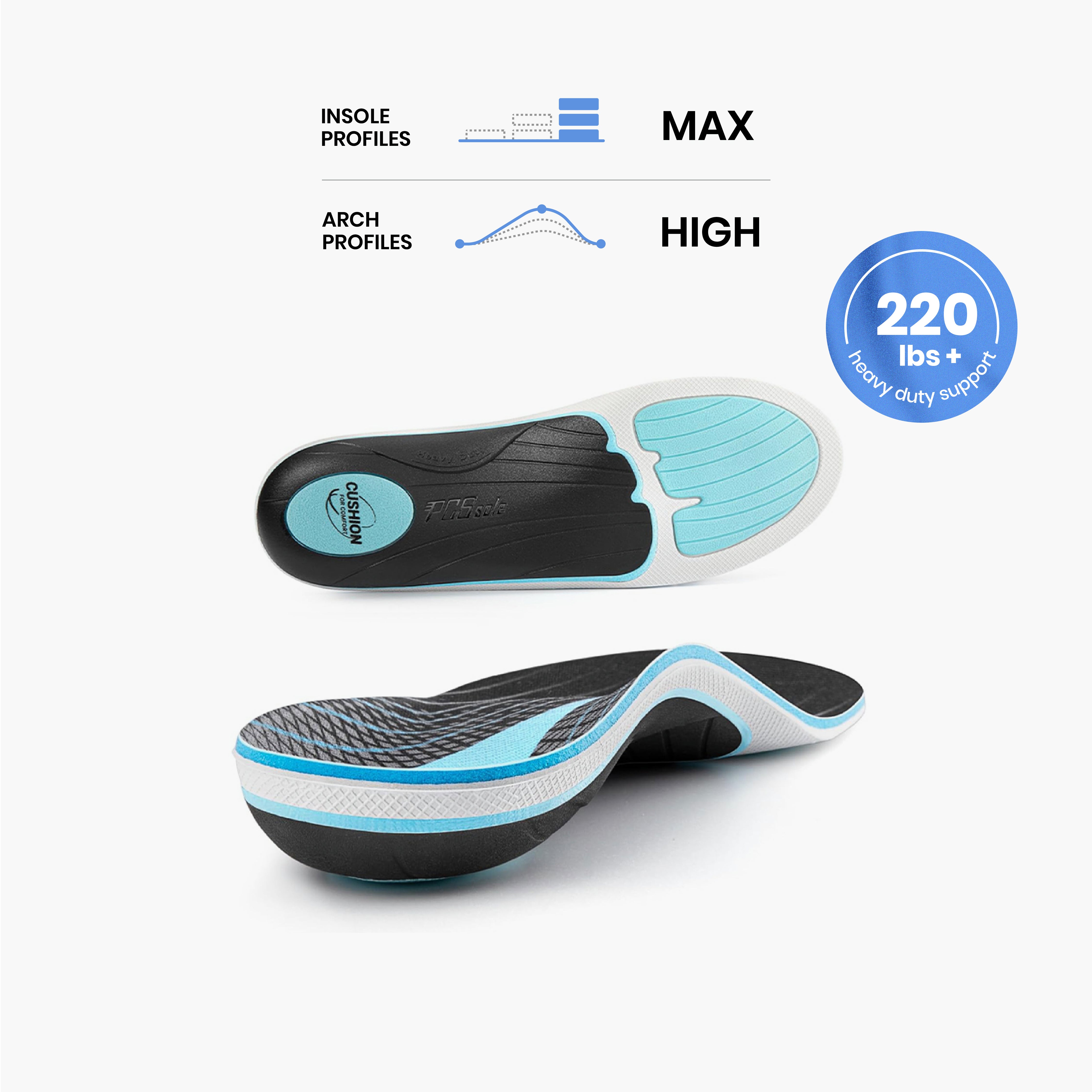
Universelle Fußgewölbeunterstützung
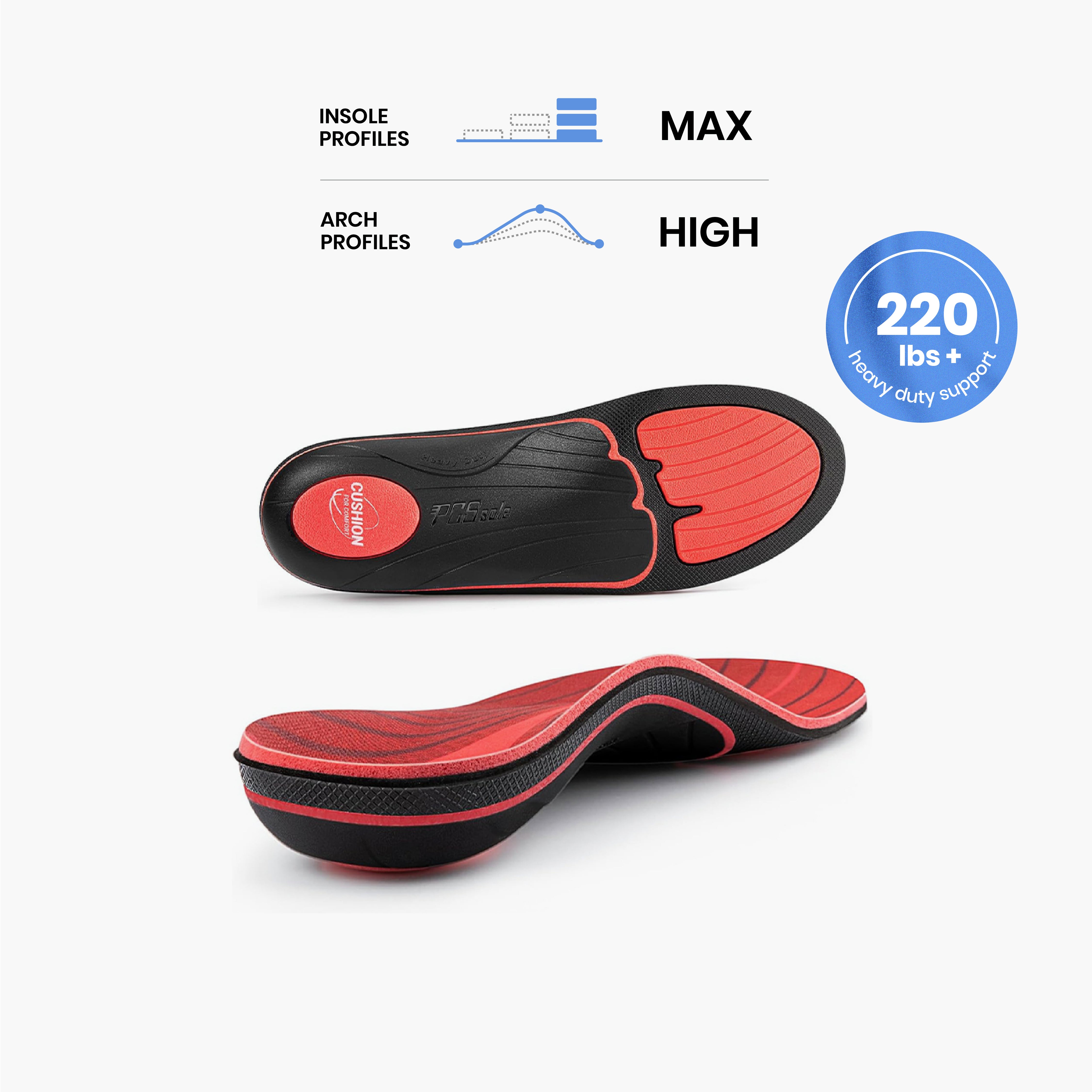
Verkaufspreis$37.99Normaler Preis $54.99
sole insoles
Anbieter:PCSsole

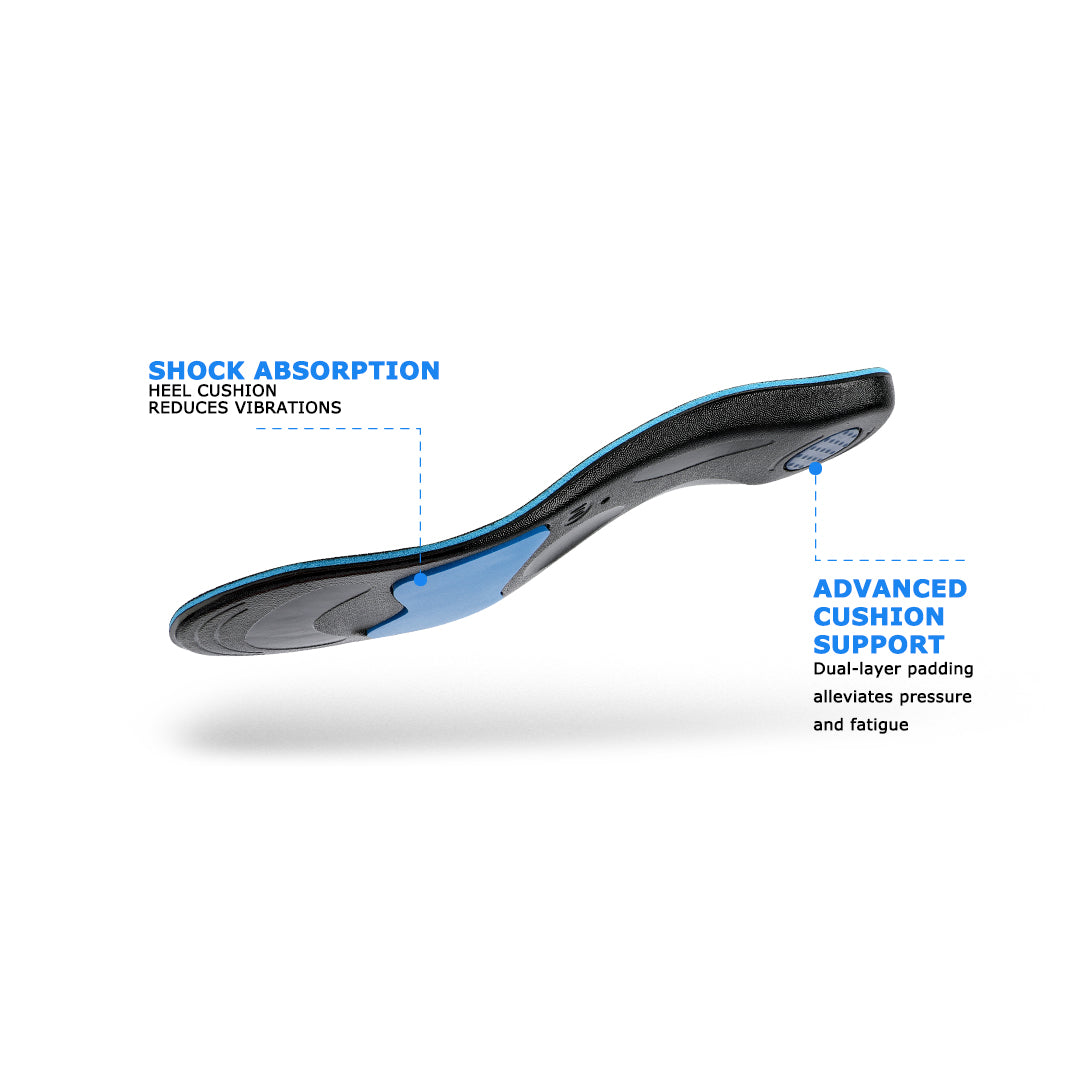
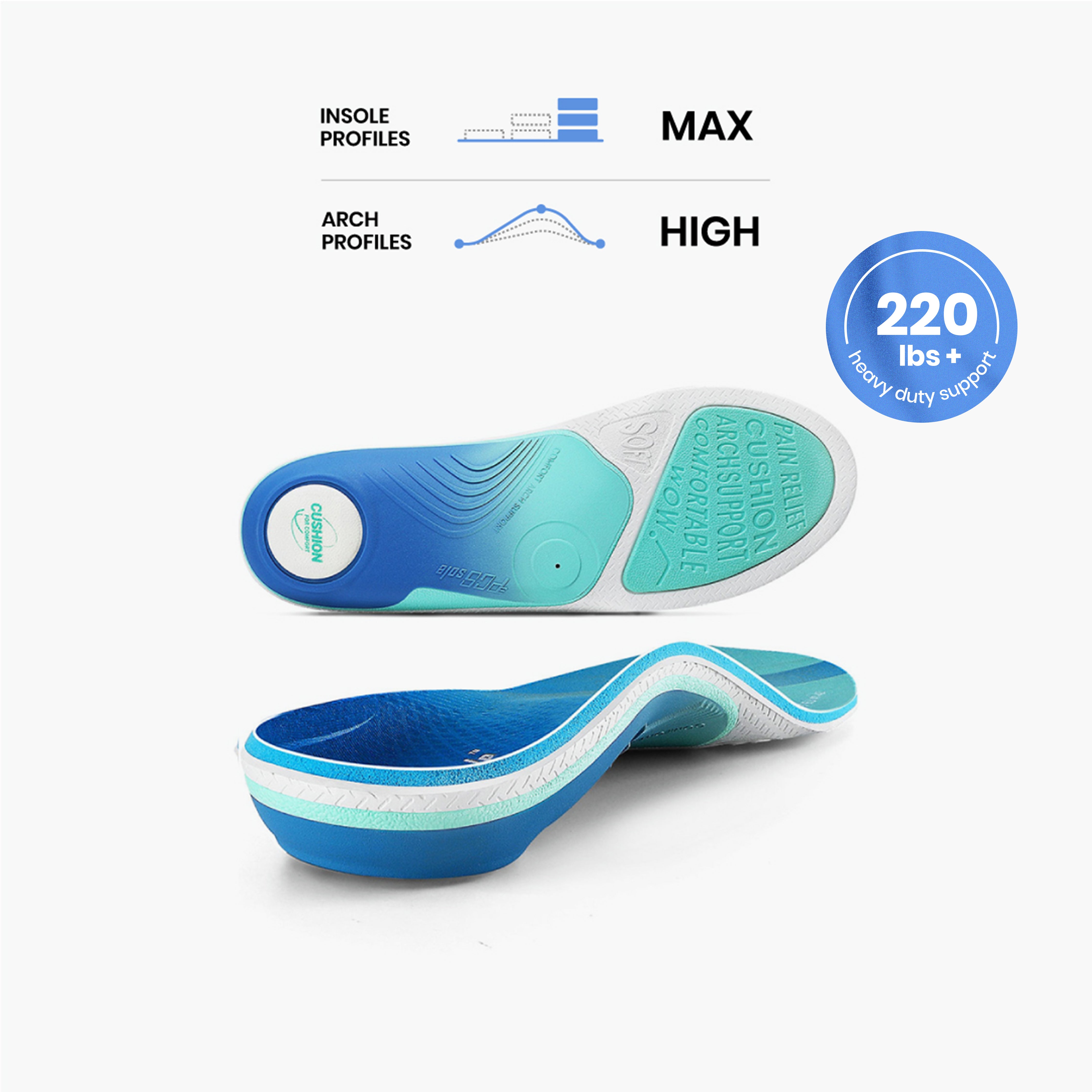
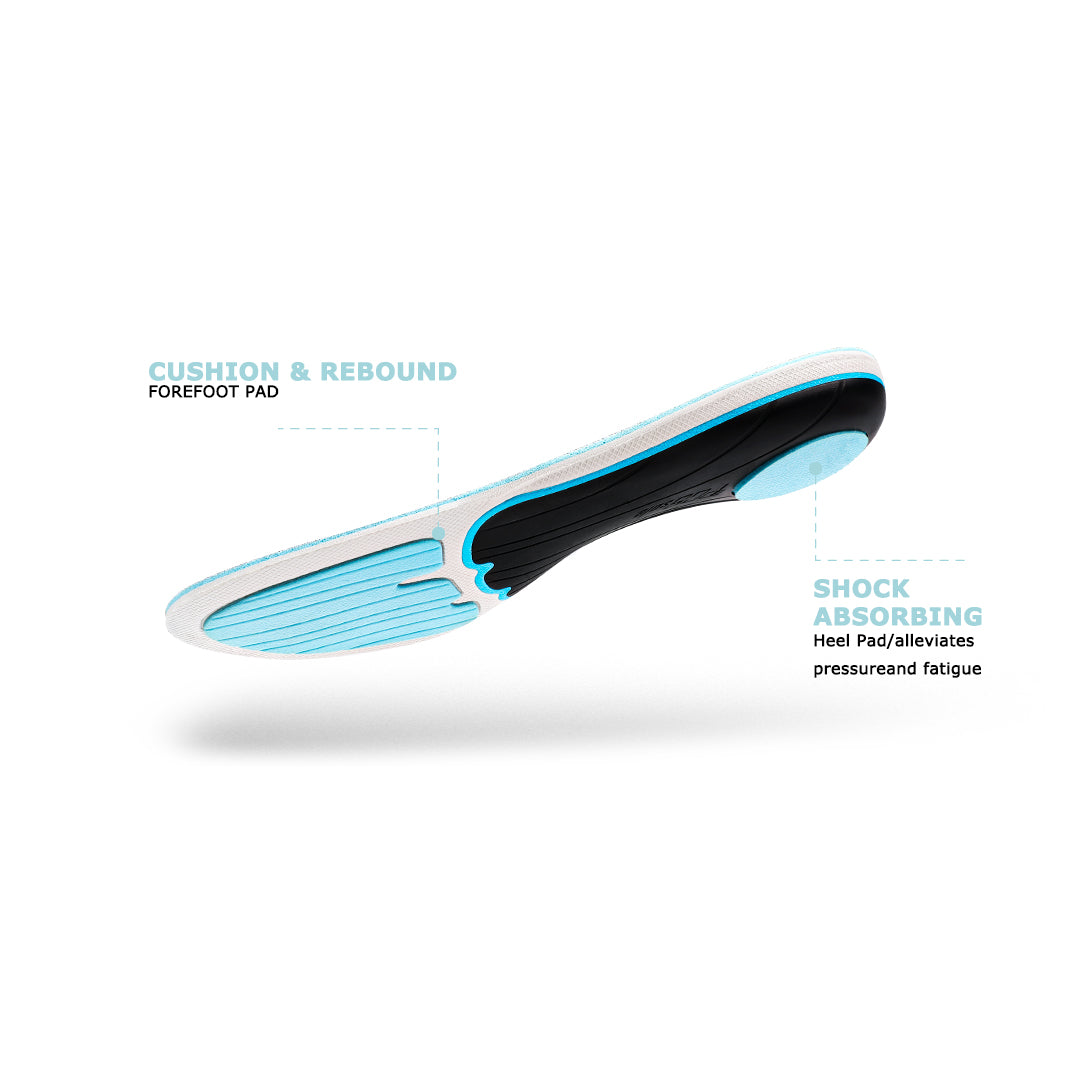
Hochleistungs-Komfortpolsterung
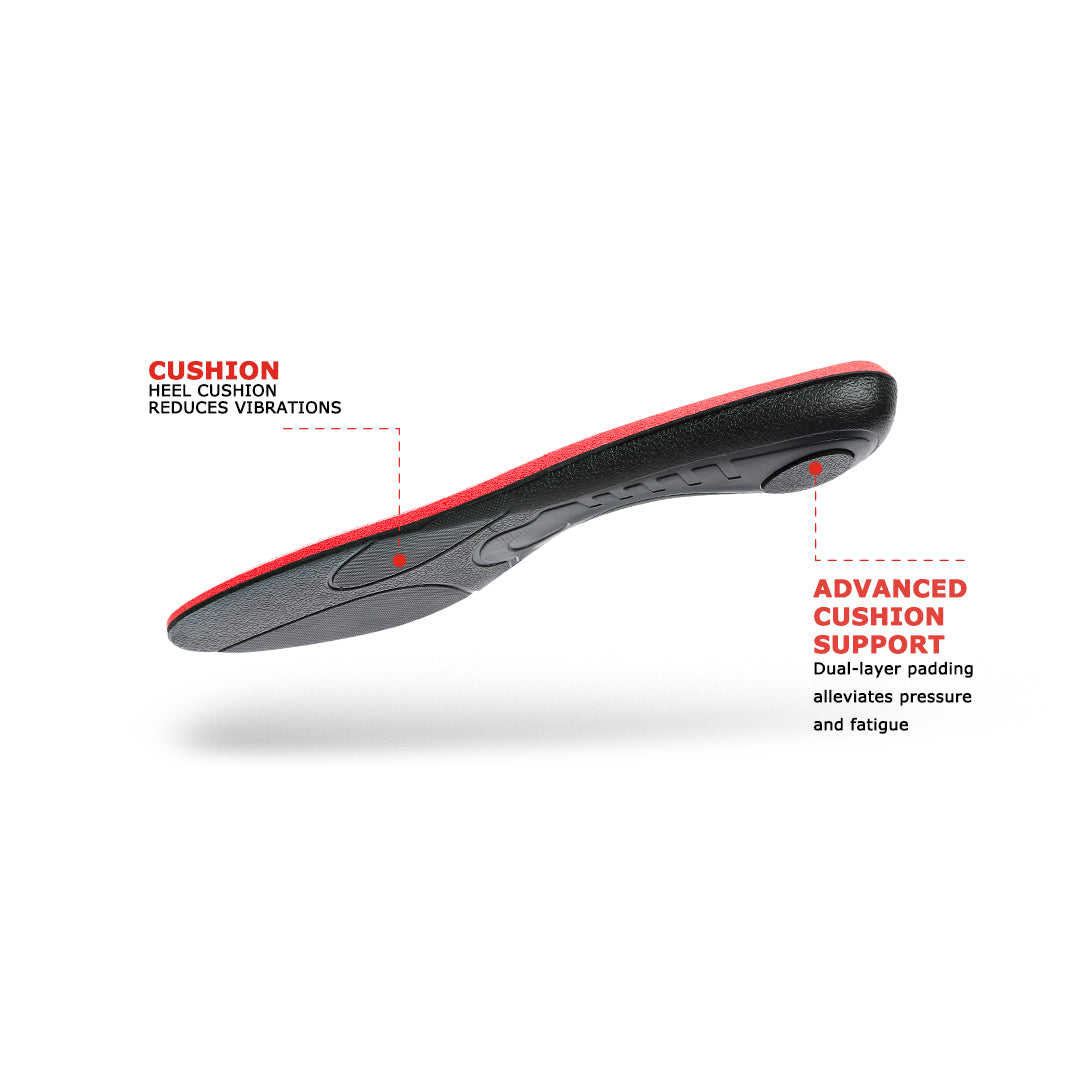
Verkaufspreis$37.99Normaler Preis $54.99
best insoles for work boots
Anbieter:PCSsole

Arbeitskomfortkissen

Verkaufspreis$28.79Normaler Preis $41.13
3/4 length orthotics
Anbieter:PCSsole

Tägliche orthopädische Einlage in 3/4-Länge
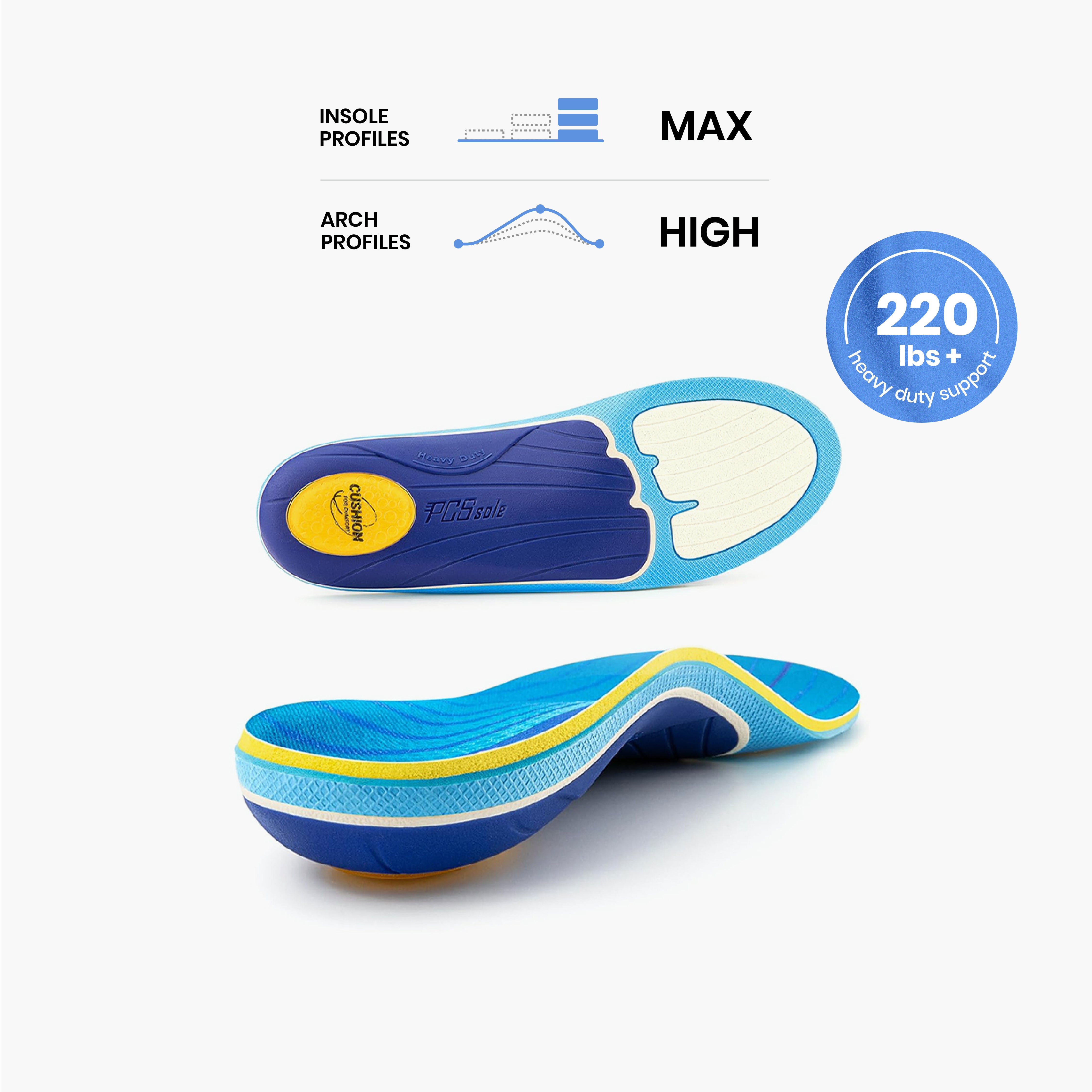
Verkaufspreis$18.89Normaler Preis $26.99
hiking insoles​
Anbieter:PCSsole

Fußgewölbestütze

Verkaufspreis$37.99Normaler Preis $54.99
sole insoles
Anbieter:PCSsole

Flexible Leistung ausführen

Verkaufspreis$35.99Normaler Preis $52.99
sole insoles
Anbieter:PCSsole

Lässige Kissenunterstützung

Verkaufspreis$29.99Normaler Preis $42.84
Eco friendly insoles for shoes
best insoles for flat feet and overpronation​

Warum sollte man sich bei Plattfüßen und Überpronation für PCSsole entscheiden?

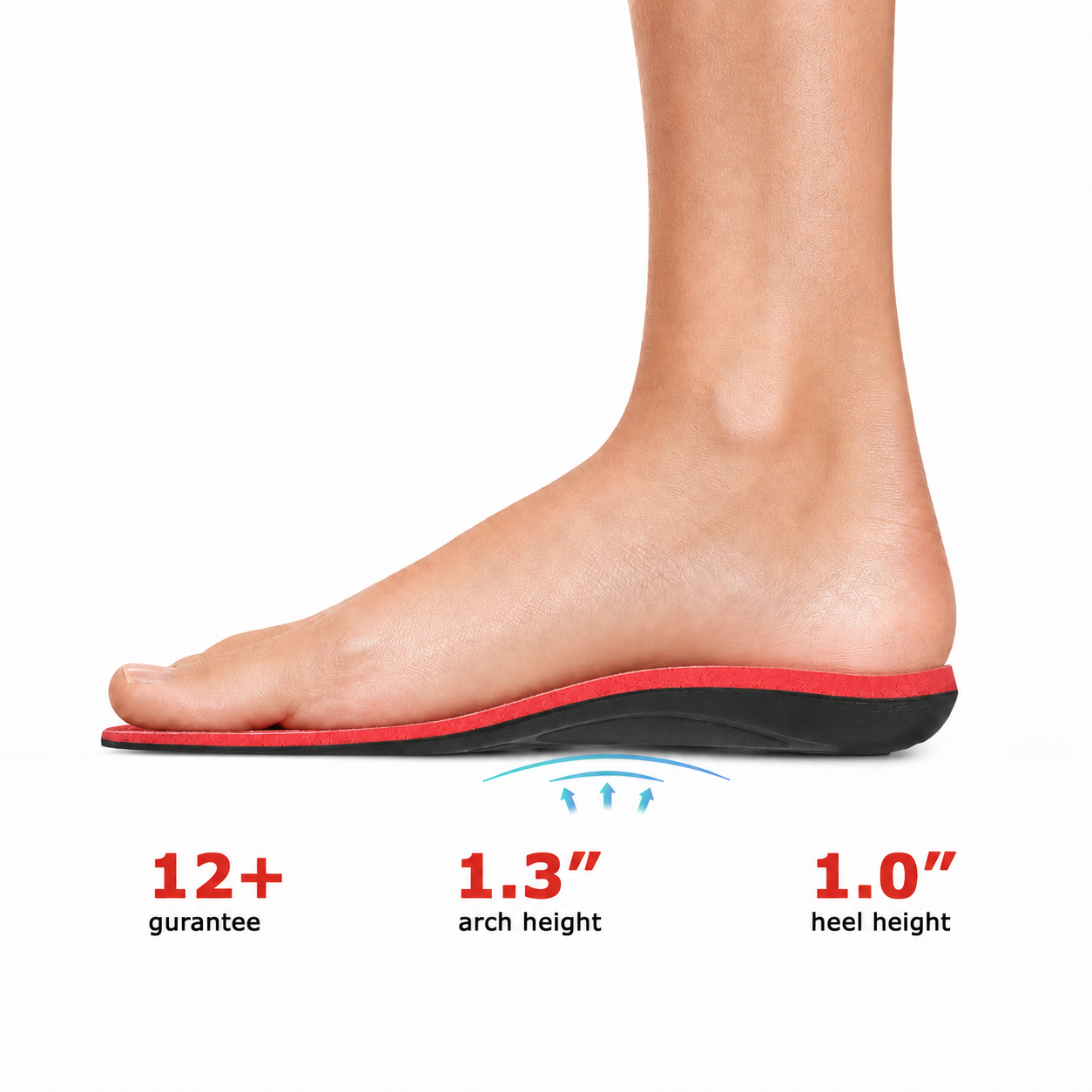
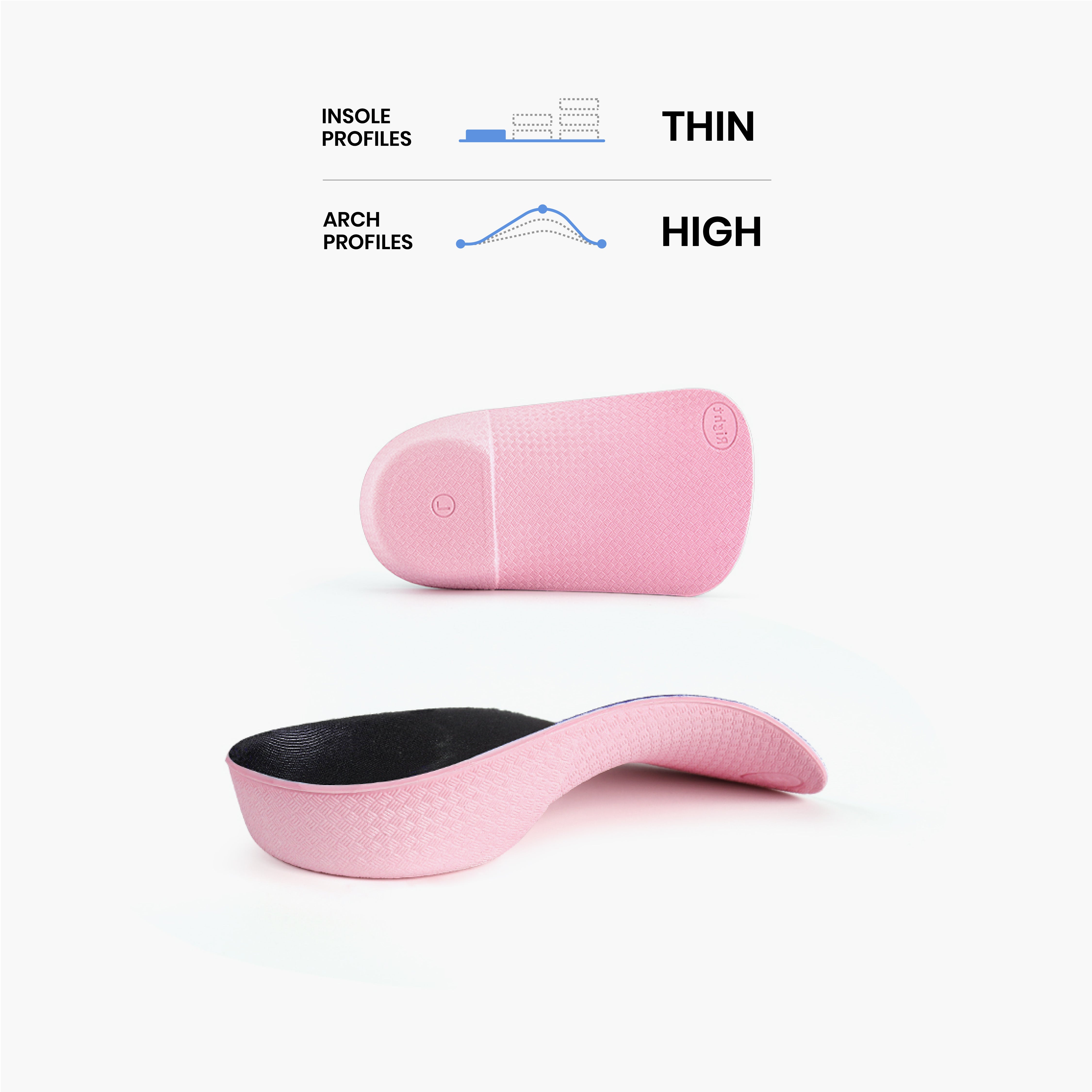
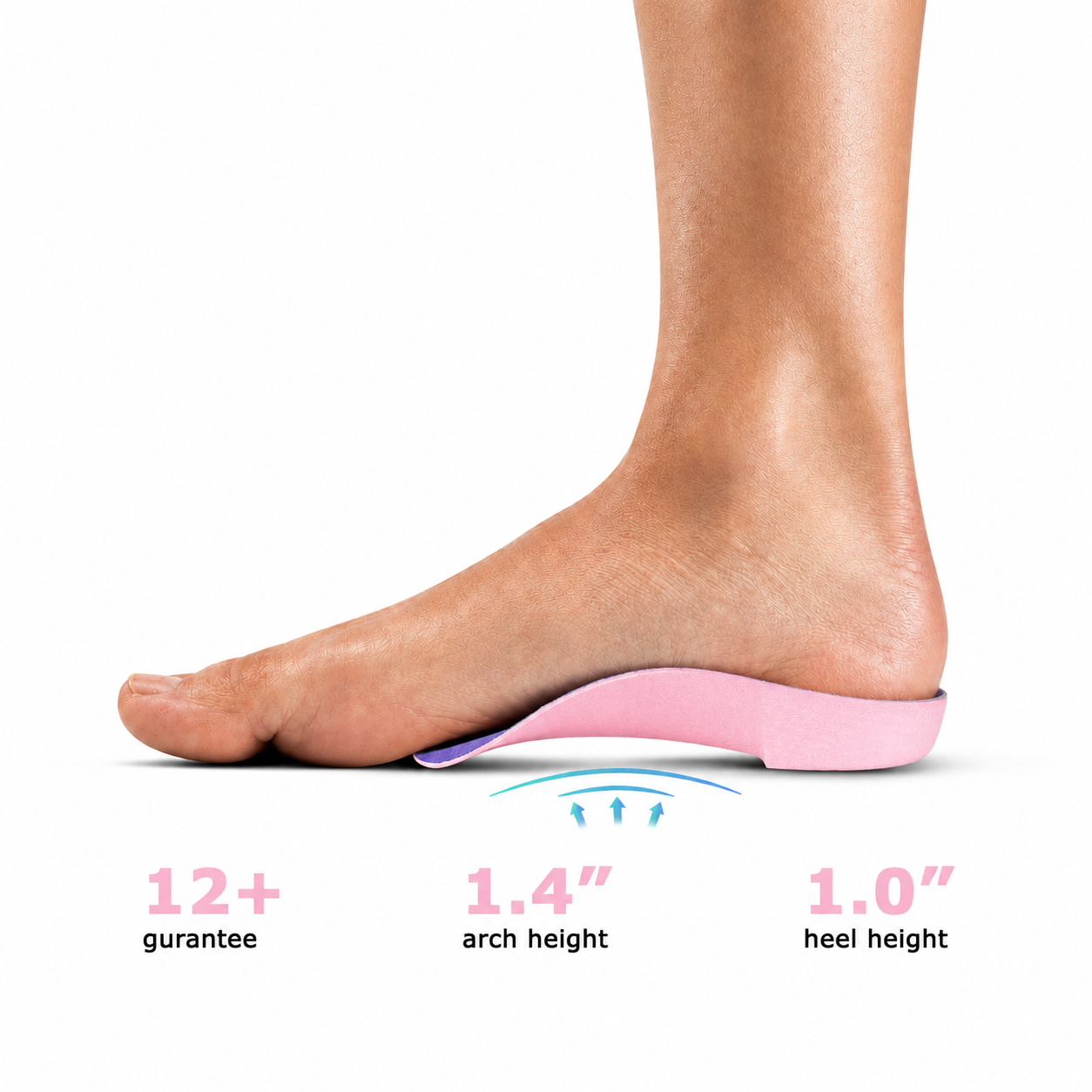
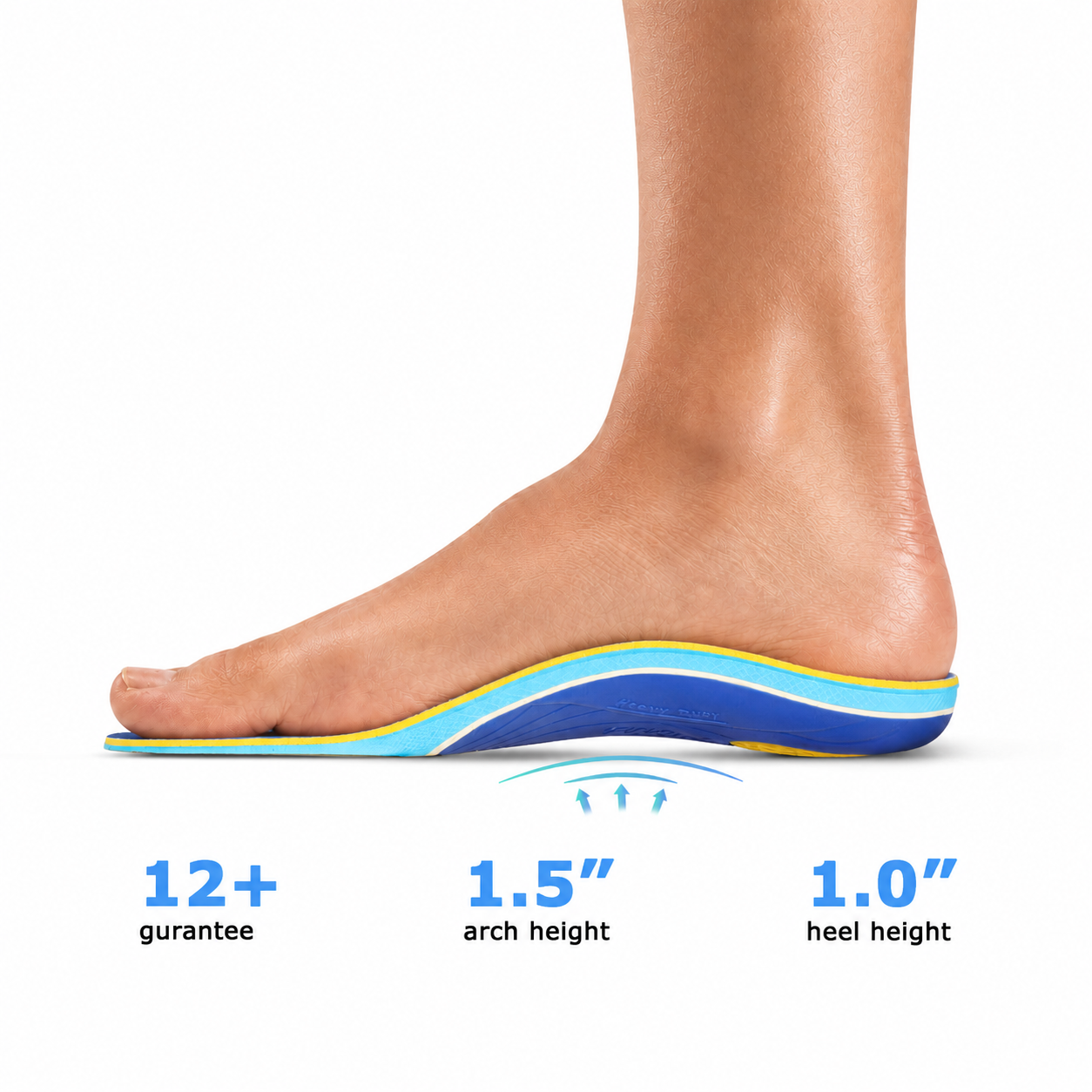
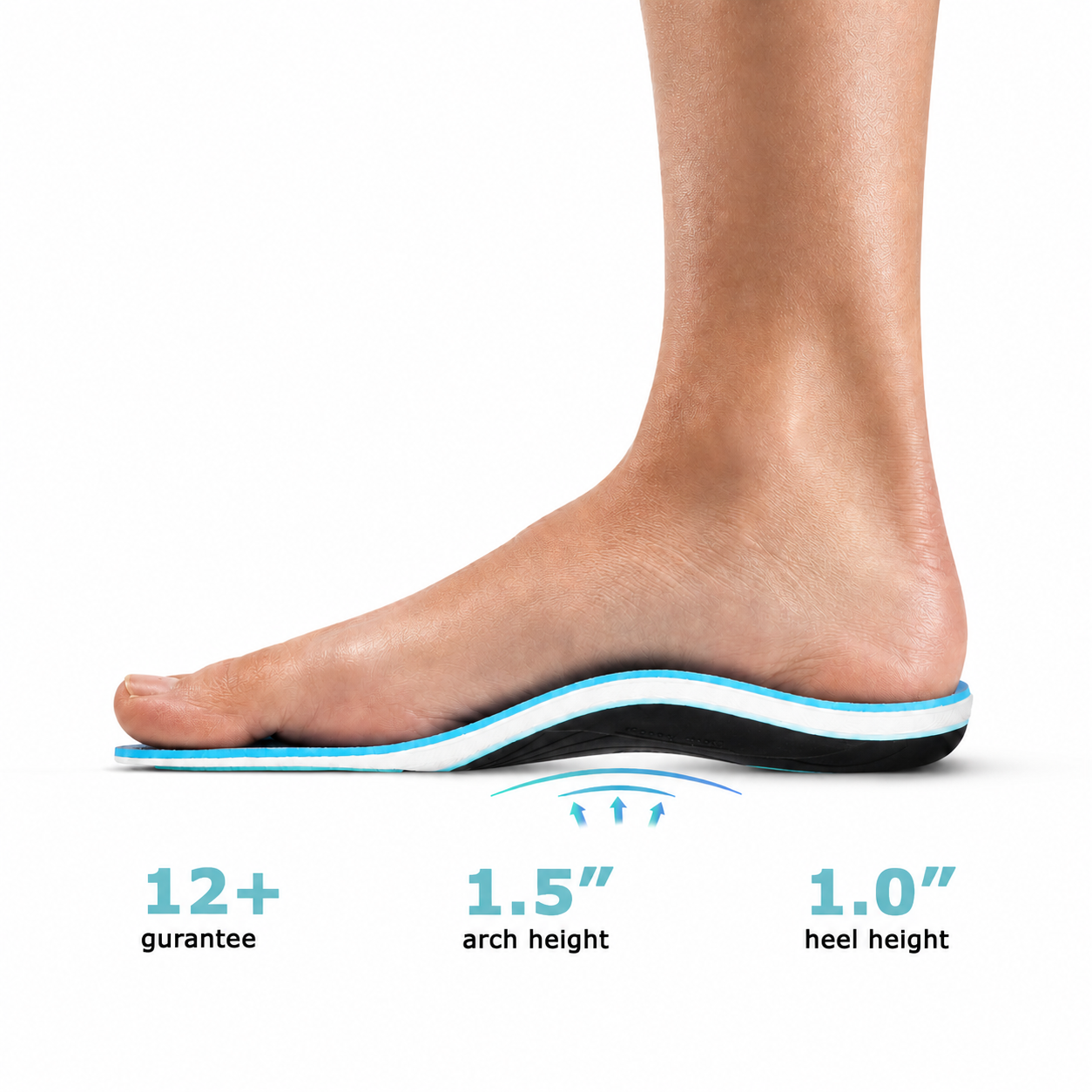
  • Unterstützung für Plattfüße: Im Gegensatz zu herkömmlichen Einlegesohlen bietet PCSsole mehrere Fußgewölbeprofile , um niedrige und abgesenkte Fußgewölbe optimal zu stützen.
  • Verbesserte Fußstellung: Übermäßige Pronation kann Ihre gesamte Körperhaltung beeinträchtigen. Unsere Einlegesohlen helfen, Ihre Füße neu auszurichten, fördern so ein besseres Gleichgewicht und entlasten Knie, Hüfte und unteren Rücken.

Proven Results

Mark T., Verified Buyer

"I spent $300+ on custom orthotics. These work BETTER. The arch support is firm yet comfortable. My flat feet finally have relief!"

Sarah L., Verified Buyer

"10+ hours on my feet? No problem. 🛑 I used to limp home after work, but now my back and knee pain is GONE."

David R., Verified Buyer

"A game changer for flat feet! 🦶 Instant relief from the moment I put them in. I can walk all day without feeling like I'm stepping on knives."

Häufig gestellte Fragen zu Einlegesohlen für Plattfüße

Helfen Einlegesohlen wirklich bei Plattfüßen?

Einlegesohlen mit Fußgewölbestütze können die Überdehnung von Bändern und Sehnen reduzieren, die bei Menschen mit Plattfüßen häufig überlastet sind. Für dauerhaften Komfort sollten Sie Einlegesohlen in Ihre Schuhe einlegen, um eine korrekte Fußhaltung beim Gehen oder Sport zu unterstützen.

Wie merke ich, ob ich Plattfüße habe?

Selbstuntersuchungsmethode: • Test mit nassen Füßen • Beobachtung der Fußgewölbeform im Stehen • Beobachtung der Fußgewölbeform im Sitzen • Sensorische Untersuchung. Mehr erfahren .

Wie finde ich die besten Einlegesohlen mit Fußgewölbestütze für Plattfüße?

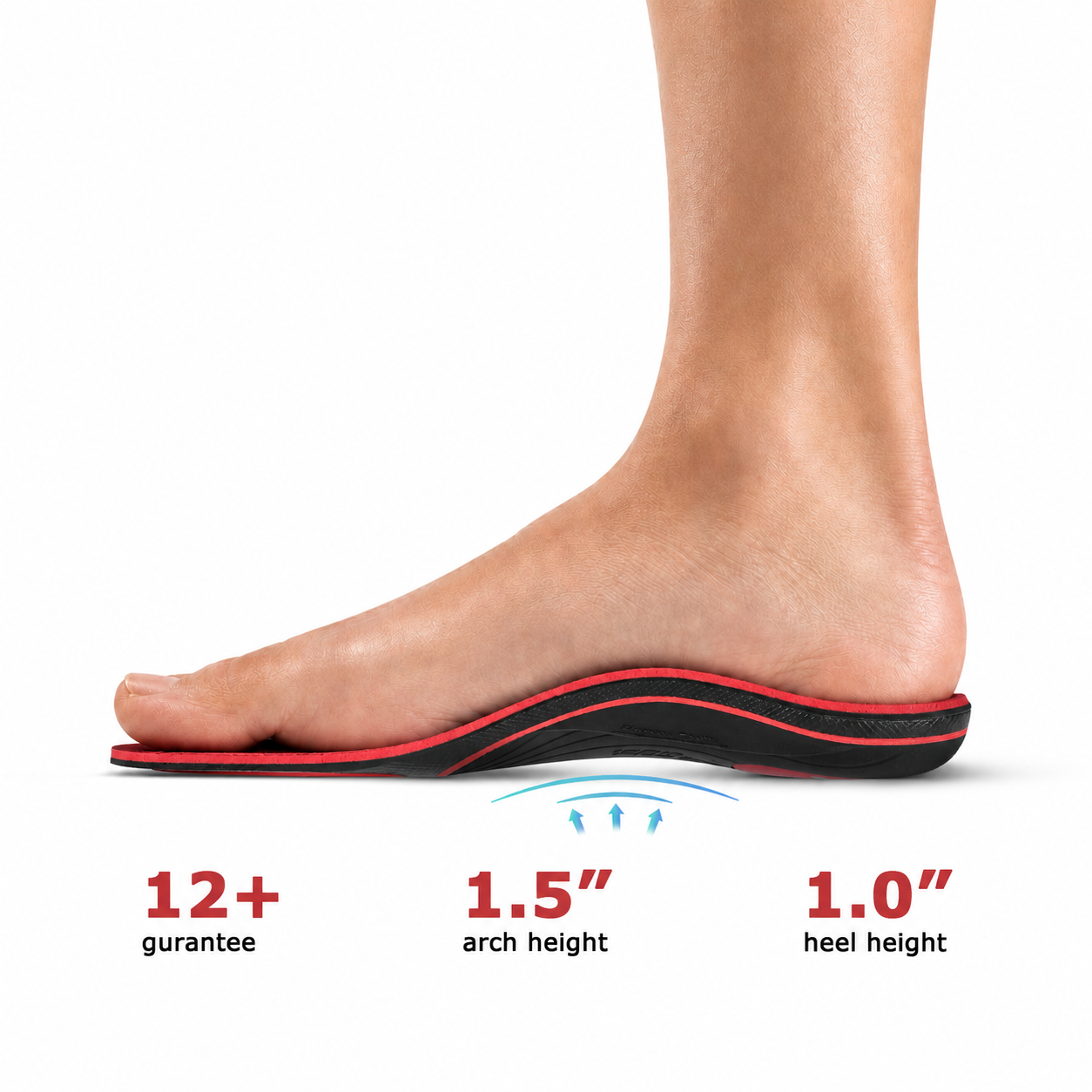
Viele Menschen mit Plattfüßen glauben zwar, keine Fußgewölbestütze zu benötigen, doch PCSsole-Einlegesohlen können die Fußhaltung deutlich verbessern und Schmerzen lindern. Die besten Einlegesohlen für Plattfüße sollten folgende drei Eigenschaften aufweisen: ・Mittelfeste Fußgewölbestütze.・Tiefe Fersenkappe.・Konturierte Form und Dämpfung.

Wie kann man Überpronation korrigieren?
  1. Wählen Sie stützendes Schuhwerk.
  2. Verwenden Sie orthopädische Einlegesohlen
  3. Integrieren Sie Dehn- und Kräftigungsübungen.
  4. Lebensstiländerungen
  5. Lassen Sie sich von einem Podologen oder Physiotherapeuten eine Ganganalyse geben.
Wie lange dauert es, eine Überpronation zu korrigieren?

Viele PCSsole-Kunden verspüren eine nahezu sofortige Schmerzlinderung, wenn sie unsere Einlegesohlen in ihre Schuhe legen. Die vollständige Heilung kann jedoch einige Zeit in Anspruch nehmen. Besprechen Sie den Behandlungsplan mit Ihrem Arzt.

Pronated feet or pronation is a totally natural part of our gait cycle—of walking and running—and it helps us absorb force. Every joint in the foot, the ankle, the knee—every joint in the body—absorbs a little bit of force through different movements and muscular activations. Pronation is one movement that helps absorb force, so there's not so much shock going through other areas; it just distributes the force among different joints.

What is Overpronation?

In overpronation, this inward roll continues beyond the ideal amount (typically more than about 15% inward rotation) and lasts longer than it should in the gait cycle. As a result:

  • The arch of the foot flattens excessively (or collapses more than normal).
  • The ankle rolls inward too much.
  • Weight shifts excessively toward the inner edge of the foot (big toe side).

This misalignment places additional strain on the muscles, tendons, ligaments, and joints of the foot, ankle, knee, and hip, and can extend up the kinetic chain to the lower back.

What is the Cause of Overpronation?

There can be many causes, but these are three of the more common ones that you'll find.

1. Flat Foot or Collapsed Arch

A collapsed arch often leads to a "chicken or the egg" scenario. If the arch doesn't function correctly, the foot and knee collapse inward. To compensate and maintain forward progression, the person might turn their foot outward. It's important to note that a flat-looking foot isn't always dysfunctional; the issue arises when the arch muscles are weak or inactive. Relying on highly supportive shoes or orthotics can be like wearing a back brace—it may offer temporary support, but ultimately causes the natural arch muscles to weaken further.

2. Lack of Inversion Range

Inversion is the movement where the inner edge of the foot lifts. If you lack this range of motion, your brain defaults to the "path of least resistance," which is eversion. Because the brain wants to stay in the range where muscles feel strongest, losing inversion causes the foot to default into a flattened, everted, and overpronated position as a compensation.

3. Lack of Hip Internal Rotation

The hip and foot are closely linked. During normal stride, the pelvis rotates, and the hip should internally rotate to keep the leg aligned and drive straight ahead. If you lack hip internal rotation, the femur may default to external rotation. To compensate for this and keep walking in a straight line, the foot will often abduct, and the arch will collapse, leading to overpronation.

How to Fix Overpronation?

Many people see good results with conservative methods, and a 2020 study showed foot-strengthening exercises effectively improved foot posture in adults with overpronation.

1. Wear Supportive Footwear and Orthotics

Choose stability or motion-control shoes designed for overpronation (with good arch support and a firmer medial side to guide the foot).

Use orthotic insoles — over-the-counter arch-supporting ones for mild cases, or custom orthotics from a podiatrist for moderate/severe overpronation. These help realign the foot, reduce inward collapse, and distribute pressure better.

2. Strengthen the Foot and Arch Muscles

Focus on intrinsic foot muscles (like those that create the arch) and stabilizers around the ankle/hip. Do these daily or 3–5 times per week?

Short Foot Exercise (Arch Lift / Foot Doming): Sit or stand with feet flat. Without curling toes, "shorten" the foot by drawing the ball of the foot toward the heel, lifting the arch while keeping toes relaxed on the ground. Hold 5–10 seconds, repeat 10–15 times per foot. Progress to standing or single-leg.Towel Scrunch: Sit with a towel flat under your foot. Use your toes to scrunch/gather the towel toward you. Do 10–20 reps per foot.

Toe Yoga / Tripod Push: Spread toes wide, then press the big toe down while lifting the other four (or vice versa). An alternative for better toe control and arch activation.

Calf Raises (especially single-leg): Stand and rise onto toes slowly, focusing on controlled lowering. Strengthens the posterior chain and helps ankle stability.

3. Improve Mobility and Address Tightness

Tight calves or limited ankle/hip range can worsen overpronation.

Calf Stretch / Heel Stretch: Stand facing a wall, one foot back, heel down, lean forward to stretch the back leg's calf. Hold 30 seconds, 3x per side.

Work on hip external rotators and glute strength (e.g., clamshells or side-lying leg lifts) since weak hips contribute to knee collapse and foot pronation.

Overpronation Insoles for Flat Feet

People with flat feet offer suffer from overpronation. This is because the foot's arch is one of the most essential parts of the foot to promote neutral alignment. Without the support from the foot's arch, the foot rolls inwards too easily. A good pronation insole for someone with flat feet should always include ample arch support.

What Are The Best Shoe Inserts for Overpronation?

Pronation is a powerful force. Firm support from overpronation insoles is necessary for proper alignment. You have two options to consider - custom orthotics and non-prescription insoles with firm arch support.

Custom orthotics - Ideal for people with complicated, clinical issues, custom orthotics are expensive. Do you research to make sure that custom orthotics for overpronation are necessary for you, and choose an orthotic supplier carefully.

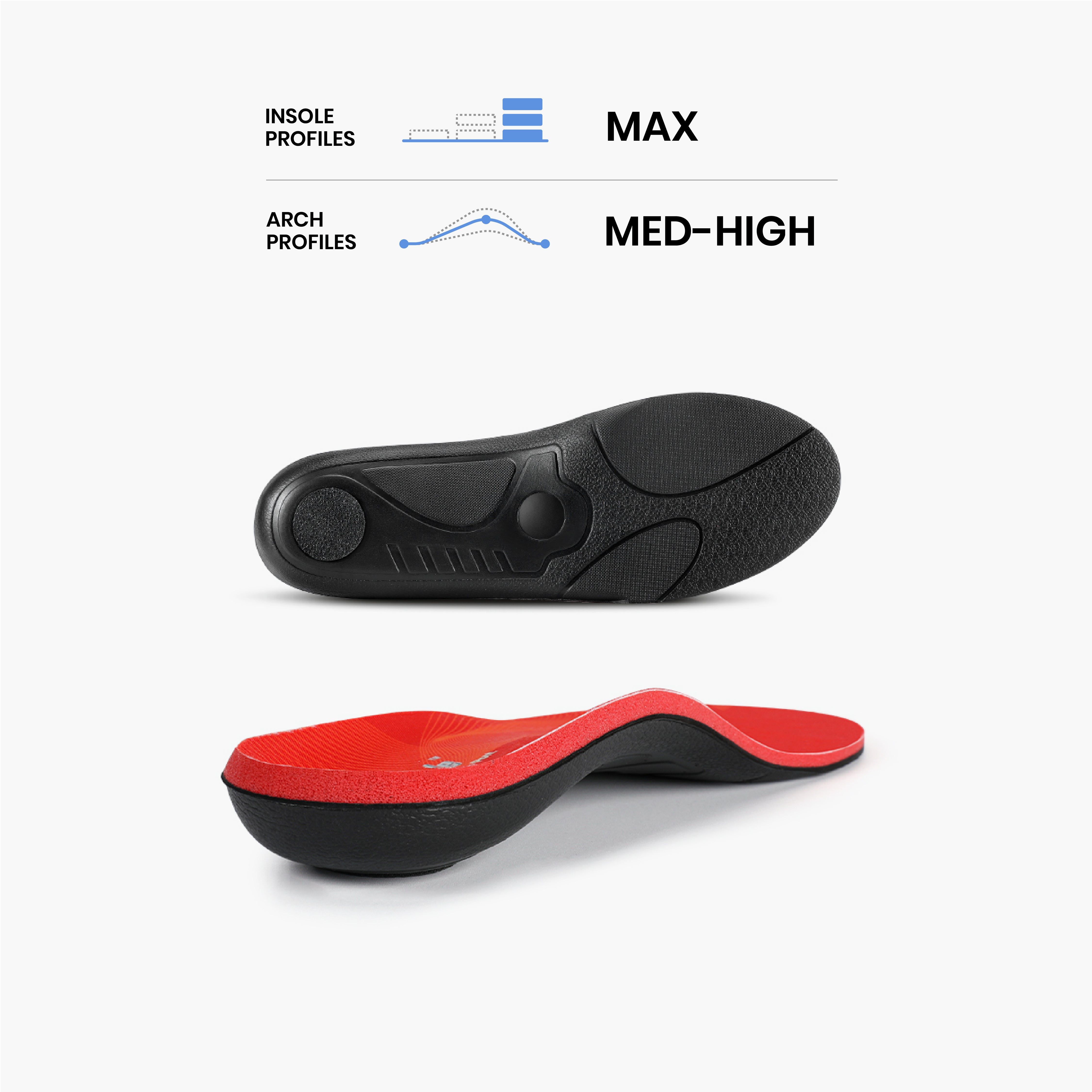
Non-prescription insoles - Beware when you're shopping for insoles for overpronation, as many over-the-counter options don't provide the firm support required to limit pronation. One-size-fits-all options are also problematic, as your arch is unique. The best insoles for overpronation will provide firm arch support and a choice of multiple arch height options.

Overpronation is a common issue with an easy solution. By adding overpronation insoles to your footwear, you'll improve your alignment and the efficiency of every step you take.

Questions? Drop us a line at service@pcssole.com. We're here to help.