


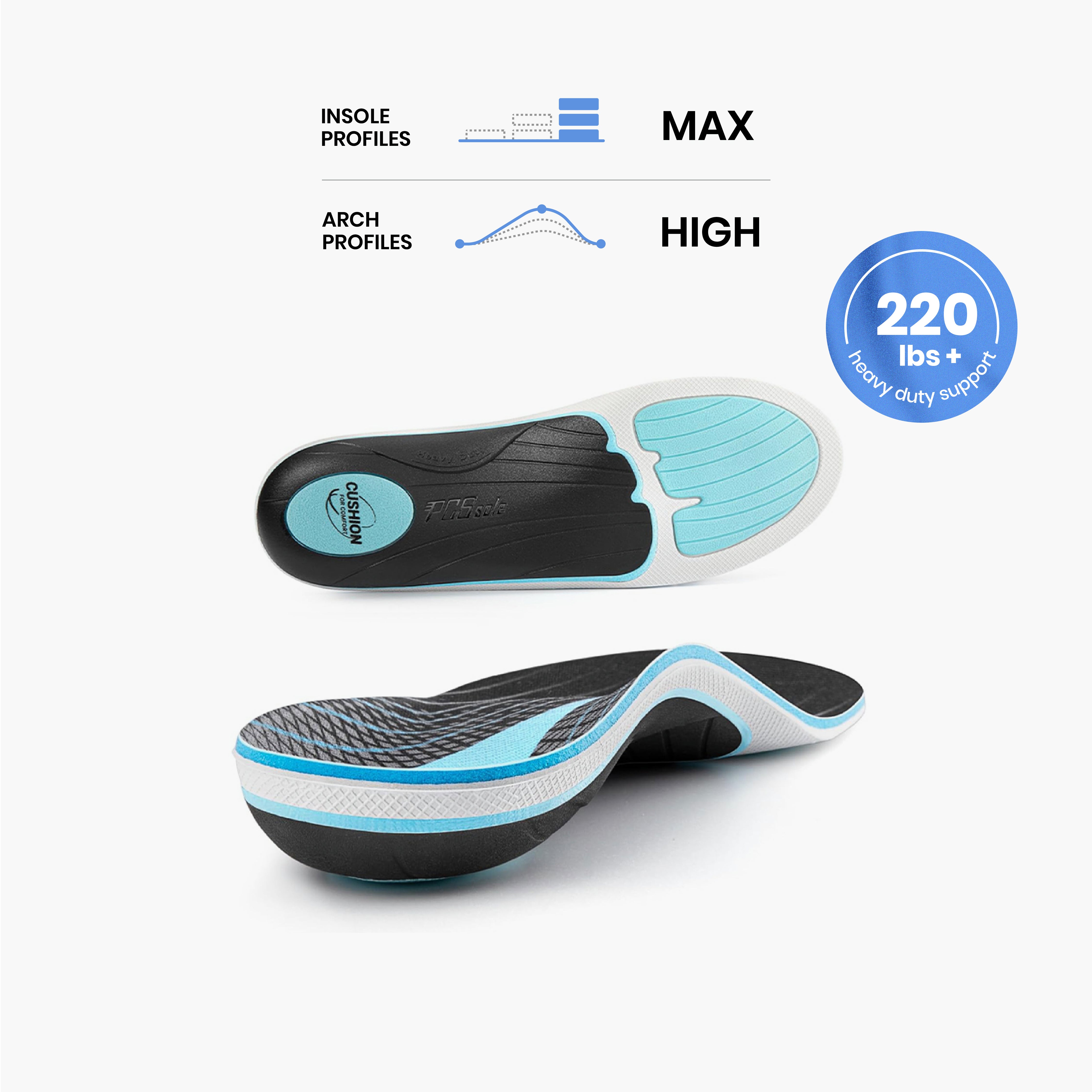
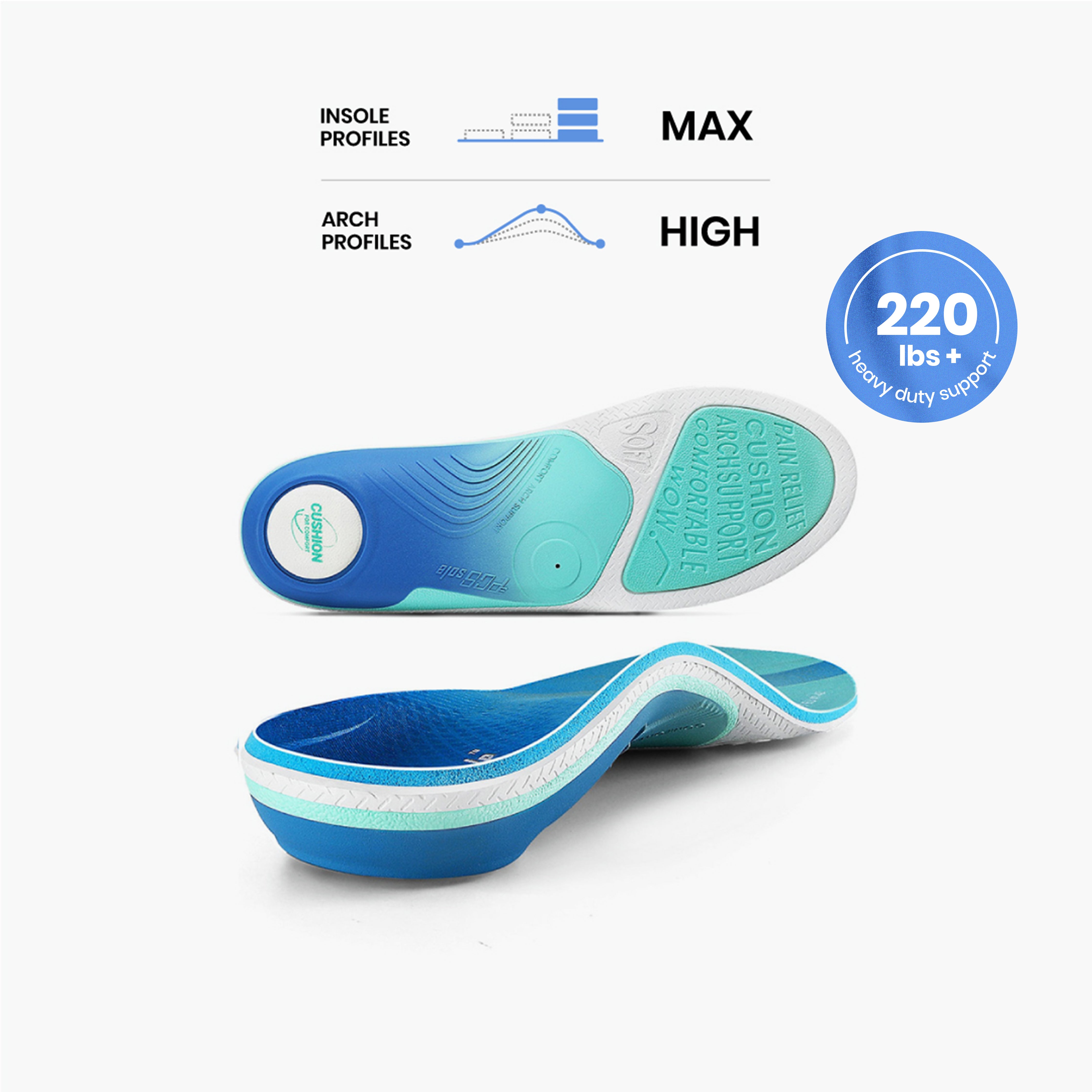
Universelle Fußgewölbeunterstützung
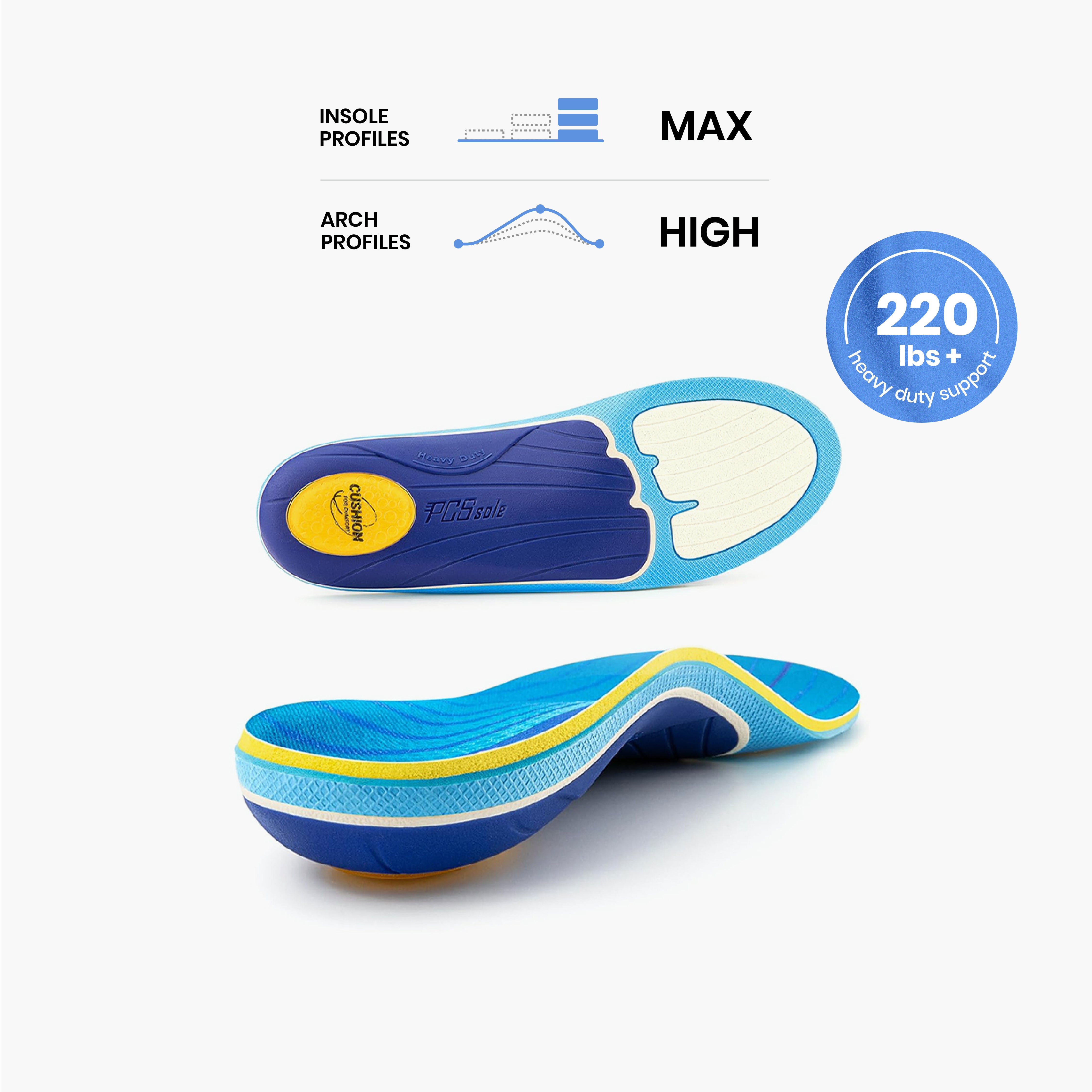
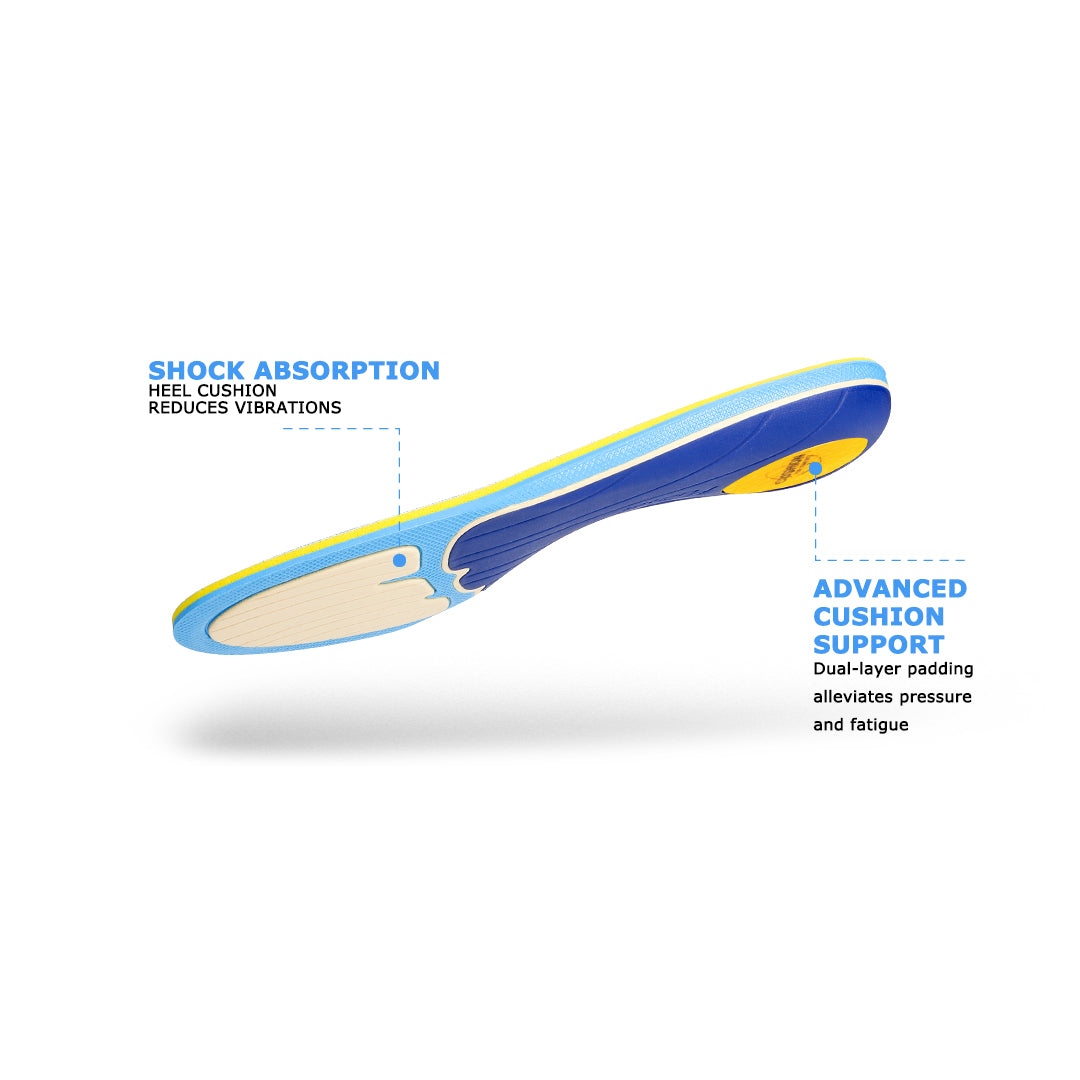
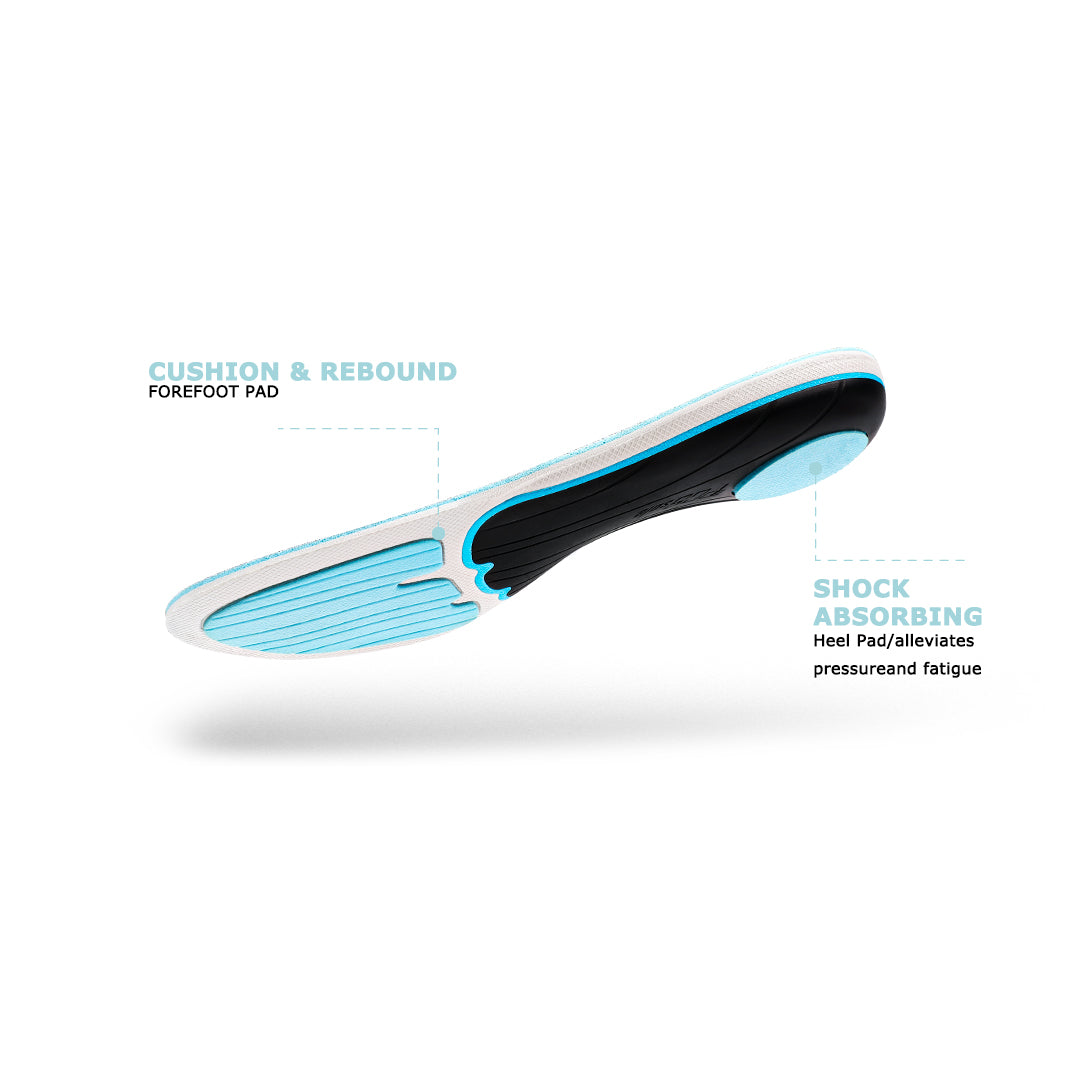
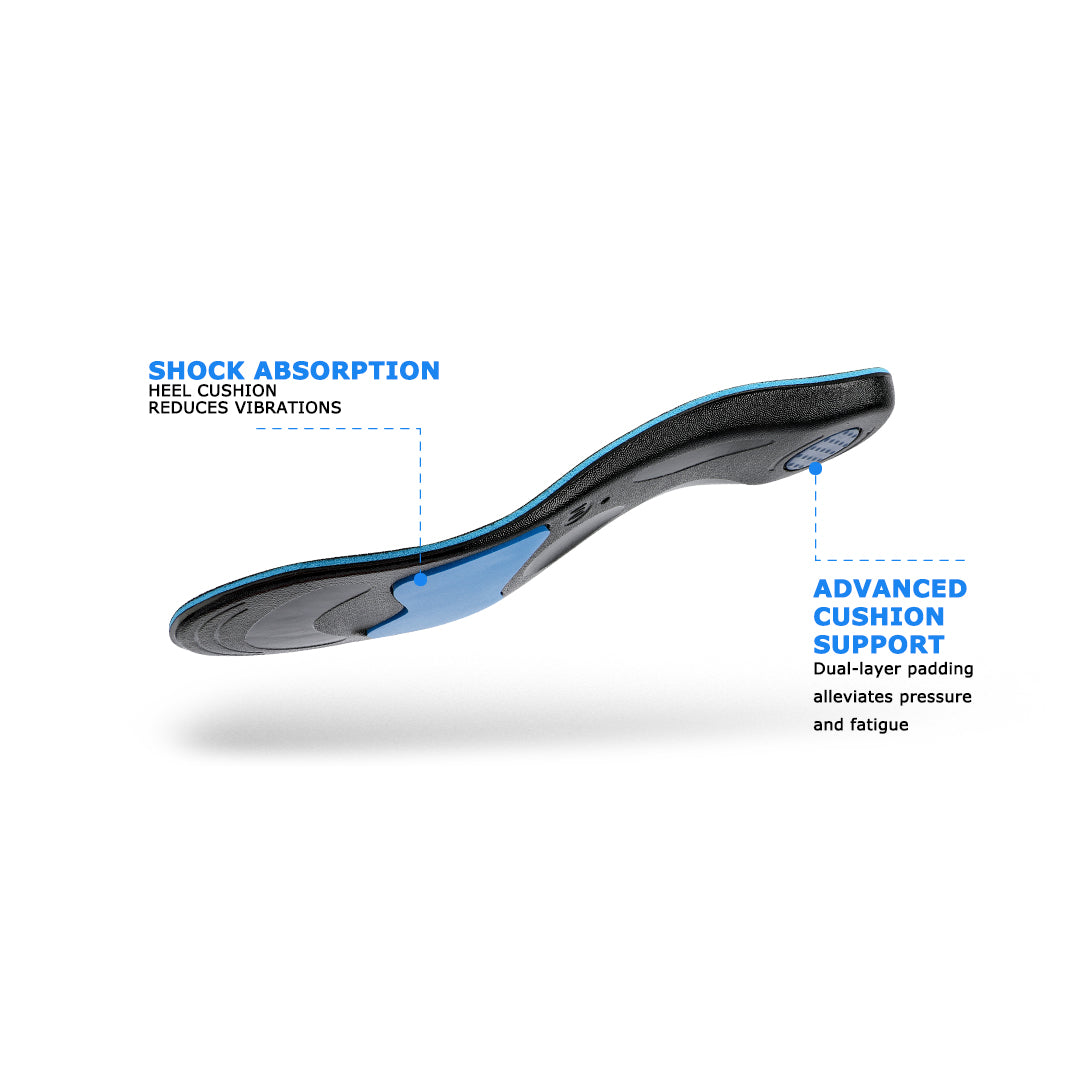
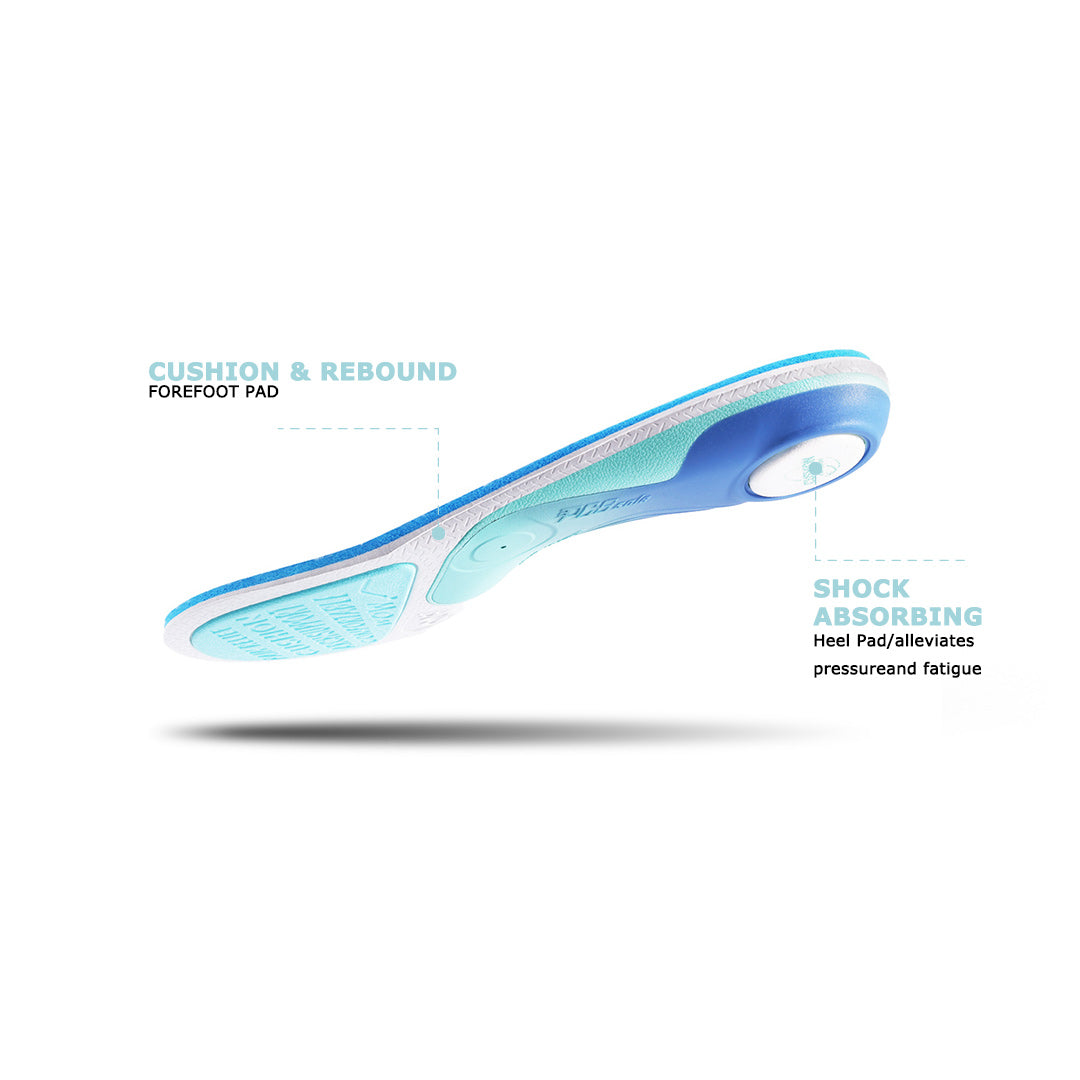
Hochleistungs-Komfortpolsterung


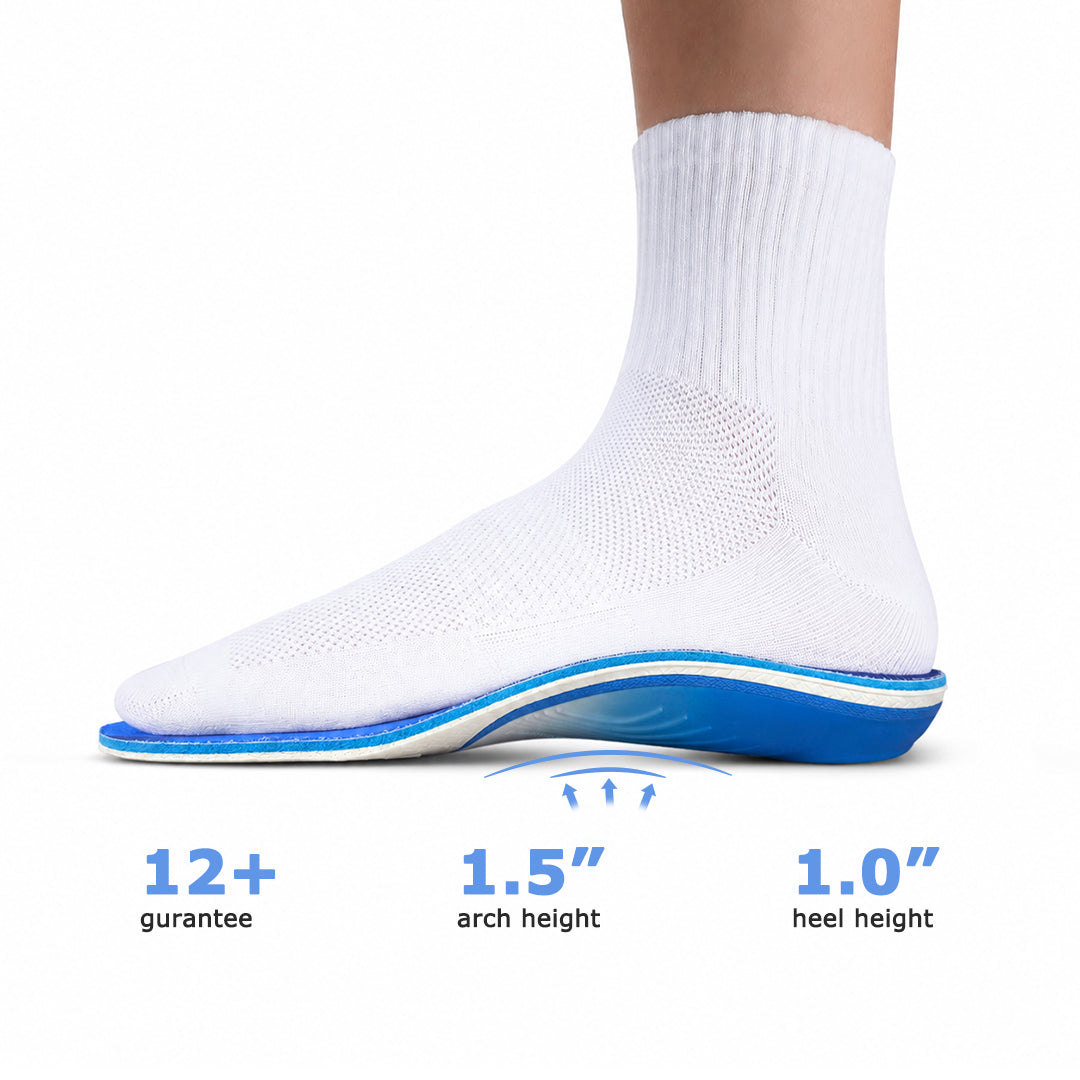
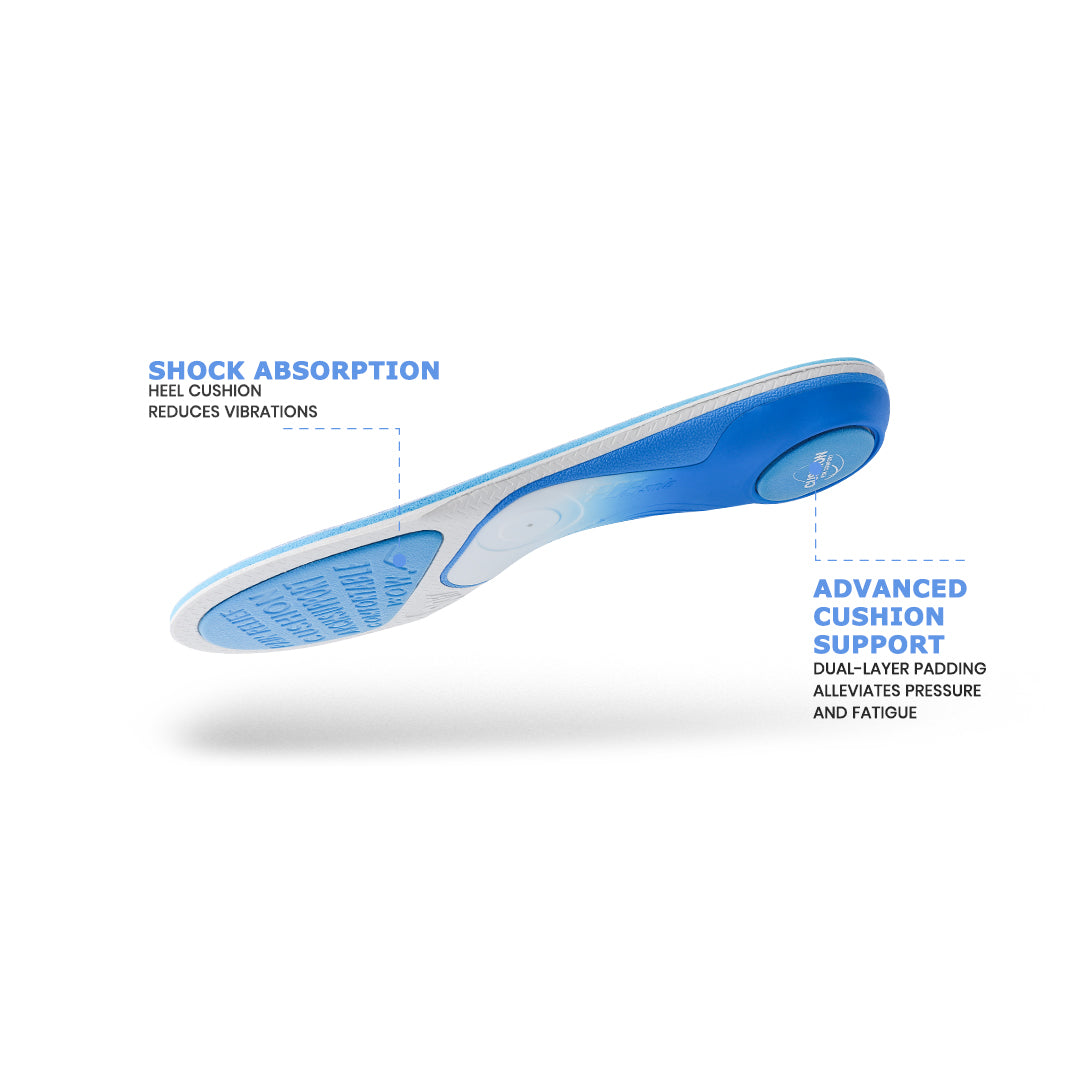

Warum sollte man sich für PCSsole-Einlegesohlen bei Morton-Zehen entscheiden?
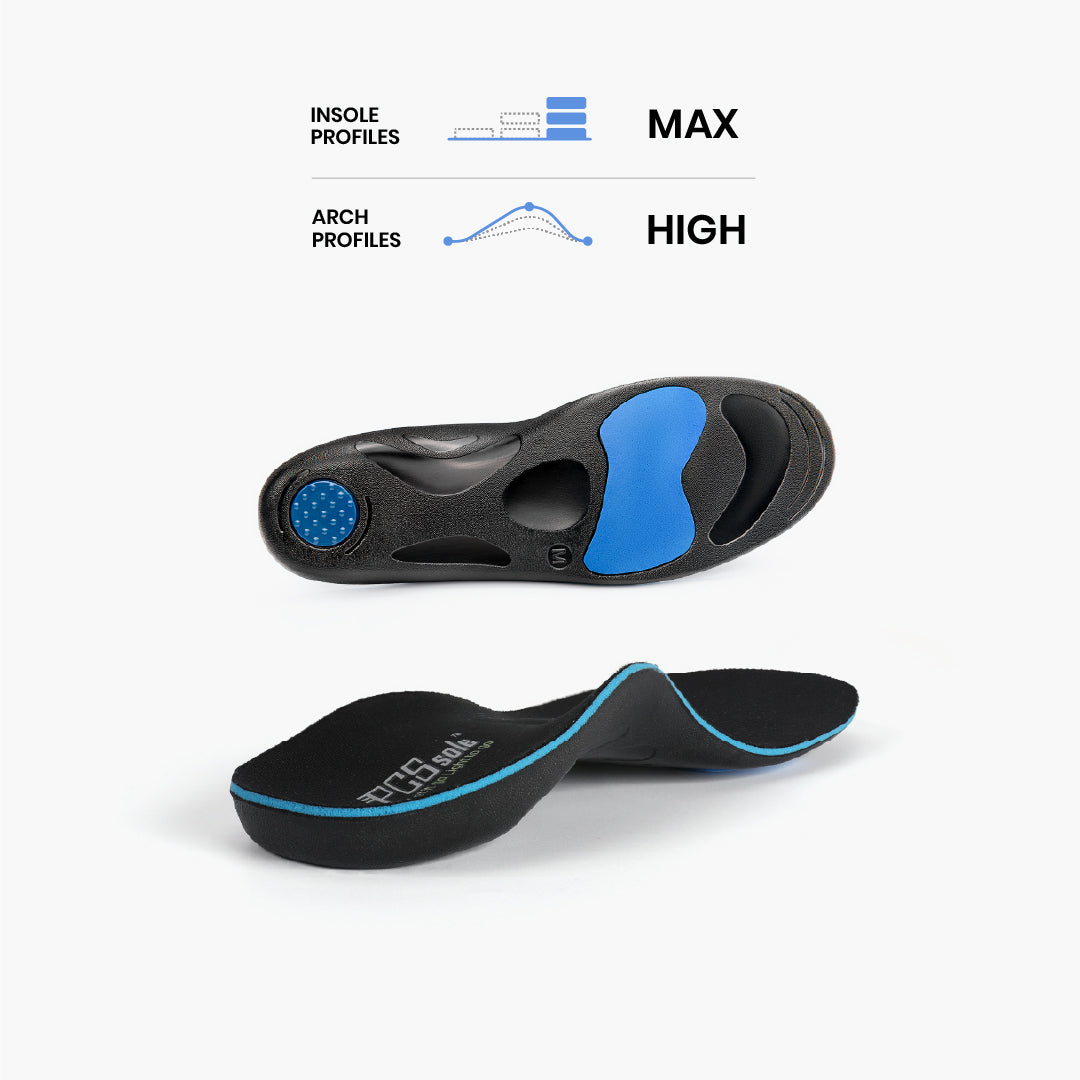
- Gezielte Mittelfußentlastung: Setzen Sie die Unterstützung gezielt ein. Unsere modularen Mittelfußpolster werden per Klettverschluss sicher befestigt und ermöglichen so eine exakte Positionierung an der Fußstelle. Diese gezielte Druckentlastung ist der Schlüssel zur effektiven Linderung von Schmerzen bei Morton-Zehen.
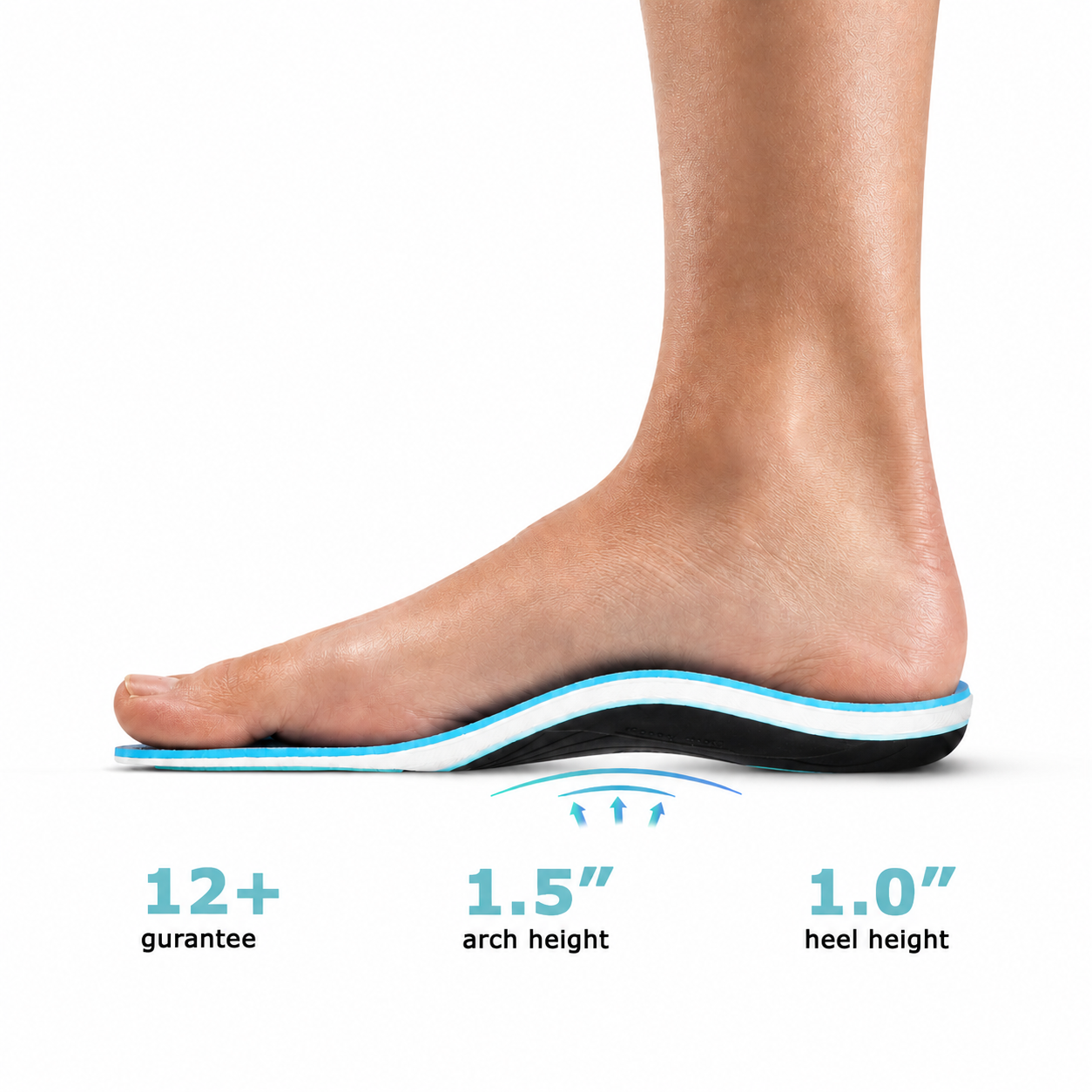
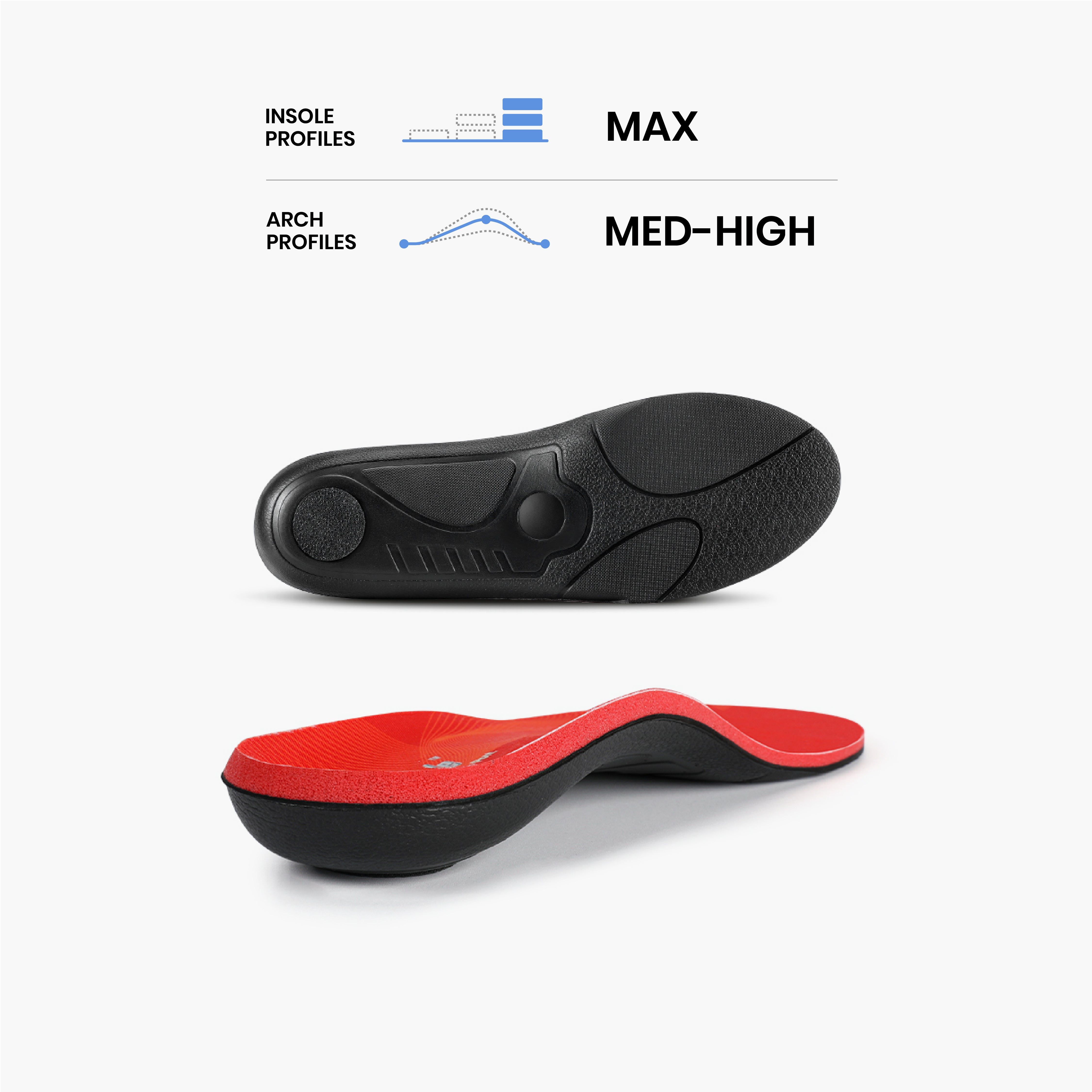
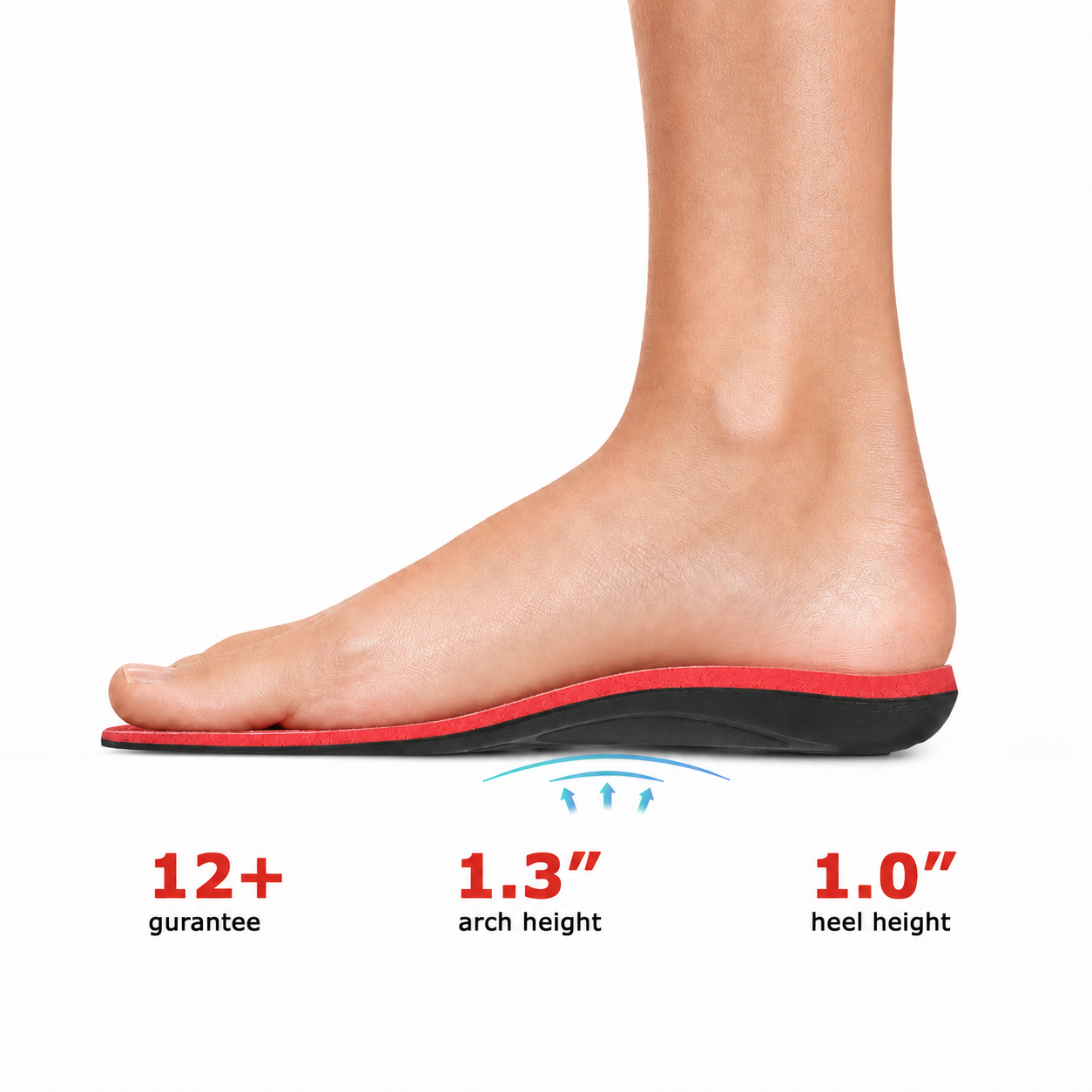
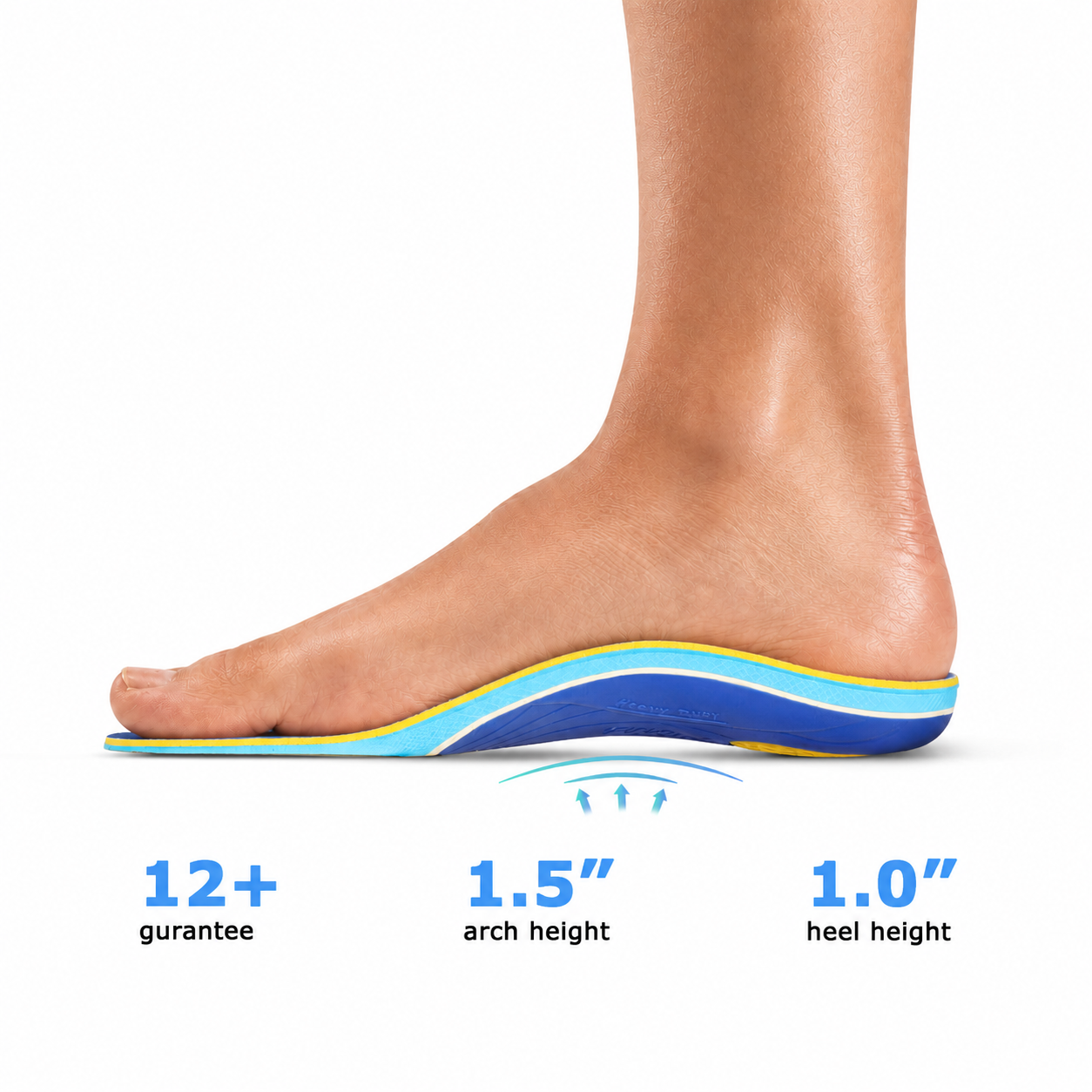
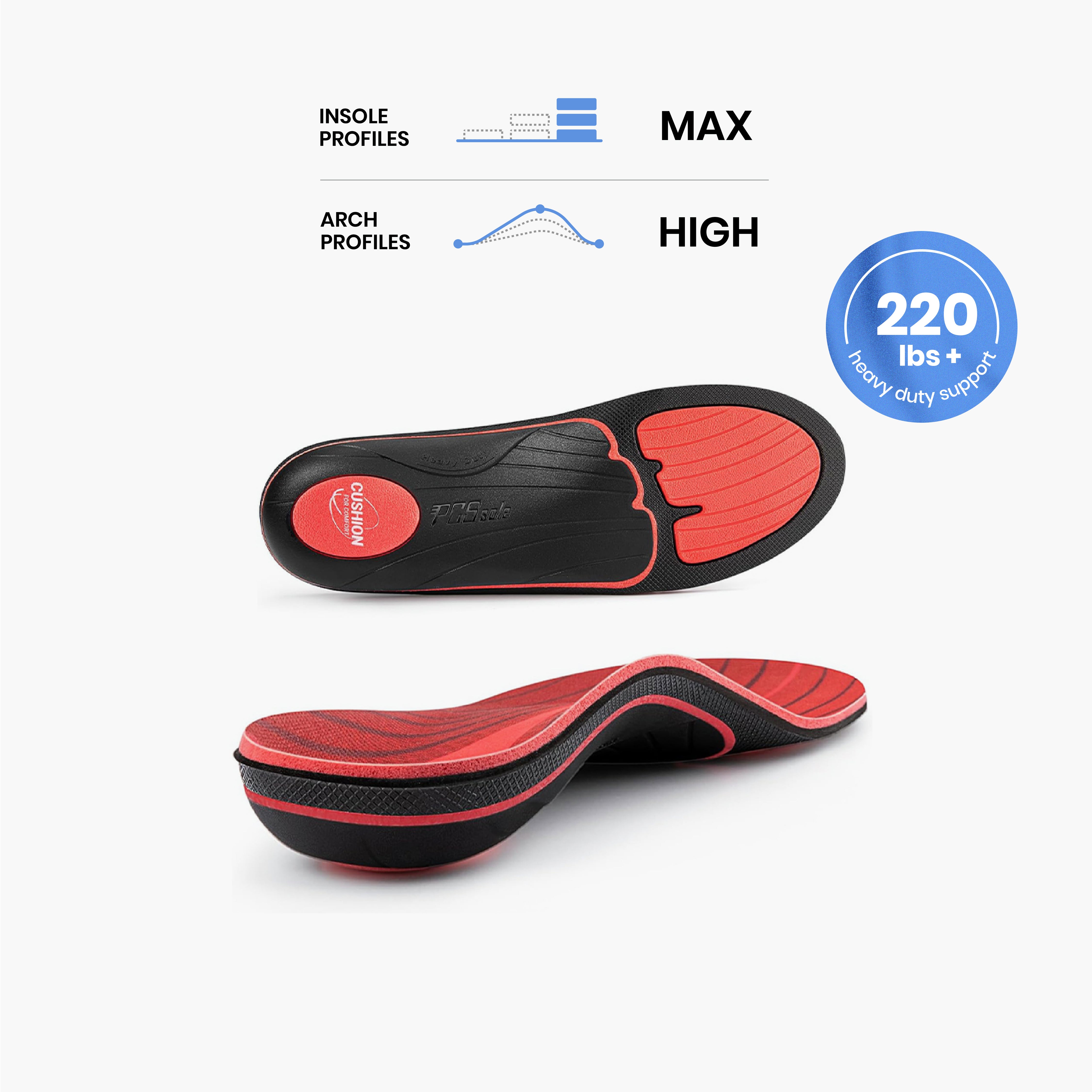
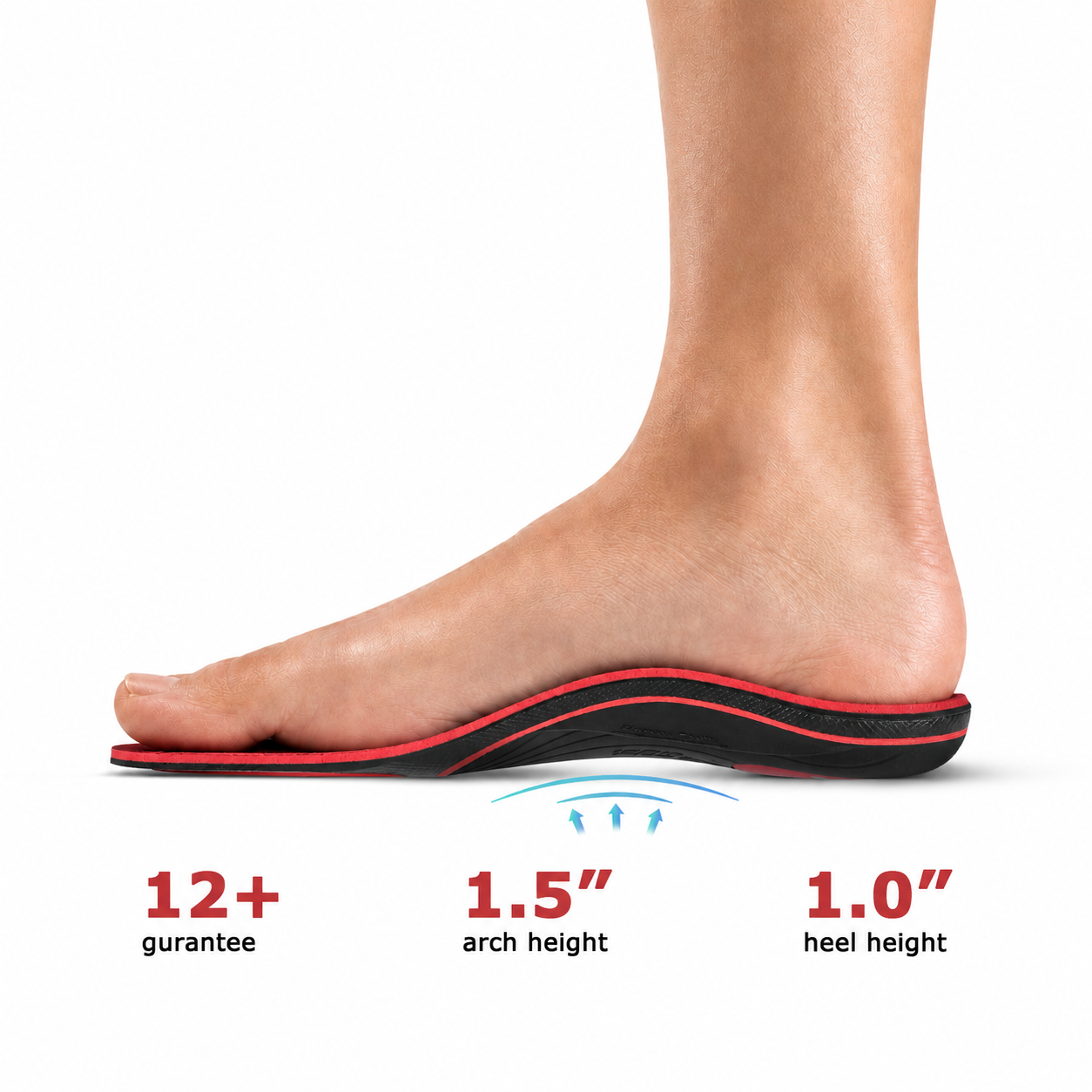
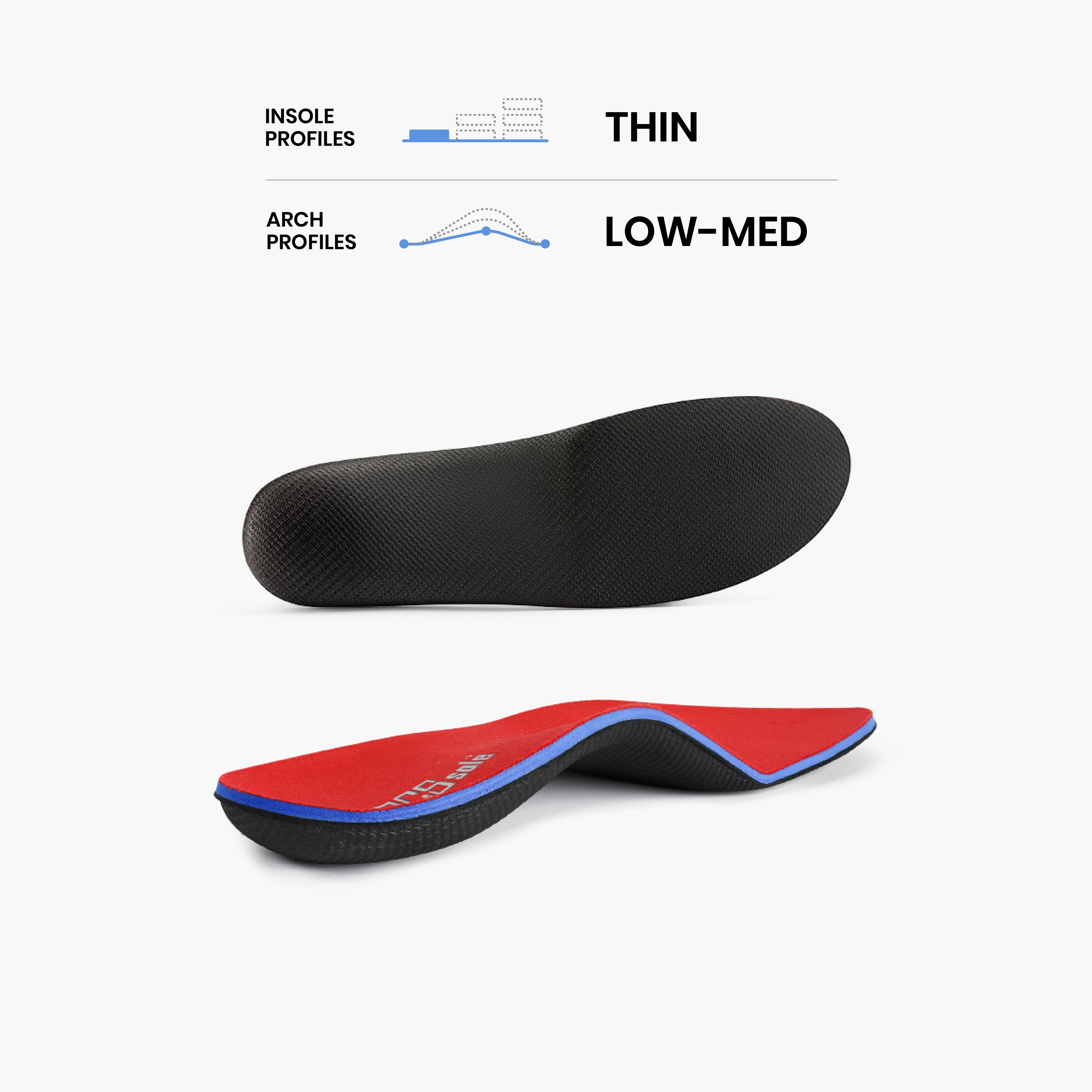
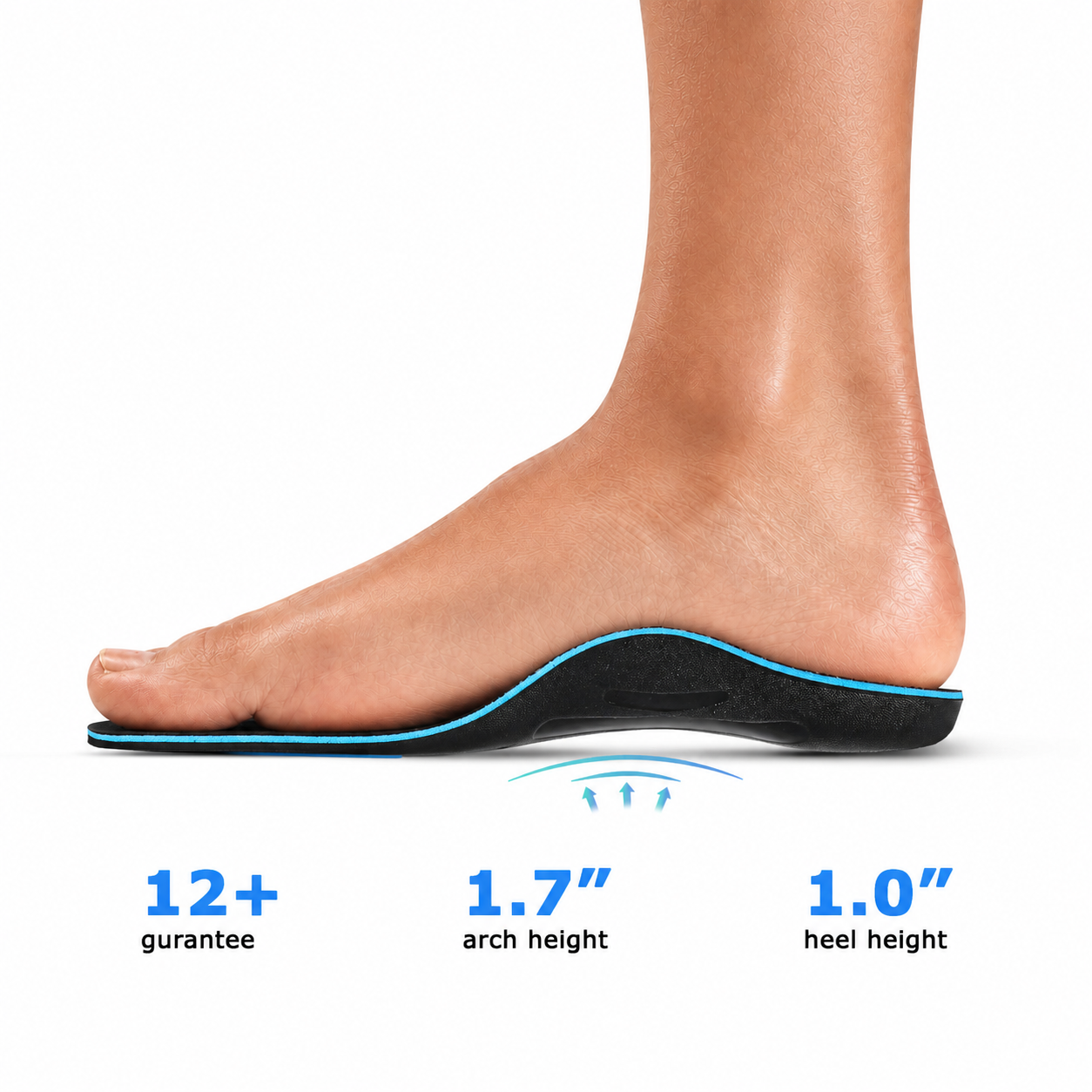
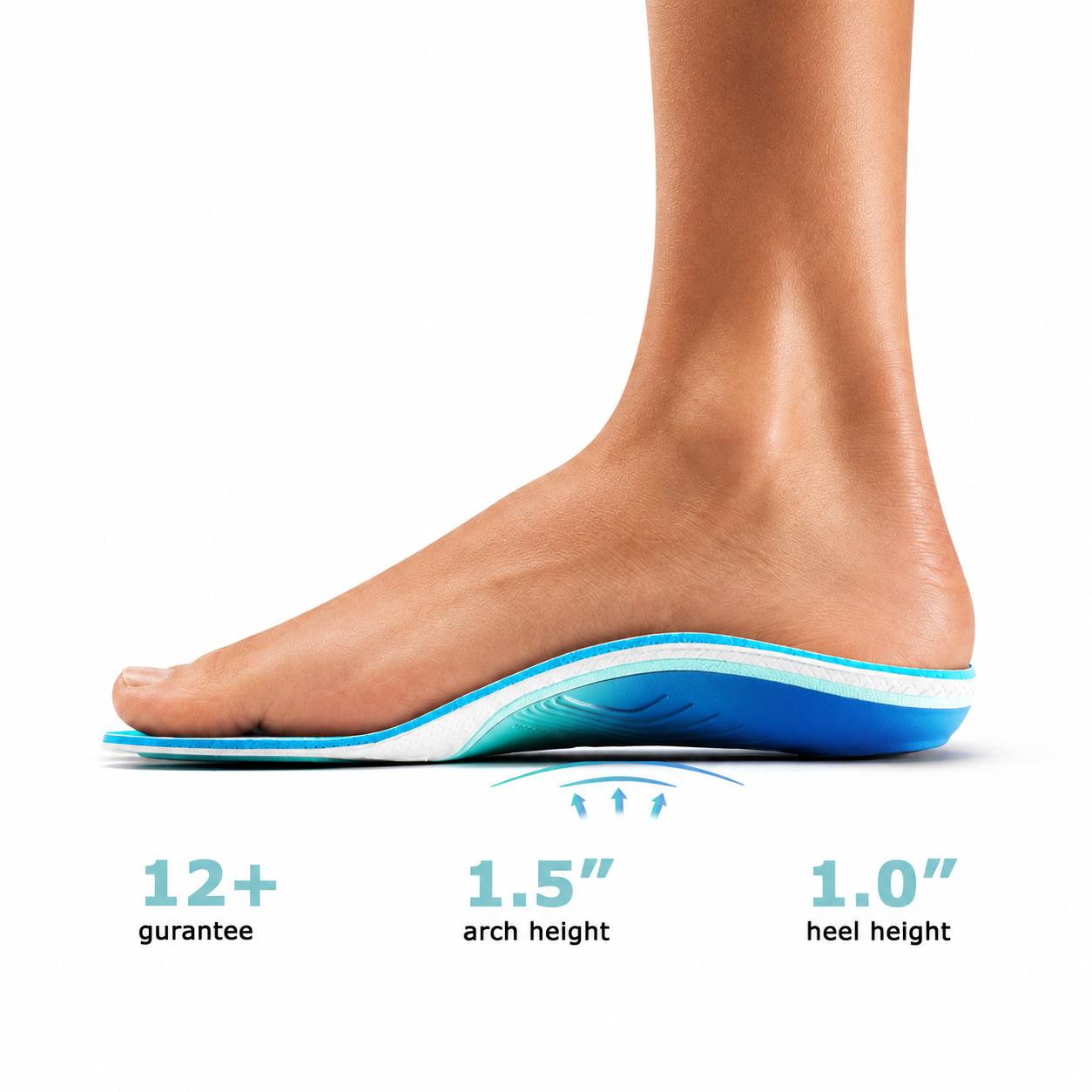
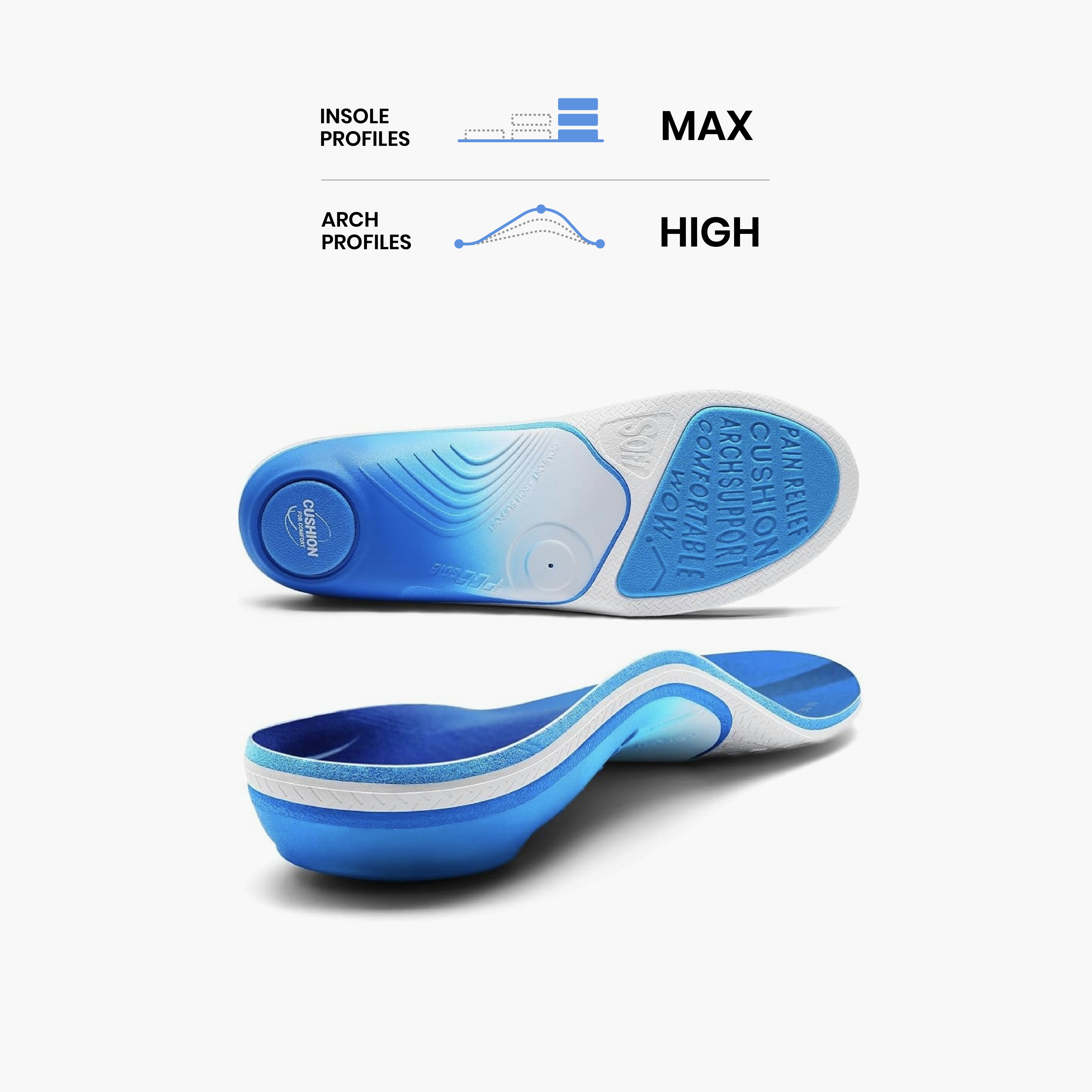
- Perfekte Passform für jedes Fußgewölbe: Nicht jede Größe passt jedem. Wählen Sie aus vier präzisen Fußgewölbehöhen (niedrig, mittel, hoch, extra hoch), die sich optimal an die individuellen Konturen Ihres Fußes anpassen. Diese halbindividuelle Passform sorgt für eine gleichmäßige Gewichtsverteilung und entlastet den Fußballen.
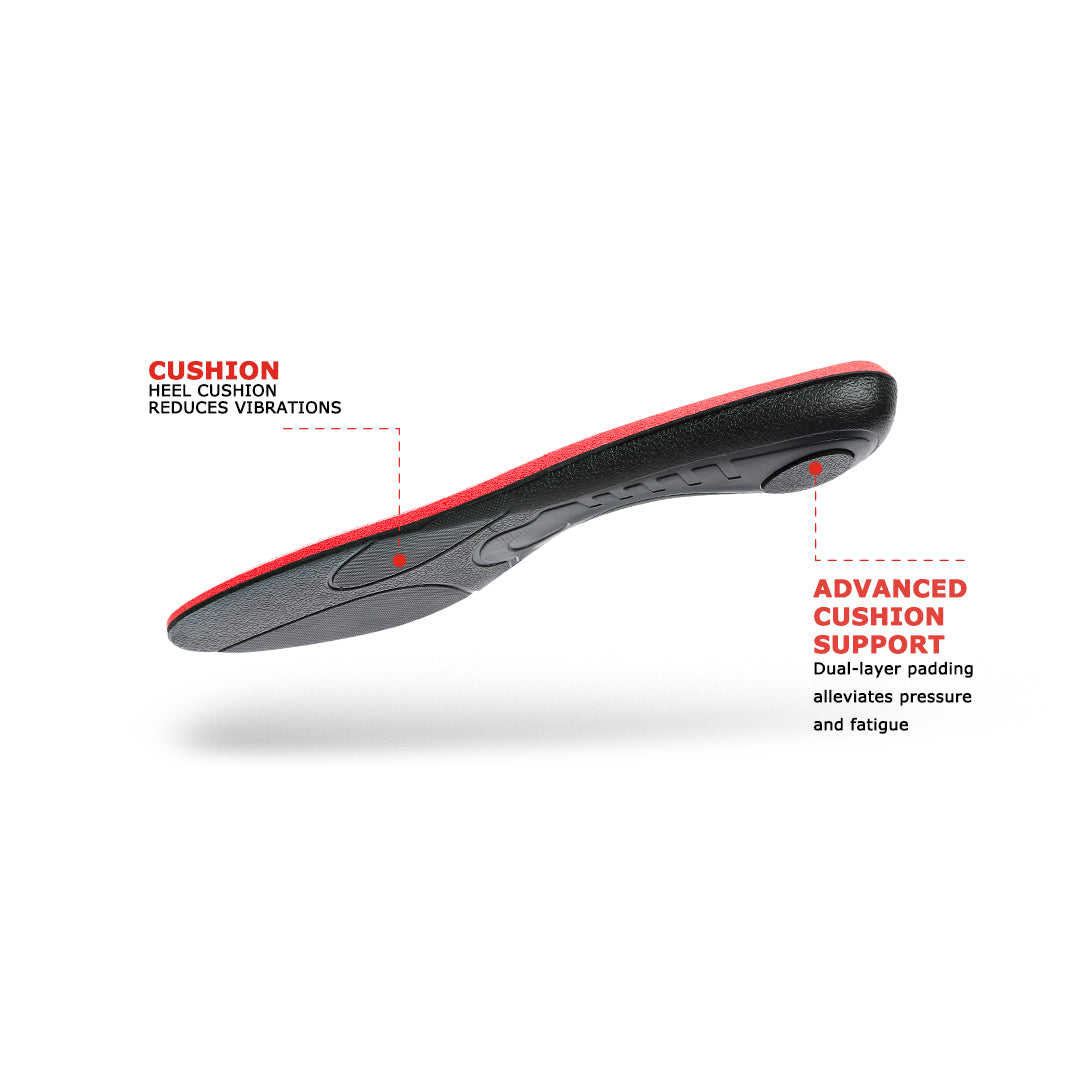
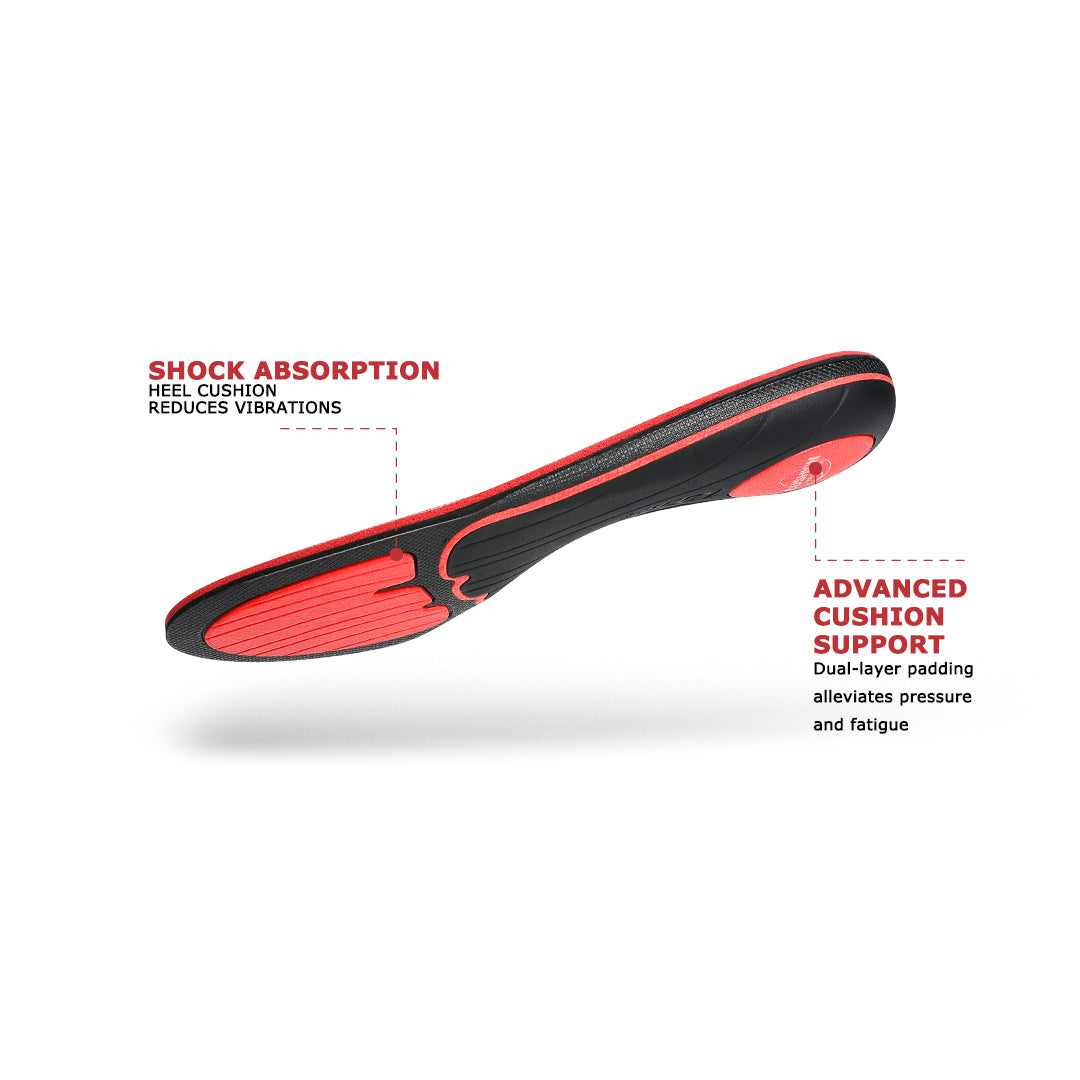
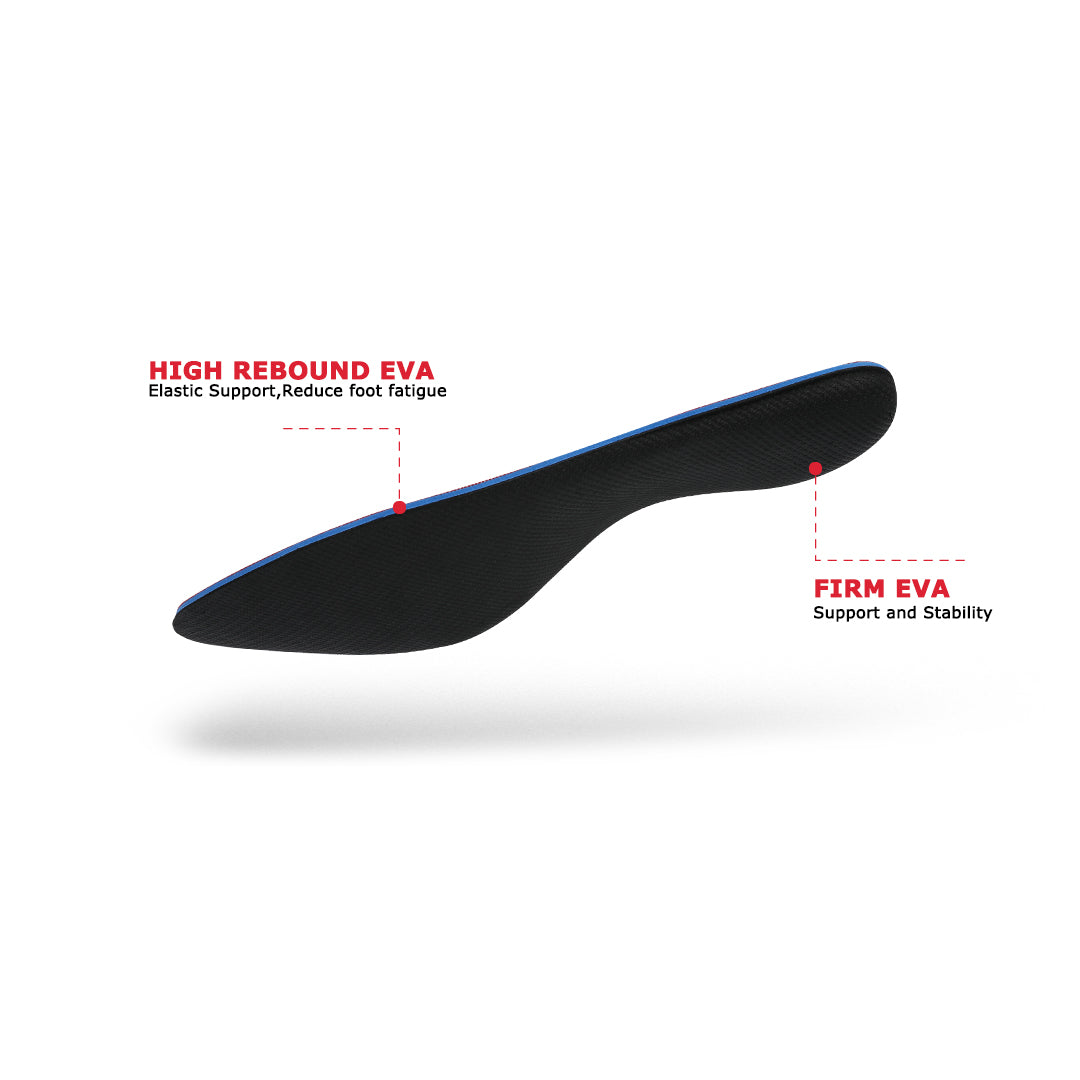
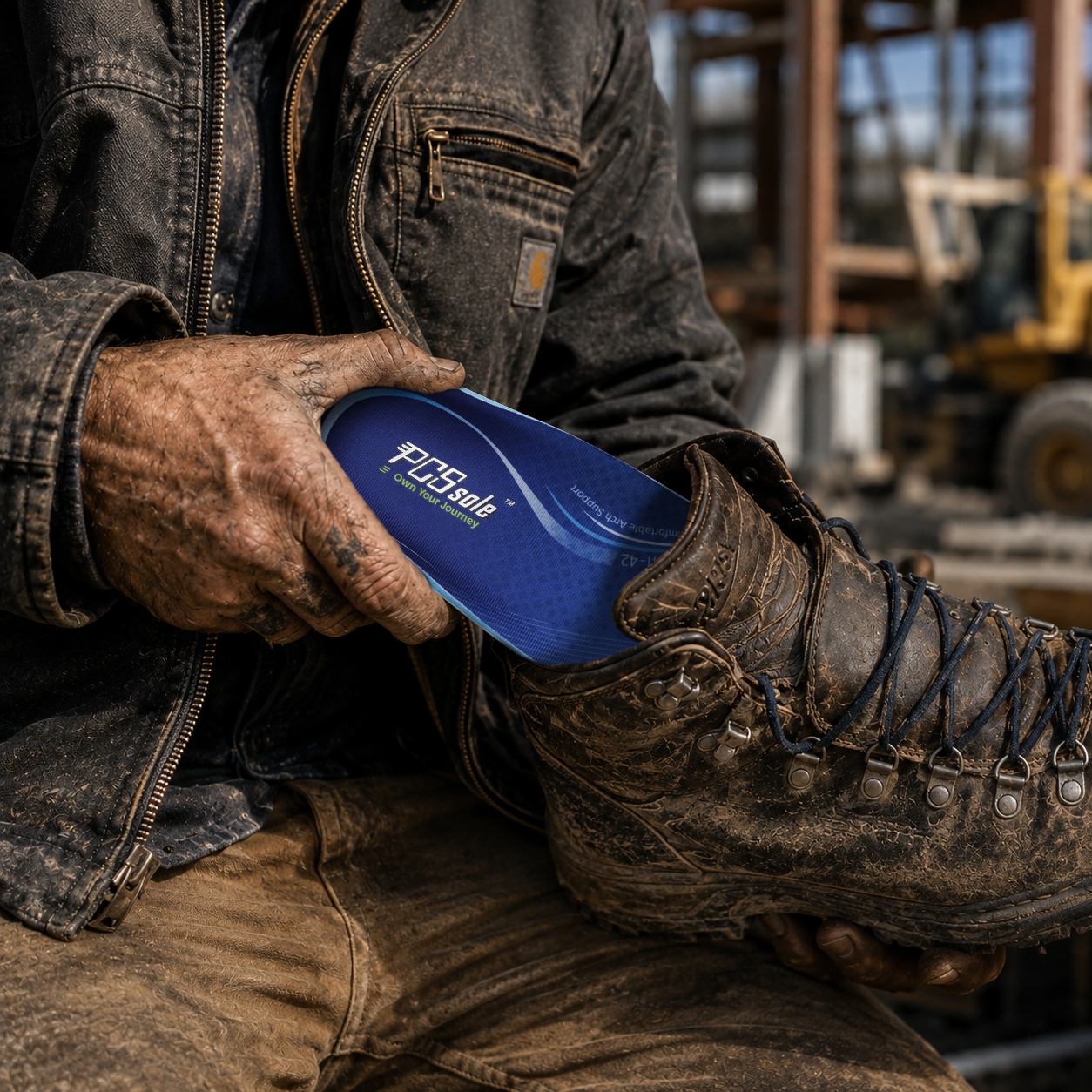
- Die ultimative Fußgewölbestütze: Vergessen Sie dünne Einlegesohlen, die sich nach einem Monat abnutzen. Unsere geformten Fußgewölbestützen sind extrem langlebig. Sie bieten nicht nur kurzfristigen Komfort, sondern sind eine dauerhafte und zuverlässige Lösung für langanhaltenden Tragekomfort im Alltag.

Proven Results
Bryn M, Verified Buyer
Walking is fun again! 🚶♀️ I’ve been wearing the Medium Arch insoles for a month, and the difference is incredible. My Morton's Toe pain used to stop me in my tracks, but now I can actually enjoy my daily walks pain-free.
Jacky B., Verified Buyer | Jul 2025
Finally, relief for Morton's Toe. 🦶 If you have this condition, you know the struggle. After just 30 days with these insoles, the sharp pain is fading fast. They provide exactly the right support where I needed it most.
Rosie R., Verified Buyer | Nov 2024
One month in, and huge results. 📉 I was skeptical at first, but after using the Medium Arch support for 4 weeks, my foot pain is significantly better. These are definitely a keeper for anyone dealing with forefoot pain!
Häufig gestellte Fragen zu Einlegesohlen bei Morton-Zehen
Was ist ein Morton-Zehen?
Der Morton-Zehen, auch Morton-Fuß, griechischer Fuß oder Königszehe genannt, ist eine häufige anatomische Variation der Fußstruktur, bei der die zweite Zehe (neben der großen Zehe) länger ist als die erste Zehe (die große Zehe).
Was tun bei Morton-Zehe?
Bei einer Morton-Zehe ist vor allem die richtige Schuhgröße wichtig. Möglicherweise benötigen Sie Schuhe, die eine halbe bis ganze Nummer größer sind, um Ihrer zweiten Zehe genügend Platz zu bieten.
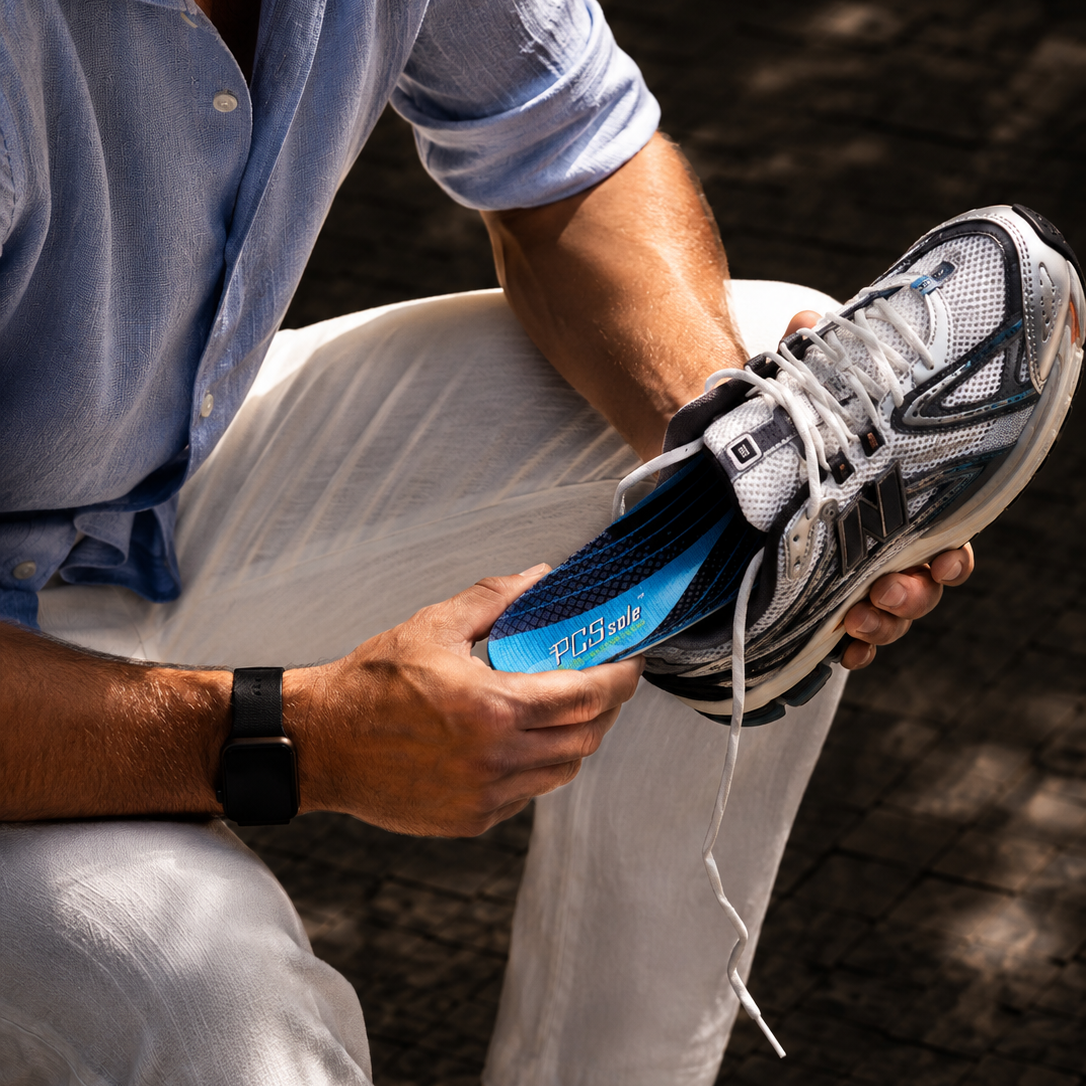
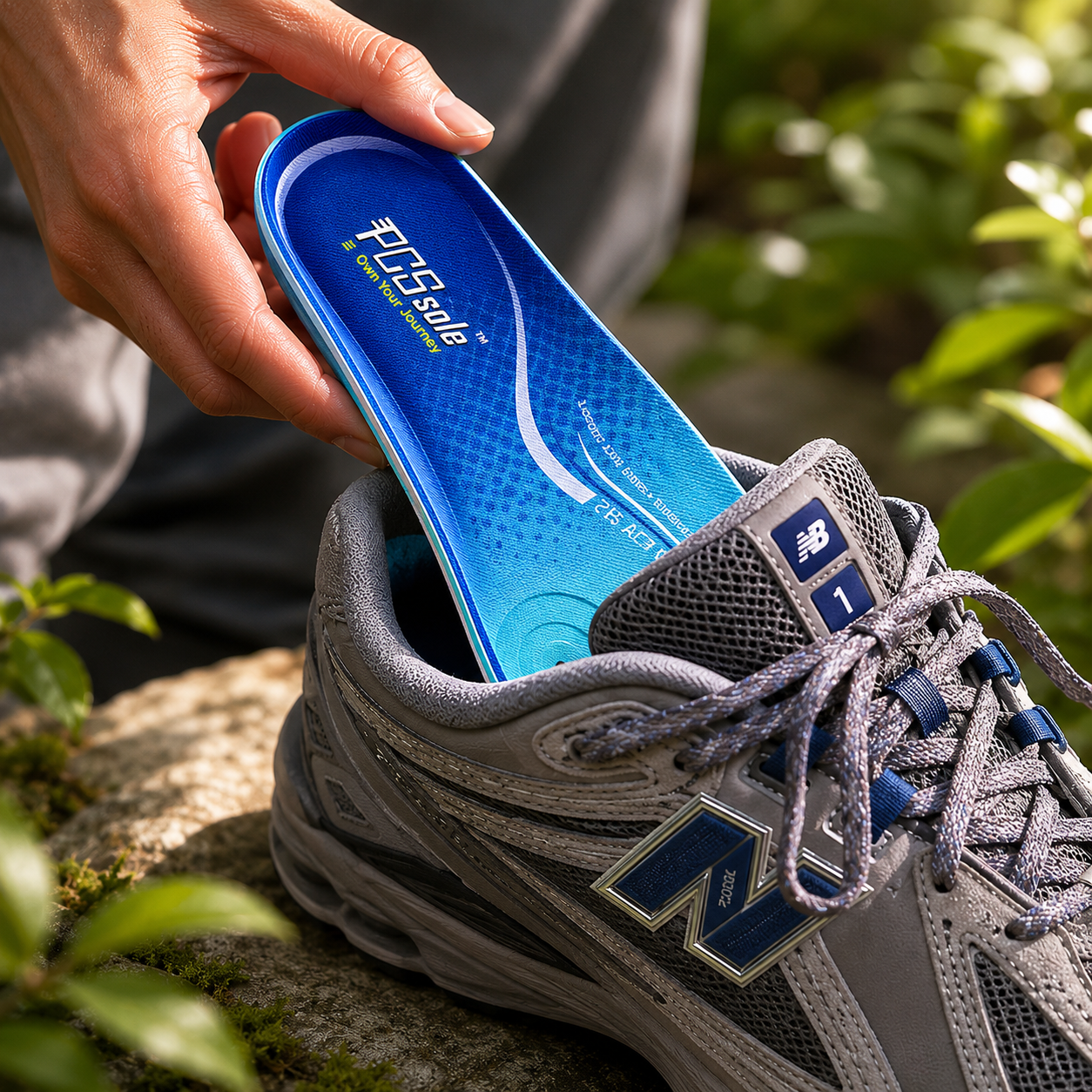
Um das durch den Morton-Zehen verursachte Druckungleichgewicht zu lindern, das zu größeren Problemen führen kann, können Sie Einlegesohlen in Ihre Schuhe einlegen.
Warum sollte man sich für PCSsole-Einlegesohlen bei Morton-Zehen entscheiden?
Integriertes Mittelfußstützpolster : Entlastet den Vorfuß und lindert die Schmerzen bei Morton-Zehe. Kein Fremdkörpergefühl.
Fußgewölbeunterstützung : Dadurch können Sie die richtige Einlegesohle für Ihre Fußform auswählen, was eine optimale Unterstützung des Fußgewölbes gewährleistet und übermäßige Belastung des Fußballens reduziert.
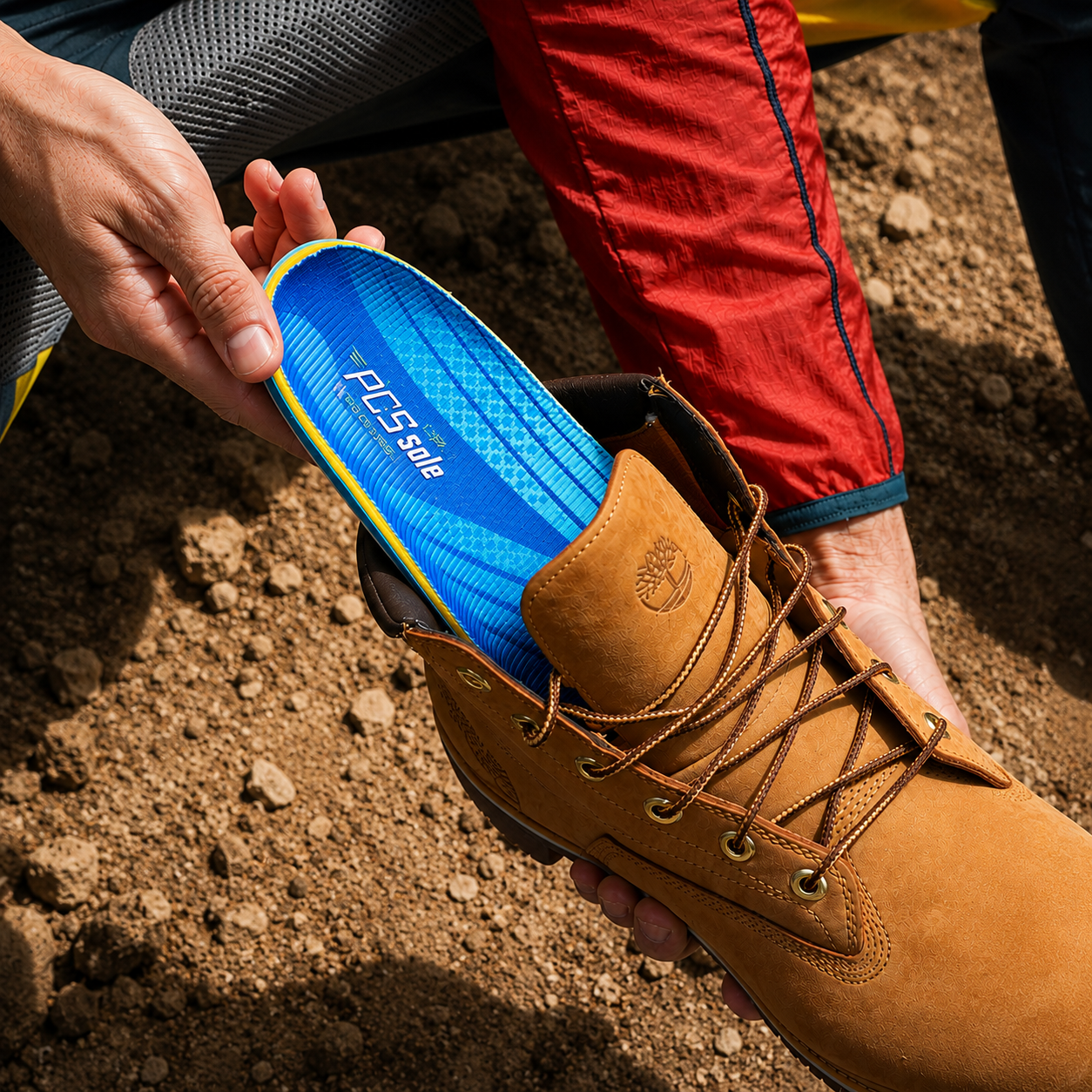
Robuste und langlebige Konstruktion : Die Einlegesohlen von Tread Labs sind für den täglichen Gebrauch konzipiert und auf Langlebigkeit ausgelegt. Dadurch bieten sie eine zuverlässige und langfristige Lösung bei Beschwerden durch Morton-Zehen.
Können Flip-Flops ein Morton-Neurom verursachen?
Ja, das Tragen traditioneller, flacher Flip-Flops kann durchaus ein Morton-Neurom verursachen oder verschlimmern.
Die Lösung: Sie müssen nicht auf Sandalen verzichten. Um einem Morton-Neurom vorzubeugen und gleichzeitig Ihre Füße kühl zu halten, suchen Sie nach Sandalen oder Flip-Flops mit Fußgewölbestütze (wie z. B. PCSsole Flip-Flops mit Fußgewölbestütze ).

If your second toe is longer than your big toe, you have something known as Morton’s toe. This is not to be confused with Morton’s neuroma, which is an inflammation of the nerve near the ball of the foot. Morton’s toe is a congenital bone formation, where the first metatarsal, the long bone that connects the toe to the back of the foot, is shorter than the second metatarsal.This causes the second toe to appear longer. Because the tip of the second toe sticks out further inside a shoe, calluses may develop. It may help to wear shoes that allow ample room in the toe box to accommodate the longer second toe.
How Do You Know If You Have Morton’s Toe?
It’s relatively straightforward to check if you have Morton’s Toe—just compare the length of your big toe to your second toe. If the latter is longer, you likely have Morton’s Toe. Keep in mind that the difference may be subtle, so pay close attention.It’s important to note that having Morton’s Toe doesn’t necessarily mean you have a foot deformity or a medical problem. It’s considered a normal variation in foot anatomy that’s seen in a significant portion of the population. While some people with Morton’s Toe may experience foot discomfort or other issues, many lead perfectly healthy, pain-free lives.

Is Morton's Neuroma the Same as Morton's Toe?
It’s not the same!They just happen to be named after two different physicians who shared the same last name.There are two Dr. Mortons who are unrelated: Dr. Thomas George Morton (1835–1903) and Dr. Dudley Joy Morton (1884–1960). They both are well known for two different foot conditions, but as they have the same surname it does lead to some confusion.Thomas George Morton (1835–1903) was an American surgeon from Philadelphia who first described what we now call ‘Morton’s Neuroma’ in 1876. He identified it as a painful swelling of the interdigital nerve, most often between the third and fourth toes.Dudley Joy Morton (1884–1960) was an American orthopedic surgeon and anatomist from Washington University in St. Louis, who specialized in the structure and evolution of the human foot. In the 1920s–1930s, he studied variations in foot anatomy and described a condition where the second metatarsal is longer than the first, giving the appearance that the second toe is longer than the big toe. This became known as Morton’s Toe (or Morton’s foot).
Morton's Toe Causes and Risk Factors
Morton’s Toe can cause discomfort, and understanding its causes and risk factors can help manage it more effectively. Anatomy is a crucial factor—typically, the first metatarsal bone is longer than the second, but this is reversed in people with Morton’s Toe, leading to imbalances in the foot’s weight distribution.Genetic factors also contribute to Morton’s Toe, and it can be passed down through generations. Other factors include foot injuries, such as sprains or fractures, and wearing ill-fitting footwear. High-impact activities or sports that involve repetitive movements may also increase the risk of Morton’s Toe. However, it’s important to remember that this condition can also occur without any apparent cause.
Morton's Toe Symptoms and Problems
Morton’s Toe may cause various symptoms and associated problems. Some people experience pain, tenderness, and swelling due to the increased pressure on the second toe. Corns, calluses, or blisters may also develop due to constant friction and pressure.Morton’s Toe can affect your gait and balance, which can increase the risk of falls or injuries. It may also contribute to other foot conditions like bunions, hammertoes, or plantar fasciitis, and cause pain in the arches, ankles, knees, hips, or lower back. If you suspect you have Morton’s Toe or experience any of these symptoms, consult a healthcare professional for evaluation and treatment recommendations.
Morton's Toe Common Treatments
- Wear shoes that are long enough (i.e., buy footwear a half size to a size larger to accommodate the longer second toe)
- Accommodate any bunions, hammer toes, or overlapping toes with shoes that are wide enough and deep enough in the toe box
- Add arch supports to address excessive inward rolling of the foot (over-pronation) and to keep the foot aligned
- Add metatarsal pads to arch supports and/or shoes when necessary to take pressure off of any calluses under the ball of the foot
Metatarsal Pad Orthotics Insoles for Morton's Toe
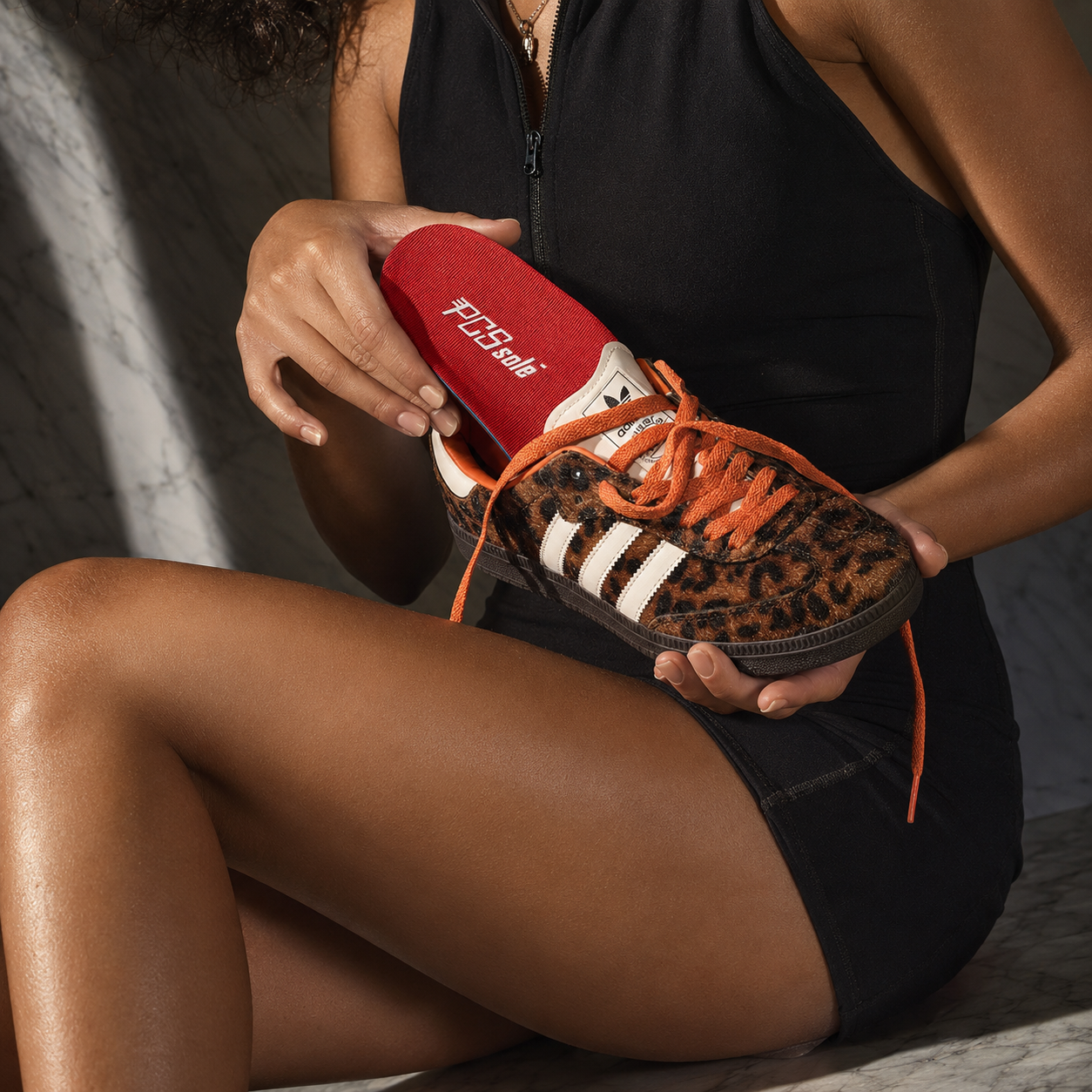
Metatarsal pads are an easy way to relieve Morton's Toe pain because they add support to the shaft of your second metatarsal bone, reducing the pressure on the ball of your foot and redistributing it more evenly.The best insoles for Morton’s Toe should include a built-in metatarsal pad. A metatarsal pad is a small bump that supports the metatarsals in their natural position and spacing, preventing them from becoming cramped. This relieves pressure on the nerve that causes Morton’s Toe pain.An insole with a built-in metatarsal pad offers support to the whole foot, with a special focus on the metatarsals.The best thing about an insole with a built-in metatarsal pad is that the metatarsal pad remains perfectly positioned in your shoe. Other metatarsal pad products move around in your shoe or tend to be placed too far forward to support your bones effectively.PCSsole with Met Pad orthotic insoles slip easily into your shoes with a perfectly positioned metatarsal pad to help you get relief from Morton's Toe pain.
When to See a Podiatrist?
- Severe pain
- Persistent pain that lasts more than a week
- Signs of infection
- Continued swelling
- Pain that prevents walking