
🎆 2026 – BEGRENZTE VERFÜGBARKEIT!

shoe insoles
Anbieter:PCSsole

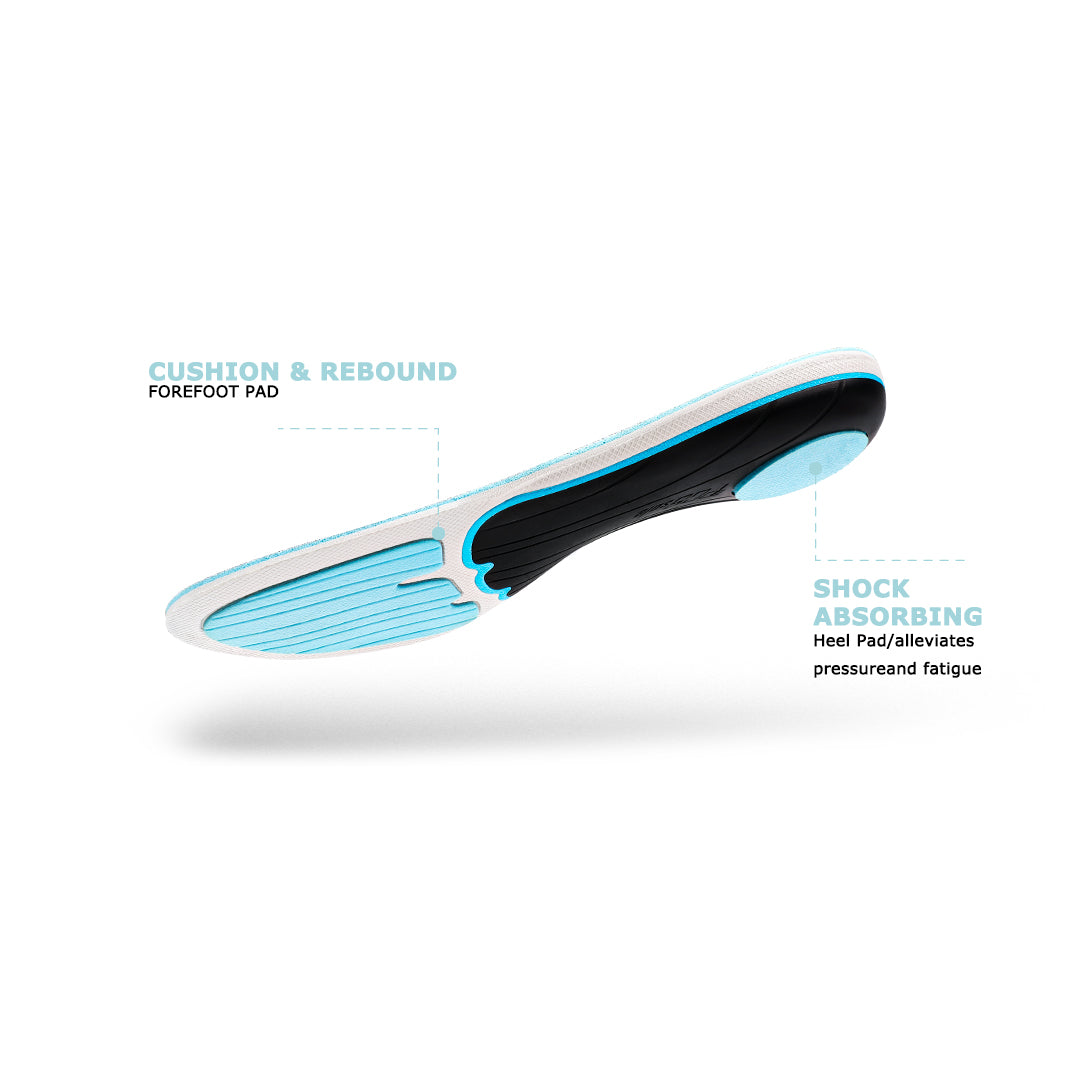
Universelle Fußgewölbeunterstützung
Verkaufspreis$37.99Normaler Preis $54.99
sole insoles
Anbieter:PCSsole

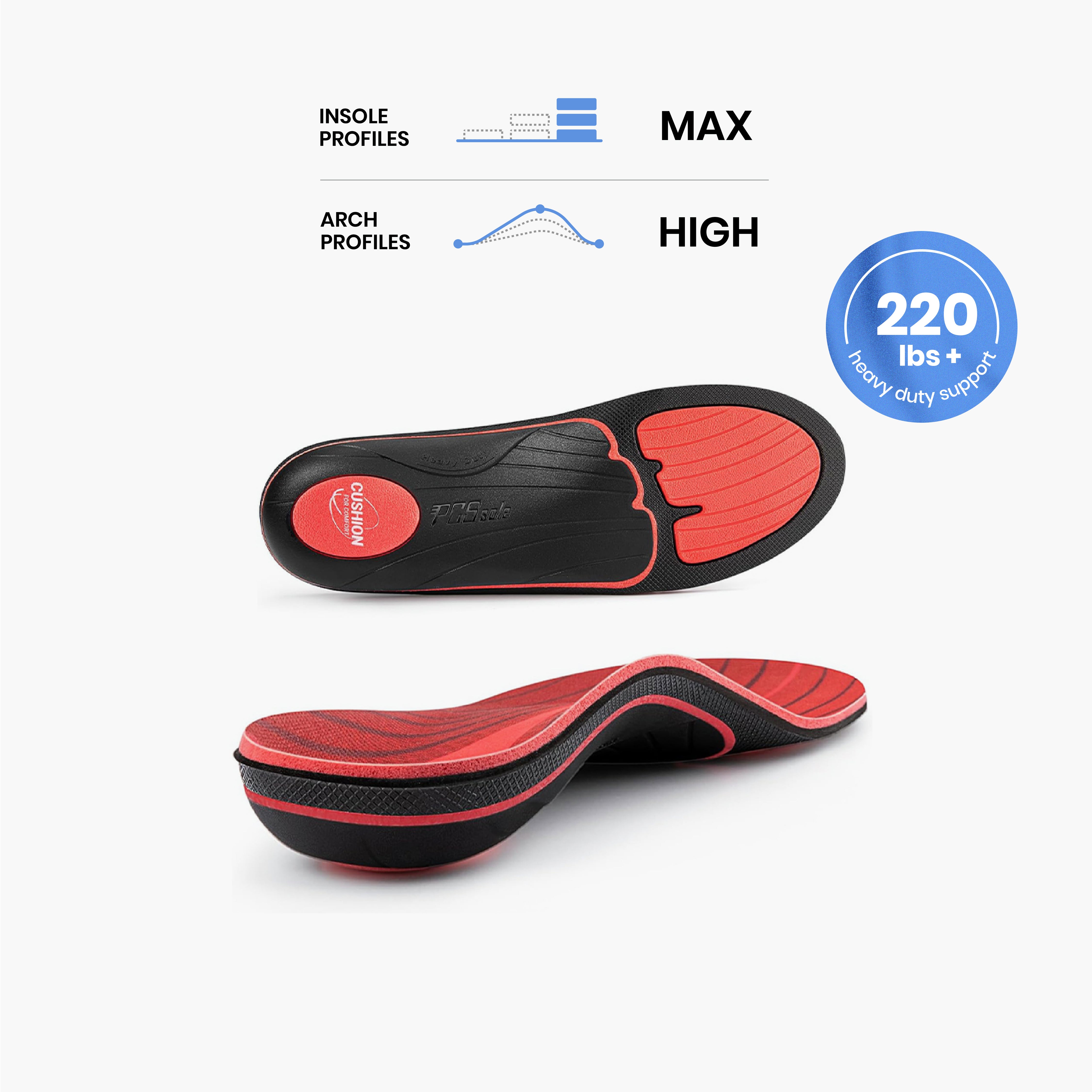
Hochleistungs-Komfortpolsterung
Verkaufspreis$37.99Normaler Preis $54.99
best insoles for work boots
Anbieter:PCSsole

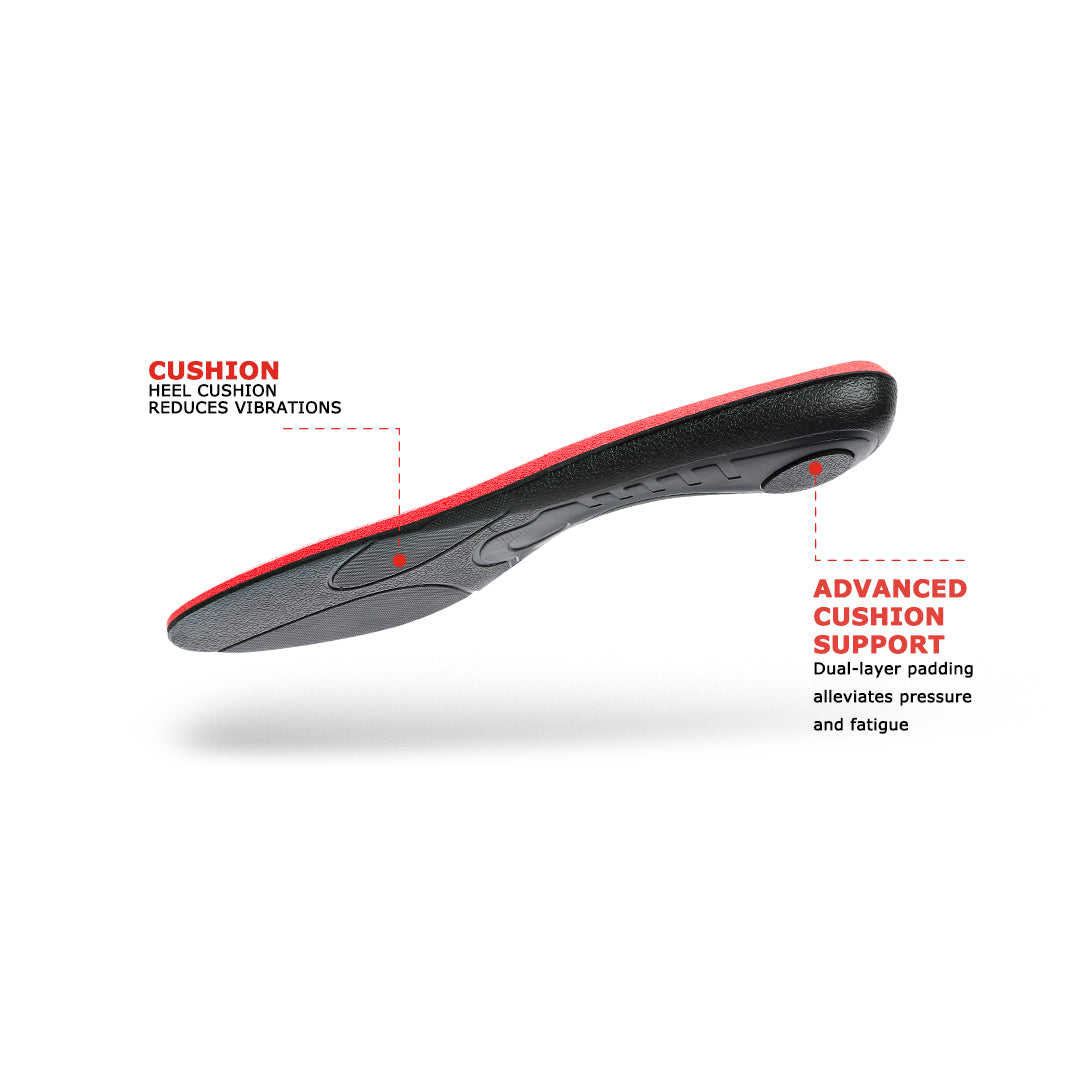
Arbeitskomfortkissen

Verkaufspreis$28.79Normaler Preis $41.13
3/4 length orthotics
Anbieter:PCSsole

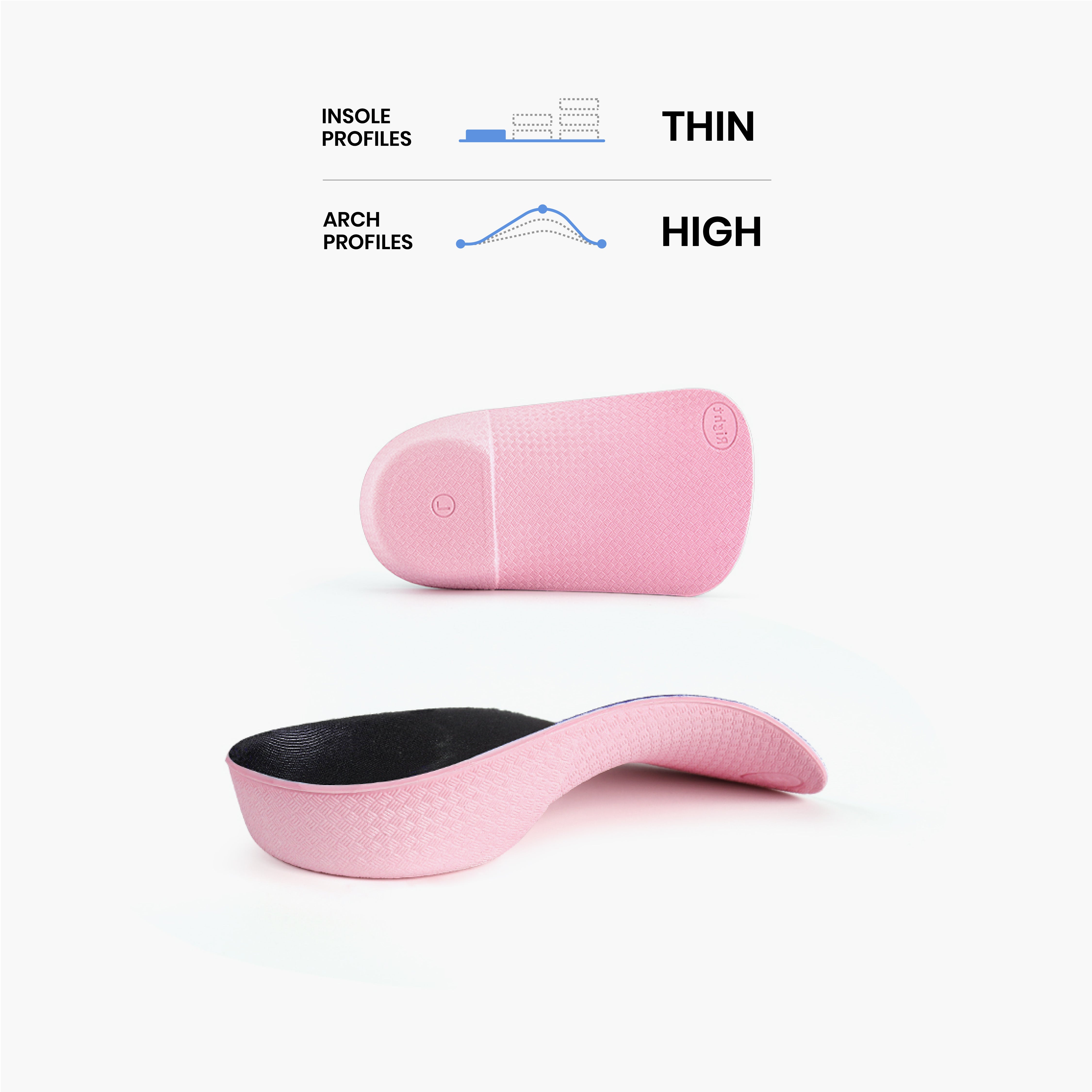
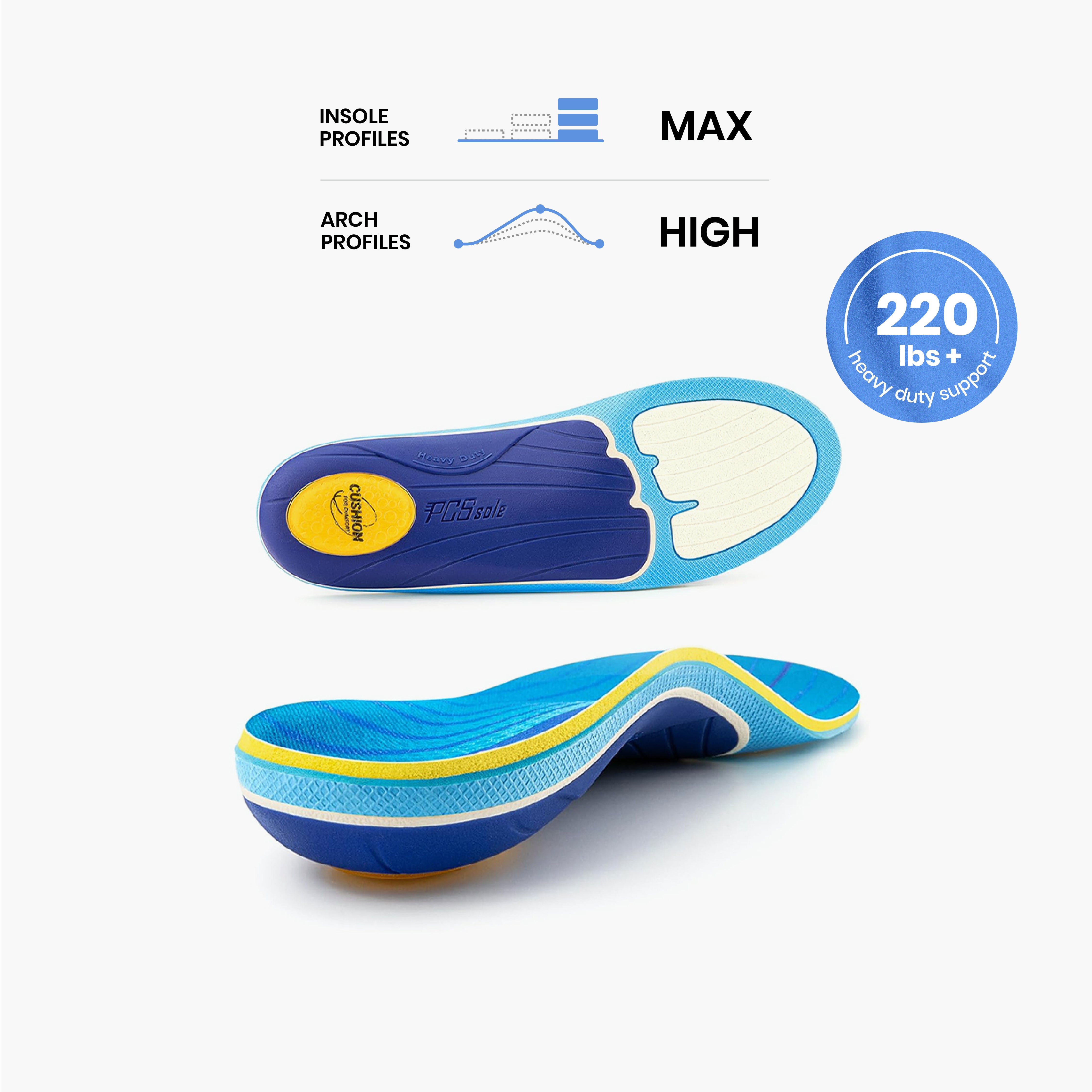
Tägliche orthopädische Einlage in 3/4-Länge
Verkaufspreis$18.89Normaler Preis $26.99
hiking insoles​
Anbieter:PCSsole

Fußgewölbestütze

Verkaufspreis$37.99Normaler Preis $54.99
Eco friendly insoles for shoes
shoe insoles for plantar fasciitis​

Die besten Einlegesohlen bei Plantarfasziitis

Die Spring Hill Med Group wählte Universal Arch Support im Jahr 2025 zu den besten Einlegesohlen insgesamt für Plantarfasziitis.

PCSsole plantar fasciitis arch support insoles​

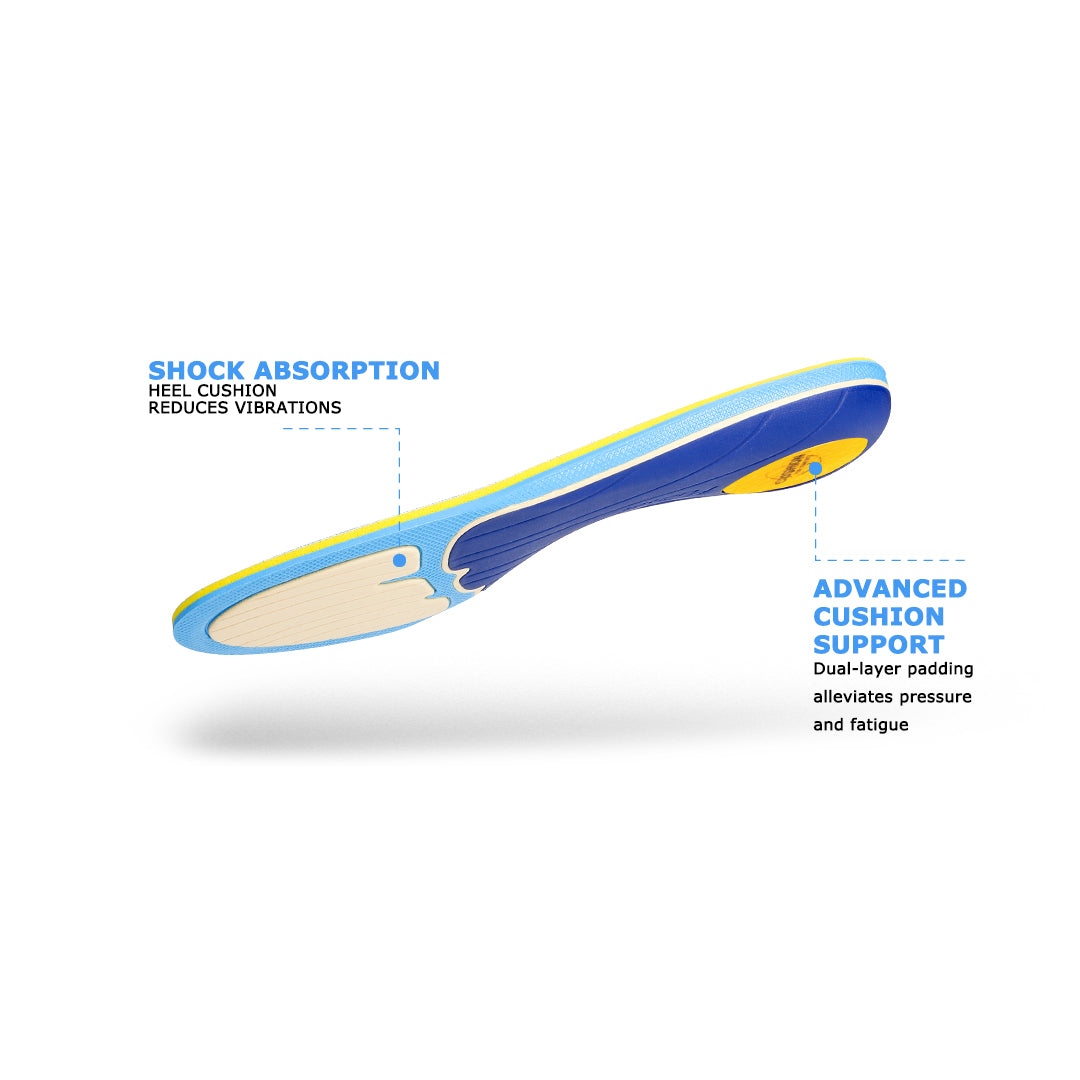
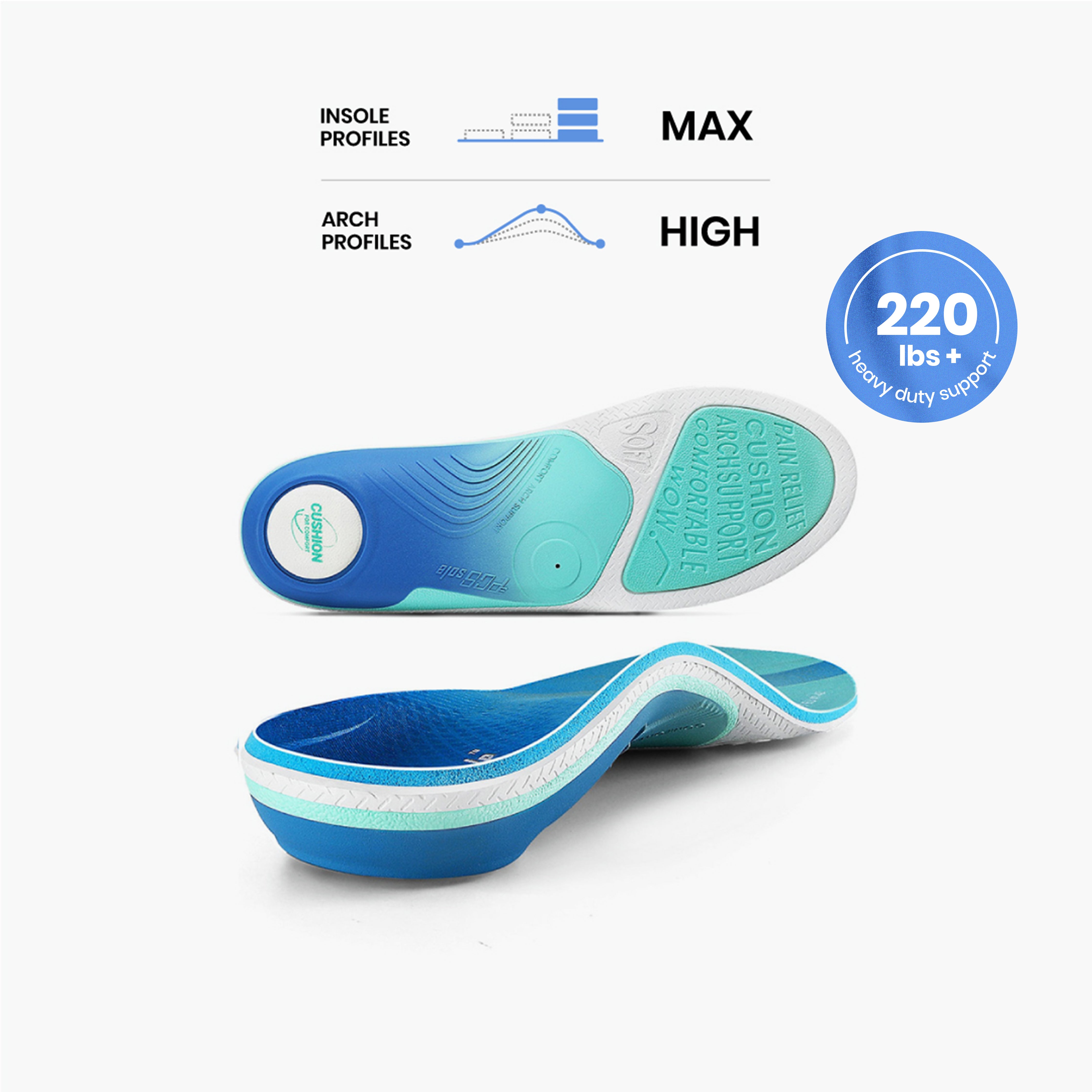
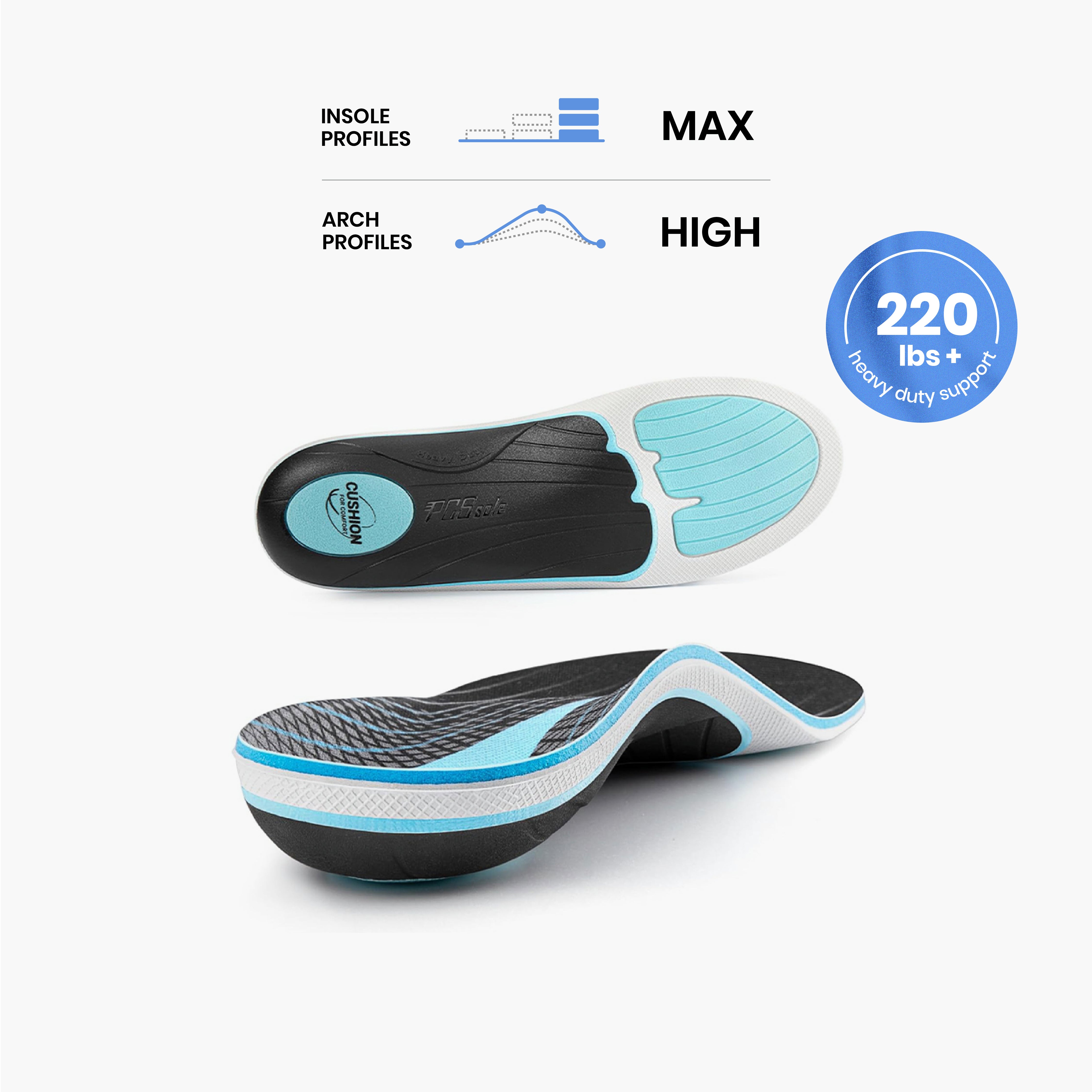
Warum PCSsole-Einlegesohlen die beste Wahl zur Linderung von Plantarfasziitis sind

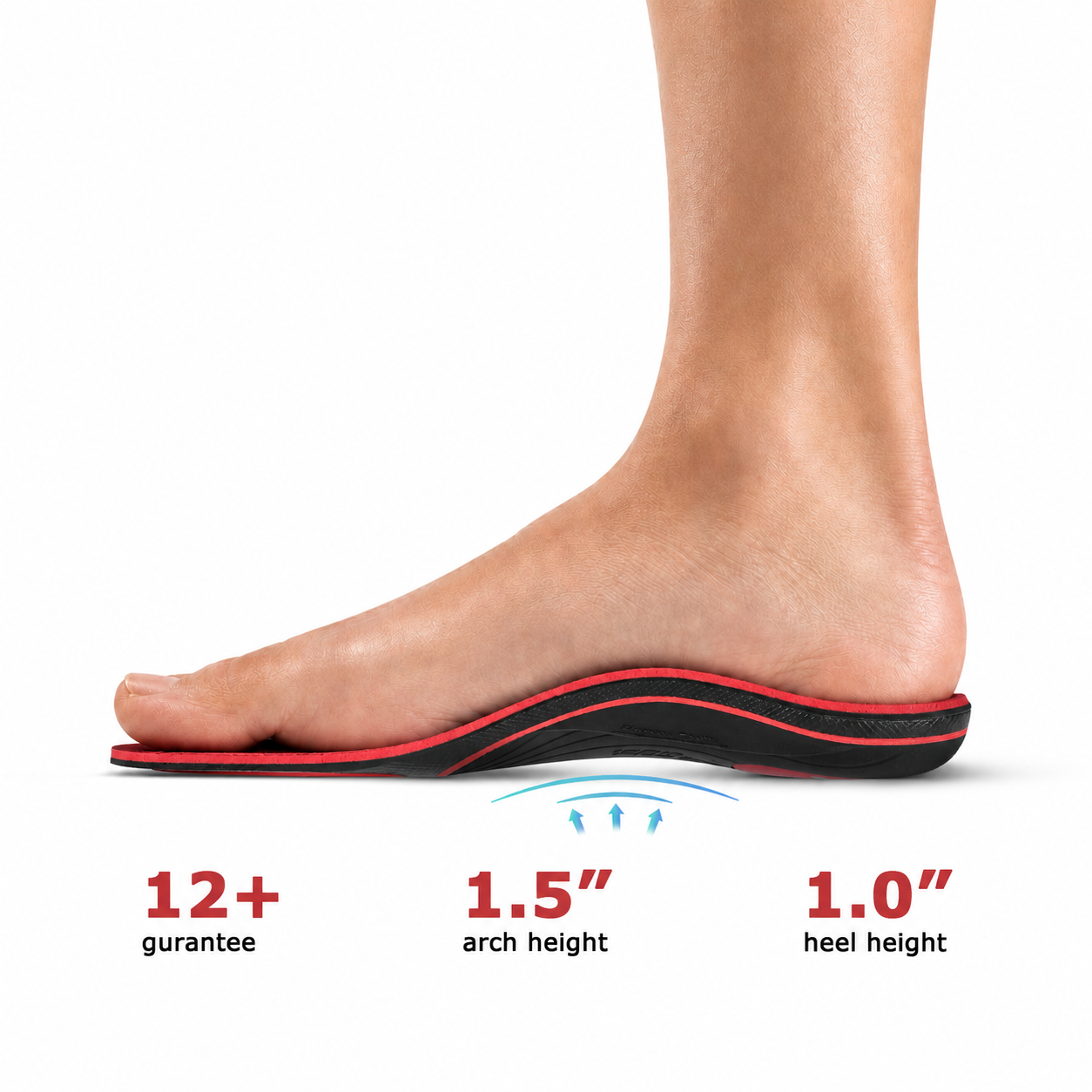
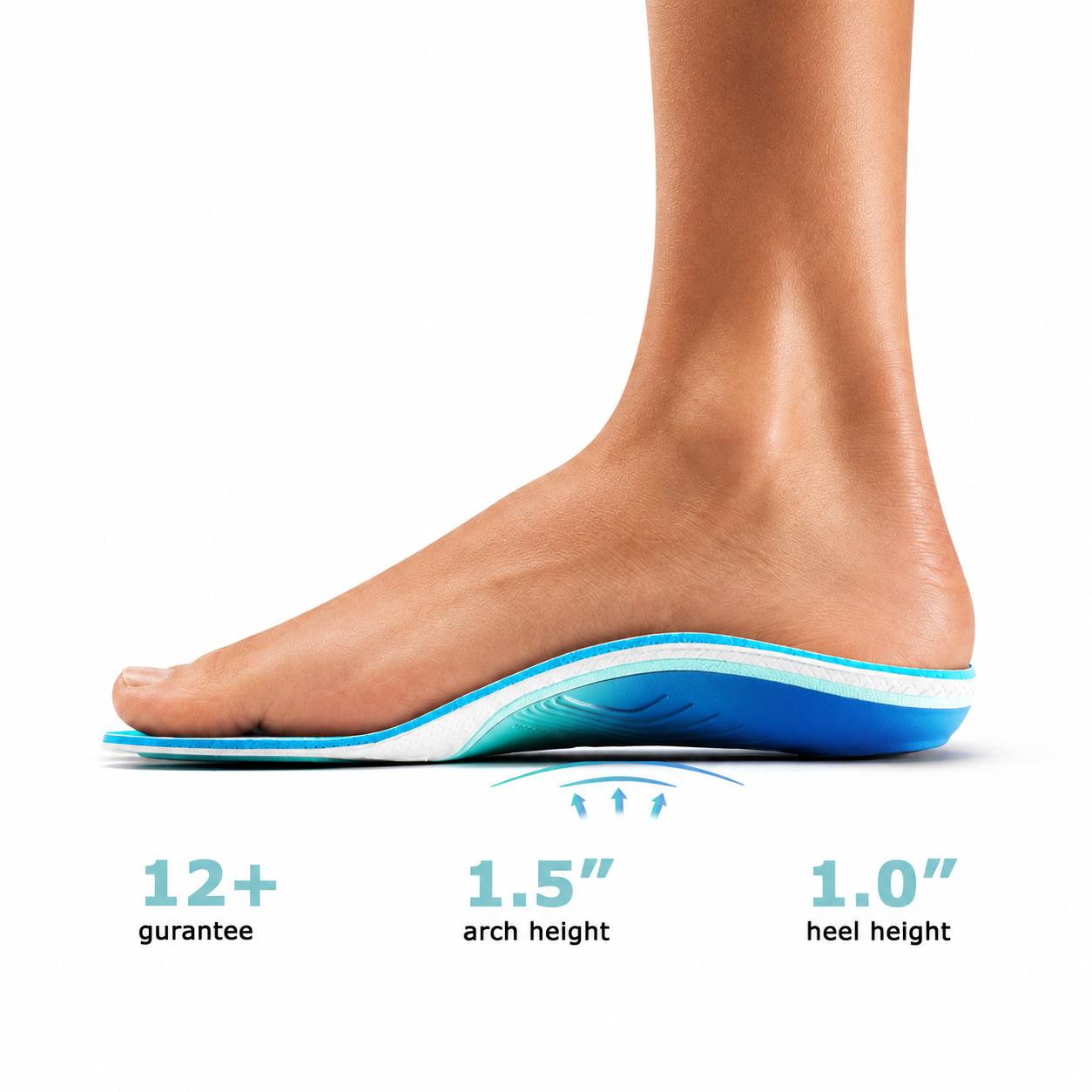
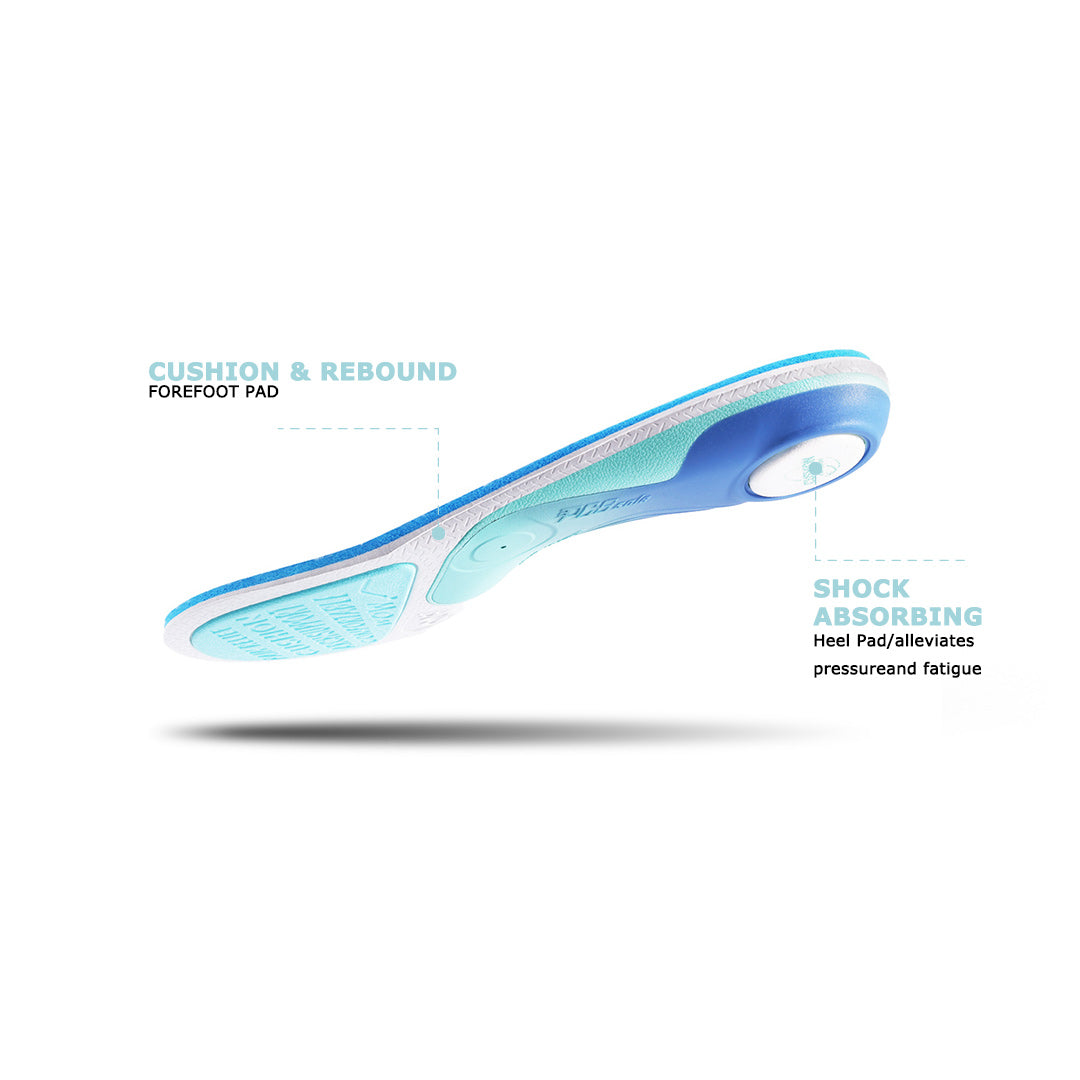
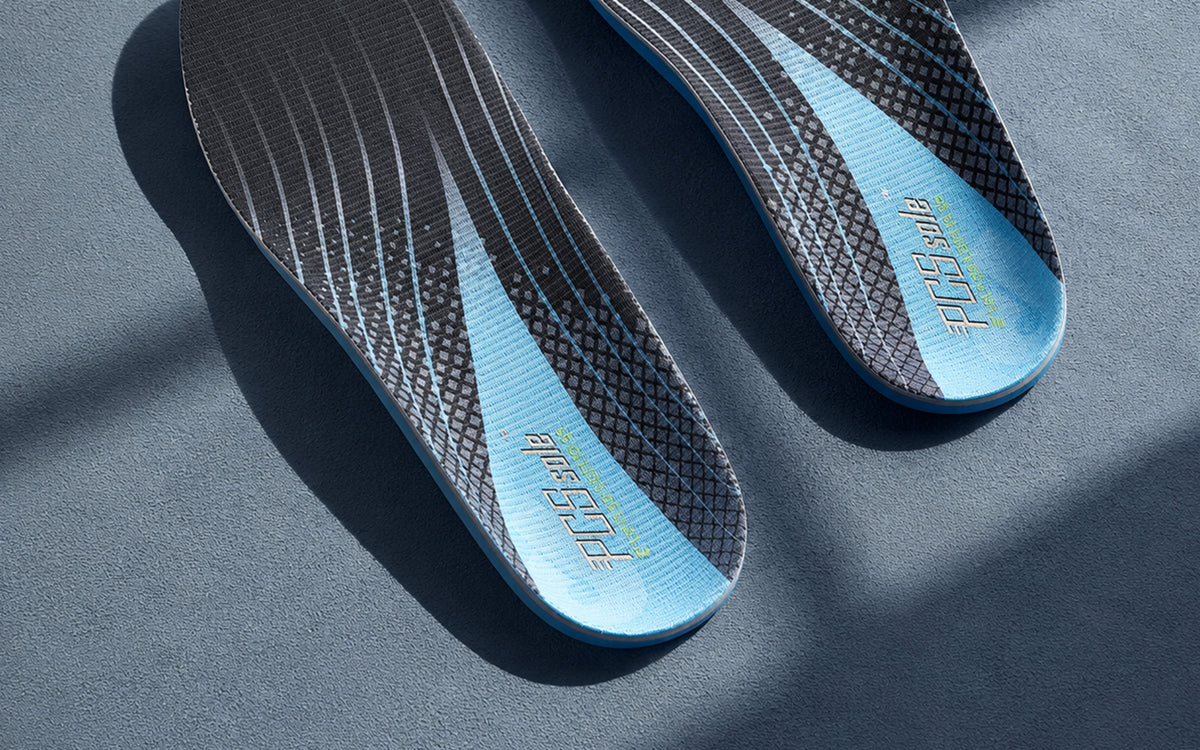
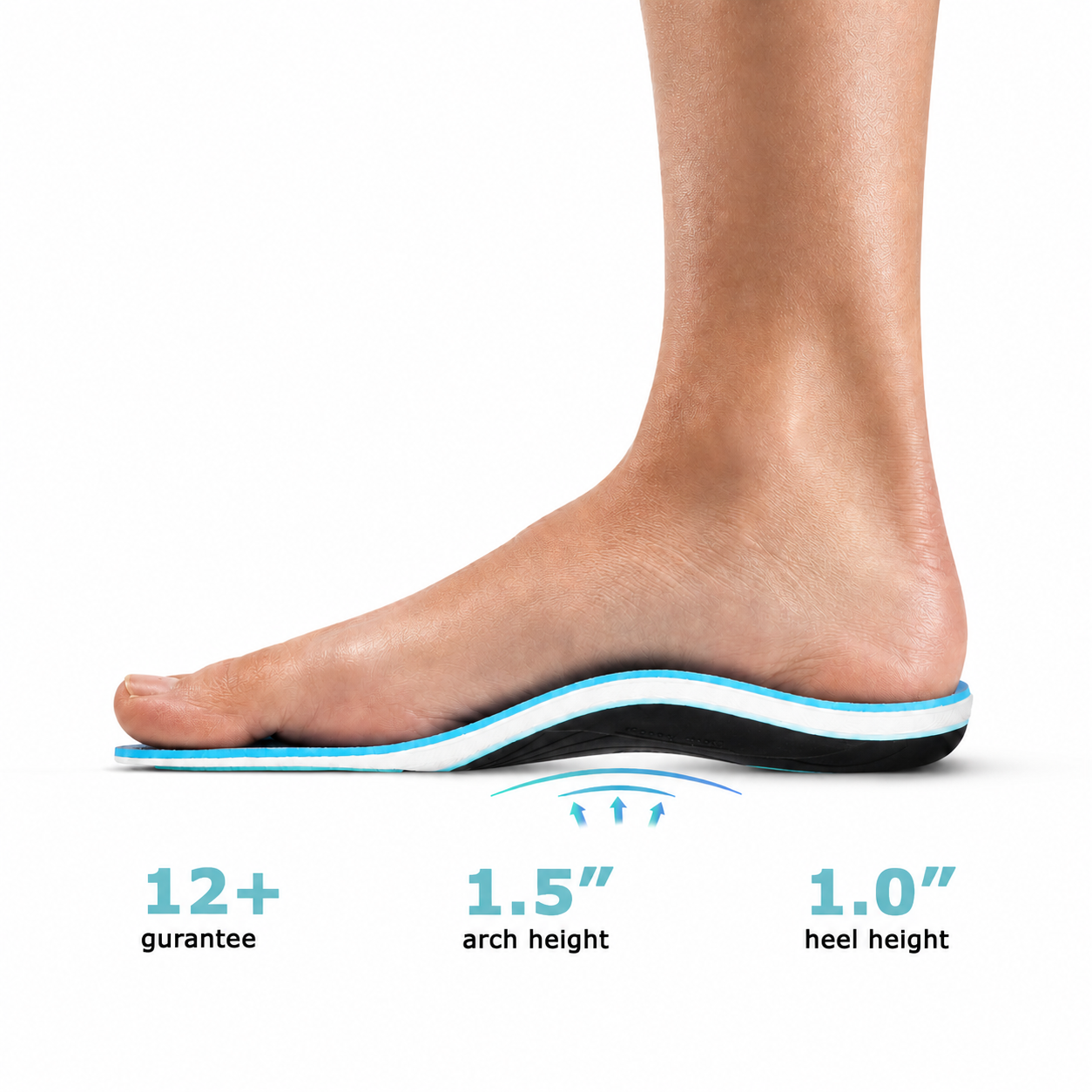
  • Feste Fußgewölbeunterstützung zur Schmerzlinderung – Umschließt Ihr Fußgewölbe, um die Belastung der Plantarfaszie zu reduzieren und Fußschmerzen zu lindern.
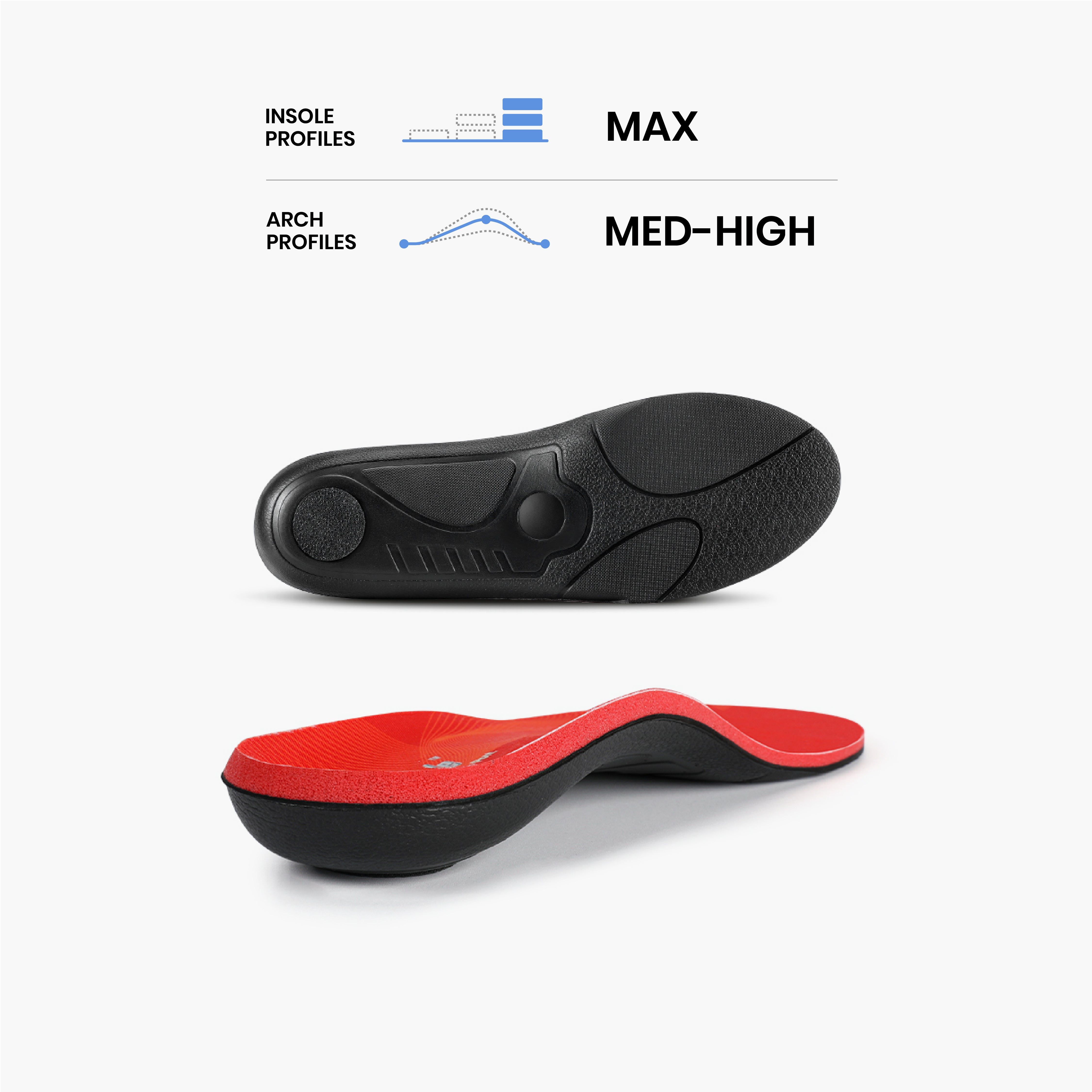
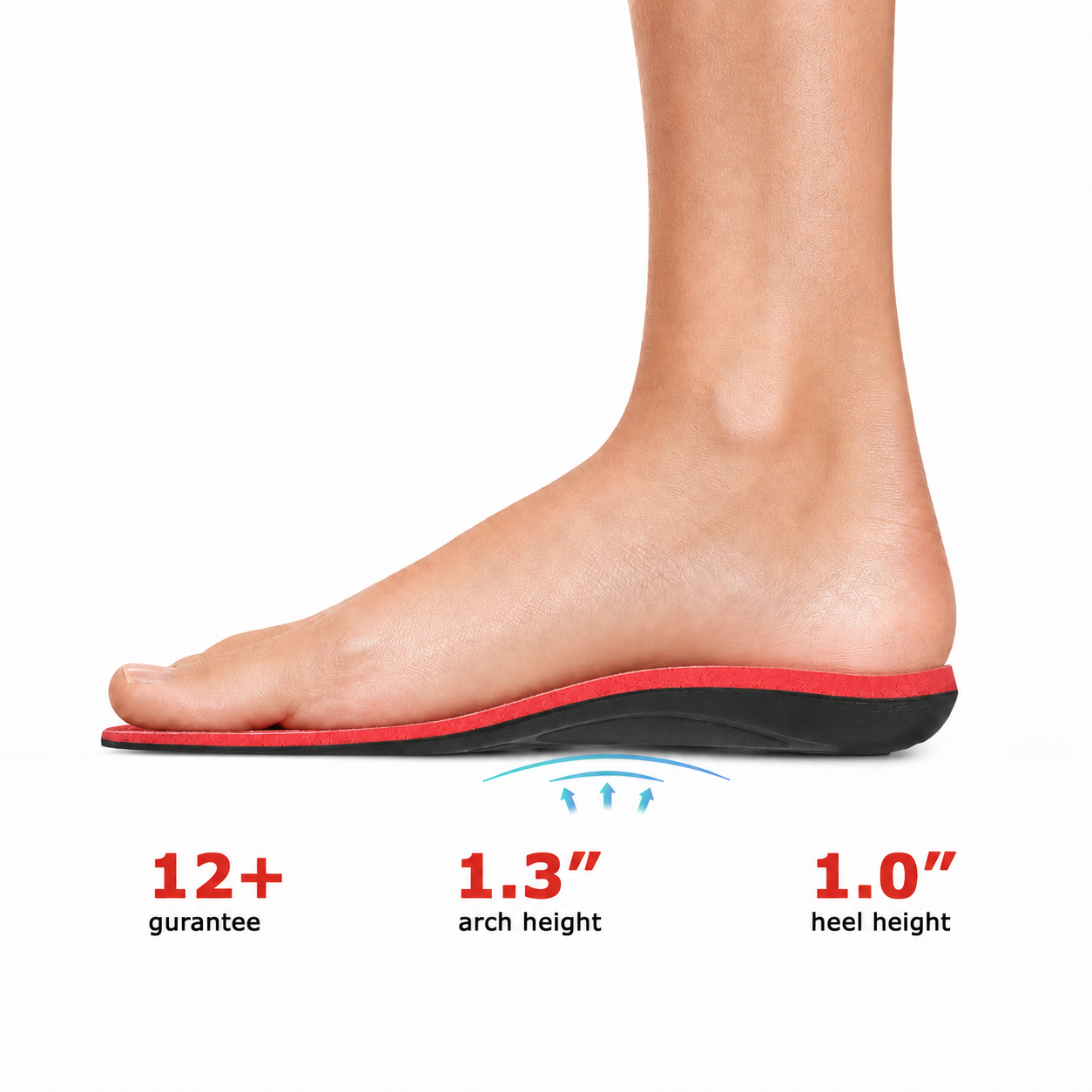
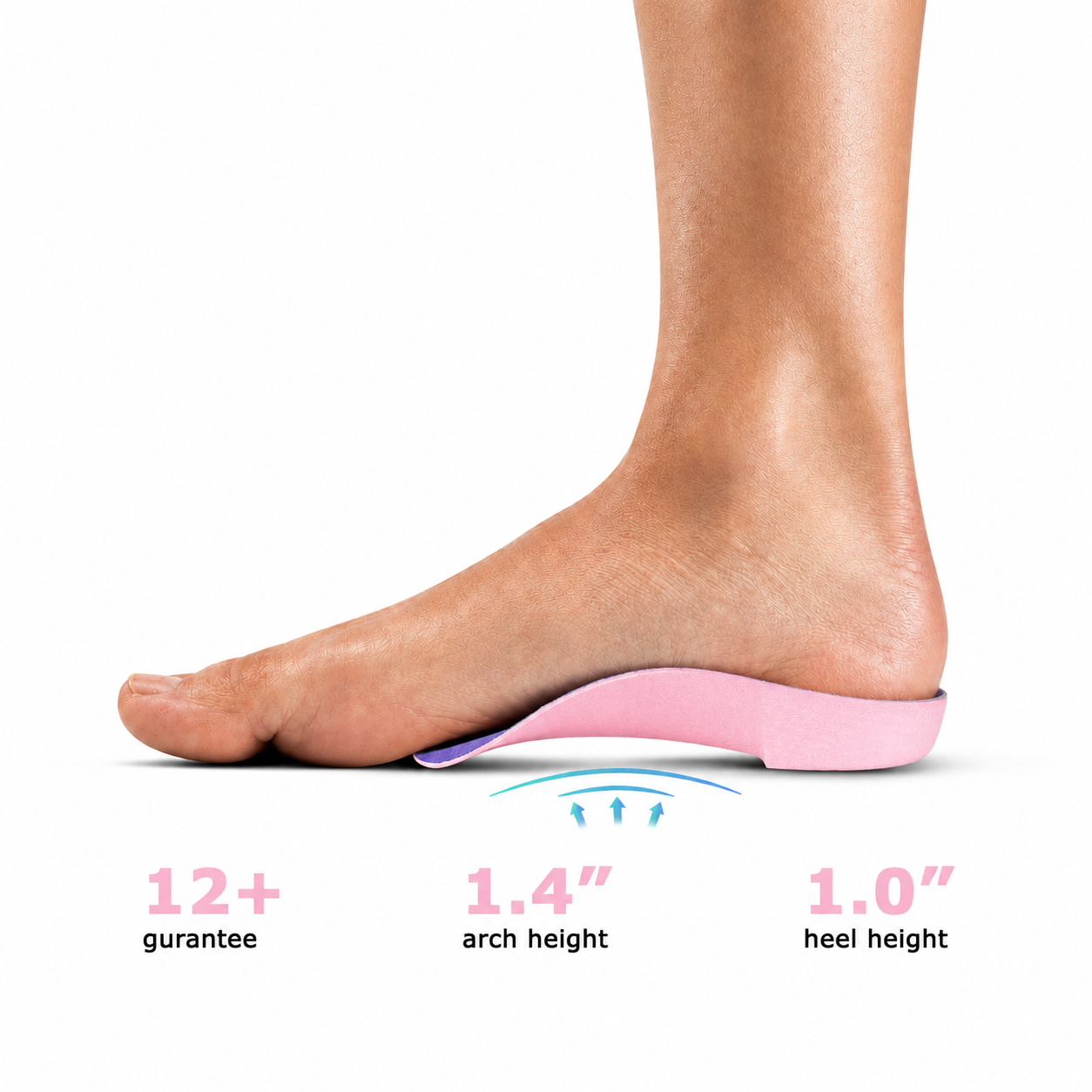
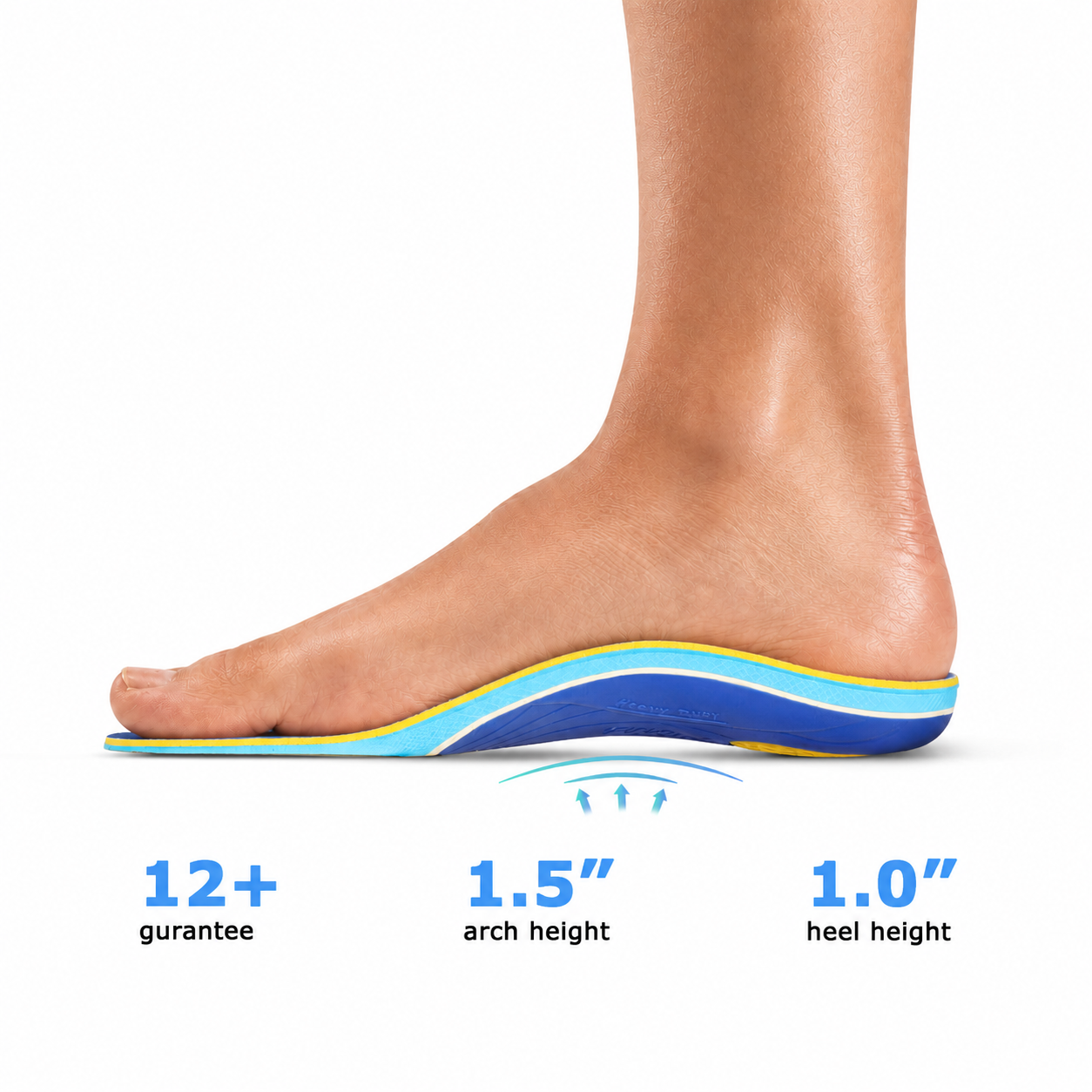
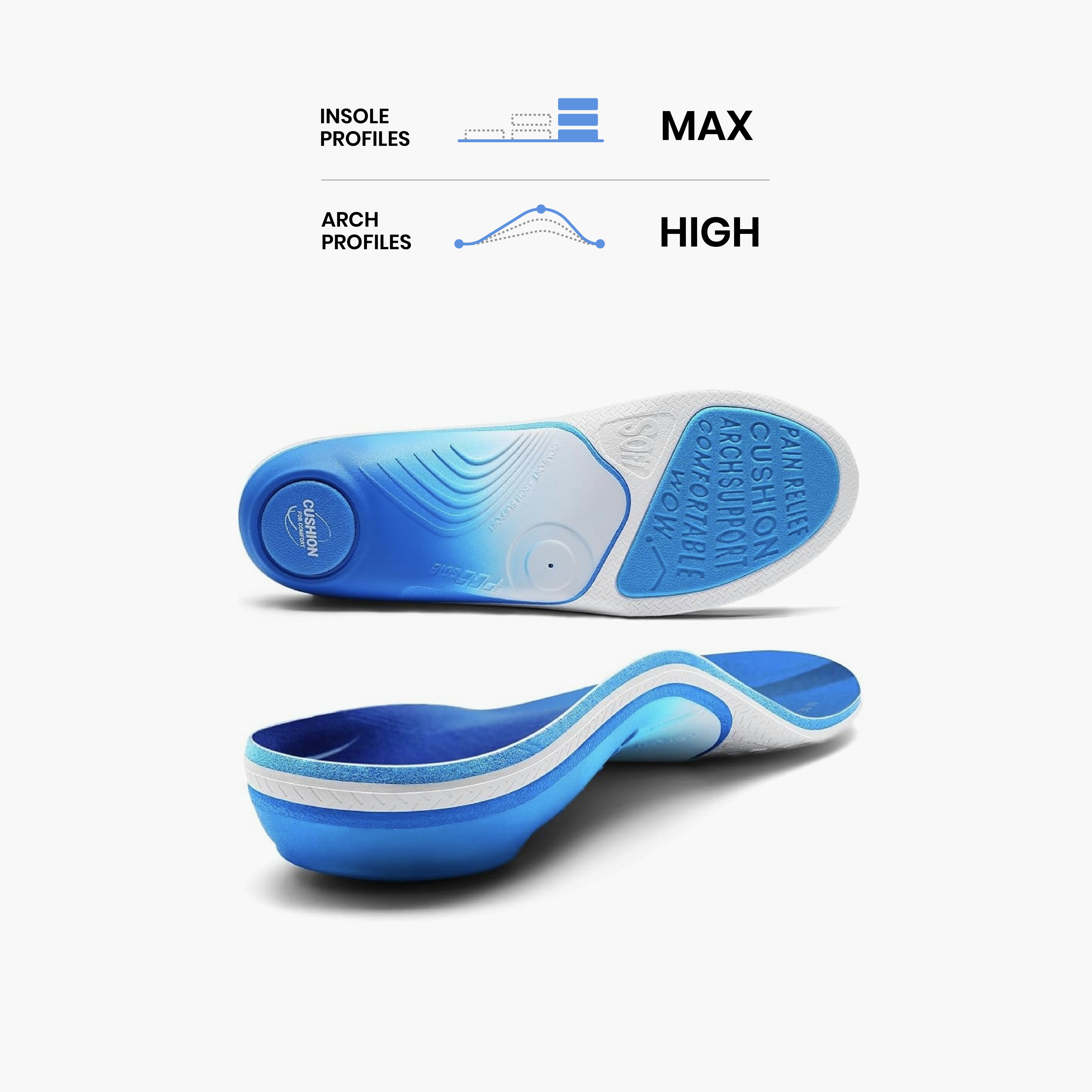
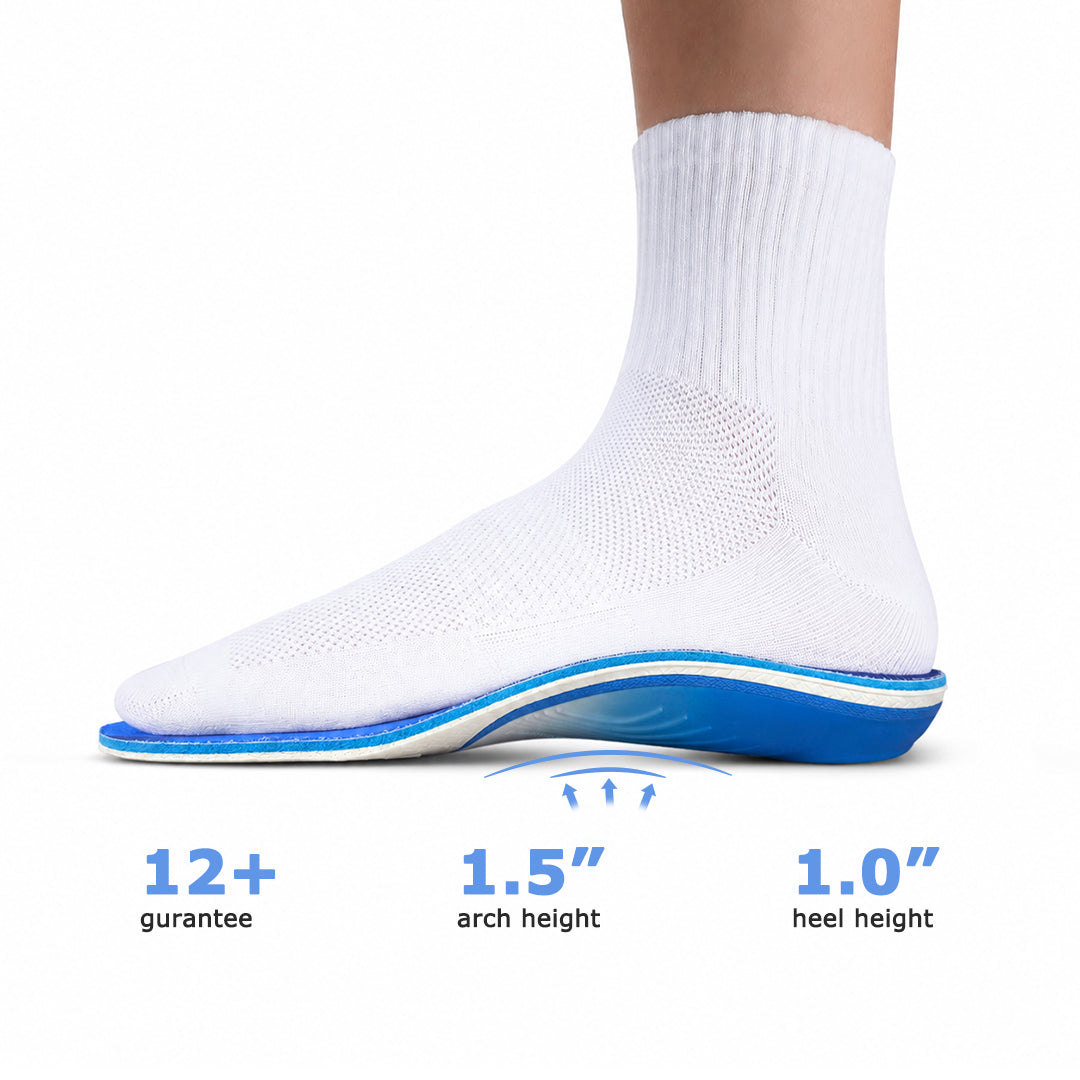
  • Halbindividuelle Passform – Erhältlich in 4 Fußgewölbehöhen, die der natürlichen Krümmung Ihres Fußes entsprechen und so für individuellen Komfort sorgen.
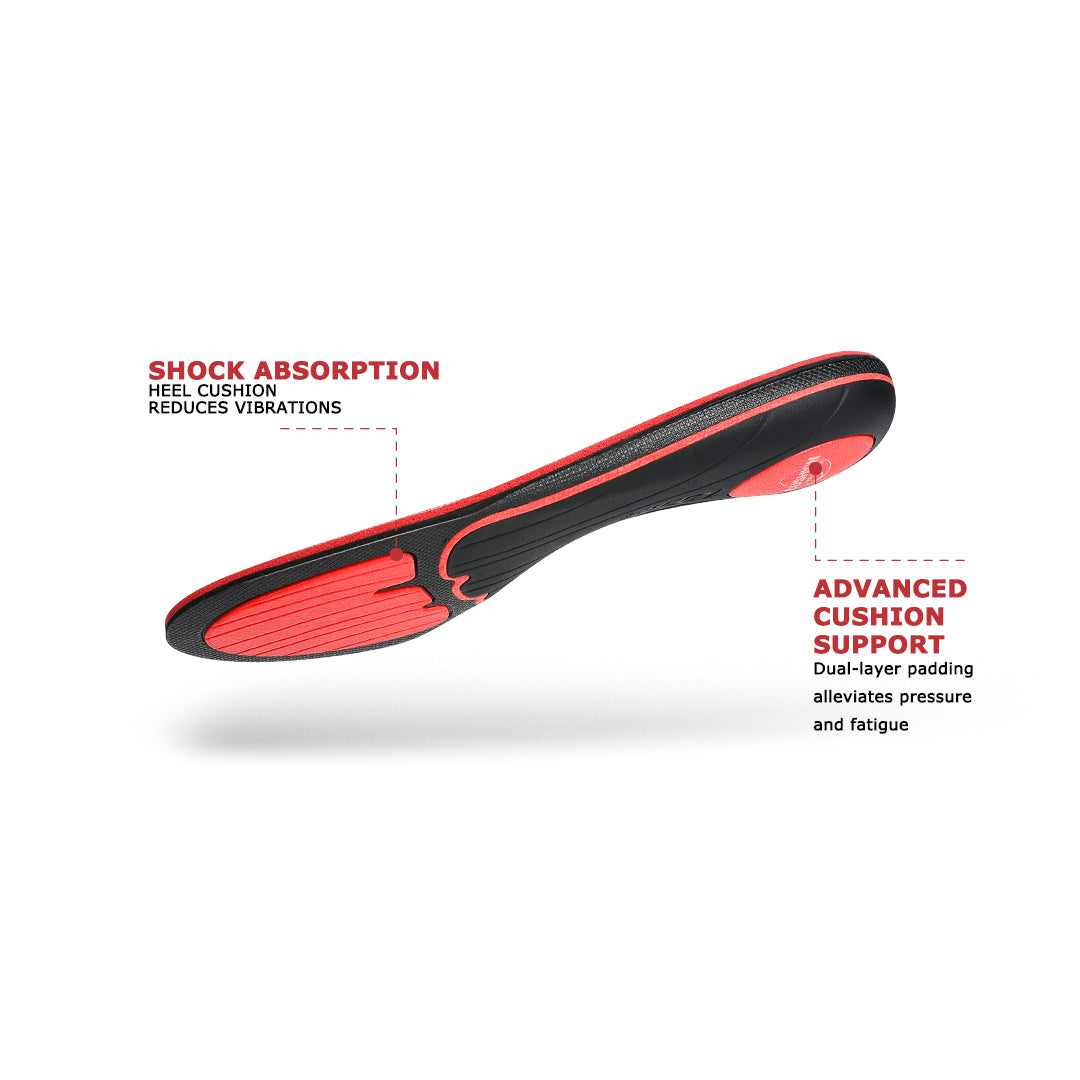
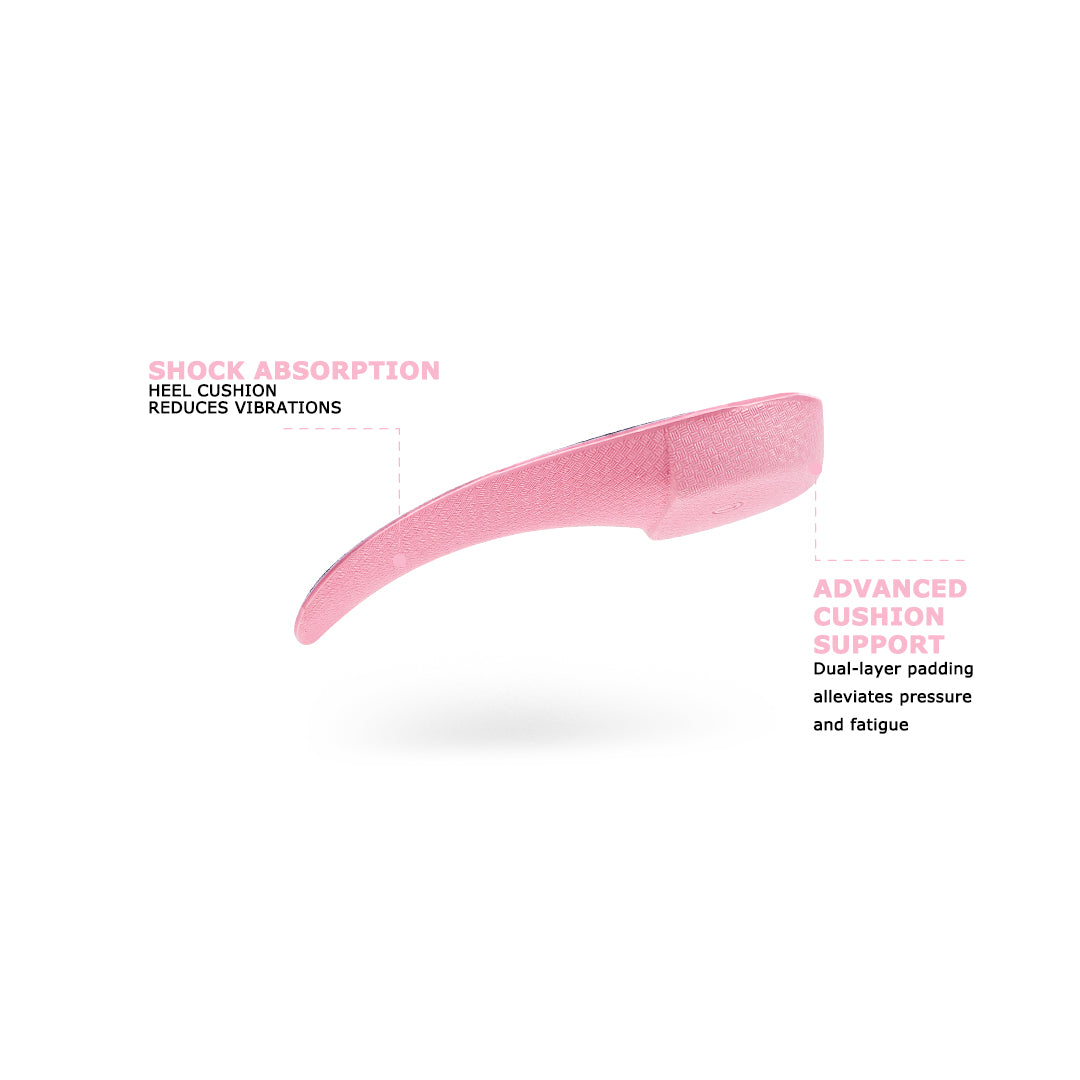
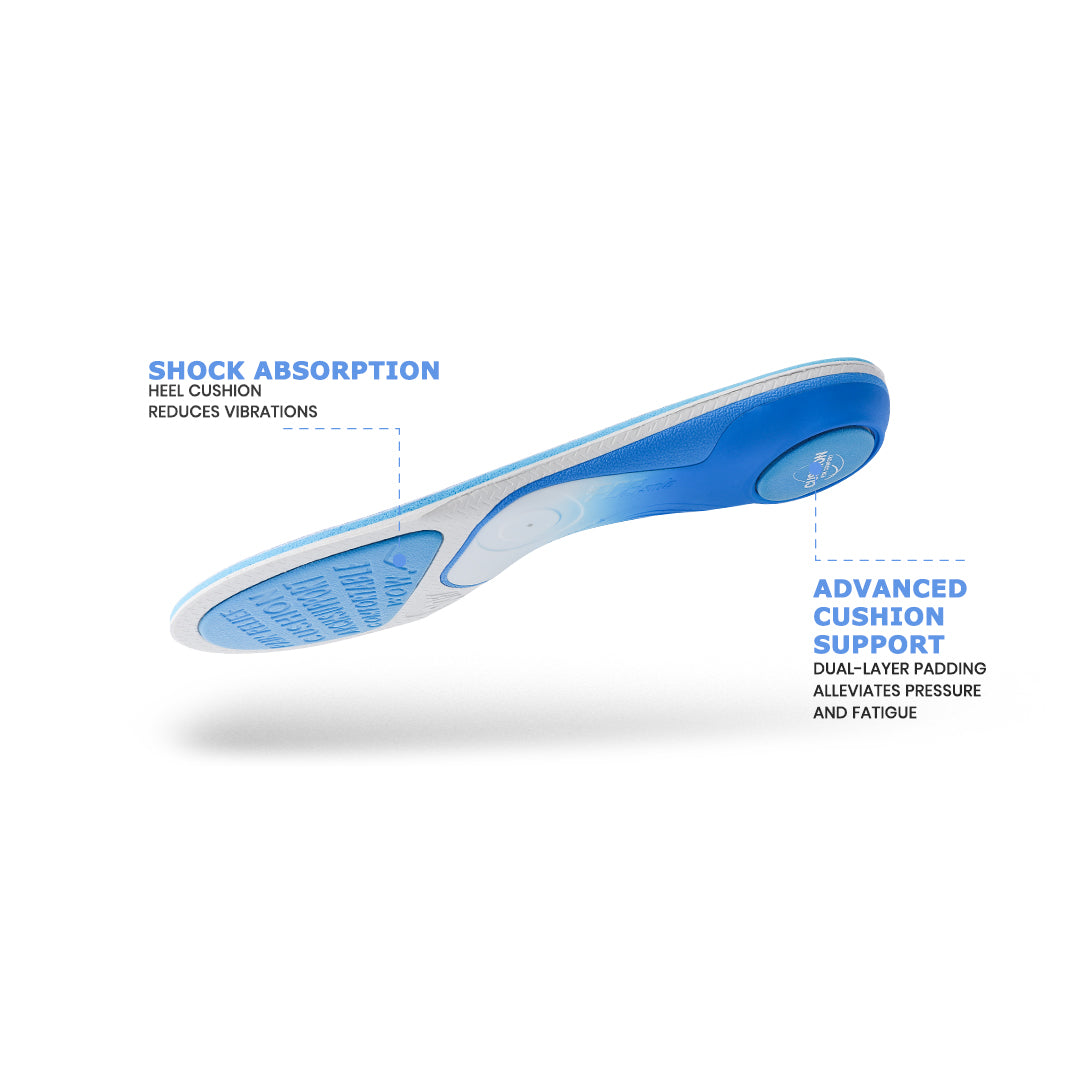
  • Stoßdämpfung & Stabilität – Dämpft Stöße, verbessert das Gleichgewicht und steigert die Leistungsfähigkeit bei alltäglichen Aktivitäten und beim Sport.
Kaufen Sie ein Paar

Real Foot Pain Relief

Jessica L., Verified Buyer | Nov 2025

These insoles relieved my plantar fasciitis pain within days. My feet have never felt more supported!

Daniel R., Verified Buyer | Dec 2024

These insoles have completely transformed my plantar fasciitis experience. Even better than my previous orthotics!

Emma K., Verified Buyer | Jul 2025

I used to struggle with chronic plantar fasciitis. Now, my feet are pain-free! PCSsole gave me my freedom back!

Häufig gestellte Fragen zu Einlegesohlen bei Plantarfasziitis

Helfen Einlegesohlen wirklich bei Plantarfasziitis?

Die PCSsole- Einlegesohlen mit Fußgewölbestütze basieren auf den biomechanischen Prinzipien der Orthopädietechnik und bieten eine starke, strukturierte Unterstützung des Fußgewölbes sowie eine tiefe Fersenkappe. Sie sind erschwinglich und kosten in der Regel nur einen Bruchteil von individuell angefertigten Einlagen. Klinische Studien belegen die Wirksamkeit einer festen Fußgewölbestütze bei der Behandlung von Plantarfasziitis.

Wird die Plantarfasziitis wieder verschwinden?

Eine Plantarfasziitis kann von selbst verschwinden, aber meistens wird sie das nicht.

Wirken die PCSsole-Einlegesohlen gegen Plantarfasziitis wirklich?

Viele PCSsole-Kunden berichten, dass ihre Schmerzen fast unmittelbar nach dem Einlegen unserer Einlegesohlen in ihre Schuhe nachließen. Sollten die Schmerzen nach mehrwöchiger Anwendung anhalten, konsultieren Sie bitte einen Podologen.

Wie lange halten PCSsole-Einlegesohlen?

PCSsole-Einlegesohlen werden mit einer 60-Tage-Zufriedenheitsgarantie geliefert. Wir ersetzen die Einlegesohlen kostenlos, falls sie beschädigt oder verformt werden.

Was sollte man morgens als Erstes bei Plantarfasziitis tun?

1. Rolle (Fußmassage/Aufwärmen)

2. Dehnen (Faszien und Waden verlängern)

3. Unterstützung (Der entscheidende erste Schritt)

Spezielle Behandlungsmethoden: https://pcssole.com/blogs/blog/plantar-fasciitis-like-walking-on-sharp-rocks Abschließend empfehlen wir die Verwendung von Fußgewölbestützen, um Schmerzen beim ersten Schritt am Morgen zu lindern.

The plantar fascia is the flat band of tissue (ligament) that connects your heel bone to your toes. It supports the arch of your foot. If you strain your plantar fascia, it gets weak, swollen, and irritated (inflamed). Then your heel or the bottom of your foot hurts when you stand or walk.

What are the symptoms of Plantar Fasciitis?

Plantar fasciitis can present as a sharp, stabbing pain in your heel the moment your foot hits the floor each morning, or as a dull ache that builds throughout the day after prolonged periods of standing or walking. You might feel it most intensely with those first steps after sitting, during a morning run, or after a full day on your feet at work.

How Long Does Plantar Fasciitis Last?

If you're experiencing foot pain called plantar fasciitis, it may take a while to feel better. This condition can last for at least 12 weeks or even up to 4-6 months.

How to Cure Plantar Fasciitis in One Week?

Curing plantar fasciitis in one week requires a multifaceted approach that includes rest, stretching exercises, and proper footwear. Supportive insoles, such as PCSsole’s, are a crucial component of this strategy, providing shock absorption, arch support, corrective alignment, and overall comfort.

By following these tips and incorporating PCSsole insoles into your daily routine, you can experience rapid relief from plantar fasciitis and take significant strides towards a pain-free future.

Plantar Fasciitis Massage You Can Do Yourself

Here are several massage methods that are easy to try at home or with a therapist: Thumb Press Technique

  • Sit down and place your foot on the opposite thigh.
  • Use both thumbs to press along the arch, moving from heel to toes.
  • Apply firm but gentle pressure.
  • Repeat for 2-5 minutes daily.

Heel Compression Massage

  • Use your thumbs to apply circular pressure around the heel.
  • Focus on the sore spots near the bottom of the heel.

Knuckle Rolling

  • Make a loose fist.
  • Use your knuckles to roll along the bottom of your foot in slow motion.
  • This is great for breaking up tissue tension in the arch.

Tennis Ball or Frozen Water Bottle Roll

  • Place a tennis ball or frozen water bottle under your foot.
  • Roll back and forth for 5-10 minutes.
  • The cold from the bottle helps reduce inflammation.

Massage Tools & Devices

  • Use massage rollers, spiky balls, or electric massagers.
  • These help maintain consistent pressure and can be used while seated or standing.

SafetyTips for Massage

  • Avoid applying deep pressure to inflamed or bruised areas.
  • Don’t massage if you have open wounds or infections.
  • Limit sessions to 10 minutes per foot.
  • Stop immediately if pain worsens.
  • Pregnant individuals or those with circulatory conditions should consult a doctor first.

What's the Worst Thing You Can Do for Plantar Fasciitis?

Don’t Delay Treatment. 

Putting off treatment, including physical therapy, dry needling, or other treatment options, can increase the severity of plantar fasciitis symptoms. The sooner you seek care, the sooner the pain can improve.

Wearing the Wrong Shoes 

Poor-quality shoes without arch support are often a culprit for worsening plantar fasciitis. This band of tissues needs support in the arch, in particular. It’s important to highlight that wearing improperly sized shoes or shoes that force you to walk predominantly on the front part of your foot—whether they are flat shoes or high heels—can exacerbate this pain.

High Impact Exercises

High-impact exercises, such as running on hard surfaces, can worsen plantar fasciitis by subjecting the inflamed tissues to excessive stress and strain. The repeated impact and pressure on the heel during activities like running may intensify inflammation and contribute to prolonged discomfort.

Skipping Stretches

Skipping stretches before and after exercise can worsen plantar fasciitis. Because our muscles tense up during exercise, stretching helps maintain the elasticity of the plantar fascia, preventing it from becoming overly tight and prone to inflammation. Neglecting stretches can lead to increased stiffness, heightened discomfort, and a slower recovery process for individuals dealing with plantar fasciitis.

Best Insoles for Plantar Fasciitis

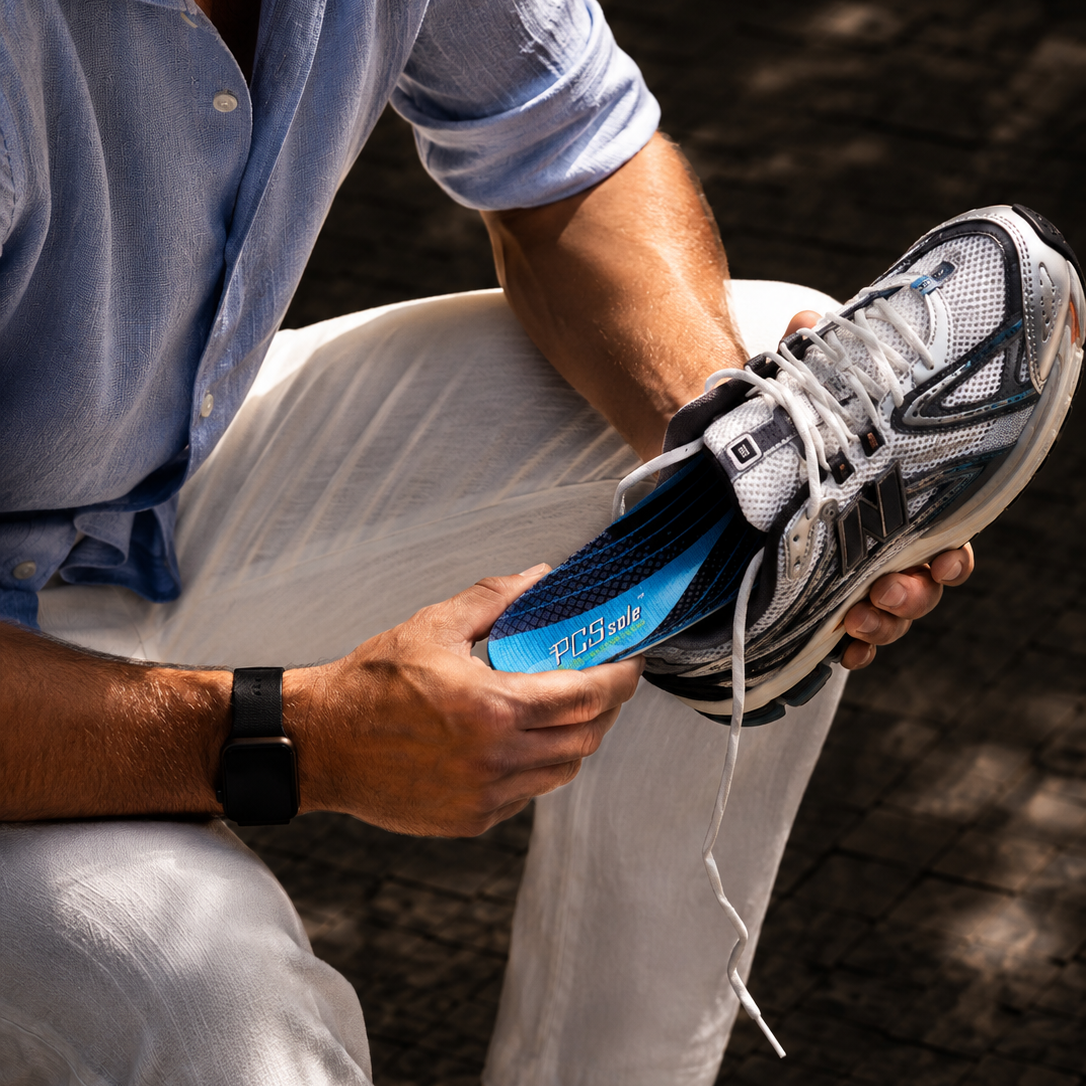
  • Choose insoles that resemble your foot shape
  • Test different firmness levels
  • Ease into new insoles
  • Don’t think of insoles as a cure

Individuals differ, and plantar fasciitis typically results from multiple causes. Therefore, your foot is only a piece of the puzzle when treating it.

Predicting whether insoles will work for you depends on the root causes of your specific case of plantar fasciitis.

For example, if your foot arch requires more support, you may respond well to a firmer supportive insole. But if your fat pad is a little thin, then a softer gel insole may work better for you.

On the other hand, if your plantar fasciitis is unrelated to your foot function, orthotics probably won’t help you. No matter what type you choose.

Not sure which insoles are right for your feet and footwear? Take the PCSsole Insole Finder Quiz to find your perfect pair.

Best Sandals to Wear with Plantar Fasciitis

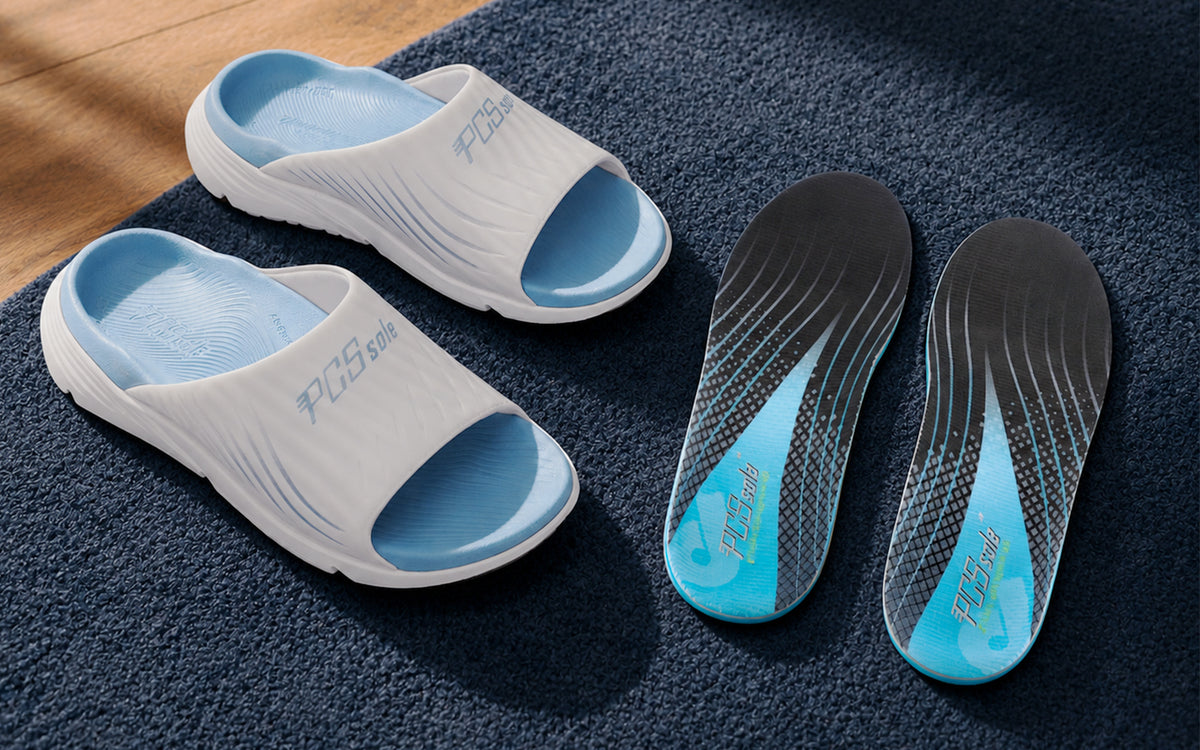
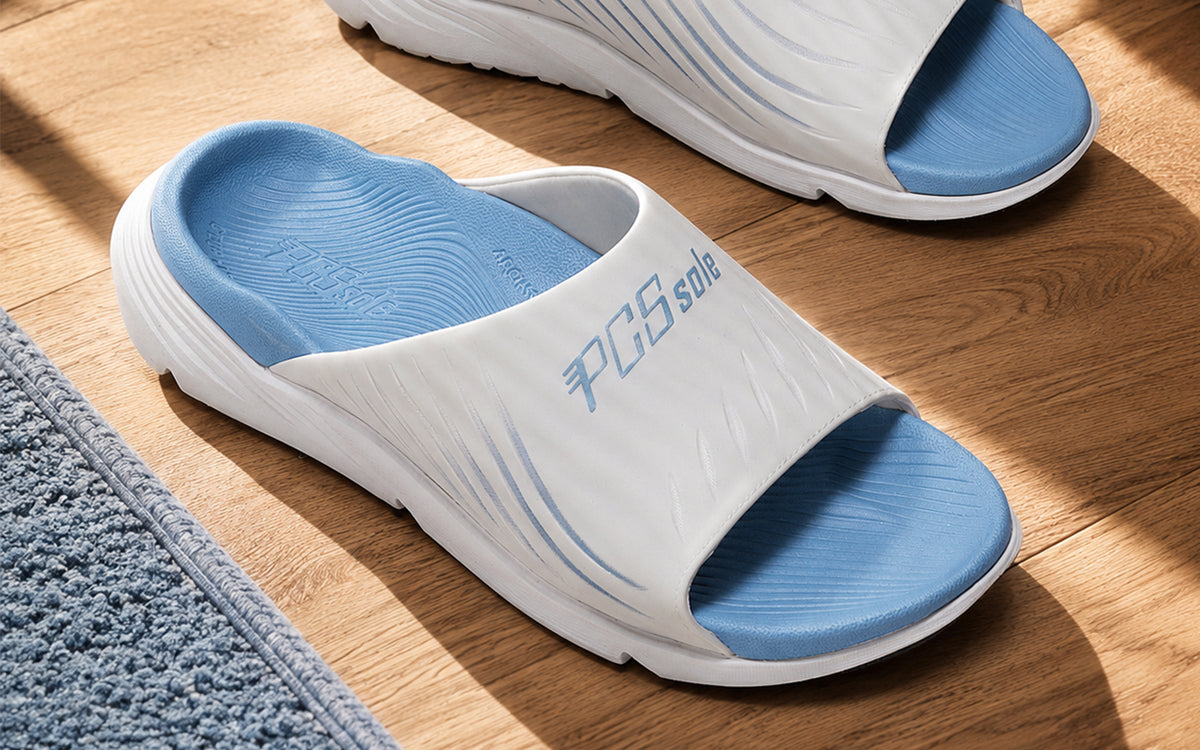
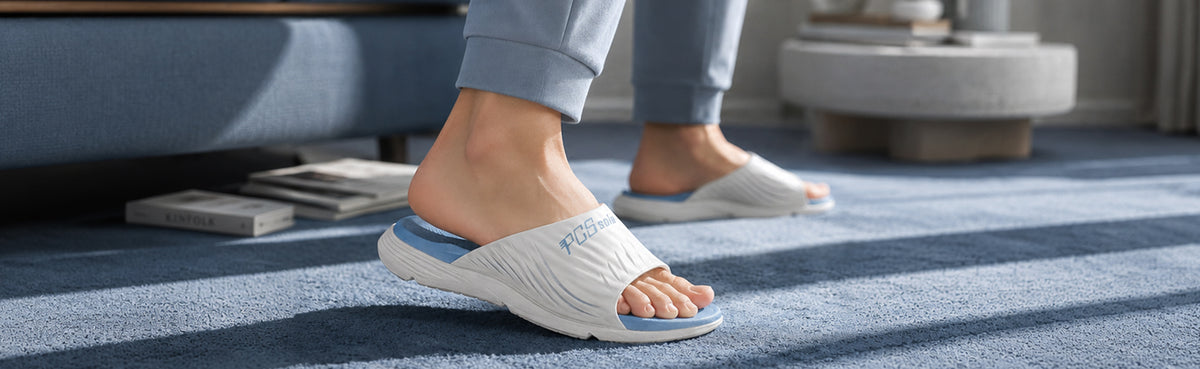
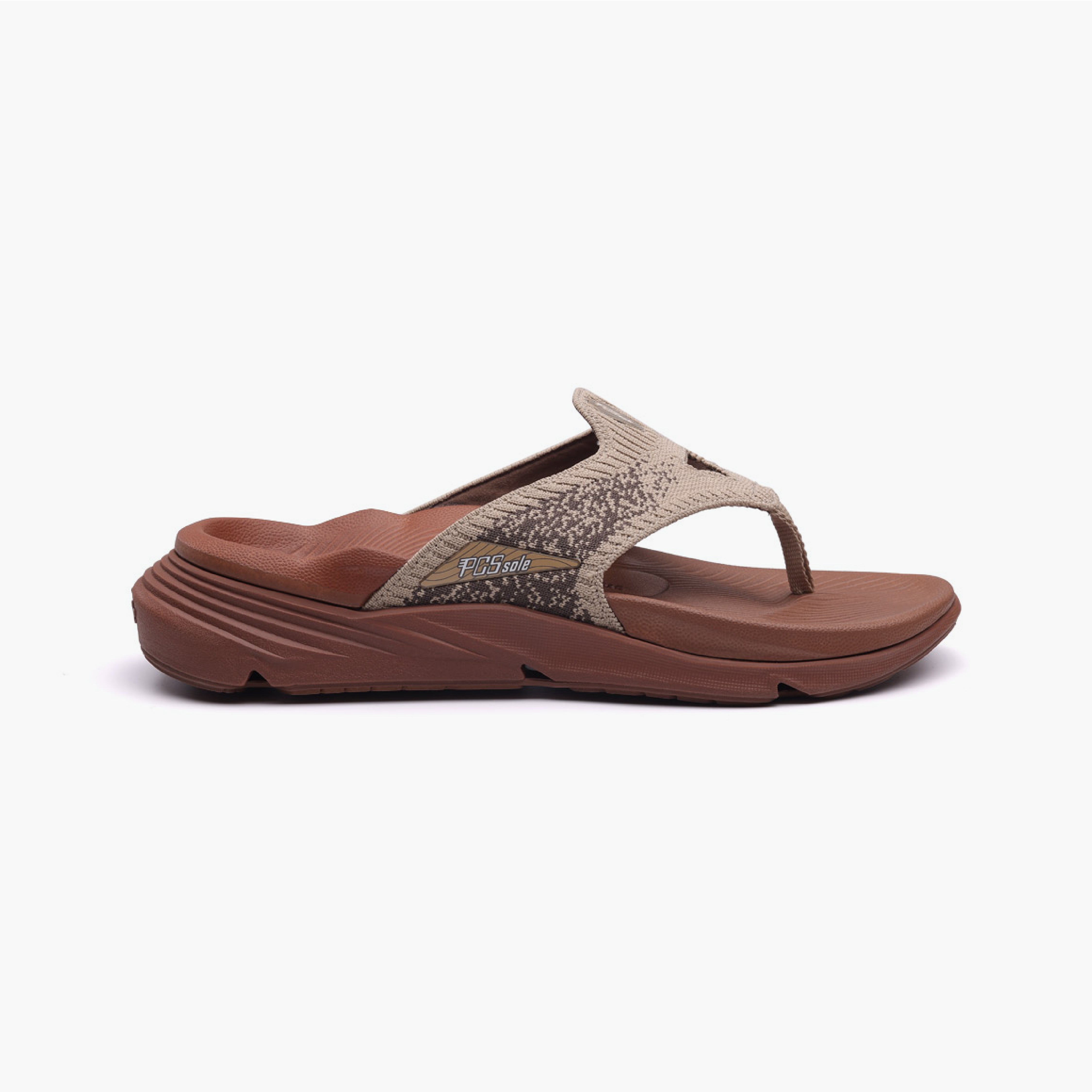
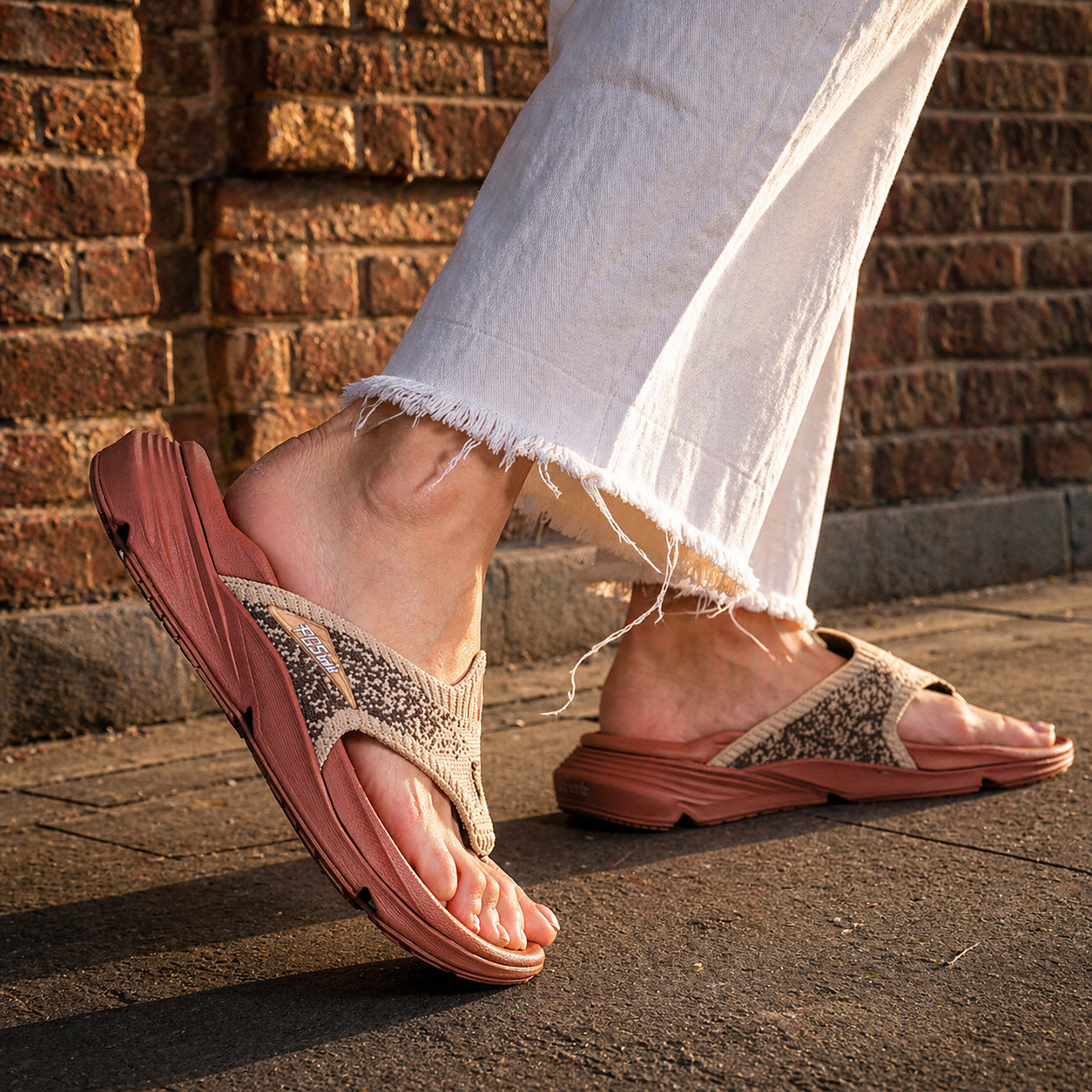
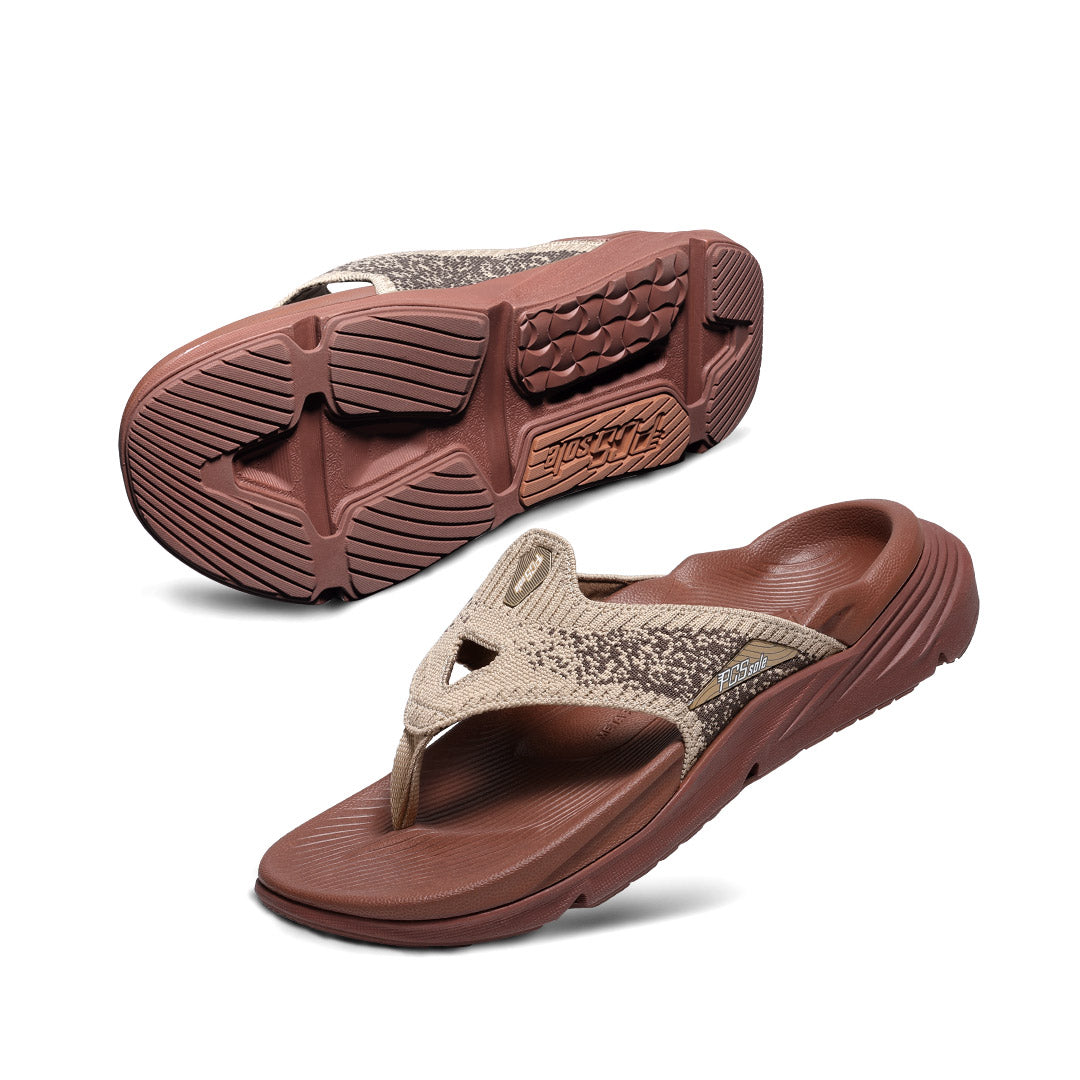
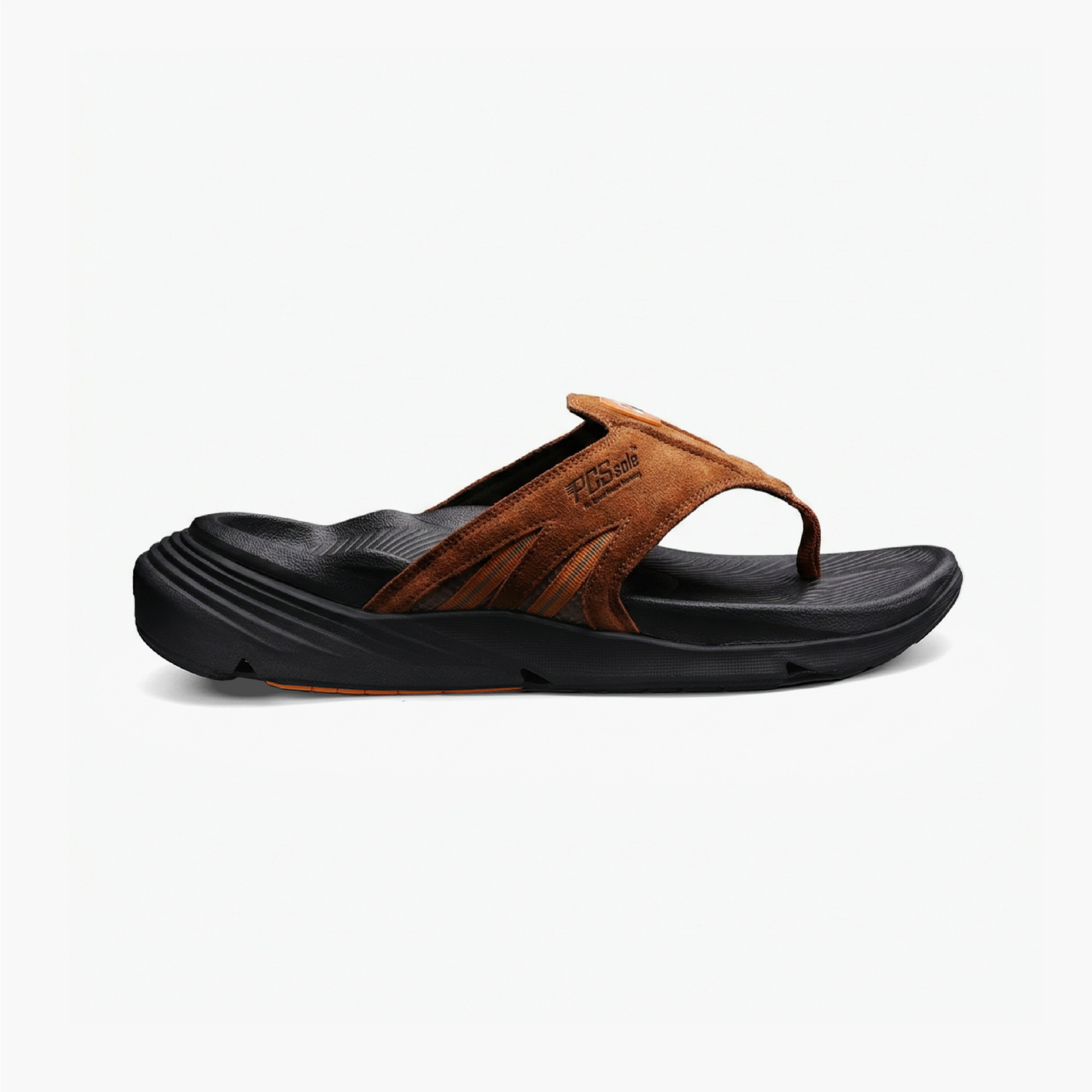
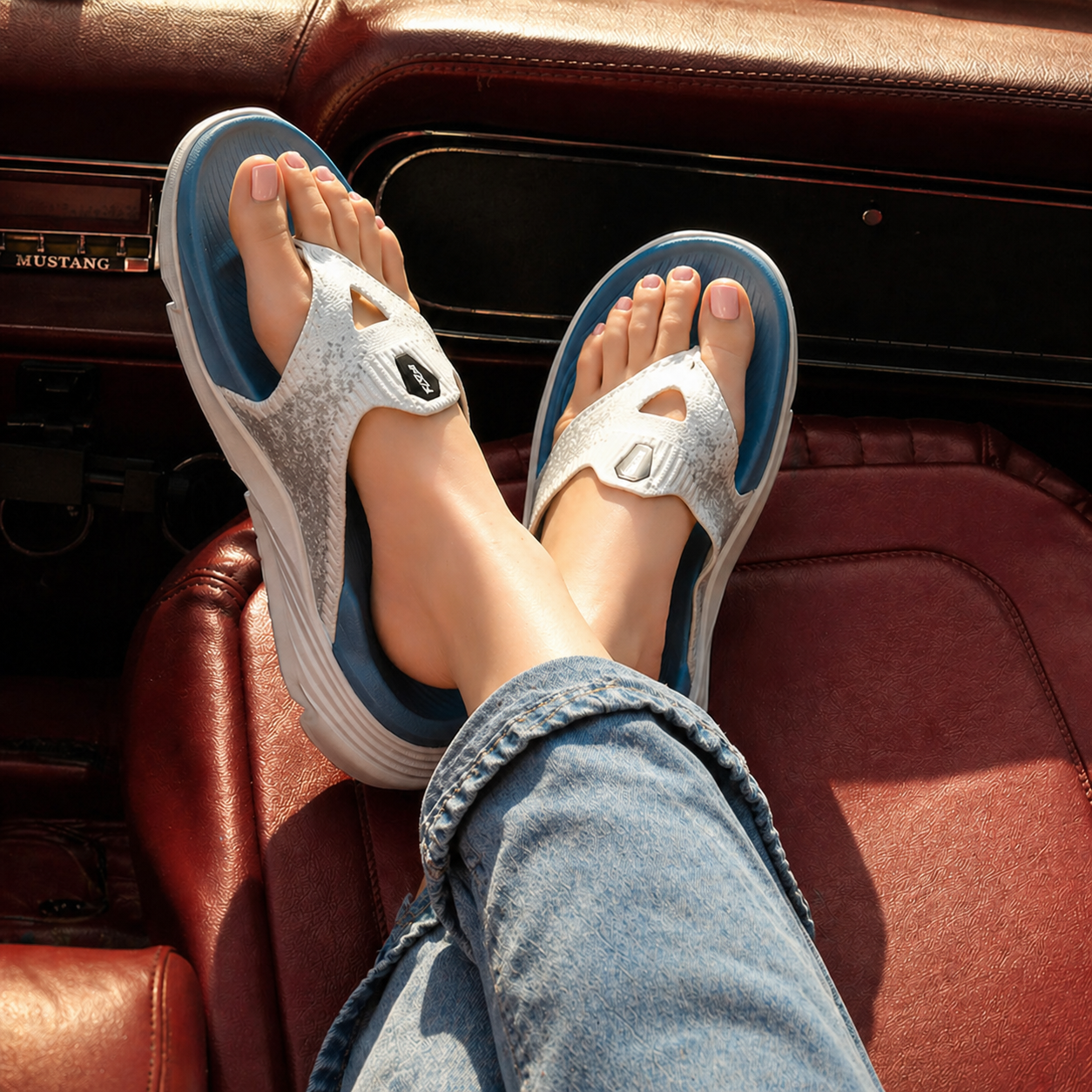
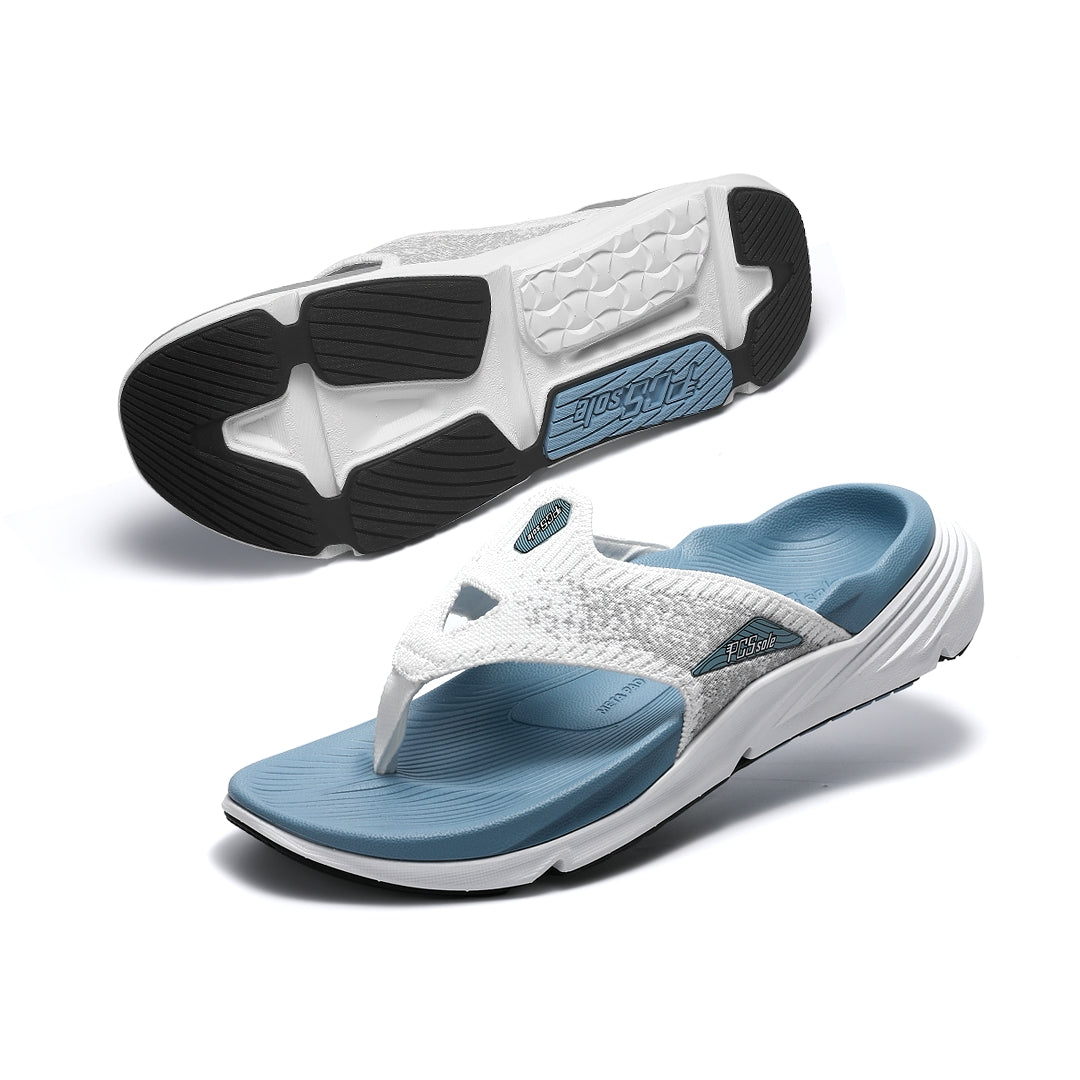
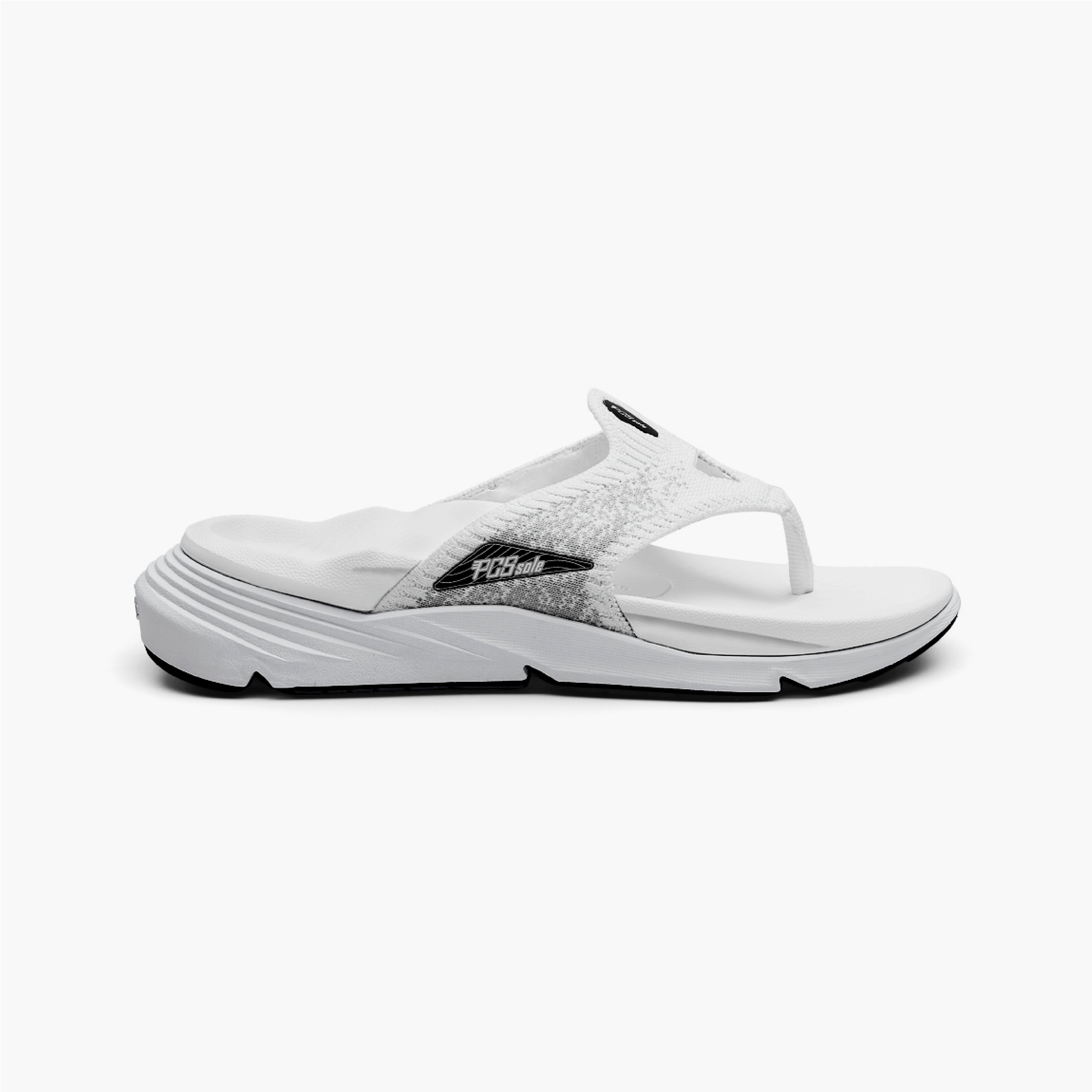
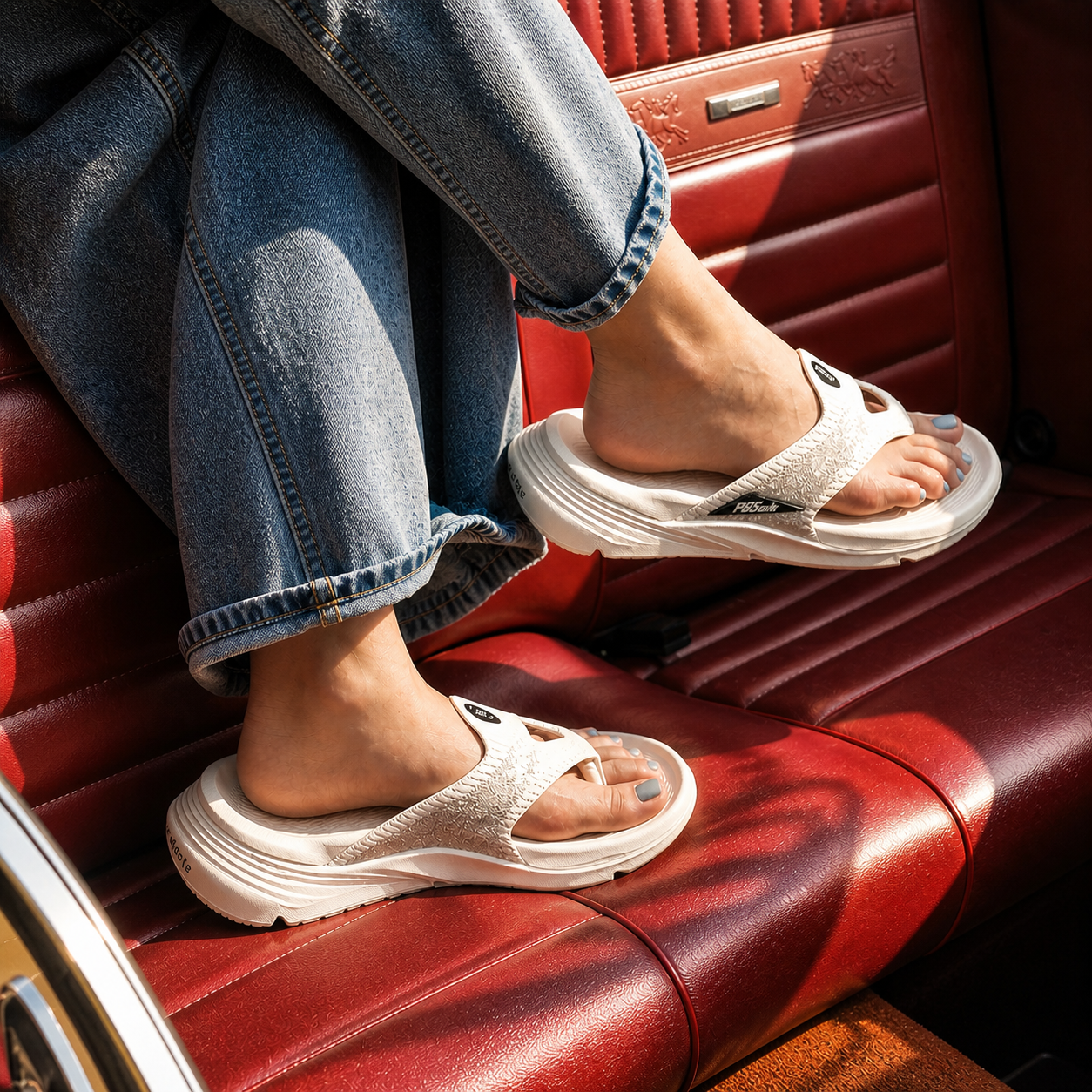
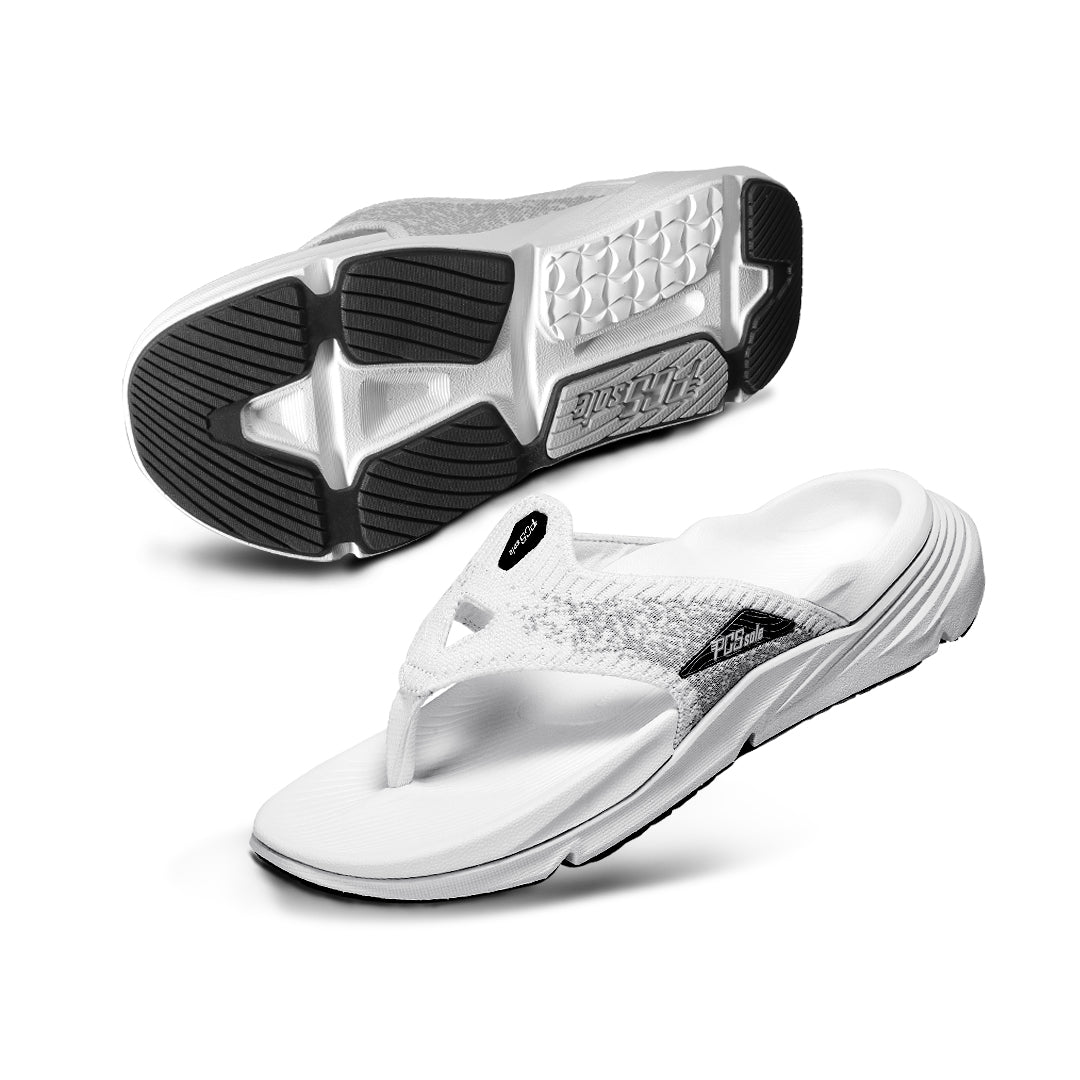
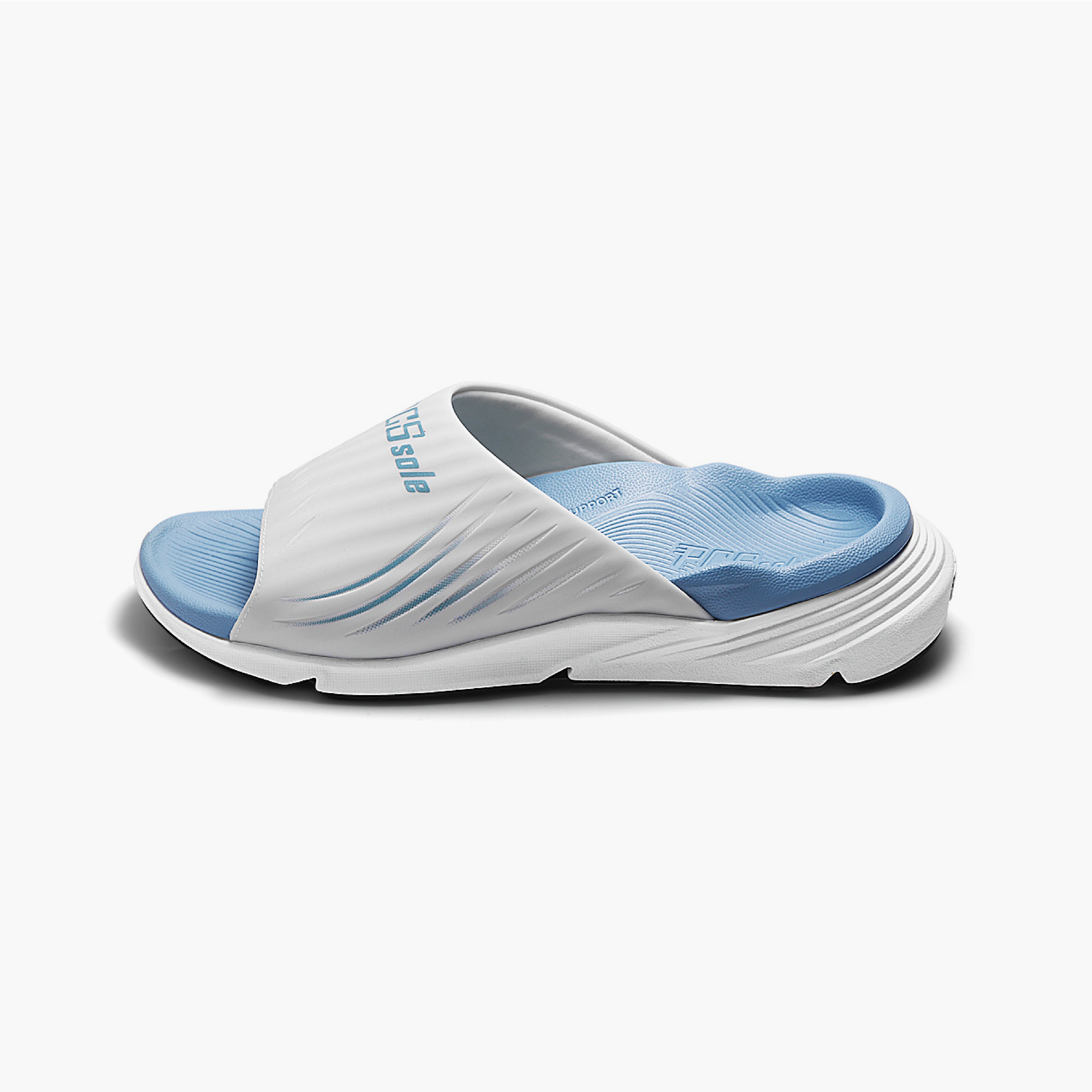
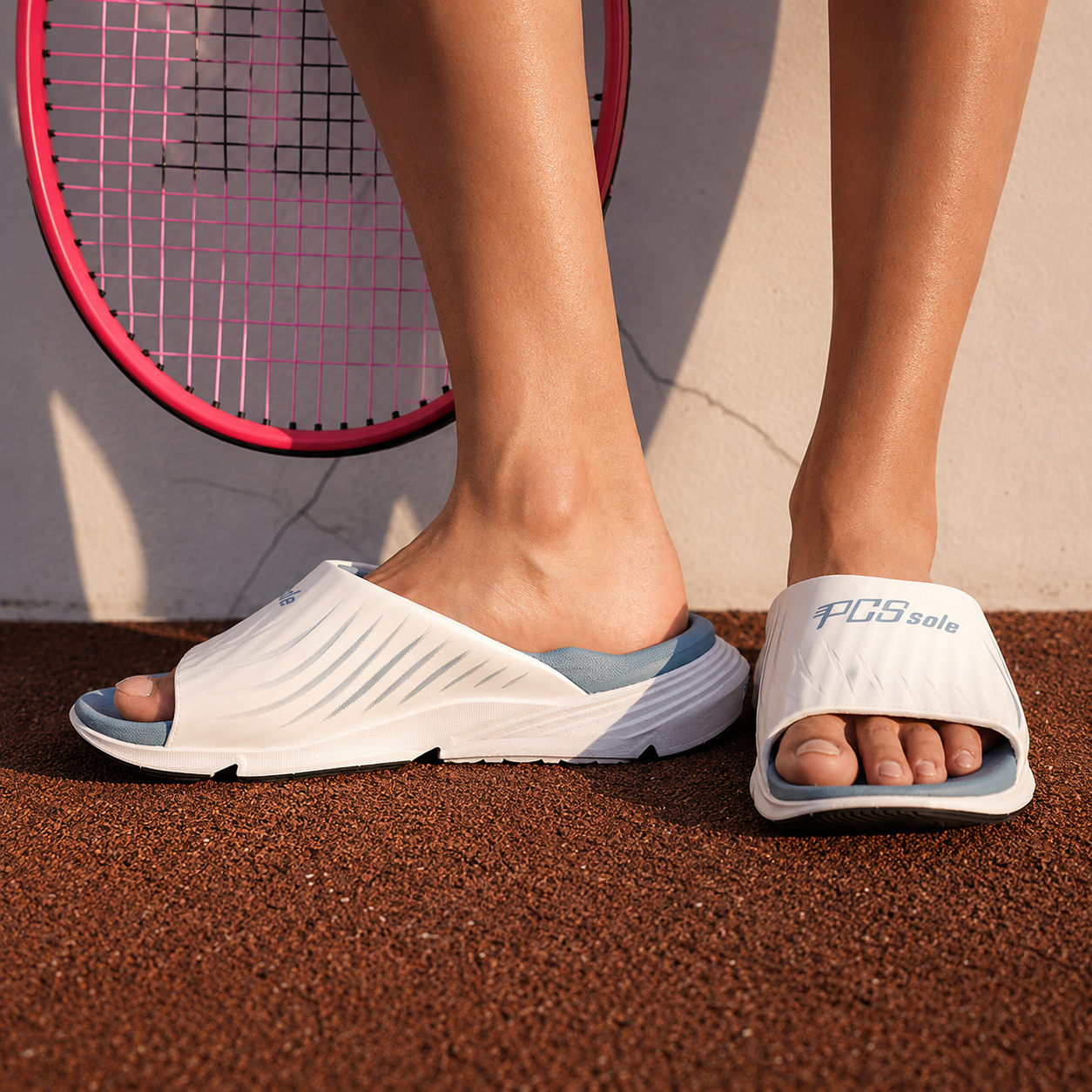
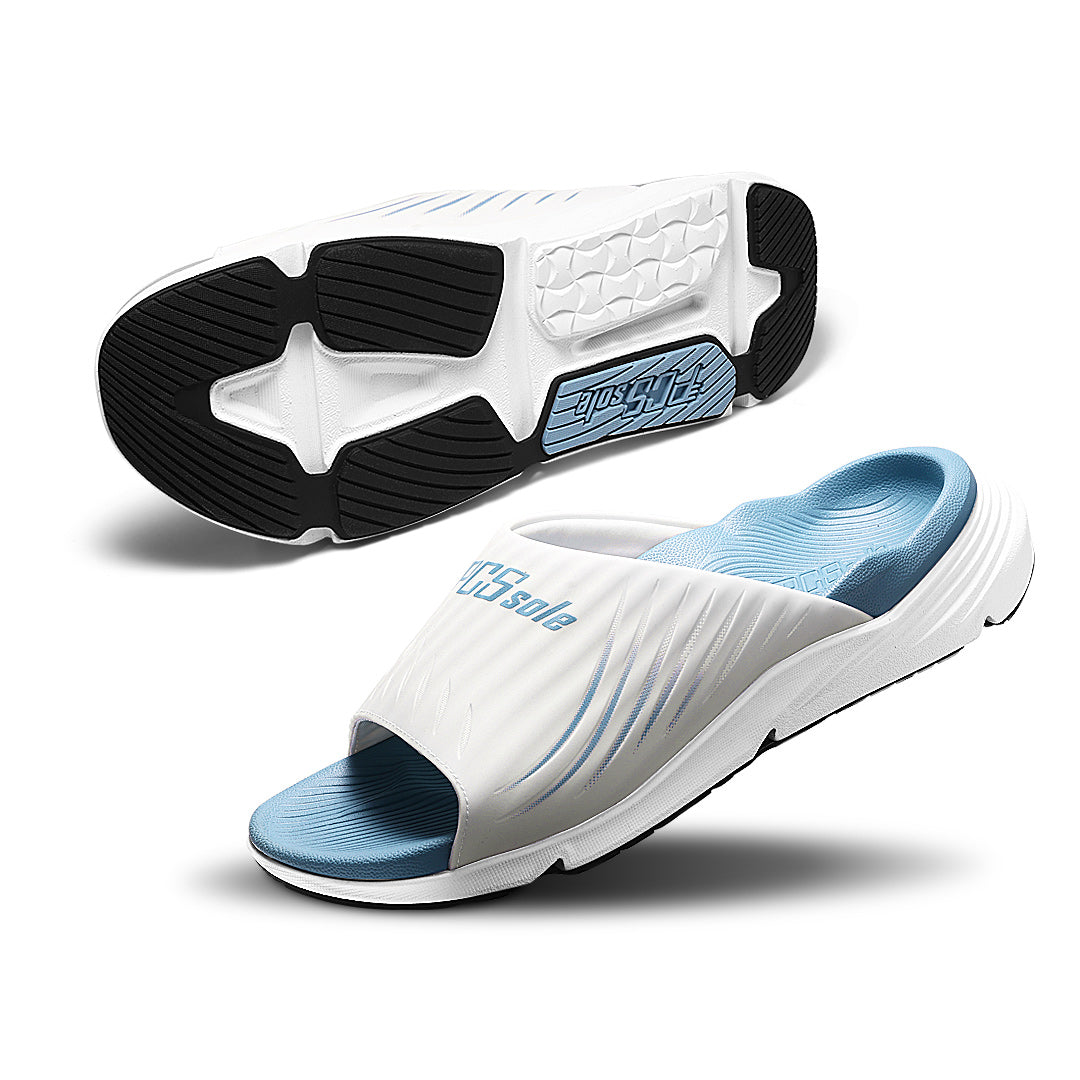
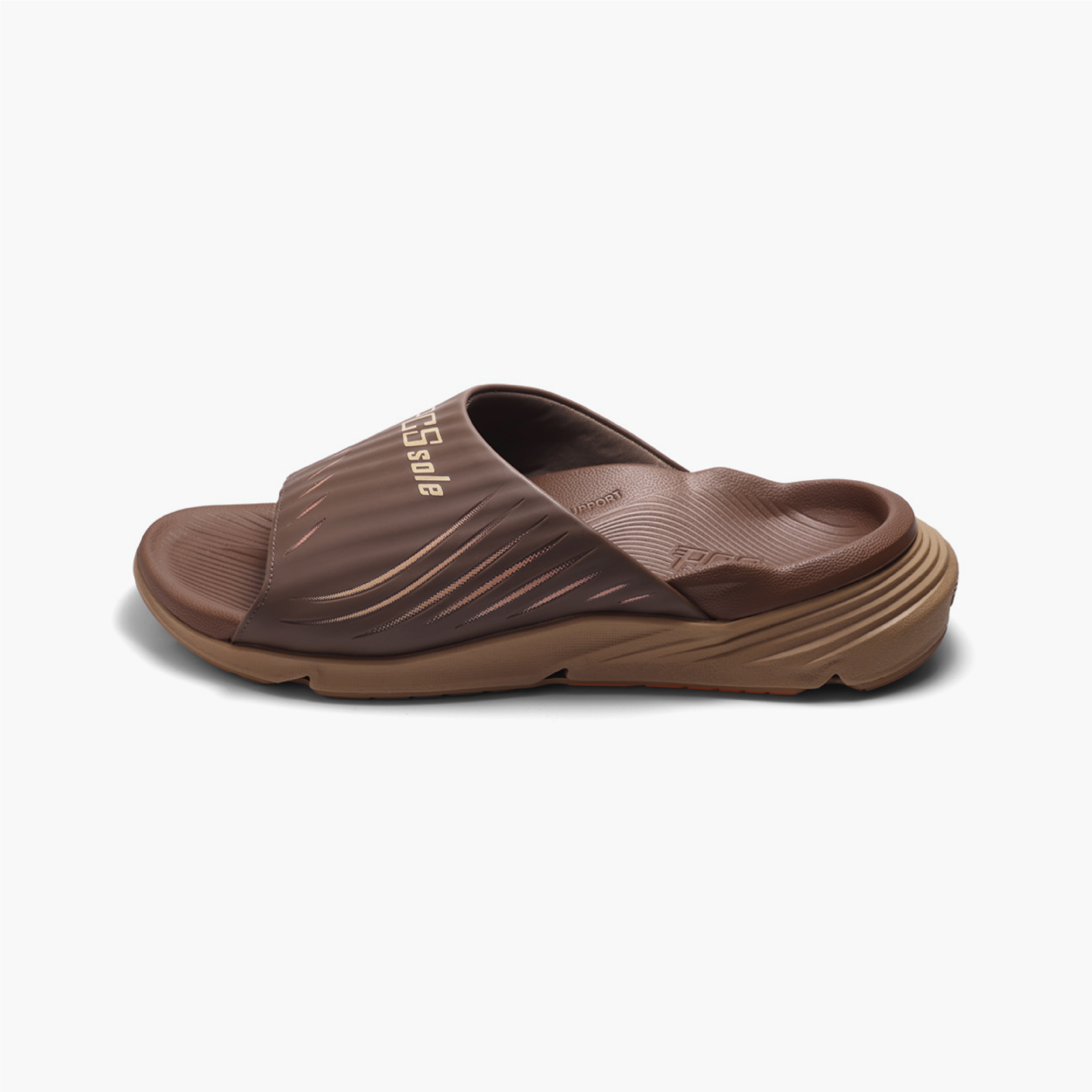
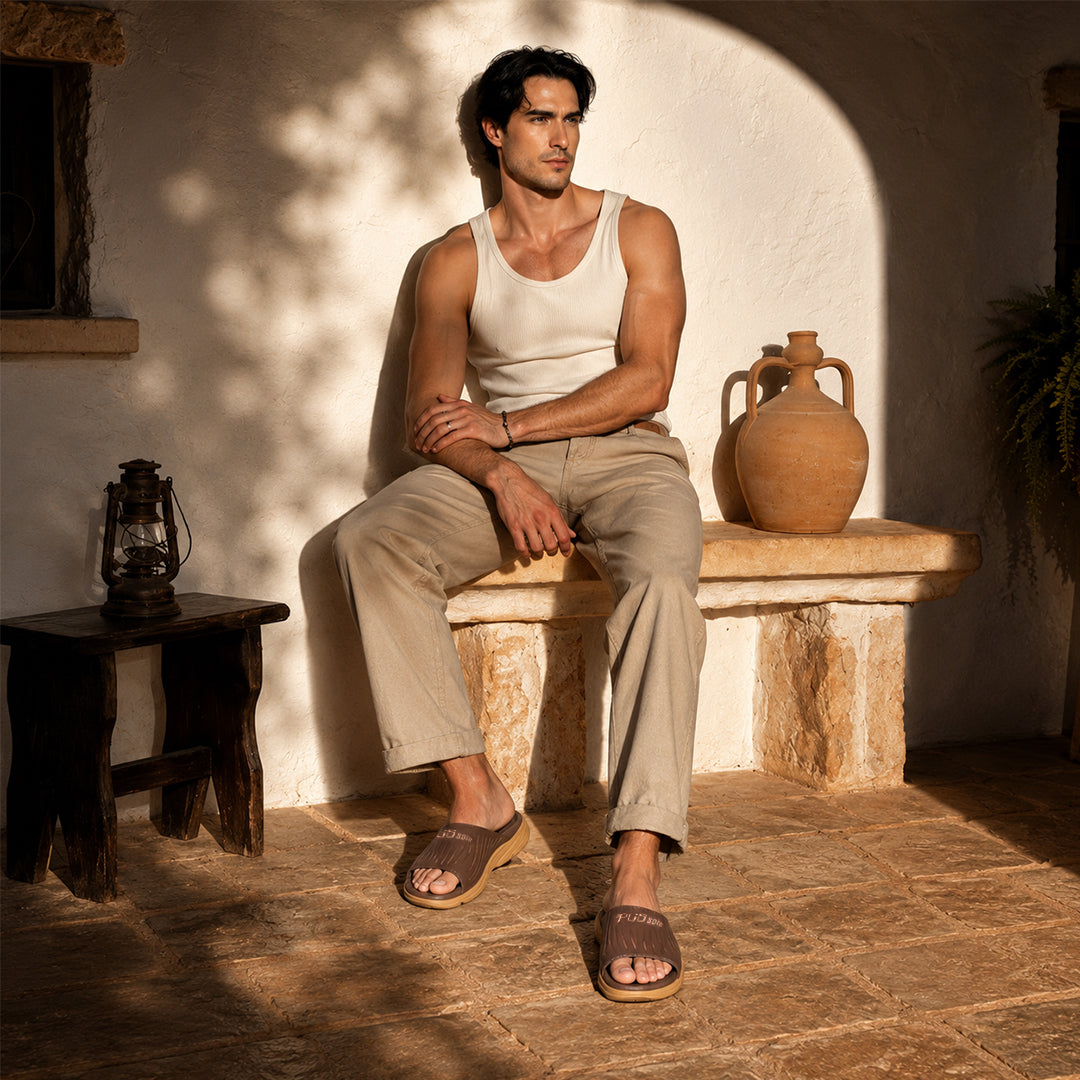
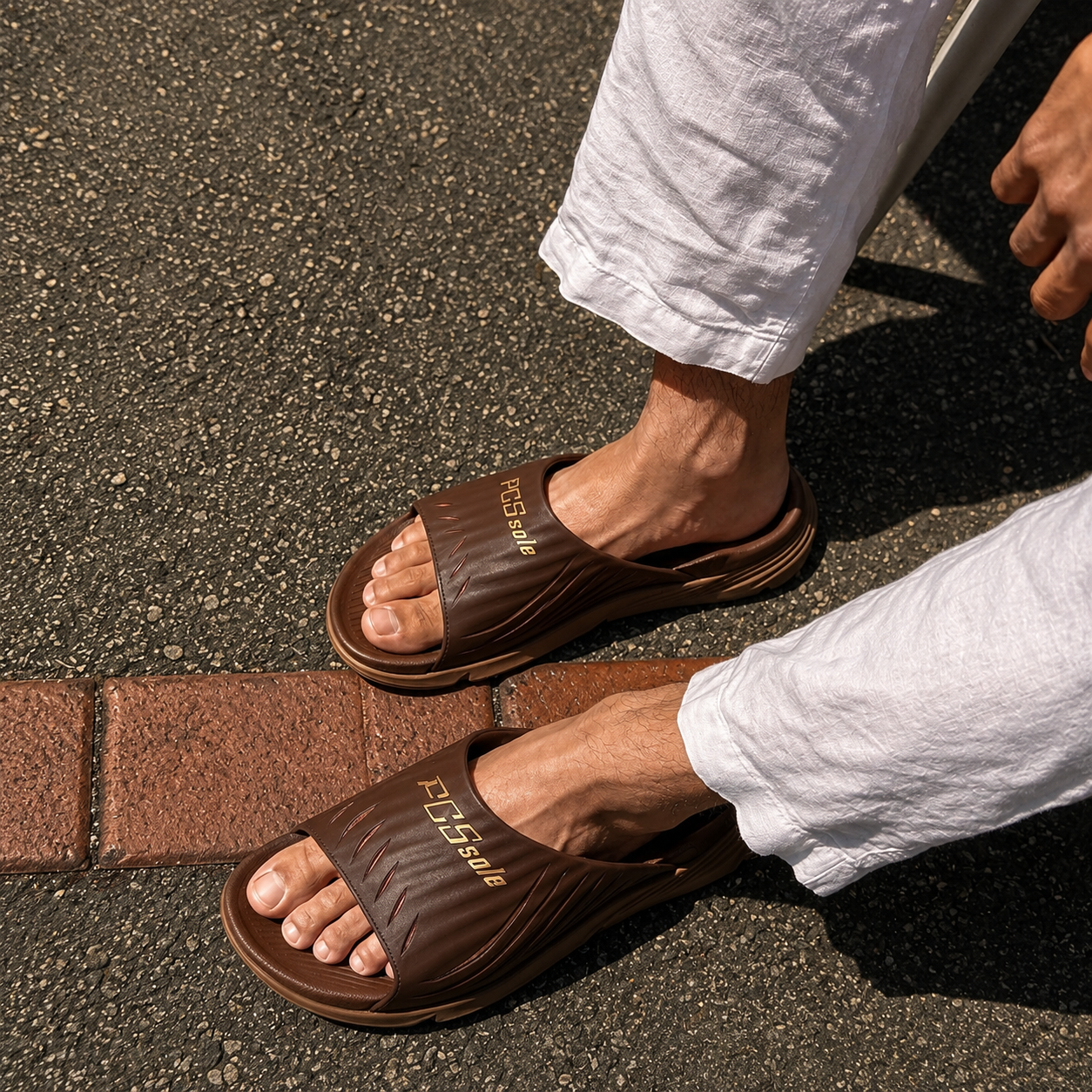
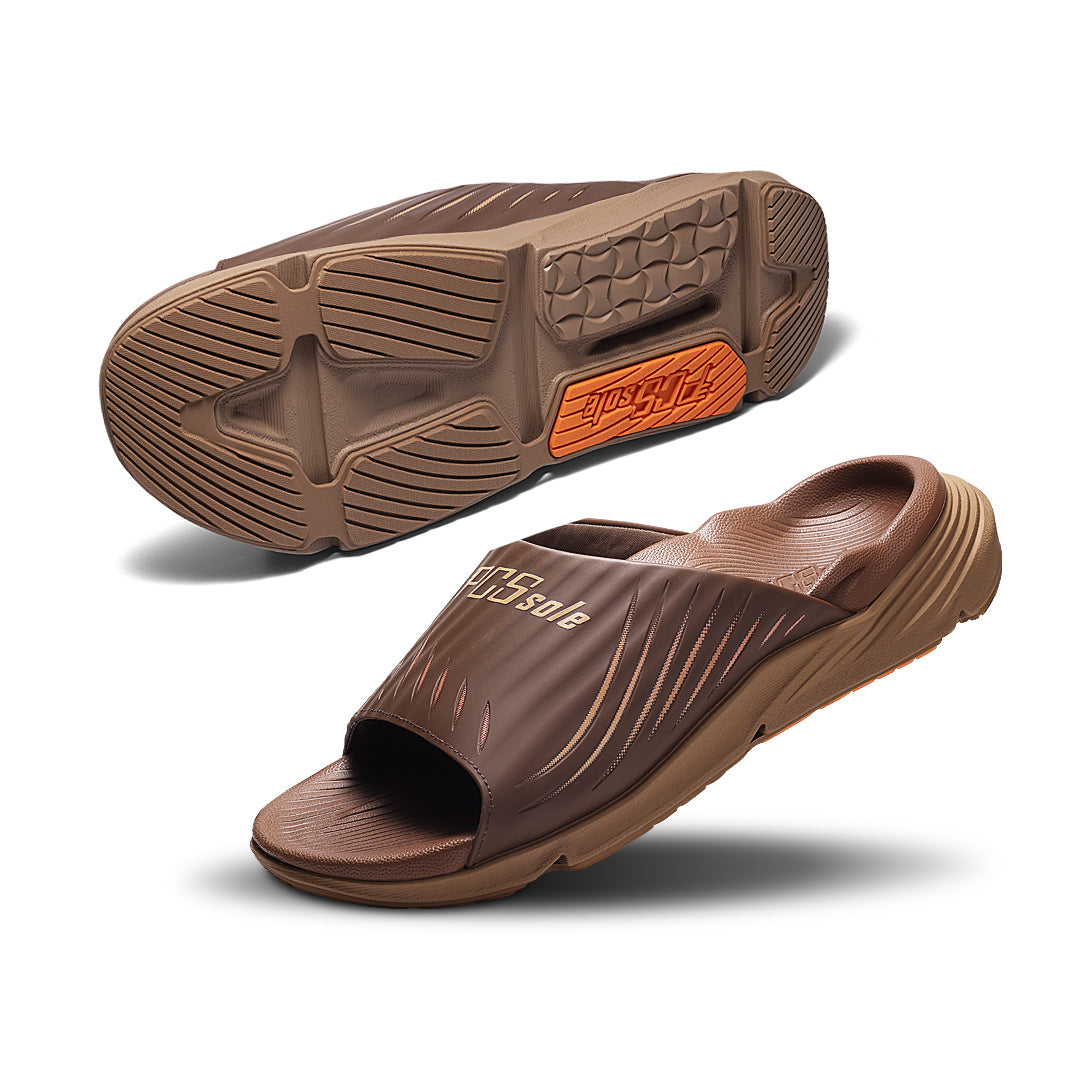
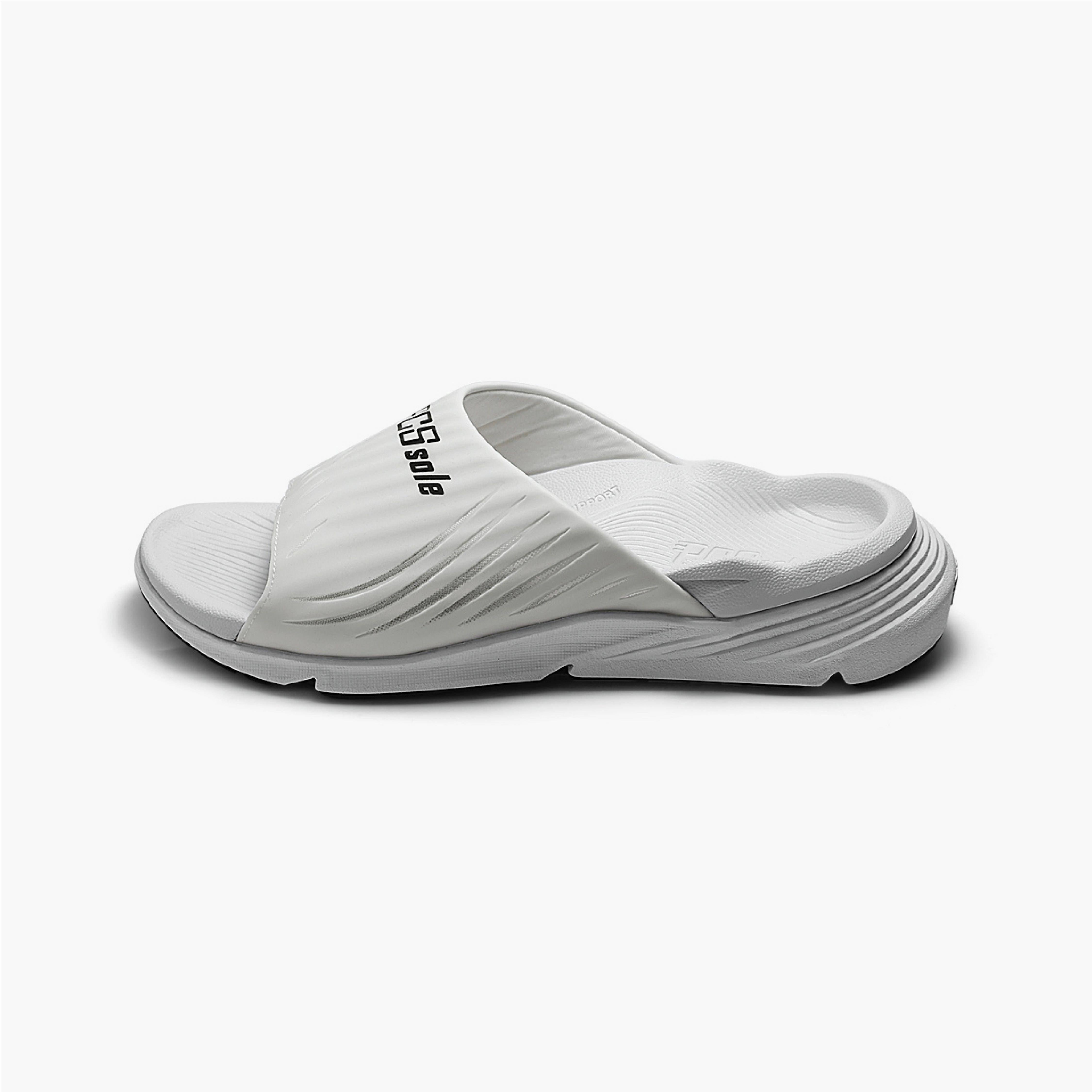
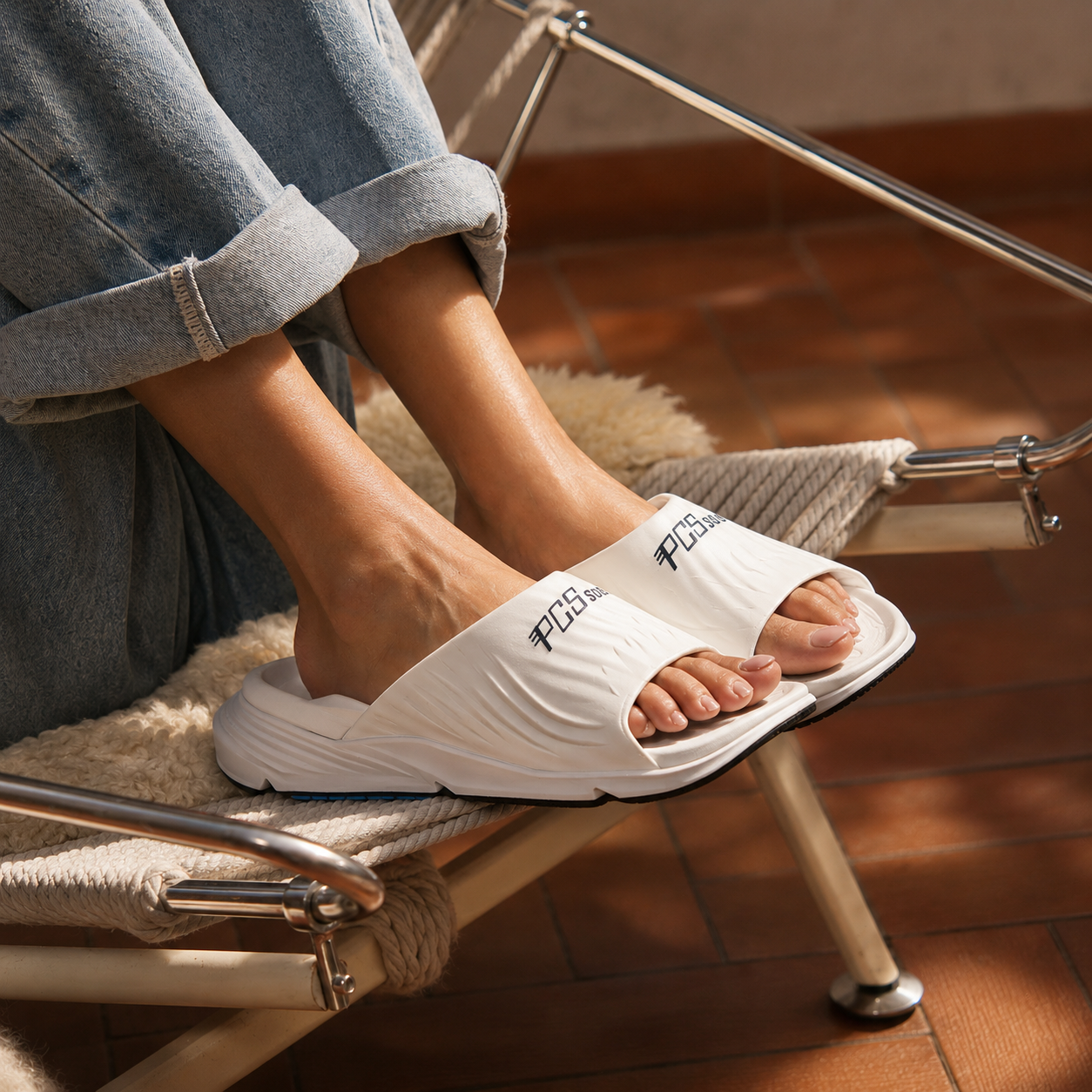
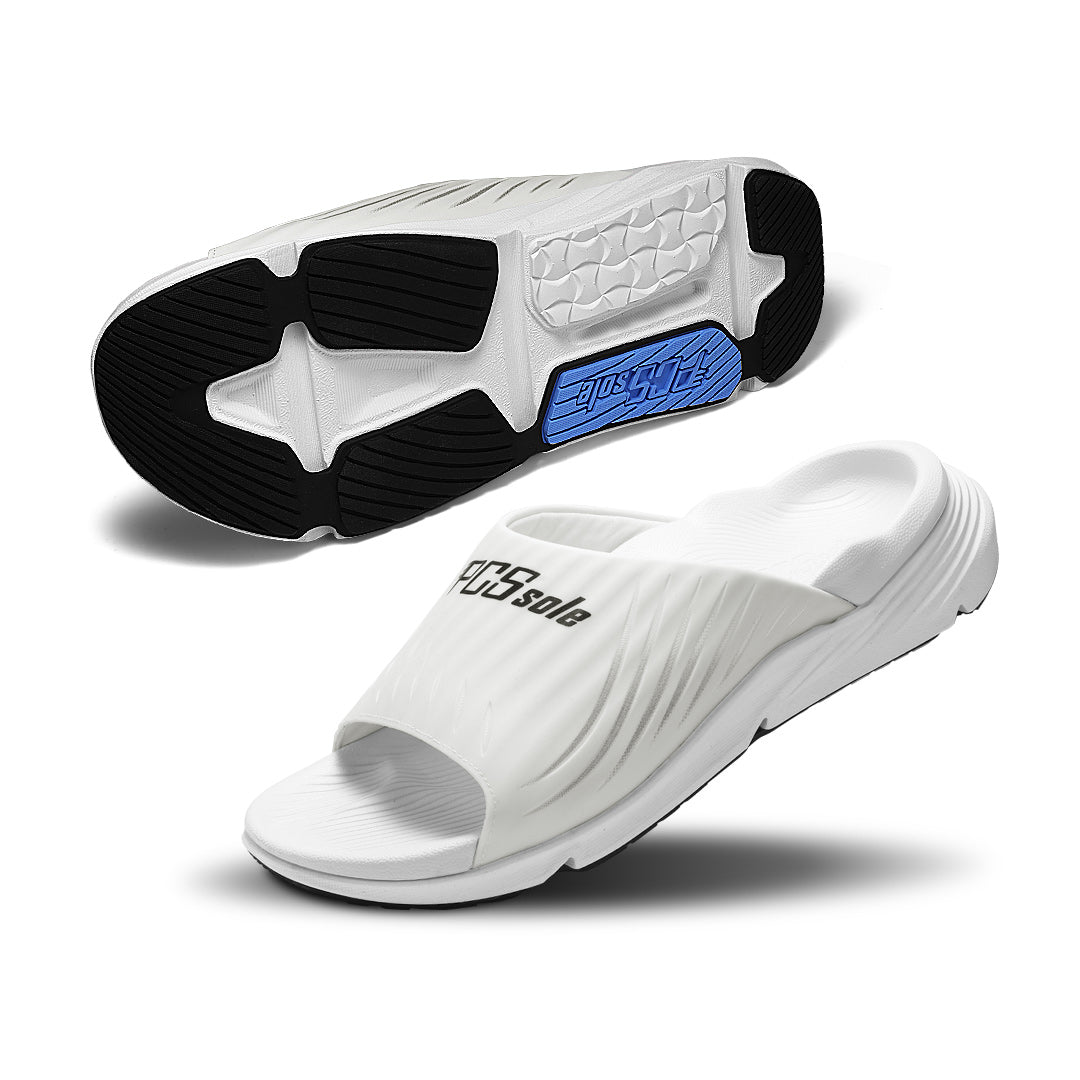
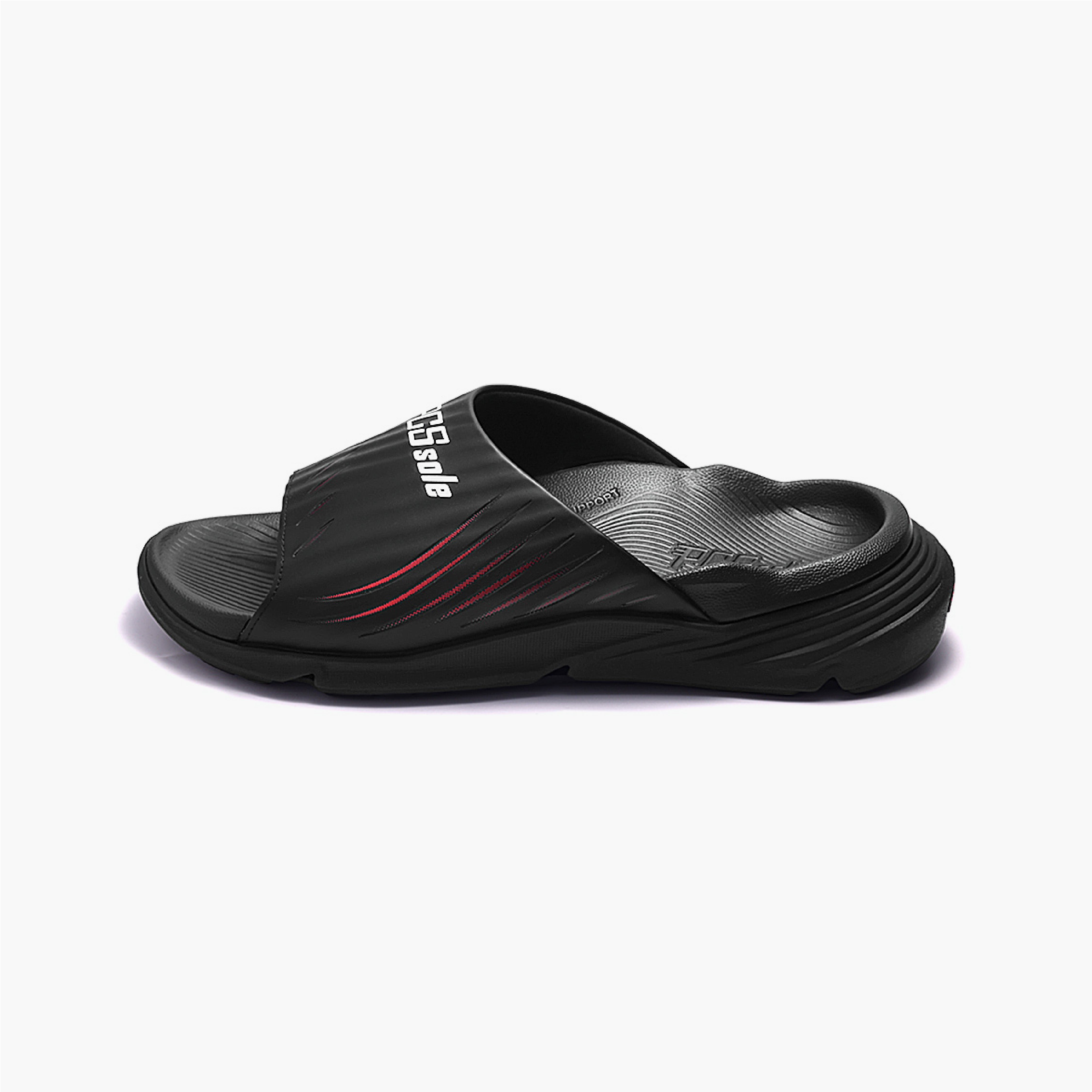
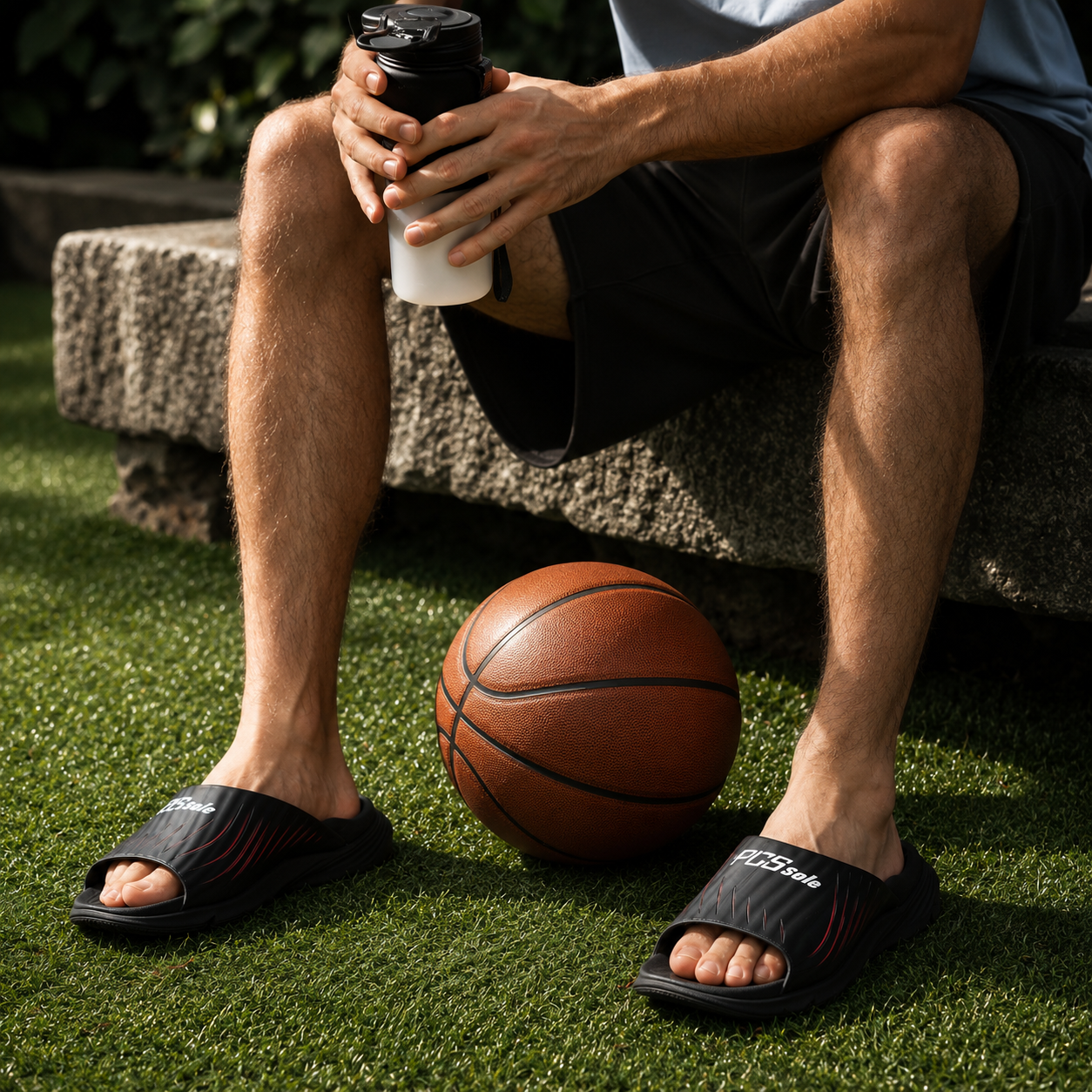
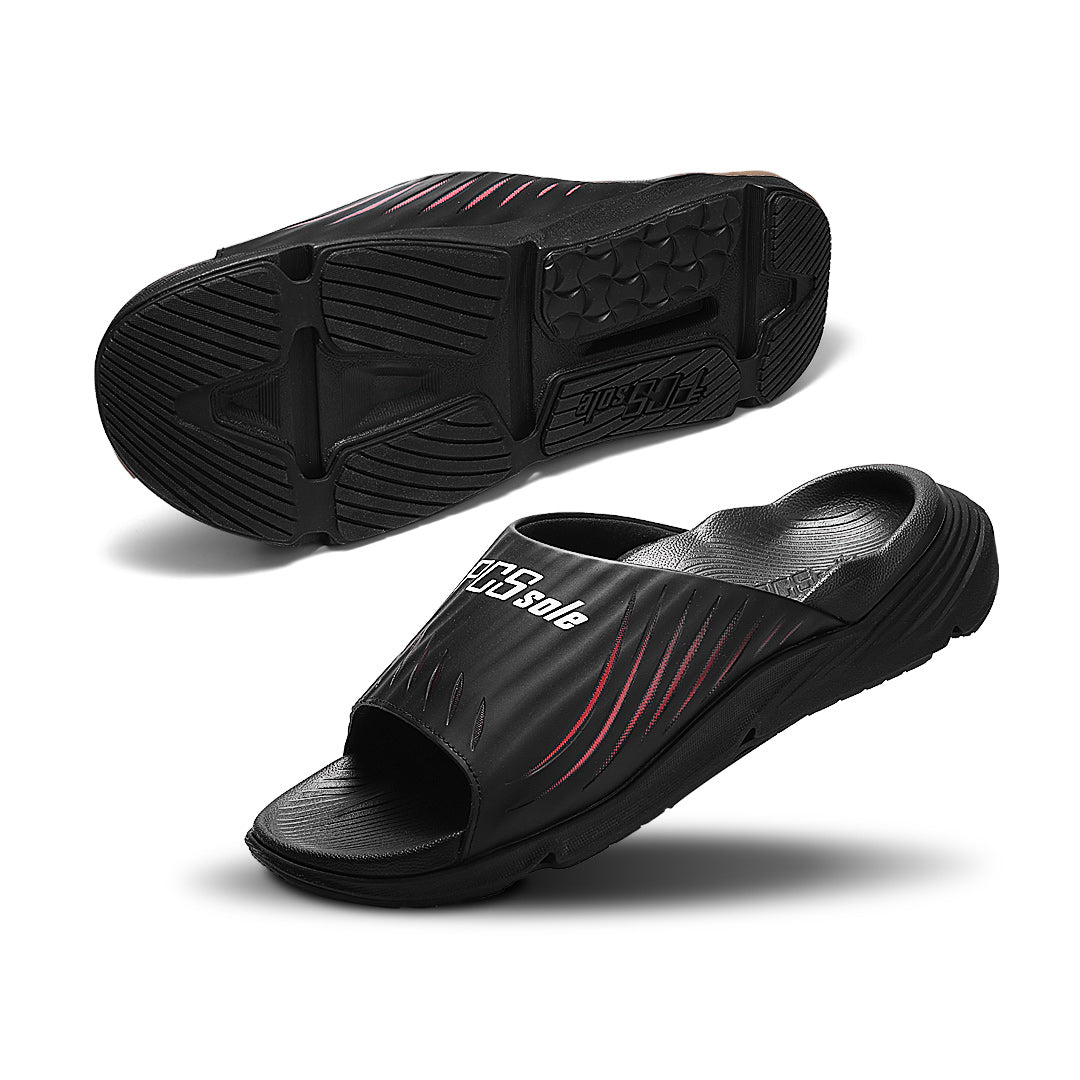
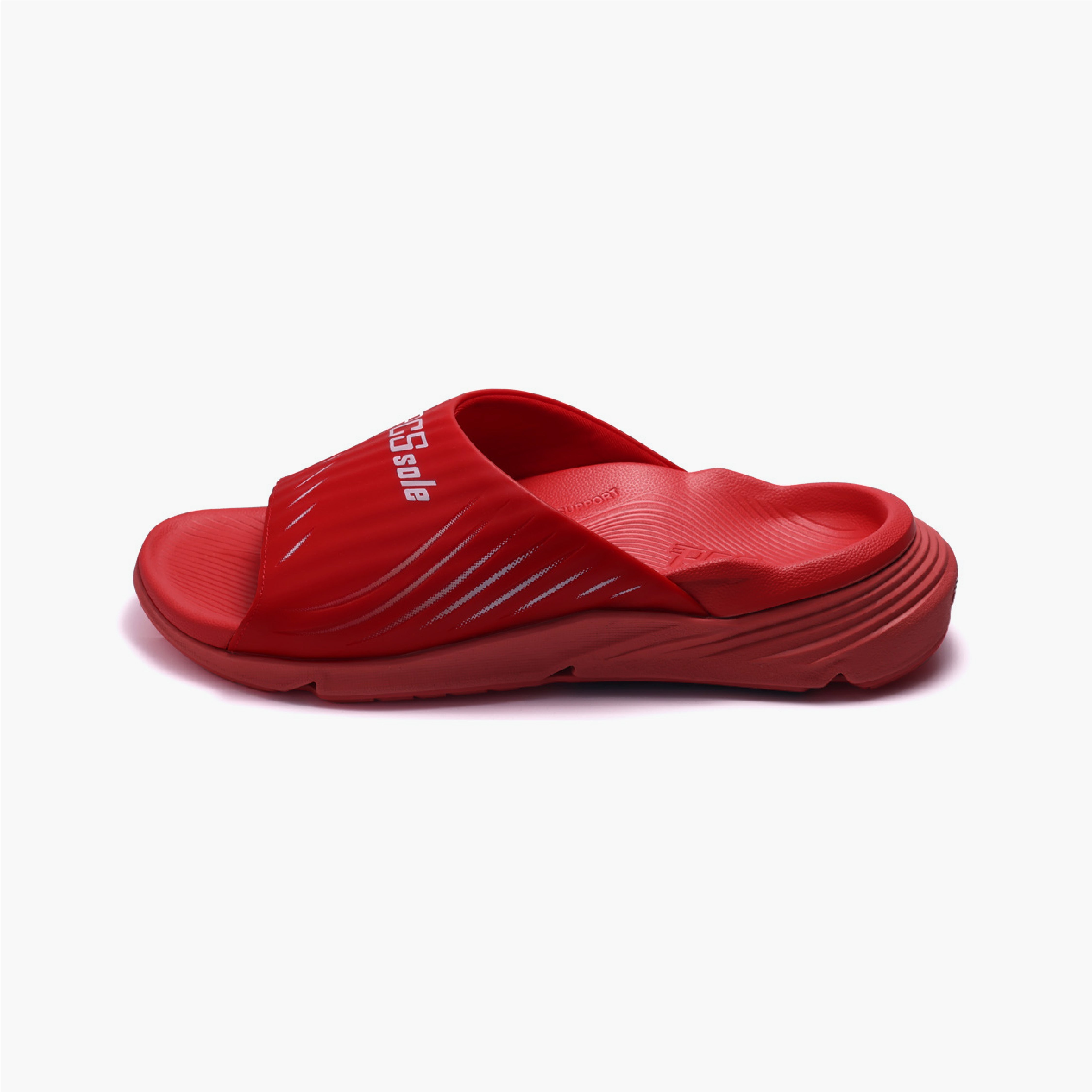
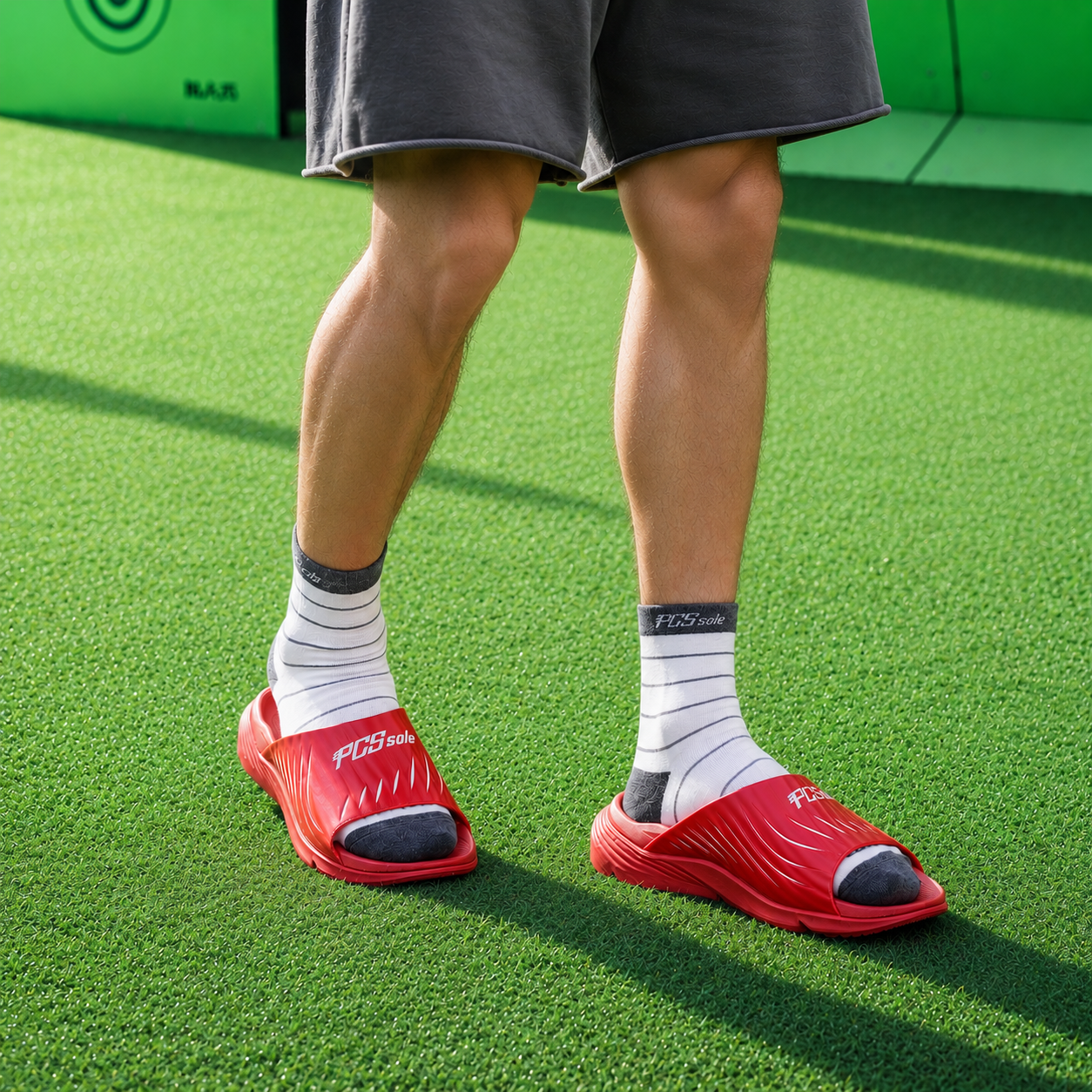
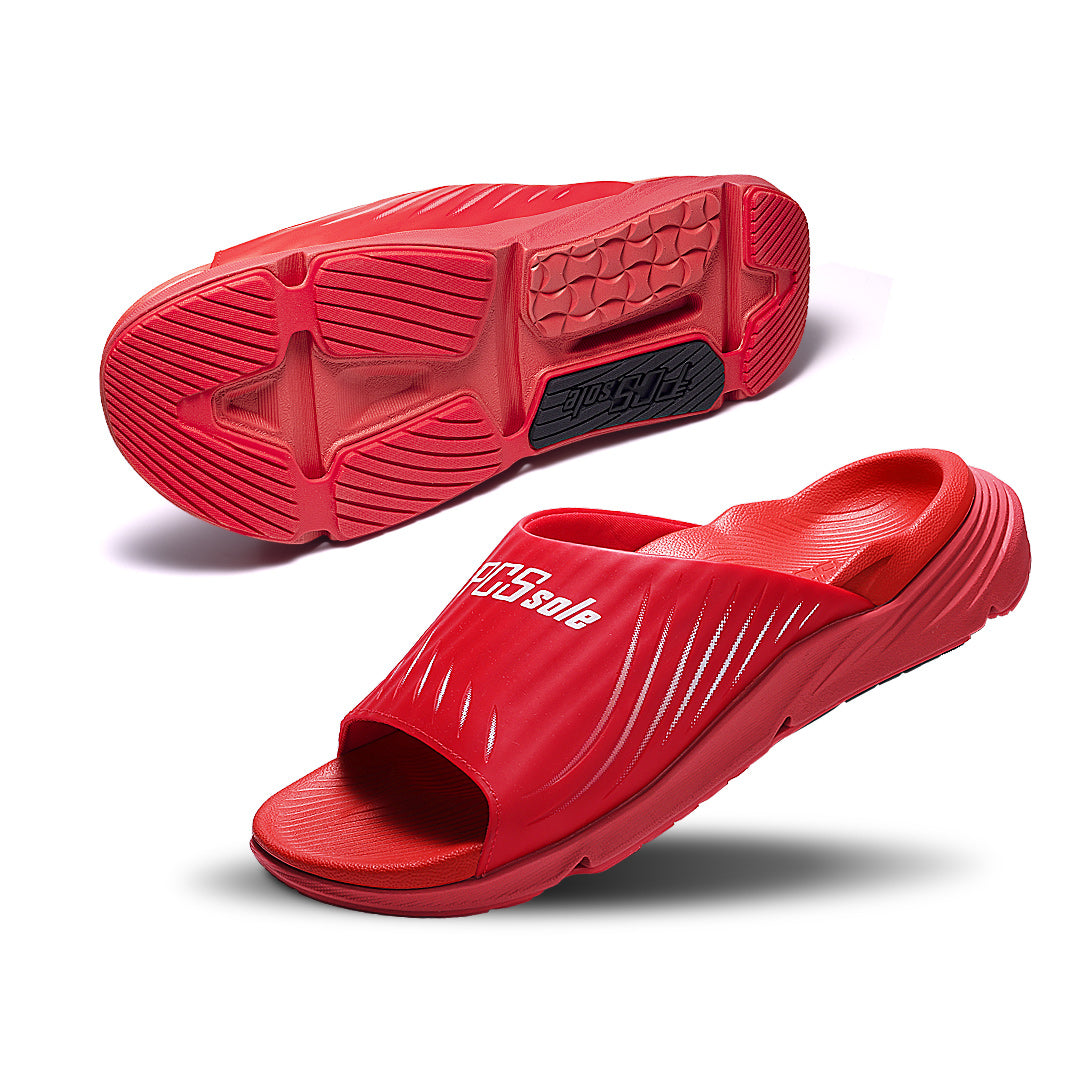
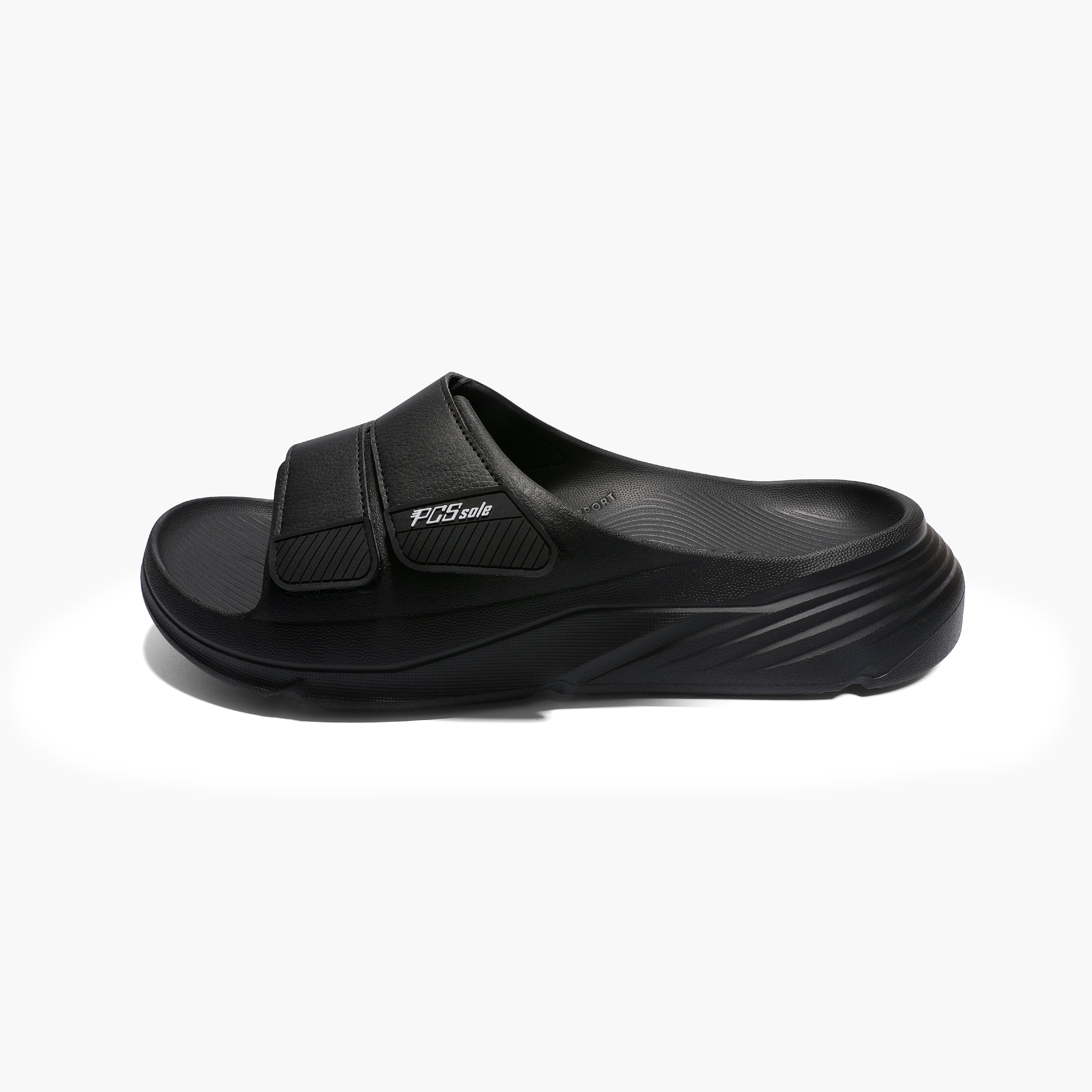
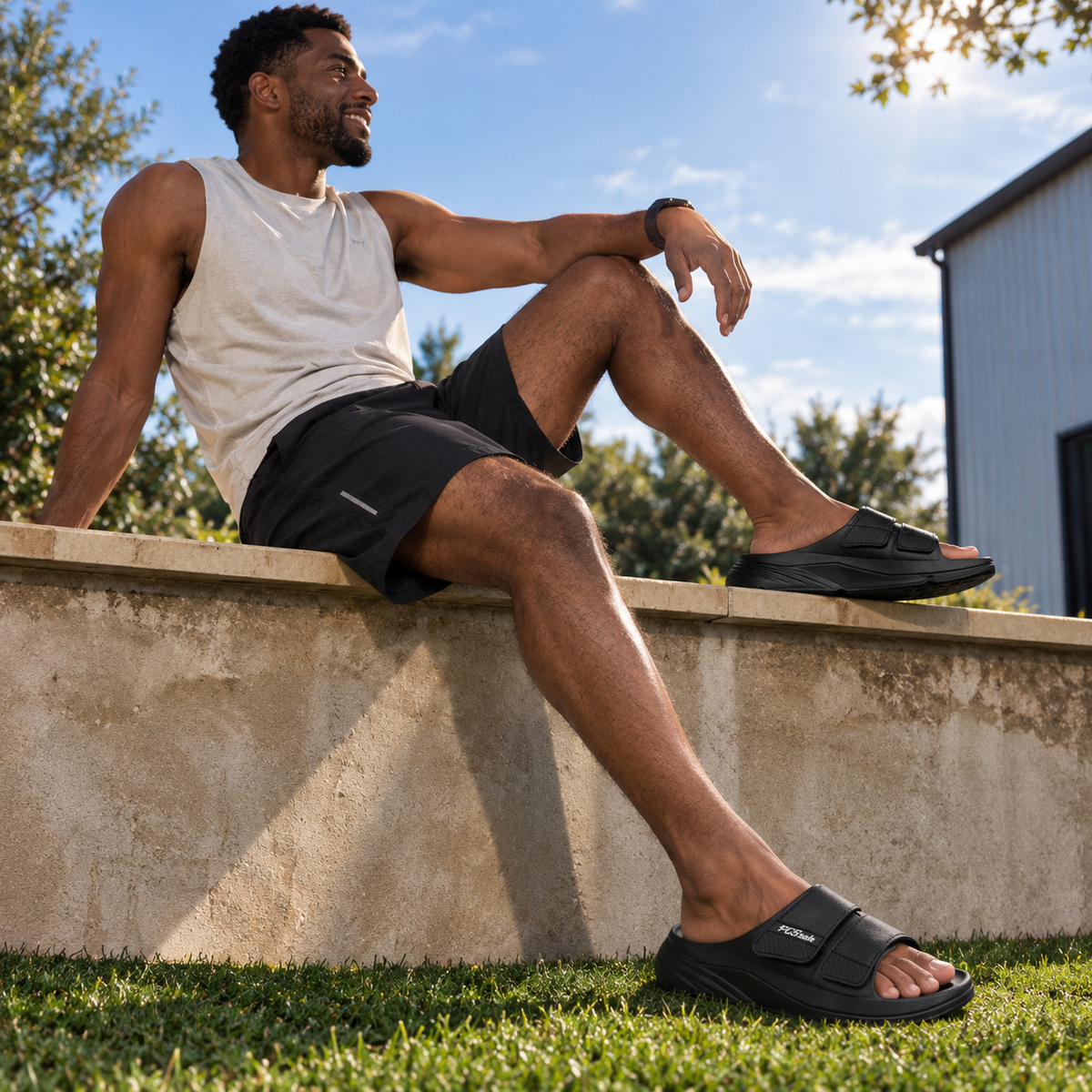
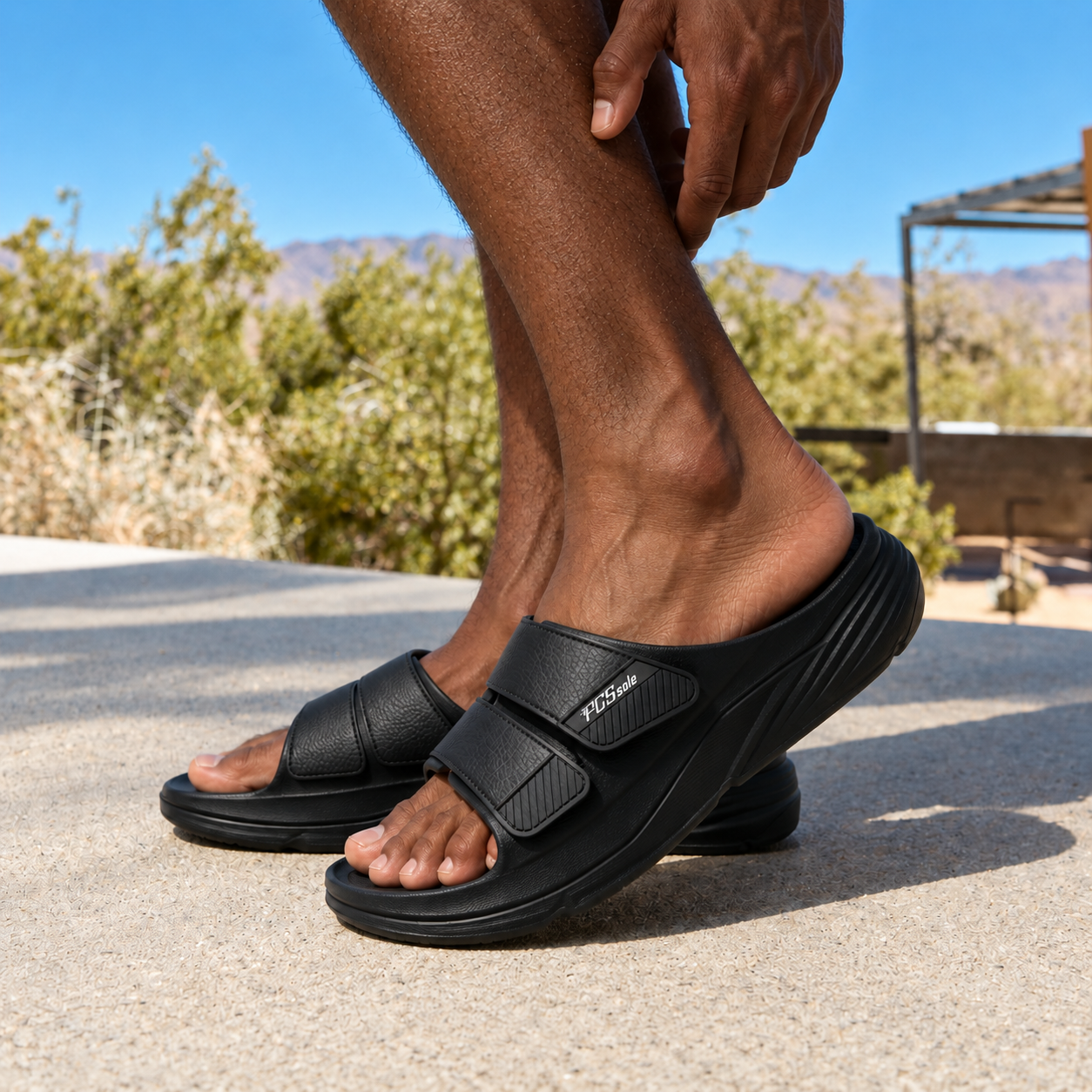
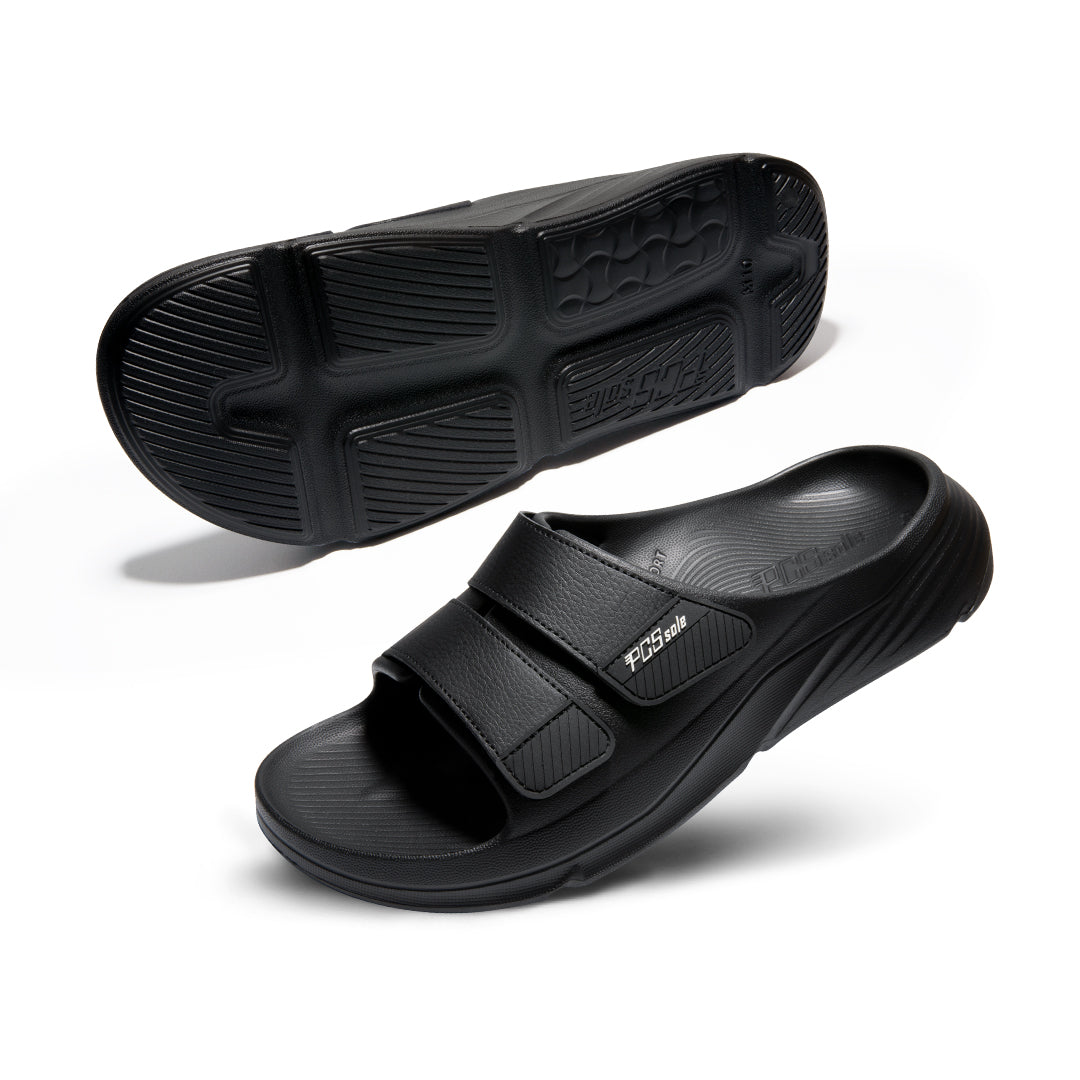
Since the sharp, stabbing pain of plantar fasciitis is often most debilitating during those first few steps out of bed in the morning, we highly recommend switching to PCSsole Recovery Slides as your essential first-step relief.

These slides are specifically engineered with medical-grade arch support and a deep heel cup to keep the plantar fascia gently stretched and aligned, preventing the micro-tears that occur when walking barefoot on hard floors.

By providing high-density, impact-absorbing cushioning that cradles the foot, PCSsole effectively mitigates morning inflammation and provides the structural stability needed for active recovery throughout the day.