


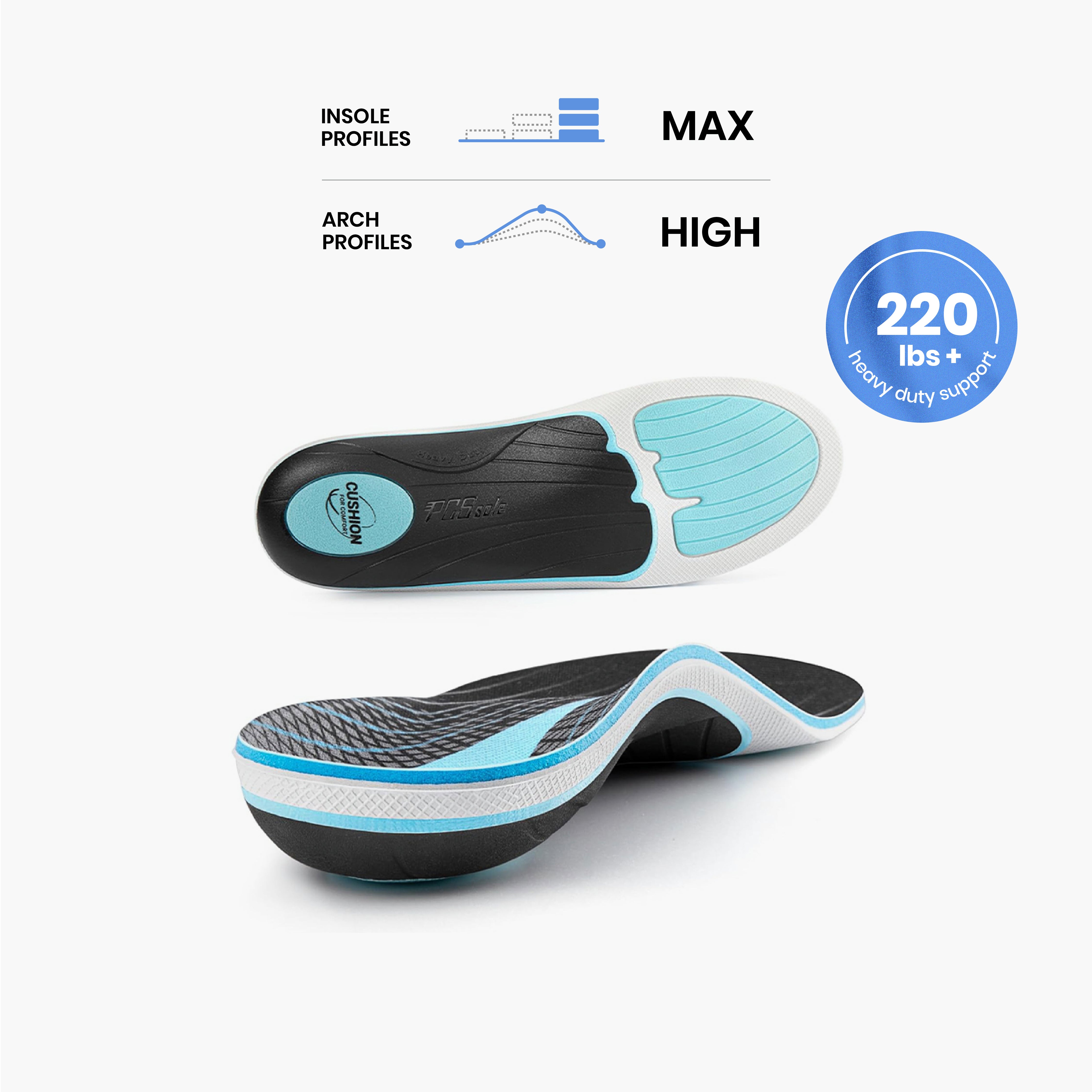
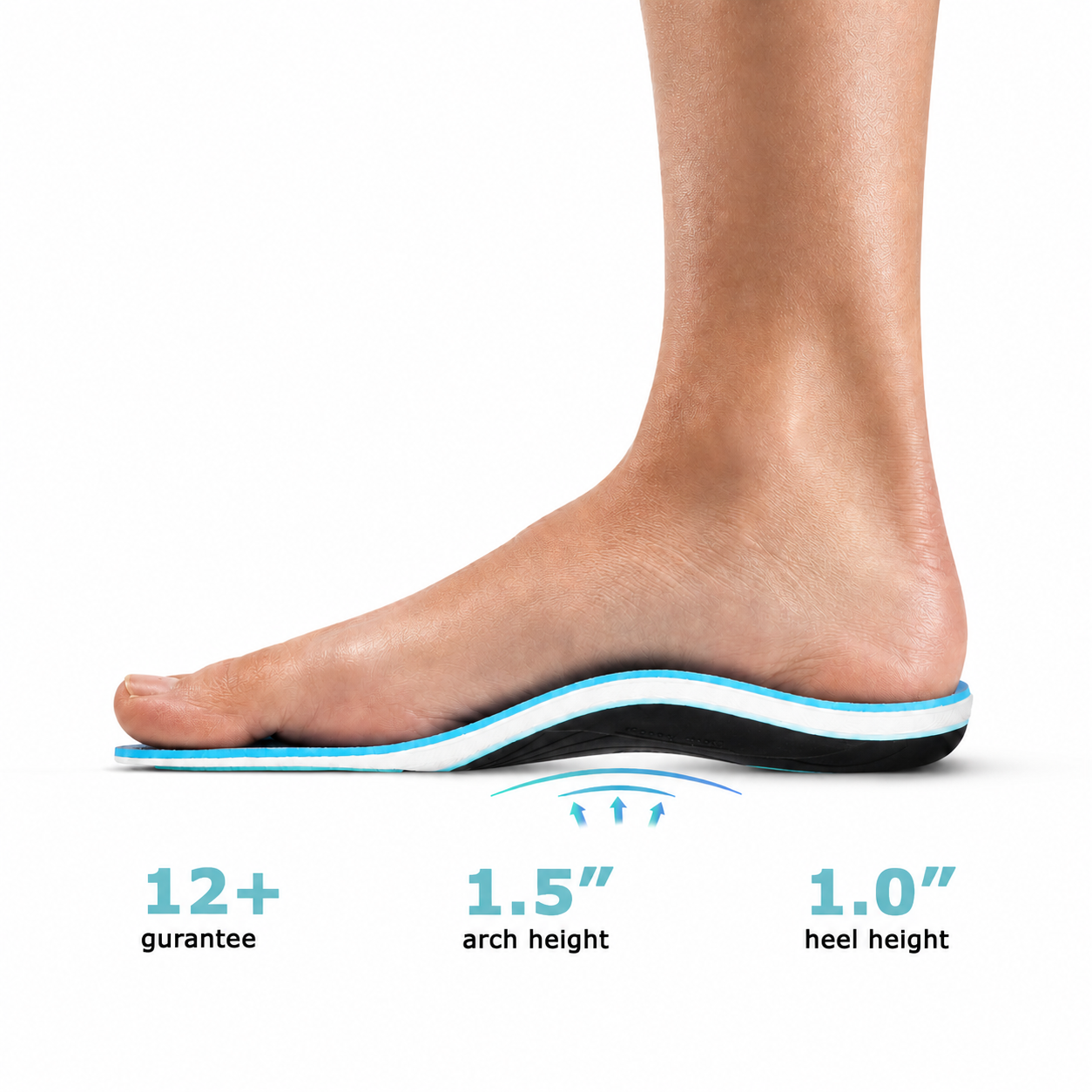
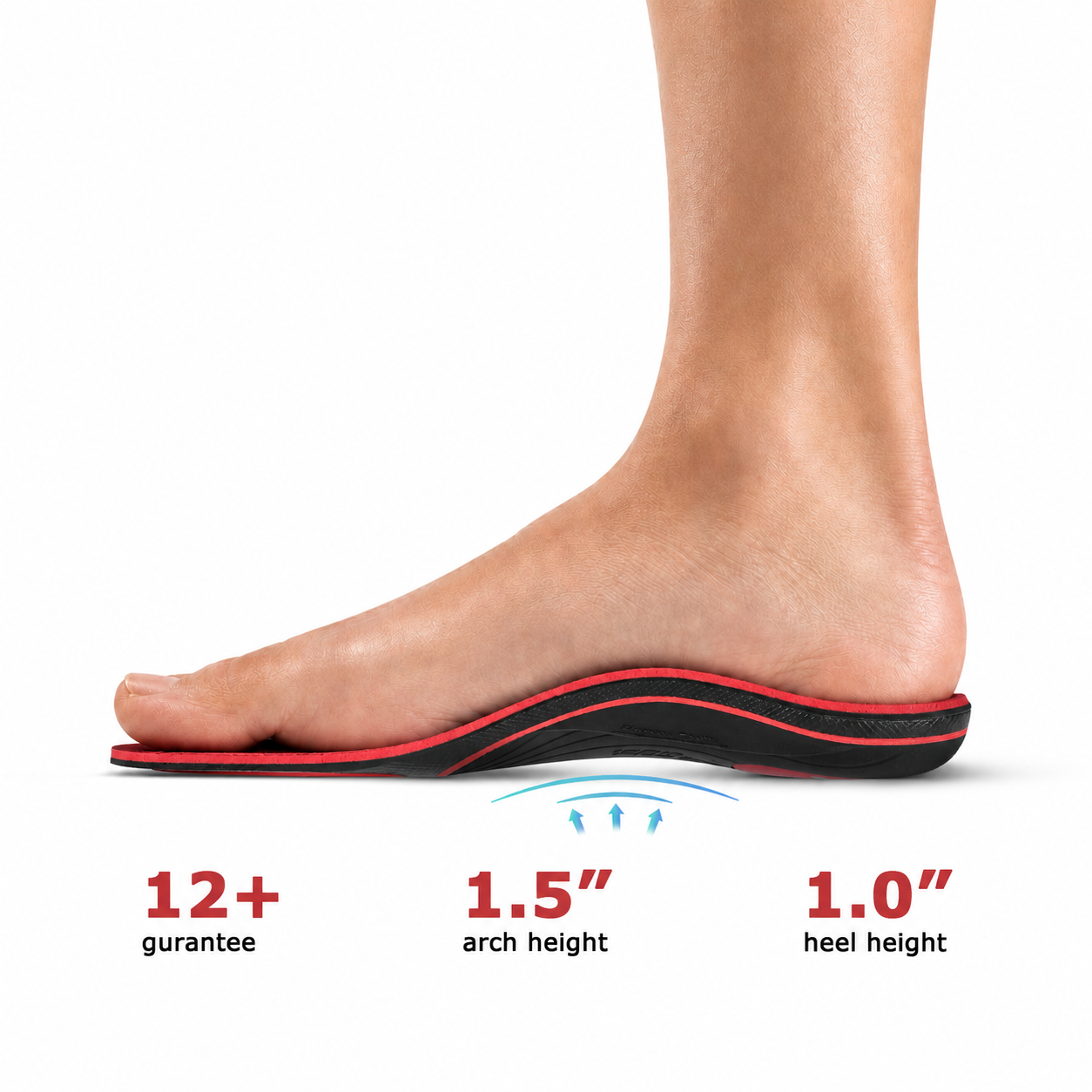
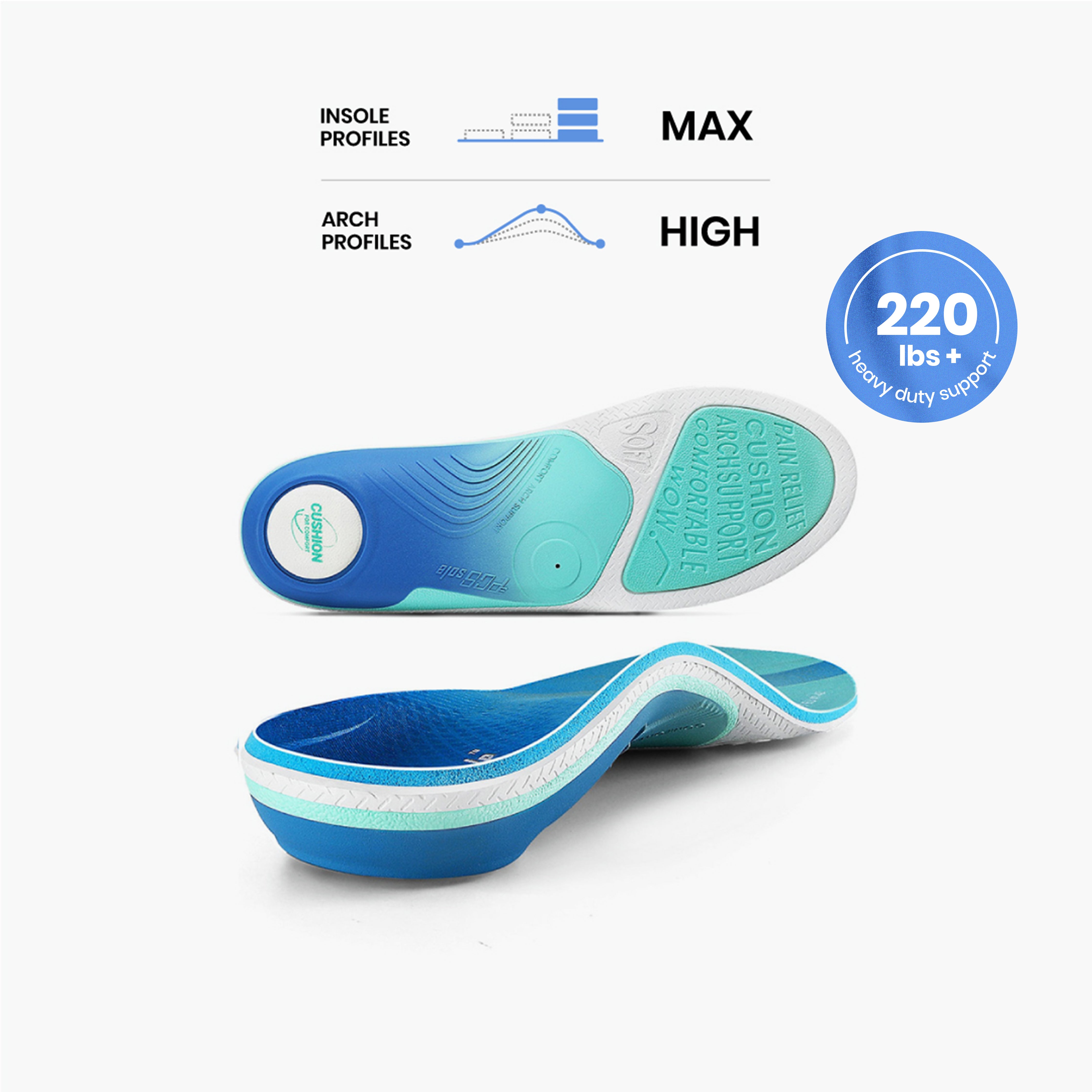
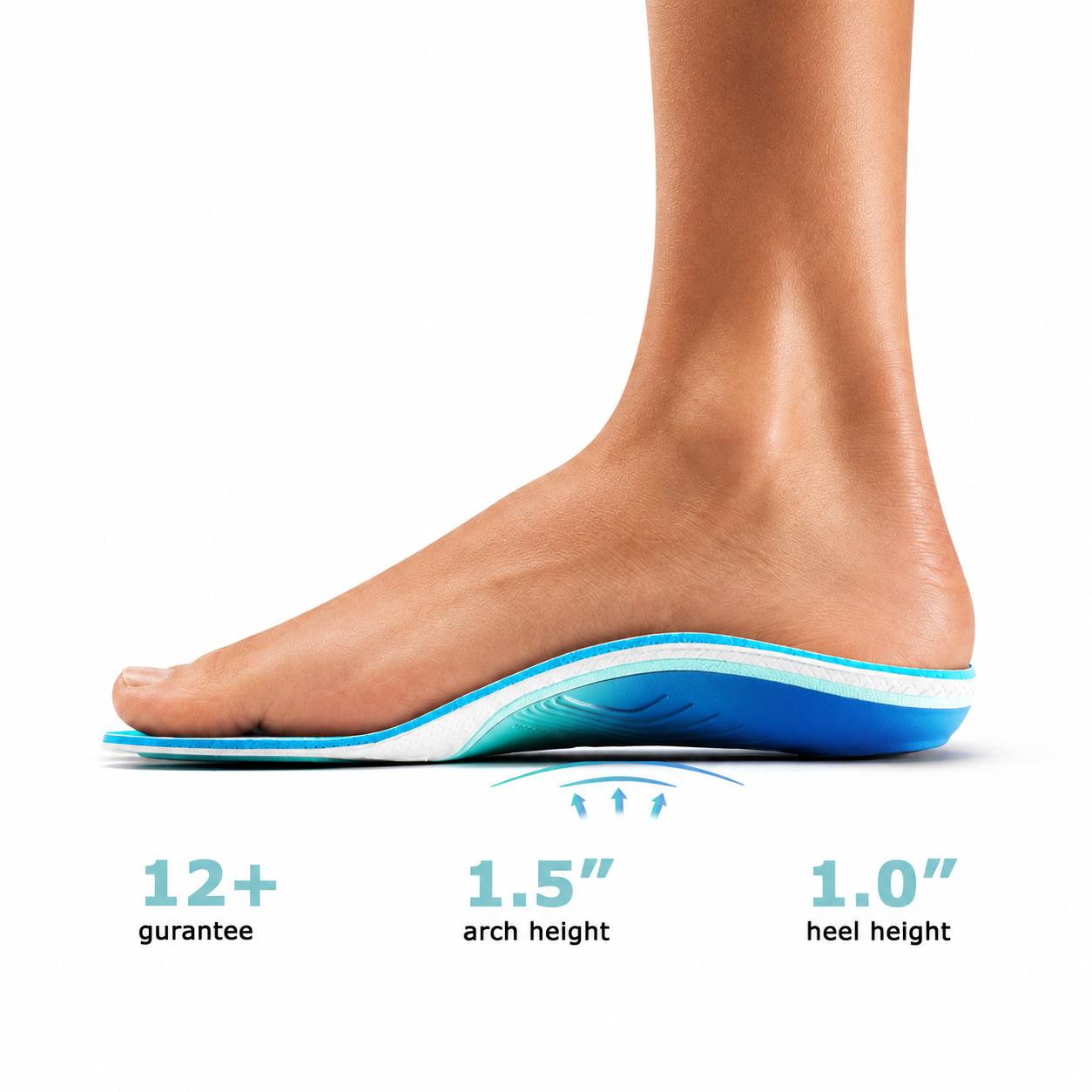
Universelle Fußgewölbeunterstützung
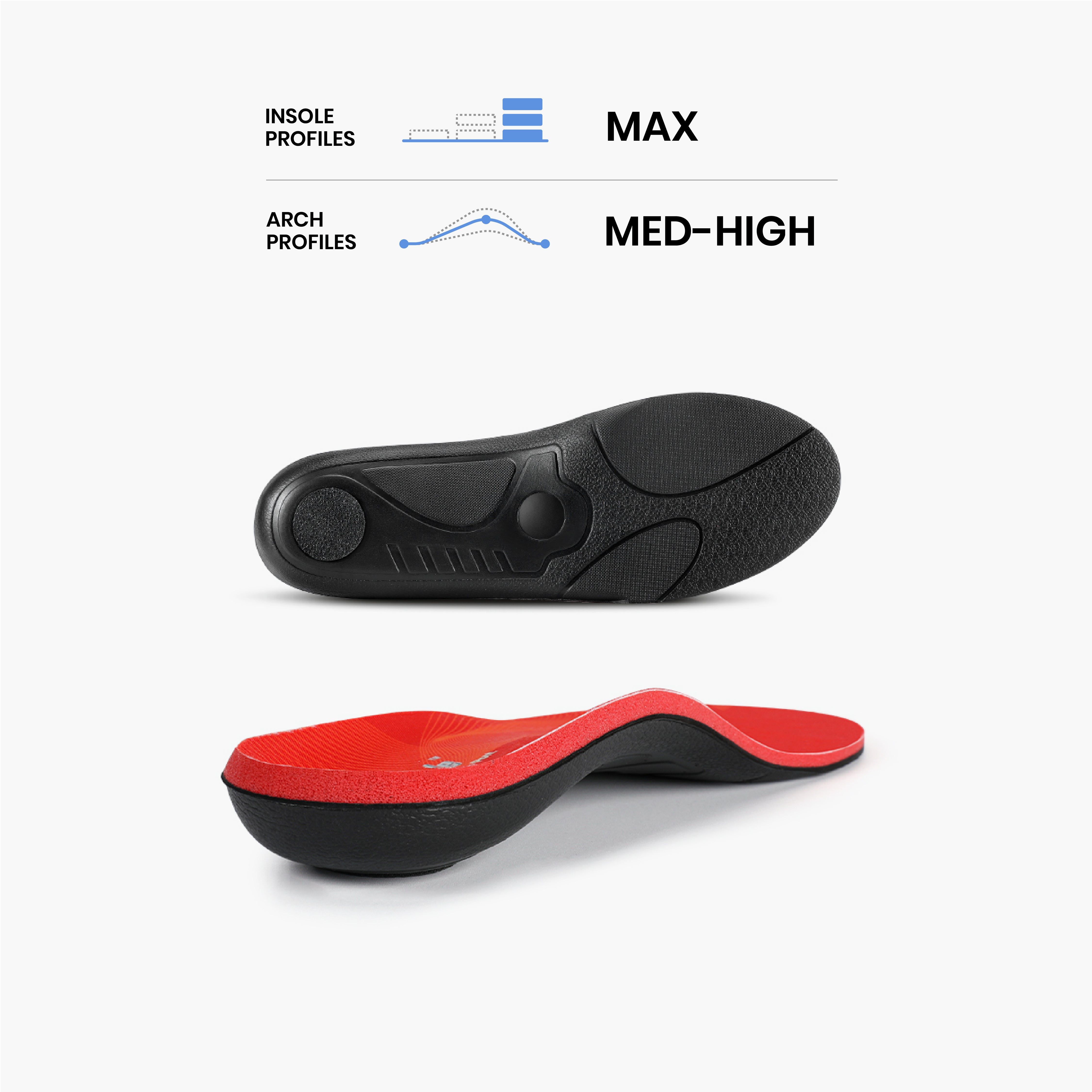
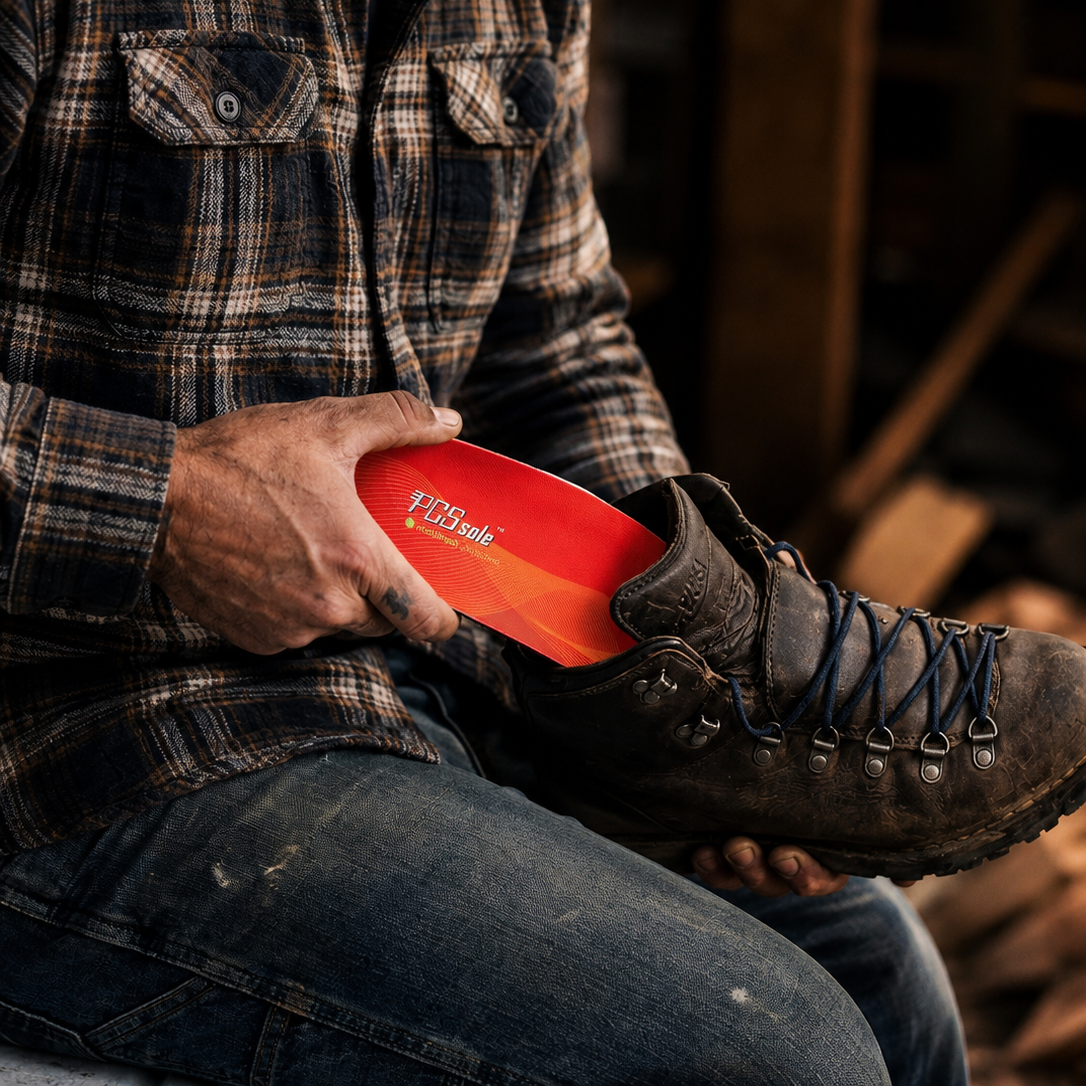
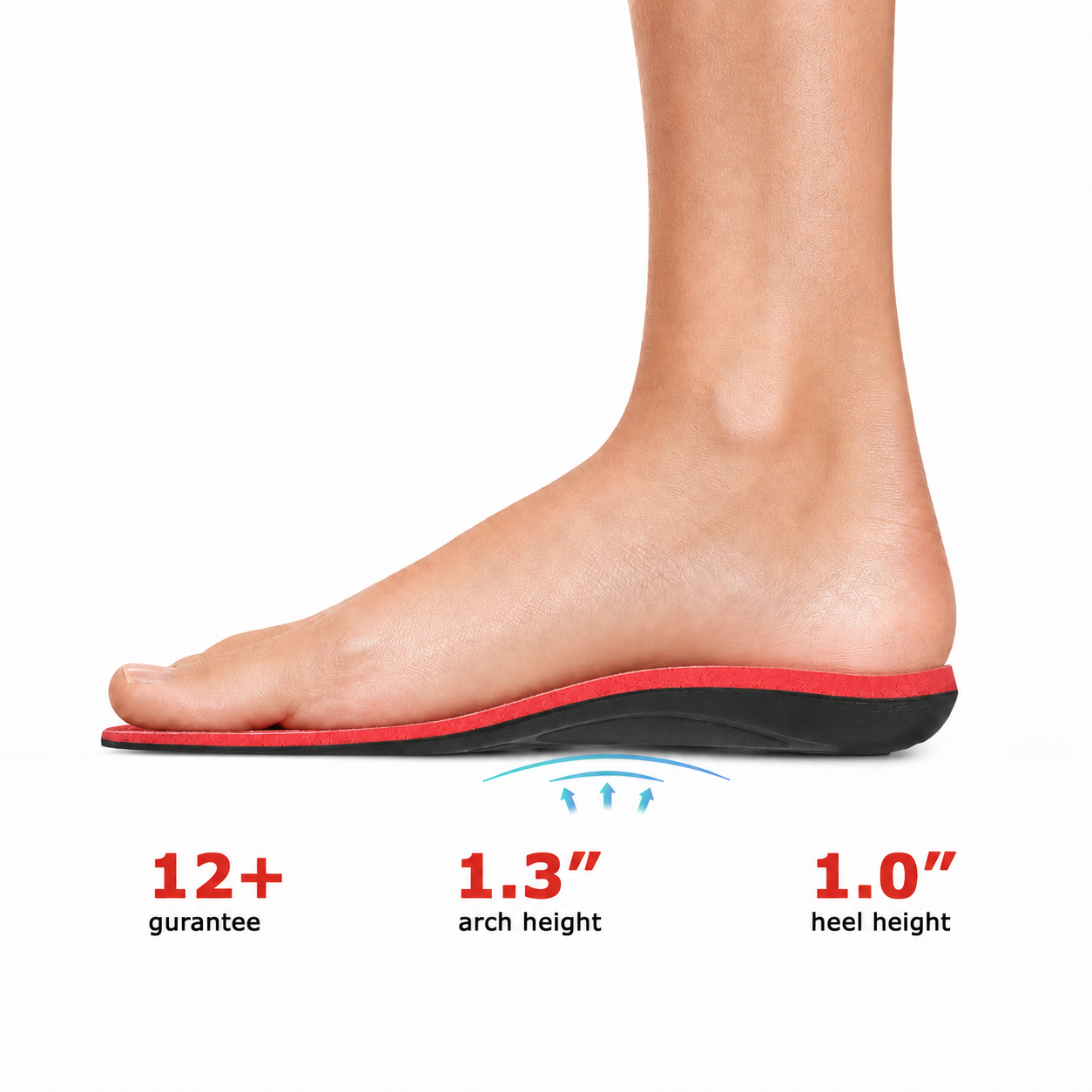
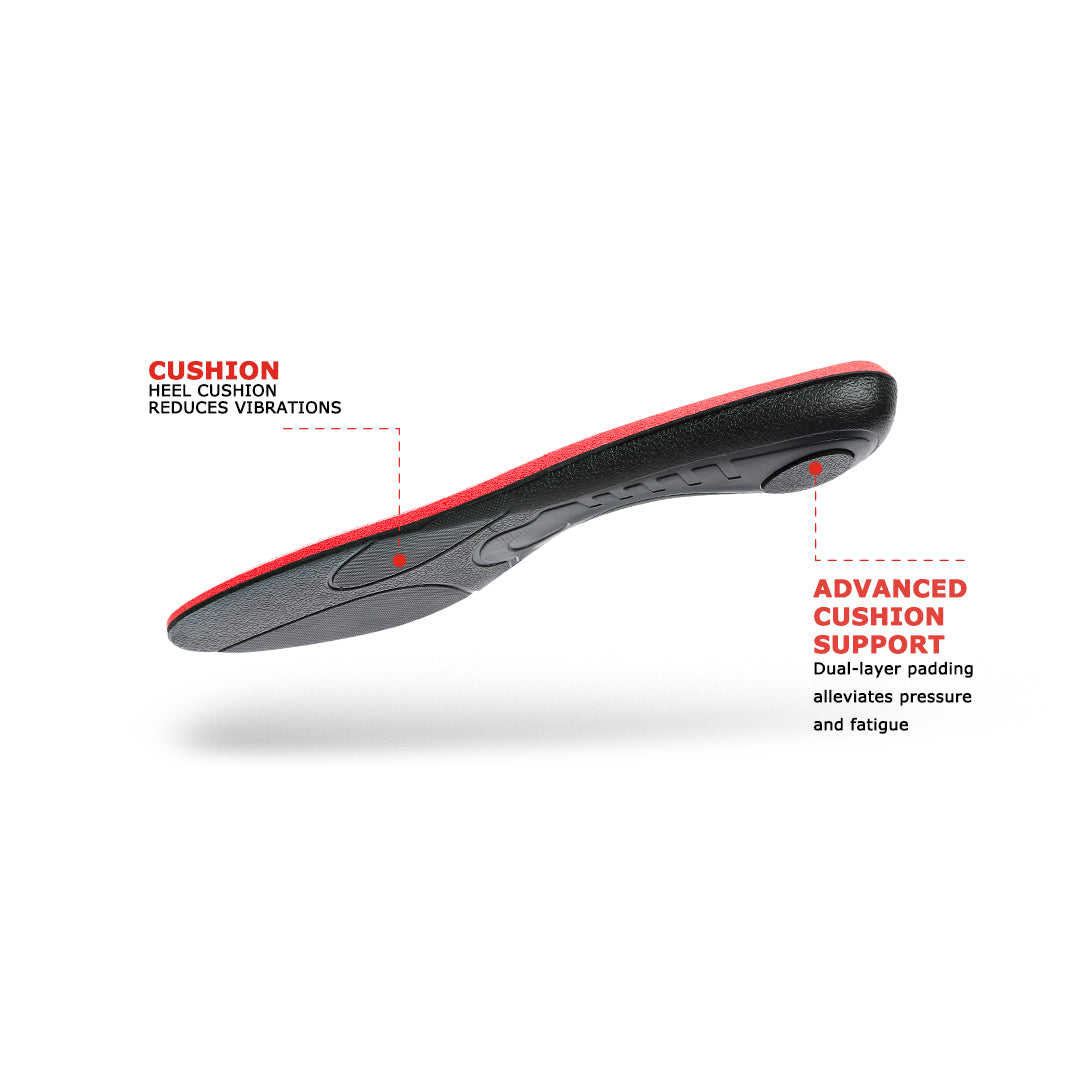
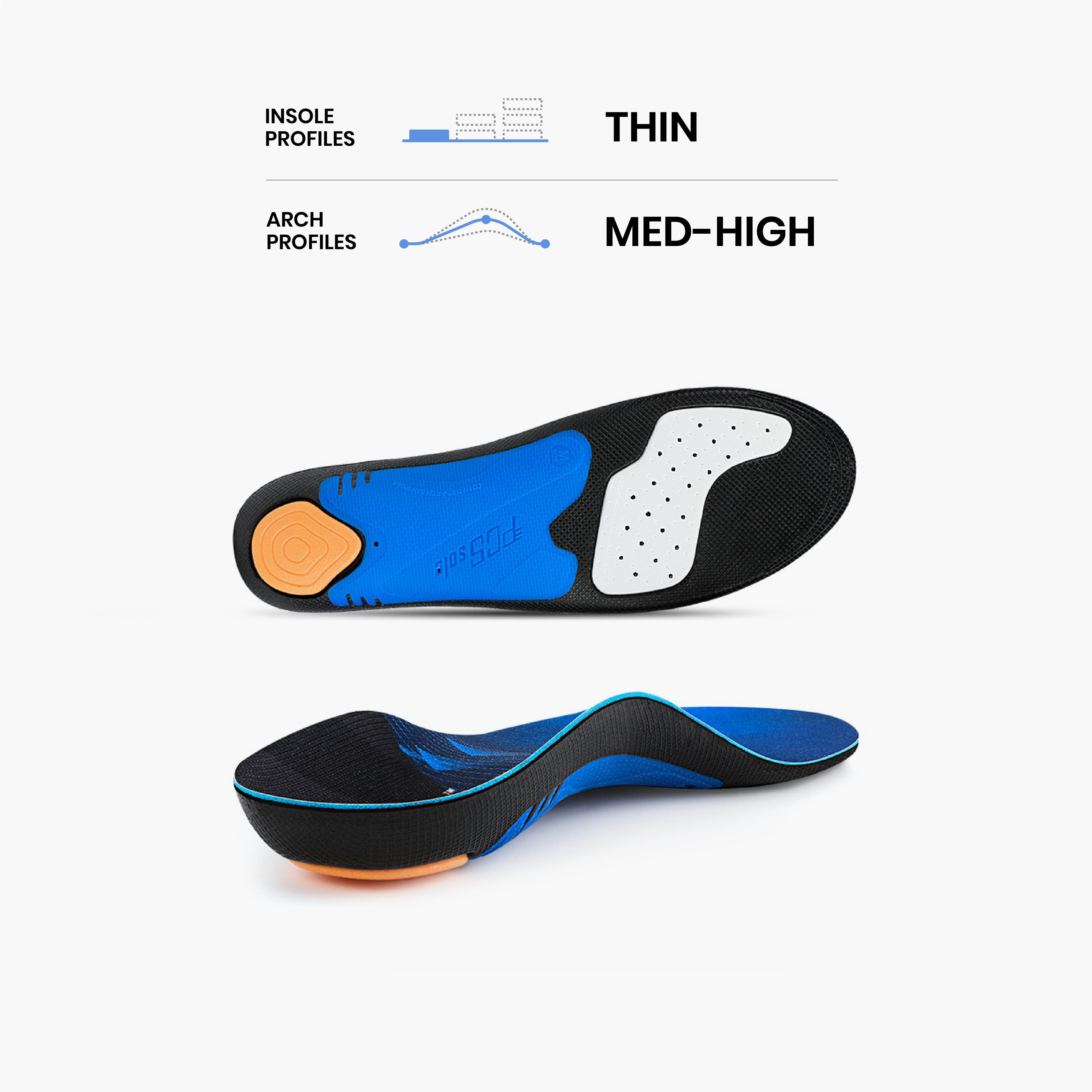
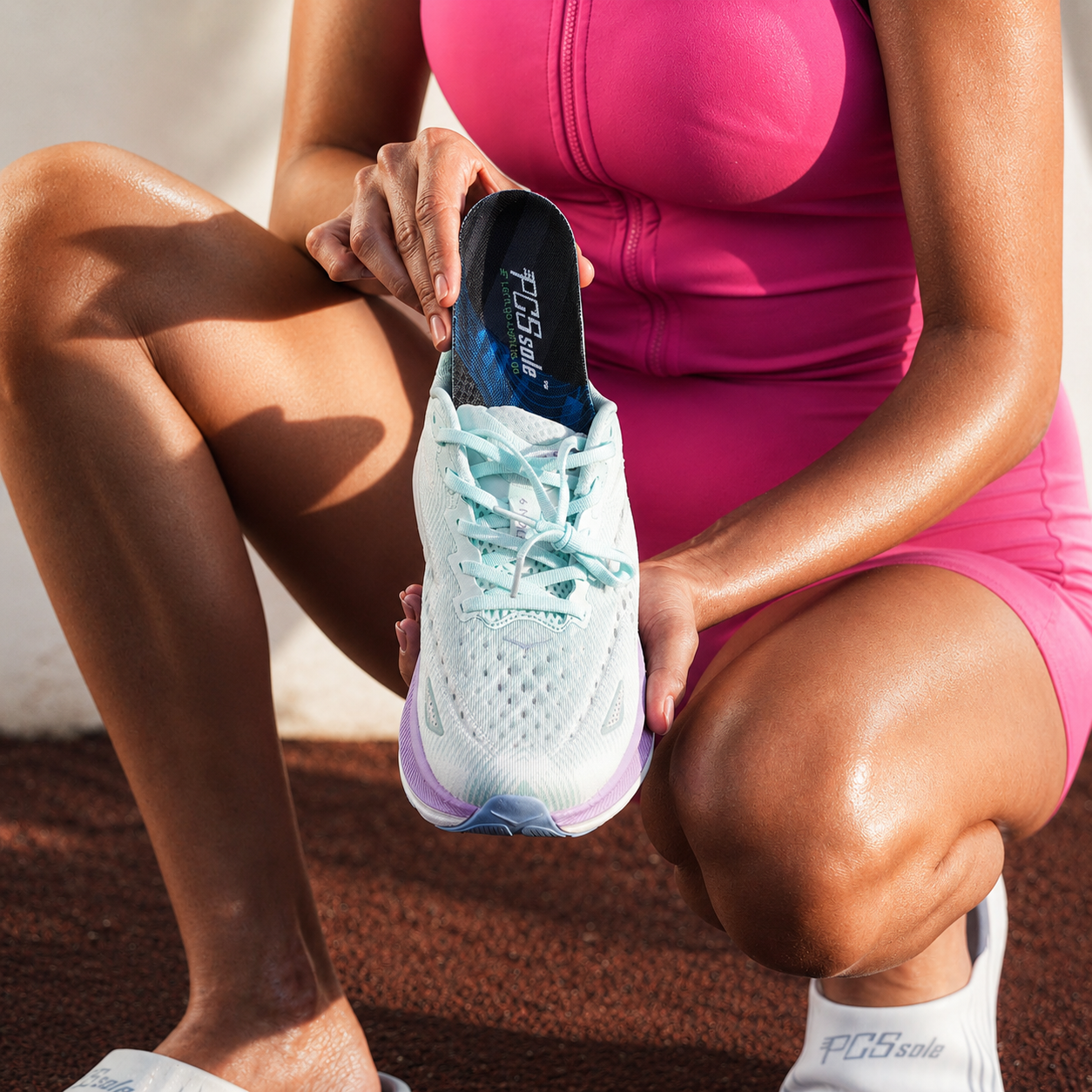

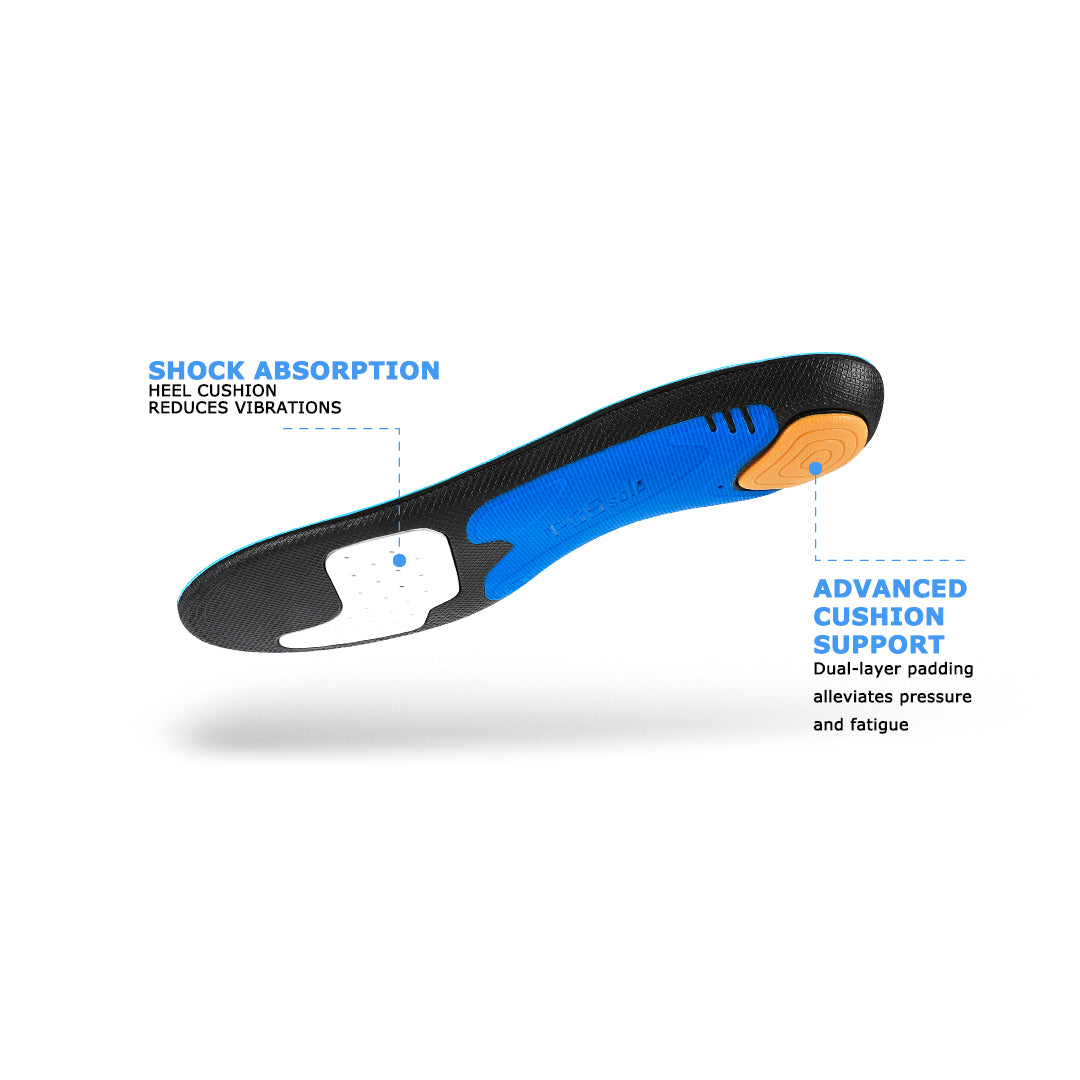
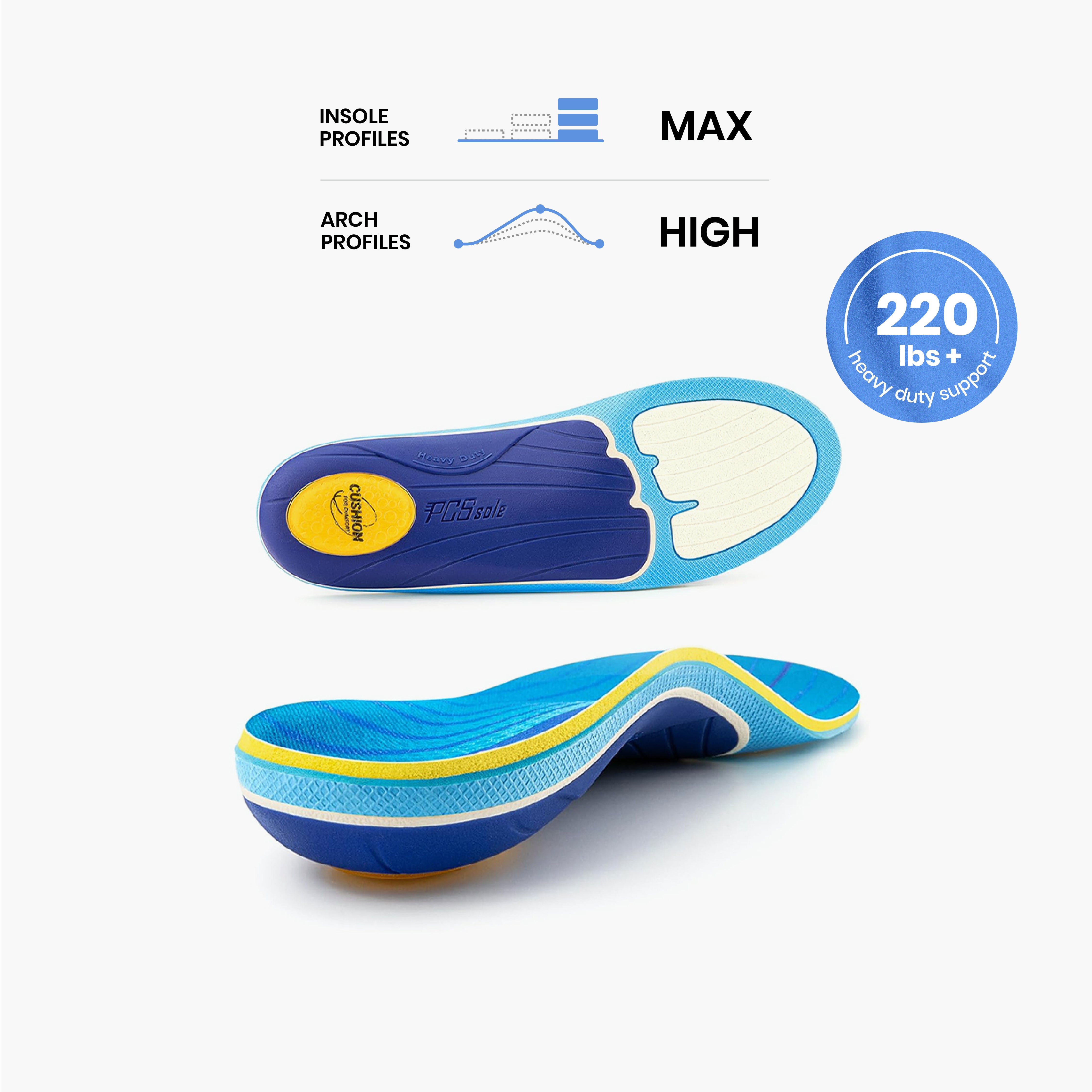
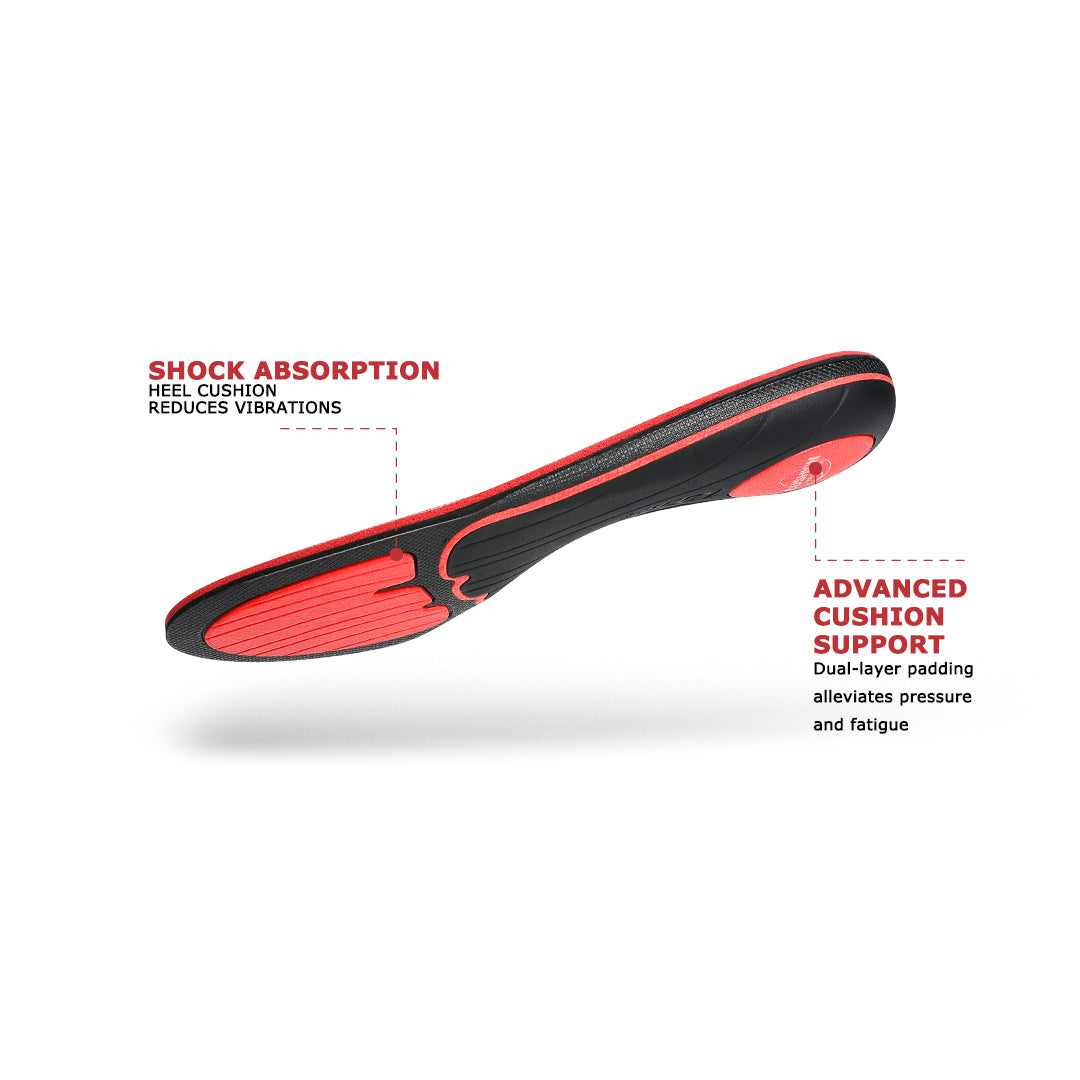
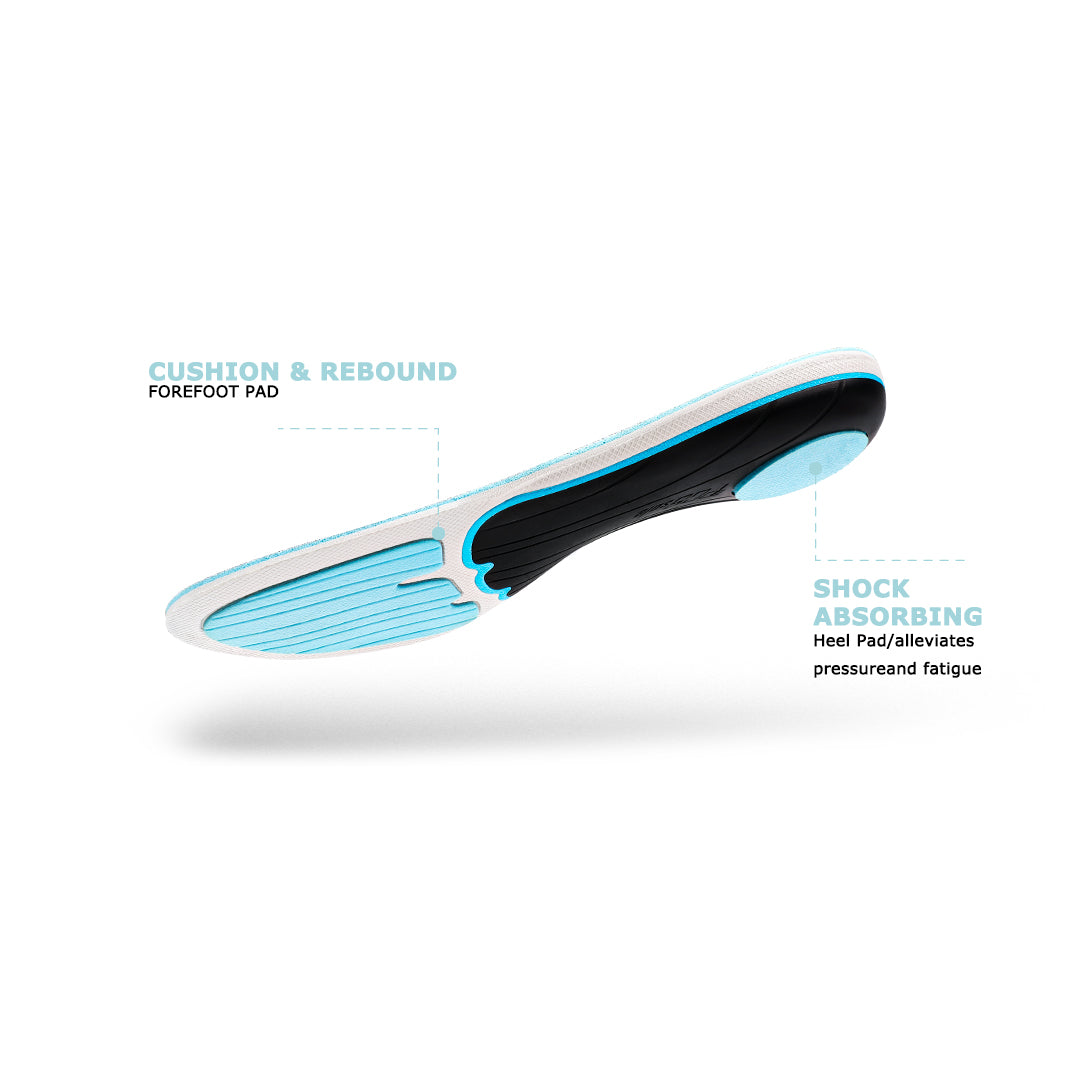
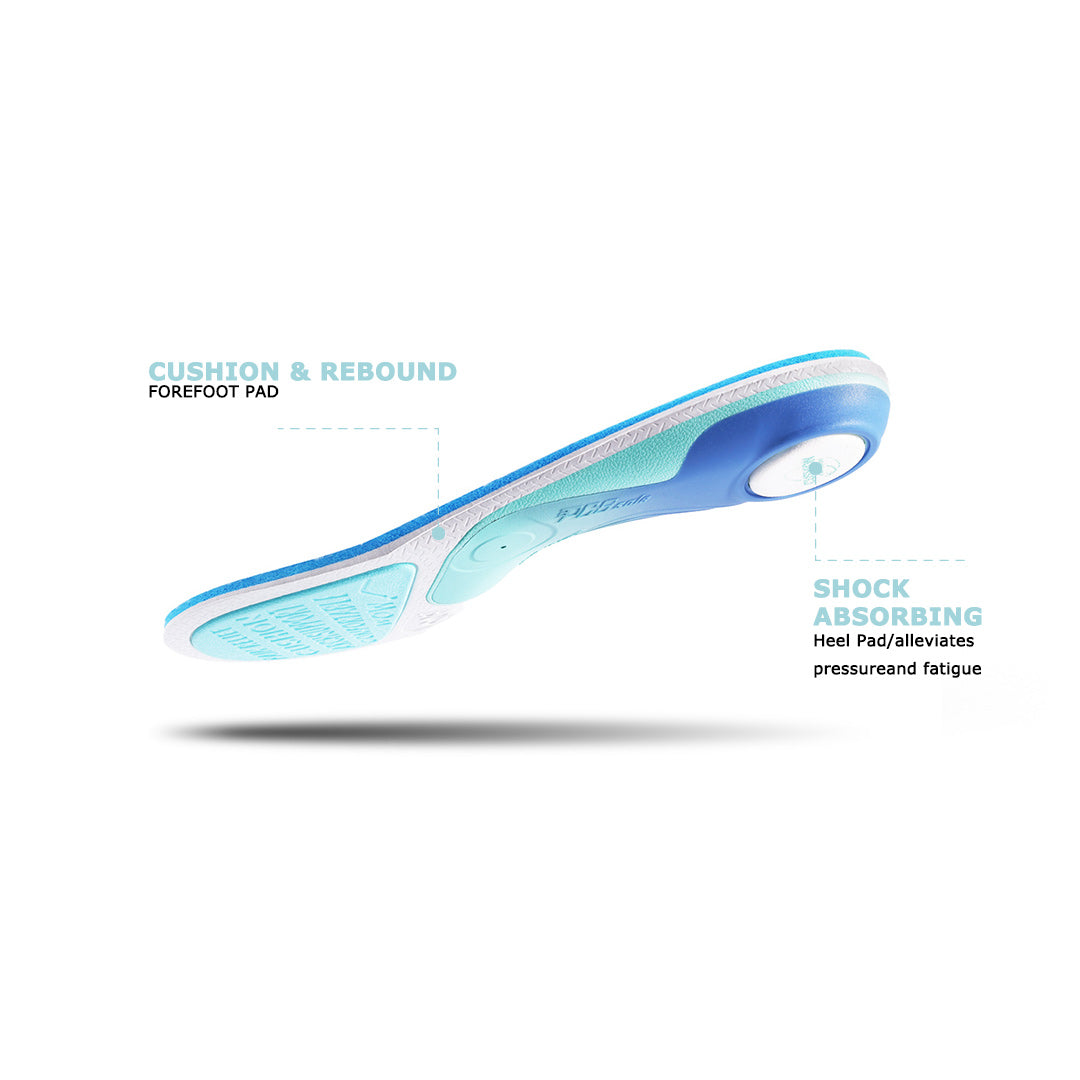
Hochleistungs-Komfortpolsterung




Proven Results
Michael S, Verified Buyer
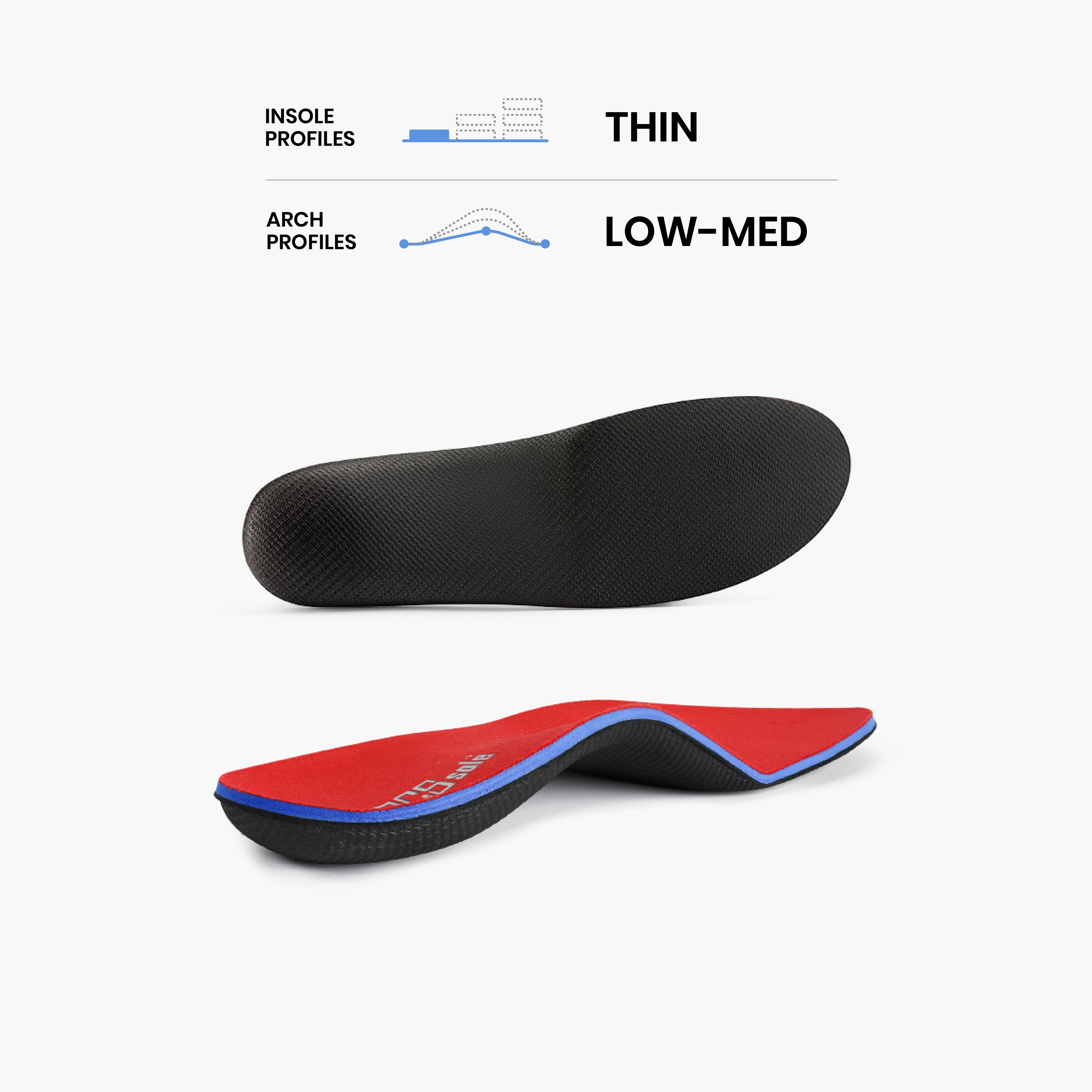
Stop wasting money on soft drugstore inserts. I tried 4 different brands before finding Tread Labs. If you have flat feet like me, you don't need 'cushioning,' you need real structure. The Pace Low-Arch actually corrects my over-pronation instead of just squishing down. Finally found the winner!
Elena R., Verified Buyer
A lifesaver for PTTD and ankle pain. My tendonitis flares up constantly due to my flat feet rolling inward. I was skeptical that a 'Low Arch' insole would do enough, but the Pace provides firm, stable support that keeps my ankles aligned. For the first time in months, I can walk pain-free.
David K., Verified Buyer
I immediately bought 3 more pairs. I ordered the Pace Low-Arch to test in my work boots, and the difference was instant. No more tired, aching arches at the end of the day. I'm now replacing the insoles in my running shoes and casual sneakers too. Highly recommend for flat feet!
Häufig gestellte Fragen zu Einlegesohlen bei Sehnenentzündungen
Was sind die Symptome einer Sehnenentzündung im Fuß?
- Achillessehnenentzündung (Rückseite der Ferse) Lokalisation: Der Schmerz wird an der Rückseite der Ferse oder knapp darüber (an der unteren Wade) empfunden.
- Entzündung der hinteren Schienbeinsehne (Innenseite des Knöchels/Fußgewölbe) Lokalisation: Der Schmerz verläuft entlang der Innenseite des Knöchels und hinunter zum Fußgewölbe.
- Peronealsehnenentzündung (Außenknöchel) – Lokalisation: Schmerzen entlang des äußeren Knöchelrandes und der Fußseite.
- Strecksehnenentzündung (Fußrücken)Lokalisation: Schmerzen auf dem Fußrücken, die in Richtung der Zehen ausstrahlen.
Wie behandelt man eine Sehnenentzündung im Fuß?
Die initiale Behandlungsphase folgt typischerweise dem RICE-Prinzip (Ruhe, Eis, Kompression, Hochlagerung), aber für eine umfassende Genesung ist die Behandlung der zugrunde liegenden biomechanischen Ursache erforderlich.
Können Einlegesohlen bei Sehnenentzündungen helfen?
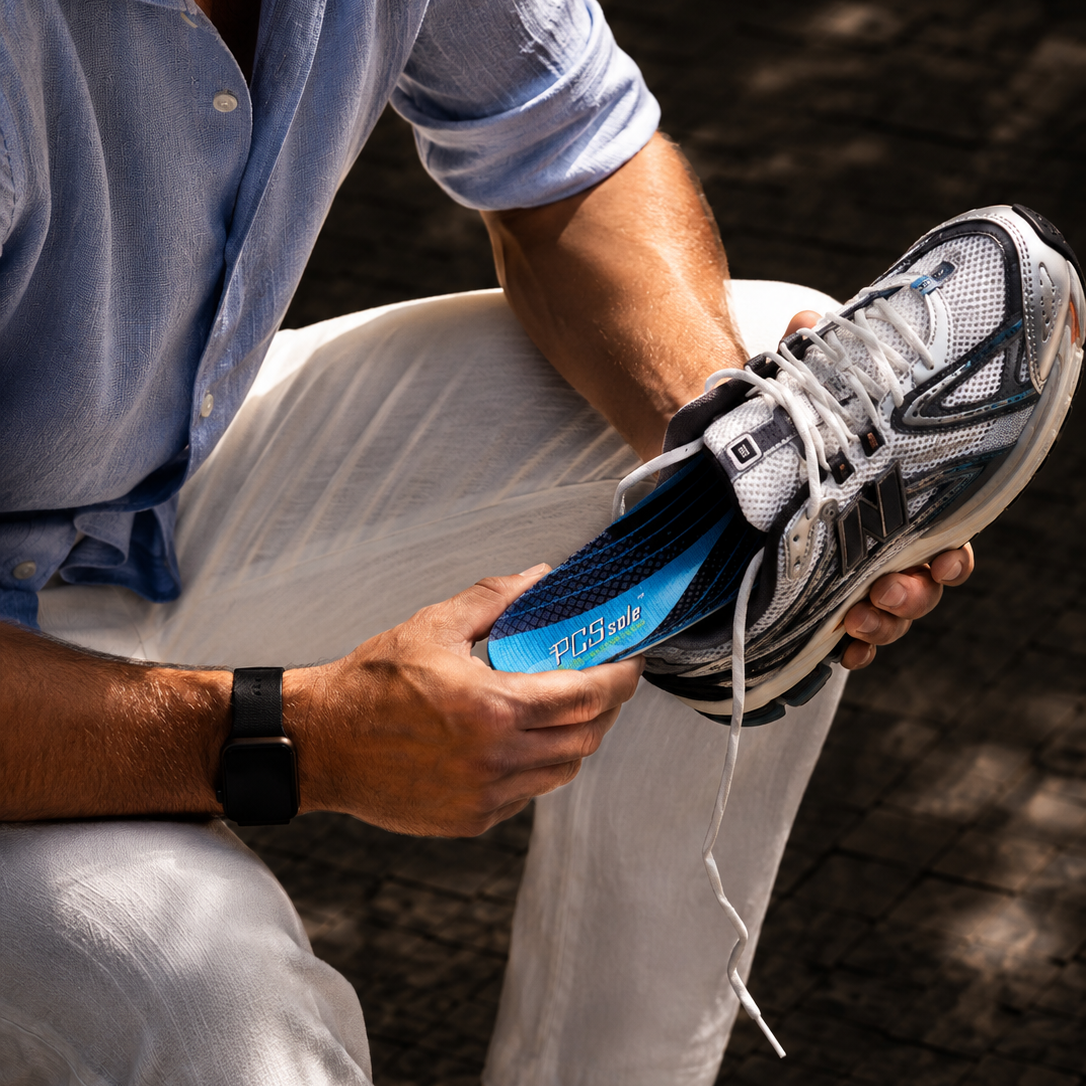
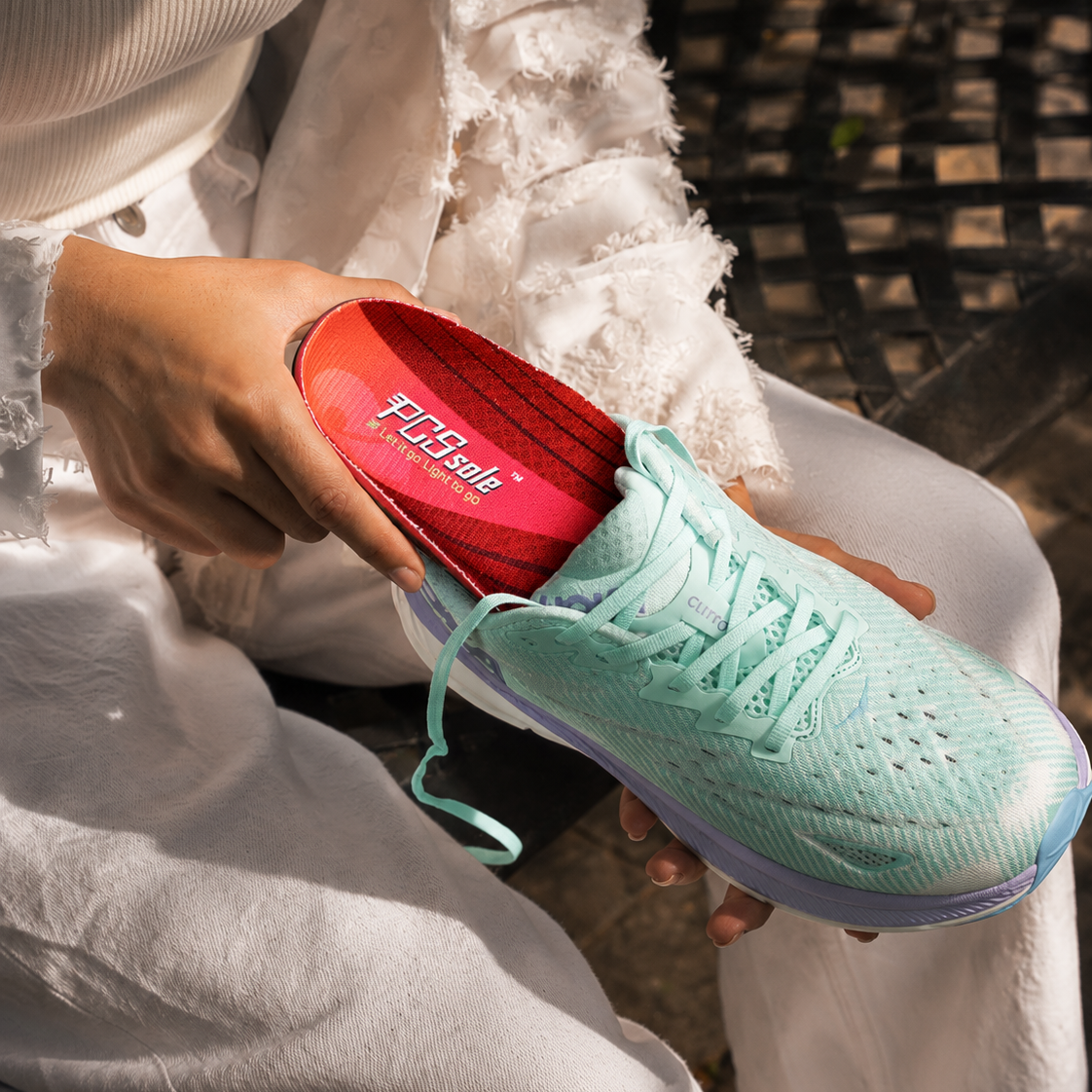
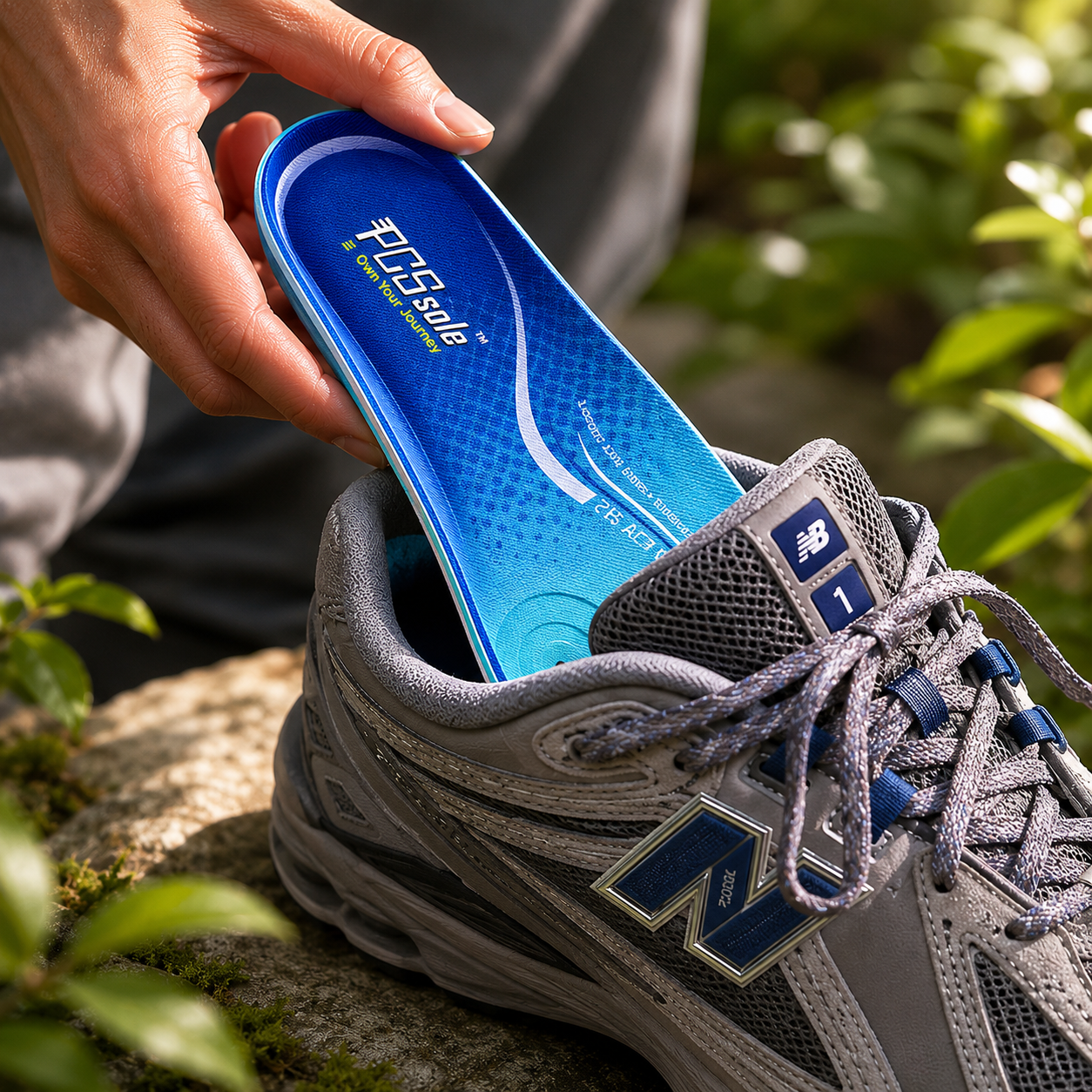
Ja, Einlegesohlen (Orthesen) können äußerst hilfreich sein und sind oft ein zentraler Bestandteil der Behandlung vieler häufiger Formen von Fußsehnenentzündungen. PCSsole-Einlegesohlen mit Fußgewölbeunterstützung eignen sich am besten für Achillessehnenentzündungen und hintere Schienbeinmuskelentzündungen .

Ist Ihre zweite Zehe länger als Ihre große Zehe? Diese häufige Fehlstellung wird als Morton-Zehe bezeichnet. Sie ist in der Regel harmlos, beeinflusst aber die Gewichtsverteilung im Fuß. Sollten Sie etwas unternehmen? Ja. Sollten Sie sich Sorgen machen? Definitiv nicht. Hier erfahren Sie warum.
Die Grundlagen:
- Wenn Ihre zweite Zehe länger ist als Ihre große Zehe, gehören Sie zu den 20 % der Menschen mit Morton-Zehe . Diese Fehlstellung ist zwar nicht gefährlich, kann aber die Fußmechanik verändern und zu anhaltenden Vorfußschmerzen, Plantarfasziitis oder sogar Stressfrakturen führen.
- Die Lösung: Präzise Unterstützung des Mittelfußknochens
Die wirksamste Behandlungsmethode ist ein Mittelfußpolster zur Druckentlastung – aber Vorsicht: Die Positionierung ist entscheidend. Wird das Polster falsch platziert, kann dies die Schmerzen sogar verschlimmern. - Warum PCSsole?
Wir sind die einzige Marke, die modulare Mittelfußpolster anbietet . Anders als feste Einlegesohlen lassen sich unsere Polster (erhältlich in 3 Größen) per Klettverschluss an unseren Universal-Fußgewölbestützen- oder hochbelastbaren Komfort- Einlegesohlen befestigen. So können Sie sie millimetergenau an Ihre individuellen Füße anpassen. Die perfekte, maßgeschneiderte Passform, auf die Ihre Füße gewartet haben.
Universelle Fußgewölbeunterstützung
Hochleistungs-Komfortpolsterung
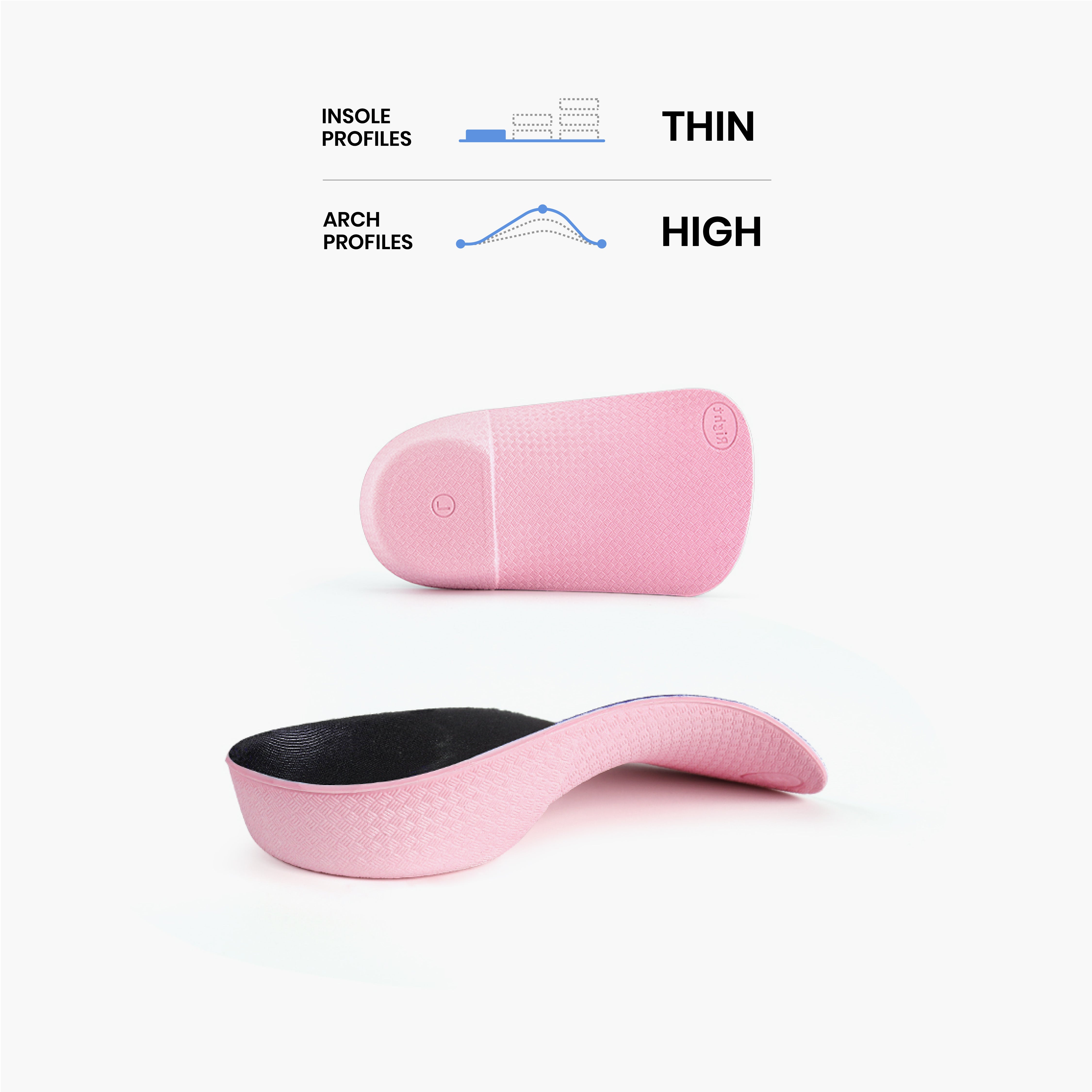
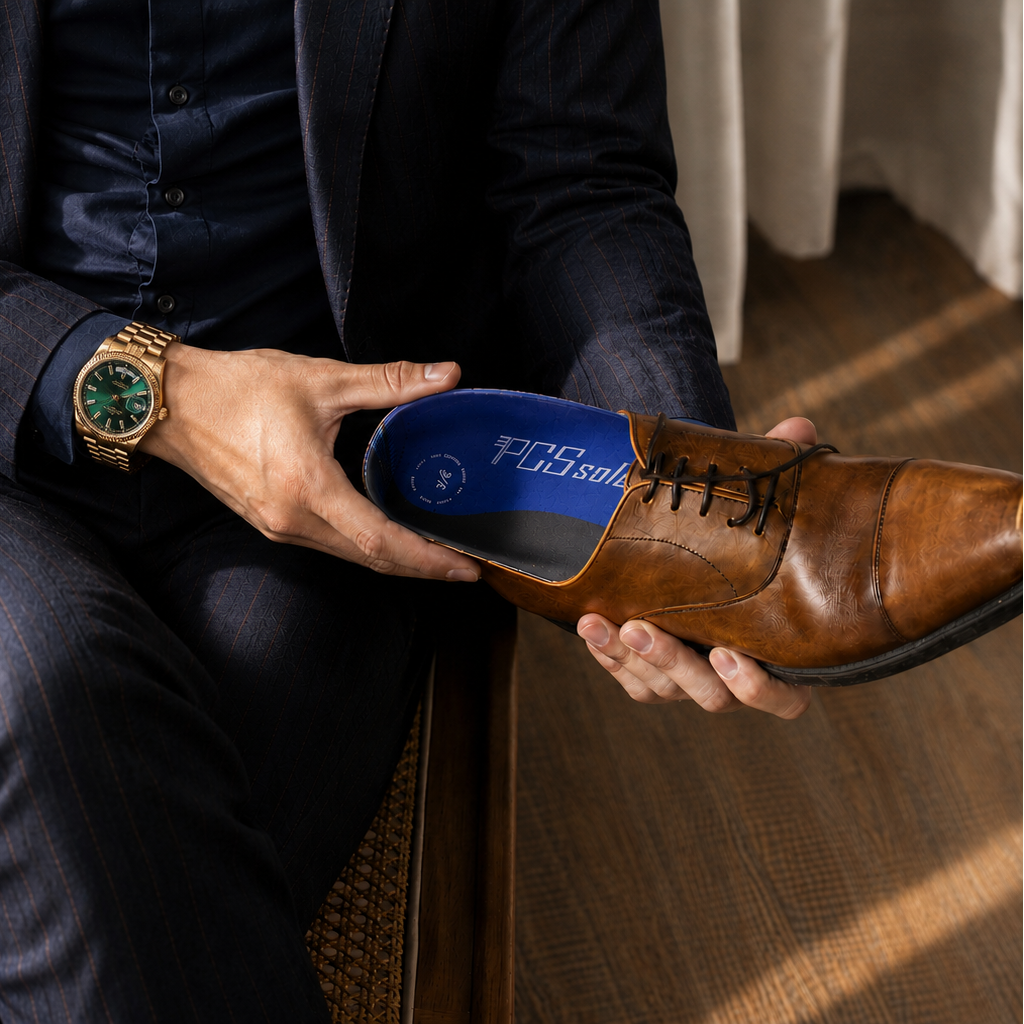
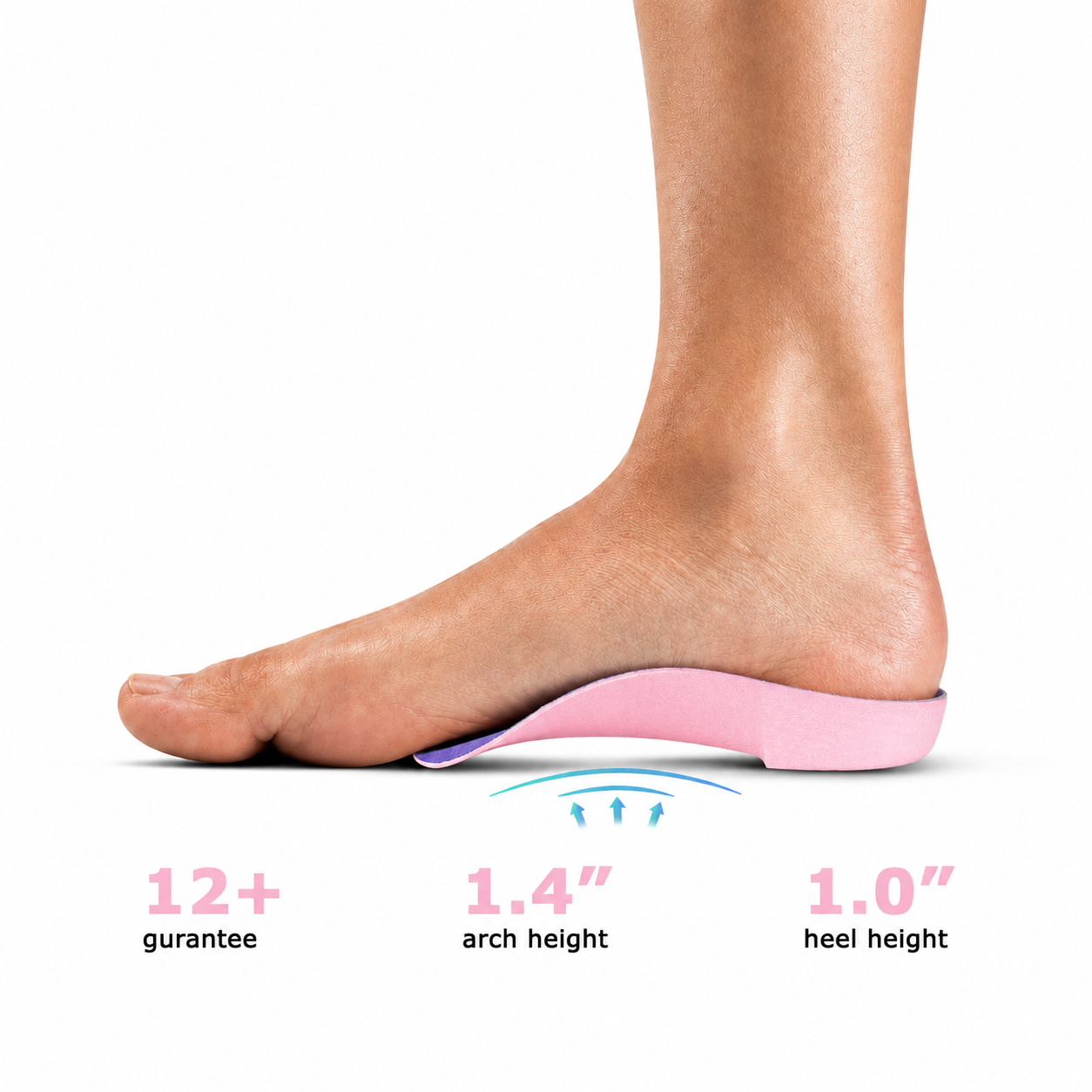
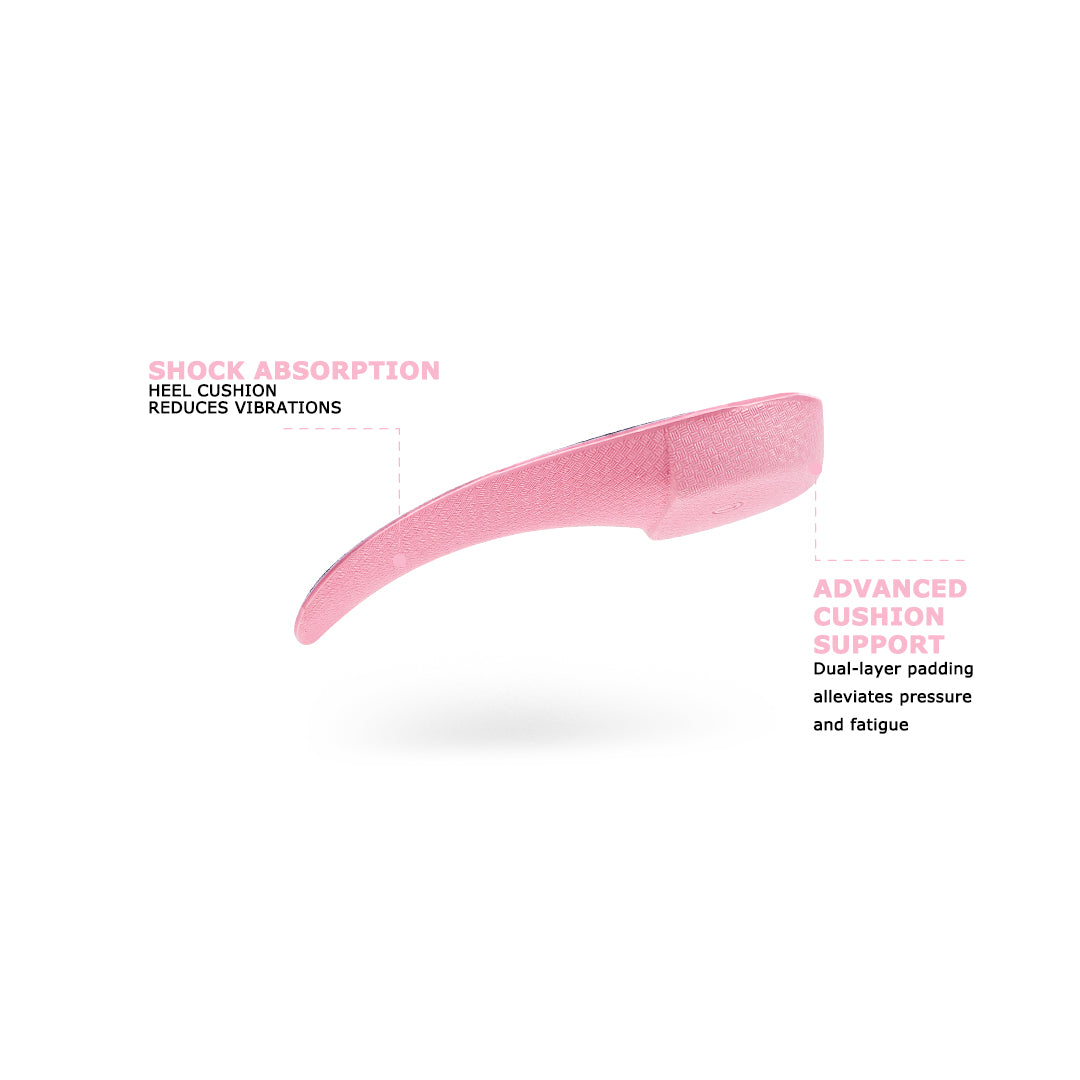
Tägliche orthopädische Einlage in 3/4-Länge
Tendonitis is the term for inflammation or irritation of a tendon that causes pain and tenderness. It can occur in any tendon in the body, but tends to be most common in shoulders, elbows, wrists, and heels. Tendonitis is also sometimes called tendinitis.
Are there Different Types of Foot Tendonitis?
Your feet contain many tendons. Tendonitis can affect any of them, but the most common include:
Achilles Tendinitis
You've probably heard of the Achilles tendon. It's the main tendon of your foot, running from your calf muscle to your heel. It makes running, jumping, climbing stairs and standing on your toes possible.
Symptoms – Pain, stiffness, and possibly swelling either at the bottom of the heel or slightly above the ankle, depending on which part of the tendon gets inflamed. The pain is usually worse after taking the first few steps of the day or after long periods of rest.
Causes – A common sports injury, Achilles tendinitis tends to develop when people increase the intensity of their training too aggressively without enough time to recover. Tight calf muscles or a heel spur will add to this risk.
Treatment – Rest, ice, pain-relieving medications, and physical therapy are the first line of treatment. Adding orthotic insoles to your shoes is a good way to address Achilles tendinitis, especially if you have flat feet. Supportive insoles will reduce strain on and damage to the Achilles tendon.
Posterior Tibial Tendinitis
The posterior tibial tendon attaches the calf muscles to the bones on the inside of the foot. It holds up the arch and supports the foot when walking.
Symptoms – Pain and possibly swelling centered on the inner side of the foot, often arising when pushing off the foot. Pain may be on the outside of the ankle if the foot collapses.
Causes – High-impact sports like basketball, tennis, and soccer, being overweight and old age can all lead to posterior tibial tendinitis. People with flat feet are also at a higher risk.
Treatment – As with Achilles tendinitis, rest, ice, pain medications, physical therapy, and orthotics are most appropriate for managing posterior tibial tendinitis. Cortisone injections may be needed if other treatments fail. Insoles will give flat feet proper support.
Peroneal Tendinitis
Two peroneal tendons wrap around the outside of the ankle. One connects to the little toe and the other to the big toe.
Symptoms – Peroneal tendinitis of the foot results in pain around the back and outer side of the ankle and foot, especially when standing or pushing off the foot. The ankle might also feel unstable during activities.
Causes – Inflammation of the peroneal tendons usually comes from a history of ankle sprains, training too hard, wearing unsupportive footwear, or having muscle imbalances. High arches are also considered a risk factor.
Treatment – Rest, apply ice, use pain medications, and elevate the ankle above the heart when resting to manage the pain. Stretching and strengthening exercises for all the muscles of the calf will also reduce tension and speed up the healing process. Orthotics may be helpful, but for this type of tendinitis it’s best to seek medical advice to determine if they are best for your foot type.
Extensor Tendinitis
The extensor tendons run from the front of the ankle, across the top of the foot, and attaches to the tips of the toes.
Symptoms – Extensor tendinitis of the foot symptoms involve pain directly on the top of the foot, which gets worse with activity and better with rest. There may be some swelling, tenderness, or bruising in this area as well.
Causes – This type of tendinitis typically occurs in people who lace their shoes too tightly, walk or run on uneven surfaces regularly or spend lots of time on their feet. Tight calf muscles can also contribute to the problem.
Treatment – Rest, ice, pain medications, and physical therapy are typical treatments. Using a different shoe lacing system can help too. Try tying the knot on the side or skip lacing the holes over the most painful area. Orthotics may also help, but check with a doctor before adding them to your shoes.
Flexor Tendinitis
The flexor tendon runs from the lower leg, along the inside of the ankle, and connects to the big toe.
Symptoms – Pain is in the deep back of the ankle, on the side of the big toe, or in the arch of the foot, when the big toe is being bent.
Causes – Bending the big toe too much. Ballet dancers are most likely to develop flexor tendinitis, while athletes with flawed technique or the wrong shoes are also at risk.
Treatment – Rest, ice, pain medications, physical therapy, stretching, and gently massaging the painful toe are all recommended. Taping the foot to protect the arch may also help.
Anterior Tibial Tendinitis
The anterior tibial tendon lies on the inner front part of the ankle and helps to lift the foot and ankle upwards and inwards.
Symptoms – Pain and possibly swelling develops in the front of the foot when walking or running on sloped surfaces.
Causes – This is one of the least common types of tendinitis occurring more frequently in older adults.
Treatment – Rest, ice, pain medications, physical therapy, and calf stretching are helpful. A brace or walker boot may also be needed to stabilize the ankle or limit its movement.
Who gets Foot Tendonitis?
Anyone can get foot tendonitis, but it’s more common in athletes or very active individuals who overuse the tendons. You’re also more likely to develop foot tendonitis if you:
Are overweight.
Don’t stretch before physical activity.
Don’t stretch after physical activity.
Have certain health conditions, such as arthritis, gout, thyroid disease or diabetes.
Have flat feet.
Have had previous tendon injuries.
Have tight tendons and muscles in your legs.
Smoke or use tobacco products.
What is the Best Treatment for Tendonitis?
In most cases, your healthcare provider will recommend at-home treatments such as RICE to manage foot tendon pain:
Rest: Stop physical activity to avoid further damaging the tendons in your foot.
Ice: Put an ice pack or cold compress on your foot for up to 20 minutes at a time. Don’t apply ice directly to your skin.
Compression: Reduce swelling by applying a compression bandage or wrap around the injured tendon.
Elevation: Lift your foot into an elevated position, preferably above the level of your heart.
Once your healthcare provider diagnoses your injury, they may recommend additional treatments such as:
Calf stretches or exercises.
Orthotics (special shoe inserts) to reduce pain and support your foot as you get back to physical activity.
Non-narcotic pain relievers.
Physical therapy to regain range of motion, strength, stability and flexibility in your foot, ankle and calf.
Soft cast or boot to immobilize your foot and let the tendons heal.
Will I need surgery for foot tendonitis?
Most people don’t need surgery for foot tendonitis. But your healthcare provider may recommend surgery if your injury hasn’t improved after six months of nonsurgical treatments.