

Table of contents
Are your favorite New Balance 990s losing their "walking on clouds" feel? Or perhaps your Fresh Foam runners are still in great shape, but the interior padding feels flat? You’re not alone.
For many New Balance loyalists, the shoe's chassis lasts much longer than the factory insert. Understanding New Balance insole replacement isn't just about buying a new piece of foam; it’s about restoring the biomechanical integrity of your footwear and protecting your foot health.
Finding the best insoles for New Balance shoes can improve comfort and support. The right insoles help reduce foot pain and enhance shoe fit.
New Balance shoes are popular for their quality and style. Adding the right insoles boosts comfort during long walks or workouts.
Whether for running, hiking, or daily wear, insoles improve foot stability and reduce fatigue. Choosing insoles designed for your shoe type ensures better performance and comfort. This guide highlights the top insoles that match New Balance shoes, helping you find the perfect fit for your feet.
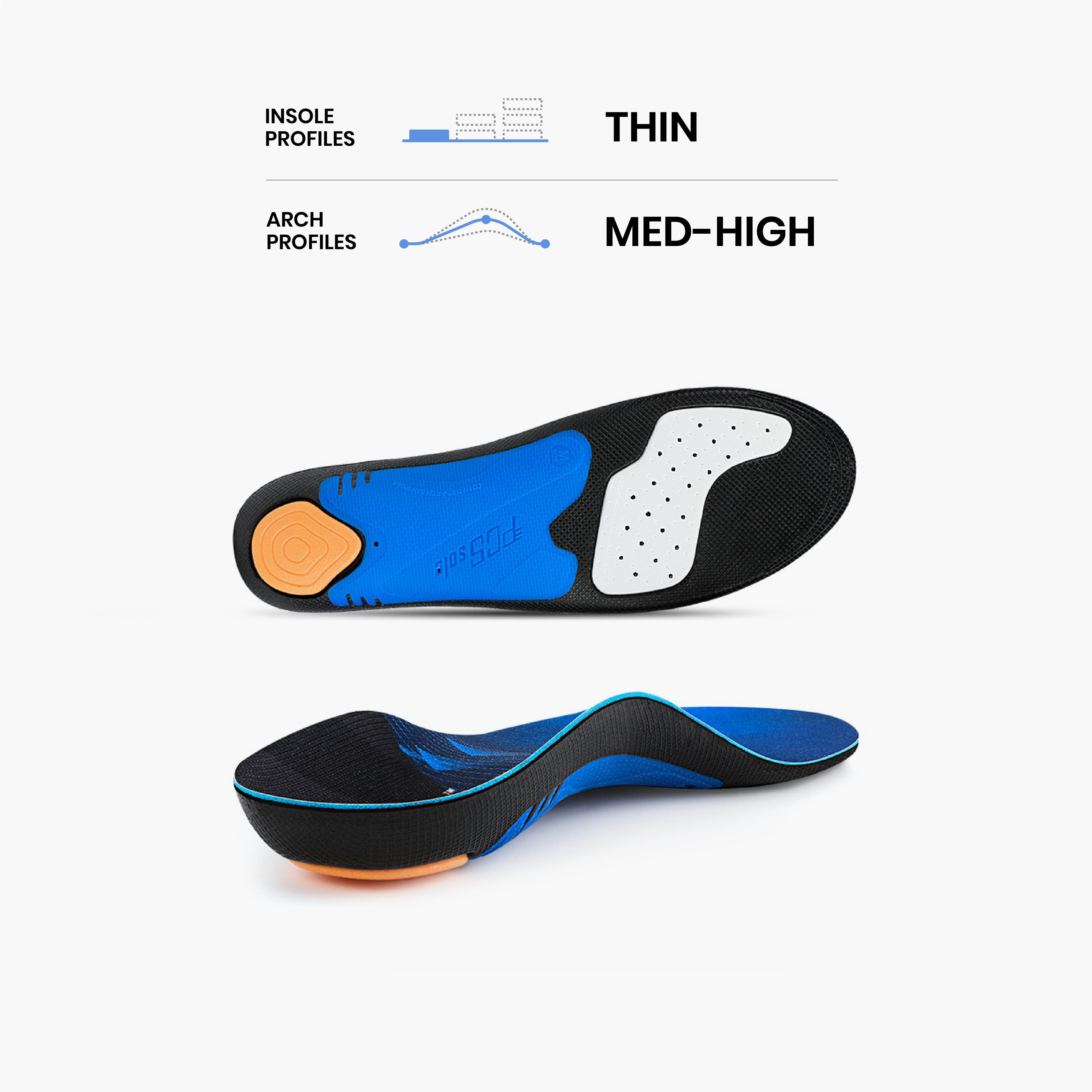
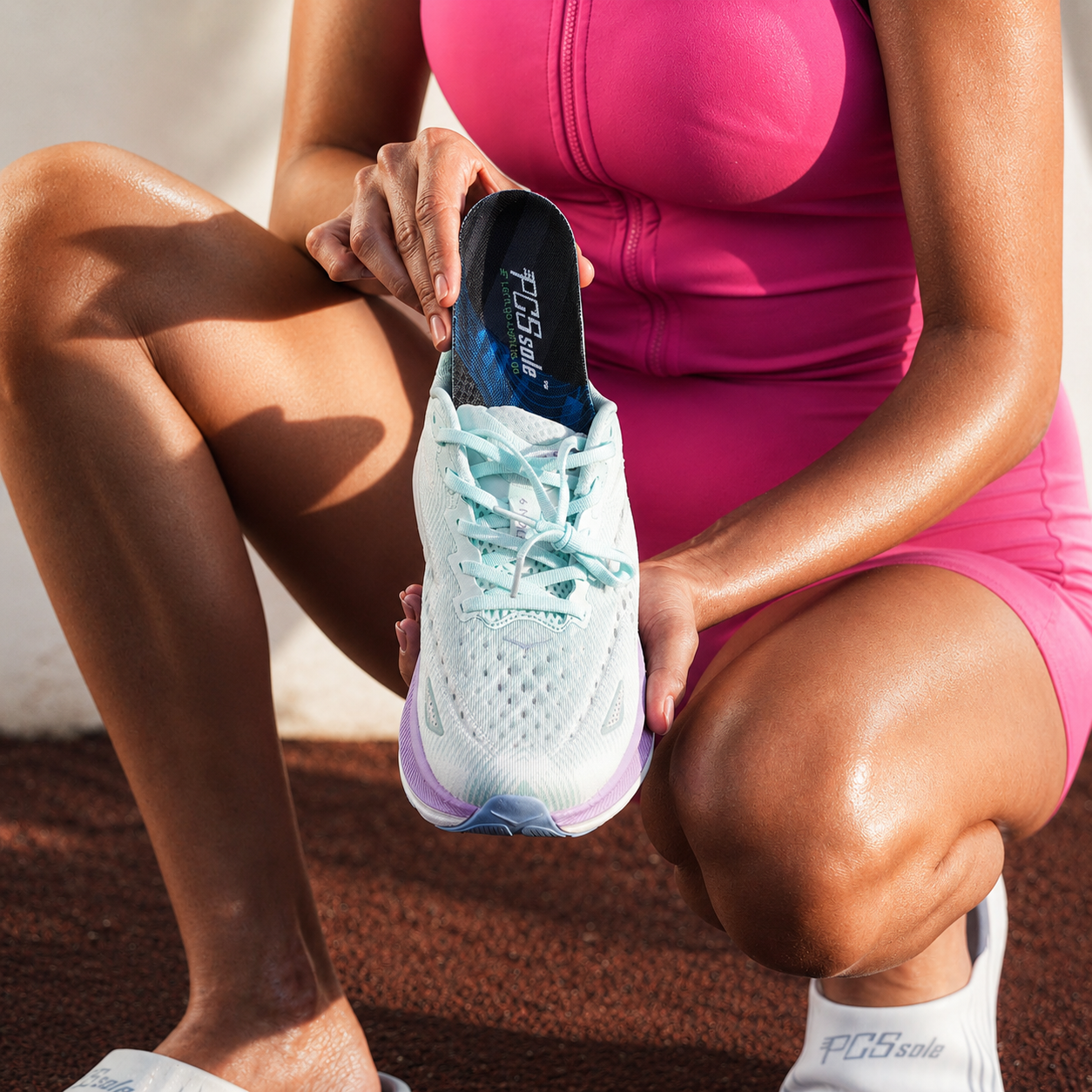
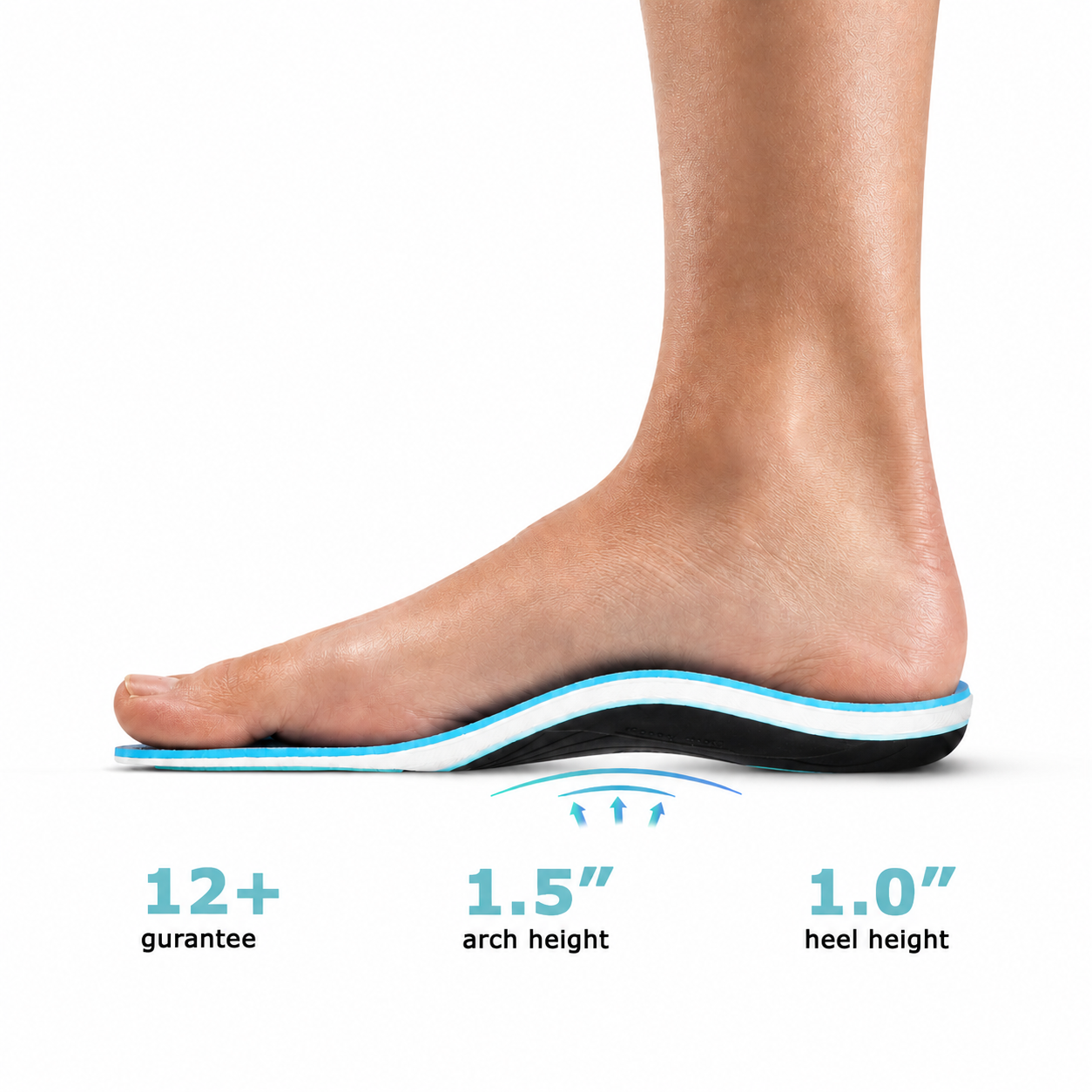
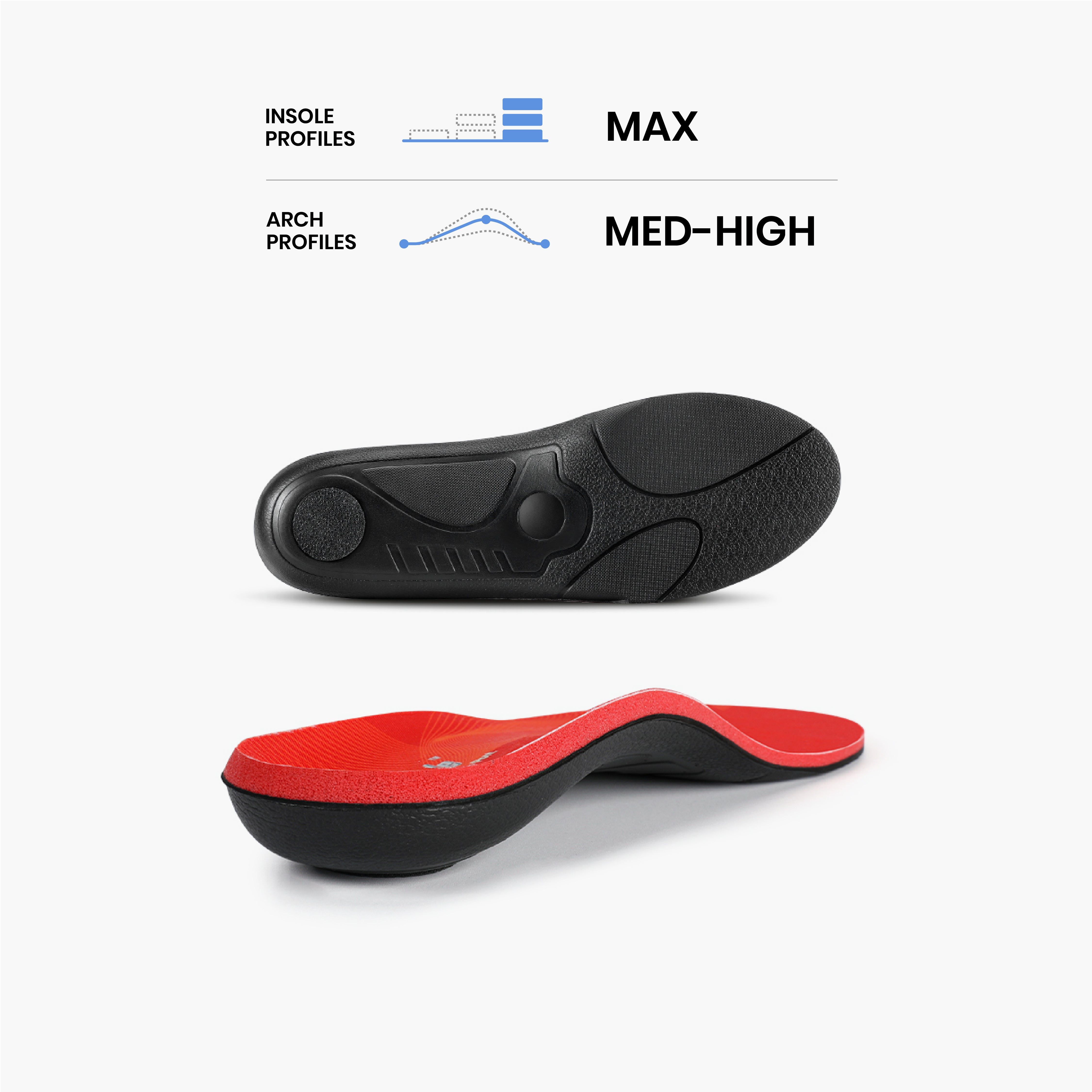
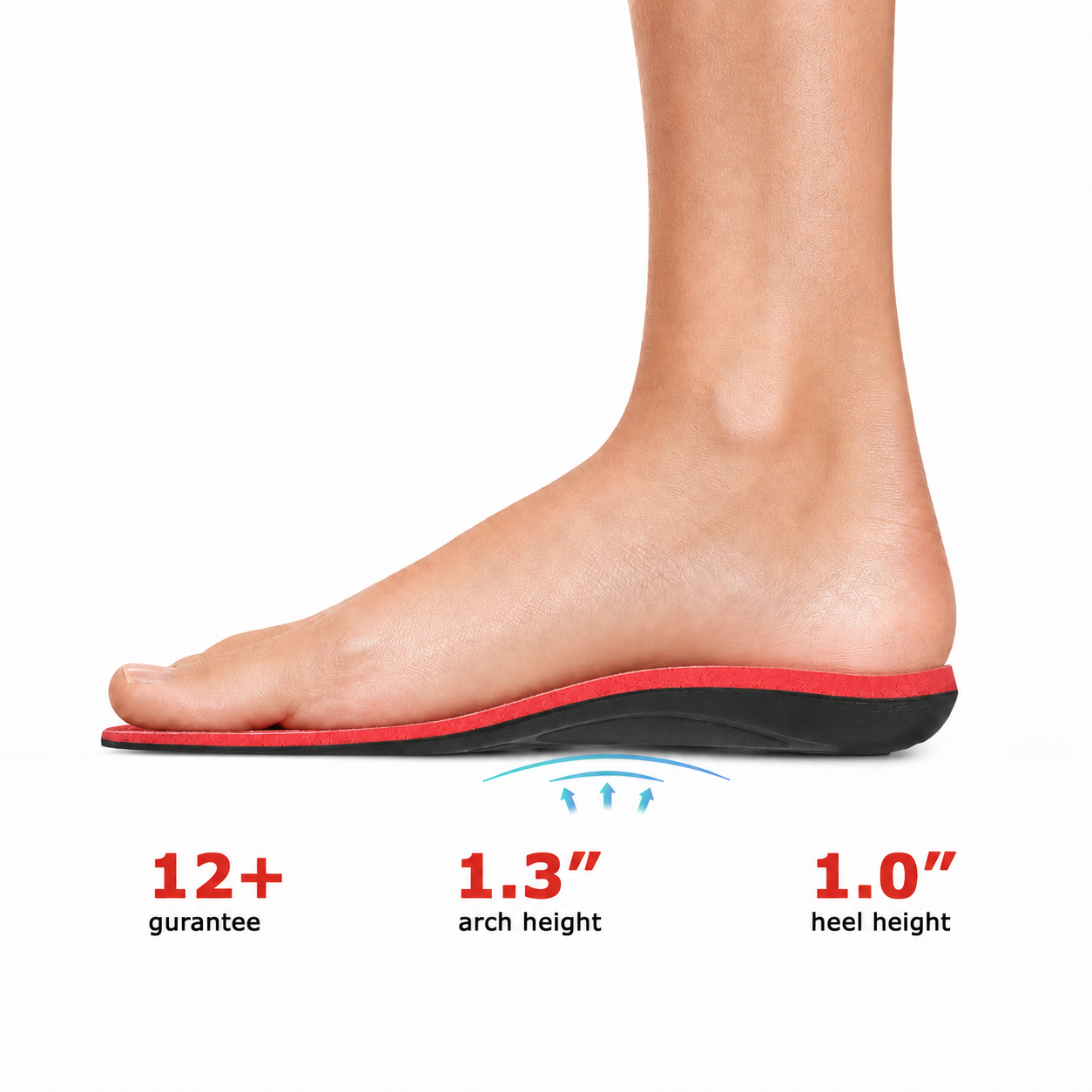
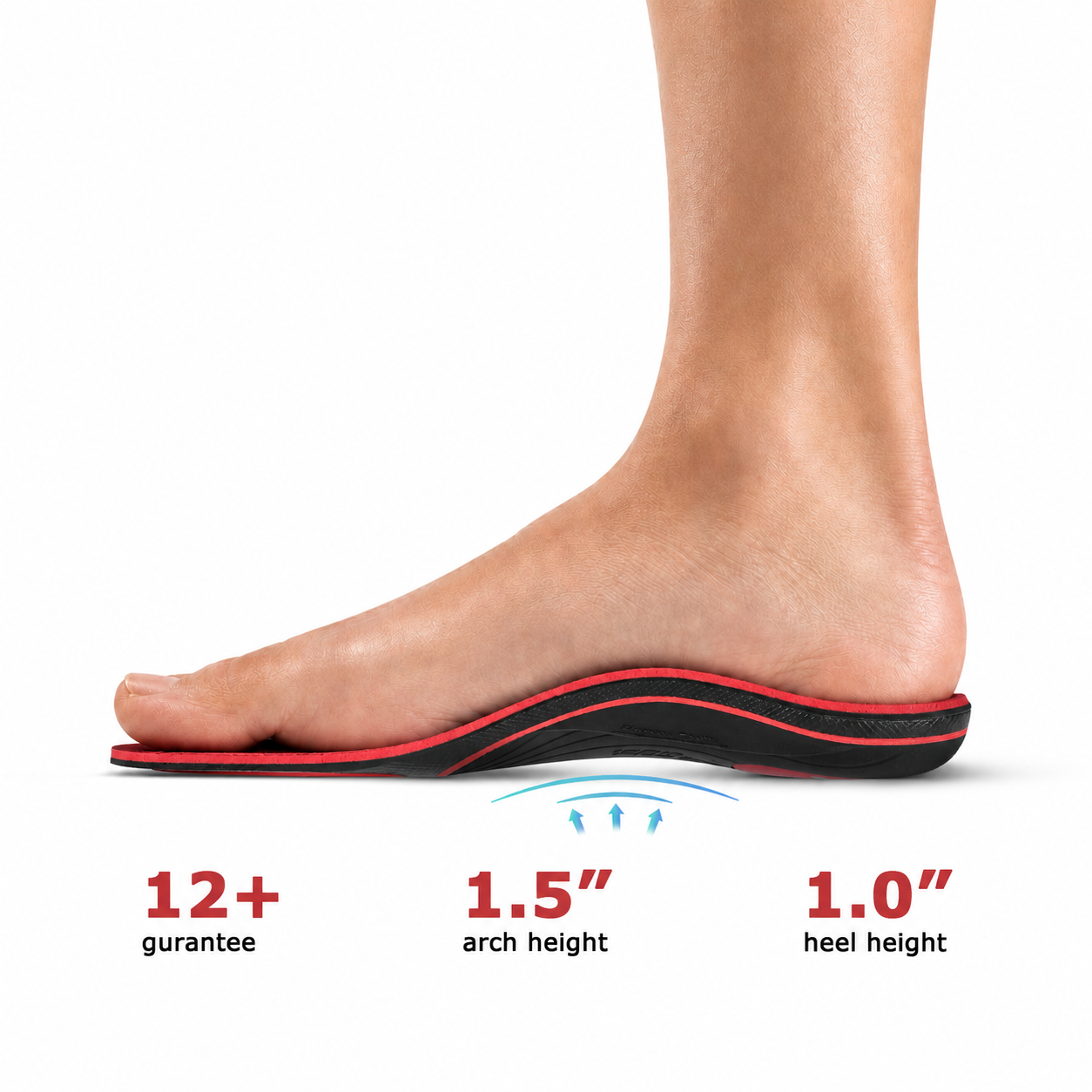
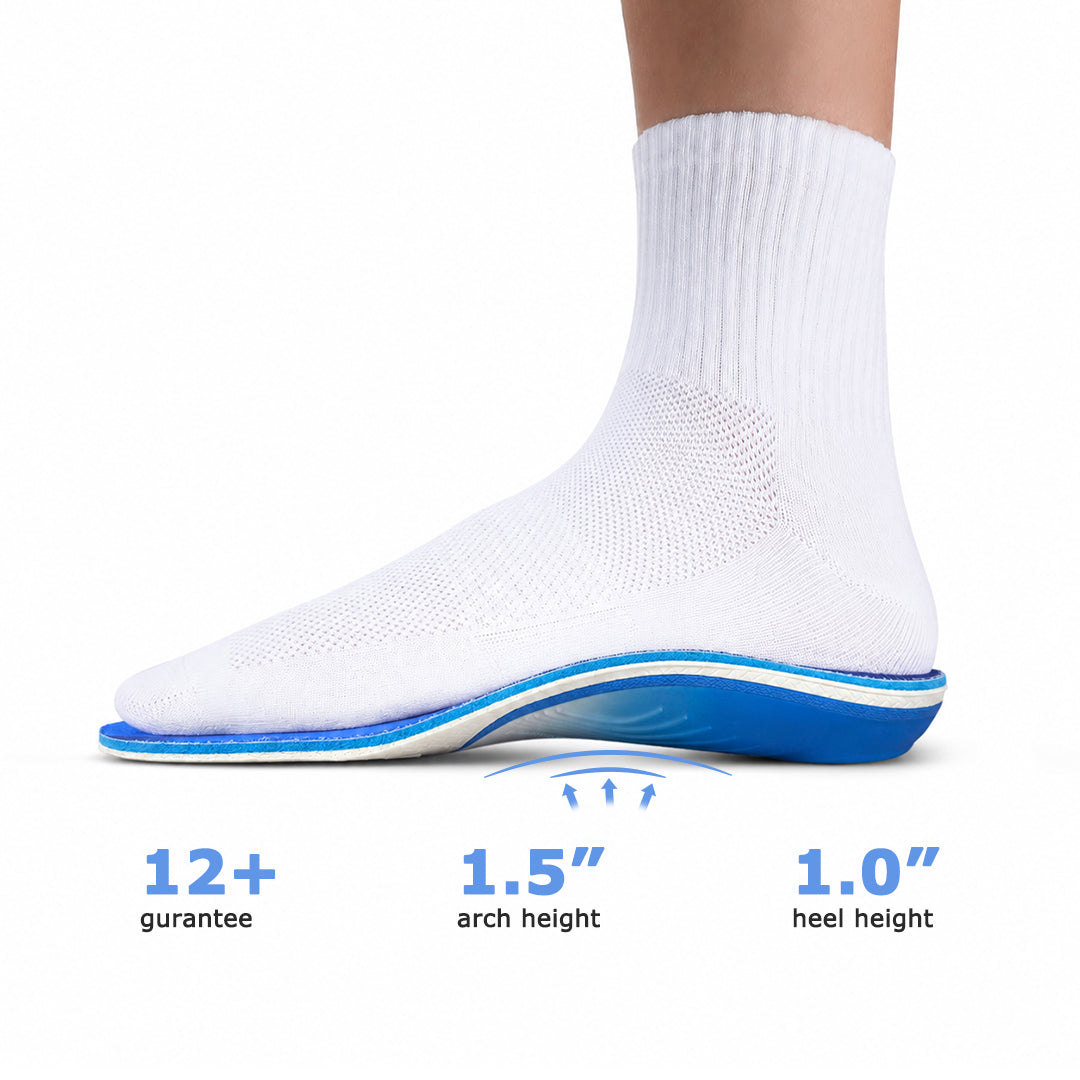
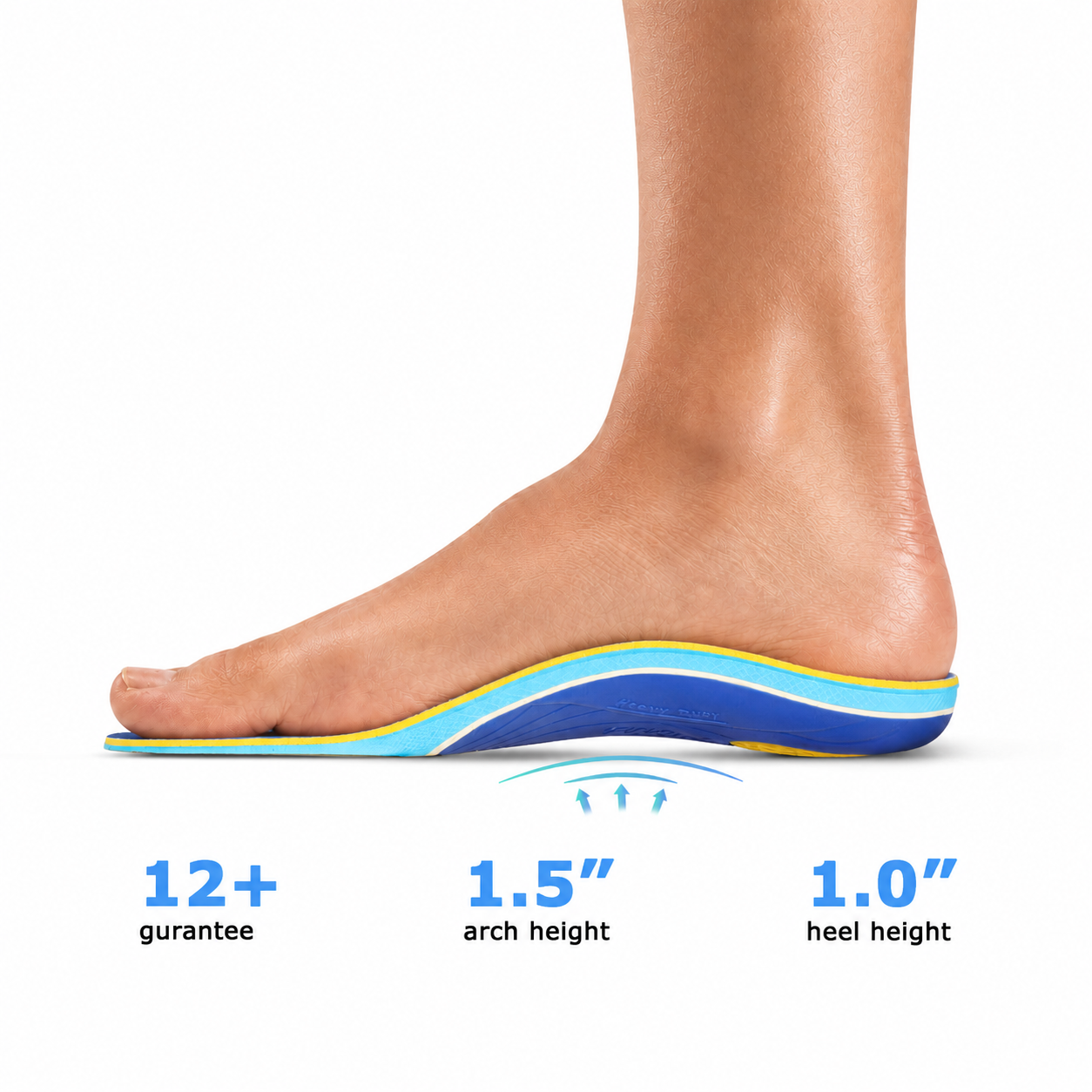
If you want a simple pick, PCSsole is built to stay low-profile while still providing structured support, and it gradually forms to your foot after a short break-in period.
Why Replace Your New Balance Insoles?
While New Balance is world-renowned for its superior midsole technology, like Fresh Foam and ENCAP, the factory inserts (stock insoles) are often the first component to fail. These standard foam liners are designed for initial out-of-the-box comfort rather than long-term biomechanical support. Over time—usually after 300 to 500 miles—the cellular structure of the foam undergoes compression set, losing its ability to absorb shock and stabilize your arch.
Upgrading to quality New Balance replacement insoles can:
- Bring back the original "NB feel" with fresh cushioning
- Support your arches properly, preventing discomfort and injuries
- Extend the life of your shoes by protecting the midsole
- Customize your fit for better performance and comfort

When to Consider a New Balance Insole Replacement?
Even premium New Balance footwear can’t maintain its performance once the internal padding degrades. Original inserts provide excellent initial comfort, but they inevitably lose their bounce over time—particularly for high-mileage users. Keep an eye out for these telltale signs that you need a New Balance insole replacement:
1. Aching Feet During Routine Activity
If your feet feel tired after minimal movement, the foam has likely reached its "compression set." New inserts are essential to bring back that vital shock absorption.
2. Flattened or Missing Arch Support
A flattened footbed is a leading cause of joint misalignment. If the support under your midfoot feels non-existent, it’s time to upgrade to a structured insole to protect your knees and lower back.
3. Changes in Shoe Volume and Stability
When insoles thin out, your feet may begin to shift or slide inside the cabin. Even if the exterior looks brand new, a fresh set of insoles will restore that secure, locked-in feel.
4. New Strains in Heels or Shins
Recurring soreness in the heel or lower leg is often a red flag for lost impact protection. Replacing worn inserts with those featuring deep heel cups can help prevent issues like plantar fasciitis from worsening.
Neglecting these warnings can lead to premature shoe failure and physical discomfort. When your foundation collapses, your body absorbs the shock instead of the shoe. Promptly swapping in new balance insoles preserves your foot health and maximizes the lifespan of your favorite sneakers.
How to Choose the Right Insole for Your New Balance?
Finding the ideal New Balance insole replacement requires more than just picking a brand; it’s about aligning the insert’s technical specs with your shoe’s unique geometry. To maintain the legendary performance of your pair, you must consider several critical factors before making a purchase.

Follow these essential criteria to ensure your new insoles provide a seamless upgrade:
1. Identify Your Specific Arch Profile
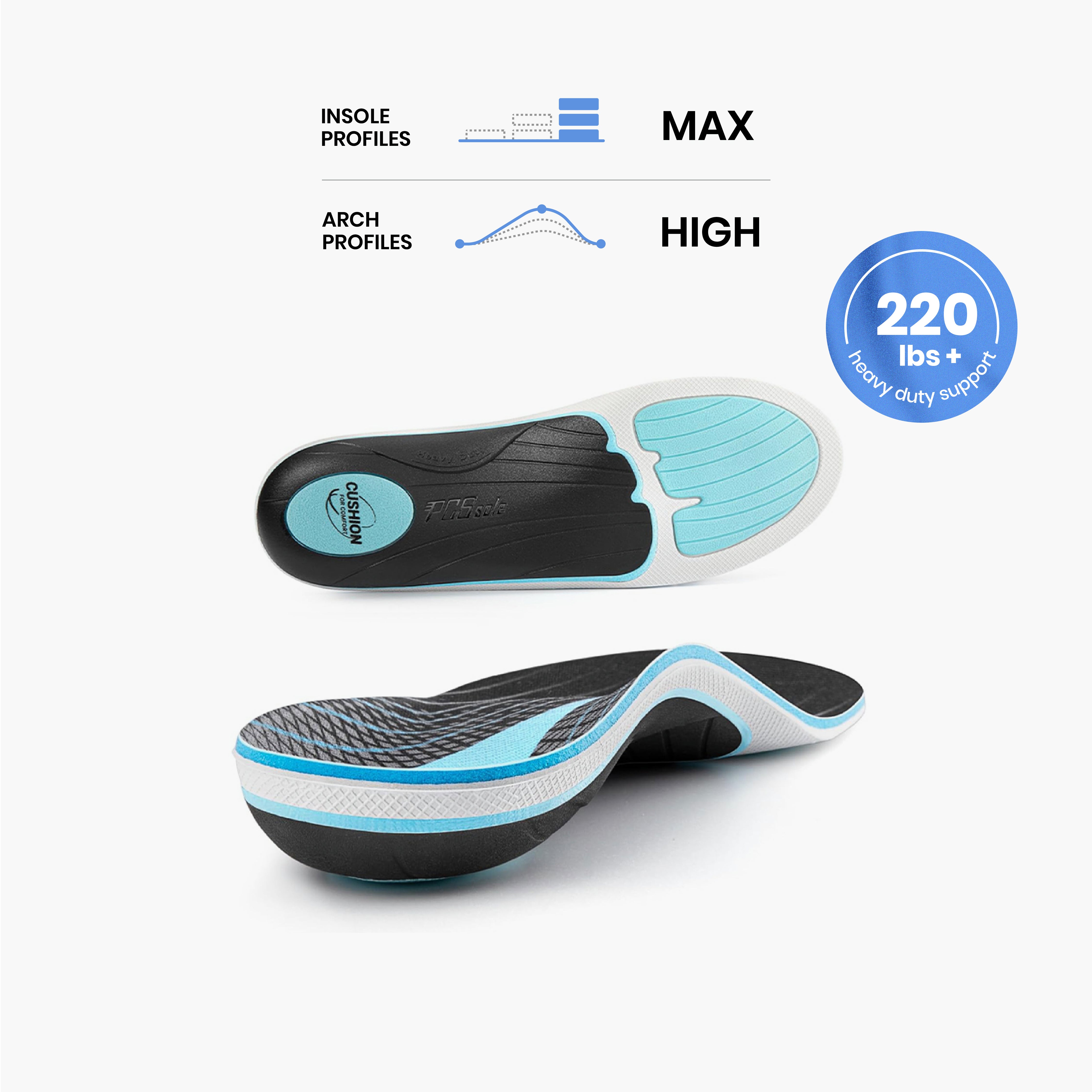
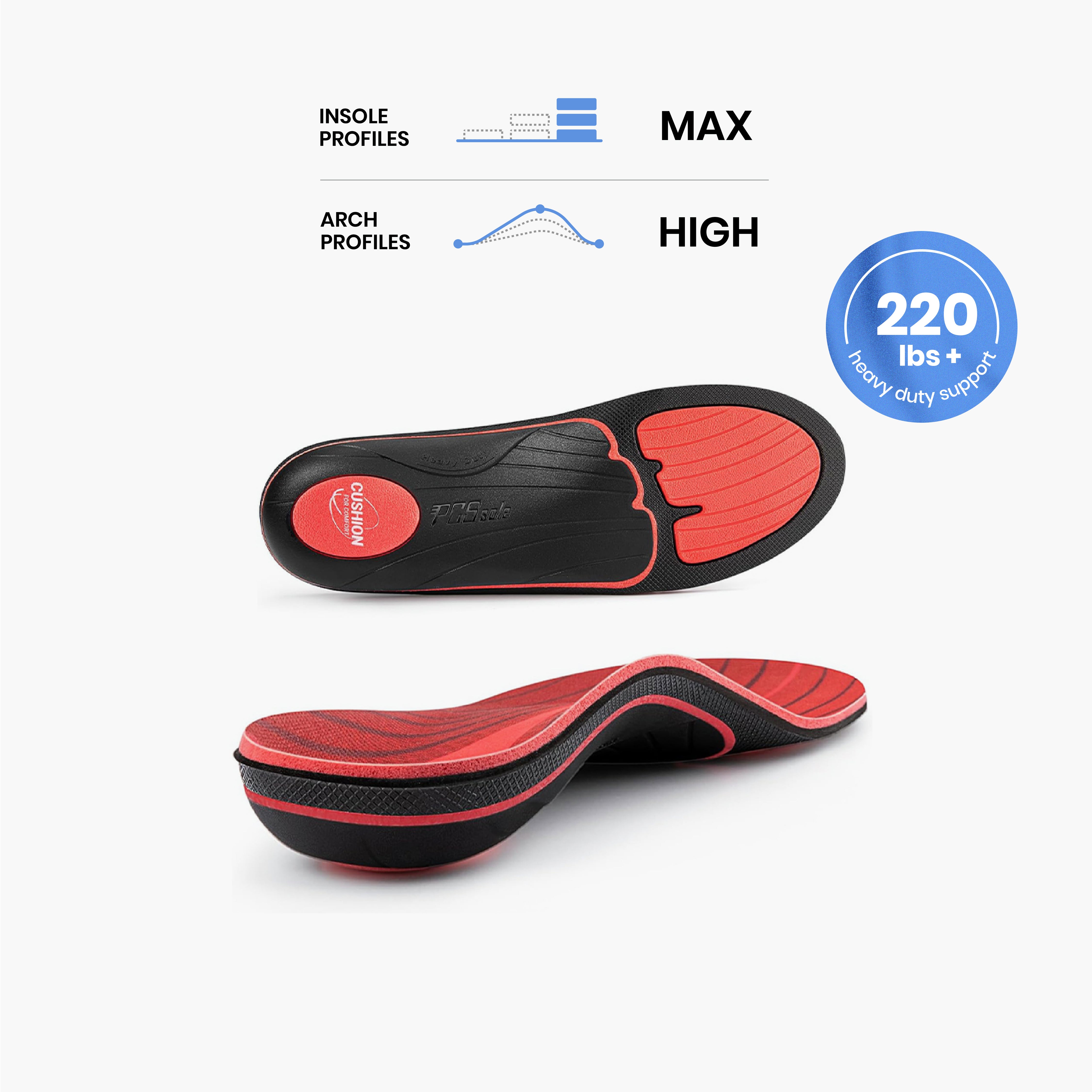
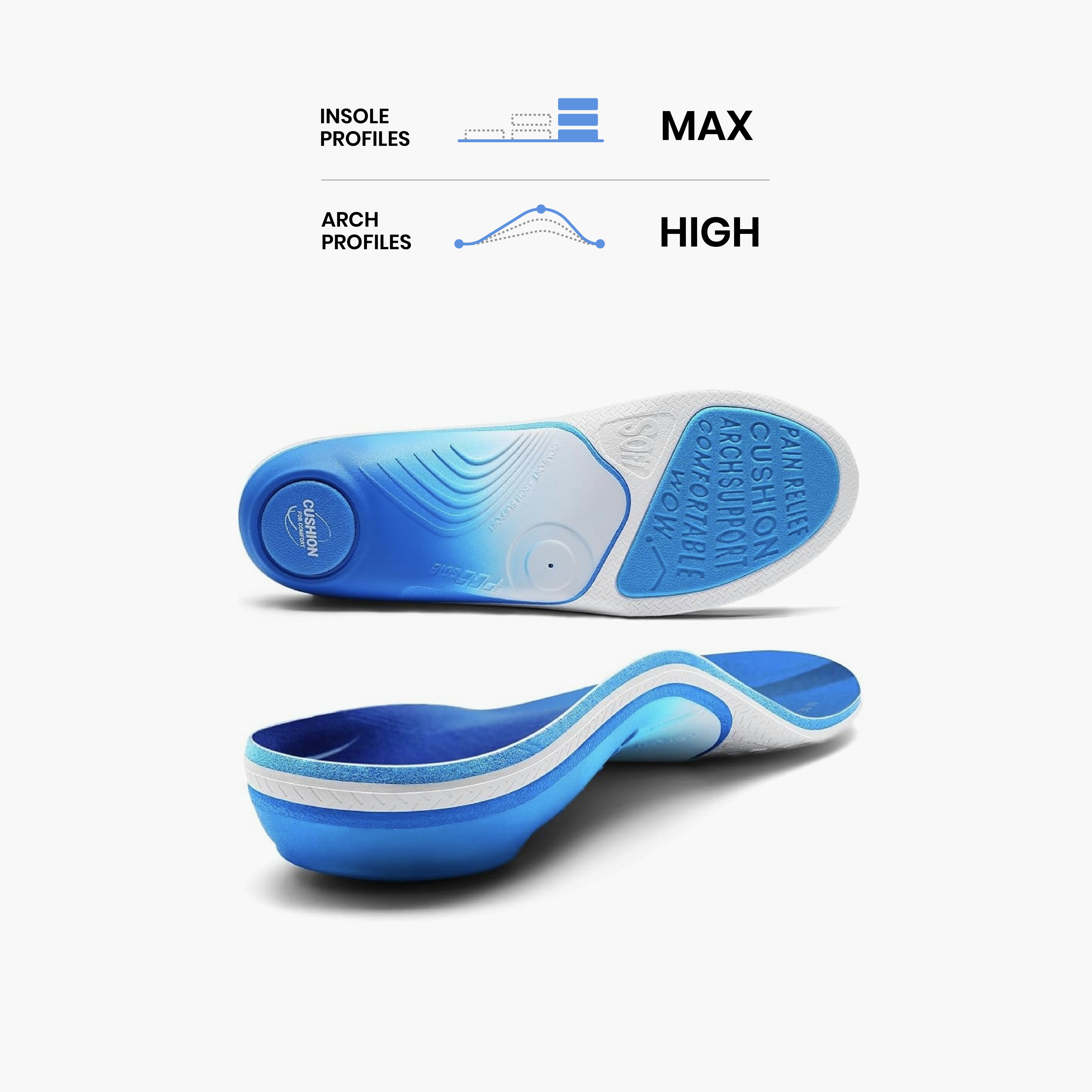
Your foot's arch height—whether flat (low), neutral, or high—dictates the level of structural support you need. Selecting an insole that matches your arch type is vital for correcting overpronation or supination. Proper alignment not only reduces foot fatigue during long walks but also promotes better posture, preventing secondary strain in your hips and lower back.
2. Prioritize Lightweight Performance
New Balance is famous for balancing plush cushioning with a responsive, "light-on-your-feet" feel. To preserve the lightweight feel of models like the Fresh Foam or FuelCell series, avoid heavy, bulky inserts that can make the shoe feel clumsy. Opt for slim, high-performance materials that offer maximum protection without adding unnecessary weight to the chassis.
3. Select Advanced Cushioning Technology
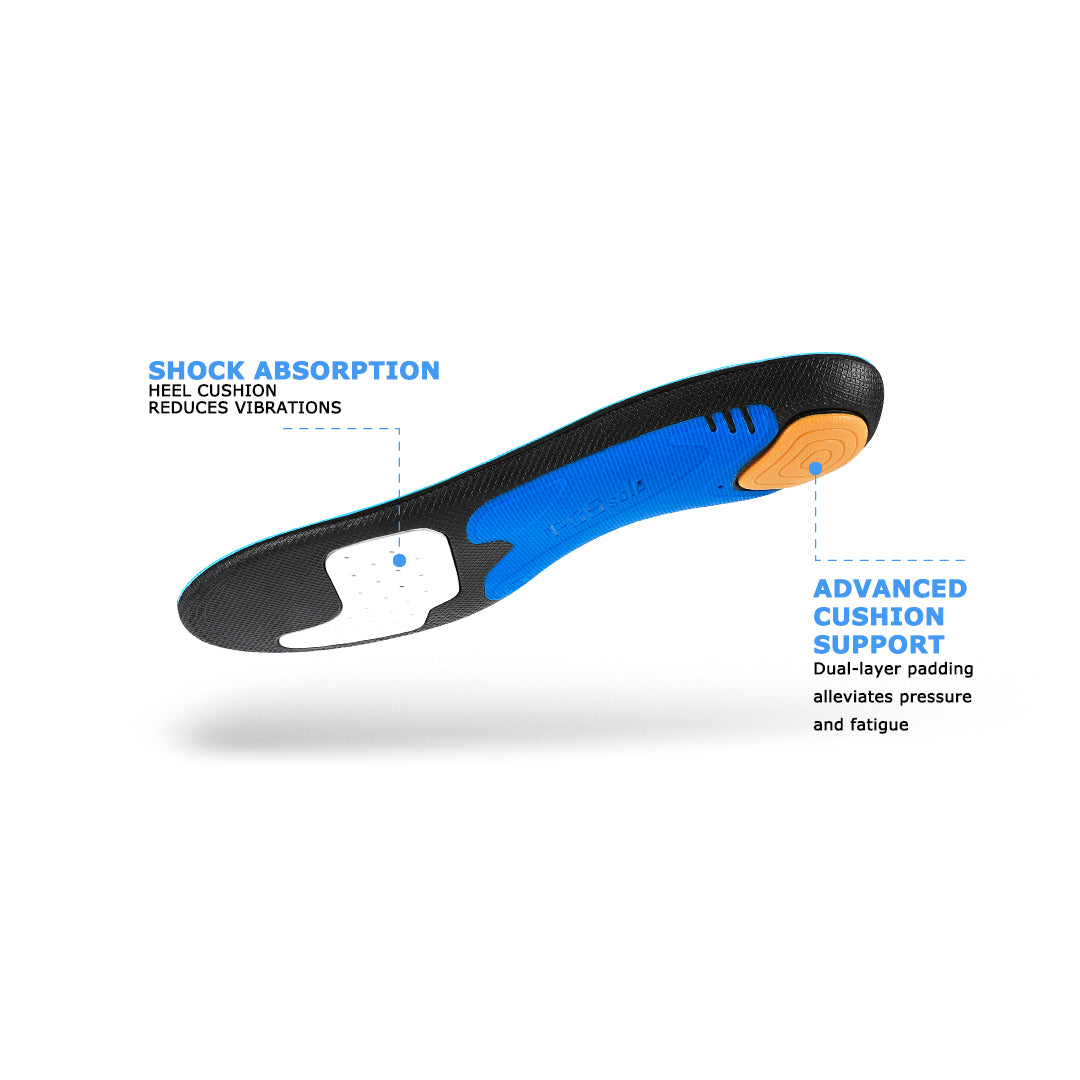
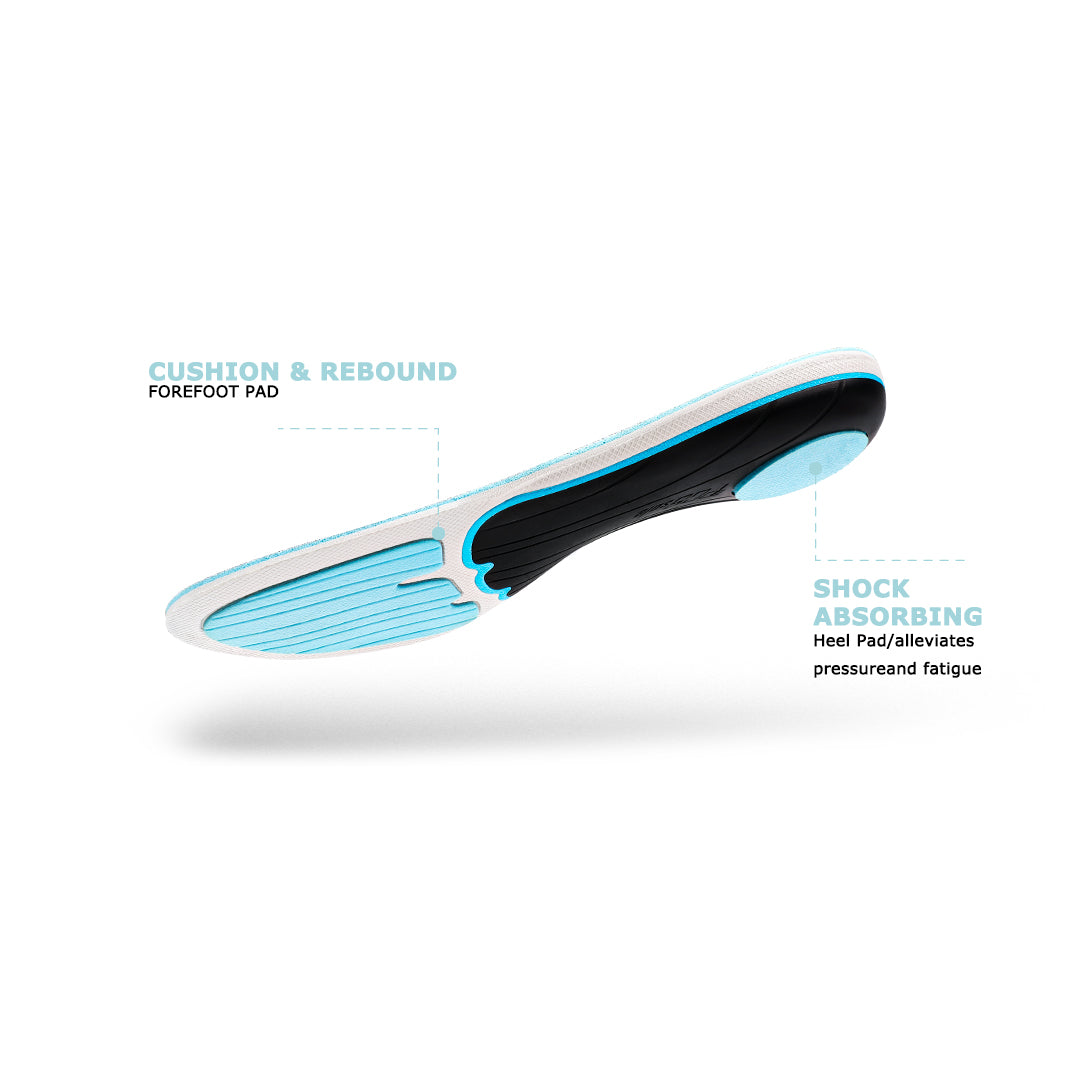
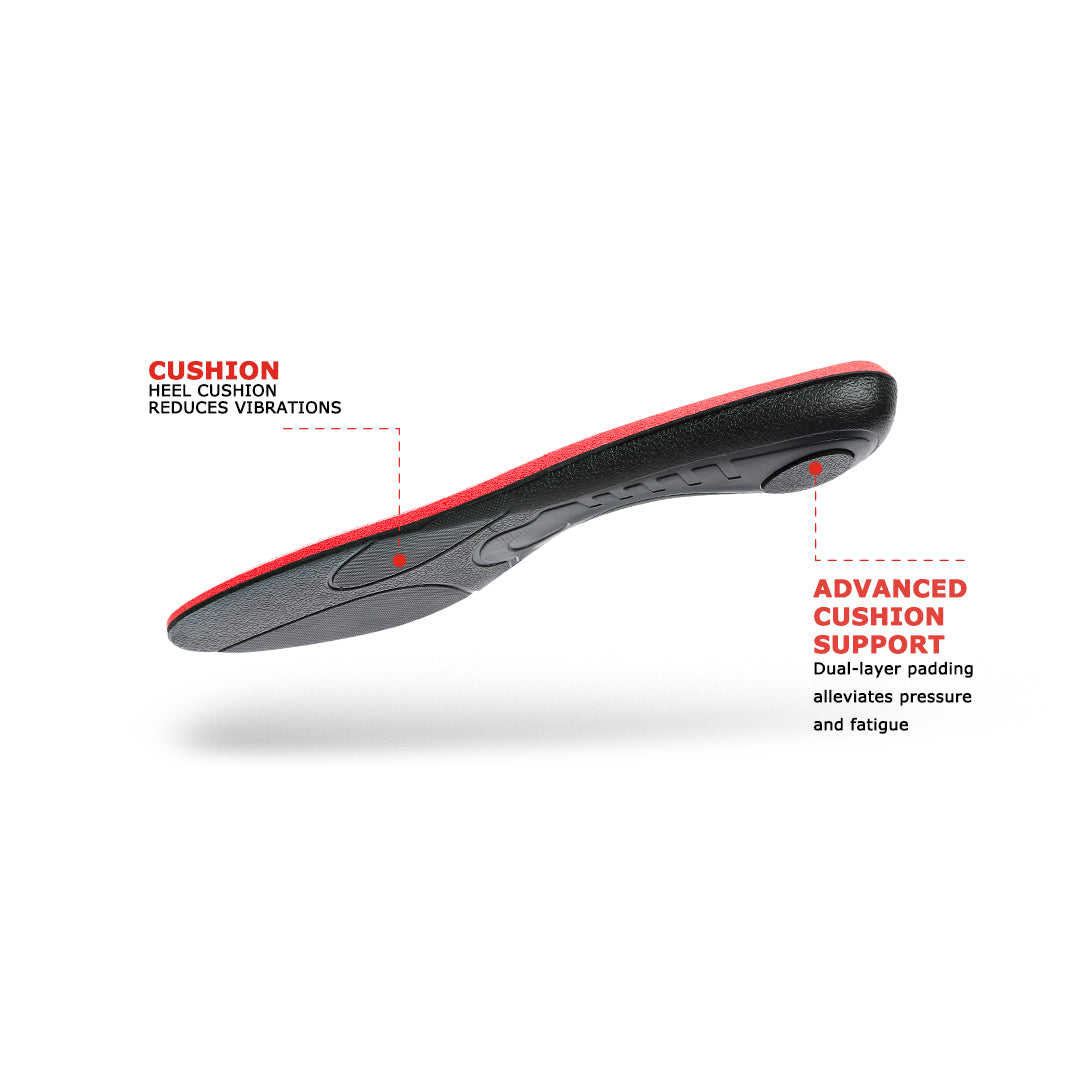
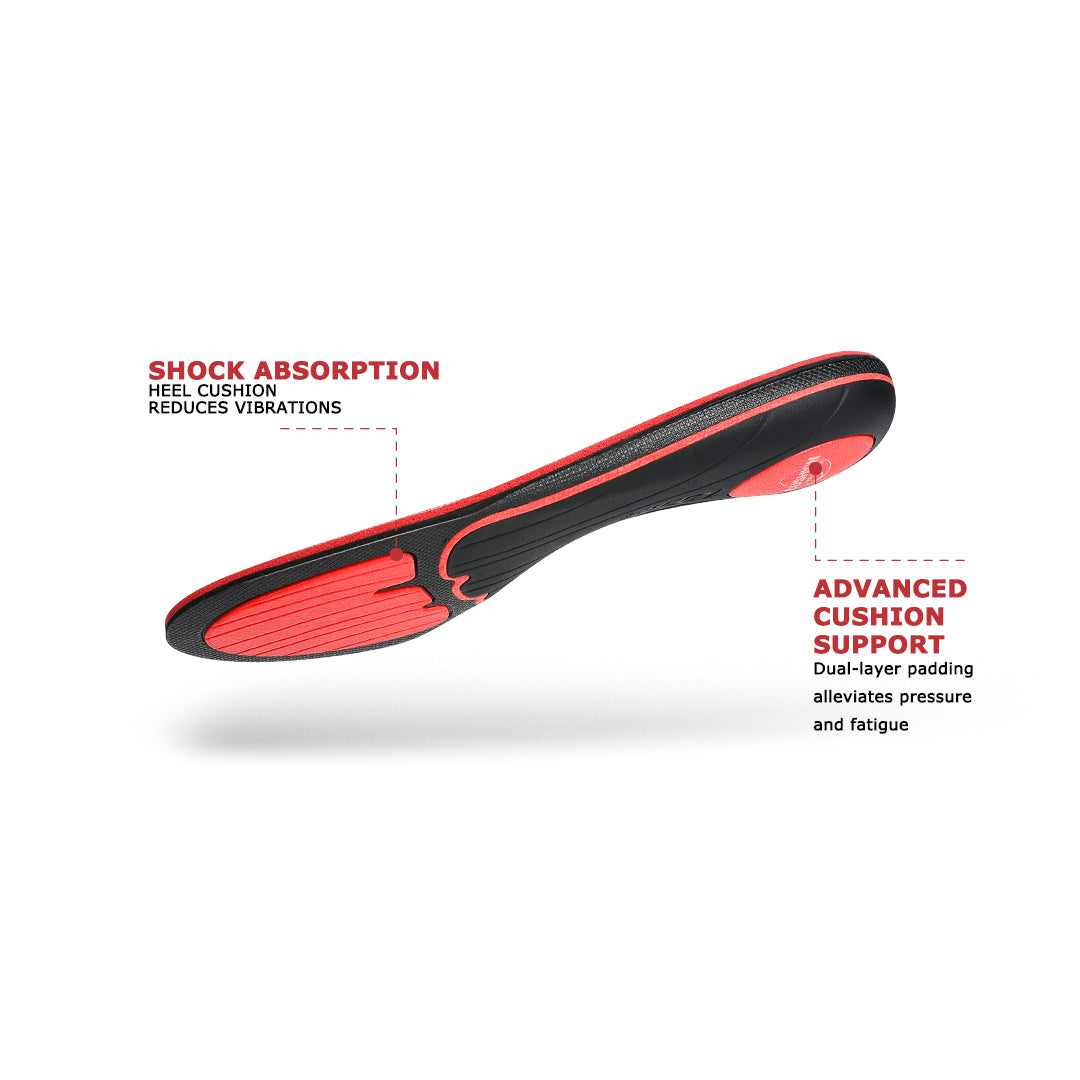
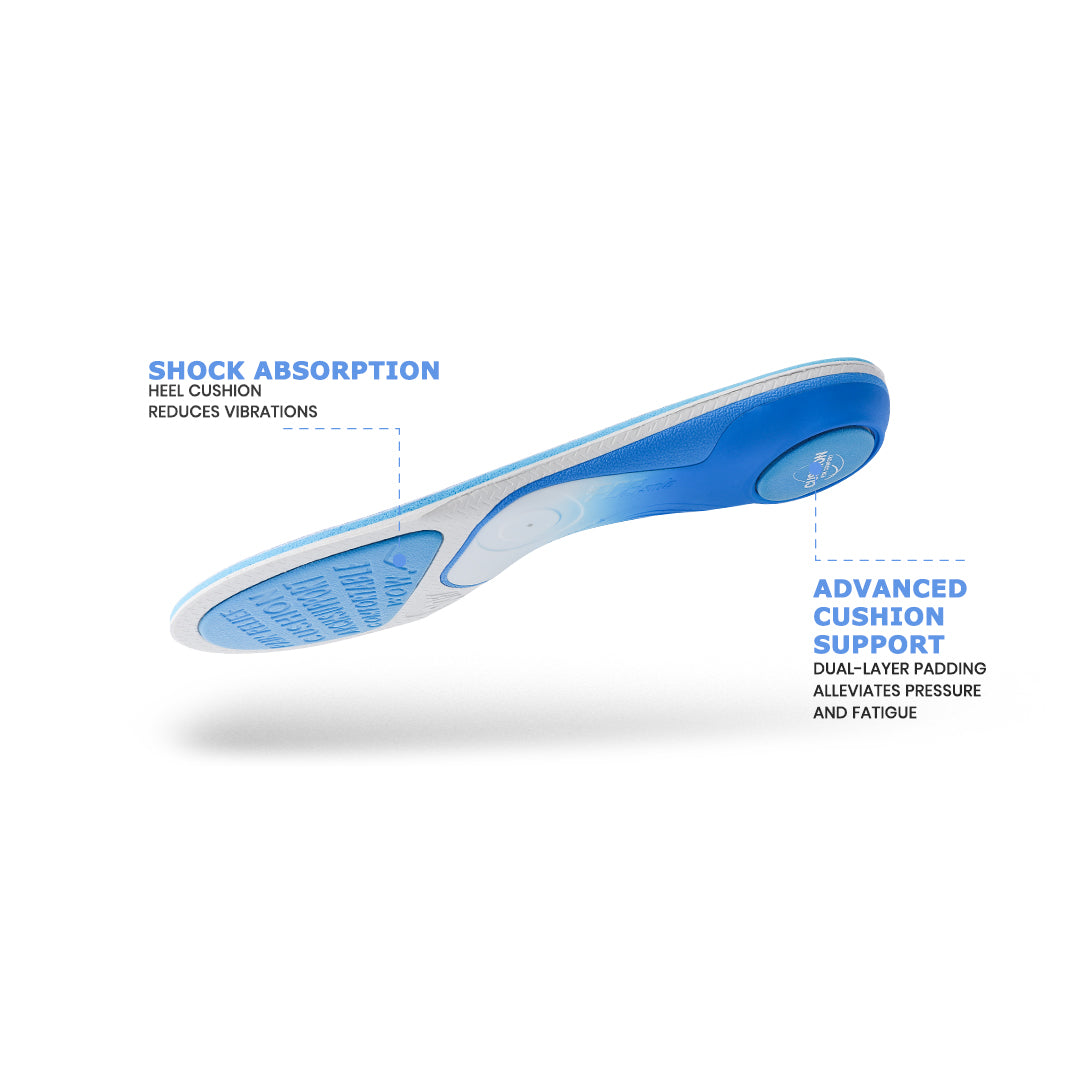
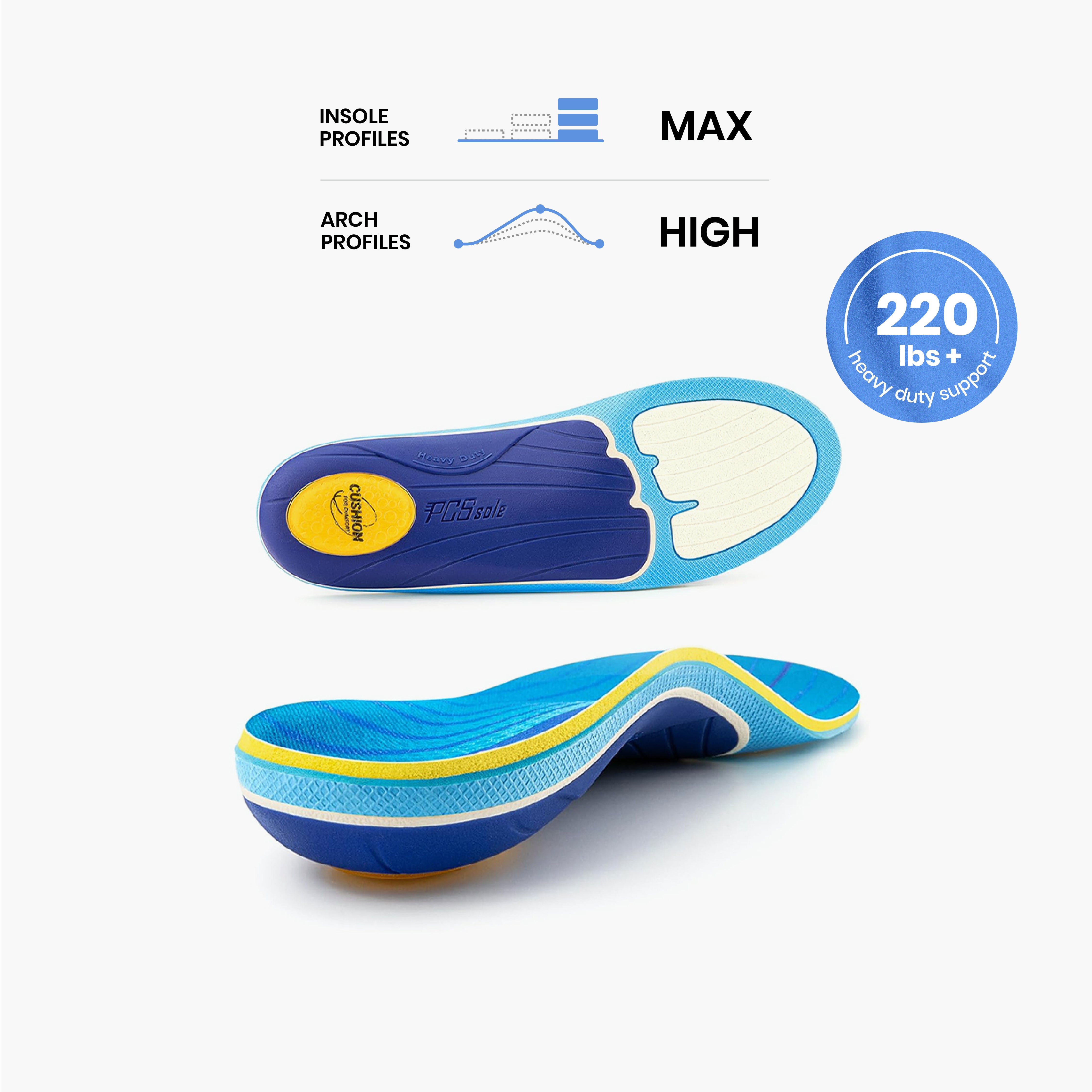
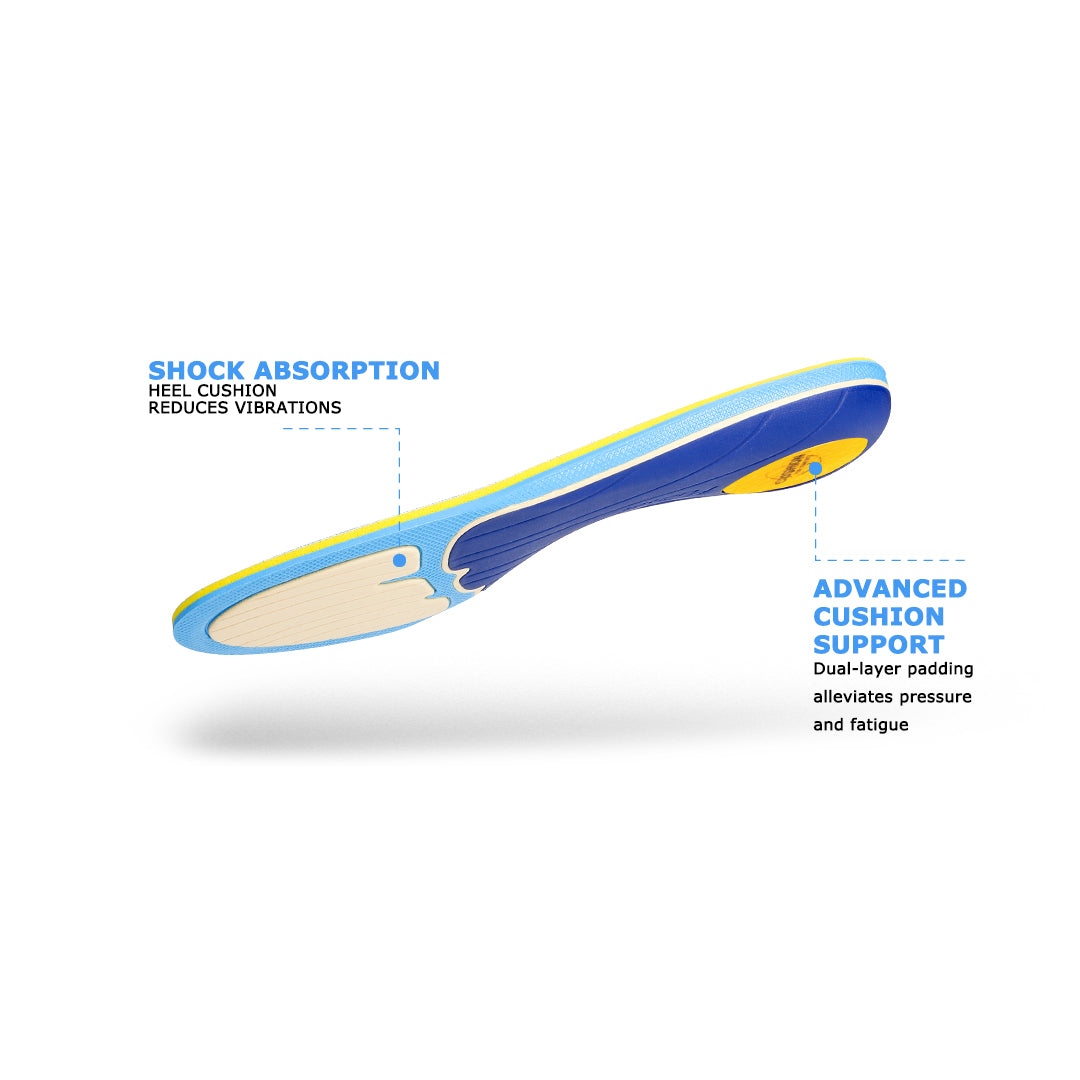
The material composition of your insole directly impacts your comfort and energy return. Modern upgrades often feature proprietary compounds like HPE (High Performance Elastomer). For instance, PCSsole insoles utilize a multi-layer cushioning system integrated with a rigid TPU arch support shell. Instead of a single material, this technology combines high-density EVA foam with medical-grade support to evenly distribute body weight across the entire foot. This technology cushions high-pressure zones—specifically the heels and balls of the feet—helping to alleviate joint discomfort and shock-related strain in the knees.
4. Ensure a Deep Heel Cup and Stability Frame
Stability starts at the rear of the foot. A deeper, contoured heel cup is essential for keeping your foot locked in place, preventing the excessive lateral motion that leads to friction and blisters. For those needing extra control, look for premium replacements that incorporate a structured stability frame to maintain the shoe’s integrity over long distances.
5. Focus on Breathability and Moisture Control
To keep your feet cool and dry, especially during intense activity, choose insoles featuring moisture-wicking fabrics and perforated or ventilated foam. Many high-quality options also include antimicrobial treatments, which are crucial for preventing odor buildup and maintaining a healthy environment inside your shoes after a full day of wear.
6. Utilize a Trim-to-Fit Design
Because New Balance offers such a wide variety of shapes and widths, a trim-to-fit design is often the best way to achieve a custom match. This ensures the insole sits flush against the interior walls of the shoe without bunching or leaving gaps. When customizing your fit, always use your original factory insole as a template and follow the cutting guidelines carefully to avoid damaging the integrated support zones in the arch and heel.

Our Picks for Top New Balance Replacement Insoles
| INSOLE | KEY FEATURES | PROS | CONS | IDEAL FOR |
| PCSsole Insoles | Shock-absorbing, adaptive arch support, breathable dual-layer | Self-customizing fit, balances firm support with responsive cushioning; long-lasting | Initially feels firm, but conforms to your foot's shape over time | High-mileage runners, walkers, anyone craving "like-new" NB feel |
| NB Ultra Cushion Insole | Dual-density memory foam | Plush underfoot; great for casual wear | Compresses fastest under heavy mileage | Lifestyle & recovery days |
| NB Arch Support Insole | Firm medial post | Lightweight, low-profile | Too little cushioning for heavy heel-strikers | Neutral/high-arch runners needing guidance |
| NB 10 Seconds Pressure Relief 3030 | Poron® + metatarsal pad | Superb forefoot relief | Slightly thicker; may tighten toe box | Plantar-fasciitis & met pain sufferers |
| NB Active Cushion Insole | High-rebound foam, perforations | Breathable, energetic feel | Mid-range durability | Tempo runs, HIIT |
| NB Therapeutic Cushion | Extra-soft top layer | Diabetic-friendly comfort | Less structure for pronators | Sensitive feet, long-standing shifts |
The Guide to Your Perfect New Balance Fit
Identify Your Arch Profile
Determine whether you have low, neutral, or high arches. Observe your foot’s natural rotation as you stride, as this dictates whether you need an insole that corrects overpronation or supports supination.
Align Your Insoles with Your Lifestyle
Consider whether you are prepping for a race or walking to the office. While athletes require high-impact protection and durability, daily commuters prioritize consistent, flexible padding that survives routine use. The right choice depends entirely on your primary activity.
Target Specific Pain Points
If you deal with chronic issues like plantar fasciitis, shin splints, or knee pain, look for insoles engineered for orthopedic stability. PCSsole Insoles are particularly effective at delivering the robust support needed to manage long-term foot discomfort.
Allow for a Proper Adjustment Period
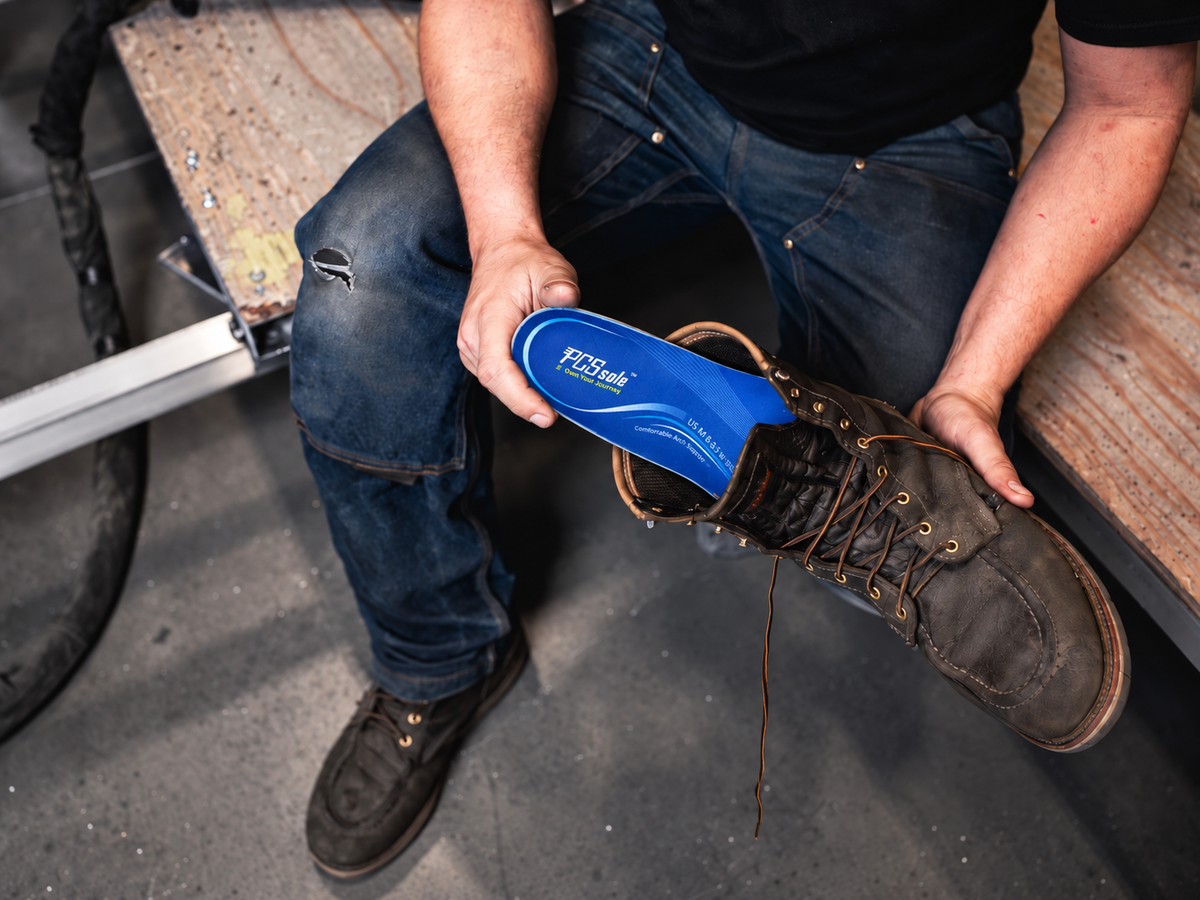
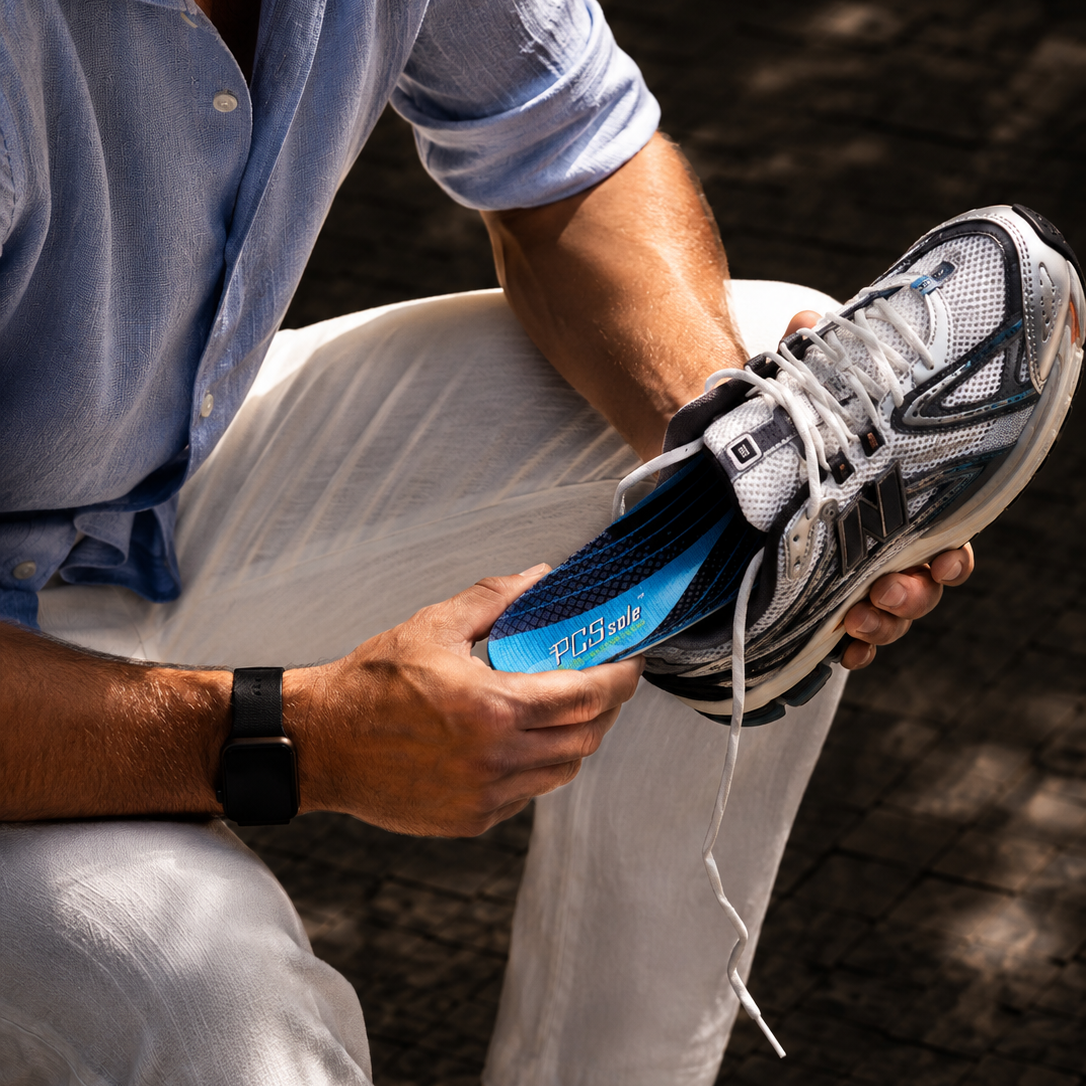
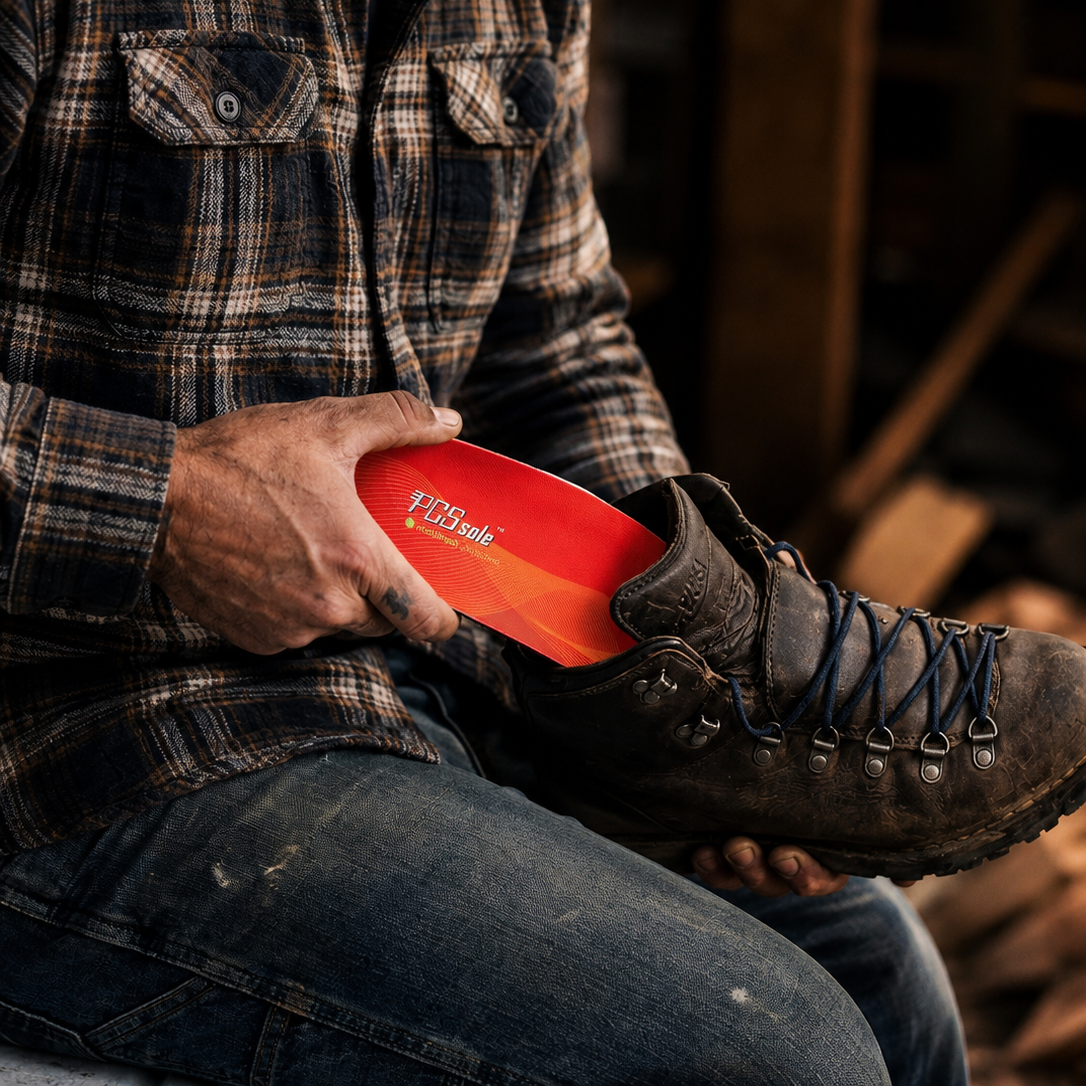
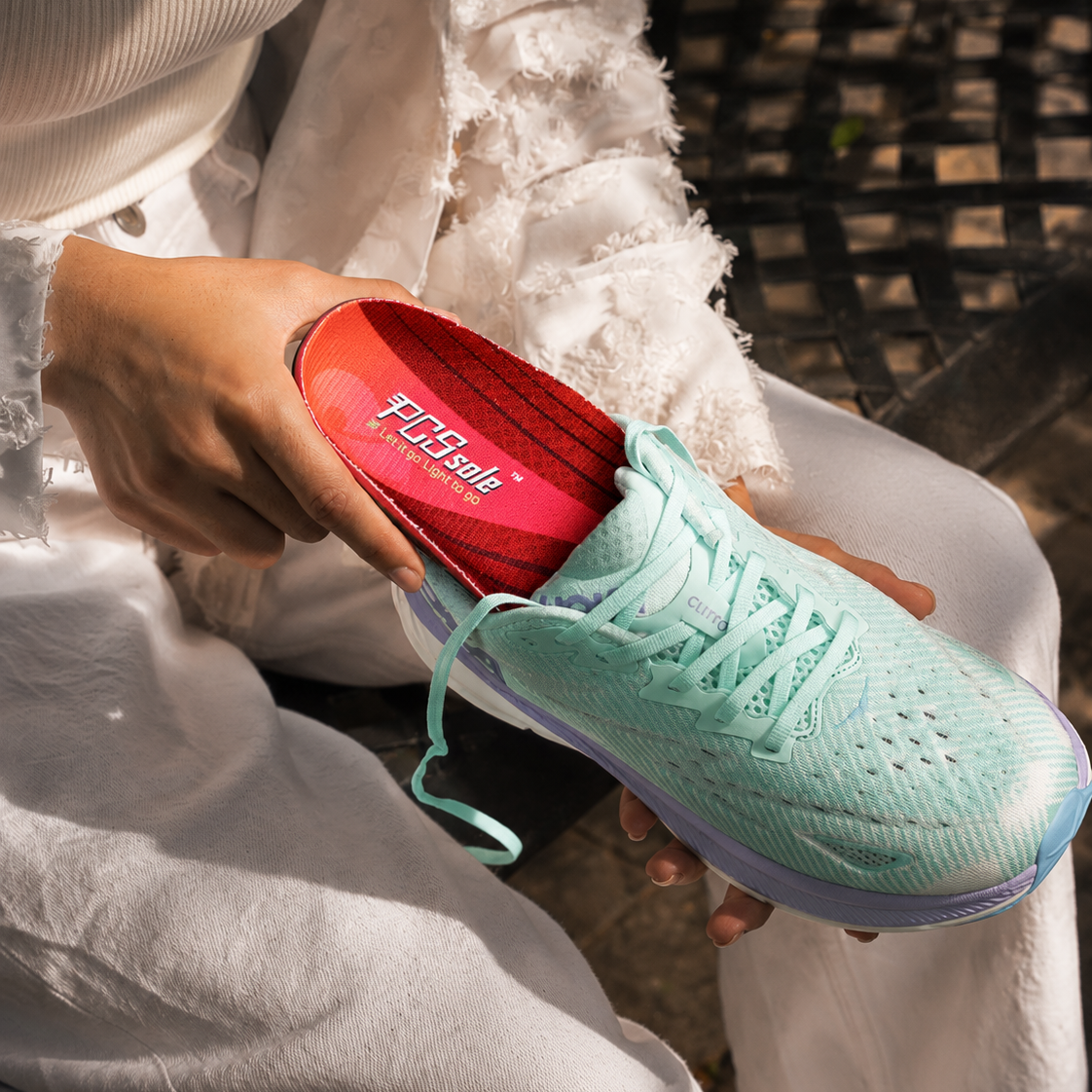
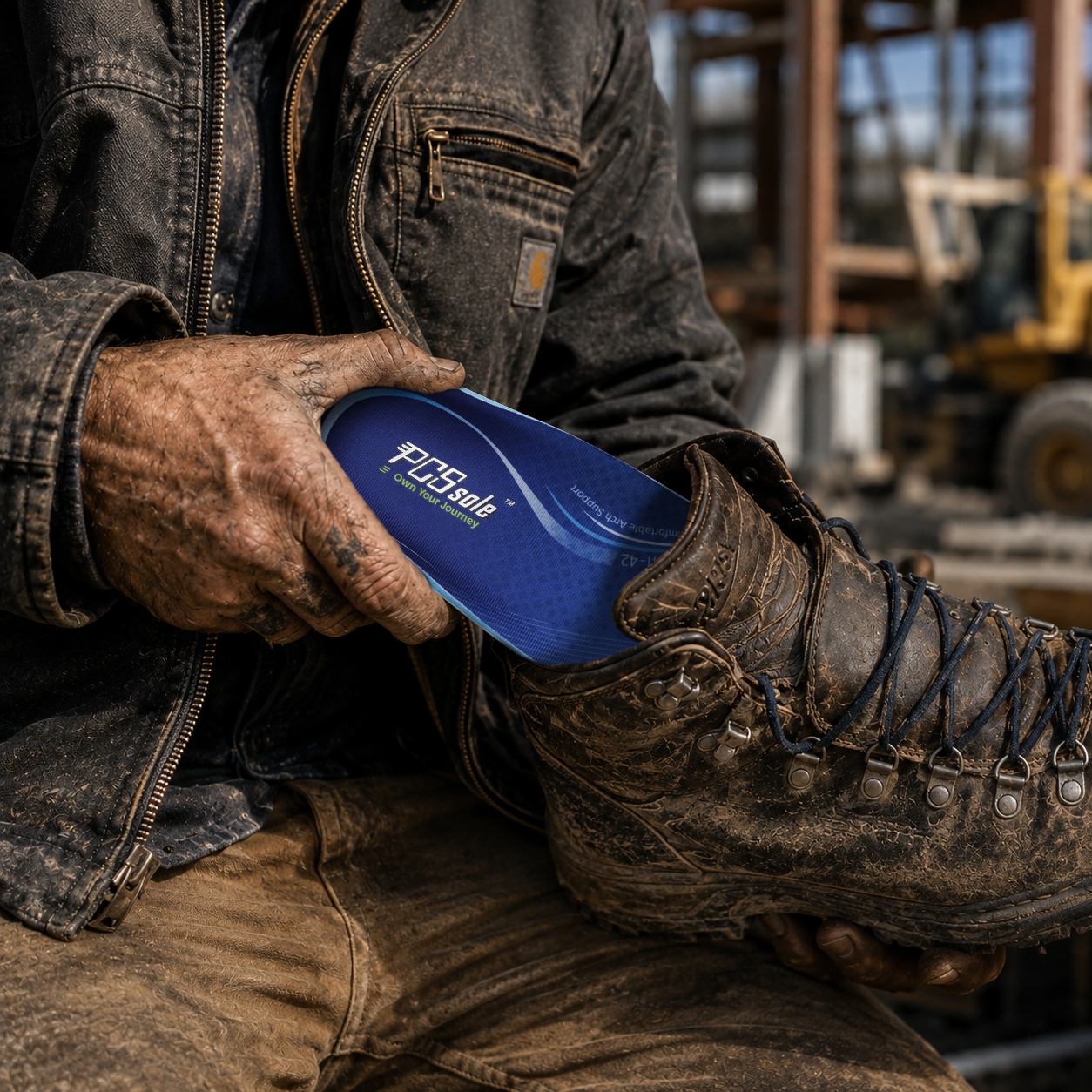
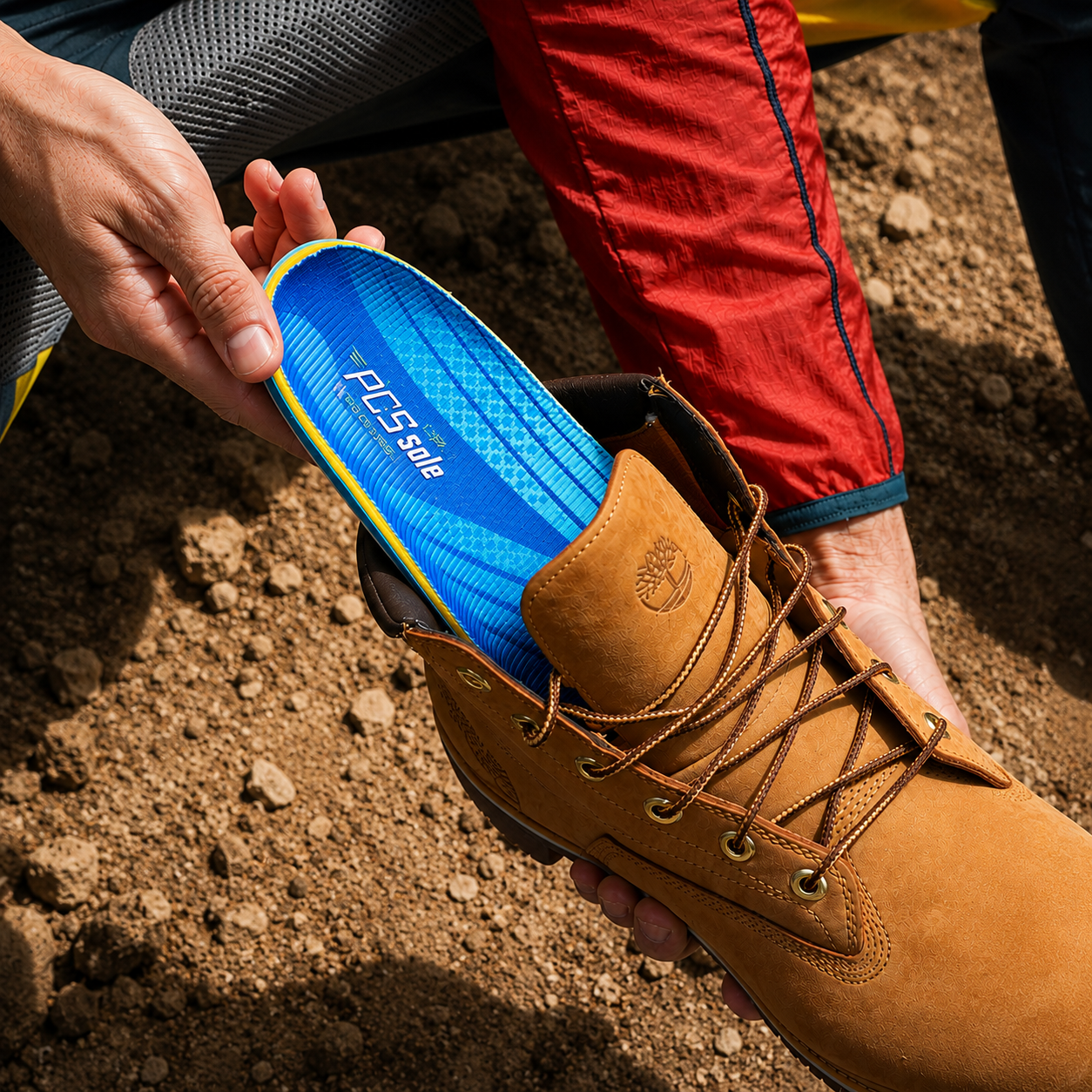
Always take out the original factory liners before inserting your new ones. Ensure they sit flush inside the shoe, then wear them for short intervals over the first 48 hours. A gradual break-in period is essential for achieving the best fit and performance.

Frequently Asked Questions
Do New Balance shoes come with removable insoles?
Yes, almost all New Balance performance running, training, and heritage lifestyle shoes (like the 990 or 1080) feature removable footbeds.
Do I need different insoles for running vs. walking?
Yes. Runners should look for high-rebound, shock-absorbing materials, while walkers often benefit from more structured arch support and plush cushioning for long-duration standing.
How long does it take to "break in" new insoles?
It usually takes 3 to 7 days. Start by wearing them for a few hours a day and gradually increase the time as your feet adjust to the new support.
Can I put new insoles on top of the old ones?
No. You should always remove the factory insoles first. Stacking insoles reduces the interior volume of the shoe, leading to a tight fit and instability.
What if my New Balance shoes are wide (2E or 4E)?
Look for insoles specifically designed for wide feet, or choose a trim-to-fit option to ensure the insole covers the entire width of the shoe's base.