

Orthotics for Metatarsalgia
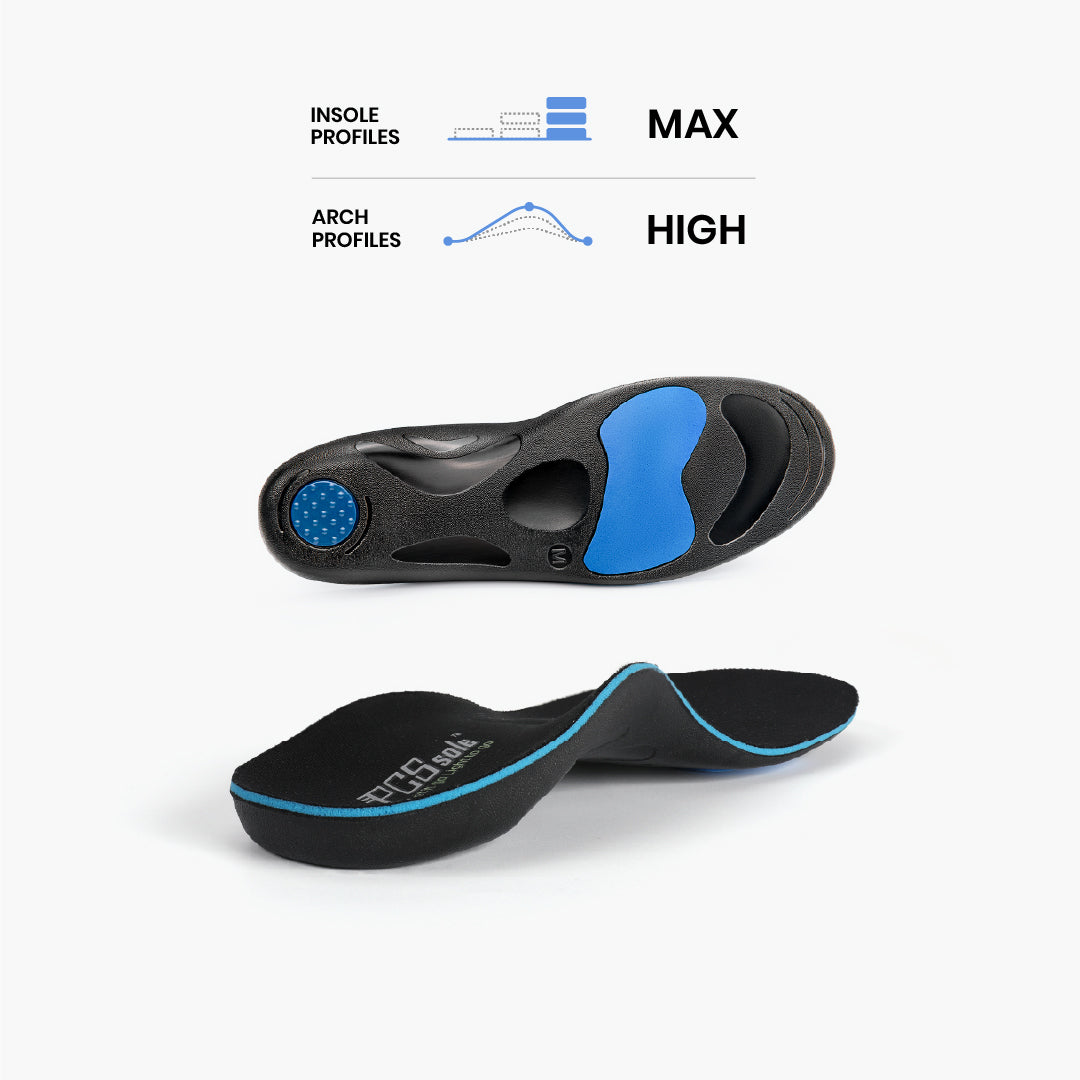
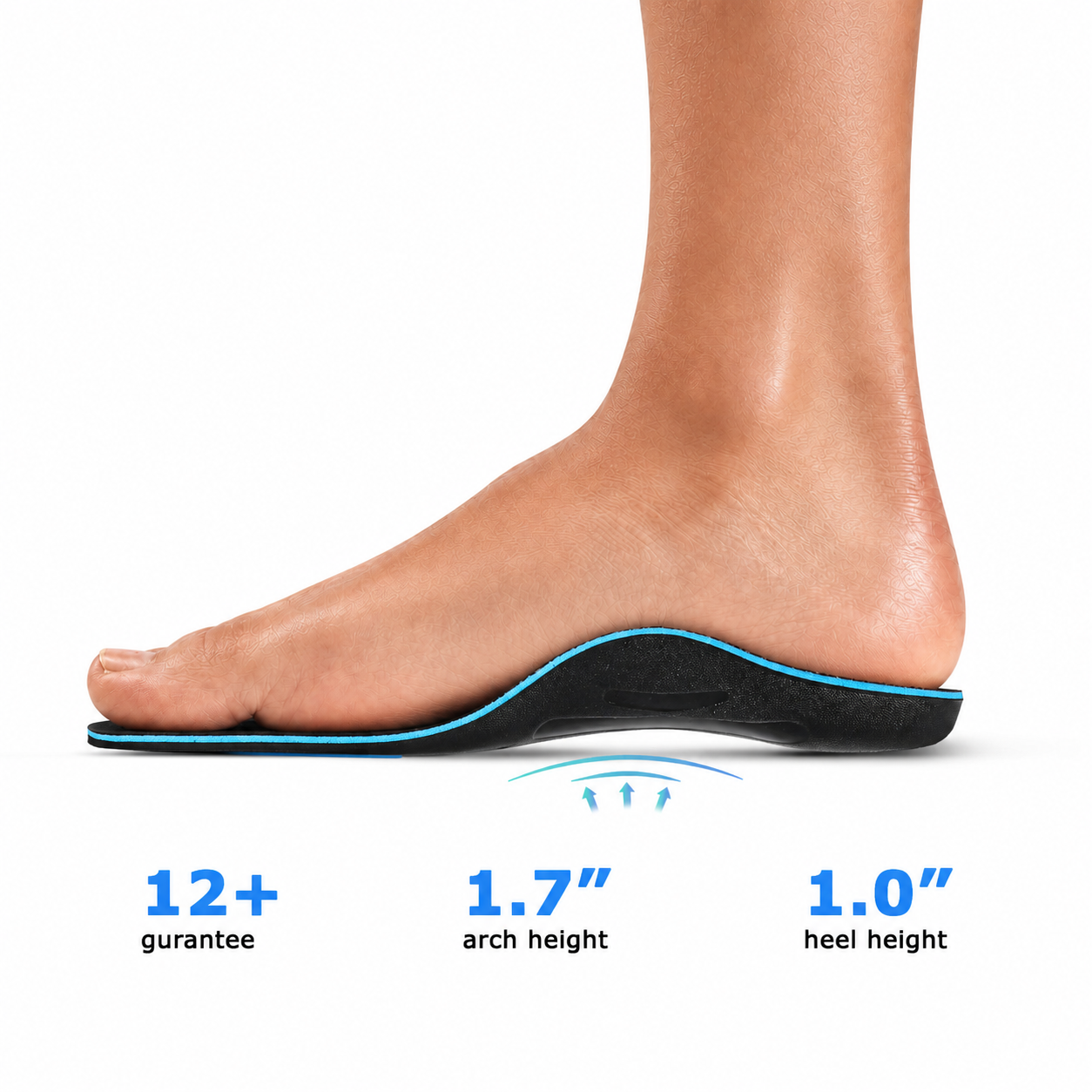
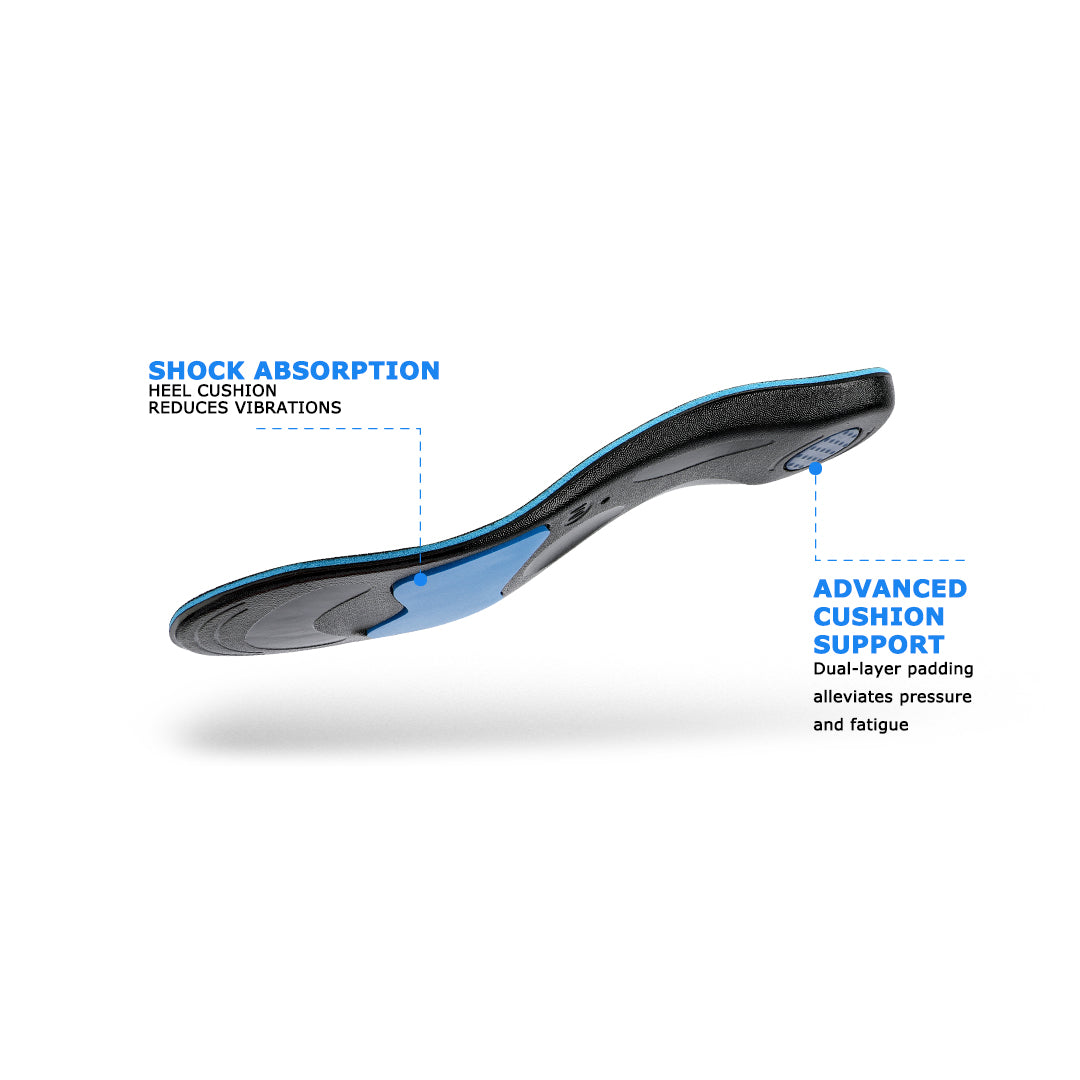
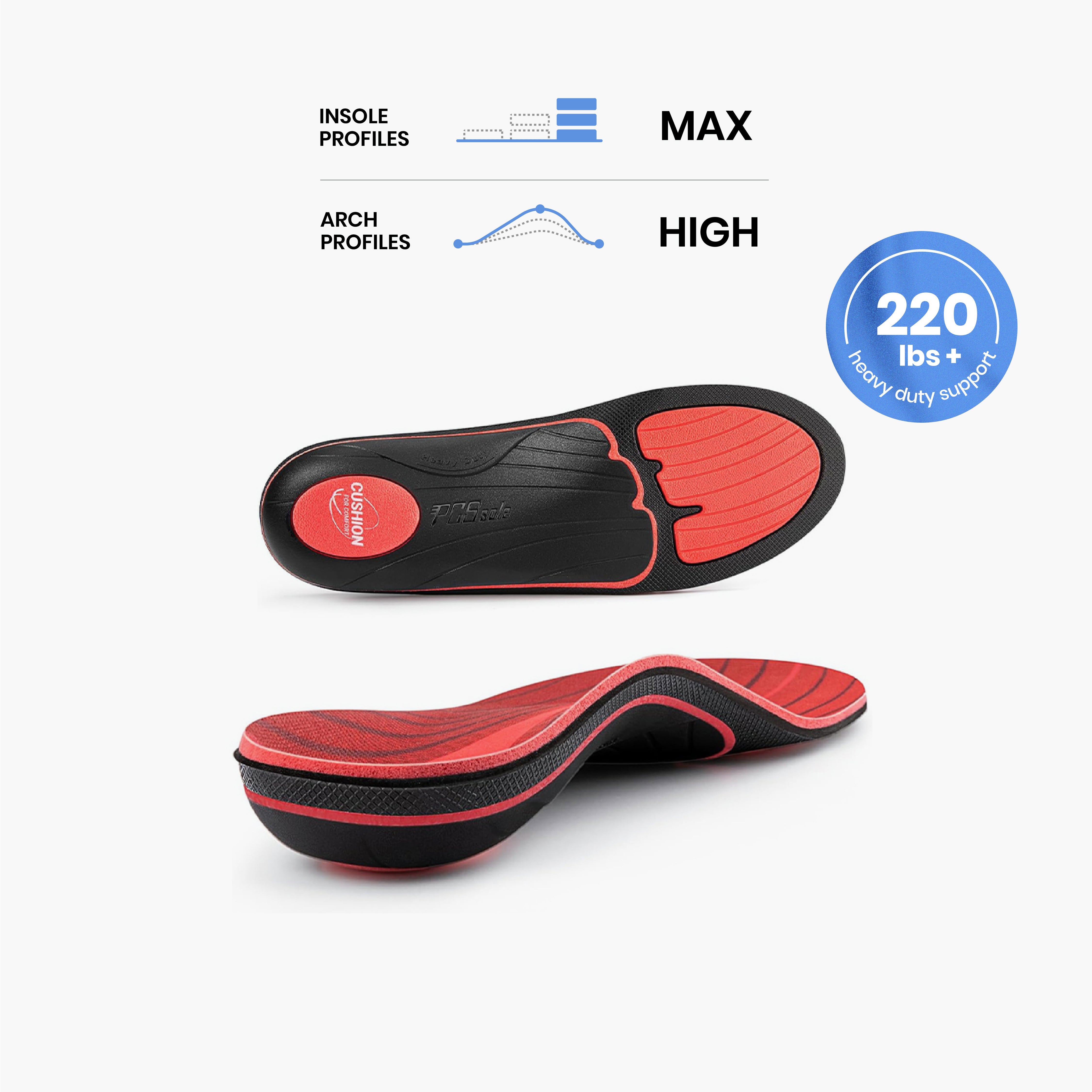
PCSsole offers premium orthotic insoles developed by Podiatrists to relieve ball of foot pain. FREE shipping plus a solid 60-day Money-Back-Guarantee.
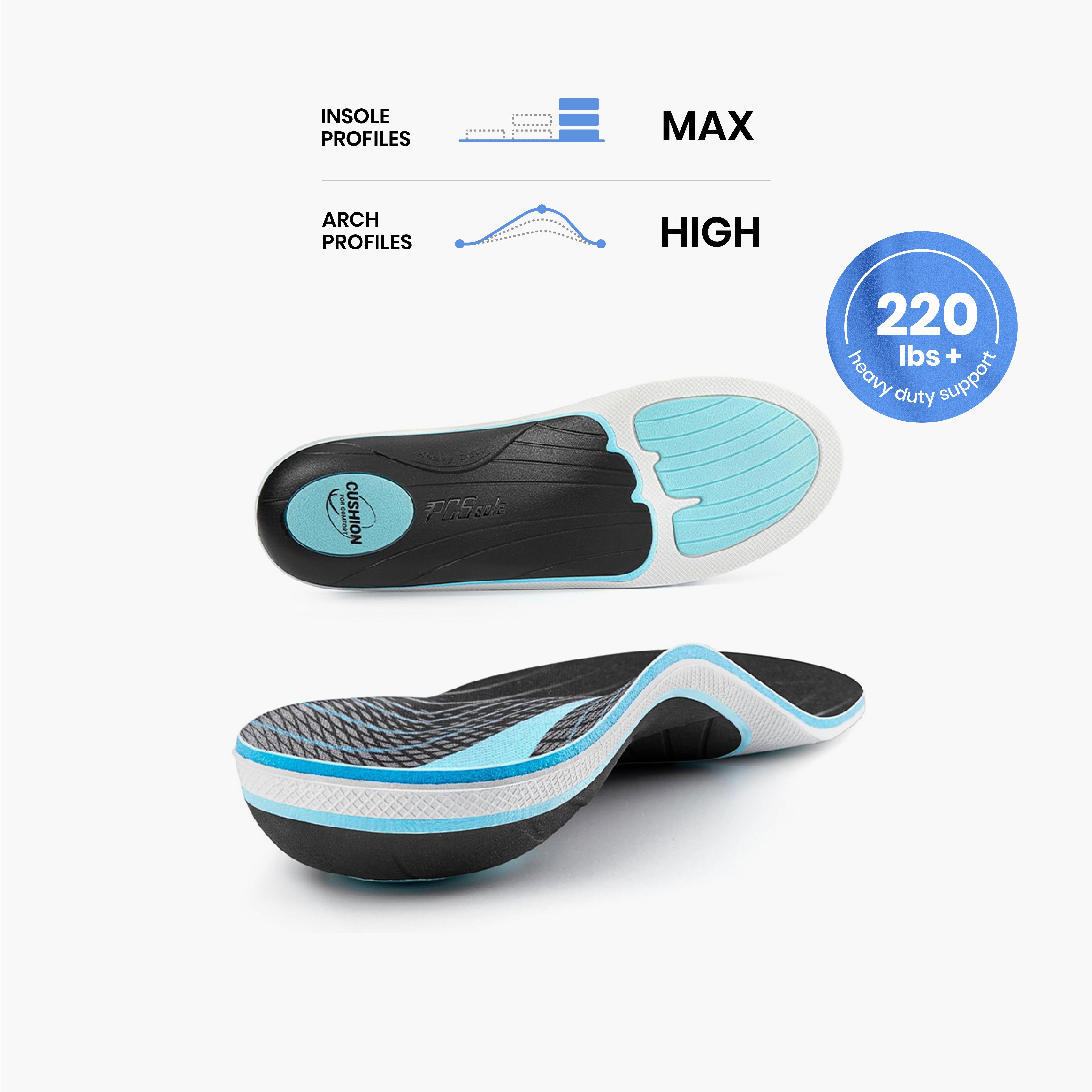
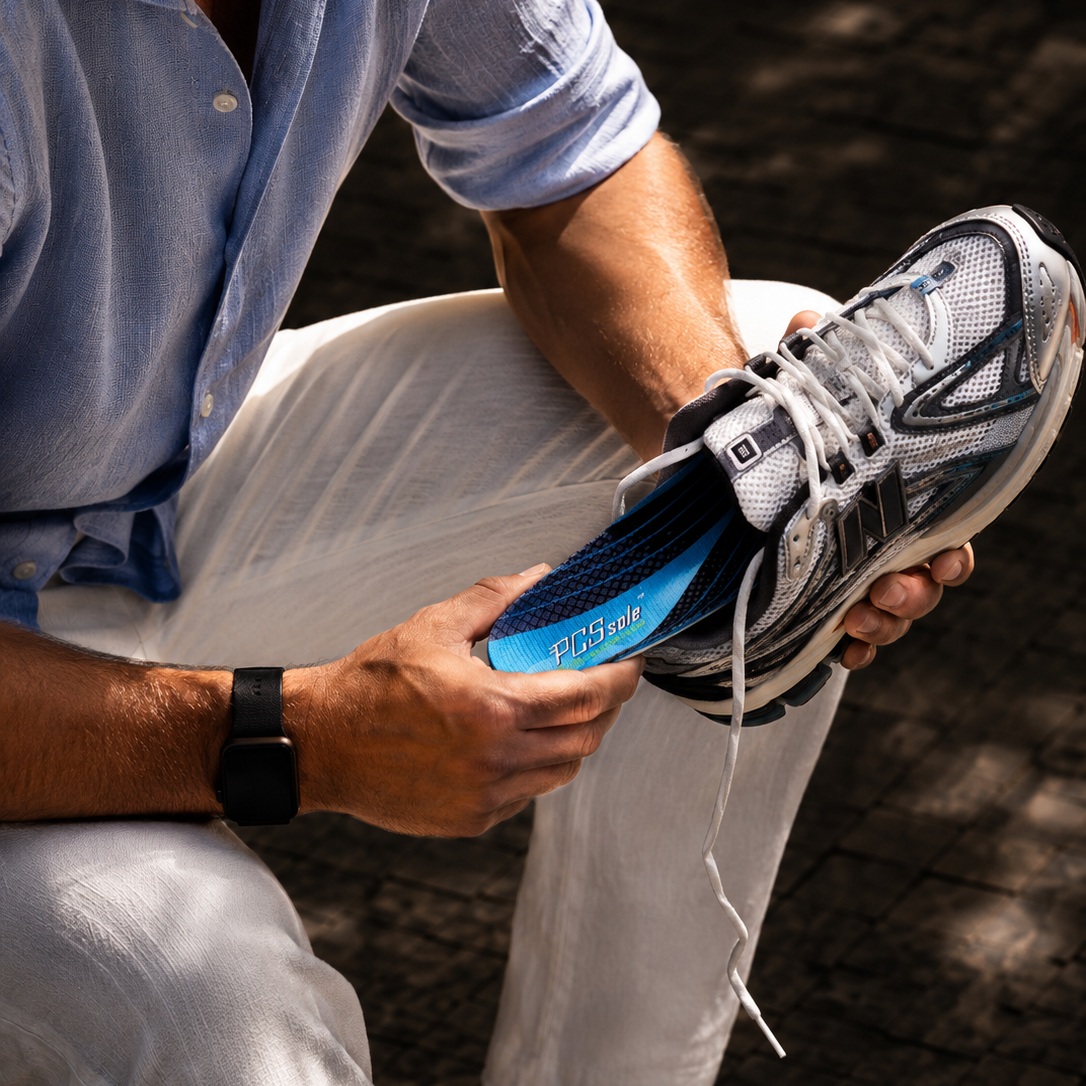
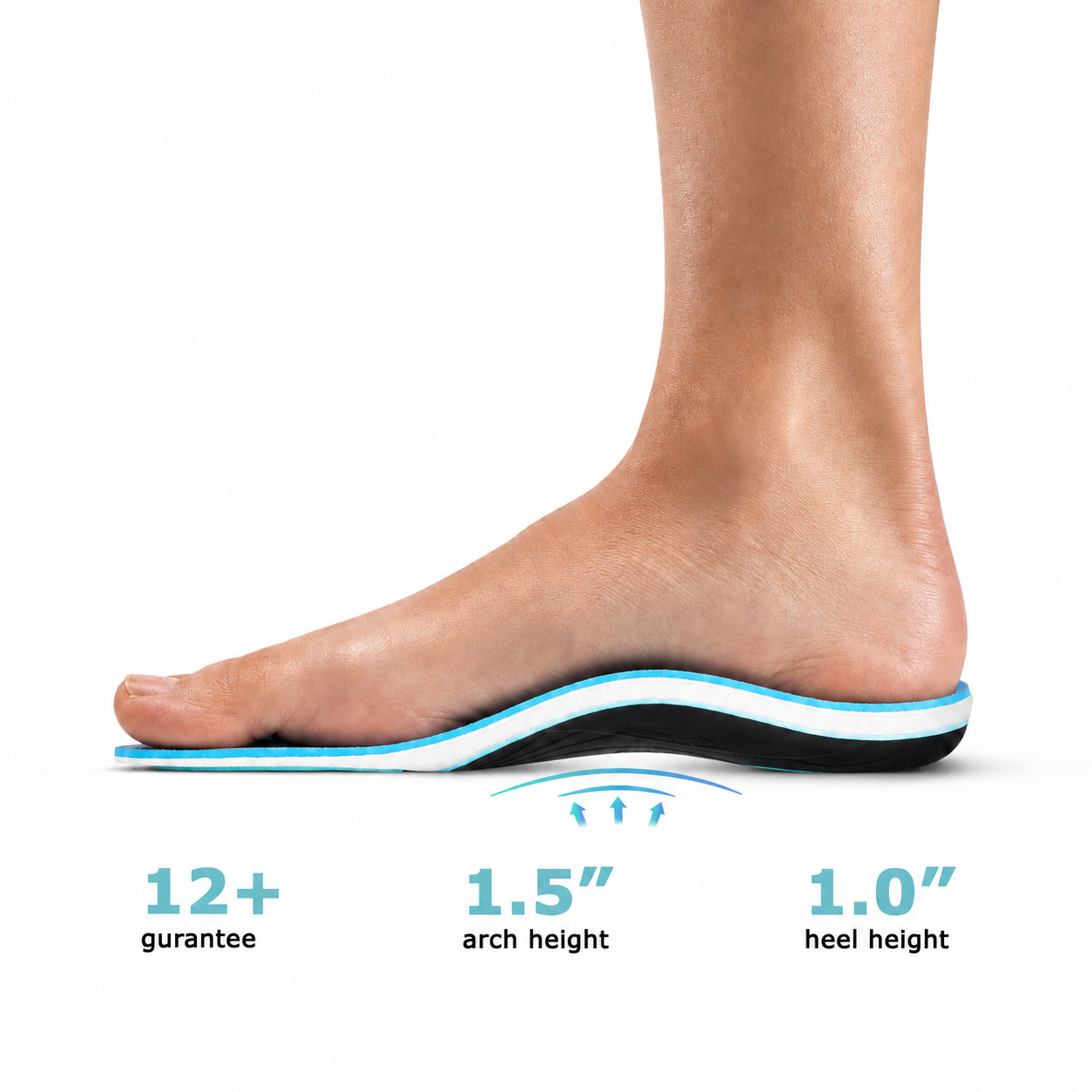
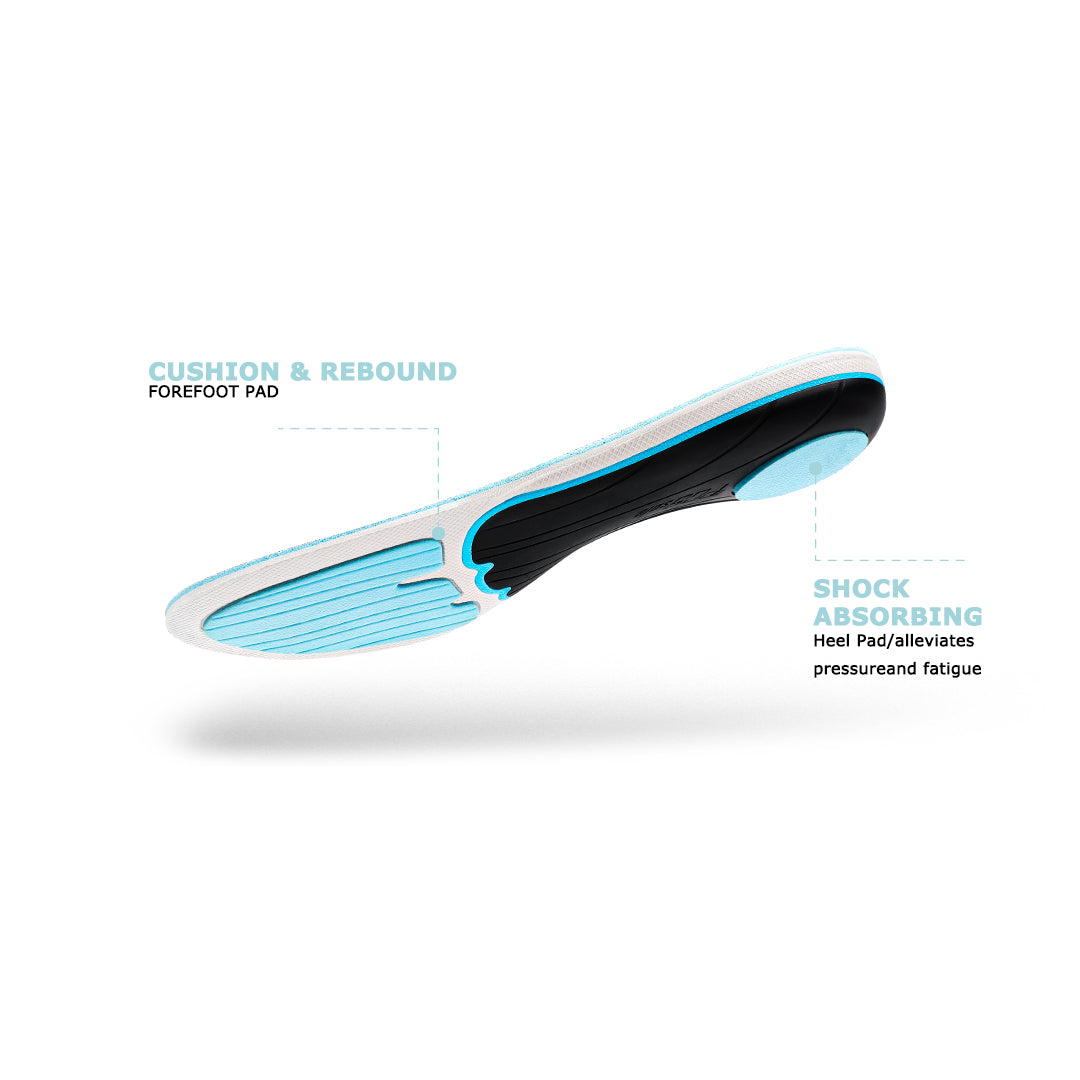

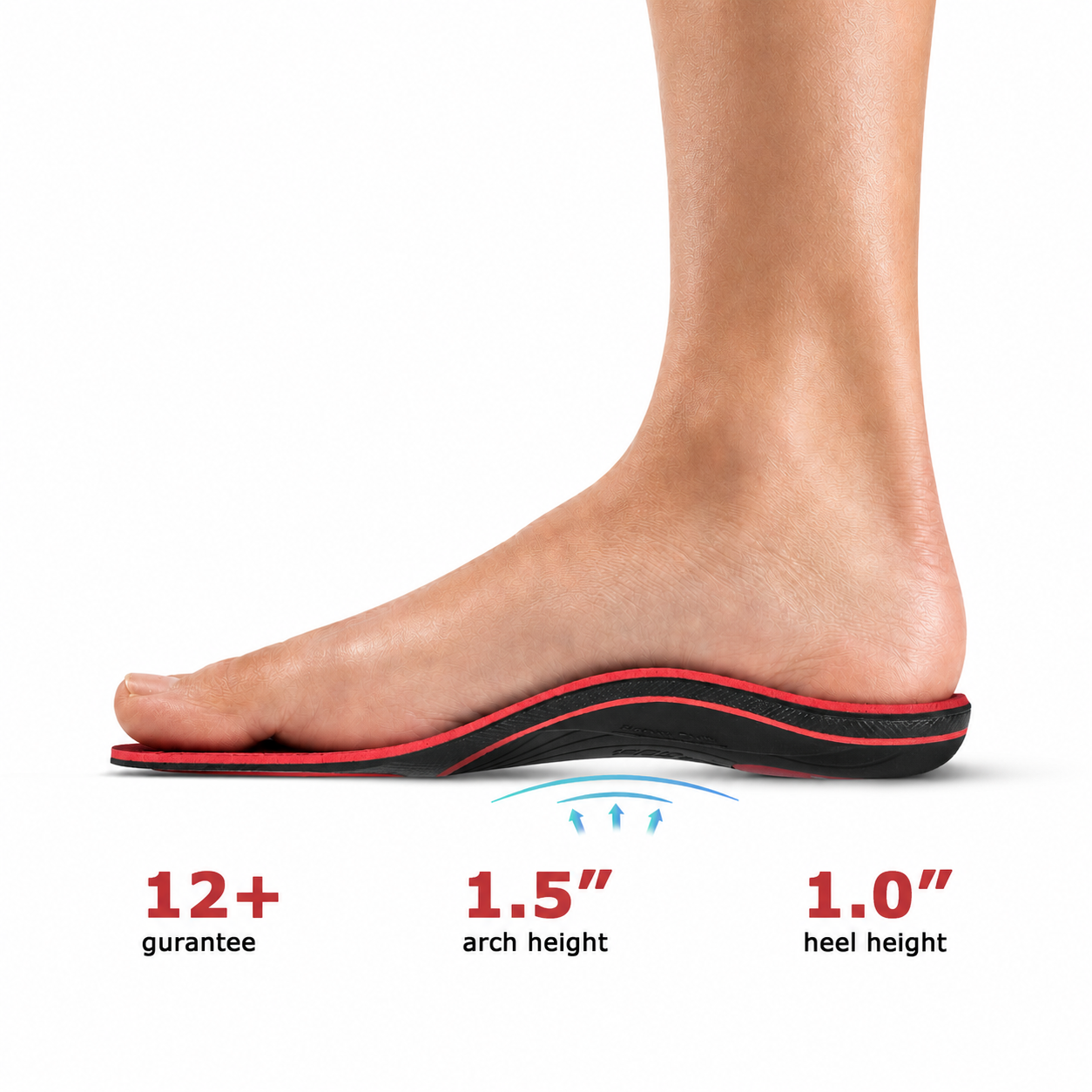
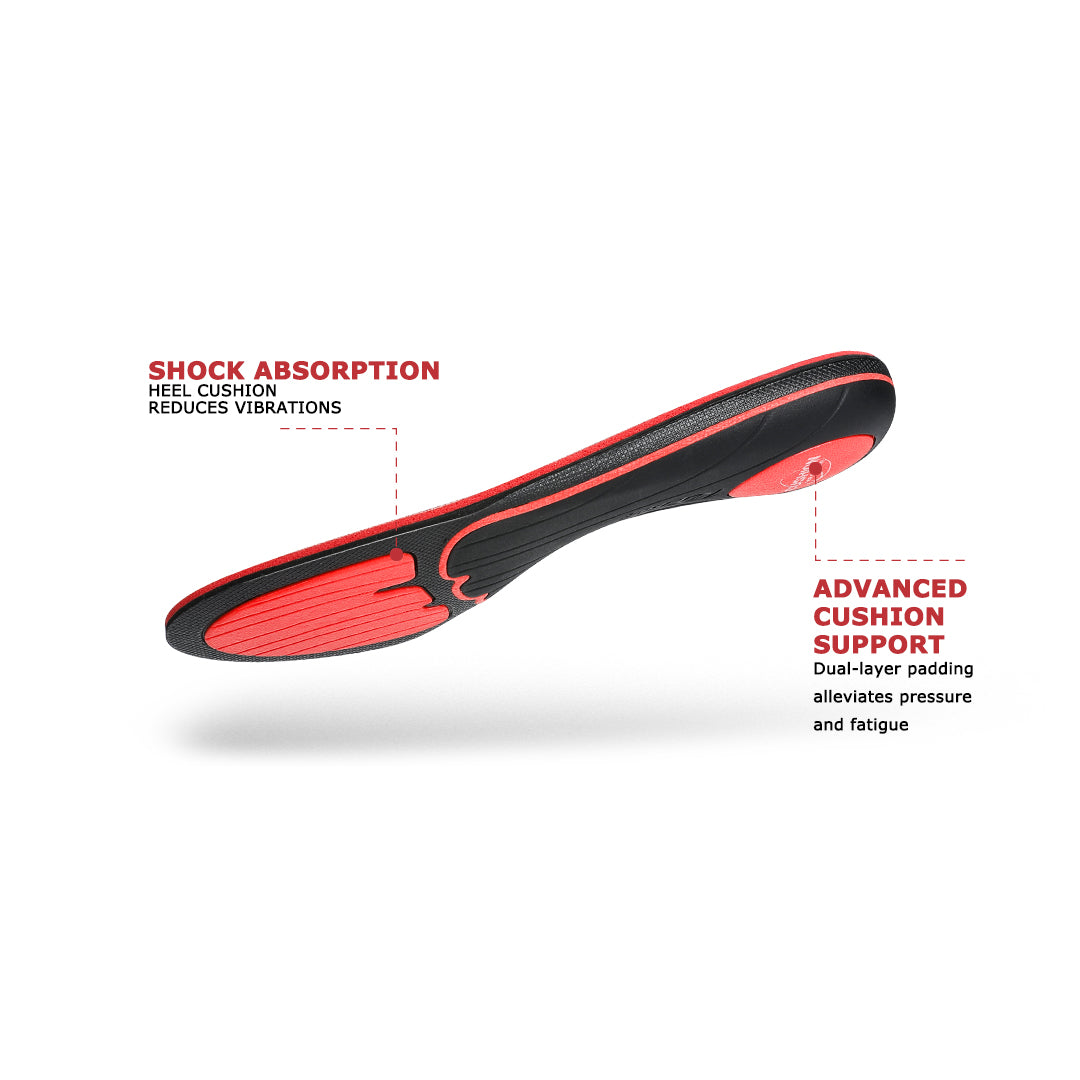
Amortiguación cómoda y resistente
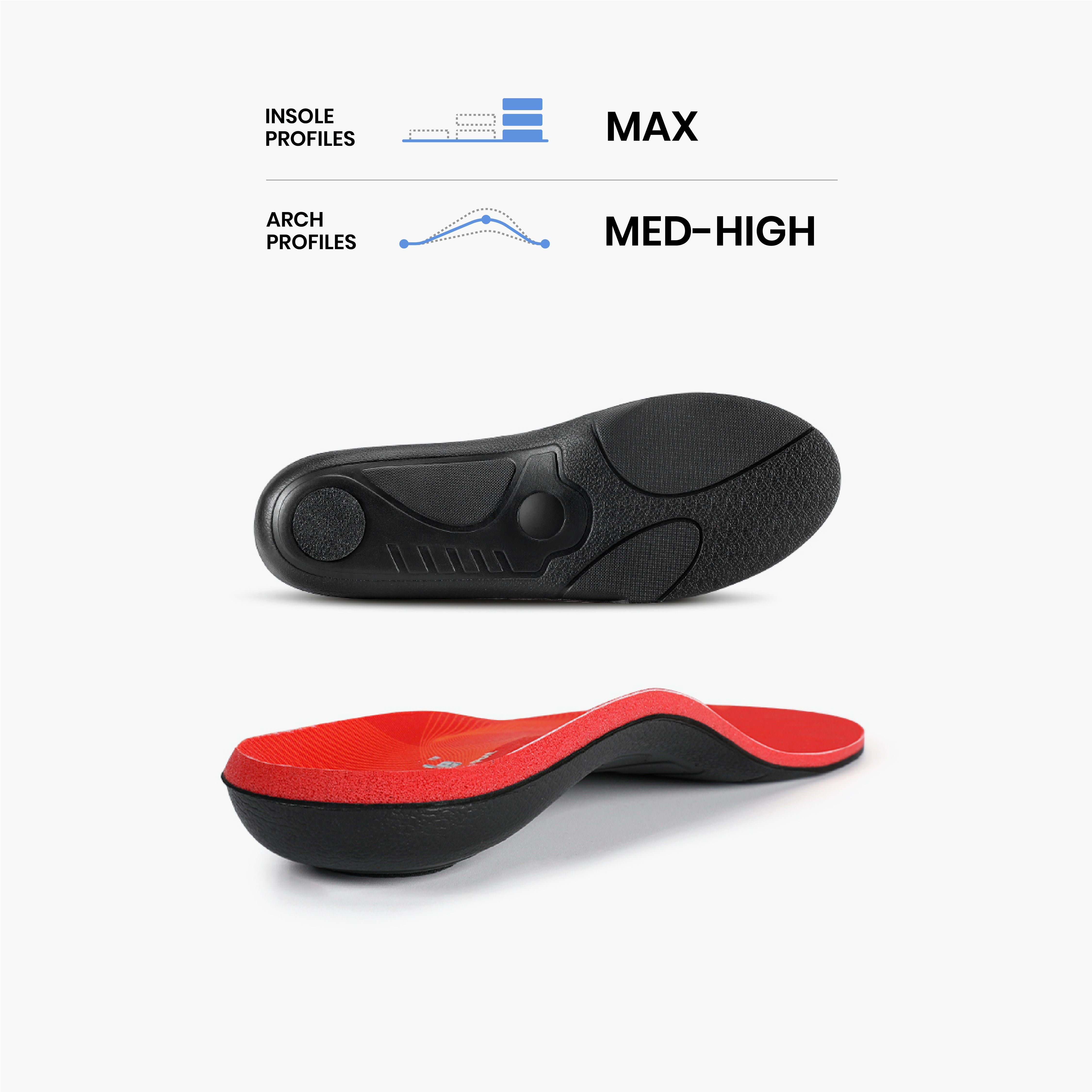
Cojín de confort para el trabajo
Alivio del confort en gel universal

What is Metatarsalgia?
Metatarsalgia is a common foot problem that causes pain and swelling in the ball of the foot, which is the area right beyond the toes where the metatarsal bones support most of the body’s weight. People who have Metatarsalgia typically state that the pain feels like a burning feeling that worsens when they stand for a while, after long walks, or after running. Sometimes, the pain is described as if there is a pebble inside the shoe.
Metatarsalgia is caused by the collapse of the ‘transverse arch’ of the foot. This arch runs across the forefoot and is formed by the 5 metatarsal bones. They are much like the fingers in your hand. Due to age, being overweight, muscle weakness, or tight-fitting shoes with heels, the transverse arch lowers substantially (or it will collapse), in turn putting excess pressure on the ball of the foot.
Orthotic Insoles for Ball of Foot Pain
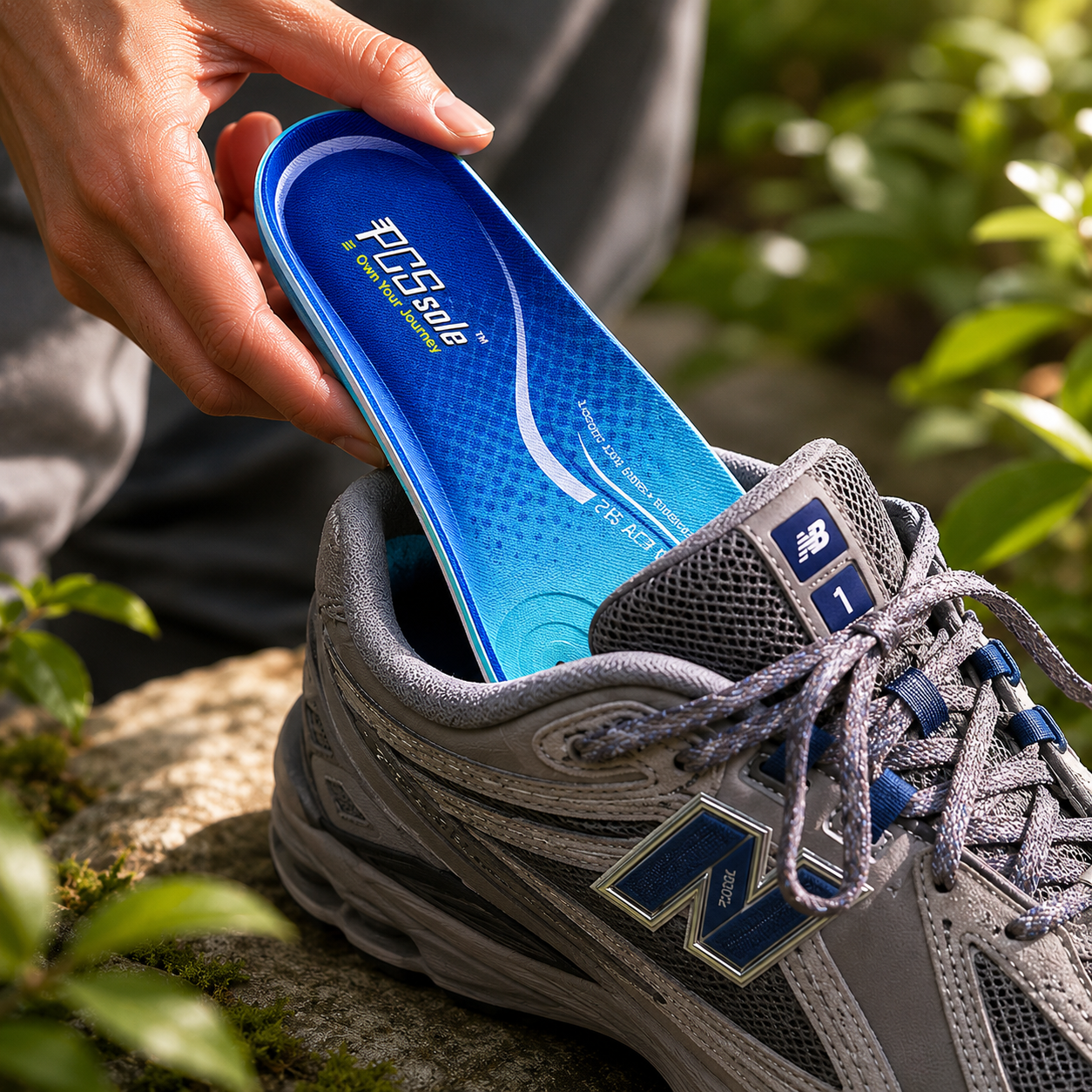
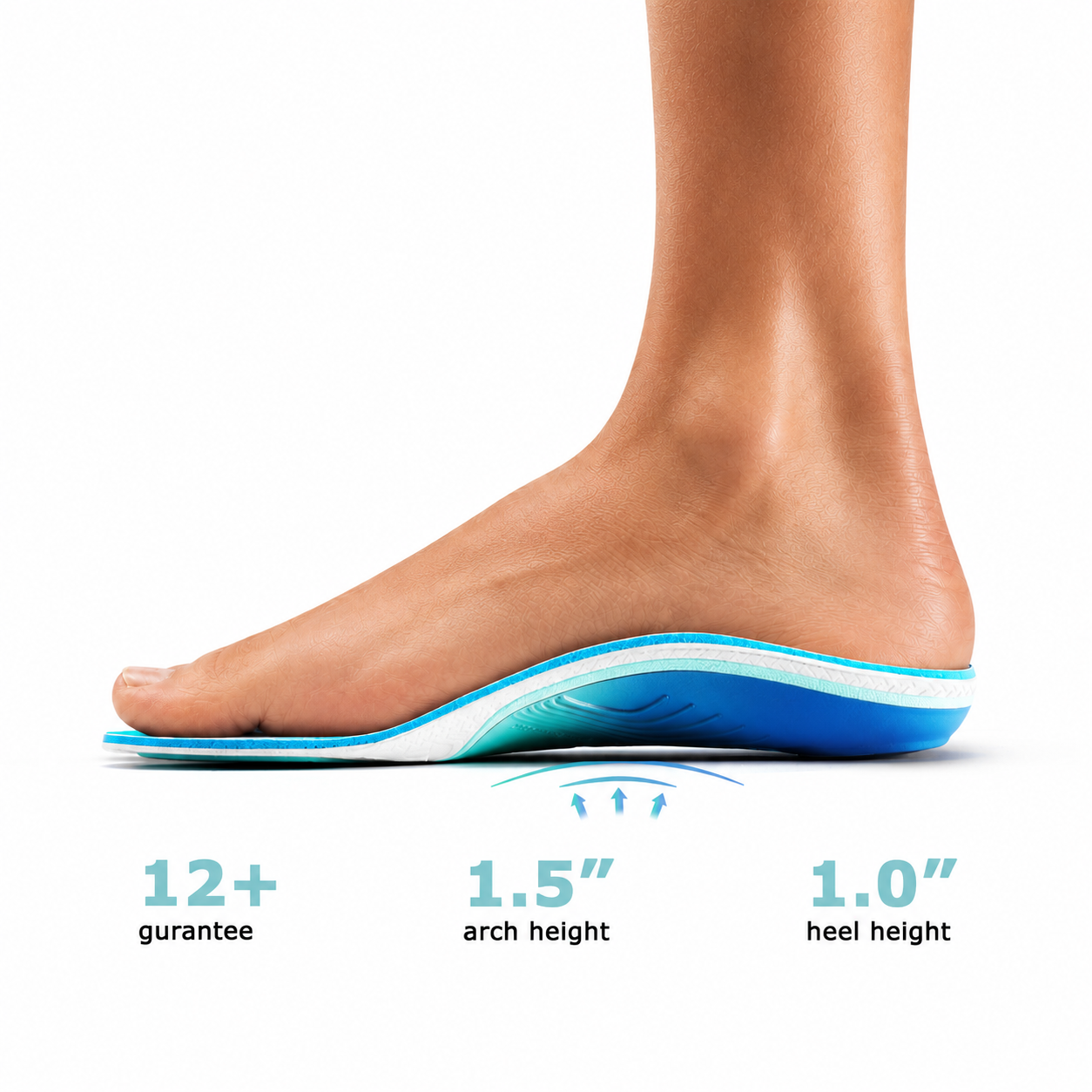
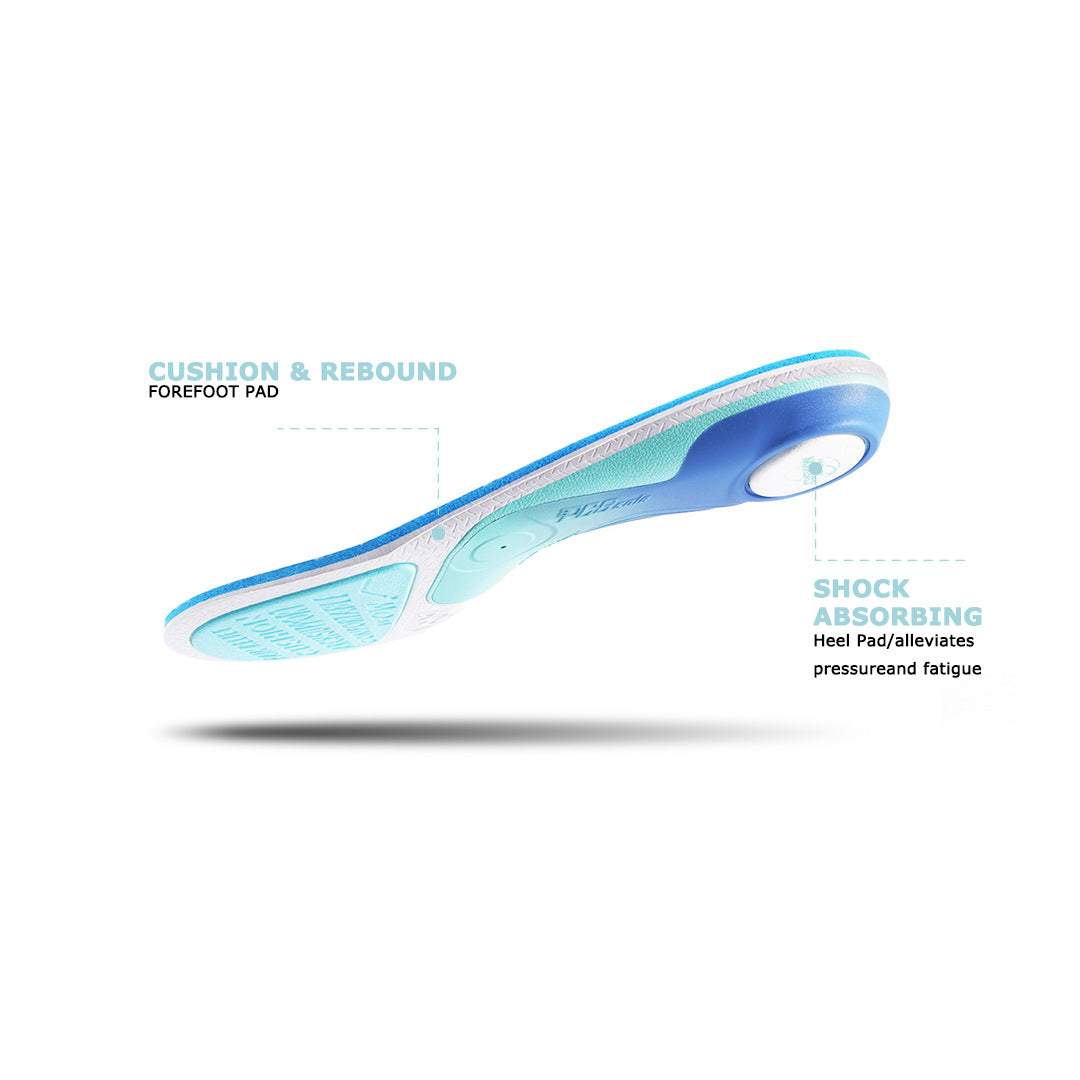
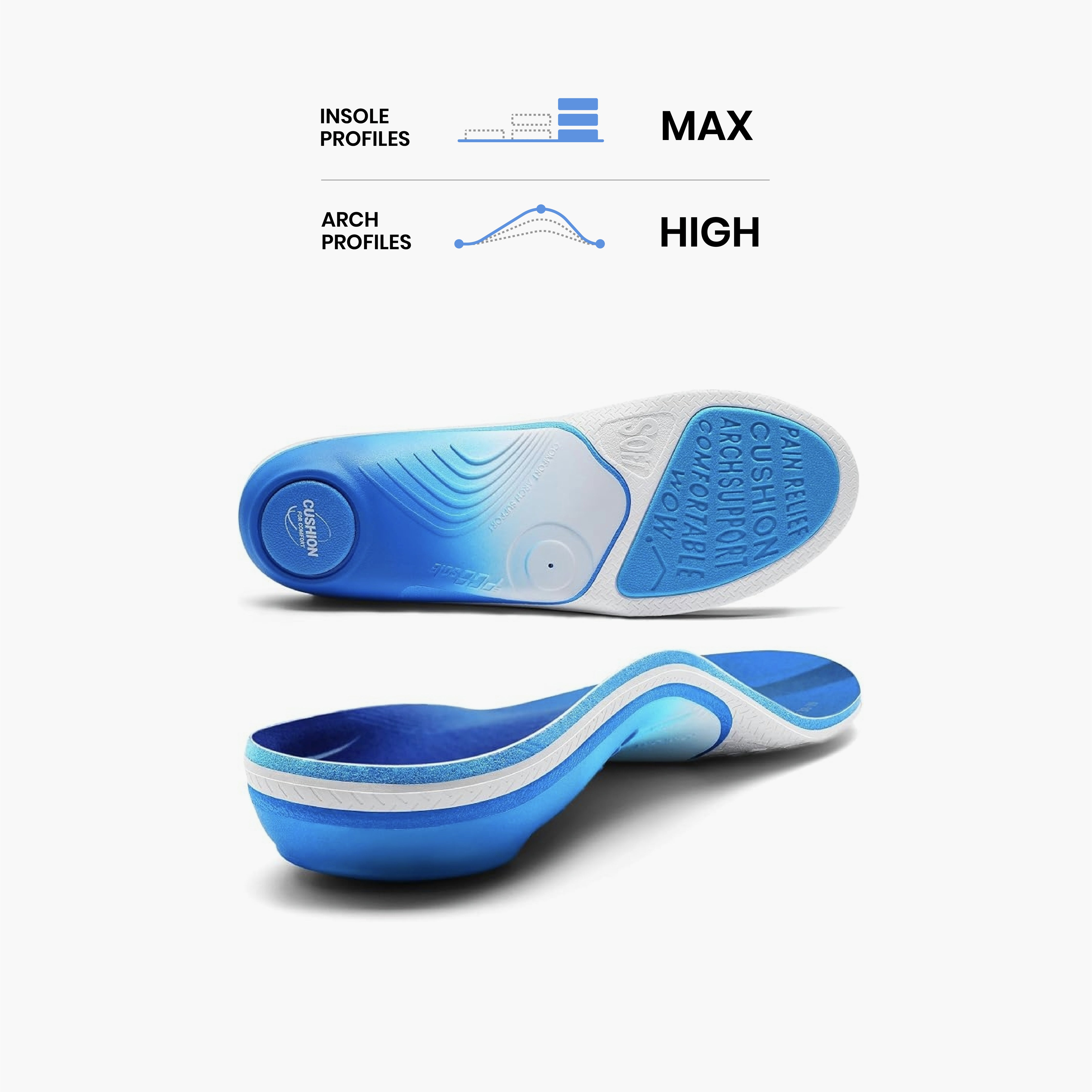
Orthotic insoles can help with both the symptoms and the causes of metatarsalgia. Well-made orthotics can help by reducing excess pressure on the ball of the foot and distributing body weight more evenly across the entire plantar surface. Metatarsal pads may cushion pressure on the balls of the feet; however, they don’t provide the biomechanical correction that a proper orthotic device does.
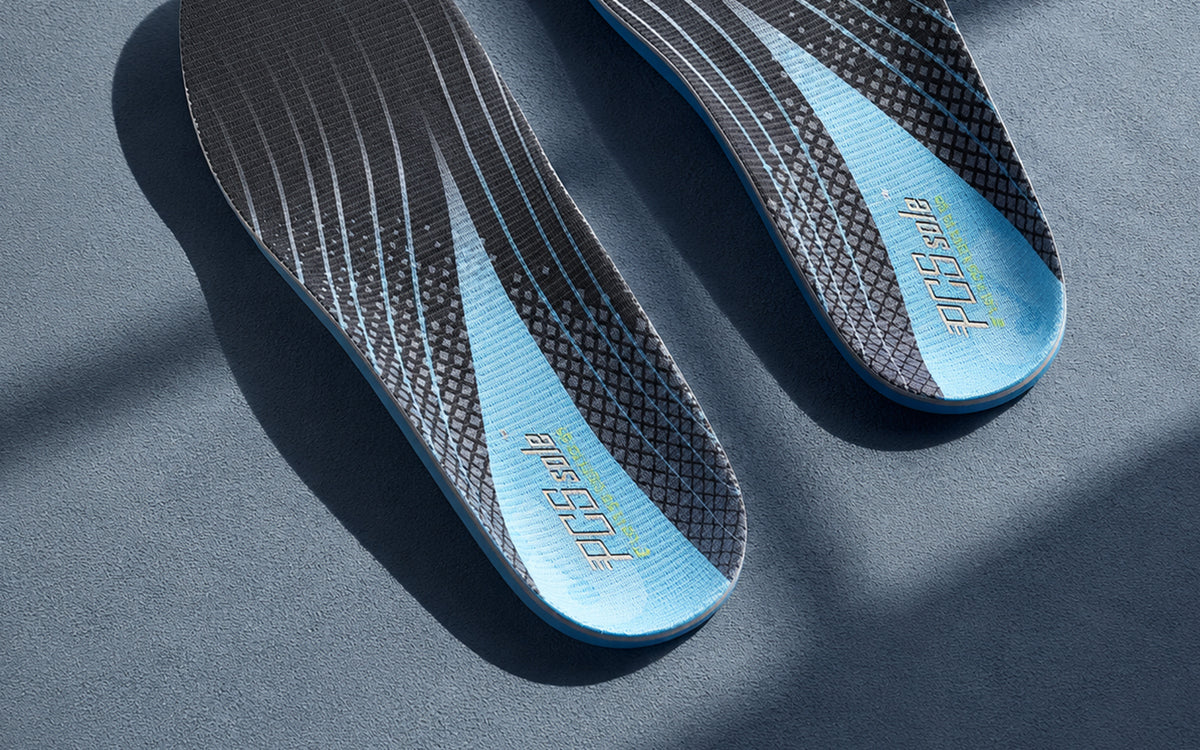
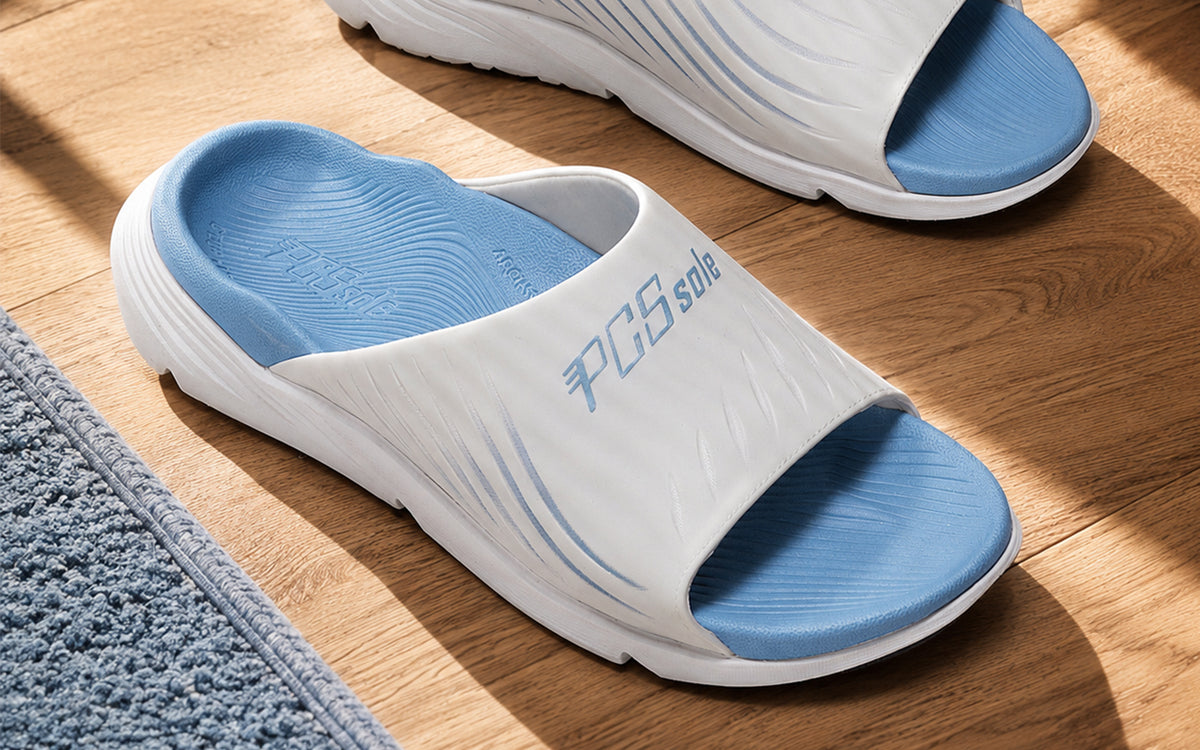
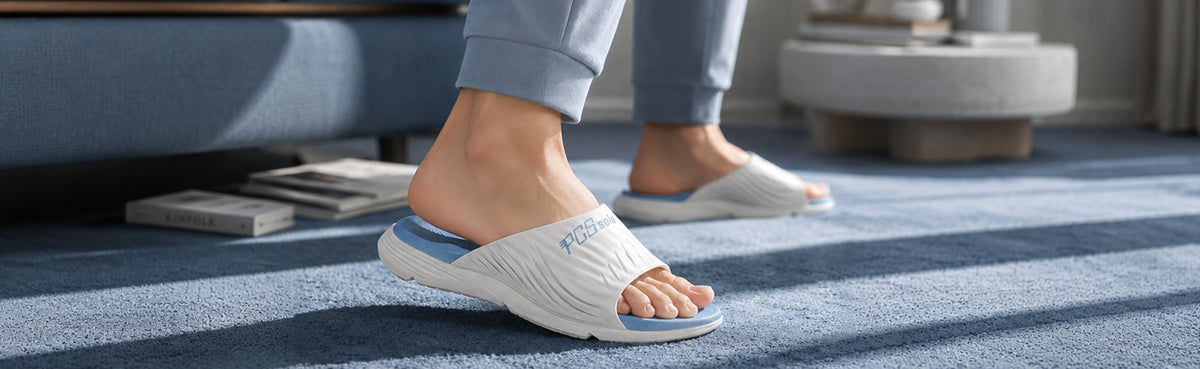
At PCSsole, we understand how foot problems can impact our customers’ overall well-being, not just now but well into the future. This is why our team of foot specialists has developed a range of Metatarsalgia insoles that will help bring relief to pain located in the ball of the foot by addressing the cause of this common foot problem. You can choose from a selection of Metatarsalgia orthotics to accommodate different types of footwear and/or activities.


Exercise 1:
Stretching the toes and metatarsals by hand.
Goal: Loosen up the long toe extensor muscles and plantar fascia and relieve stress in the forefoot. Put your feet flat on the floor and sit on a chair. Put one foot on your knee. Grab the toes and hold the heel with the other hand. Pull the toes towards you, as far as you can. Hold for 20 to 30 seconds. Do it three times.
Why is this exercise useful?
When the toes and front of the foot are stiff, the body makes up for it by putting too much weight on the ball of the foot.
This stretch:
✔ Stretches the plantar fascia and the muscles of the forefoot.
✔ Lessens pressure under the metatarsal heads.
✔ Makes it easier for joints to move, which helps the weight disperse more evenly across the foot when walking.

Exercise 2:
Scrunching a towel
Goal: To ‘wake up’ and develop the little muscles in the sole of the foot that support the arch and assist move pressure away from the front of the foot. Sit up straight with a towel under under foot on a smooth floor. Pull the towel toward you with just your toes. Do this 10 to 15 times, 2 to 3 sets for each foot.
Why is this exercise useful?
This exercise works the little muscles on the sole of the foot, which are called the intrinsic foot muscles. Stronger intrinsic muscles assist regulate foot movement and maintain the arch. Better foot control means less pressure on the forefoot. Getting stronger also makes it easier to absorb shocks when you walk or stand.
FAQs About Insoles for Metatarsalgia and Ball of Foot Pain
Do Insoles Really Help with Metatarsalgia and Ball-of-Foot Pain?
Yes, when correctly designed metatarsal insoles with transverse arch support will distribute pressure away from painful metatarsal heads, often providing noticeable relief within days. Insoles that feature a metatarsal pad can help alleviate symptoms of metatarsalgia by redistributing pressure away from the metatarsal heads, thus improving comfort during daily activities. Generic flat inserts rarely achieve this because they lack the structural elements needed to lift and support the transverse arch. The difference lies in targeted support versus simple padding.
What Is the Difference Between a Metatarsal Pad and a Normal Cushion?
A metatarsal pad sits just behind the ball of the foot to lift and spread the metatarsal bones, supporting the transverse arch and reducing pressure on the metatarsal heads. Simple forefoot cushions sit directly under the painful area and may actually increase pressure if placed incorrectly. Think of it this way: a met pad changes where the pressure goes, while a cushion just softens the blow. For real relief, you need the former.
Can I Use the Same Insole for Metatarsalgia and Plantar Fasciitis?
Many PCSsole models support both conditions simultaneously. The firm arch support addresses heel pain associated with plantar fasciitis, while the metatarsal raise relieves forefoot pressure. This multi-condition benefit results from shared biomechanical principles: proper arch support and metatarsal head separation correct the underlying foot mechanics contributing to both pain presentations. One well-designed pair can treat multiple issues.
Is Morton’s Neuroma the Same as Metatarsalgia?
No. Morton’s Neuroma involves nerve irritation, while metatarsalgia refers to general pain and inflammation in the ball of the foot. Both can benefit from orthotic support.
How Do I Know If the Insole Is Positioned Correctly in My Shoe?
The widest part of the insole should sit directly under the ball of the foot, with the metatarsal pad positioned just behind the painful area—not directly under it. Walk around indoors first to ensure there’s no rubbing or edge pressure. If the shoe feels cramped, you may need to remove the factory insole first. The insole should fit perfectly without your toes feeling squeezed against the front of the shoe.
When Should I See a Professional for Ball-of-Foot Pain?
Consult a podiatrist or doctor if pain persists beyond six weeks despite using quality insoles and making appropriate footwear changes. Also seek professional evaluation if there’s marked swelling, visible deformity, or loss of sensation in your toes. These symptoms could indicate stress fractures, severe Morton’s Neuroma, or inflammatory conditions requiring specialized diagnosis and treatment beyond what orthotics alone can address.