

Table of contents
There's no denying that Crocs are mega-popular.
But medically, how do these Swiss cheese-esque kicks hold up?
Unfortunately, Crocs are not suitable for all-day use. Crocs offer nice arch support, but these shoes do not adequately secure the heel. When the heel is unstable, toes tend to grip, which can lead to tendonitis, worsening of toe deformities, nail problems, corns, and calluses.
Does this mean you have to banish your favorite, ultra-cozy clogs to the back of the closet? Not just yet.
Don’t Ditch Your Crocs—Upgrade Them instead!
Do Crocs Clogs Have Arch Support?
Standard Crocs do not have structured or built-in arch support. While their Croslite foam footbed provides excellent cushioning and shock absorption, the footbed is relatively flat. This can be problematic for individuals with flat feet, collapsed arches, or plantar fasciitis.
The Classic Clog
The famous Classic Clog offers no real structural support for the arch. Podiatrists often advise against wearing them for extended periods of time due to the lack of heel security and arch support, which can cause foot, knee, or lower back pain.
Specialty Models
Certain specialized lines, like the Crocs Specialist II Work Clog, feature enhanced, contoured arch support designed specifically for long shifts in fields like healthcare and food service.
The Custom Fix
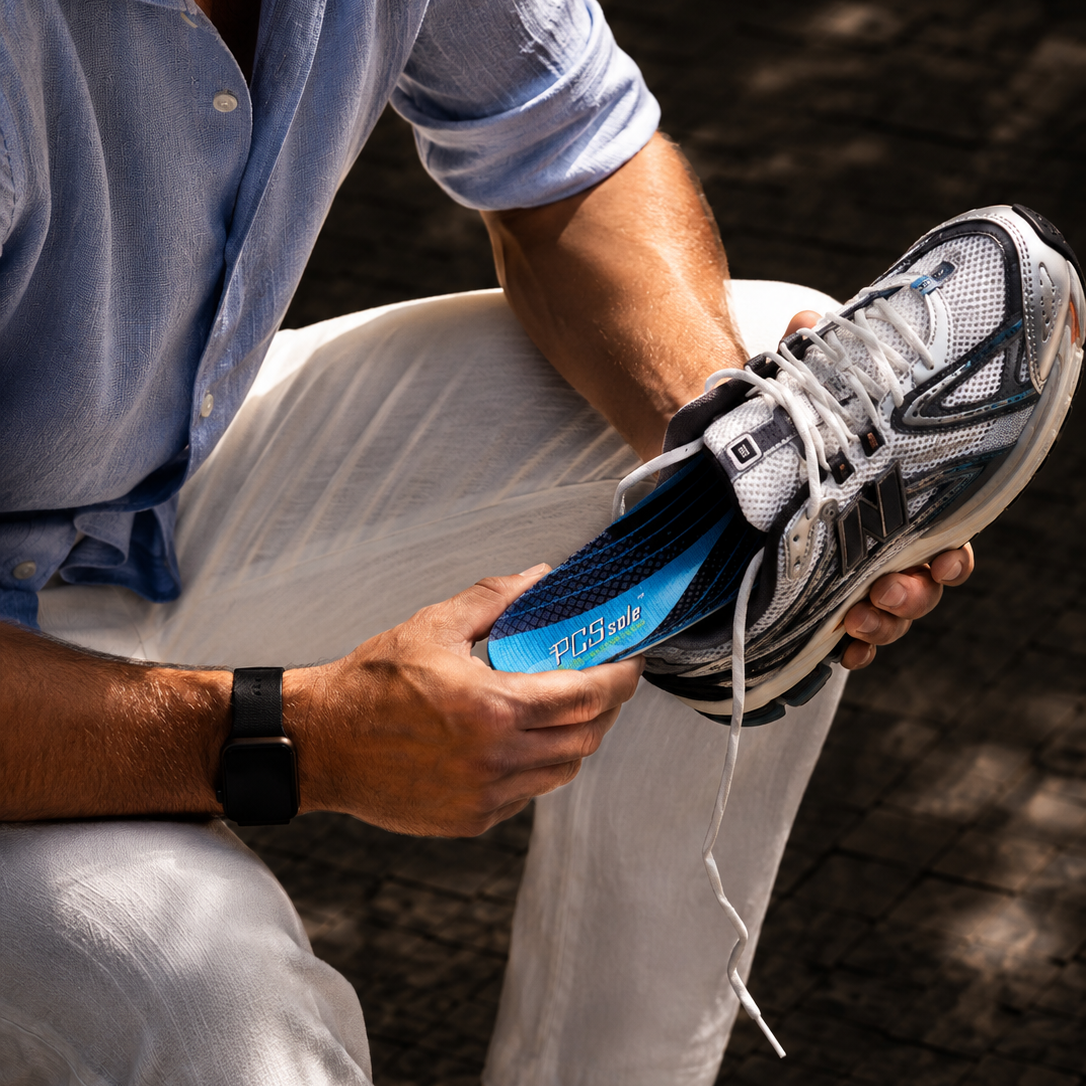
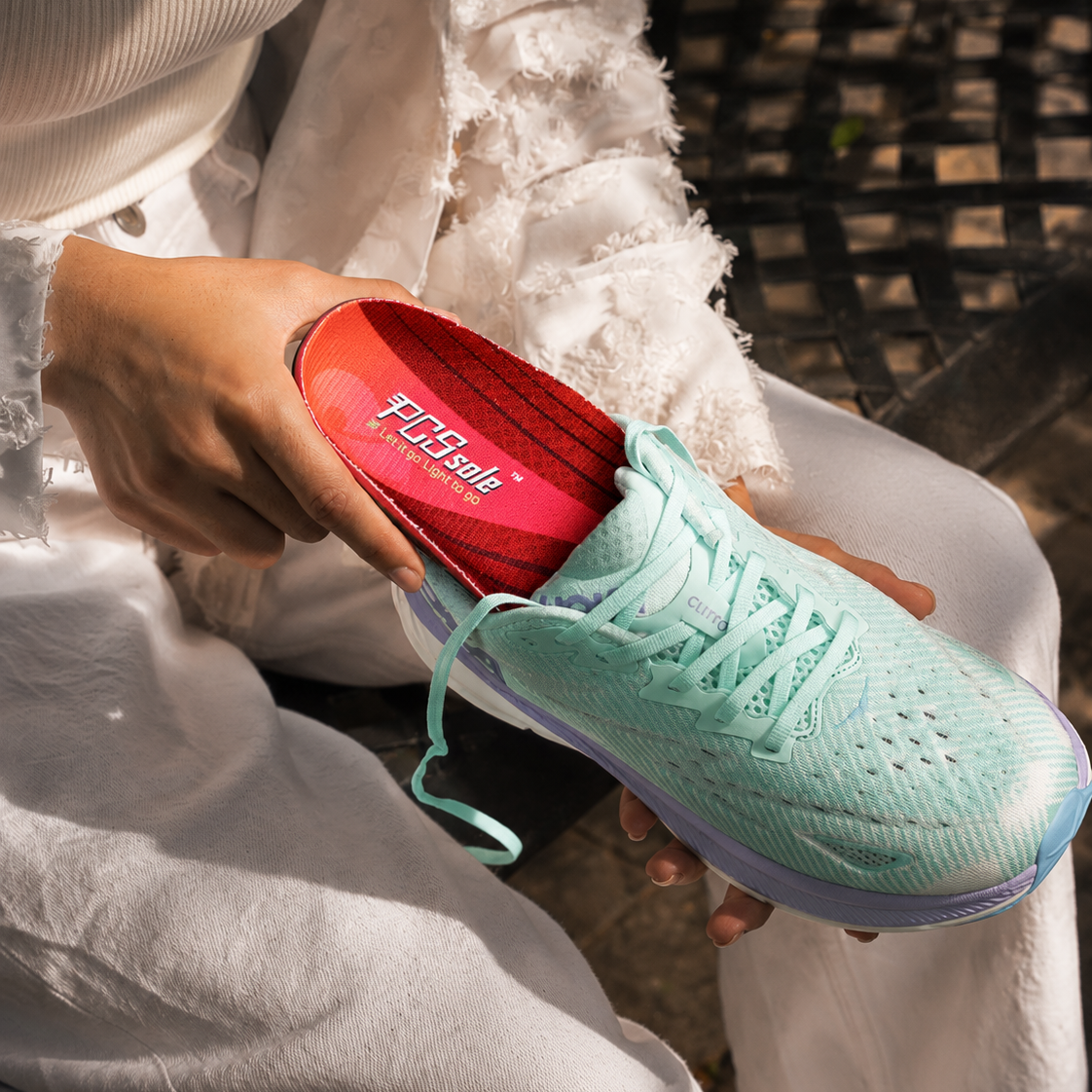
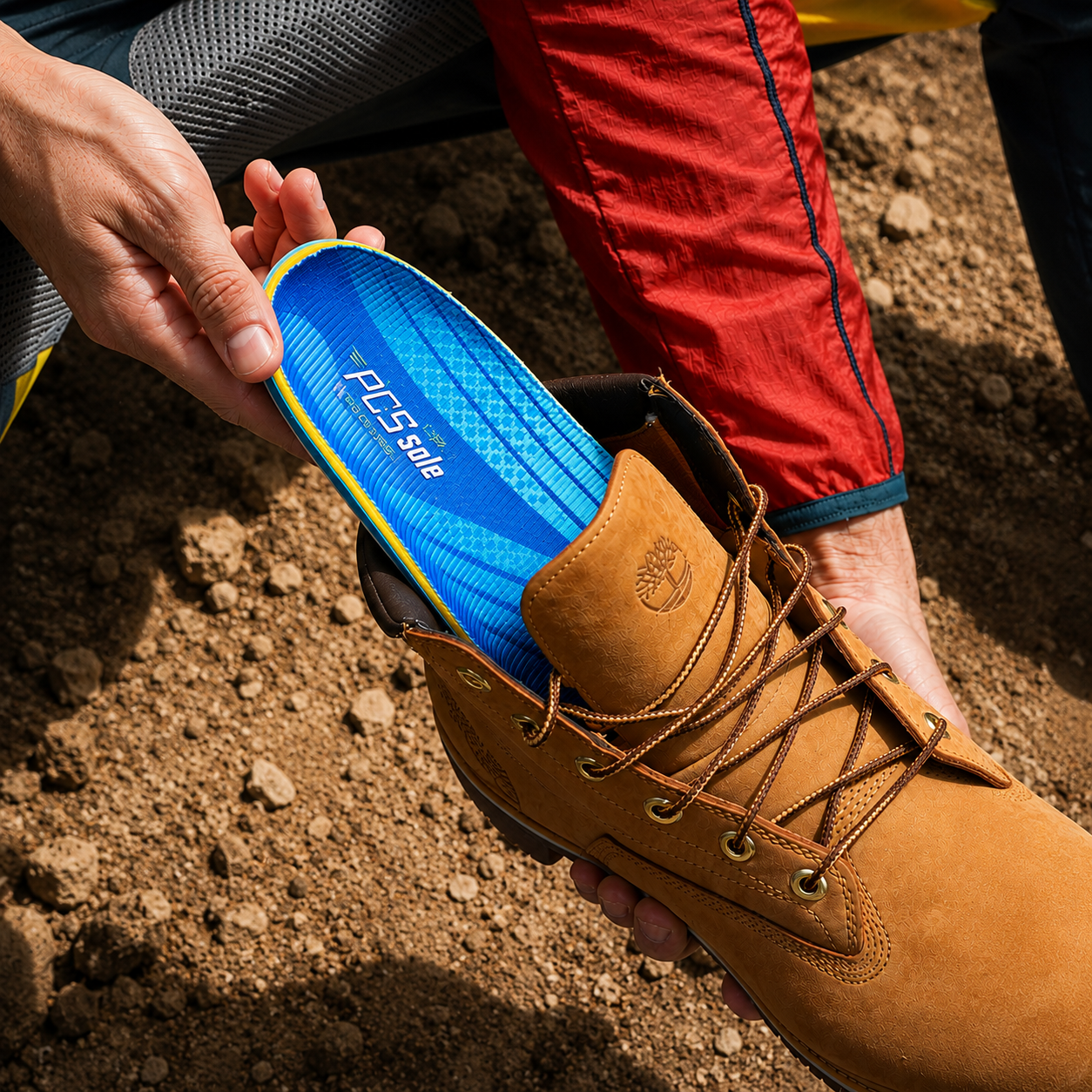
If you love the comfort of standard Crocs but require arch support, you can easily purchase and insert supportive orthotics insoles into the shoe to customize your fit.

What Foot Issues Can Crocs Cause?
Crocs flexible fit comes at a cost: toe gripping, nail trauma, and long-term structural issues. These are wide, loose shoes that aren’t secure, and if you’re elderly or you walk fast, you can trip and fall. If you live in your Crocs, you might run into problems.
Most commonly, arch and heel pain in the form of plantar fasciitis is caused by a lack of structural support.
It can also cause toe pain or blisters once the cushioning wears down. This happens because your toes must constantly grip the footbed to hold the shoe in place.
Crocs are not for everything. If you’re walking around Disney World all day—no. But for errands or quick trips, absolutely.
Are Crocs Okay to Wear If You Have Flat Feet?
Wearing Crocs without additional arch support is not recommended for people with flat feet or collapsed arches.
While Crocs provide some cushioning, they don't offer the firmness and support you need to correct flat feet, as they're too flexible.
If you're planning to wear Crocs, you can make up for their lack of arch support by using orthotics. The shape of Crocs also allows for orthotics to be inserted and worn comfortably.
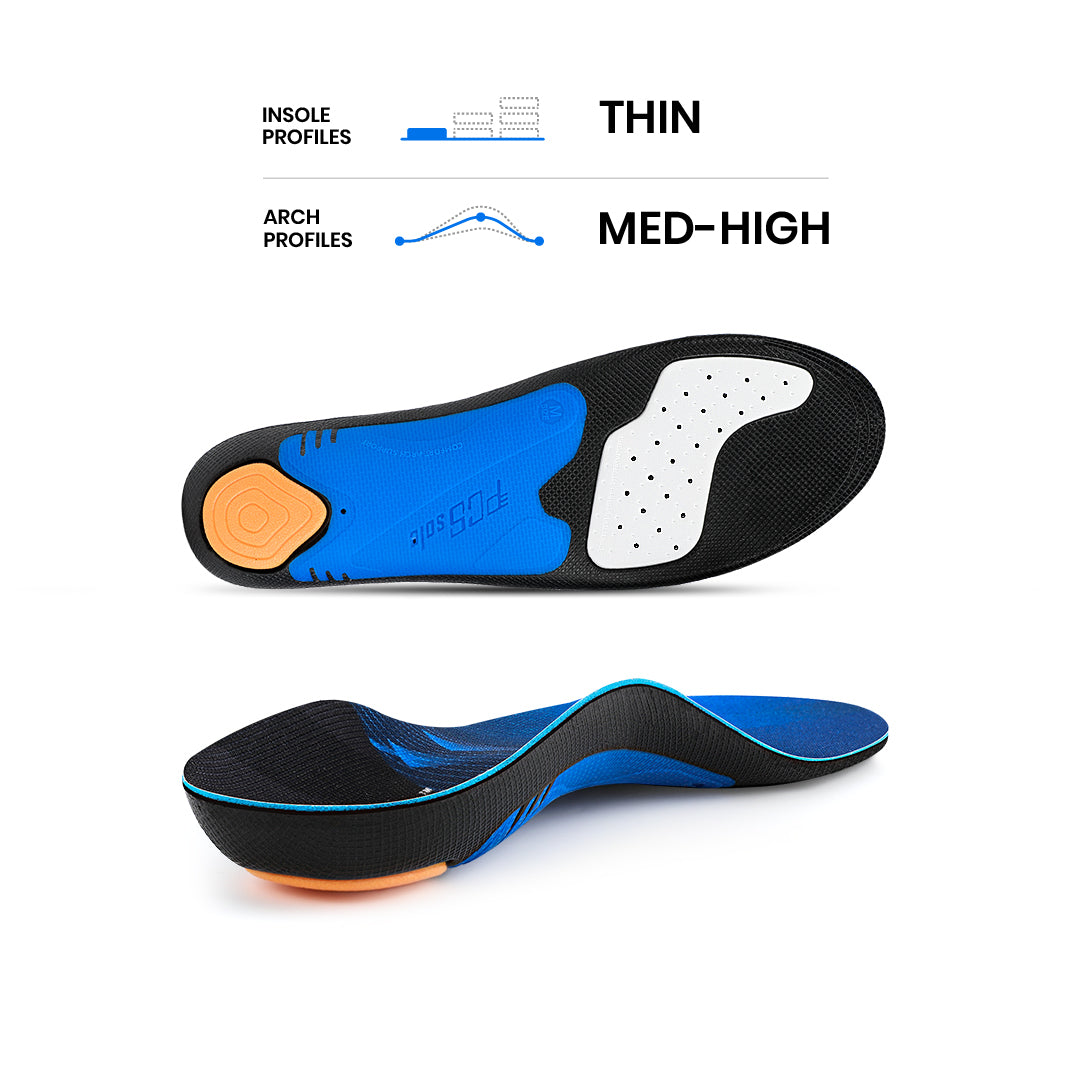
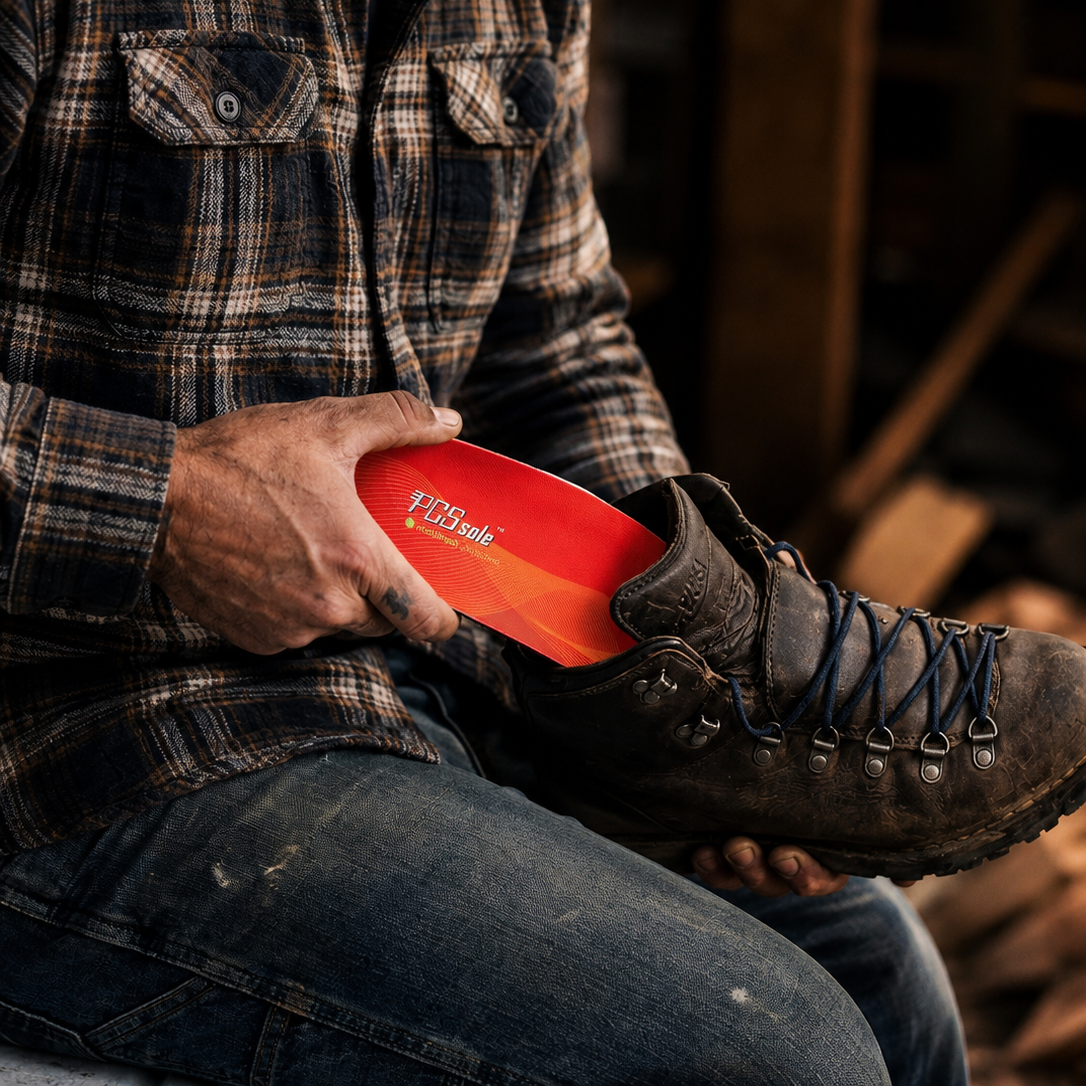
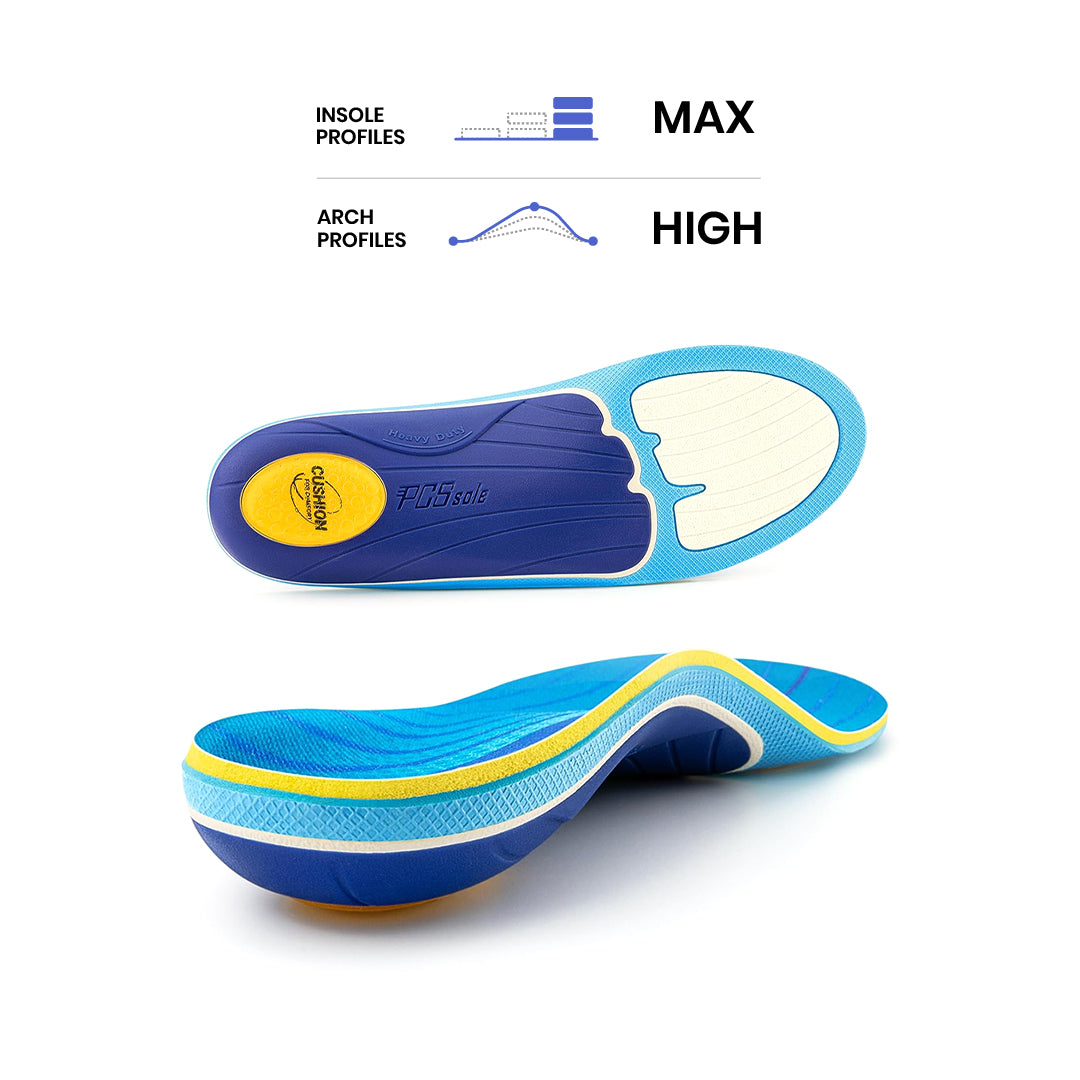
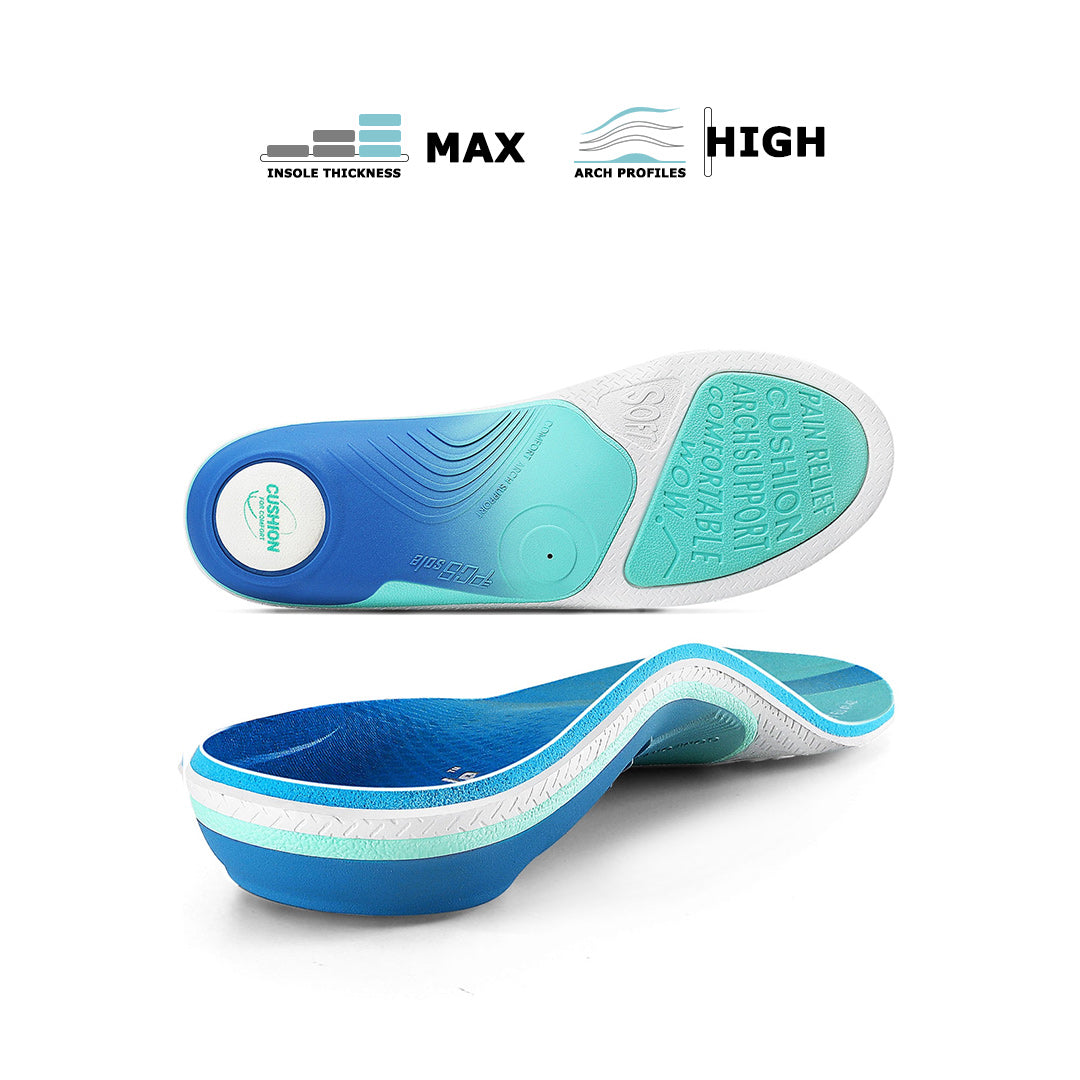
PCSsole offers custom orthotics that cater to the needs of those with flat feet, which are ideal for you to wear.

Can I Put Insoles in Crocs?
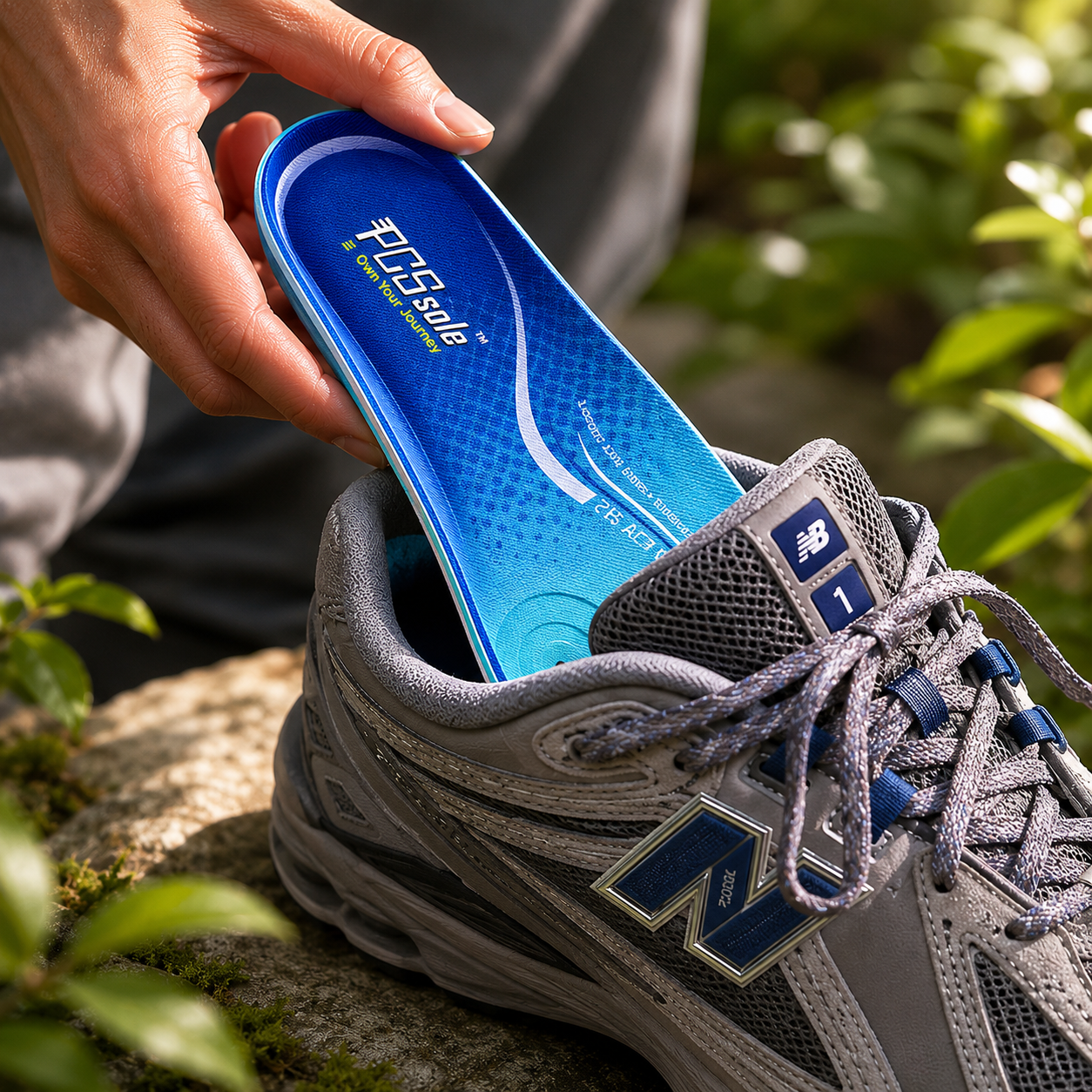
Yes, you can absolutely put insoles in Crocs. Because classic clogs have a deep, roomy footbed, they easily accommodate most inserts to add arch support, cushioning, or a tighter fit.
How to get the best fit?
- Use specialized inserts: Brands like PCSsole make arch support insoles specifically designed to fit the width and curvature of Crocs without bunching.
- Trim-to-fit options: You can use standard Trim-To-Fit Clog Inserts and cut them to match the exact shape of your footbed.
- Custom Orthotics: If you have rigid custom orthotics, you may need to size up in your Crocs to ensure they fit properly without feeling too tight.
How to Make Insoles Work in Crocs?
If you love the lightweight convenience of Crocs but desperately need real arch support or heel stability to prevent foot fatigue, use these smart workarounds:
1. Opt for 3/4-Length Orthotics
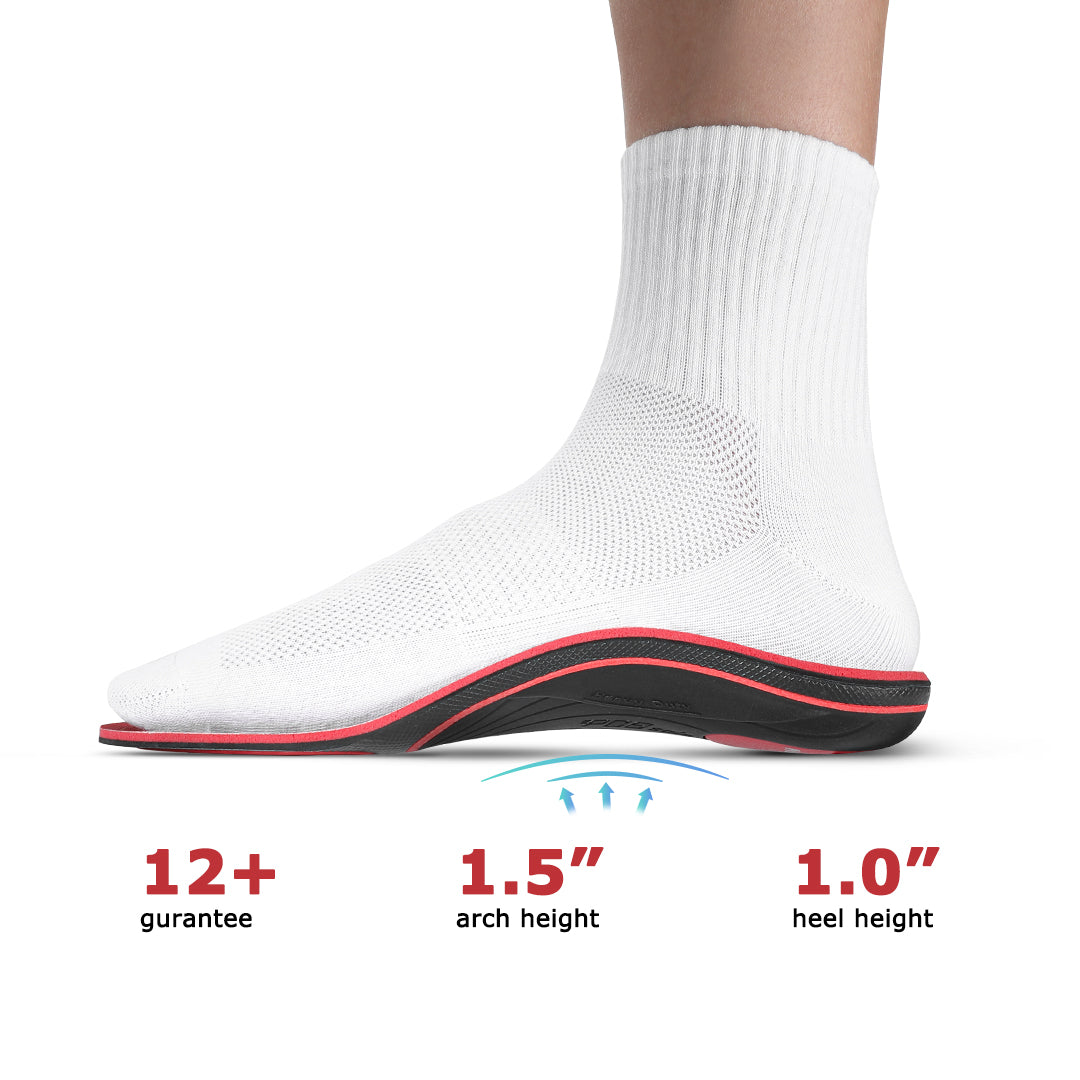
Instead of a full-length insole, use a 3/4-length rigid or semi-rigid orthotic. This style provides the necessary arch support and deep heel cup to stabilize your ankle, but leaves the forefoot completely empty. This ensures your toes still have all the roomy wiggle room they need.
2. Size Up Your Clogs
If you are fully committed to using full-length plush memory foam or a heavy-duty insole, you will need to buy your Crocs one full size larger than your normal shoe size to accommodate the extra volume.
3. Anchor the Insole in Place
To stop the insole from sliding forward or shifting sideways, place a small piece of double-sided carpet tape or a Velcro dot underneath the heel of the insole. This locks it securely to the foam footbed without permanently damaging the shoe.
4. Switch to Crocs' Professional Lines
If you need orthotics for a demanding work environment (like nursing, retail, or kitchen shifts), skip the Classic Clog entirely. Look into the Crocs Work Collection (such as the On-The-Clock or Bistro Pro models). These specific styles are designed with a deeper heel chamber, and some even feature removable contoured liners, making them vastly more accommodating for custom prescription orthotics.
Quick Tip for Squeaking: If your new insoles make a loud squeaking sound when you walk, sprinkle a light dusting of baby powder (talcum powder) inside the Crocs before inserting the insole. This eliminates the friction that causes the noise.

Why Choose PCSsole Insoles?
When replacing your Crocs insoles, a high-quality upgrade can make a noticeable difference in comfort and fit.
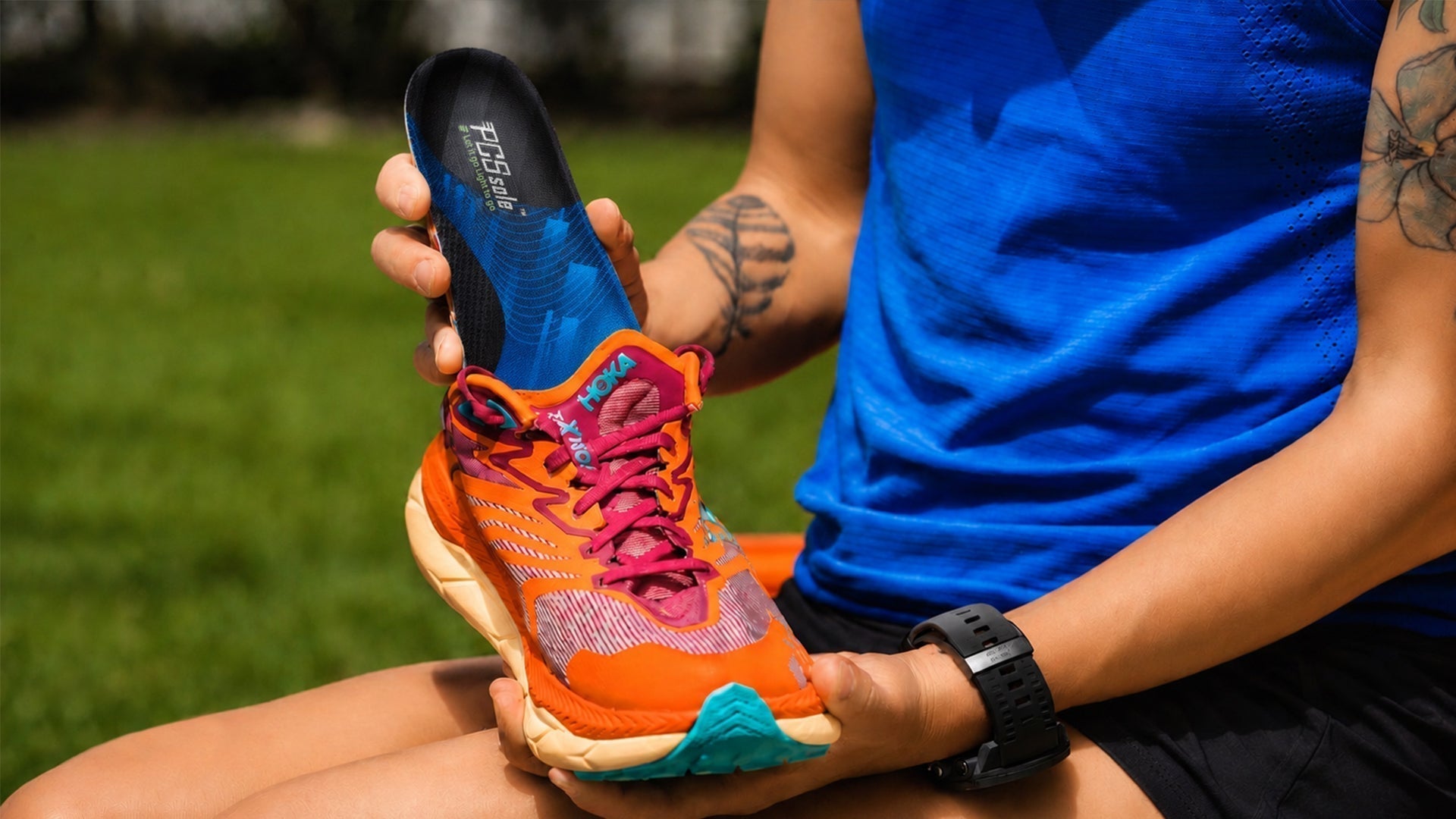
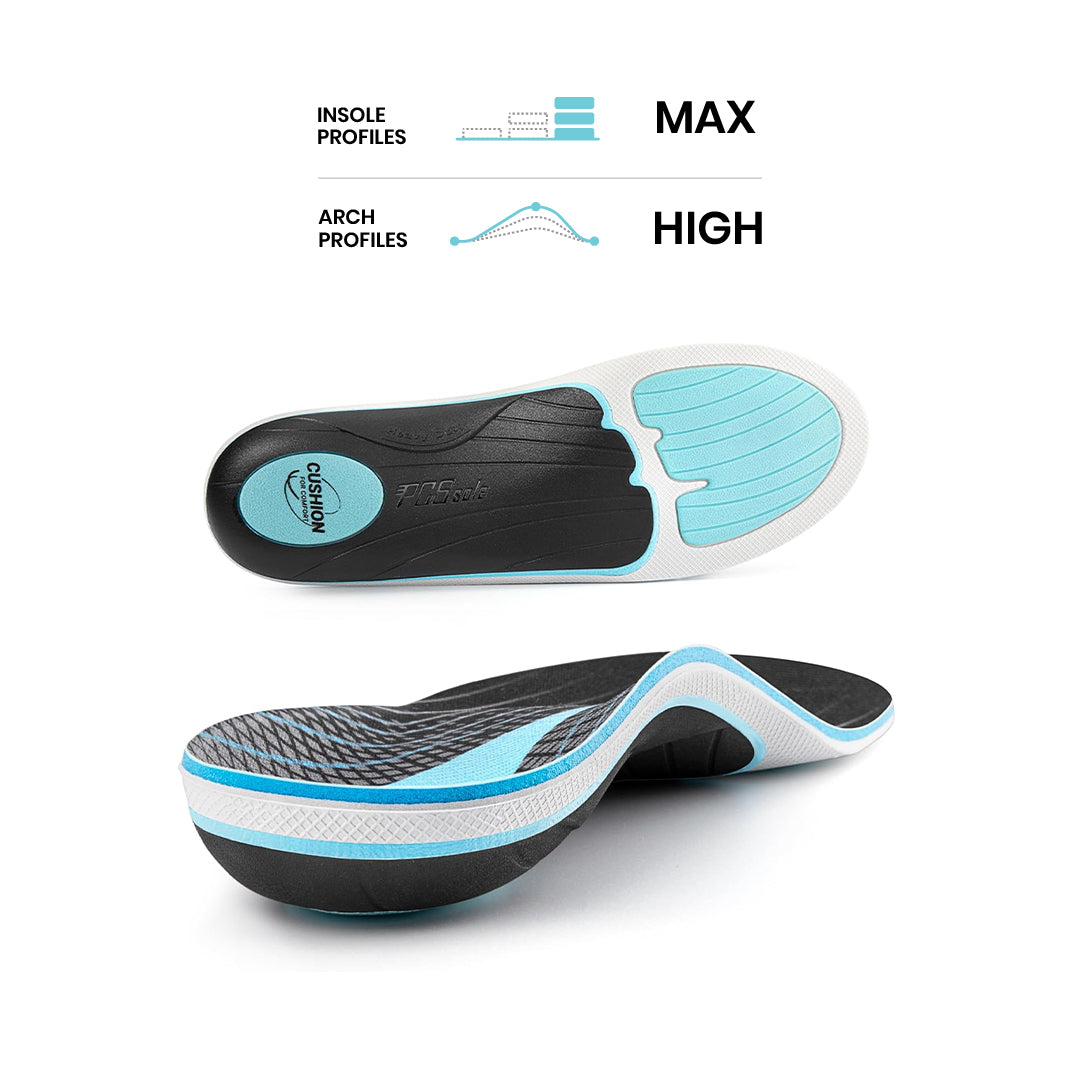
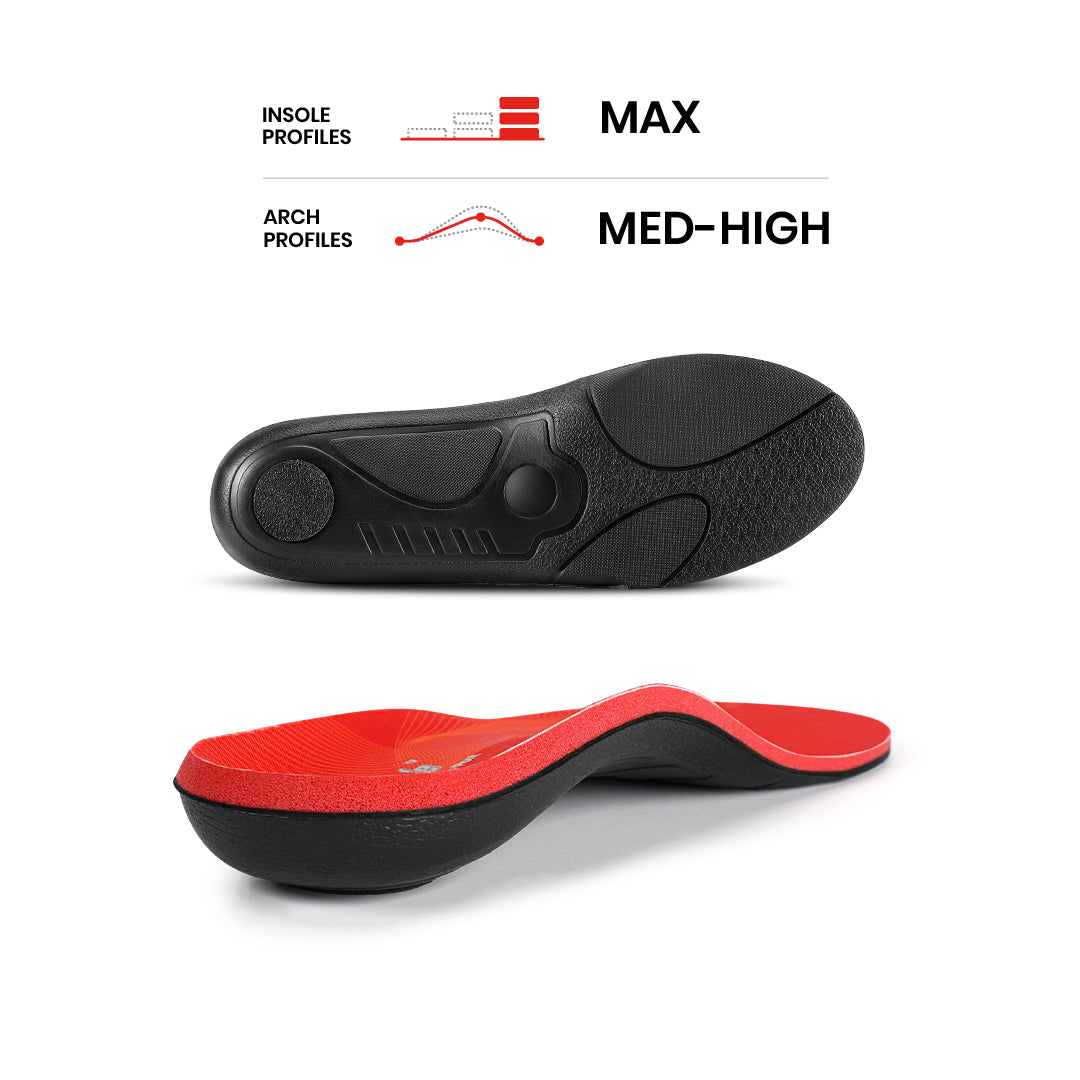
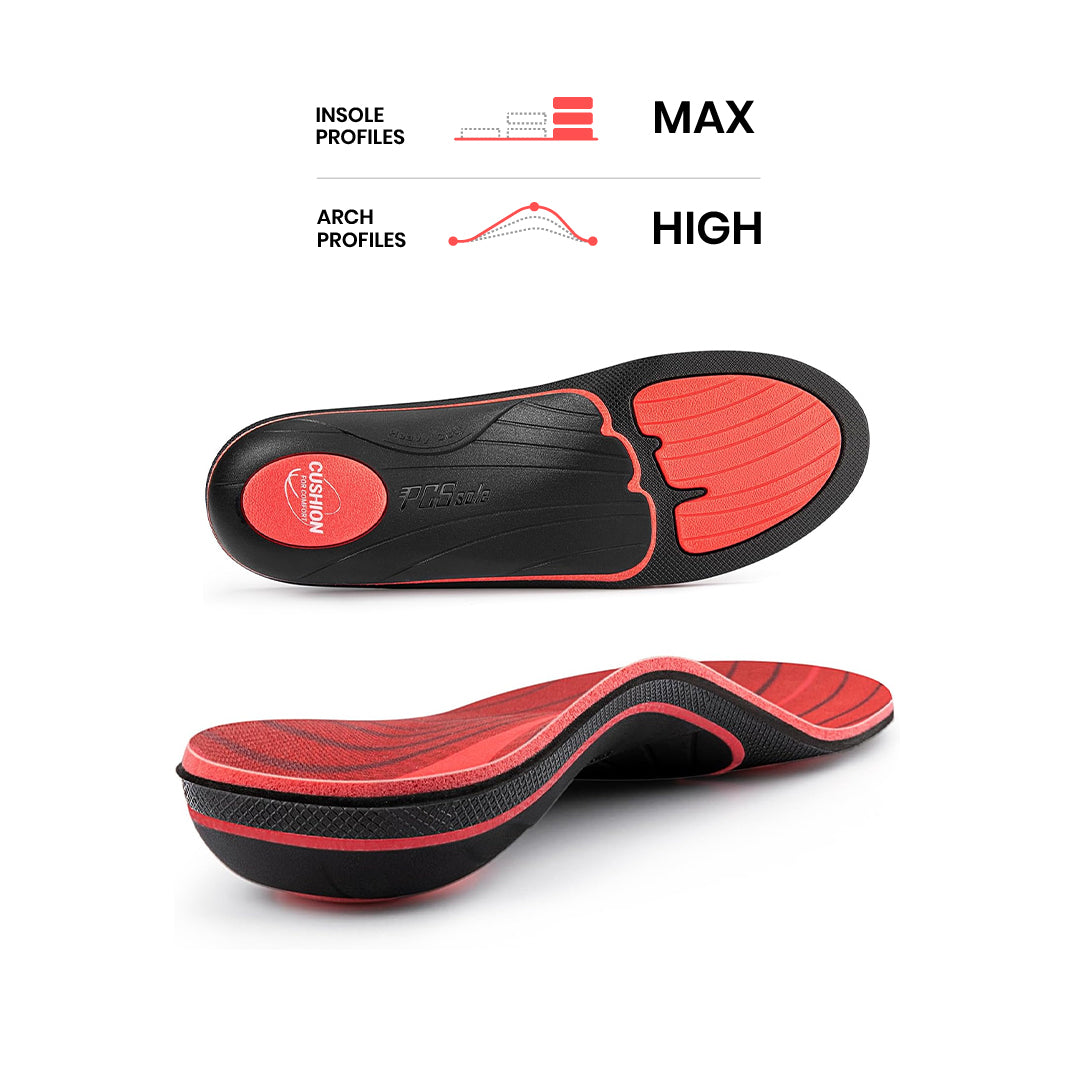
PCSsole replacement insoles are engineered to enhance your footwear experience without compromising style, providing durable cushioning and reliable support for everyday wear and workouts, helping to relieve foot pain and discomfort from prolonged use.
Premium Materials and Design
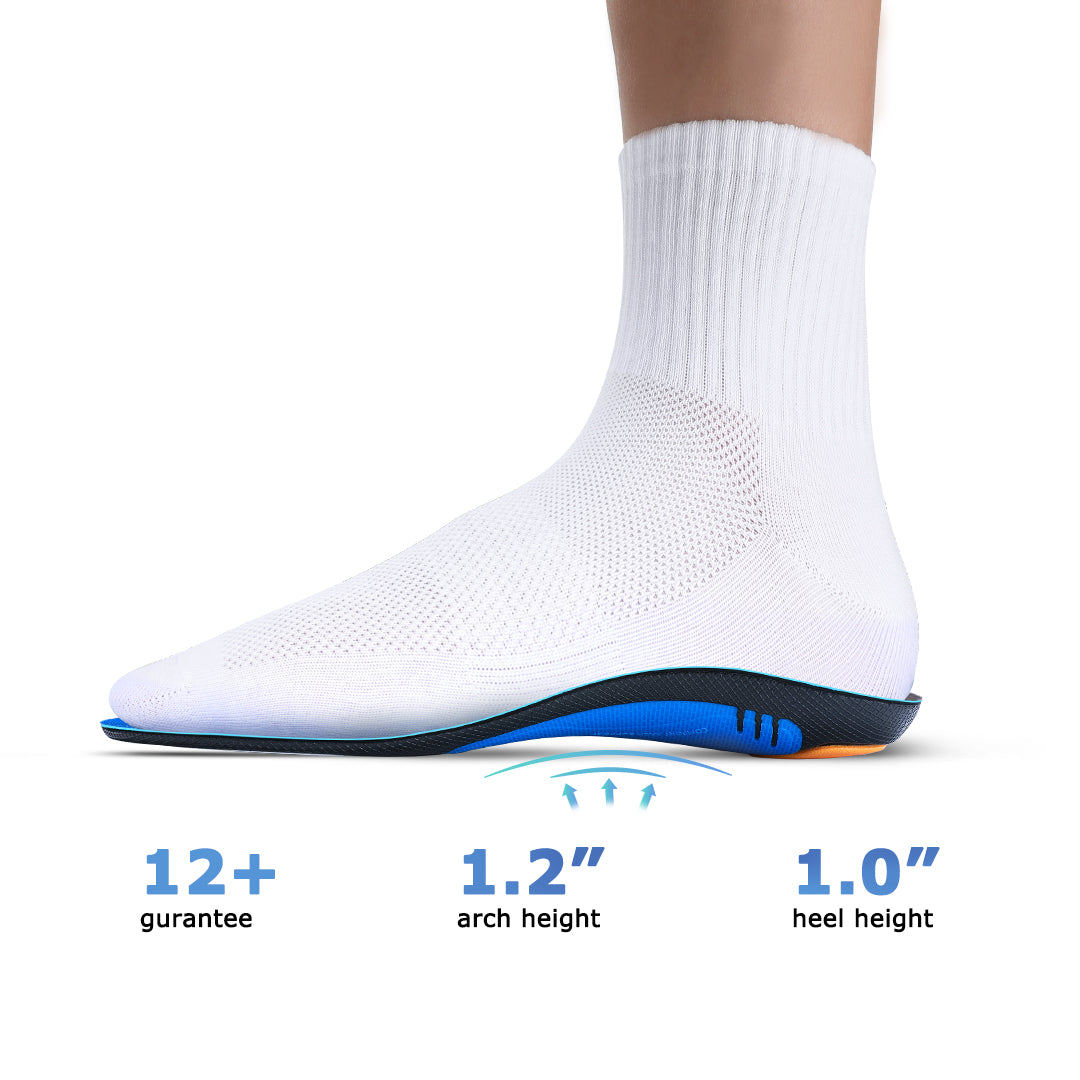
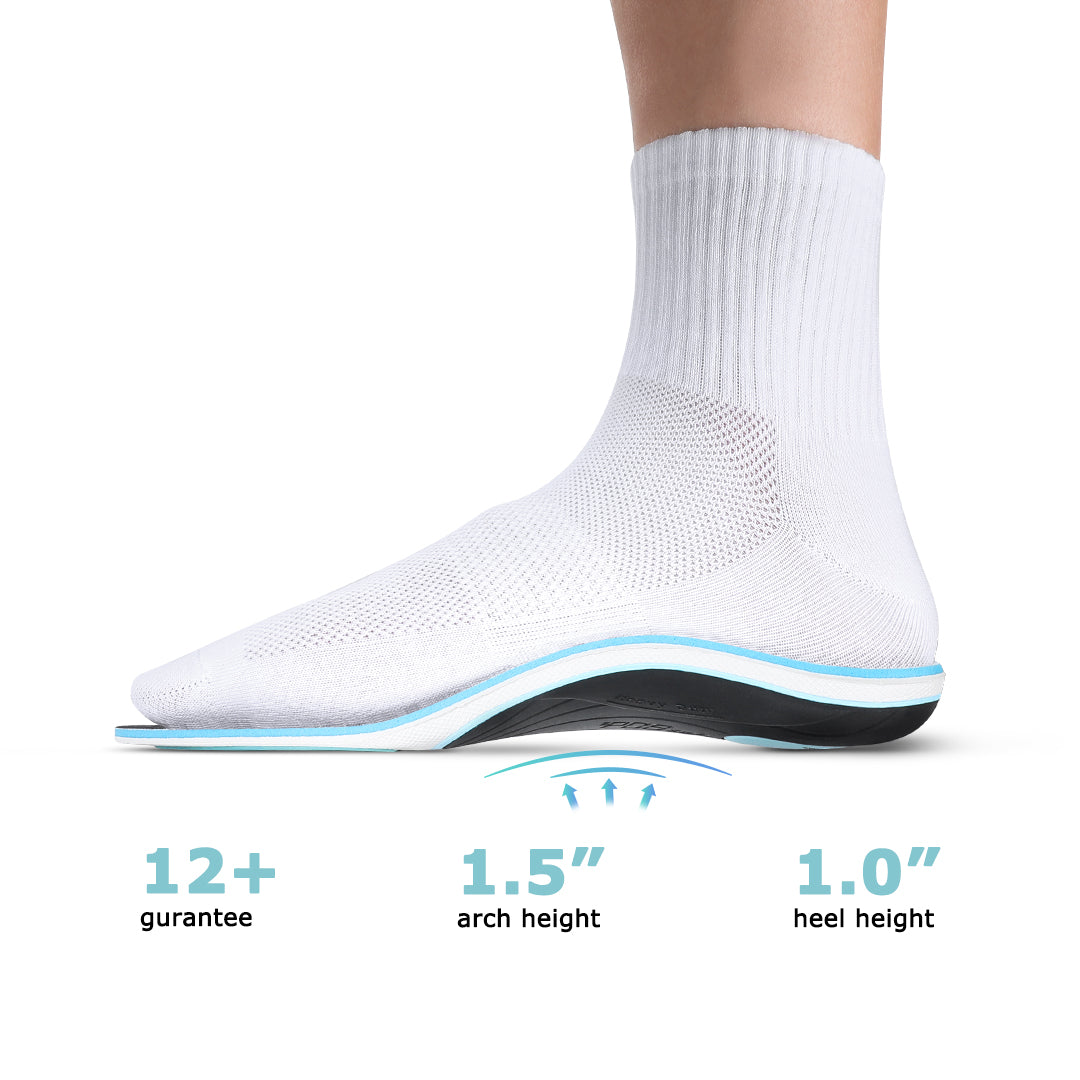
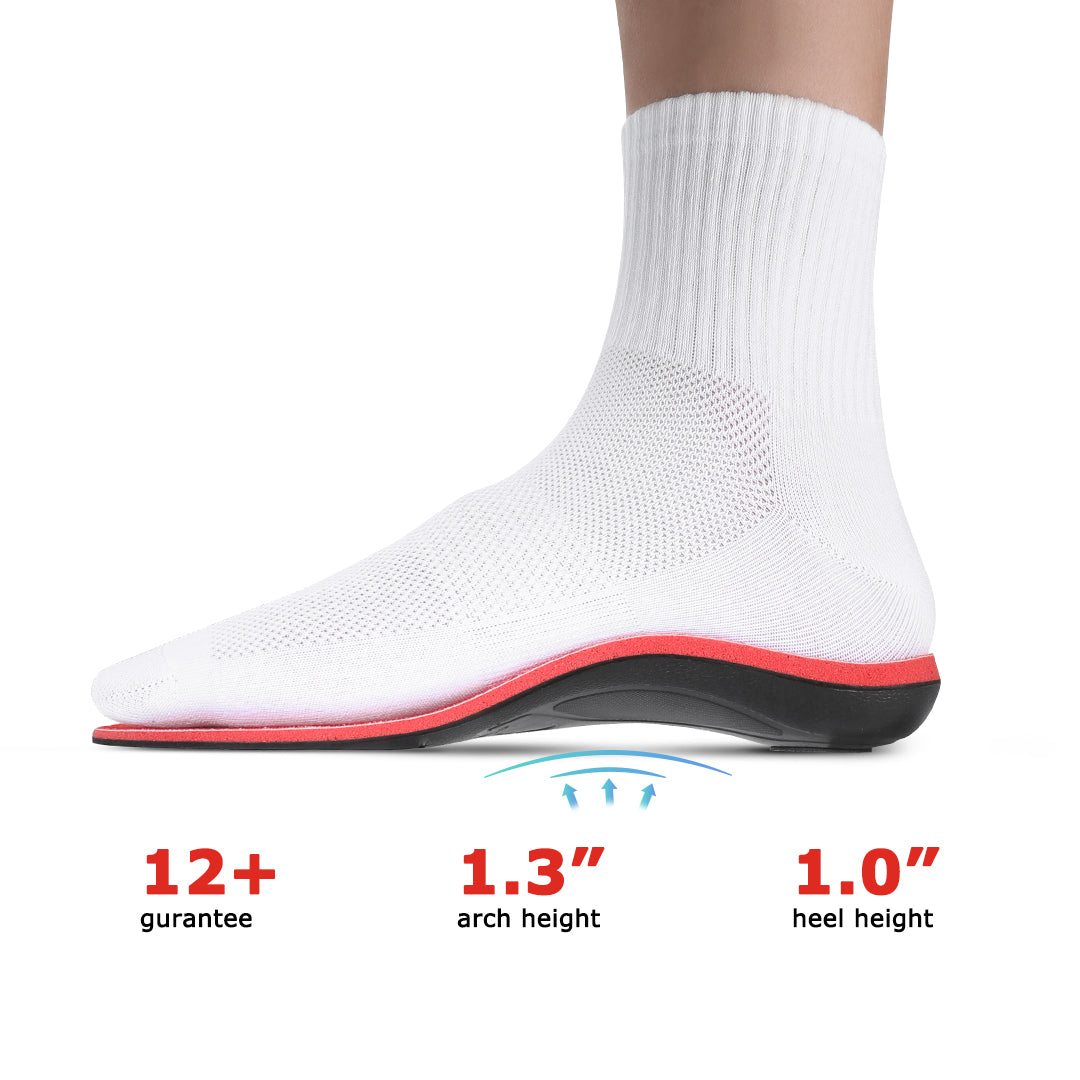
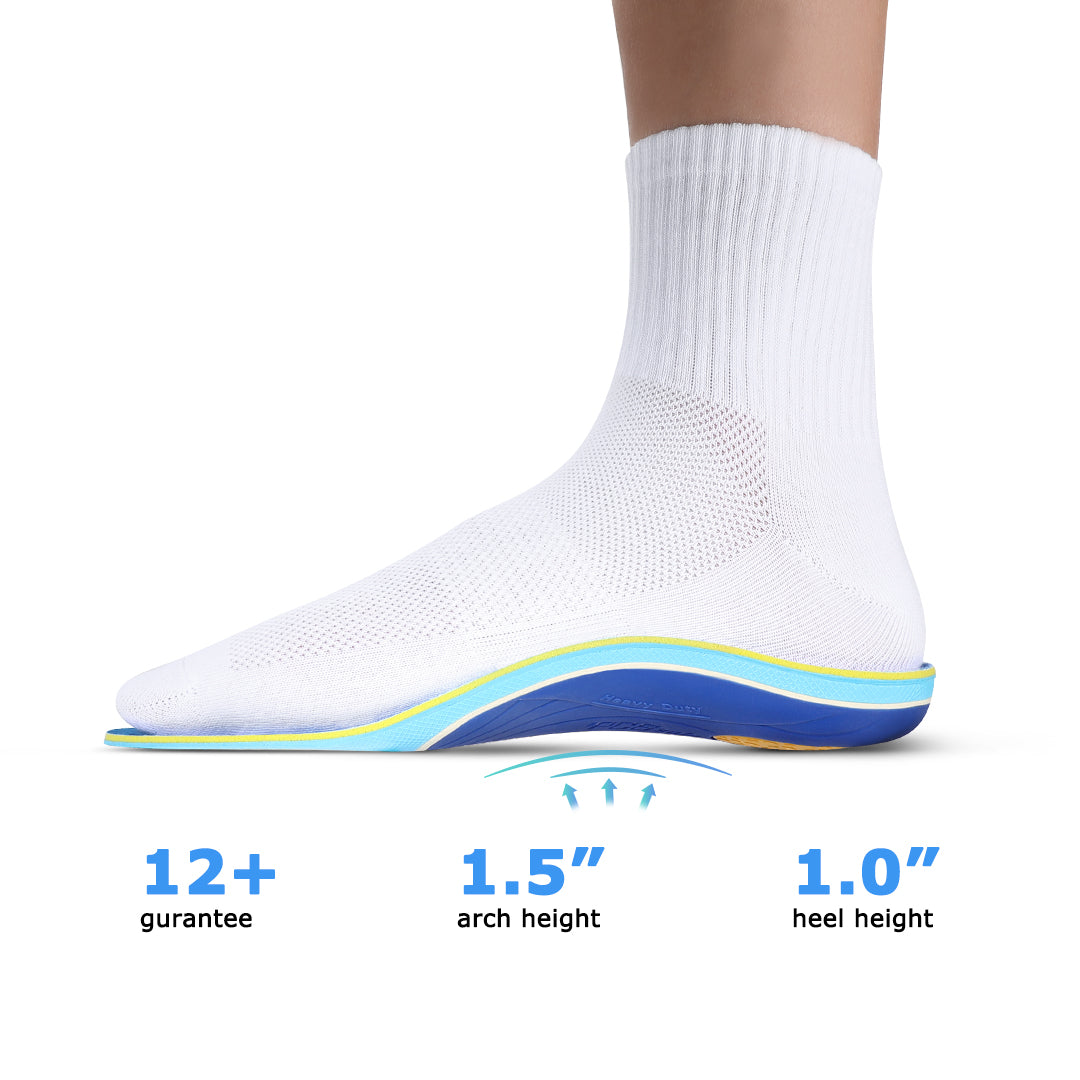
- Contoured Arch Support – Adapts to your natural foot shape for a better fit and stability in your shoes. Suitable for high, medium, or low arches.
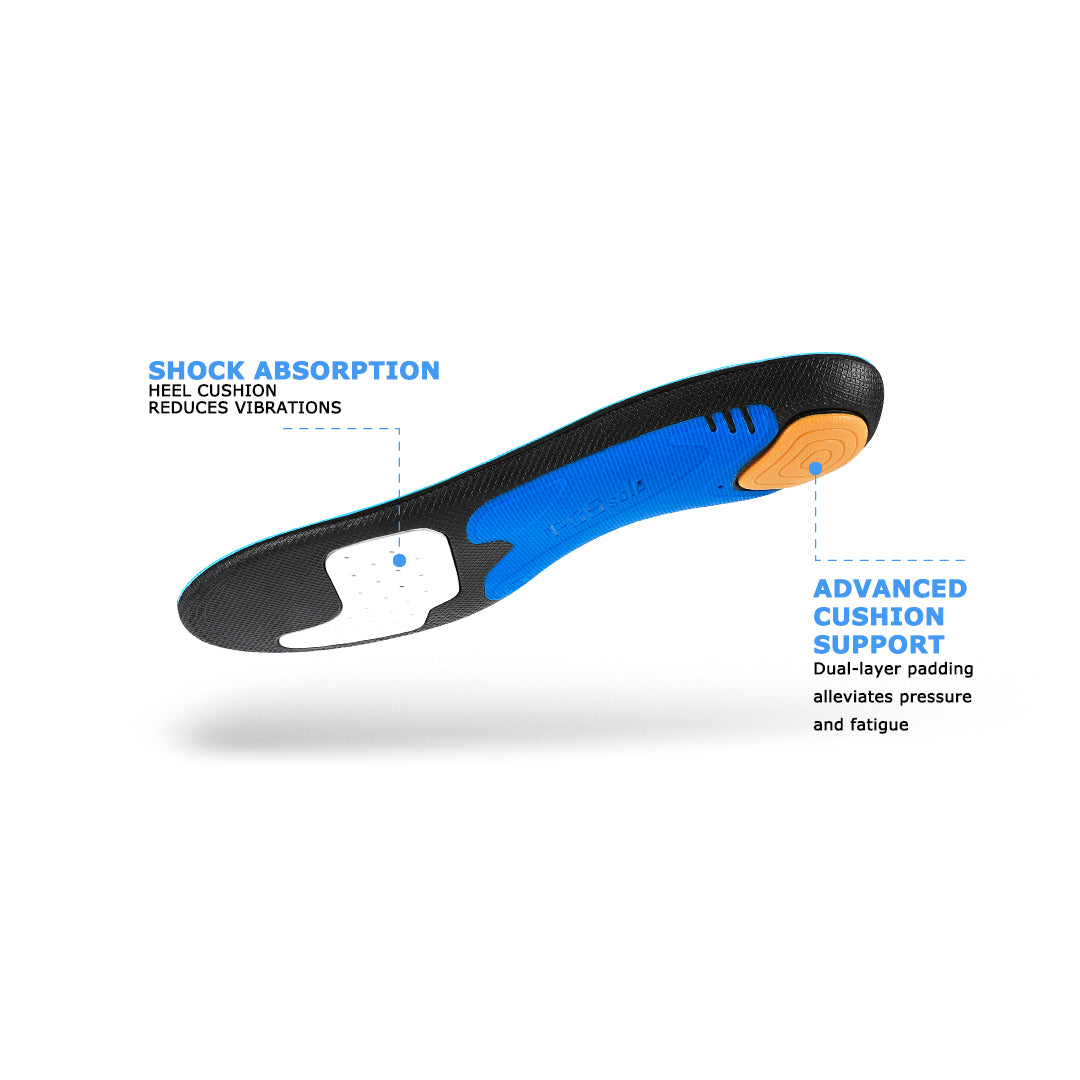
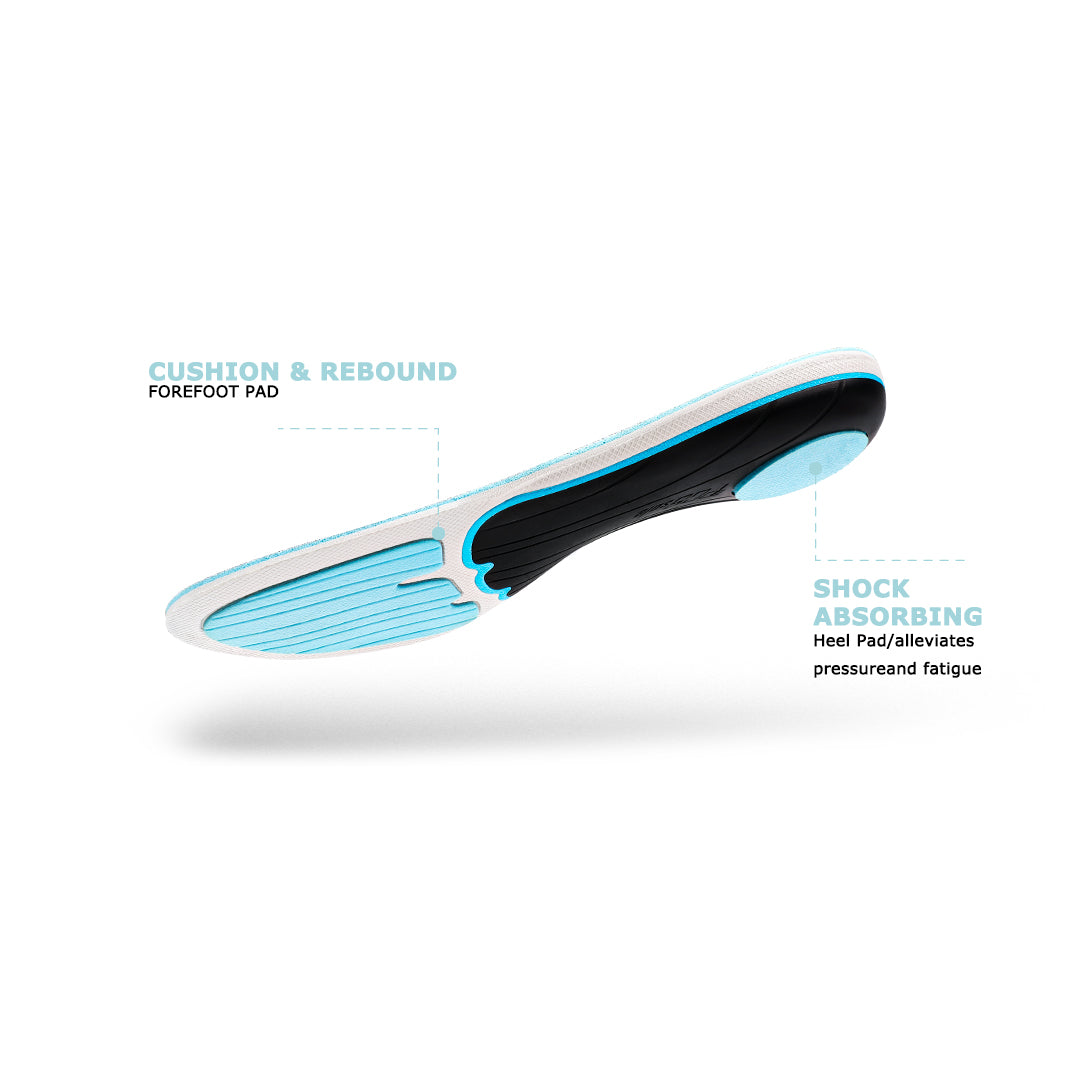
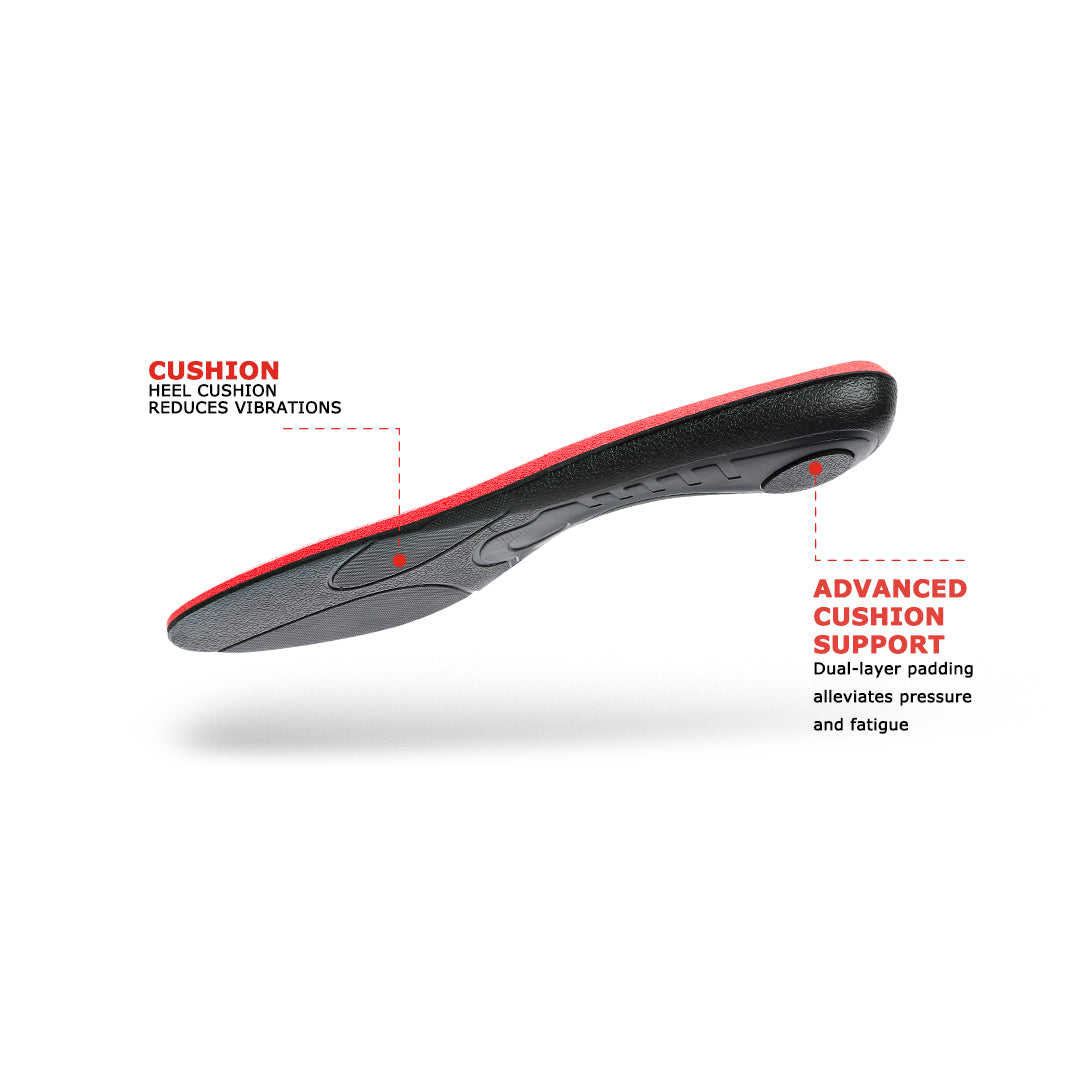
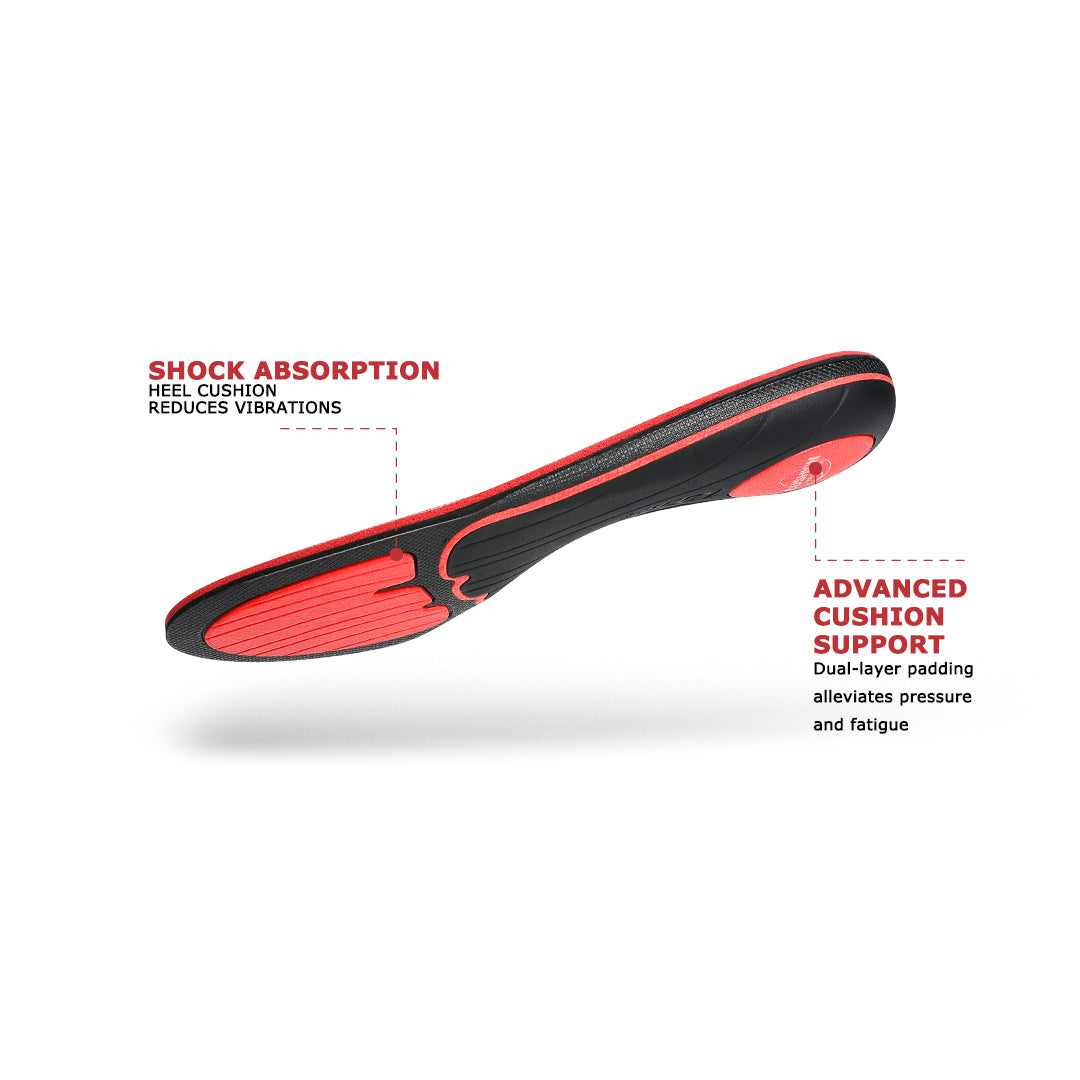
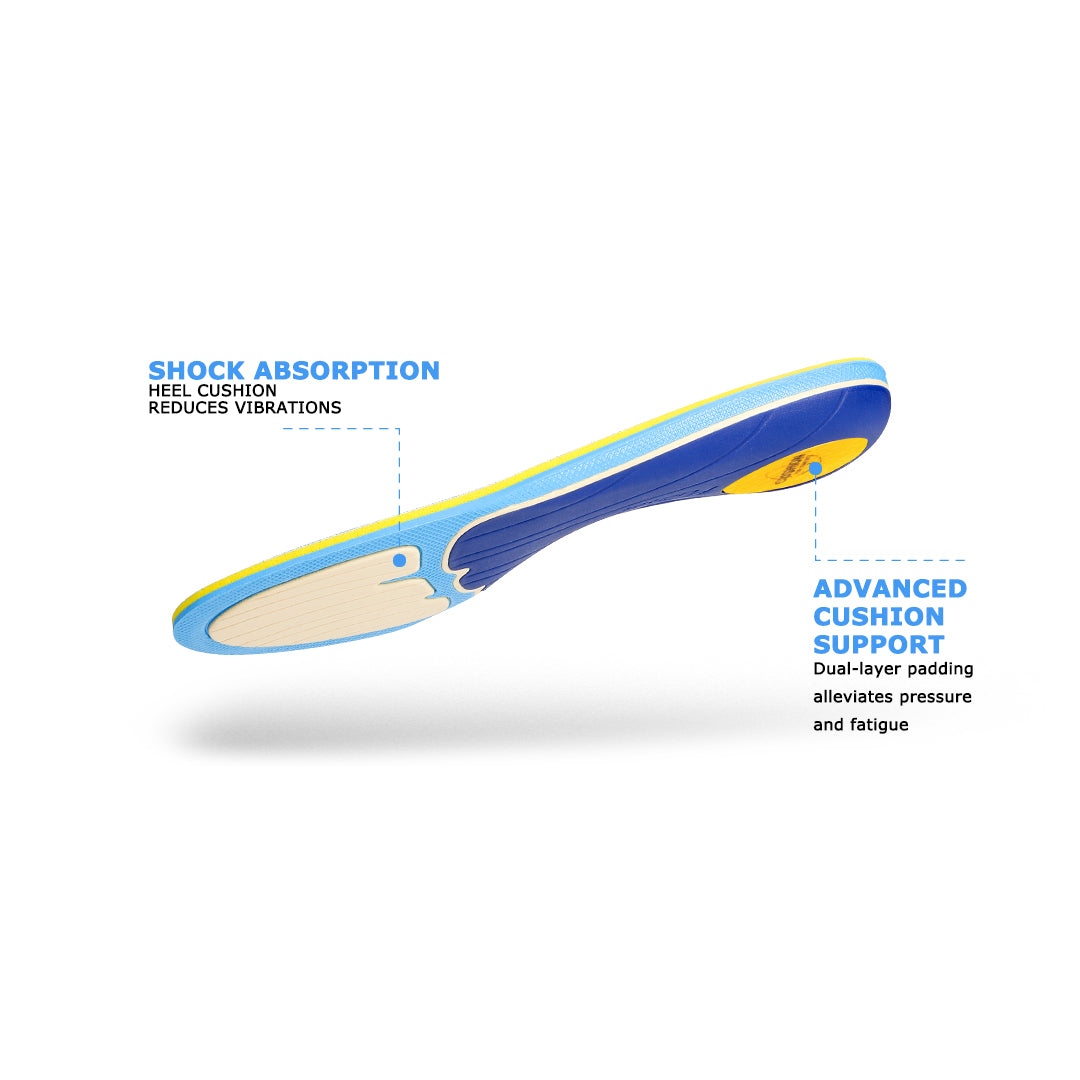
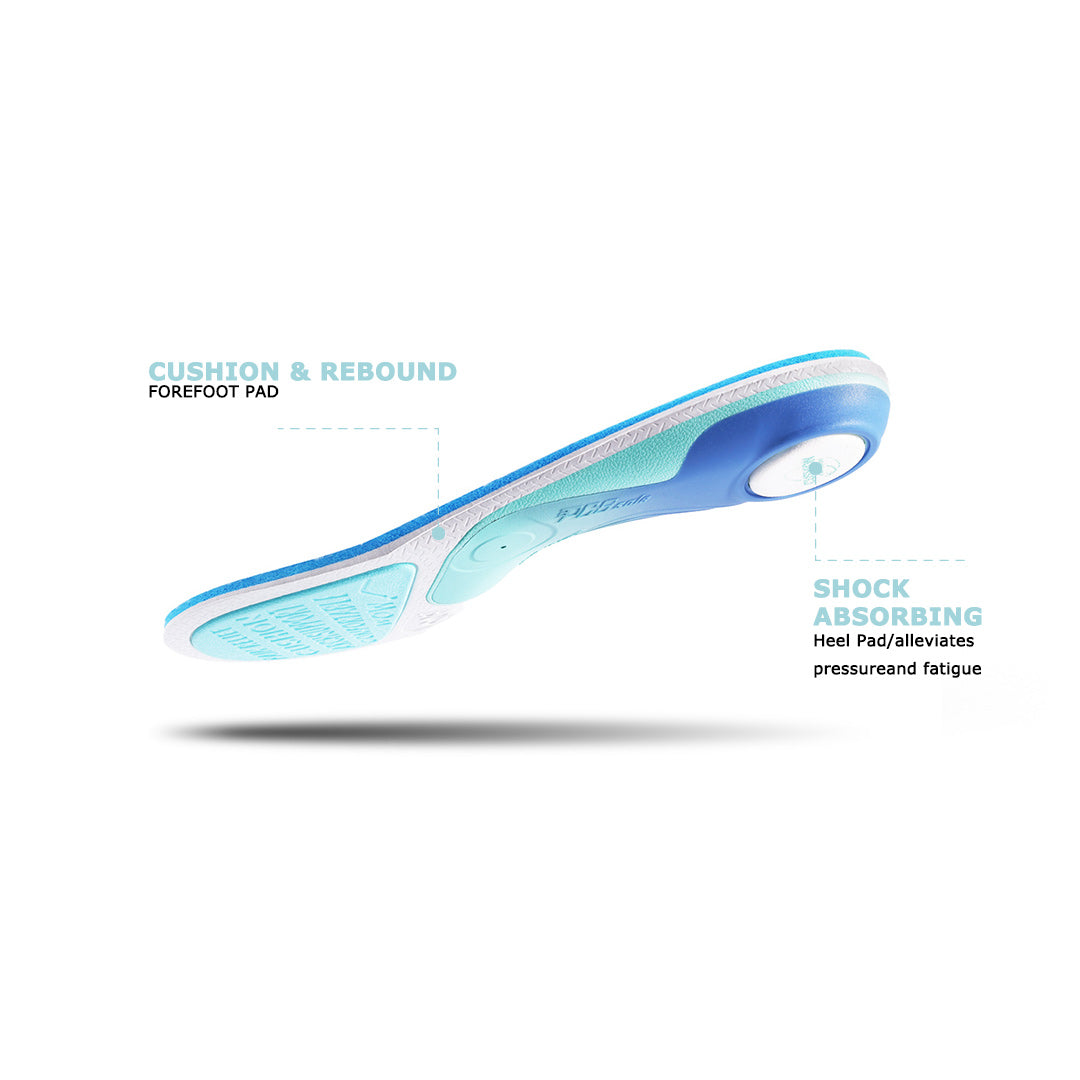
- Responsive Cushioning – Shock-absorbing materials soften impact, helping your feet feel more comfortable during long walks, workouts, or all-day wear.
- Moisture-Resistant Surface – Keeps feet feeling fresh by wicking away moisture, helping maintain a clean and dry in-shoe environment.
Immediate Comfort
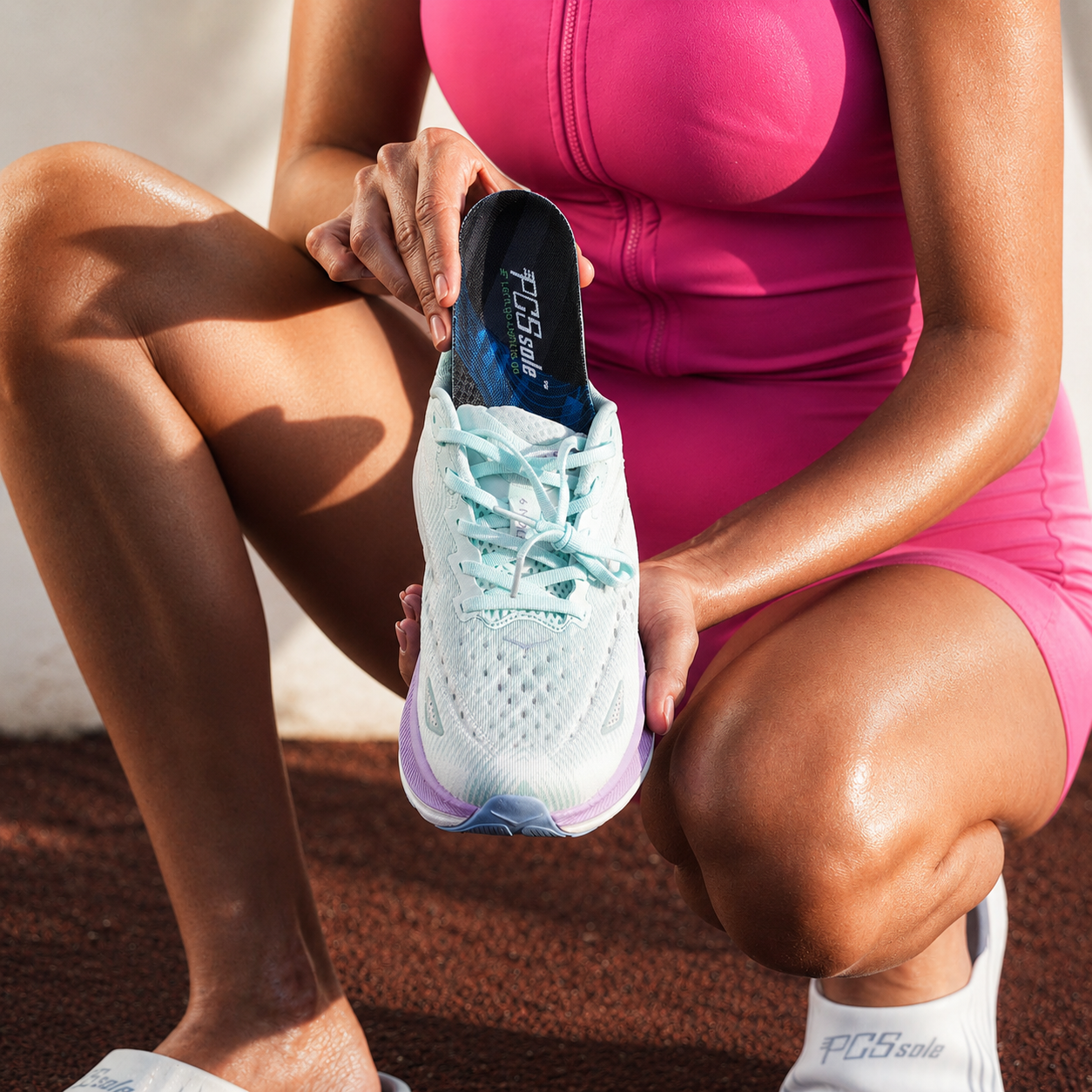
Slip PCSsole insoles into your Crocs Clog, and you’ll immediately notice better support and a more comfortable step:
- Even Pressure Distribution – High-quality cushioning effectively disperses foot pressure, reducing localized soreness and discomfort from extended wear.
- Enhanced Fit – Delivers a snug, stable, and supportive feel without crowding the shoe.
- Significantly Improved Comfort – Adds a soft, cushioned layer to your Crocs Clog, transforming it into a more comfortable and shock-absorbing experience.
Durability and Versatility
- Multi-Pair Compatibility – Easily transfer between multiple Crocs Clogs without affecting fit.
- Long-Lasting Performance – Maintains structure and cushioning over time, resisting compression.
- Built to Last – High-quality materials hold up to daily use, making them a reliable replacement for worn stock insoles.
Upgrade your Crocs Clog with PCSsole insoles and enjoy improved comfort, support, and durability with every step.

Frequently Asked Questions
Does Crocs sell official replacement insoles?
Generally, no. Except for lined models with removable fleece or specific professional work series, Crocs does not sell standalone replacement insoles for Classic Clogs. Most functional inserts in the market are developed by third-party orthotic or athletic brands.
Do insoles work with Crocs?
Yes, you can absolutely put insoles in Crocs. Because Crocs feature a deep, roomy footbed, they are excellent candidates for accommodating custom orthotics, gel pads, or third-party shoe inserts.
Why do podiatrists not recommend Crocs?
Classic Crocs have an open back or a very loose resin strap. When the heel is unstable, your toes are forced to instinctively claw and grip the footbed to keep the shoe from slipping off. This repetitive, unnatural contraction can lead to severe tendonitis, hammertoes, and nail damage.
Can I use orthopedic insoles in Crocs for Plantar Fasciitis?
Yes, and it is highly recommended. Standard Crocs collapse completely under your weight, offering zero physical rest for a strained plantar fascia ligament. Adding a semi-rigid or rigid arch support insert handles the structural workload, alleviating heel pain while keeping the convenience of clogs.
Are high arch support insoles good for flat feet inside Crocs?
Yes, but they require a break-in period. Flat feet tend to overpronate (roll inward) inside flat, unstructured clogs. A rigid arch insole corrects this alignment. Because it forces the arch upward, you may feel mild pressure initially; start by wearing them for 2 hours a day and gradually increase usage.